
Is Wisteria Poisonous to Dogs, Cats, and Children?

A little green. A lot of curiosity.
Wisteria is the kind of vine that makes a garden feel like a storybook. Unfortunately, it is also one of those “admire it, don’t snack on it” plants. If you share your yard with dogs, cats, or small humans who explore with their mouths, it helps to know which parts are risky and what to do if a nibble turns into a gulp.

Is wisteria toxic?
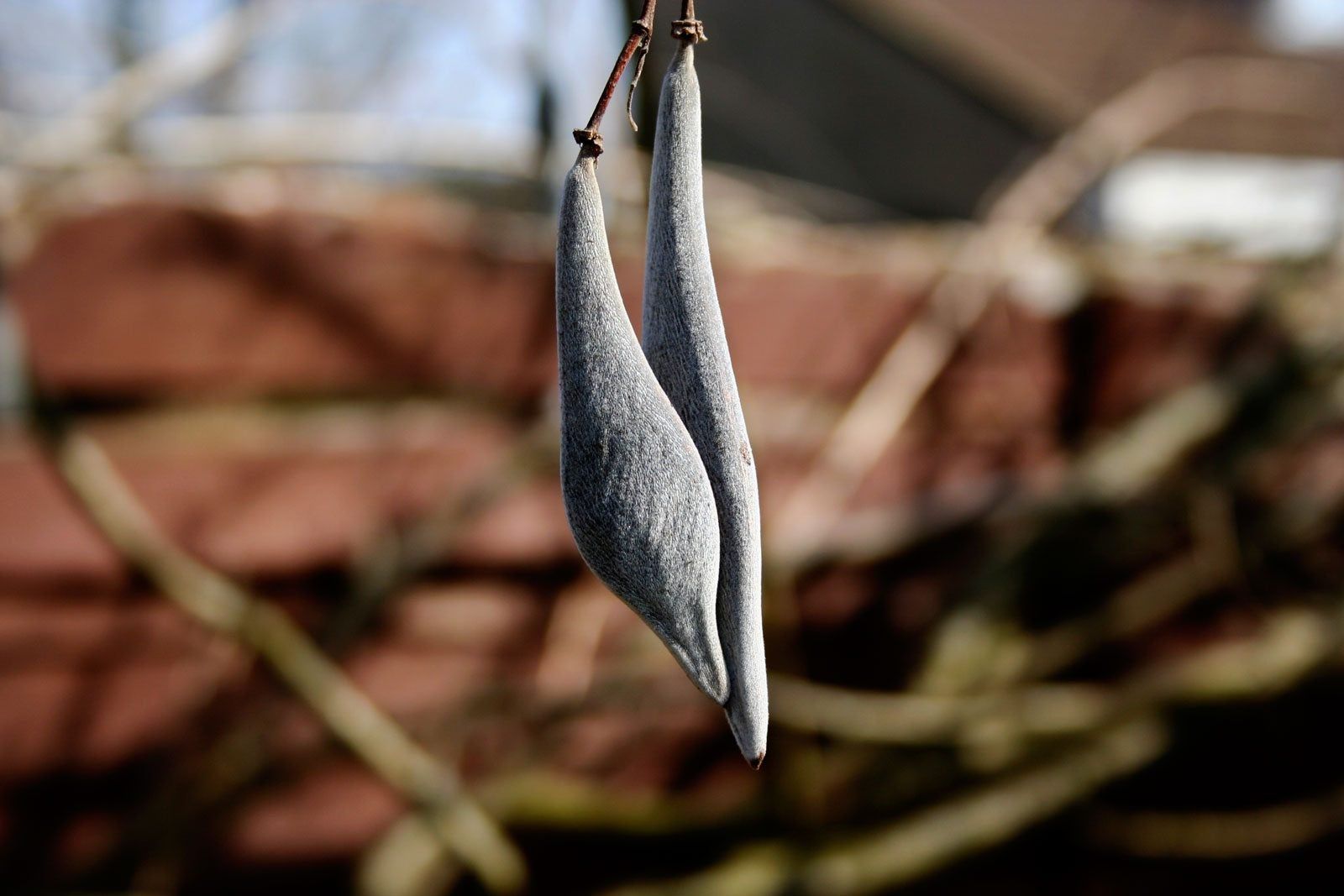
Yes. Wisteria is considered toxic to dogs, cats, and people if eaten, and the highest risk is the seeds and seed pods.
A common scenario is someone chewing on a fallen pod, cracking it open, and swallowing the seeds inside. Pets may treat pods like chew toys. Kids may pick them up because they look like oversized beans.
Which parts are most dangerous?
- Seeds: typically the most concentrated source of the irritating compounds, and the most common culprit in poisoning stories
- Seed pods: risky because they contain seeds and are easy to carry and chew
- Leaves and stems: can also cause illness if eaten
- Flowers: still not edible, though many bigger exposures involve pods rather than blooms
Wisteria contains lectins and other compounds that can irritate the digestive system. You may see toxin names (like “wisterin”) used in plant references, but for most real-world cases the effect people notice is the same: gastrointestinal upset that can range from mild to intense depending on how much was eaten and the size of the pet or child.
Wisteria poisoning symptoms
Symptoms often show up within a few hours, though timing can vary. The most common signs involve the stomach and intestines.
In dogs
- Drooling and lip smacking
- Vomiting
- Diarrhea
- Loss of appetite
- Abdominal pain, hunched posture
- Weakness or lethargy
In cats
- Vomiting
- Diarrhea
- Drooling
- Hiding, lethargy
- Reduced appetite
In children
- Nausea
- Vomiting
- Diarrhea
- Stomach cramps
Seek urgent medical help right away if you see trouble breathing, repeated vomiting that will not stop, extreme sleepiness, confusion, signs of dehydration (very dry mouth, no tears, not urinating), or if you suspect a large amount was eaten.
What to do if wisteria is eaten
When it comes to plant ingestion, a calm, quick response beats guesswork. Here’s a practical sequence that works for most situations.
Step 1: Remove access and check the mouth
Take the plant material away. If it is safe to do so, gently remove any remaining pieces from the mouth to prevent more swallowing.
Step 2: Rinse, then offer a small drink
Rinse the mouth with water. For pets, offering a small amount of fresh water can help clear the taste. Do not force water if your pet is vomiting or acting distressed.
Step 3: Identify what was eaten
Try to figure out:
- What part was eaten (seed, pod, leaf, flower)
- How much (one seed vs. several pods)
- When it happened
- Body size (small dog vs. large dog matters)
If possible, save a piece of the pod or take a quick photo. That can help a vet or poison specialist make faster decisions.
Step 4: Skip home remedies
Do not induce vomiting unless a professional tells you to. Also avoid giving milk, oil, salt, or leftover meds. And do not give human anti-diarrheals to pets unless your veterinarian specifically directs you.
Step 5: Call the right help
- For pets: Call your veterinarian, an emergency vet clinic, or a pet poison helpline.
- For children: Call your local poison control center and follow their instructions.
If symptoms are already happening, do not wait. Call immediately.
When to call right away
If you are on the fence, it is usually safer to call. Wisteria exposures are common enough that professionals will have clear guidance.
Call a vet or pet poison service immediately if:
- You suspect seeds were eaten, even if symptoms have not started
- Your pet is small, senior, very young, or has existing health issues
- Your pet ate more than a tiny nibble of pod, seeds, or leaves
- There is repeated vomiting, bloody diarrhea, severe lethargy, or your pet cannot keep water down
- You see shaking or tremors, collapse, or anything that looks neurological (even if it turns out not to be the wisteria)
- You cannot estimate how much was eaten
Call poison control for a child immediately if:
- Any seeds were swallowed
- The child is very young or you cannot confirm the amount
- Vomiting, diarrhea, or significant stomach pain begins
If someone is having severe symptoms such as breathing problems, collapse, or unresponsiveness, treat it as an emergency and seek immediate medical care.
What treatment may involve
Every case is different, but treatment often focuses on preventing dehydration and calming the stomach.
For pets, a veterinarian may recommend:
- Assessment and monitoring
- Medications for nausea and vomiting
- Fluids (under the skin or IV) if dehydration is a concern
- Activated charcoal in some situations, if advised and time-appropriate
- A bland diet for a short period during recovery
The earlier you call, the more options there are. Waiting until symptoms are severe can turn a straightforward tummy upset into a much harder day.
Preventing problems
Wisteria can still have a place in a family garden. The key is treating seed pods like you would treat dropped chocolate around a dog. You do not want them lying around.
1) Remove seed pods before they drop
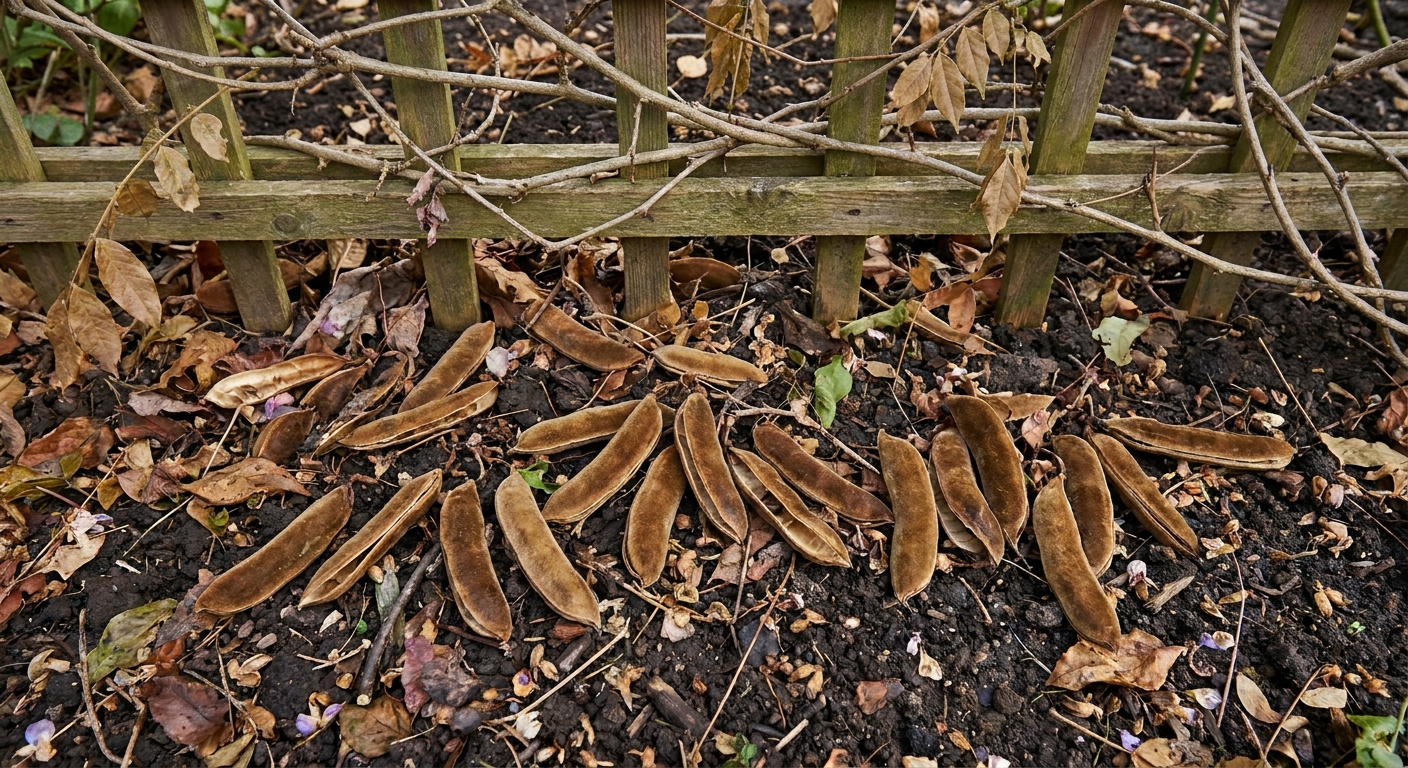
After flowering, wisteria can form long pods that mature and eventually split. If you remove pods while they are still intact on the vine, you reduce the chance of finding crunchy “garden toys” on the ground later.
2) Pick up fallen pods often
In pod season, do quick sweeps of:
- Under arbors and pergolas
- Along fences where vines climb
- Around patios, decks, and steps
- Edges of lawns where pets sniff and kids run

3) Keep pods away from play zones
If your wisteria grows near a sandbox, swing set, dog run, or a favorite fetch strip, consider pruning to keep most growth and pod formation away from that zone. Even a few feet of distance helps.
4) Use barriers if needed
For persistent chewers or toddlers, a simple barrier can be worth it during pod drop.
- Temporary garden fencing around the base
- A physical gate blocking access under the trellis
- Leash walks during the weeks pods are falling
5) Dispose of pods securely
Bag pods and remove them from reach. Avoid tossing them into areas where pets roam. If you compost, keep in mind that curious animals may still dig in compost piles.
Is it safe with pets or kids?
It can be, but it depends on your household. If your dog eats everything in sight, or you have a toddler in the put-everything-in-mouth phase, wisteria may be more stress than it is worth unless you can reliably manage pods.
For many families, the safest compromise is placing wisteria where pods are easy to see and collect, and keeping it away from daily play and pet traffic.
Quick FAQs
Are wisteria flowers poisonous?
They are not edible and can cause stomach upset if eaten. The bigger concern is usually the seeds and pods, which tend to be involved in more significant exposures.
My dog chewed a pod but did not swallow seeds. Should I worry?
It is still worth calling your vet, especially if the pod was chewed open. Even small amounts can cause vomiting or diarrhea, and seeds are easy to miss.
How many wisteria seeds are dangerous?
There is no single “safe number” that applies to every dog, cat, or child. Size, sensitivity, and how much was actually swallowed all matter. If seeds were eaten, treat it as a reason to call.
What if I am not sure the plant is wisteria?
Do two things at once: call a professional for ingestion advice, and take clear photos of the vine, leaves, flowers, and any pods for identification. Several vines have similar habits, and some have their own toxicity issues, so it is smart not to wait for a perfect ID before you get help.
Bottom line
Wisteria is beautiful, but its seeds and pods are toxic to dogs, cats, and children. Most cases involve gastrointestinal symptoms like vomiting and diarrhea, and the safest move after any seed or pod ingestion is to call a vet or poison control promptly. In the garden, your best defense is simple: remove pods early, pick up fallen pods often, and keep pod drop areas out of high-traffic play zones.
Curiosity is lovely. It just needs a little supervision when the “snack” is a seed pod.