
Is Dieffenbachia Poisonous to Cats, Dogs, and Kids?

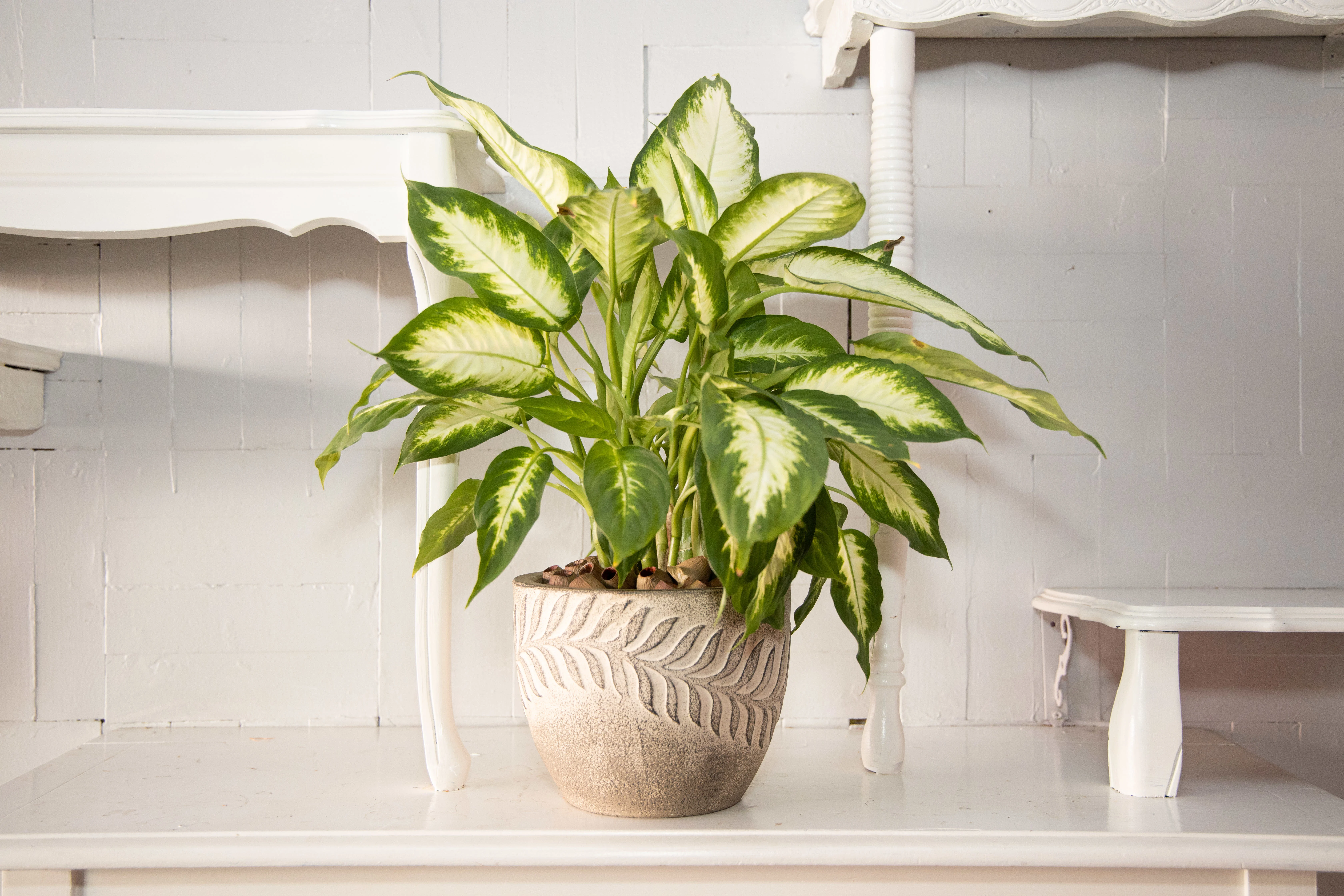
A little green. A lot of curiosity.
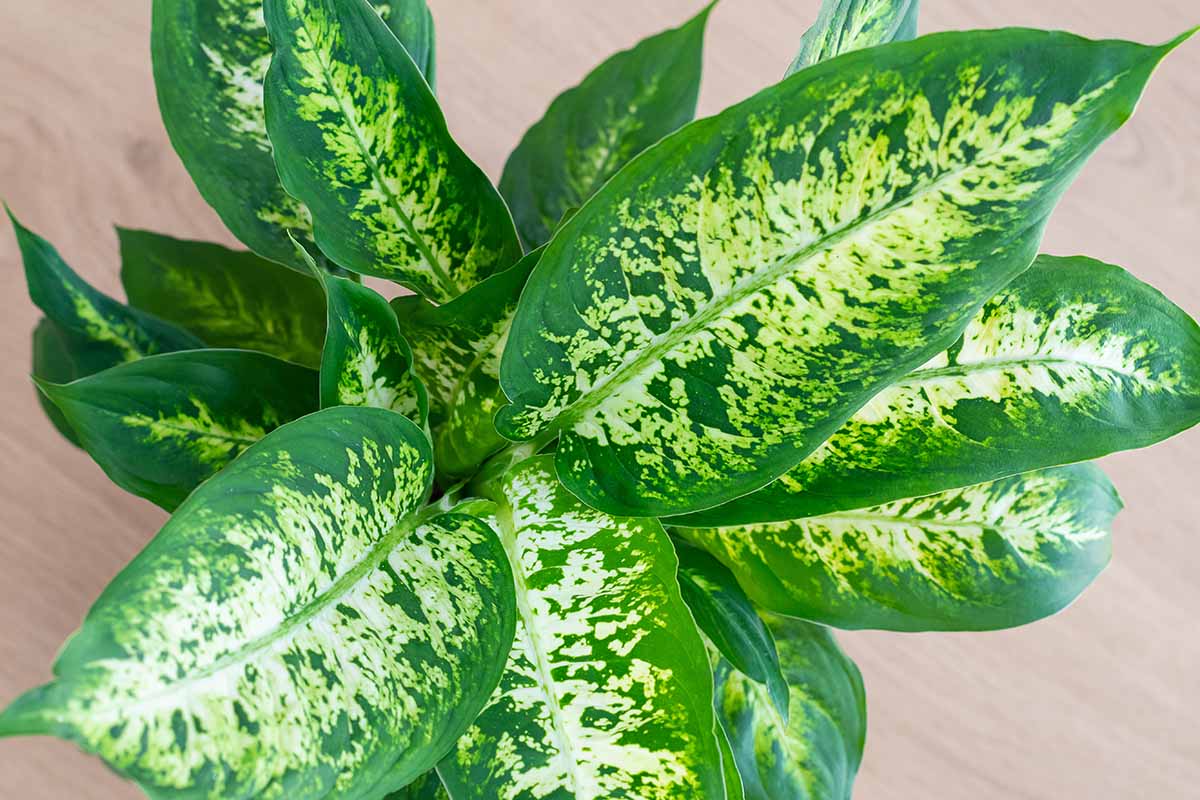
Dieffenbachia, often called dumb cane, is one of those bold, leafy houseplants that looks calm and harmless while quietly keeping a sharp little secret. Yes, it is poisonous to cats, dogs, and kids if they chew it. The good news is that most exposures are preventable, and most cases are treatable with fast, sensible first aid.

Why Dieffenbachia causes burning and swelling
Dieffenbachia contains insoluble calcium oxalate crystals (often called raphides). Think of them as tiny needle-like crystals stored inside the plant’s cells. When a leaf or stem is chewed, those crystals shoot into the soft tissues of the mouth, tongue, lips, and throat.
That mechanical irritation is the main problem, but it does not always work alone. Dieffenbachia sap can also contain irritating plant proteins and enzymes that add inflammation to the mix. The result is a very memorable sensation: burning, stinging, and swelling.
Is it a true “poisoning” or an irritation?
It is both, but most cases act like an intense local injury rather than a whole-body toxin. That is why you typically see mouth pain and drooling first, not delayed organ problems. Still, swelling can become serious, especially in small children and small pets.
Symptoms in cats and dogs
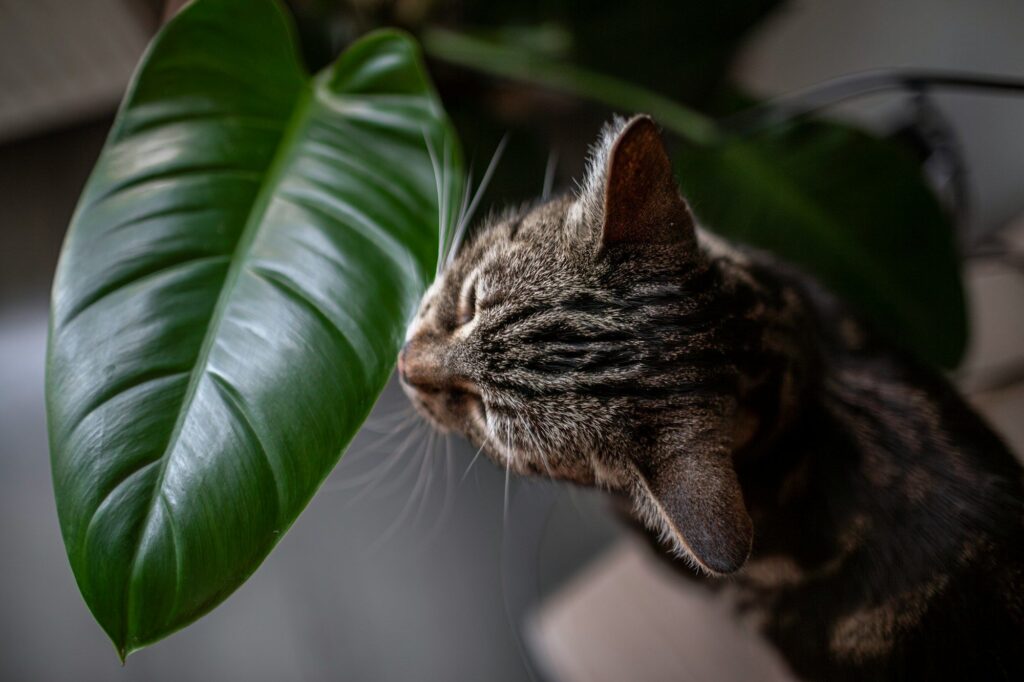
Pets usually tell on themselves quickly because the discomfort starts fast. Signs often appear within minutes of chewing.
- Drooling or foamy saliva
- Pawing at the mouth or face rubbing
- Yelping, whining, or refusing food
- Swollen lips, tongue, or gums
- Vomiting (can happen, especially if pieces are swallowed)
- Gagging, coughing, or retching
- Hoarse voice or trouble swallowing
Most pets do not keep chewing because it hurts, so the amount ingested is often small. The main risk is swelling and airway irritation, plus dehydration if they refuse to drink.
Emergency red flags for pets
Seek urgent veterinary care (emergency clinic if needed) if you notice:
- Difficulty breathing, noisy breathing, or open-mouth breathing in a cat
- Rapidly worsening swelling of the tongue or throat
- Repeated vomiting or inability to keep water down
- Extreme lethargy or collapse
- Signs of eye exposure such as squinting, redness, or pawing at an eye
Symptoms in children
In kids, the most common scenario is exploratory chewing or sucking on a leaf or stem.
- Immediate burning pain in the mouth
- Drooling
- Swollen lips or tongue
- Refusing to eat or drink because it hurts
- Hoarse voice or difficulty swallowing
- Nausea or vomiting (less common than mouth symptoms)
Emergency red flags for children
Call your local emergency number or go to urgent care or the ER right away if a child has:
- Trouble breathing, wheezing, or stridor (a harsh sound when breathing in)
- Severe mouth or throat swelling
- Drooling they cannot control with difficulty swallowing
- Persistent vomiting or signs of dehydration
- Any eye exposure with pain, redness, or vision changes
If symptoms are mild but you are unsure, contact Poison Control for guidance. In the United States, that is 1-800-222-1222.

First aid if Dieffenbachia is chewed
Fast, calm steps help a lot. The goal is to remove plant material, reduce irritation, and monitor for swelling.
For cats and dogs
- Remove access to the plant. Take away any pieces in the mouth if you can do so safely. Do not get bitten.
- Rinse the mouth gently. Offer small amounts of water or pet-safe oral rinse recommendations from your vet. You can also wipe the mouth with a damp cloth if your pet allows it.
- Offer something soothing. A small amount of milk or plain yogurt is often suggested to coat tissues. If your pet is lactose-sensitive, skip dairy and stick with water. Cold water or an ice cube to lick can help some pets.
- Do not induce vomiting unless a veterinarian tells you to. Vomiting can re-expose the throat and mouth to the irritant.
- Call your vet or a pet poison helpline for tailored advice, especially for small pets or significant chewing.
Bring the plant label or take a clear photo of the plant to the vet if you are unsure of the ID.
For children
- Remove plant bits from the mouth.
- Rinse the mouth with cool water.
- Offer sips of cool water. Popsicles or ice chips can be soothing if the child can safely swallow.
- Do not force food. Let the mouth calm down first.
- Call Poison Control for next steps, especially if any swelling is developing.
What if sap gets on skin or in eyes?
Dieffenbachia sap can irritate skin, and eye exposure can be very painful.
Skin exposure
- Wash promptly with soap and cool water.
- Avoid touching your face until you have washed up.
- Watch for rash or persistent burning. Seek medical advice if symptoms worsen or do not improve.
Eye exposure
- Rinse the eye immediately with lukewarm water or sterile saline for at least 15 minutes.
- Remove contact lenses if present and easy to do.
- Seek urgent medical care for eye pain, ongoing redness, or vision changes.
How long do symptoms last?
For many mild exposures, the worst mouth discomfort improves within a few hours, with steady improvement over 12 to 24 hours. More significant chewing can cause swelling and pain that lasts longer, sometimes a day or two.
If symptoms are getting worse instead of better, that is your cue to call a vet or a medical professional.
How toxic is Dieffenbachia, really?
Dieffenbachia is considered toxic if chewed, but it is not usually a “one bite and done” lethal plant. The typical scenario is intense oral pain that stops the chewing. The main danger is airway swelling and eye exposure.
That said, every household is different. A persistent chewer, a bored puppy, a curious kitten, or a toddler who takes a real bite can end up with more than a mild case.
Safer placement tips (without giving up the plant)
If you love Dieffenbachia’s tropical look, you can often keep it with smart placement and habits.
Make it physically unreachable
- Use real height: a high shelf, tall plant stand, or hanging planter rated for the pot’s weight.
- Choose a room with a door if you have a persistent pet plant-muncher.
- Keep chairs and climbable furniture away from the plant’s “launch points.” Cats are talented.
Reduce leaf temptation
- Keep leaves tidy: remove yellowing leaves that drop into reach.
- Do not leave cuttings on counters during pruning or propagating.
- Add pet-safe alternatives: some cats chew less when they have their own cat grass.
Consider a plant swap if needed
If a pet or child cannot reliably be kept away, the safest option is to rehome Dieffenbachia to a no-pets home or an office. Peace of mind is a lovely thing to grow.
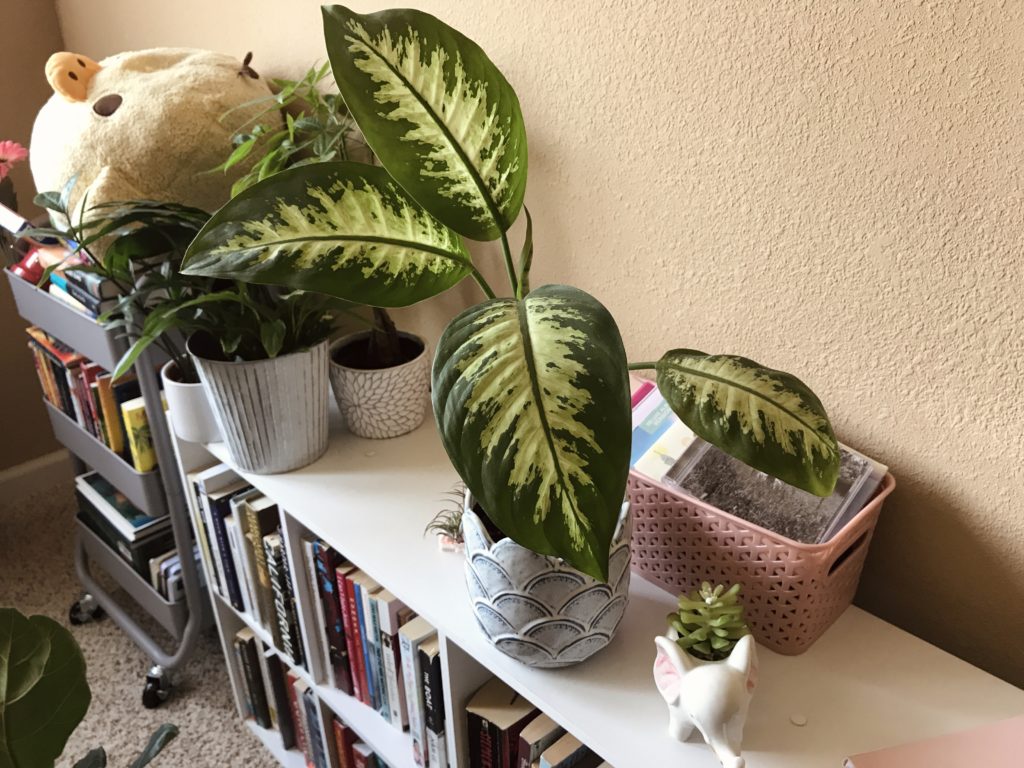
Handling Dieffenbachia safely
Most plant parents get into trouble during pruning, repotting, or propagation when sap is more likely to get on skin.
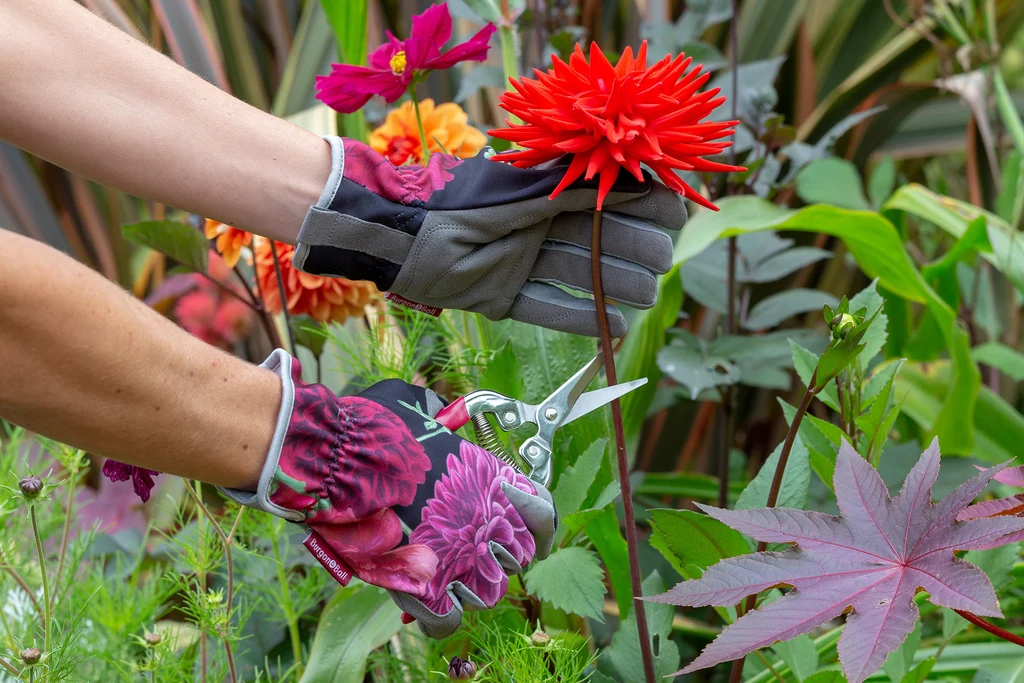
- Wear gloves when cutting stems or removing leaves.
- Use clean, sharp pruners to reduce crushing and sap splatter.
- Wash hands after handling, even if you wore gloves.
- Keep tools and wiped surfaces clean, especially if you prep food nearby.
- Bag clippings and dispose of them where pets cannot dig them out.
Quick FAQ
Are all parts of Dieffenbachia toxic?
Yes. Leaves and stems contain calcium oxalate crystals. Any chewed part can cause mouth irritation and swelling.
Is Dieffenbachia more dangerous than other common houseplants?
It is in the same general “mouth-burning” category as many aroids with calcium oxalates. The experience can be intense, but serious outcomes are most associated with significant swelling, small bodies, or eye exposure.
Should I give activated charcoal?
Do not give activated charcoal unless a veterinarian or Poison Control specifically recommends it. Dieffenbachia is primarily an irritant problem in the mouth and throat, not a typical swallowed-toxin scenario.
Can my pet die from chewing dumb cane?
Most pets recover with supportive care, but severe swelling or breathing difficulty is an emergency. If your pet is struggling to breathe, treat it as urgent and get help immediately.
The calm takeaway
Dieffenbachia is poisonous to cats, dogs, and kids in the way a cactus is “pointy.” Chewing releases calcium oxalate crystals that cause immediate pain and swelling. Keep the plant out of reach, handle sap thoughtfully, and respond quickly if someone takes a bite.
If you want, tell me who lives with you (cat, dog, toddler, all of the above) and where your Dieffenbachia sits now. I can help you pick a safer spot that still looks good in the room.