
Are Peace Lilies Toxic to Cats and Dogs?


A little green. A lot of curiosity.
If you share your home with a curious cat or a nibble-prone dog, it is smart to pause before bringing in a peace lily. These plants are common, handsome, and famously forgiving, but they can cause some very real discomfort if a pet chews the leaves or flowers.
The key detail that clears up most of the panic is this: peace lilies are toxic in an irritating way, and they are not “true lilies”. That difference matters a lot, especially for cats.

Yes, peace lilies are toxic to pets
Peace lilies (Spathiphyllum spp.) contain insoluble calcium oxalate crystals. When a cat or dog bites into the plant, these tiny needle-like crystals can embed in the tissues of the mouth, tongue, and throat. The result is immediate irritation and burning.
This is different from many poisons that need to be digested and absorbed. With peace lilies, the discomfort often starts fast because it is a physical irritant.
What happens if a cat or dog eats a peace lily?
Most pets do not eat large amounts because the mouth irritation is unpleasant right away. Still, even a small bite can cause dramatic drooling and pawing at the mouth.
Common symptoms
- Drooling or foaming at the mouth
- Pawing at the face or rubbing the mouth on surfaces
- Oral pain, whining, or sudden refusal to eat
- Swelling of lips, tongue, or gums
- Vomiting or gagging
- Difficulty swallowing
Less common, more concerning symptoms
- Labored breathing (possible throat swelling or severe irritation)
- Persistent vomiting or signs of dehydration
- Lethargy that does not match the situation
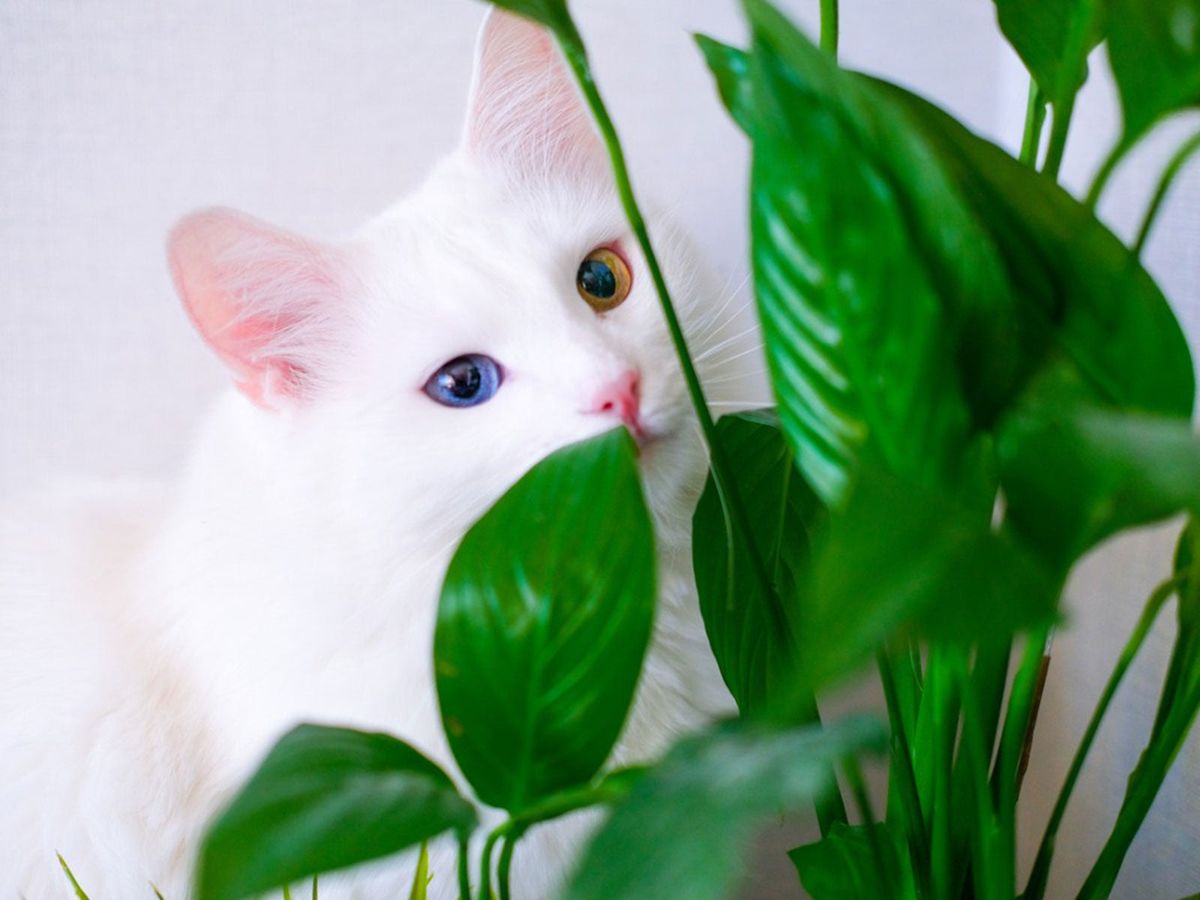
First steps if your pet chewed a peace lily
If you catch the moment of nibbling or find suspicious tooth marks, focus on gentle decontamination and observation. The goal is to remove plant material and soothe the mouth, not to trigger more irritation.
- Remove access: Move the plant out of reach immediately.
- Clear the mouth: If your pet allows it, wipe the mouth gently with a damp cloth to remove plant bits.
- Offer small sips of water: A little water can help rinse and soothe. Do not force drinking.
- Skip home “antidotes” unless advised: Milk is sometimes suggested, but it is not a fit for every pet. If you are considering it, ask your veterinarian or a pet poison hotline first (and keep it to small amounts).
- Do not induce vomiting unless a veterinarian specifically tells you to. Vomiting can re-expose tissues to the crystals and worsen irritation.
- Save a plant sample: A leaf or a photo helps your vet or poison helpline identify the plant quickly.
If symptoms are mild and improving, many cases resolve with supportive care. If symptoms are intense or escalating, it is time to call for help.

When to call a vet or poison hotline
When it comes to pets and plants, I like a simple rule: call sooner if you are unsure, and call immediately if breathing or swallowing is affected.
Call right away if you notice
- Any trouble breathing or loud, strained breathing
- Marked swelling of the tongue, lips, face, or throat
- Repeated vomiting or inability to keep water down
- Symptoms in a kitten, puppy, or very small pet
- You suspect a large amount was eaten
What to tell them
- Your pet’s species, breed, age, weight
- What part of the plant was chewed (leaf, stem, flower)
- How much you think was eaten
- When it happened and which symptoms you see
- Share a clear photo of the plant if you can
Even if your pet seems fine, checking in can be worthwhile, especially for cats who are experts at hiding discomfort.
Peace lily vs true lilies
This is where the word “lily” causes trouble.
Peace lily is not a true lily. Peace lily is typically Spathiphyllum (in the aroid family). “True lilies” are plants in the genus Lilium.
Why it matters for cats
True lilies (Lilium) can cause severe, potentially fatal kidney failure in cats, sometimes from very small exposures, including ingestion of pollen that gets groomed off fur.
Also important: daylilies (Hemerocallis) are not true lilies botanically, but they are treated as similarly dangerous for cats in veterinary guidance because they can also trigger serious kidney injury.
If you think your cat has been exposed to a true lily or a daylily, treat it as urgent. Fast action matters, and prompt veterinary care within hours can be lifesaving.
Lilies that are especially dangerous to cats
- Easter lily (Lilium longiflorum)
- Tiger lily (Lilium lancifolium)
- Asiatic lilies and Oriental lilies (Lilium hybrids)
- Stargazer lily (Lilium hybrid)
- Daylilies (Hemerocallis)
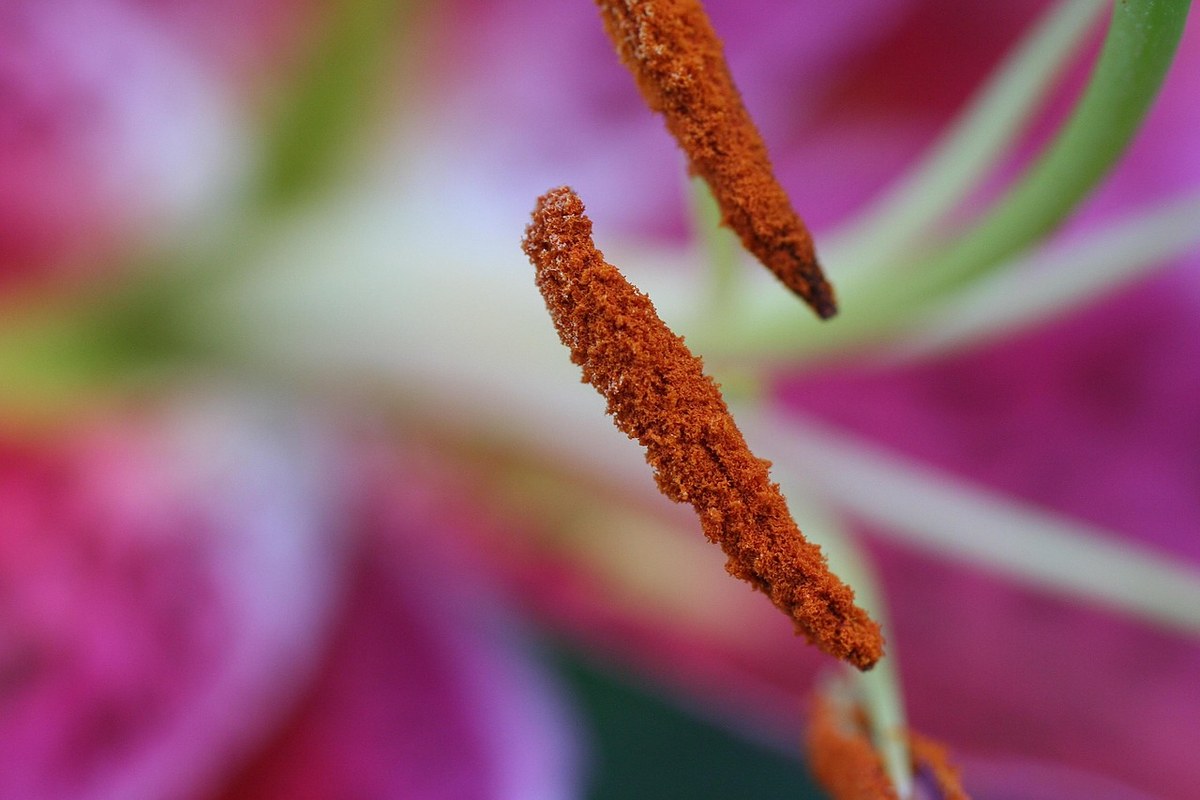
One quick plant ID caution
Common names are messy, and “lily” gets attached to a lot of plants that are not related and not equally toxic. If you are not sure what you have, take a clear photo of the whole plant and any flowers, and share it with your veterinarian or a pet poison hotline. Accurate ID can change how urgently you need to act.
Keeping peace lilies with pets
The safest plan is always no access. Pets do not read plant tags, and a bored afternoon can turn into a surprise chew test.
Placement tips that help
- Use a truly unreachable spot: A high shelf is not enough if your cat can jump there. Consider a room your pet cannot enter, or a tall plant stand in a blocked-off corner.
- Prefer hanging planters cautiously: They can work for dogs, but many cats view hanging plants as a sport. Make sure there is no launch point nearby.
- Skip low tables and window sills: These are prime pet pathways.
- Remove fallen leaves and spent blooms: Easy-to-bat pieces are often the first to be chewed.
- Offer a better legal chew: Cat grass can redirect some nibbling urges.
If your pet is a known plant chewer
If your cat or dog routinely eats houseplants, peace lilies may not be worth the risk of repeated irritation. In that case, choosing non-toxic plants can be the calmer path for everyone.
FAQ
Are peace lilies deadly to cats?
Peace lilies can make cats very uncomfortable and may cause swelling, drooling, and vomiting, but they are not considered the same kind of emergency as Lilium lilies that can trigger kidney failure. If your cat is having trouble breathing, swallowing, or has significant swelling, treat it as urgent and call a vet.
Are peace lilies toxic to dogs too?
Yes. Dogs can have the same mouth and throat irritation, drooling, vomiting, and refusal to eat after chewing. Many cases are mild to moderate, but any facial or throat swelling, or any breathing difficulty, should be treated as urgent.
What part of the peace lily is toxic?
All parts can irritate, including leaves and flowers. The sap and plant tissues contain the calcium oxalate crystals.
Is pollen from peace lily dangerous like lily pollen?
Peace lily pollen is not associated with the same kidney-risk emergency as true lily pollen in cats. Still, chewing any part of the plant can cause irritation, so it is best to prevent contact.
The calm takeaway
Peace lilies are not pet-safe, but they are also not true lilies. If a cat or dog chews one, the most common outcome is painful mouth irritation and stomach upset, not the kidney emergency linked to Lilium lilies and daylilies.
If you keep a peace lily in a pet home, the best care move is a placement move: keep it completely out of reach, and have a plan for what to do if curious teeth get involved.