
How to Prune a Tree Peony

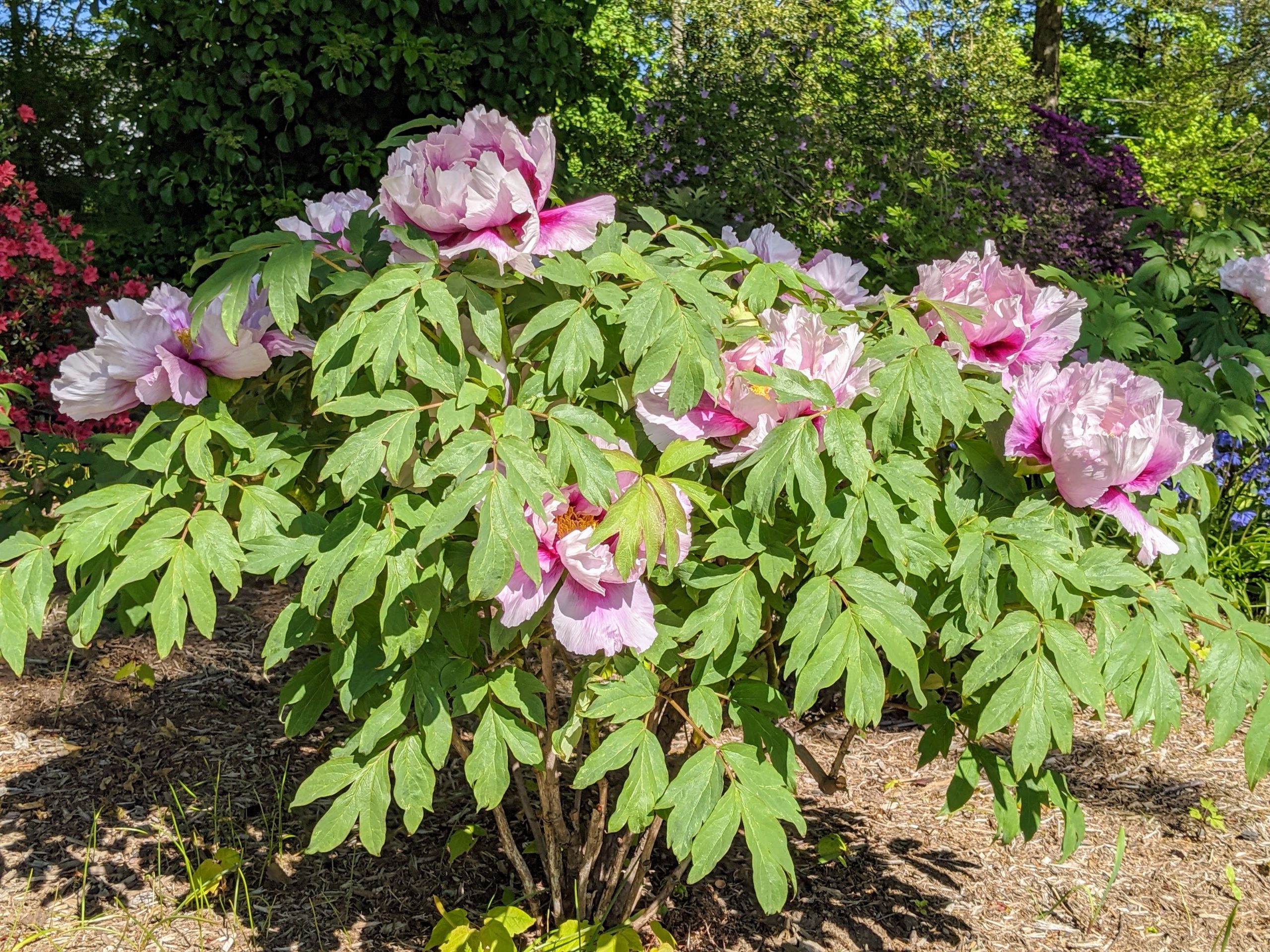
The first time I grew a tree peony, I made the classic mistake of treating it like my herbaceous peonies. I was in fall-cleanup mode, snips in hand, ready to tidy everything down to stubs. Luckily, I paused long enough to actually look at the plant and notice something my herbaceous peonies never have: woody stems that were clearly meant to stay.
If you take one thing from this guide, let it be this: a tree peony is a shrub. You prune it like a small woody ornamental, not like an herbaceous perennial. That difference is what saves your blooms.

Tree peony vs herbaceous peony
This mix-up is incredibly common because both plants share the word “peony,” and both can look lush and leafy in summer. But they grow differently.
Herbaceous peonies
- Die back to the ground each winter.
- In fall, it is standard practice to cut all stems down near soil level to reduce disease issues and tidy the bed.
Tree peonies
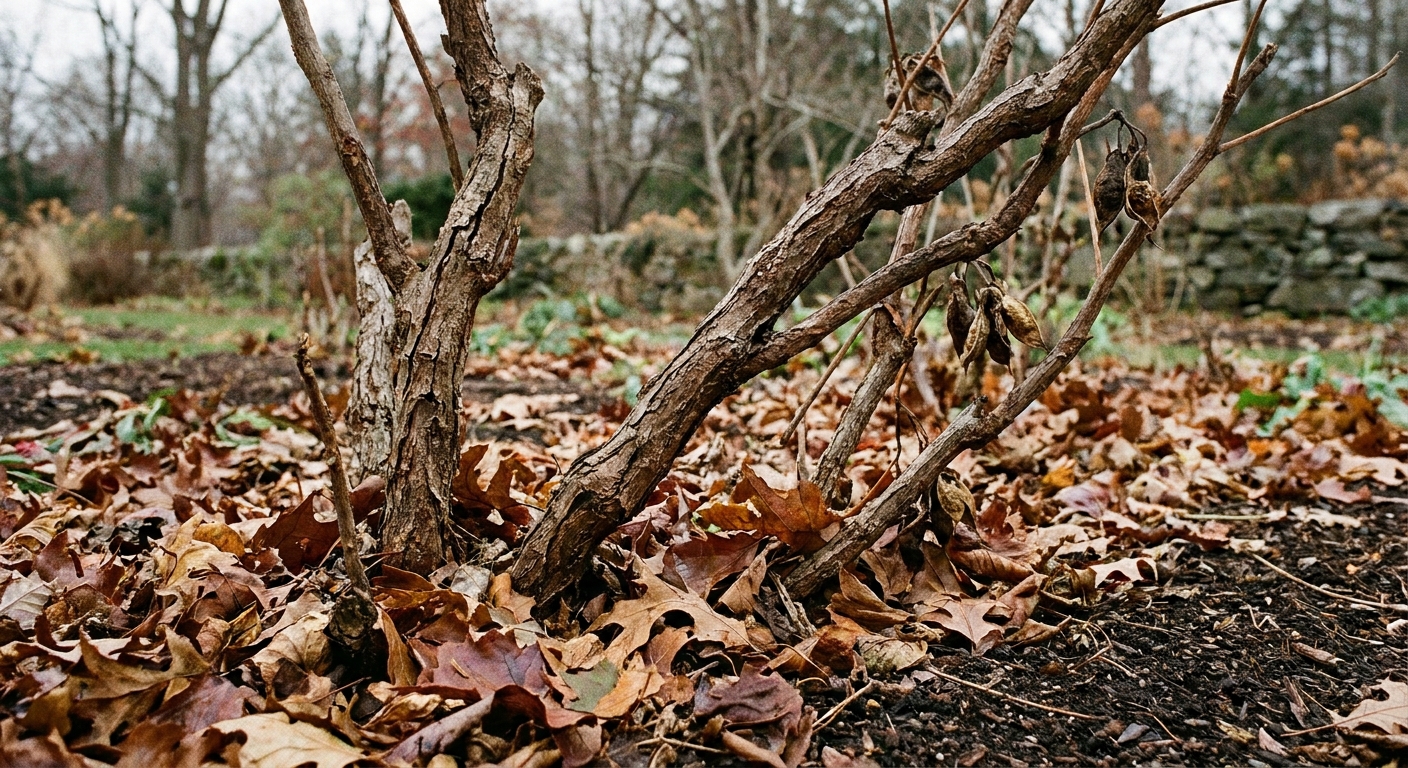
- Keep a permanent woody framework year to year.
- Flower buds are mostly set on existing woody growth that needs to make it through winter.
- Do not cut a tree peony to the ground in fall. That removes the structure the plant needs and usually sacrifices next spring’s bloom.
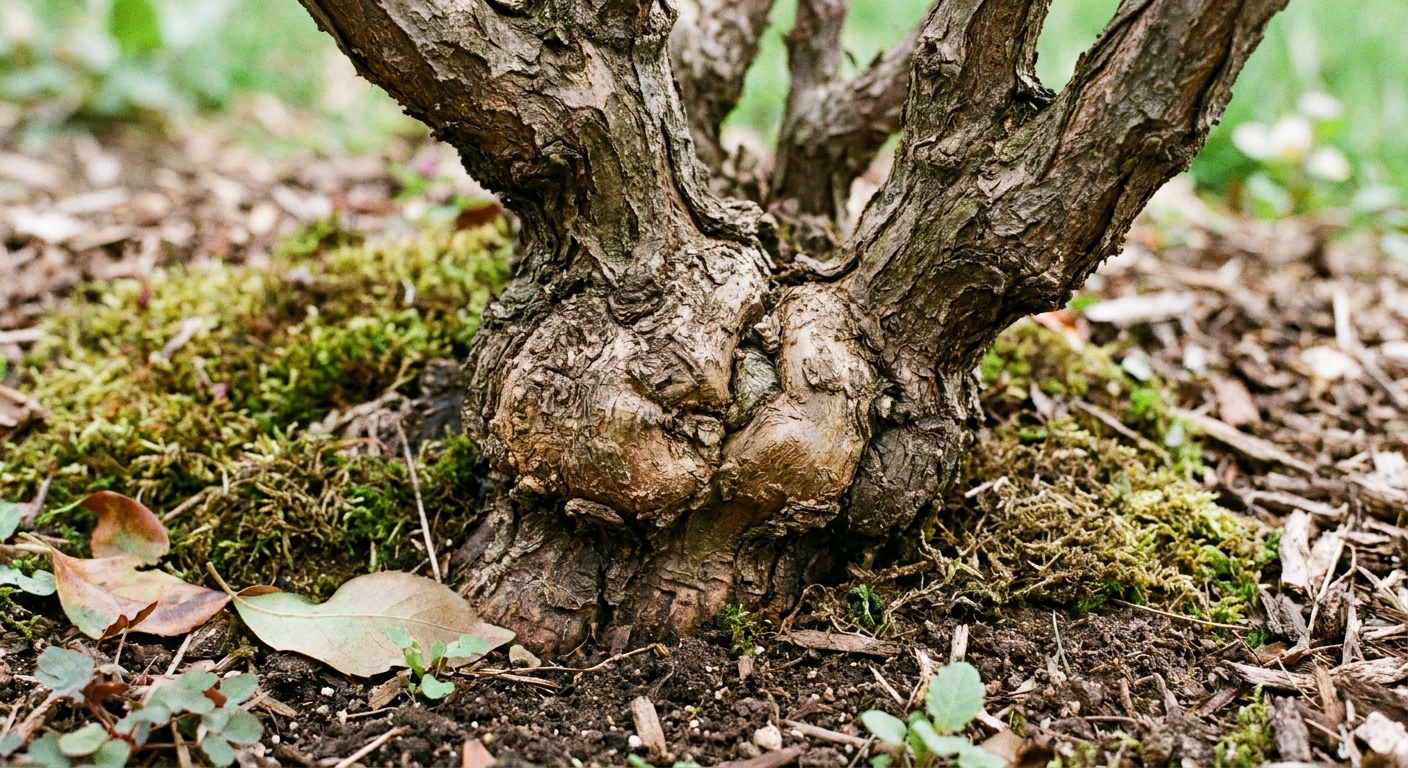
If you are standing in front of your plant wondering which you have, look at the base: tree peonies have brown, woody stems above the soil line, even when dormant. Herbaceous peonies have softer stems that collapse and disappear after frost.
One more quick point because it trips people up: Itoh (intersectional) peonies can look “tree-like” when they are big and full, but they still die back like herbaceous peonies. If yours disappears to the ground each winter, treat it like an herbaceous type for fall cleanup.
When to prune a tree peony
Tree peonies are happiest with a light hand. Most years, pruning is more like careful editing than a haircut.
- Best time for most pruning: early spring, just as buds begin to swell. You can clearly see what is alive and what is winter-killed.
- Small touch-ups after bloom: late spring to early summer, right after flowering, if you want to remove spent blooms or do tiny shaping cuts.
- What to avoid: heavy pruning in fall. If you are in a cold zone, leaving the plant alone until spring also helps protect buds and prevents you from cutting into living wood by mistake.
In Zones about 3 to 5, some tip dieback after a rough winter is normal. Spring pruning lets you trim back only what truly died, instead of guessing in autumn.
Tools and prep
You do not need much, but you do need clean, sharp cuts.
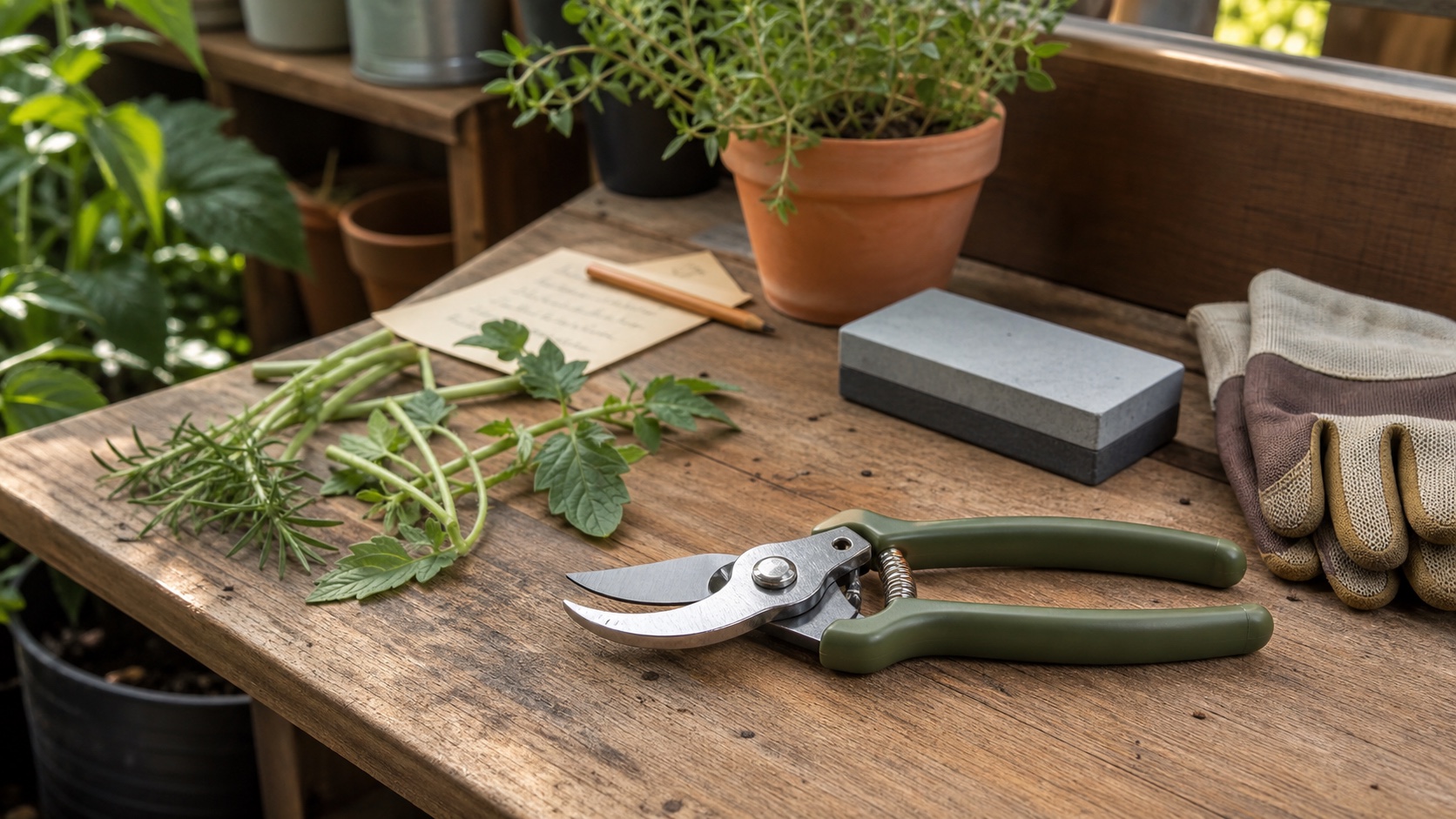
- Bypass pruners for pencil-thick stems
- Loppers for older, thicker wood
- Isopropyl alcohol or disinfecting wipes to clean blades
- Gloves if you are sensitive to sap or have thorny neighbors in the bed
I like to prune on a dry day. Less moisture on fresh cuts means less opportunity for fungal trouble. Tool cleaning matters most when you are moving from a diseased or suspicious plant to a healthy one, or after cutting clearly infected tissue.
How to prune a tree peony
Step 1: Find the framework
Before you cut anything, take a slow look at the shrub. Tree peonies are meant to have a woody skeleton of stems that carries blooms up and out like a little flowering fountain.
Ask yourself:
- Is my goal simply health (dead wood removal)?
- Do I need a little shape and airflow?
- Is the plant old and crowded, needing gradual renewal?
Step 2: Remove dead, broken, or diseased wood
This is the “always correct” part of tree-peony pruning.
- Dead wood is usually brittle and dry, often darker, and has no swelling buds.
- Scratch-test if unsure: lightly scrape the bark with a fingernail. Green underneath means alive. Brown and dry means dead.
Make cuts back to healthy living wood or all the way to the branch collar where a dead stem meets a larger stem.
Step 3: Thin weak or rubbing stems
After you remove the obvious dead stuff, step back. If stems are crossing and rubbing, or if there are spindly shoots that will never hold flowers well, you can thin a bit for structure.
- Prioritize removing stems that grow inward toward the center.
- Keep stems that create an open vase shape with light and air moving through.
- Aim for a natural look. Tree peonies should not look “sheared.”
Step 4: Reduce height carefully
Sometimes a tree peony gets leggy or flops into a path. You can shorten a stem, but do it with intention.
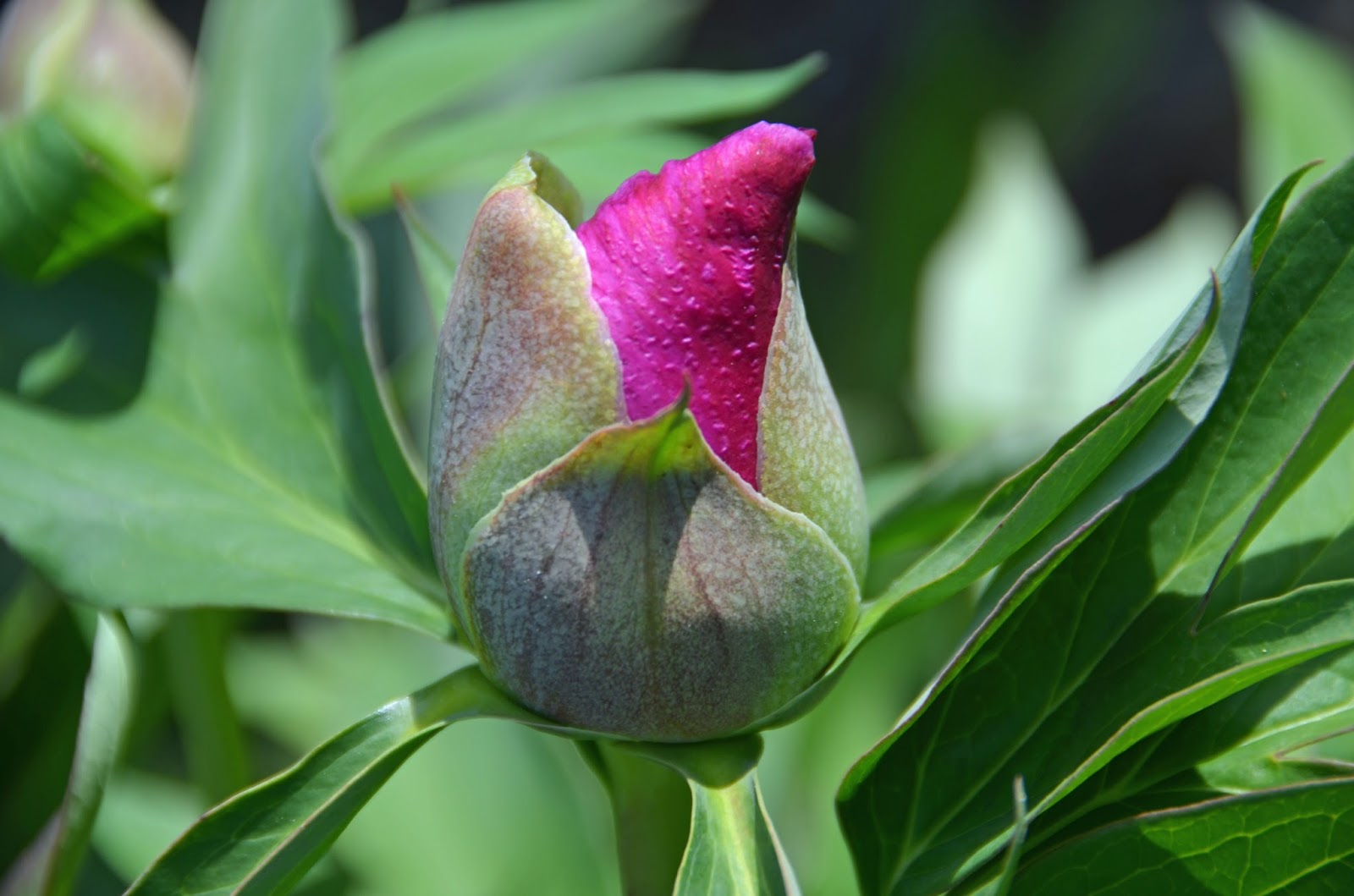
- Cut to a strong outward-facing bud or a side branch.
- Place the cut about 1/4 inch above the bud, angled slightly so water does not sit on the cut surface.
- Avoid taking off large amounts at once. Big reductions usually mean fewer blooms.
Remember: the flower show comes from that mature framework. Aggressive pruning equals aggressive disappointment next spring.
Step 5: Leave the base intact
This is the heart of tree-peony care: keep the woody framework. Even if the plant drops leaves in fall and looks a bit twiggy, those twigs are next season’s structure and flowering potential.
What not to do
- Do not cut the whole plant to the ground in fall. That is herbaceous peony cleanup, not tree peony pruning.
- Do not “tidy” by removing most branches. Tree peonies bloom best when the shrub keeps its mature structure.
- Do not seal cuts with pruning paint. In most home garden situations, clean cuts and good airflow are better than trapping moisture.
- Do not panic-prune after a hard winter. Wait until spring buds swell so you can see what is actually alive.
Grafted plants and suckers
Many tree peonies are sold as grafted plants, often grafted onto herbaceous peony rootstock. That can create one extra task: watching for shoots from the rootstock.
How to spot a sucker
- It comes from below the graft or from the soil line.
- It may look more like an herbaceous peony stem and leaf, not the woody shrub growth.
What to do
Remove suckers as close to their origin as possible. If you let the rootstock take over, it can weaken the tree peony variety you actually purchased.
If you are planting a new grafted tree peony, it also helps to set the plant so the graft union sits a few inches below the soil line. Over time, that encourages the tree peony itself to form roots and can reduce rootstock suckering. (This is one of those slow-burn gardening moves that pays off later.)
After-pruning care
Tree peonies do not need much fuss after pruning, but they appreciate steady conditions.
- Mulch lightly to protect roots and moderate soil temperature, but keep mulch pulled back an inch or two from the woody crown to discourage rot.
- Water if spring is dry, especially during bud swelling and bloom time.
- Go easy on fertilizer. If you feed, a thin layer of compost in spring is usually enough for an established plant.
And if you are a fellow plant-talker, this is a nice moment to whisper, “Thank you for blooming.” I swear they listen.
FAQ
Should I deadhead a tree peony?
You can. Snip off spent flowers after bloom to keep things tidy and, if you like, to reduce energy spent on seed. Make the cut just above a leaf or bud without removing whole woody sections.
My tree peony looks dead after winter. Should I cut it down?
Wait until early spring and do a scratch-test. Prune back only to living wood. Some winters kill stem tips, but the lower stems are often fine.
Can I prune a tree peony in fall at all?
You can remove clearly dead or broken wood any time, but avoid major pruning and never cut it to the ground. If you are in a colder region, leaving it standing until spring often helps protect the buds and makes it easier to see what is truly alive.
How much should I prune each year?
Most years: very little. Dead wood removal and a small amount of thinning is usually enough. If you are renovating an old, congested shrub, spread bigger cuts over several seasons.
The rule that protects blooms
If you remember one pruning rule for tree peonies, make it this: remove dead wood, protect the living framework. A tree peony is not asking to be cut back hard. It is asking for patience, sunlight, and a gardener who can resist the urge to over-tidy.
And if you are also caring for herbaceous peonies nearby, feel free to do the classic fall cleanup on those. Just keep your tree peony in the “small shrub” category in your mind, and it will reward you with those big, dreamy blooms that stop you in your tracks every spring.