
How to Propagate Rose of Sharon From Cuttings

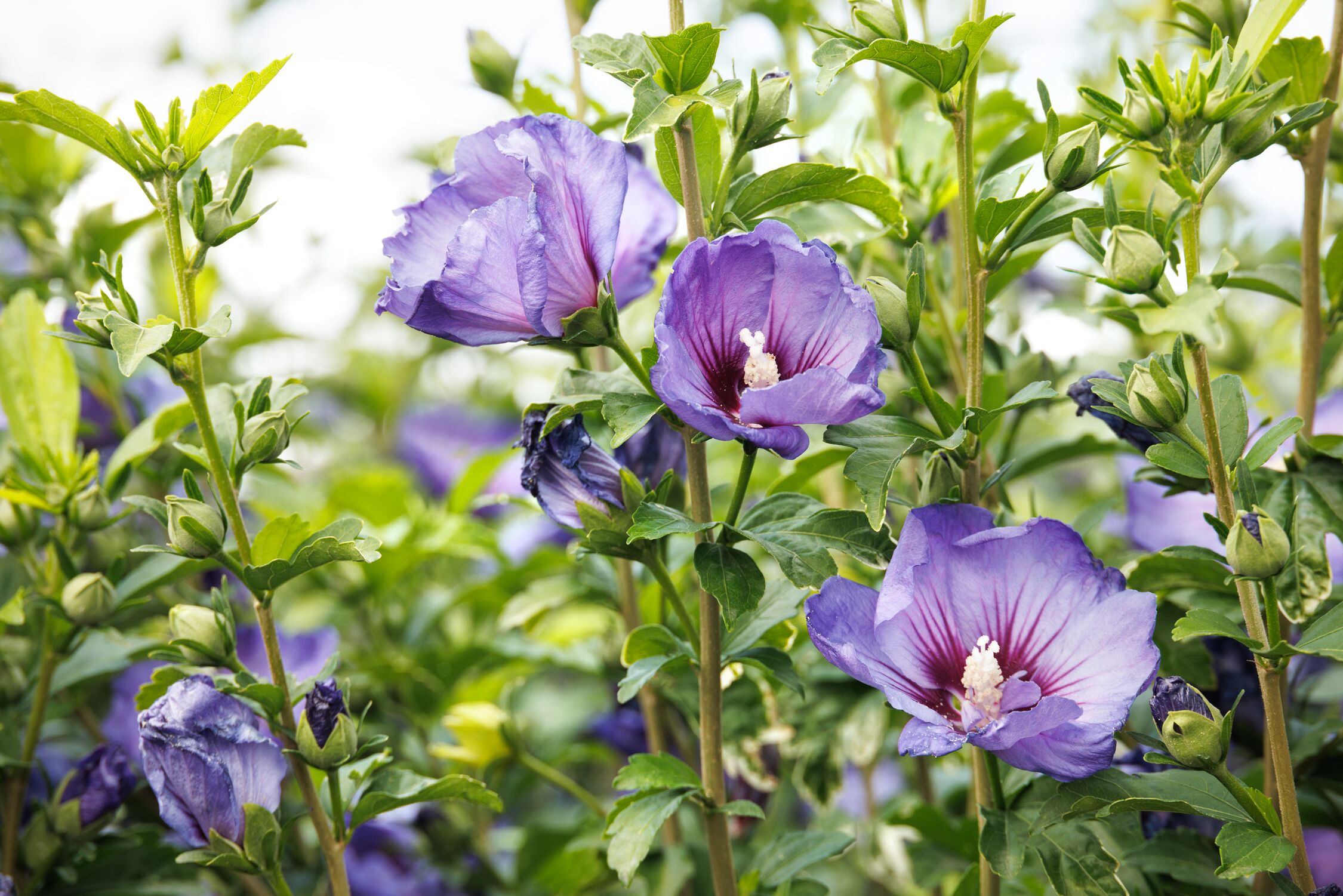
The first time I propagated Rose of Sharon, I treated it like a fussy houseplant cutting and then spent two weeks hovering over it like an anxious mother hen. Turns out, this shrub is tougher than it looks. Give it the right kind of cutting at the right time, keep it gently humid, and it will usually reward you with roots and a brand-new baby shrub that is a clone of the parent.
This is my go-to method for Rose of Sharon (Hibiscus syriacus) using softwood or semi-hardwood cuttings. No complicated gear required, just clean snips, a light rooting mix, and a simple humidity setup.
Quick clarity for beginners: cuttings give you a plant that matches the parent plant far more reliably than seed. (Seed-grown Rose of Sharon can look different.) Very occasionally, plants with unstable variegation or odd growth quirks may not copy perfectly, but most garden varieties root true.

Timing: softwood vs semi-hardwood
Your success rate is mostly about timing and the maturity of the stem you take. Cultivar matters too. Some varieties root fast and some make you earn it.
Softwood cuttings
- Best time: Late spring through early summer, when new stems are still flexible and green but snap cleanly when bent.
- What it looks like: Fresh growth with tender tips, leaves are full-size but the stem is not woody.
- Rooting speed: Commonly 3 to 6 weeks in warm conditions with steady humidity.
Semi-hardwood cuttings
- Best time: Mid-summer through early fall, after the flush of growth starts to firm up.
- What it looks like: Stems are firmer, slightly woody at the base, and less floppy.
- Rooting speed: Often 4 to 8+ weeks, depending on temperature, variety, and your setup.
Tip from my own habit: Take cuttings in the morning when the plant is hydrated. You will lose less moisture while you work, which matters more than people think.
What you’ll need
- Clean, sharp pruners or scissors (sanitized)
- Small pots or a seed tray with drainage holes
- Clear humidity dome, plastic bag, or a clean clear storage bin to act as a mini greenhouse
- Rooting hormone (optional, but helpful)
- Spray bottle
- Label and pencil (future-you will be grateful)
Rooting mix
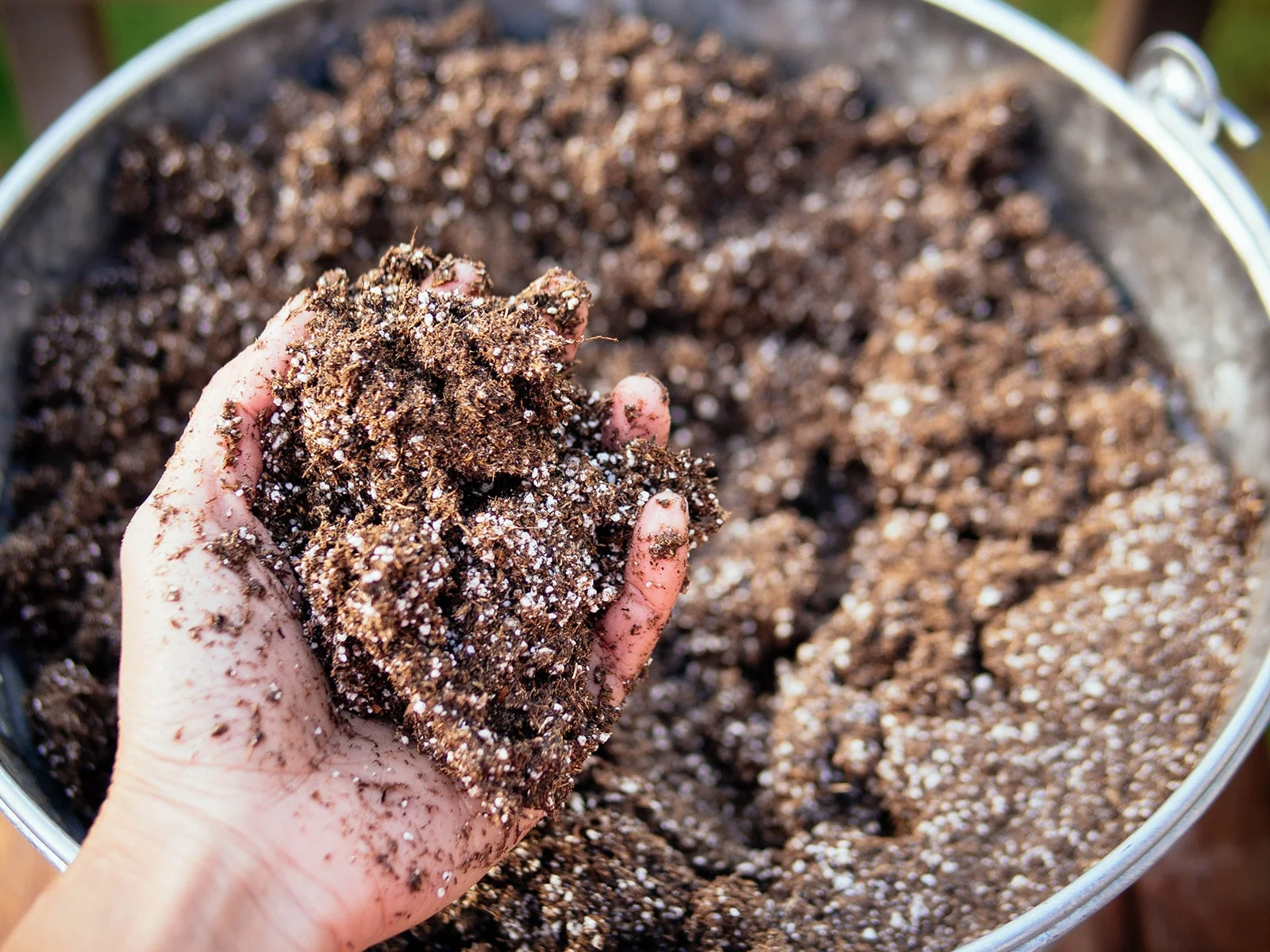
Rose of Sharon wants a clean, low-nutrient, airy medium that holds moisture but drains well. Think “moist sponge,” not “wet swamp.”
- Great simple mix: 1:1 perlite and peat moss
- Also works: perlite and coco coir
- Or: a high-quality seed-starting mix cut with extra perlite
Avoid rich potting soil for the rooting stage. It stays too wet, and wet plus no roots is how you invite rot.
How to take cuttings
1) Pick the right stem
Look for a healthy, non-flowering shoot. Flowers and buds steal energy that you want going into root growth.
- Choose a stem with several leaf nodes.
- Avoid stems with pest damage, spots, or limp leaves.
2) Cut in the right place
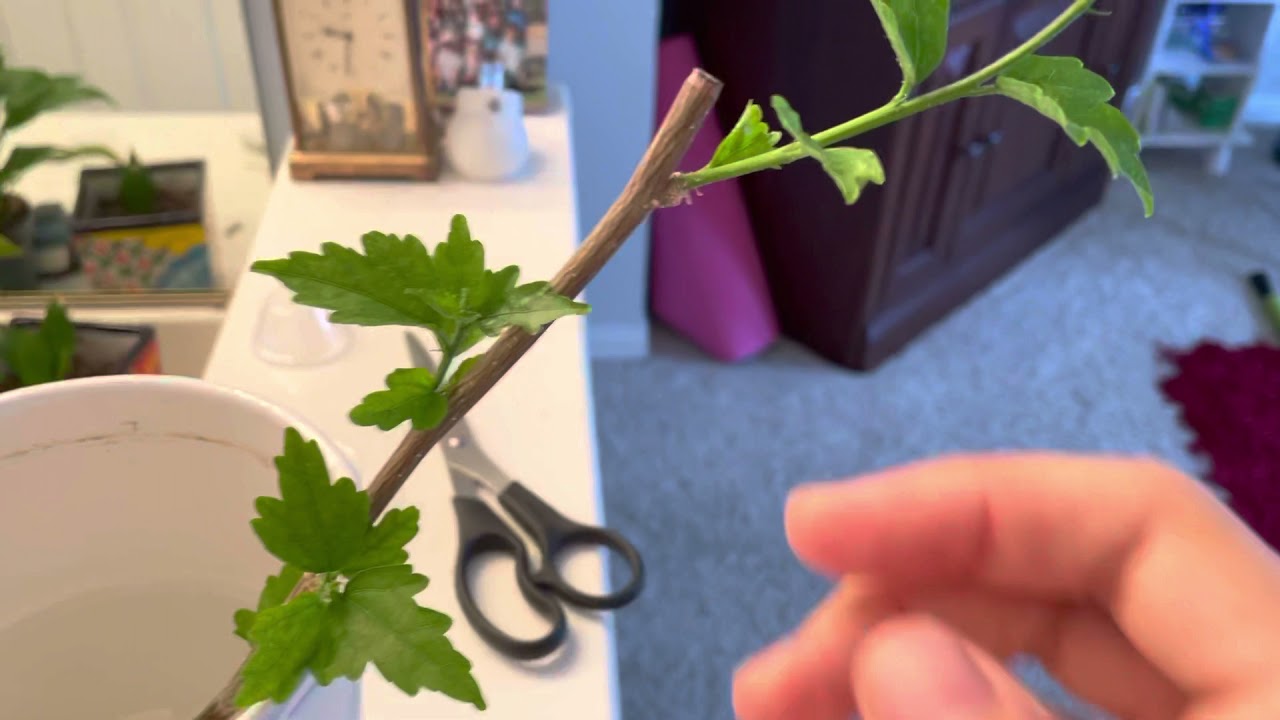
Take a cutting that is typically 4 to 6 inches (10 to 15 cm) long.
- Make your bottom cut just below a leaf node (that little bump where leaves emerge).
- Make the cut at a slight angle mainly to help with orientation and to keep the end from sitting flat against the bottom of the pot.
3) Strip the lower leaves
Remove leaves from the bottom half to two-thirds of the cutting. You want bare nodes going into the mix.
- Keep 2 to 4 leaves at the top.
- If the remaining leaves are large, you can trim them in half to reduce moisture loss.
4) Rooting hormone (optional)
Dip the bottom 1 to 2 inches in water, then into rooting hormone. Tap off excess. Too much can inhibit rooting.
If you like specifics, a general-purpose rooting powder or gel formulated for softwood cuttings is plenty. You do not need anything fancy.
5) Stick the cutting and firm it in
Use a pencil or chopstick to make a pilot hole so you do not scrape off the hormone.
- Insert the cutting so at least 2 nodes are buried.
- Gently firm the mix around the stem so it stands upright.
Humidity and light
Until roots form, a cutting cannot replace water fast enough to stay hydrated. It can take up a little moisture through the stem, but without roots it is limited. That is why humidity matters so much.
Humidity options
- Clear plastic bag method: Put the pot in a clear bag and loosely seal. Use chopsticks to keep plastic from touching leaves.
- Clear bin method: Place pots in a clear storage bin with the lid cracked slightly for airflow.
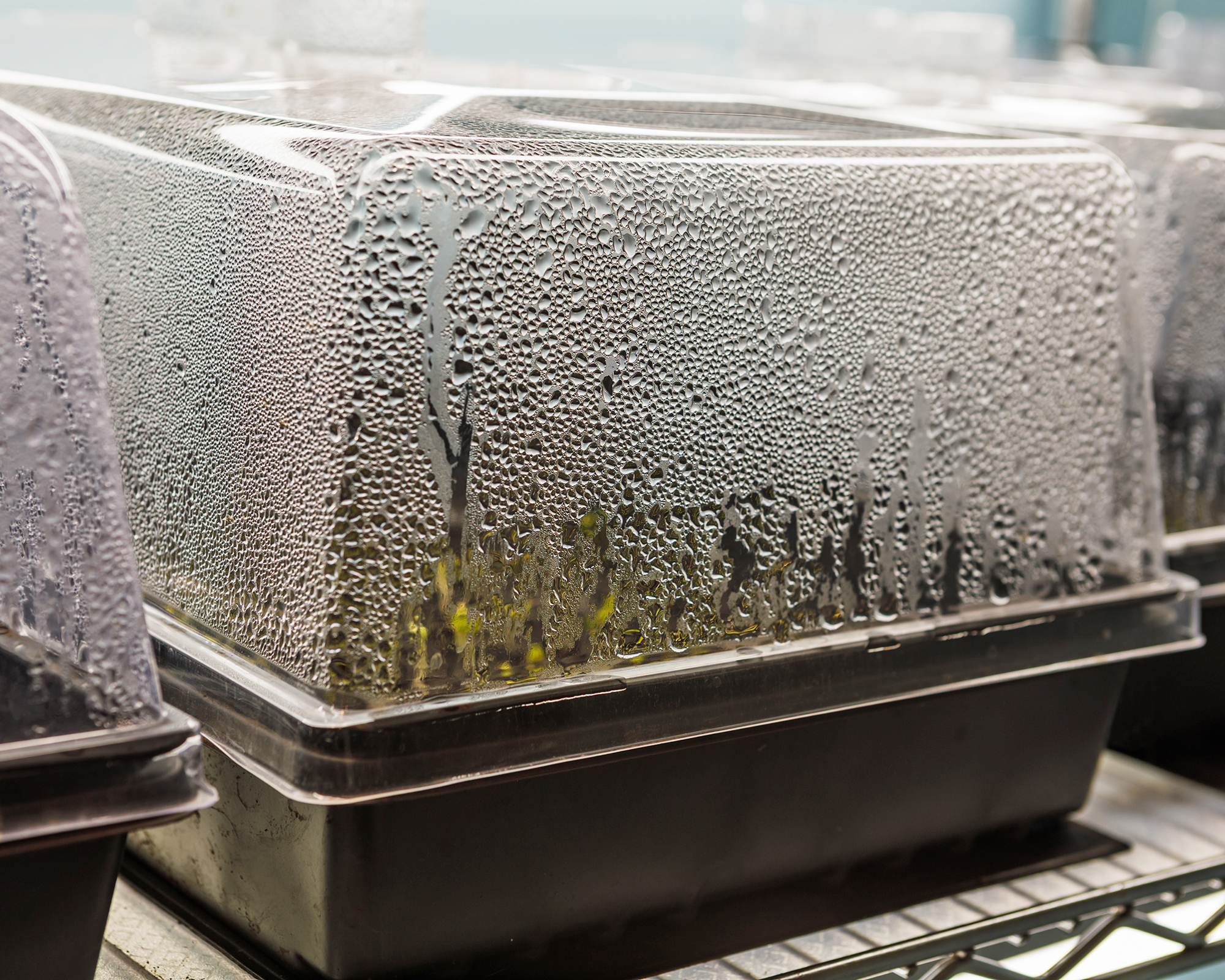
- Humidity dome: A seed-starting dome works well if you already have one.
Ventilation matters
Stale, dripping-wet air encourages fungus. I like to open the cover for 5 to 10 minutes daily or leave a small gap for gentle airflow.
Light
- Best: Bright, indirect light or morning sun with afternoon shade.
- Avoid: Hot midday sun baking the plastic cover. That turns your setup into a tiny sauna, fast.
Temperature
Warmth helps. Aim for roughly 70 to 80°F (21 to 27°C) if possible. Bottom heat from a seedling heat mat can speed rooting, but it is not required.
Watering without rot
Your goal is consistently moist, never waterlogged.
- Before covering: Water the mix thoroughly and let it drain.
- During rooting: Mist lightly if the surface looks dry, but do not keep the medium swampy.
- Do not rely on mist alone: If the mix is drying out below the surface, water lightly at the edge of the pot or from the bottom, then let it drain well.
- If you see condensation: A little is good. Heavy dripping means reduce humidity and add airflow.
How long it takes
Rooting time varies by variety, season, temperature, and whether you use hormone. Here is what is typical in warm, steady conditions:
- Softwood: about 3 to 6 weeks
- Semi-hardwood: about 4 to 8+ weeks
Signs it rooted
- New leaf growth that looks sturdy, not limp
- The cutting stays perky during the day
- Gentle resistance when you tug lightly
My caution: New leaves are encouraging, but not proof. Some cuttings push growth using stored energy and still have no roots. The gentle tug test is more reliable.
Transplanting
Once you have roots that are a couple inches long and the cutting resists a gentle tug, it is time to move it out of the rooting mix and into something with a little more nutrition.
Step 1: Wean off humidity
Do this gradually over 3 to 7 days.
- Day 1 to 2: open the cover slightly more
- Day 3 to 5: remove for a few hours, then re-cover
- By the end: cover stays off permanently
Step 2: Pot up
Transplant into a small pot with a quality potting mix, ideally with a bit of extra perlite for drainage.
- Water in gently to settle soil around roots.
- Keep in bright shade for about a week while it adjusts.
Step 3: Planting outdoors
You can plant it out once it is growing strongly and has filled the pot with a healthy root system.
- If you started in late spring or early summer: you may be able to plant out in late summer or early fall, as long as there is enough time for roots to settle before frost.
- If you started later in the season or you live where fall turns cold fast: keep it potted and overwinter it in a protected spot (like an unheated garage, cold frame, or sheltered porch) and plant the following spring.
In its first year in the ground, I treat Rose of Sharon like a new tree: consistent watering, a mulch ring, and patience.
Troubleshooting
My cutting wilts immediately
- Increase humidity and reduce direct sun.
- Make sure you removed enough lower leaves.
- Try taking cuttings earlier in the morning next time.
The stem turns black or mushy
- That is rot. Start over with a drier, airier mix and a clean container.
- Vent daily and avoid soaking the medium.
- Sanitize pruners before taking new cuttings.
- Discard rotten cuttings. Do not compost them.
White fuzzy growth on the surface
- Usually mold from stagnant air. Increase ventilation.
- Let the surface dry slightly between misting.
No roots after 8 weeks
- Some semi-hardwood cuttings just take longer, especially in cooler conditions.
- Move to warmer temps and brighter indirect light.
- Try fresh softwood cuttings earlier in the season for a higher success rate.
FAQ
Can I propagate Rose of Sharon in water?
You can sometimes coax roots in water, but it is less reliable, and water-roots can struggle when moved to soil. For Rose of Sharon, a light rooting mix plus humidity usually produces sturdier results.
Should I take cuttings from flowering stems?
I avoid it. Choose non-flowering shoots whenever possible. If your cutting has a bud, pinch it off so energy goes toward rooting.
Will a cutting bloom the first year?
Sometimes, especially if rooted early in the season and grown on well. But I consider first-year blooms a bonus. The priority is building roots and a strong framework.
Is Rose of Sharon easy to propagate?
In my experience, yes, as long as you nail three things: correct timing (softwood is forgiving), an airy rooting mix, and steady humidity with some airflow.
A gentle reminder
If a few cuttings fail, it does not mean you have a black thumb. It means you are learning a living skill. Take more cuttings than you think you need, label them, and treat each little stem like an experiment. Rose of Sharon has a way of surprising you when you give it a calm, consistent setup.