
Perlite vs Vermiculite

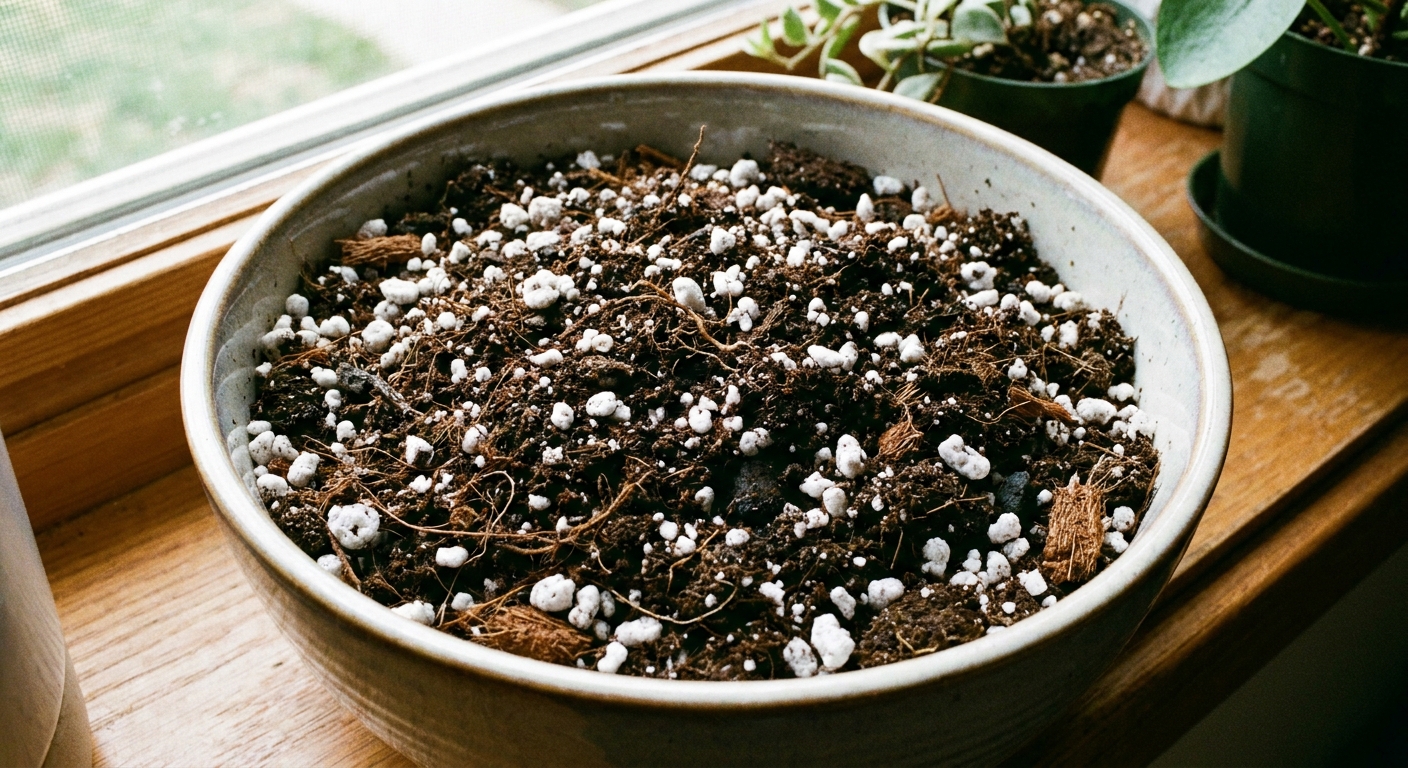
Perlite and vermiculite are two of those humble bagged amendments that can quietly solve a lot of houseplant heartbreak. They both make potting mixes lighter and friendlier to roots, but they do it in different ways. If your soil stays soggy for days, one is your best friend. If your soil dries into a sad little brick overnight, the other can be a lifesaver.
Let’s make this simple: perlite is usually about drainage and air, while vermiculite is usually about holding moisture. The trick is matching the amendment to your plant, your pot, your light, and how you actually water.
Quick reality check: no amendment can rescue a pot with no drainage holes, or a mix that is mostly fine peat in low light. Amendments help, but drainage is a team effort between the pot, the mix, and your watering habits.

What is perlite?
Perlite is a lightweight, white, popcorn-looking material made by heating volcanic glass until it expands. In potting mixes, it acts like tiny rigid spacers. Those little pockets create pathways for air and water to move through the soil instead of pooling around roots.
What perlite does best
- Boosts drainage so excess water can exit the pot more quickly.
- Improves aeration, which helps roots breathe and reduces the risk of rot.
- Lightens heavy mixes, especially when a bagged mix feels dense or peaty.
- Holds relatively little water compared to vermiculite.
Perlite is largely inert for gardening purposes and does not meaningfully feed plants. Depending on the product, it can contain trace minerals and may have a slight effect on pH, but in typical houseplant use it is best thought of as a structural helper, not plant food.
Perlite size matters
Coarser perlite creates bigger air pockets and usually performs better for chunky aroid mixes and fast-draining succulent blends. Finer perlite mixes in more evenly but can behave closer to a texture modifier than a true “chunky aeration” ingredient.
What is vermiculite?
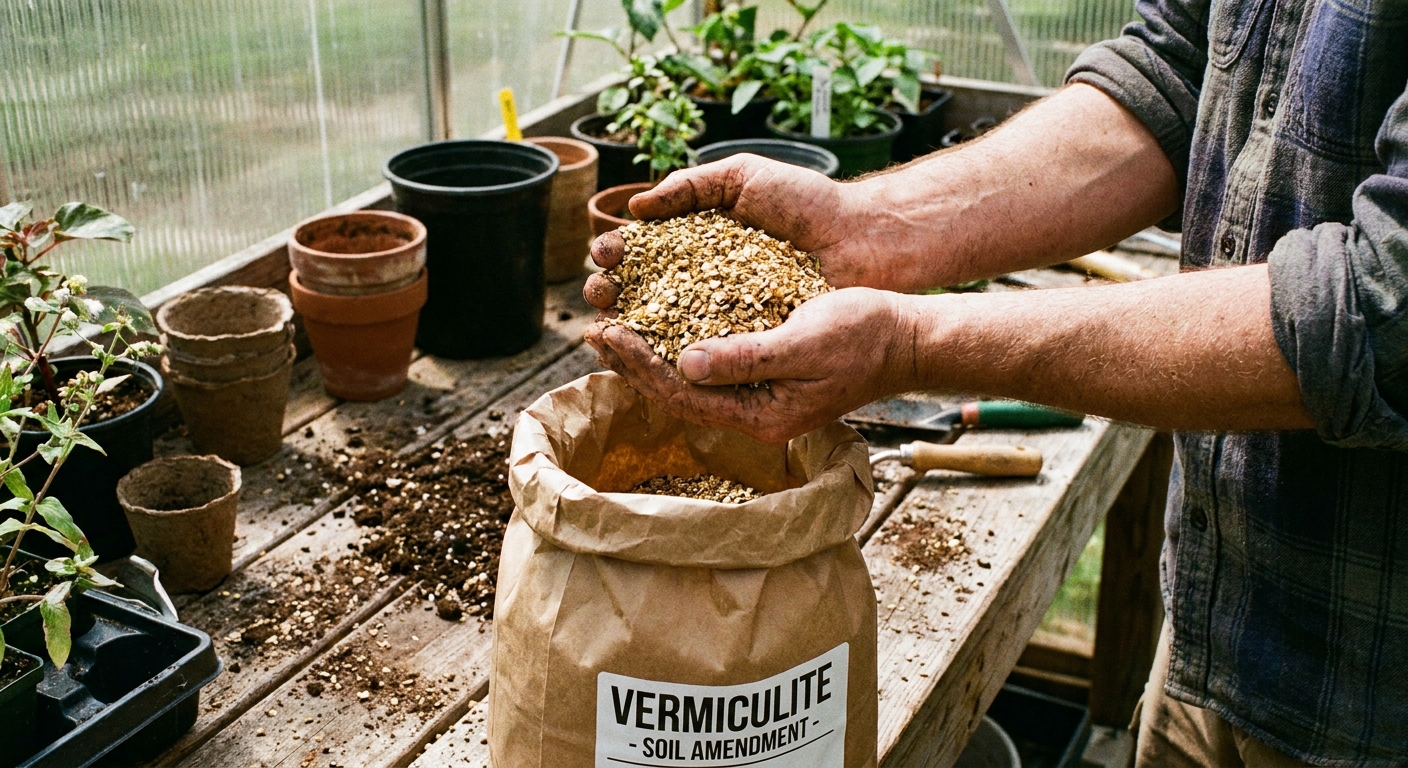
Vermiculite is a mineral that expands into soft, layered flakes when heated. It feels a bit like tiny, golden-brown accordion chips. Those layers are great at absorbing and holding onto moisture, then releasing it slowly back to plant roots.
What vermiculite does best
- Holds water and helps mixes stay evenly moist longer.
- Holds nutrients more readily than perlite (higher cation-exchange capacity), which can reduce leaching in some setups.
- Supports seed starting where tiny roots are less likely to dry out.
- Makes mixes feel finer and more buffered, which can be helpful for delicate new roots.
In plain language: vermiculite is for plants that get cranky when they dry out.
Vermiculite and long-term pots
Vermiculite can be a little too good at holding moisture in containers, especially in peat-heavy mixes and lower light. Over time it can also reduce macroporosity (fewer big air pockets), which can mean a mix that stays wetter and feels more compact. For many everyday indoor houseplants, it is best used sparingly unless you have a clear reason to add it.
Vermiculite size matters
Fine vermiculite is common for seed starting and top-dressing trays because it spreads evenly and helps prevent crusting. Coarser grades can be used in mixes, but the moisture-holding effect is still the headline feature.
Perlite vs vermiculite at a glance
- Drainage: Perlite wins.
- Water retention: Vermiculite wins.
- Aeration: Perlite generally provides more long-lasting air pockets.
- Nutrient holding: Vermiculite holds onto nutrients more than perlite.
- Mix feel: Perlite keeps mixes looser. Vermiculite makes mixes feel smoother and more moisture-buffered.
One practical note from the real world: perlite tends to migrate upward when you water, especially in very light mixes. It is not harmful, just a little messy and surprising the first time it happens.
When to use perlite
Reach for perlite when you want a pot to dry a bit faster, or when you are trying to prevent roots from sitting in water. Most beginner houseplant problems are actually watering and drainage problems in disguise, so perlite is often the first amendment I suggest.
Best uses for perlite
- Succulents and cacti: These plants want fast drainage and lots of air around their roots.
- Aroids that hate soggy feet: Many pothos, philodendrons, and monsteras appreciate extra aeration, especially in lower light where soil dries slowly.
- Plants in plastic pots: Plastic holds moisture longer than terracotta, so perlite helps balance that out.
- Rot-prone cuttings: Adding air to the rooting zone helps prevent stem rot.
Easy perlite add-in ratios (by volume)
- General houseplants: 10% to 25% perlite mixed into a standard potting mix (about 1/2 to 1 cup perlite per 1 gallon of potting mix).
- Succulents and cacti: 30% to 50% perlite (about 1 1/2 to 3 cups perlite per 1 gallon of mix), plus other gritty ingredients if you like (pumice, lava rock, coarse sand).
- Plants prone to rot: Start around 25% perlite and adjust after you see how fast the pot dries in your home.
If you want a simple internal rule: if you tend to overwater, perlite is usually the kinder choice.
When to use vermiculite
Use vermiculite when your goal is steady, even moisture. It is especially helpful in situations where small roots dry out quickly, or where you are growing plants that naturally prefer consistently damp soil.
Best uses for vermiculite
- Seed starting: It helps keep the surface from crusting over and reduces how often you need to mist.
- Propagation that needs consistent moisture: Some cuttings and starts do better when moisture does not swing wildly.
- Moisture-loving houseplants: Think peace lilies, fittonia (nerve plant), some ferns, and other plants that sulk fast if allowed to dry completely.
- Hot, sunny windows: If your pots dry out at lightning speed, vermiculite can be a buffer.
Easy vermiculite add-in ratios (by volume)
- Seed starting mix: Often 25% to 50% vermiculite blended with a fine seed-starting base.
- Moisture-loving houseplants: 10% to 20% vermiculite added to potting mix (about 1/2 to 3/4 cup per gallon of mix).
- Peat-heavy mixes or low light: Use it sparingly at first, if at all. It is easier to add a little more later than to rescue a plant from a mix that stays wet too long.
If you tend to underwater, or you travel often, vermiculite can give you a little grace period.
Using both
You absolutely can use both, and many gardeners do. The goal is balance: perlite keeps air moving, vermiculite smooths out moisture highs and lows.
A simple blend (by volume)
- General houseplants: For 1 gallon of potting mix, try about 1 cup perlite plus 1/4 to 1/2 cup vermiculite, then adjust based on how quickly your pots dry. You want it fluffy, not spongy.
- Seed starting: A fine seed mix plus vermiculite for moisture, with a smaller amount of perlite if you are prone to overwatering.
When in doubt for indoor houseplants, lean perlite. Indoors, pots often dry more slowly than we think, especially in average light.
Plant picks
Succulents and cacti
Choose perlite (or other gritty amendments). Vermiculite usually holds too much moisture for these drought-adapted roots, especially in low light.
Seed starting
Choose vermiculite for moisture stability, especially as a top layer. Seeds and tiny roots hate drying out. Perlite can be used in smaller amounts if you are heavy-handed with watering.
Cuttings and propagation
It depends on your method and the plant.
- Rot-prone cuttings: Lean perlite for extra oxygen around the stem.
- Thirsty, soft-stem cuttings: A touch of vermiculite can keep moisture consistent.
Many gardeners root cuttings in straight perlite because it is airy and reduces the chance of soggy decay. Just keep in mind that perlite alone can dry faster for some species, so you may need more frequent watering or a humidity cover depending on your conditions.
Moisture-loving houseplants (ferns, fittonia, peace lily)
Choose vermiculite in modest amounts if your home is warm, bright, or dry. Keep drainage in mind, though. Even moisture-loving plants still need oxygen at the roots.
Alternatives
If perlite or vermiculite is not the right fit, you have options. A few popular swaps:
- Pumice: Like perlite, but heavier and less floaty. Great for aeration and drainage in long-term mixes.
- Orchid bark: Adds chunky air pockets and works beautifully for many aroids.
- Coco chips: Chunky structure with some moisture holding, often used alongside bark and perlite.
- Rice hulls: Light aeration amendment that breaks down faster than perlite, but can be useful in some mixes.
Think of these as tools for building the texture your plant wants, not rules you have to follow.
Dust and handling safety
Both perlite and vermiculite can be dusty right out of the bag. That dust is unpleasant to breathe and can irritate eyes. The fix is easy and worth doing.
Safer handling habits
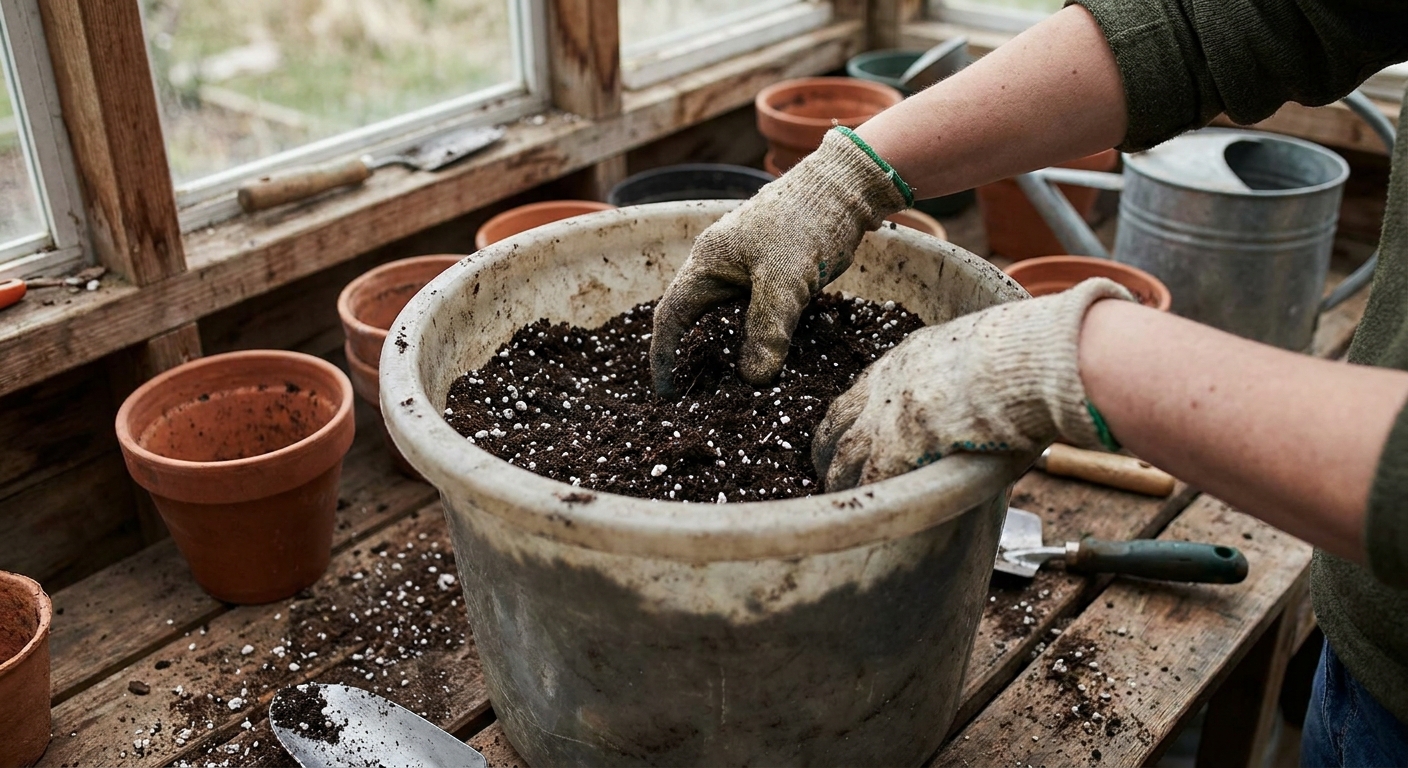
- Moisten first: Put the amendment in a bucket and lightly mist or rinse it before mixing. Damp perlite is much less floaty and dusty.
- Work with ventilation: Mix outdoors, near an open window, or in a well-ventilated area.
- Wear protection if needed: If you are sensitive to dust, use a well-fitting mask and consider eye protection.
- Store bags closed: It keeps dust down and prevents the material from picking up moisture and clumping.
Extra note on vermiculite: the historical concern with vermiculite relates to asbestos contamination from specific sources in the past. Modern horticultural vermiculite sold by reputable brands is generally considered low risk, but it is still smart to minimize dust exposure. Rinse or dampen it, and avoid breathing any fine particles.
Quick decision guide
- My pot stays wet for days: Choose perlite, and double-check drainage holes and light levels.
- My pot dries out too fast: Choose vermiculite (or consider coco chips), and make sure the plant is not root-bound.
- I am repotting most common houseplants: Start with perlite, then adjust after you watch your watering rhythm for a couple of weeks.
- I am starting seeds indoors: Use vermiculite to keep moisture steady.
If you want a gentle next step, bookmark this page for repotting day and take a quick look at your plant’s leaves and your watering habits. Your soil mix should support the way you actually live, not the way a perfect plant parent waters on a perfect schedule.