How To Get Rid Of Weeds Permanently

If you are searching for how to get rid of weeds permanently, I am going to gently adjust the promise: there is no single “one-and-done” fix that keeps every weed away forever, especially if you are avoiding harsh chemicals. But there is a very real, very satisfying kind of permanent that comes from changing the conditions that weeds love and building a yard or garden bed that crowds them out year after year.
Think of weeds as messengers. They show up when soil is bare, turf is thin, drainage is off, the ground is compacted, or your mowing and watering habits are giving them an opening. When you close those openings and stay consistent for a couple seasons, the weed pressure drops dramatically. That is the “permanent” win.

Why weeds keep coming back
Weeds return for a few stubborn, very normal reasons. Once you understand them, your strategy gets a lot simpler.
- The seed bank is real. Soil can hold dormant weed seeds for years, and sometimes decades. Every time you dig, edge, or disturb soil, you can bring buried seeds to the surface where moisture and the right conditions trigger germination.
- Some weeds regrow from underground parts. Perennials like bindweed can return from small root fragments. Many spreading grasses and grasslike weeds come back from rhizomes, stolons, or tubers (think bermudagrass, quackgrass, and nutsedge ). If you only remove the top growth and leave the underground storage, they treat it like a haircut.
- Thin coverage invites invaders. Bare soil is a welcome mat. Sparse turf, widely spaced plants, and unmulched beds let light hit the soil and weeds take advantage.
- Compaction and poor drainage favor “tough guy” weeds. Many weeds thrive where desirable plants struggle, like compacted clay, soggy patches, or hot dry sand.
- Timing matters. If you remove weeds after they set seed, they already accomplished their mission. The goal is to stop seed production and exhaust roots.
The closest thing to permanent: change conditions
If you want long-term results, focus on “cultural controls” first. This is gardening speak for habits and set-up that make your soil and plants do the weed-fighting for you.
Grow a thicker lawn
A dense, healthy turf is one of the best weed preventers on earth. The grass shades the soil surface, which keeps many weed seeds from sprouting.
- Overseed thin areas. The best timing is usually early fall for cool-season lawns, and late spring to early summer for warm-season lawns. Match grass type to your region.
- Feed the soil, not just the grass. Topdress with a thin layer of compost if your lawn can handle it. Healthy soil supports deeper roots.
- Water deeply, less often. Frequent light watering trains shallow roots and helps some weeds. Aim for deep soakings that encourage grass roots to chase moisture downward.
Mow higher
Scalping grass is basically sending a handwritten invitation to weeds. Taller grass shades weed seedlings and keeps soil cooler and more stable.
- General rule: many cool-season lawns do well around 3 to 4 inches, but it depends on the species and your climate. If you want the most accurate number, check local extension guidance for your exact grass type.
- Never remove more than one-third of the blade height at a time. This reduces stress and keeps turf thick.
- Leave clippings if they are not clumpy. They return nutrients and do not cause thatch by themselves.
Fix drainage and compaction
If water puddles, runs off quickly, or the soil feels like brick, weeds that tolerate stress often move in. Your goal is to make conditions comfortable for your preferred plants and uncomfortable for opportunistic weeds.
- Aerate compacted lawns (core aeration is best) and topdress lightly with compost.
- Improve bed soil structure by adding compost on top and letting worms do the mixing, rather than constant tilling.
- Redirect water with downspout extensions, swales, or rain gardens if runoff keeps feeding wet-loving weeds.
Mulch like you mean it
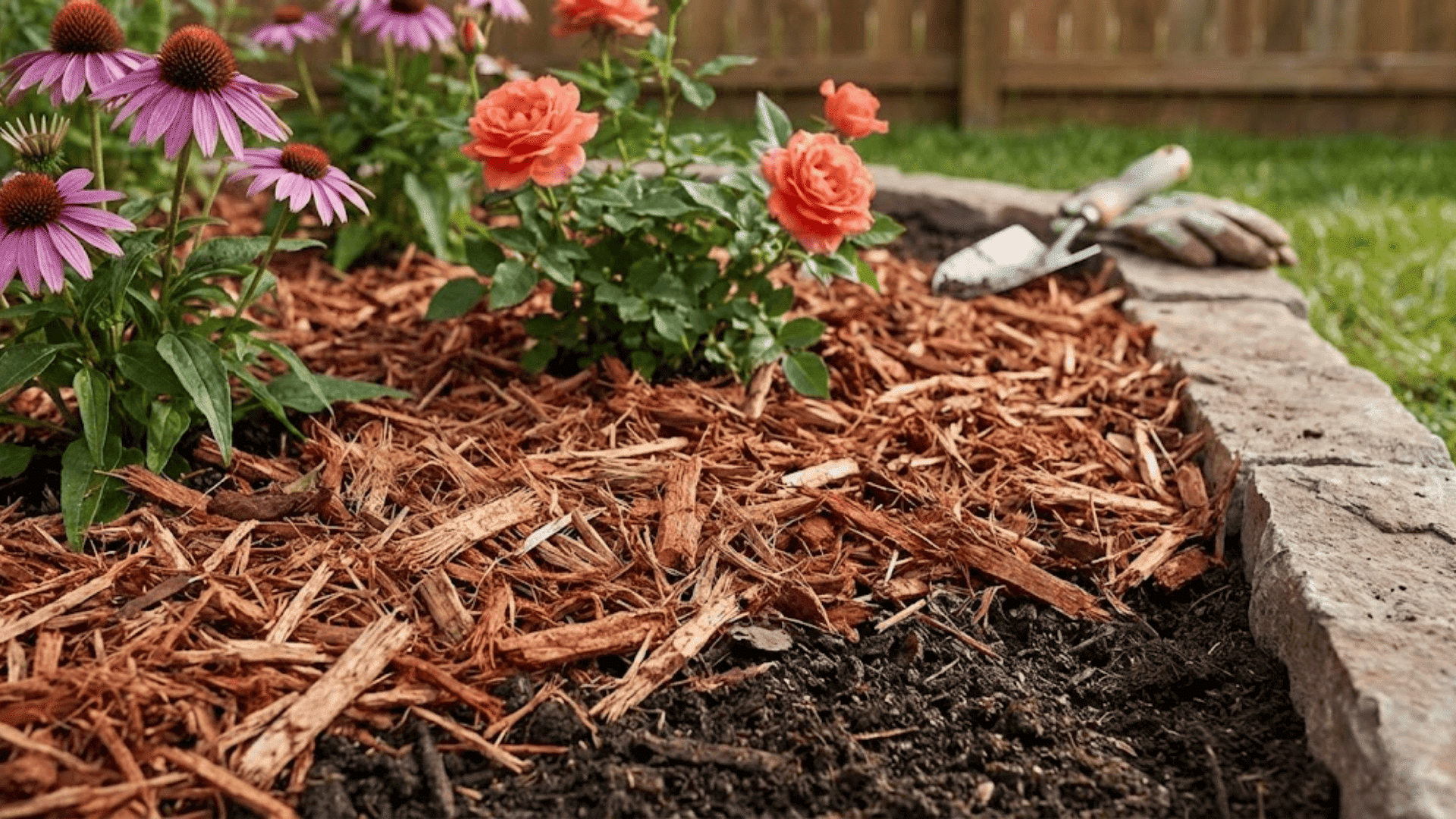
Mulch is a weed prevention tool first, and a “pretty finish” second. The right mulch, at the right depth, blocks light and reduces new germination.
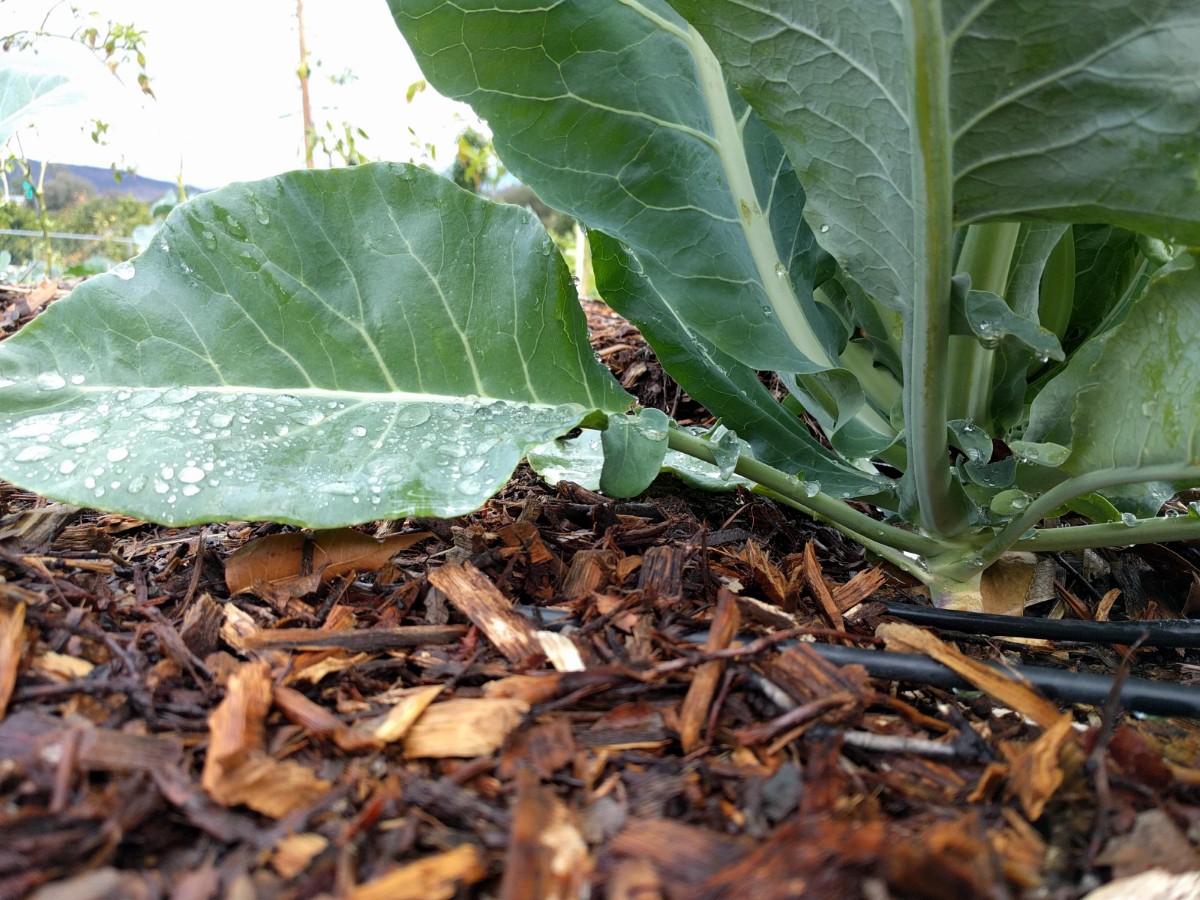
- Use 2 to 4 inches of organic mulch in beds (shredded bark, leaf mold, wood chips, straw for veggie beds).
- Keep mulch a few inches away from plant stems and tree trunks to prevent rot and pests.
- Refresh annually. You rarely need to remove old mulch. Just rake, spot-weed, and top up thin areas.
- Cardboard under mulch can help in brand-new beds or weedy conversions. More on smothering below.
Remove what is there: better timing
Weeding is not just about effort, it is about when you put the effort in. Pulling at the wrong time can feel like punishment. Pulling at the right time feels oddly therapeutic.
Hand-pull after rain
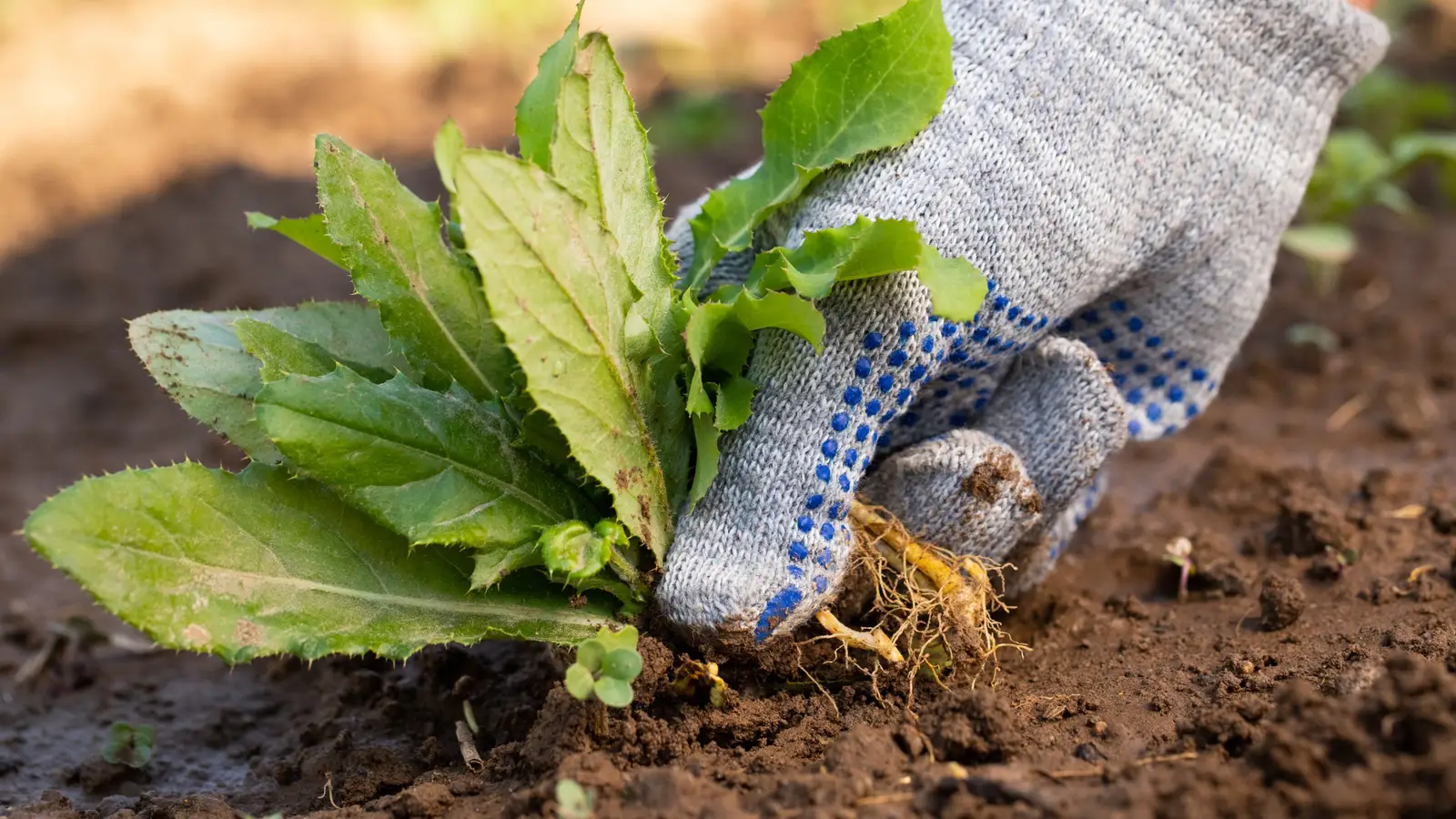
Moist soil releases roots. If you try to yank weeds from dry, compacted ground, they snap and regrow. Aim for the day after a soaking rain, or water the area and come back in an hour.
- Get the crown and roots. For rosette weeds, slide a weeding knife or dandelion fork under the crown and pry gently.
- Bag seed heads. If a weed is flowering or fluffy with seed, remove it carefully and keep it contained.
- Repeat before seed set. This is how you drain the seed bank over time.
Hit perennials in the right season
Perennial weeds store energy underground. You win by exhausting that storage.
- Best window: late summer into fall is often ideal because many perennials are sending energy down into roots. Removing growth repeatedly then can be especially effective.
- For spreaders: dig wider than you think. Follow runners, rhizomes, and tubers and remove as much as possible.
- Expect rounds. For tough perennial weeds, plan on follow-up every 2 to 3 weeks during active growth.
Dispose of weeds wisely
For everyday seedling weeds, composting is often fine. But for anything that is seeding, or anything that spreads by rhizomes, stolons, tubers, or root fragments, be more cautious.
- Do not compost seed heads unless your compost gets reliably hot.
- Do not compost invasive spreaders or rhizome pieces. Bag them and trash them, or follow local disposal guidance.
- When in doubt: contain it. A single “oops” can re-seed the whole bed.
Smothering: a calm reset
If you have a patch that is more weeds than garden, smothering can be the calm, chemical-free reboot. It works by depriving plants of light while allowing soil life to keep working underneath.
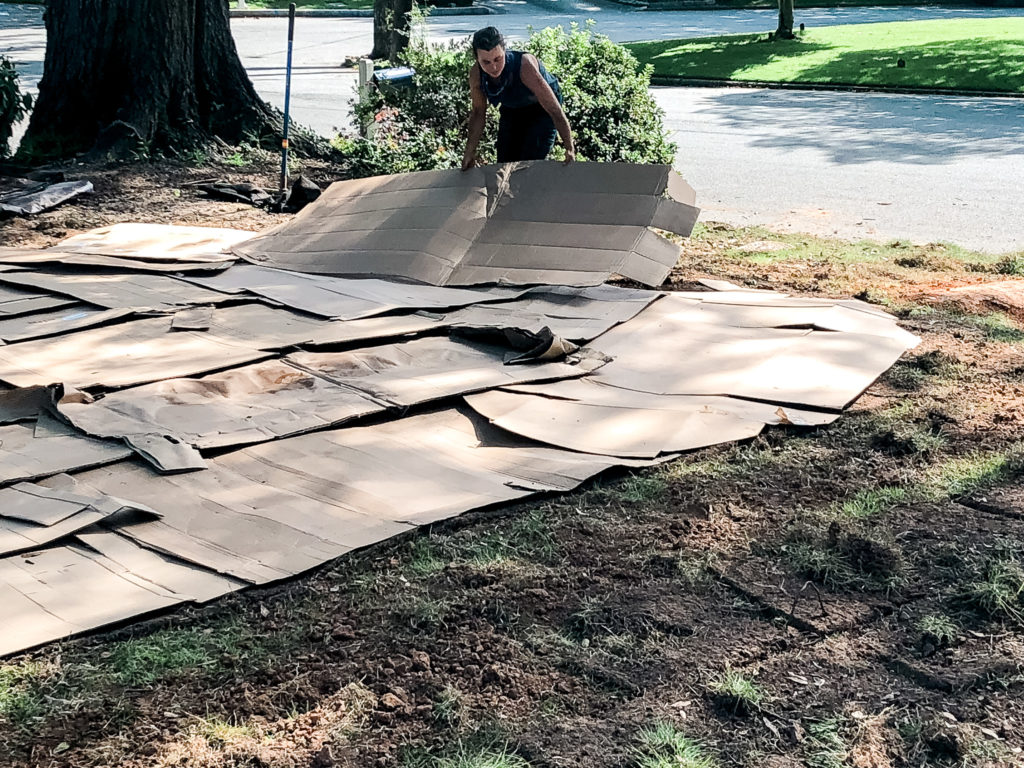
Sheet mulching with cardboard
This is my favorite for converting weedy beds to new planting space.
- Mow or cut weeds low and leave the clippings in place.
- Water the area well. Moisture helps decomposition and makes the barrier conform to the soil.
- Lay plain cardboard (remove tape and glossy ink). Overlap seams by 6 inches so weeds do not find a “sunlight crack.”
- Soak the cardboard until it is fully saturated.
- Add 3 to 6 inches of compost and/or topsoil if you plan to plant right away, then top with mulch.
- Wait time: for aggressive weeds, give it a full season if you can. Planting through is possible, but patience improves results.
Black plastic or tarps
Tarping can be effective for very weedy annual areas, especially where you are not planting immediately. Use UV-stable silage tarp or thick black plastic, secure the edges tightly, and leave it in place for weeks to months.
Heads-up: Plastic blocks air and water movement. I consider it a short-term tool, not a permanent garden feature. When you remove it, cover the soil with compost and mulch right away to avoid a new flush of weeds.
Organic pre-emergents: what to expect
Pre-emergents prevent some weed seeds from sprouting. They do not kill existing weeds, and they do not stop plants that spread by roots or tubers. Used correctly, they can reduce the constant “new seedling sprinkle” that drives people nuts.
Corn gluten meal
Corn gluten meal is a natural byproduct of corn processing that can inhibit root formation in newly germinated seedlings. Results are mixed in independent trials, so think of it as a helpful add-on with good timing and repeat applications, not a miracle cure.
- Best for: reducing germination of some annual weed seeds in lawns and beds.
- Not for: established weeds, perennial weeds, and areas you want to seed soon.
- Timing matters: apply before seeds germinate, then water lightly to activate and let it dry on the surface. Heavy rain right after can reduce effectiveness.
- Seeding warning: because it can inhibit seedling roots, do not use where you are sowing grass seed or direct-seeding vegetables and flowers.
Vinegar and iron products
Some gardeners use iron-based products (more often as post-emergents for broadleaf weeds in lawns) or vinegar-based sprays (post-emergent contact killers). These are not “permanent” solutions because they do not address the seed bank or root regrowth on their own.
Safety note: “Natural” does not mean gentle. Horticultural vinegar can be strong enough to burn skin and eyes, and it is non-selective, meaning it can damage any plant tissue it touches. Read the label, protect yourself, and avoid spray drift.
If you choose a product, read the label carefully and match it to your goal: pre-emergent for preventing seedlings, post-emergent for plants already growing.
Lawns vs. beds
For lawns
- Goal: make grass the dominant plant.
- Best tools: correct mowing height, overseeding, proper watering, aeration, compost topdressing, and spot removal before weeds seed.
- Mulch is not the answer in turf, but thick grass is basically living mulch.
For garden beds
- Goal: cover soil and reduce disturbance.
- Best tools: 2 to 4 inches of mulch, tight plant spacing, drip irrigation (less bare-soil moisture), and quick removal of new seedlings.
- Minimize digging. When you constantly turn soil, you constantly “wake up” weed seeds.
Quick note on landscape fabric
Landscape fabric sounds like a permanent fix, but in most beds it becomes a maintenance trap. Organic matter builds on top, weeds sprout in that layer, and then roots tangle into the fabric. If you do use it, treat it as a short-term construction tool under gravel, not a magic weed shield for planting beds.
When to use a species guide
General weed control works beautifully for many situations, but some weeds have special tricks. If you keep fighting the same plant and it seems to ignore your usual methods, it is time to identify it and use a targeted approach.
- Dandelion: often thrives in compacted soil and thin turf, and it regrows if the taproot breaks. A soil test beats guessing about nutrients. See our species guide for the best removal tools and timing. Leafy Zen dandelion guide
- Clover: often shows up in low-nitrogen lawns and thin turf, but it can also persist in otherwise decent lawns. The fix is usually turf density and overall lawn care, not just pulling. Leafy Zen clover guide
- Nutsedge: a sedge, not a grass. It spreads via underground tubers and laughs at casual pulling. You need a nutsedge-specific plan. Leafy Zen nutsedge guide
- Bindweed: deep roots and aggressive regrowth, best handled with repeated cutting and smothering over time. Leafy Zen bindweed guide
- Crabgrass: an annual that is all about timing and pre-emergent strategy. Leafy Zen crabgrass guide
Tip: If you are not sure what you have, take a close photo of leaves and growth habit, then compare to a local extension resource. Correct ID saves months of frustration.
A realistic permanent plan
This week
- Pull or dig weeds when soil is damp, focusing on any that are flowering.
- Mulch bare soil in beds to 2 to 4 inches.
- Mow higher and sharpen your mower blade.
This season
- Fix thin lawn spots with overseeding at the right time for your grass type.
- Aerate compacted turf and topdress lightly with compost if appropriate.
- Sheet mulch any “lost cause” patch you want to convert into a bed.
Next 1 to 3 years
- Keep preventing seed set. Each year you stop weeds from seeding is a year you shrink the seed bank.
- Stay consistent with mulch maintenance and plant spacing.
- Spot-treat repeat offenders with species-specific methods.
My most honest promise: if you do the boring basics consistently, weeds go from a daily annoyance to an occasional, quick stroll with a bucket. That is as close to permanent as nature lets us get, and it is absolutely achievable.
Quick troubleshooting
“I pulled everything and it came back in two weeks.”
That is usually a seed bank flush, not failure. Mulch immediately after pulling, and consider a pre-emergent strategy next season. Also check if you are dealing with a perennial that regrows from underground parts.
“My mulch is full of weeds.”
Two common causes: mulch is too thin, or windblown seeds are germinating on top. Pull tiny seedlings promptly and top up mulch to a true 2 to 4 inches.
“Weeds love my soggy area.”
Drainage first. Until you address the water issue, you will keep fighting plants that are adapted to wet feet.
“I do not want chemicals, but I need relief.”
Start with smothering for the worst areas, then shift to prevention: mulch, dense planting, and better lawn culture. Organic weed control is less about one product and more about stacking small advantages in your favor.