
Canna Leaf Roller Caterpillars: Rolled Leaves and Control

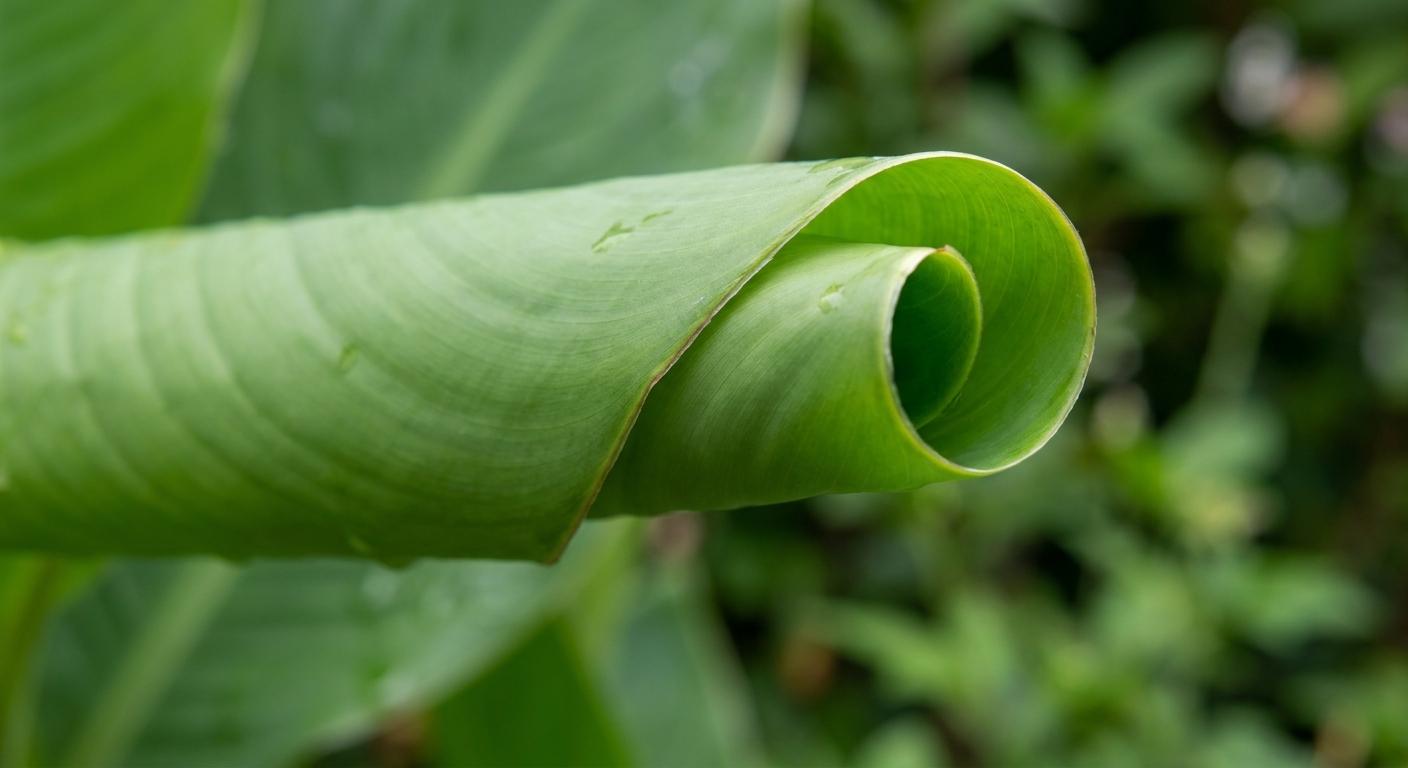
The first time I saw it, I thought my canna had decided to try origami. One leaf was rolled into a tight little green cigar, and the next one was halfway there. Cannas are dramatic plants, but this kind of neat, deliberate rolling is not the plant being quirky. It is usually a hungry caterpillar using your canna leaf as both dinner and a sleeping bag.

Canna leaf roller caterpillars can make a lush canna fan look ragged before it ever unfurls, and when they hit the newest leaves, the damage shows up right where you want perfection: the fresh growth that helps fuel flower production. The good news is that control is very doable, and in many gardens the damage is mostly cosmetic.
What damage looks like
Leaf rollers are sneaky because the early damage is hidden. You see the rolled leaf first, then the messy reveal later when that leaf finally opens.
- Tight rolls or folds: One side of the leaf is folded over and held shut with silk, forming a tube.
- Stitched seams: Look for fine webbing along the edge, like the leaf has been lightly sewn.
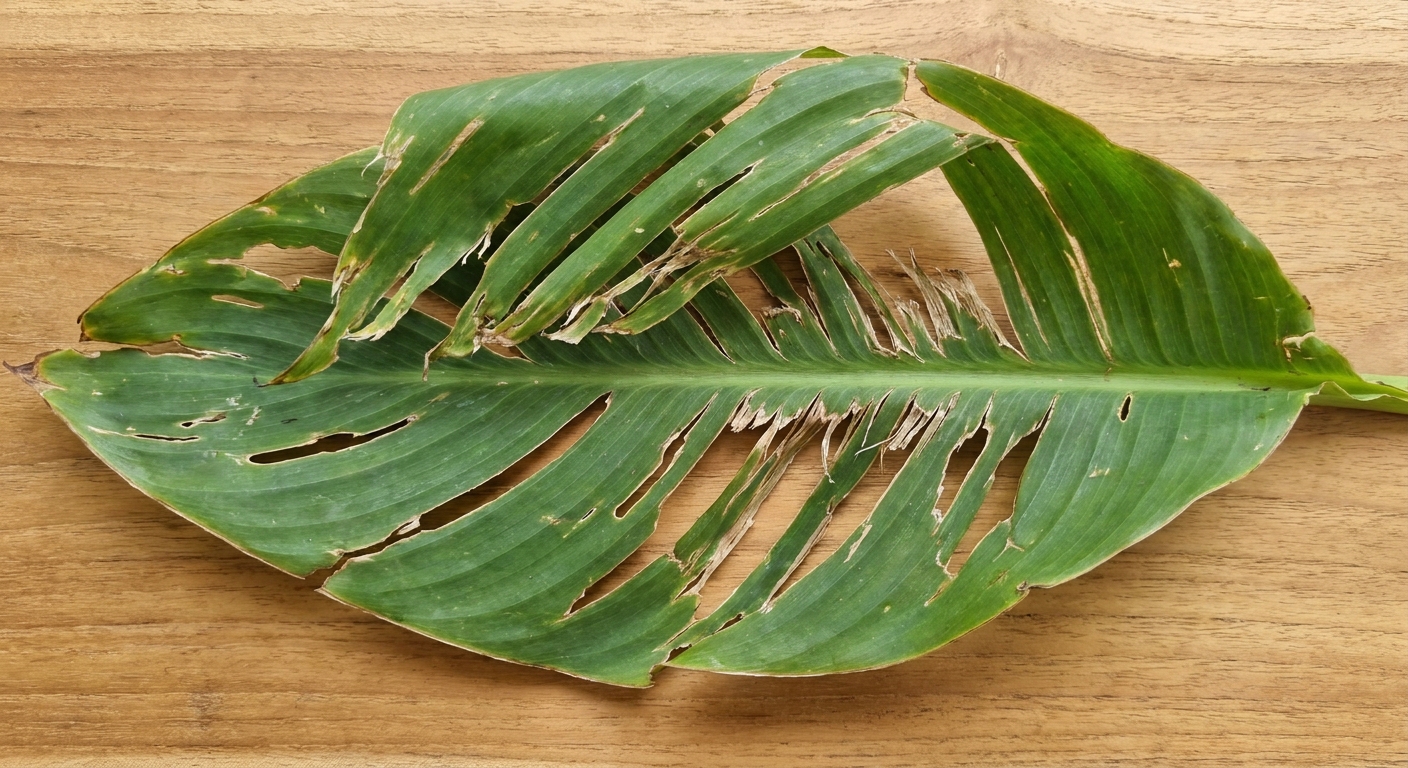
- Windowpane feeding: When the leaf unfurls, you may see thin, translucent patches where green tissue was scraped away.
- Shredded, notched, or torn leaf edges: The rolled portion often dries and tears as the leaf tries to expand.
- Frass: Tiny dark pellets inside the roll or near the seam, basically caterpillar poop.
Meet the culprit
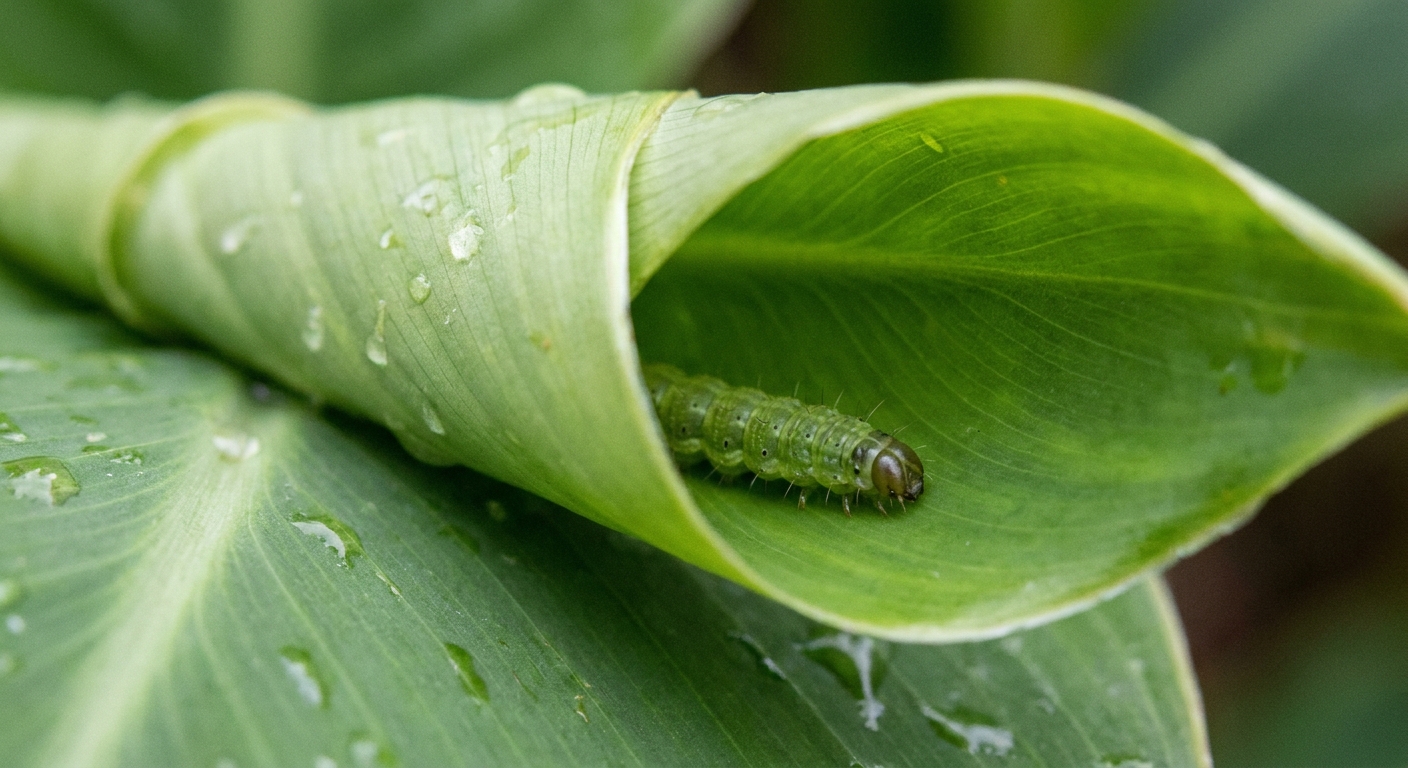
In many areas, the pest is commonly called a canna leaf roller, but there are different species depending on your region (and sometimes other leaf-rolling caterpillars get blamed, too). The caterpillar is often greenish to tan with a darker head, and it hides inside the rolled leaf during the day, feeding from the inside out. Later on, it may also pupate in or near that shelter.
If you gently unroll the leaf, you will often find:
- a caterpillar curled into a C shape
- silk webbing holding the leaf closed
- fresh chew marks and frass
Will it affect blooms
Leaf roller feeding is most frustrating when it targets the newest, still-unfurling leaves. Those young leaves are your plant’s solar panels in training. If they emerge shredded, the plant loses leaf area right when it is building energy for flower stalks.
That said, cannas are tough. In many home gardens, leaf roller damage is mostly cosmetic, especially if:
- only a few leaves are affected
- the plant is otherwise growing vigorously
- damage happens later in the season after the plant has plenty of leaf mass
When to take it seriously: if nearly every new leaf is rolled, if leaves are repeatedly ruined before opening, or if the plant looks stunted and sparse from constant damage.
Quick ID check
Rolled leaves can happen for a few reasons, but leaf roller rolls have a telltale engineered feel. They are usually neatly sealed with silk and there is often frass inside.
Most likely leaf roller
- Leaf is rolled neatly and held with silk webbing
- Frass is present inside the roll
- Chew damage appears after the leaf opens
Could be something else
- Wind or mechanical damage: leaves split lengthwise without a stitched seam
- Slugs or snails: irregular holes but no tight roll held with silk
- Drought stress: leaf may curl or fold, but you do not see webbing or frass
Control 1: Hand removal
If you only have a few plants, hand control is extremely effective and satisfies the part of my gardener brain that loves a tidy, direct solution.
How to do it
- Inspect new growth: Focus on the newest leaves, especially any that look pinched, folded, or oddly tight.
- Unroll carefully: Gently open the leaf seam. If it is stuck with silk, use your fingernail to separate it.
- Remove the caterpillar: Pinch it, drop it into a cup of soapy water, or otherwise dispose of it.
- Decide about the leaf: If the leaf is badly mangled or full of frass and webbing, snip that leaf off near the base of its stalk. If it is only lightly damaged, let it stay and photosynthesize.
Timing tip: Early morning or evening is easiest, since caterpillars tend to stay tucked in their shelters.
Control 2: Bt with timing
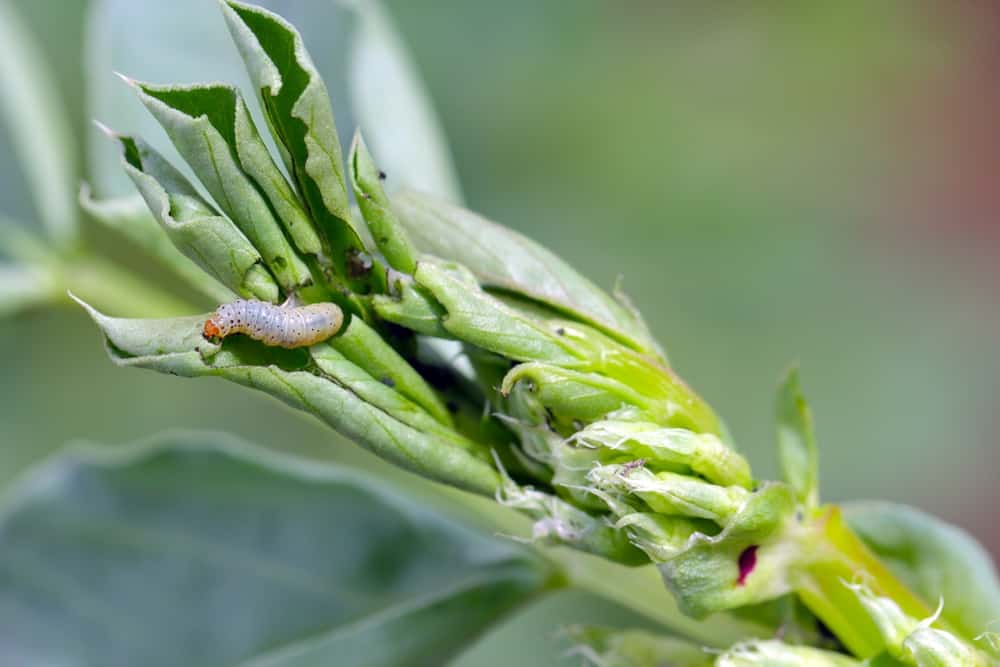
Bt (specifically Bt kurstaki, often labeled for caterpillars) is an organic, targeted tool that works best on small, actively feeding caterpillars. The key is that Bt must be eaten. If the caterpillar is sealed inside a leaf roll and your spray never reaches where it is feeding, you will not get great results.
When Bt works best
- Right when you first notice rolls starting on new leaves
- After you gently open rolls so spray can reach inside
- When caterpillars are small (early infestation)
How to apply effectively
- Unroll or loosen the leaf: You do not have to flatten it perfectly, just open it enough to expose inner surfaces.
- Spray into the roll: Aim for the inside of the tube where feeding happens.
- Reapply as directed: Bt breaks down in sun and rain. Follow label intervals, and reapply after heavy watering or storms.
- Spray at dusk if possible: It slows breakdown from sunlight and keeps you from spraying when many pollinators are most active.
Realistic expectations: Bt does not fix existing shredded leaves. It prevents the next wave of damage by stopping the caterpillars that are currently feeding.
Should you cut rolled leaves
Sometimes yes, sometimes no. I decide based on two things: how many leaves are affected and whether the leaf still has a chance to be useful.
- Cut it off if the leaf is tightly rolled, full of frass, and clearly ruined, or if you see multiple rolls and want to reduce the pest quickly.
- Leave it if the leaf is only lightly damaged and you have already removed the caterpillar. Even an imperfect canna leaf still makes energy for the plant.
Always discard removed leaves in the trash or sealed yard waste, not on the compost pile if you suspect live caterpillars or pupae are inside.
Why monitoring works
Leaf rollers do not just appear out of nowhere. The adults are moths, and they lay eggs that turn into the leaf-rolling caterpillars you find later. That is why the newest leaves are the best place to look. If you catch the first rolls early, you can stop a whole season of shredded unfurling.
When it is cosmetic
Cannas are bold, tropical-looking plants, so leaf shredding can feel like a crime scene. But a little damage is often just part of growing ornamentals outdoors.
You can usually relax and simply monitor if:
- only a handful of leaves are affected
- new leaves continue to emerge normally
- the plant is producing plenty of healthy foliage overall
If you are growing cannas mainly for flowers and the plant is otherwise thriving, you may not need to spray anything at all. A quick weekly check and a little hand removal can be enough.
Prevention and next steps
You do not need a complicated routine. The goal is to catch rolls early, before a caterpillar turns a pristine leaf into confetti.
- Check the newest leaves once a week: Especially during warm months when growth is fast.
- Look down into the crown: Rolls often start low where leaves are emerging.
- Remove heavily infested leaves promptly: It is simple sanitation that reduces the number of caterpillars developing on the plant.
- Inspect nearby cannas: If one plant is hit, odds are the next one is on the menu soon.
- Encourage beneficials: Birds, predatory insects, and a generally diverse garden help keep caterpillars from taking over.
- Avoid broad-spectrum insecticides: They can knock out the helpful insects that naturally keep pest populations in check.
If the infestation is severe: If hand removal and well-timed Bt are not making a dent, check with your local extension office for the exact leafroller species in your area and a labeled caterpillar control option that fits your garden. It is the fastest way to avoid spraying the wrong thing at the wrong time.
FAQ
Will my canna recover from leaf roller damage
Yes. Cannas regularly push new leaves, and once the caterpillars are removed or controlled, new growth typically comes in clean. Existing shredded leaves will not repair, but the plant can still thrive.
Is Bt safe for bees and beneficial insects
Bt kurstaki is considered targeted to caterpillars, but it can affect butterfly and moth larvae if they eat treated foliage. Use it thoughtfully, apply only to affected plants, and avoid spraying host plants for butterflies you want to support.
Do leaf rollers spread from plant to plant
They can. Adult moths lay eggs, and caterpillars can also move short distances. If one canna is heavily affected, inspect nearby cannas and other broad-leaved ornamentals.
Can I ignore rolled leaves
If it is occasional and your plant is vigorous, yes, you can treat it as cosmetic and simply remove the worst rolls by hand. If most new leaves are getting rolled and ruined, step in sooner so the plant keeps enough healthy foliage to bloom well.