
Are Rhubarb Leaves Poisonous?
A little green. A lot of curiosity.
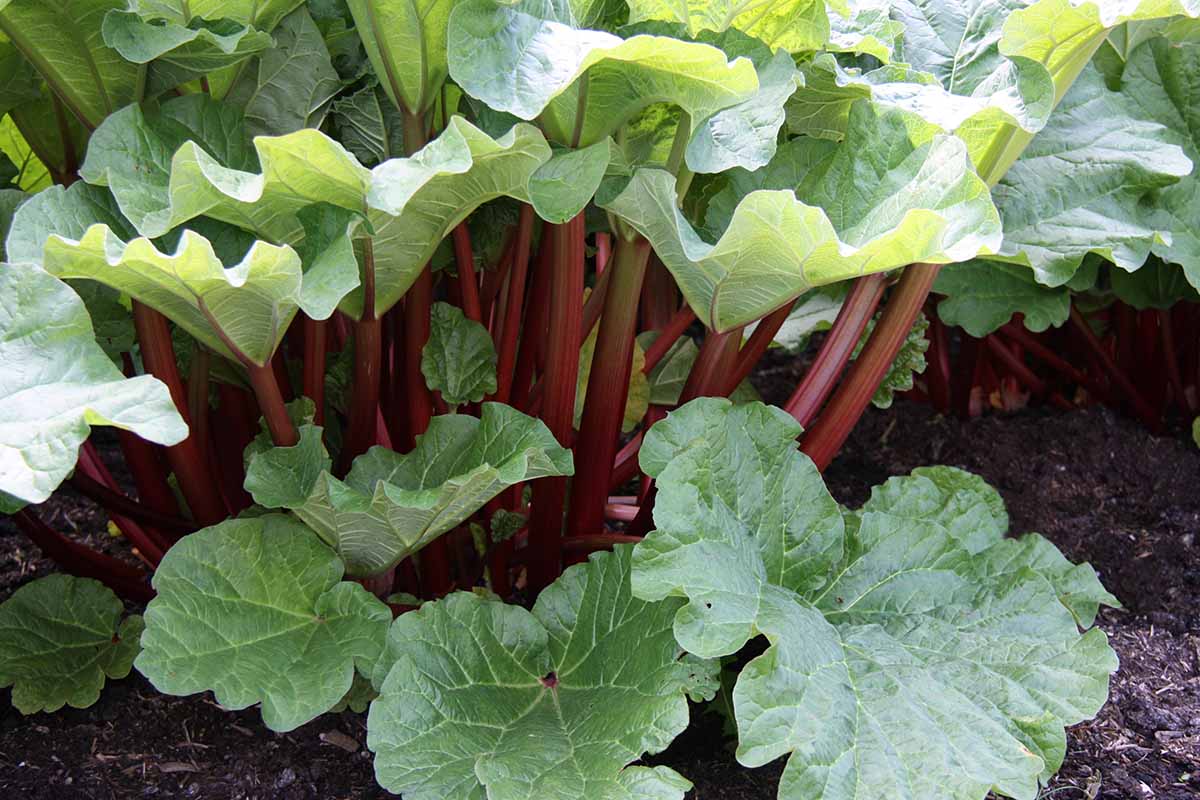
Rhubarb is one of those plants that looks like it belongs in a fairy tale and a warning label at the same time. Big, confident leaves. Bold red or green stalks. And a long-running garden rumor that the leaves are dangerous.
The rumor is true. Rhubarb leaves are poisonous if eaten and should not be consumed. The good news is that the part we cook, the stalks, is the edible part when prepared normally.

Yes, rhubarb leaves are poisonous
Rhubarb leaves contain high levels of oxalic acid and oxalates, enough to cause poisoning if eaten in quantity. Other irritating plant compounds may also play a role in how sick someone feels, but the practical guidance stays the same: the leaves are not food.
They should not be cooked, candied, brewed into tea, or offered as feed to pets or livestock.
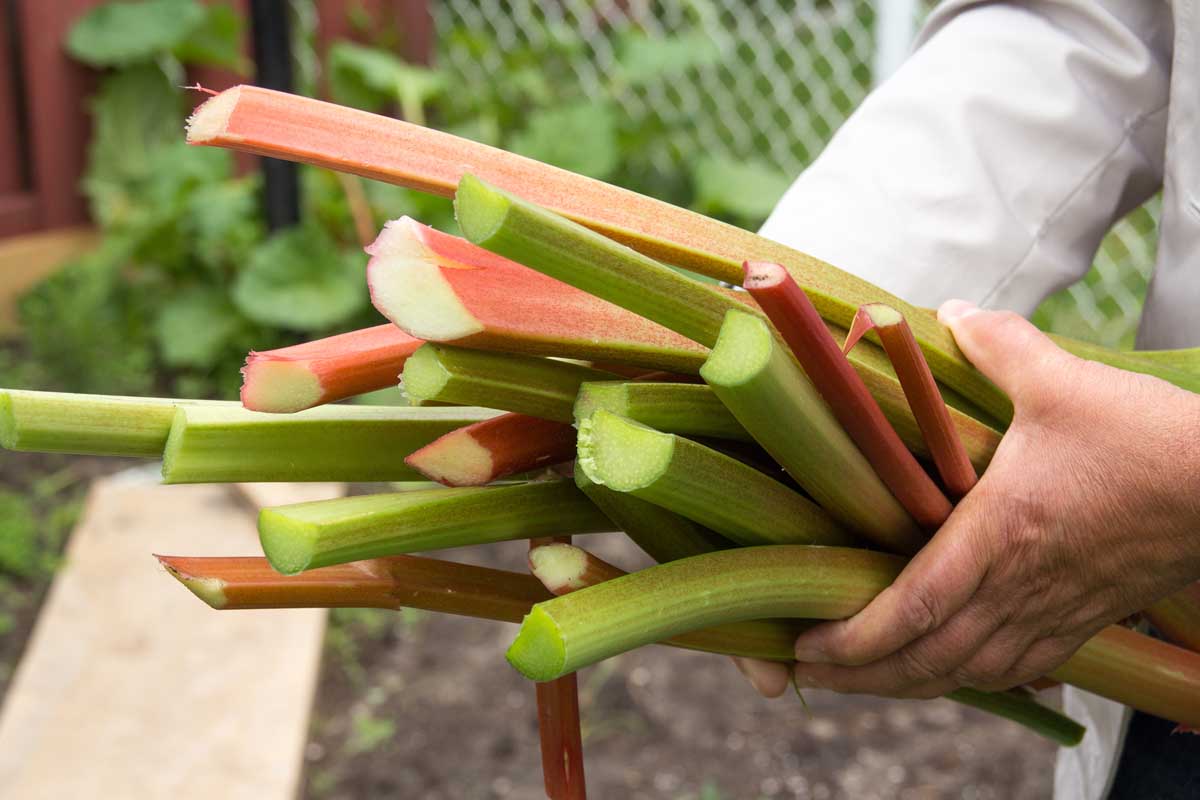
The stalks (also called petioles) are the part traditionally used in pies, jams, and sauces. The stalks contain oxalates too, but at much lower levels than the leaves, and they are generally considered safe to eat in normal serving sizes for healthy people.
What oxalic acid does
Oxalic acid is found in many plants. In small amounts, your body typically handles it without drama. In larger amounts, it can irritate the digestive system and bind with calcium in the body. In significant exposures, this can contribute to problems like low blood calcium and stress on the kidneys.
That is the core issue with rhubarb leaves: the concentration is high enough that eating them is risky.
Symptoms
Symptoms depend on how much was eaten and who ate it, but may include:
- Nausea, vomiting, or diarrhea
- Abdominal pain or burning in the mouth and throat
- Weakness or tremors
- In severe cases, signs of kidney trouble (this is a medical emergency)
If you suspect more than a small nibble, call your local poison control center or medical advice line for guidance rather than waiting it out.
Why the stalks are edible
Garden logic often looks like this: the plant puts different chemistry in different tissues for different jobs.
- Leaves are tender, high-surface-area tissue. Plants often load leaves with defensive compounds to discourage browsing.
- Stalks are structural tissue. In rhubarb, the stalks are the harvested crop, and they are used as food because they carry far lower oxalate levels than the leaves.
Even with edible stalks, the rule is simple: eat the stalks, discard the leaves.
Child safety
Kids are fast, curious, and often convinced every leaf is salad. If a child nibbles rhubarb leaf, the best next step depends on how much was swallowed and whether symptoms are showing.
- Remove any plant material from the mouth.
- Rinse the mouth with water.
- Offer a drink of water if they can swallow comfortably.
- Do not encourage more eating “to test it,” and do not use home remedies to induce vomiting.
For guidance tailored to the amount ingested and the child’s age and weight, contact your local poison control center promptly. If there are serious symptoms such as repeated vomiting, trouble breathing, severe lethargy, or signs of an allergic reaction, seek emergency care.
Pet safety
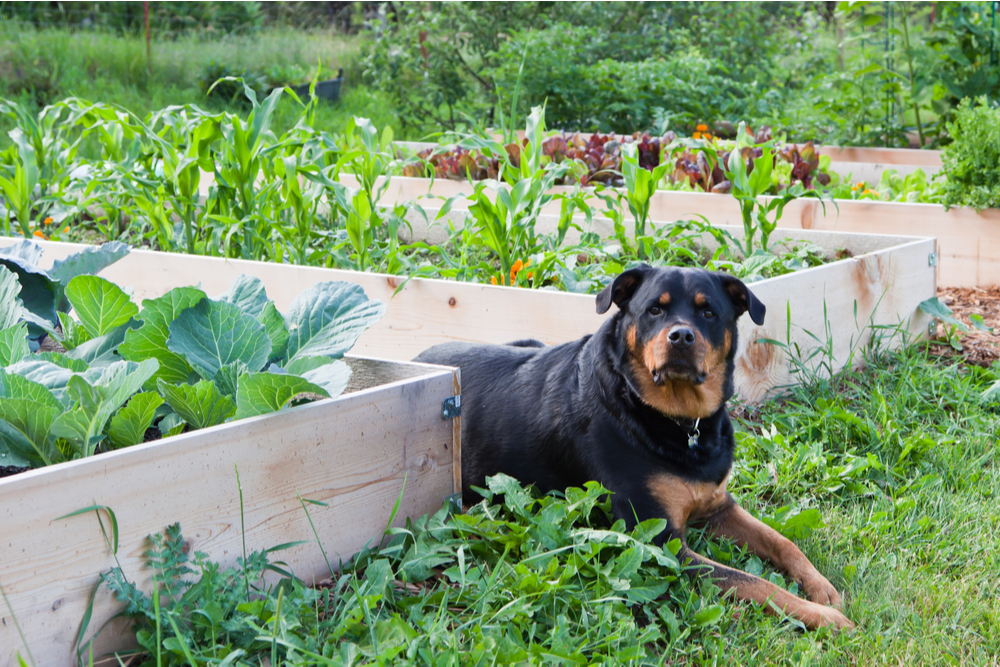
Rhubarb leaf toxicity is also a concern for pets. Dogs may chew leaves out of boredom. Cats sometimes sample greenery. Rabbits, goats, and chickens can also get into trouble if they have access to the plant.
If you see your pet eating rhubarb leaves or you find chewed leaves and a suspiciously innocent face nearby, call your veterinarian or an animal poison hotline for next steps. Quick advice matters because pets are smaller, and smaller bodies have less room for “probably fine.”
Prevent problems
- Fence off rhubarb if you have a persistent plant-chewer.
- Pick up trimmed leaves right away instead of leaving them on the soil.
- Keep harvest buckets out of reach while you work.
Composting rhubarb leaves
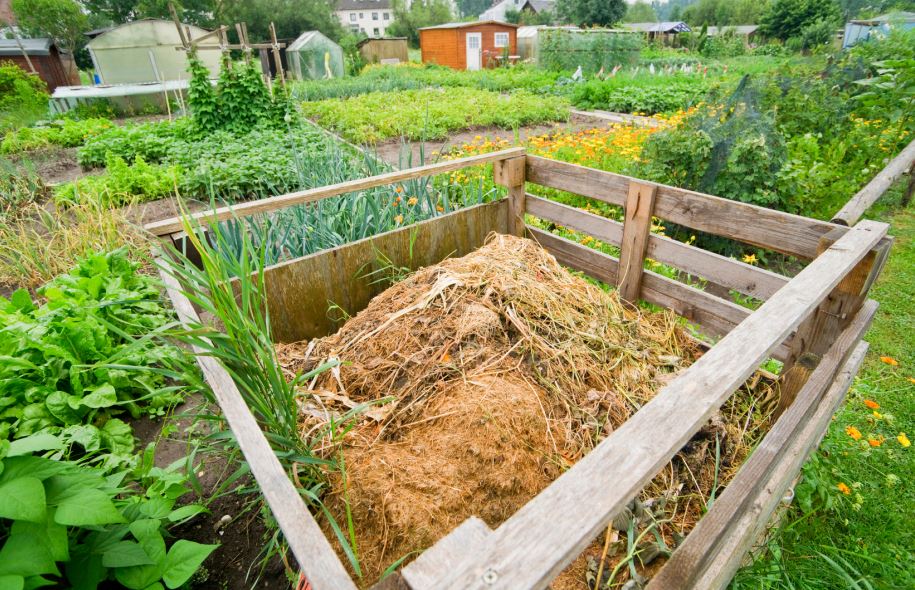
In most home gardens, yes, rhubarb leaves can be composted. Over time, the compounds that make fresh leaves a bad idea break down and dilute in an active compost pile.
Composting does not make fresh rhubarb leaves safe to eat, and it does not turn them into animal feed. It is simply a practical way to dispose of them.
That said, a few composting habits keep things tidy and safe.
Composting tips
- Keep leaves away from pets and kids. Move them straight into a bin or enclosed pile.
- Chop or tear large leaves so they break down faster.
- Balance the pile with browns (dry leaves, straw, shredded cardboard) since rhubarb leaves are wet and nitrogen-rich.
- Avoid using unfinished compost that still contains recognizable leaf pieces, especially in beds where kids play or pets dig.
If you do not compost, bagging and municipal yard-waste pickup works too. The main point is not to treat the leaves like kitchen scraps for people or animals.
Harvesting and trimming
Harvesting rhubarb is simple, but the “safe and happy plant” method matters. You want clean stalks for the kitchen and a crown that keeps producing.
Harvest stalks
- Choose mature stalks that are firm and full-sized. Leave the thin ones to grow.
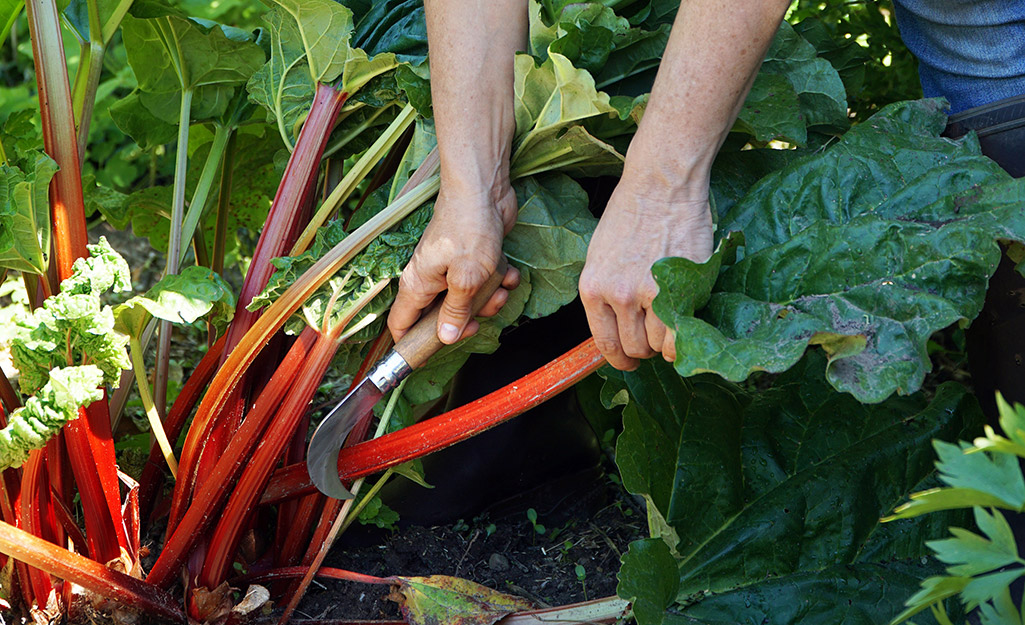
- Grasp the stalk near the base and pull with a gentle twist. This removes the stalk cleanly from the crown.
- If you prefer to cut, use a clean, sharp knife and slice close to the base without gouging the crown.
- Trim leaves off immediately and keep the leaves out of reach of children and pets.
- Do not harvest too hard. A common rule of thumb is to take no more than about one-third of the stalks at a time so the plant keeps enough leaf surface to recharge.
Handle stalks safely
Once the leaves are off, give the stalks a rinse, pat them dry, and store them in the fridge. For best quality, do not store stalks with leaves attached. Leaves left on can pull moisture out of the stalks and create an unnecessary risk if someone starts “helping” in the kitchen.
Common questions
Are the leaves deadly?
They can be dangerous, especially in larger amounts, but outcomes depend on dose and the person or animal involved. The safest approach is simple: do not eat the leaves, and get real-time guidance from poison control or a medical professional if ingestion happens.
Are green stalks safe?
Yes. Stalk color varies by variety and growing conditions. Red stalks are popular, but green stalks are also edible. Color is not a reliable safety signal. The safety line is leaves versus stalks.
Can you eat rhubarb raw?
Many people do, but it is extremely tart. From a food-safety perspective, typical raw nibbling of the stalk is generally considered fine for healthy individuals, but if you have kidney issues or have been advised to limit oxalates, it is wise to ask your clinician for personalized guidance.
What about roots?
Rhubarb is grown for its stalks. The roots and leaves are not used as food in home cooking. If it is not the stalk, treat it as not for eating and keep it away from pets and kids.
What about leaf tea?
Any recipe that involves rhubarb leaves in tea, tonic, or “detox” drinks is a hard no. The leaves are the toxic part, and boiling does not turn them into a safe beverage.
The Leafy Zen takeaway
Rhubarb has a clear division of labor. The stalks are the edible harvest. The leaves are the part to respect, remove, and keep away from little hands and curious mouths.
If you garden with kids or pets, the best safety upgrade is also the easiest: trim leaves promptly, tidy them straight into the compost or yard waste, and enjoy your rhubarb where it belongs, in the kitchen and not in anyone’s mouth until the leaves are gone.