
Are Orchids Safe for Cats and Dogs?

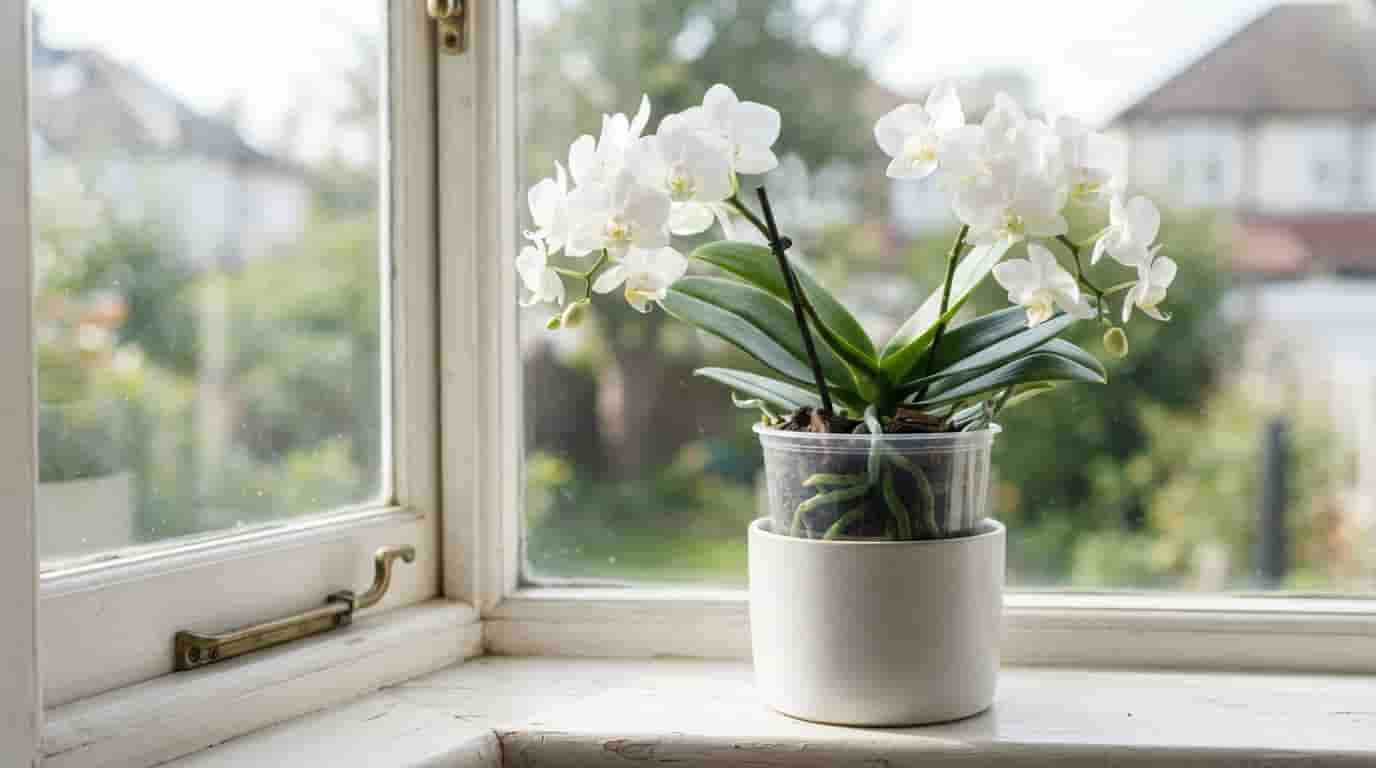
A little green. A lot of curiosity.
If you share your home with a cat who samples houseplants like a salad bar, or a dog who believes every pot is a new toy, orchids can feel like a high-stakes decoration. The good news is that many of the orchids we keep indoors are widely regarded as non-toxic to cats and dogs. The not so fun news is that non-toxic does not mean non-problem. Nibbling can still lead to tummy trouble, and the real risk often comes from what is on or in the pot.

Quick answer
Phalaenopsis orchids (moth orchids) are widely regarded as non-toxic to cats and dogs. Many other commonly sold houseplant orchids are also generally considered low-risk.
Still, if your pet chews an orchid, you may see mild digestive upset like drooling or vomiting. And if the plant has been treated with pesticides, leaf shine products, or concentrated fertilizer, that is where the situation can shift from “ugh” to “call the vet.”
Which orchids are usually considered non-toxic?
When people say “orchid,” they often mean a Phalaenopsis, the classic grocery store orchid with broad leaves and long-lasting blooms. That is the one most commonly referenced as pet-safe.
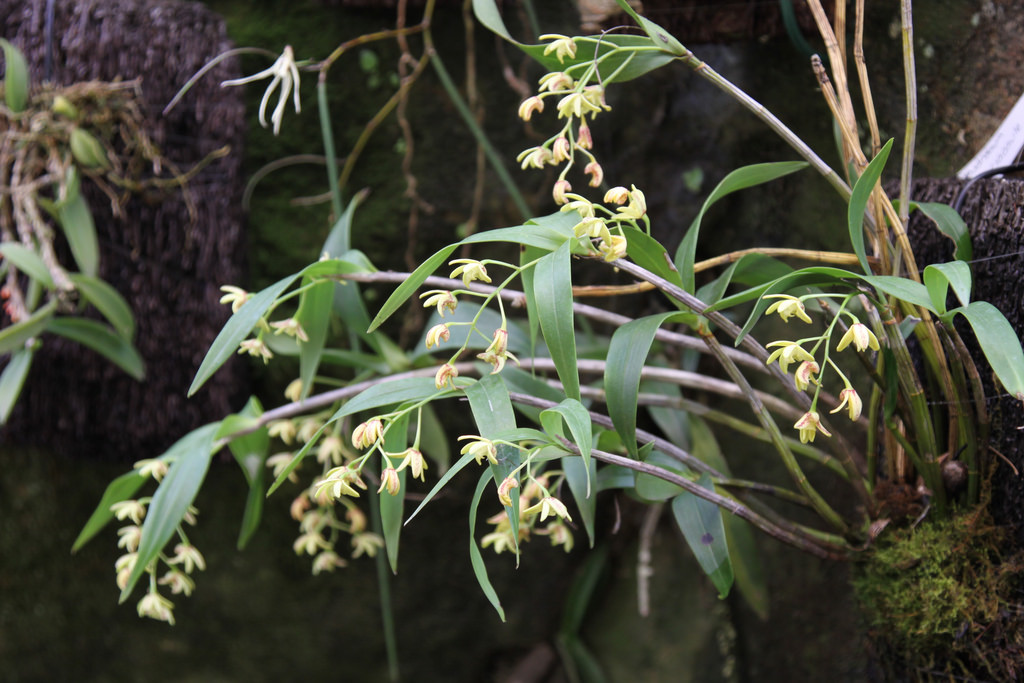
Other orchids commonly sold as houseplants are also often listed as non-toxic in major pet-toxicity databases. Examples you may see include:
- Phalaenopsis (moth orchid)
- Dendrobium
- Cattleya
- Oncidium (dancing lady orchid)
- Miltonia (pansy orchid)
Important note: there are many orchid species and hybrids, and not every single one is covered in every database. If you know the exact name of your plant (from the tag), keep it handy in case you ever need to speak with your veterinarian or a pet poison helpline.
Why a “non-toxic” orchid can still make pets sick
Even plants that are considered non-toxic can trigger symptoms for a few simple reasons:
- Plant fibers irritate the stomach. Leaves and petals are not designed to be digested, especially in cats.
- Mechanical irritation. Chewing tough leaves or dry flower spikes can cause gagging, drooling, or an upset stomach.
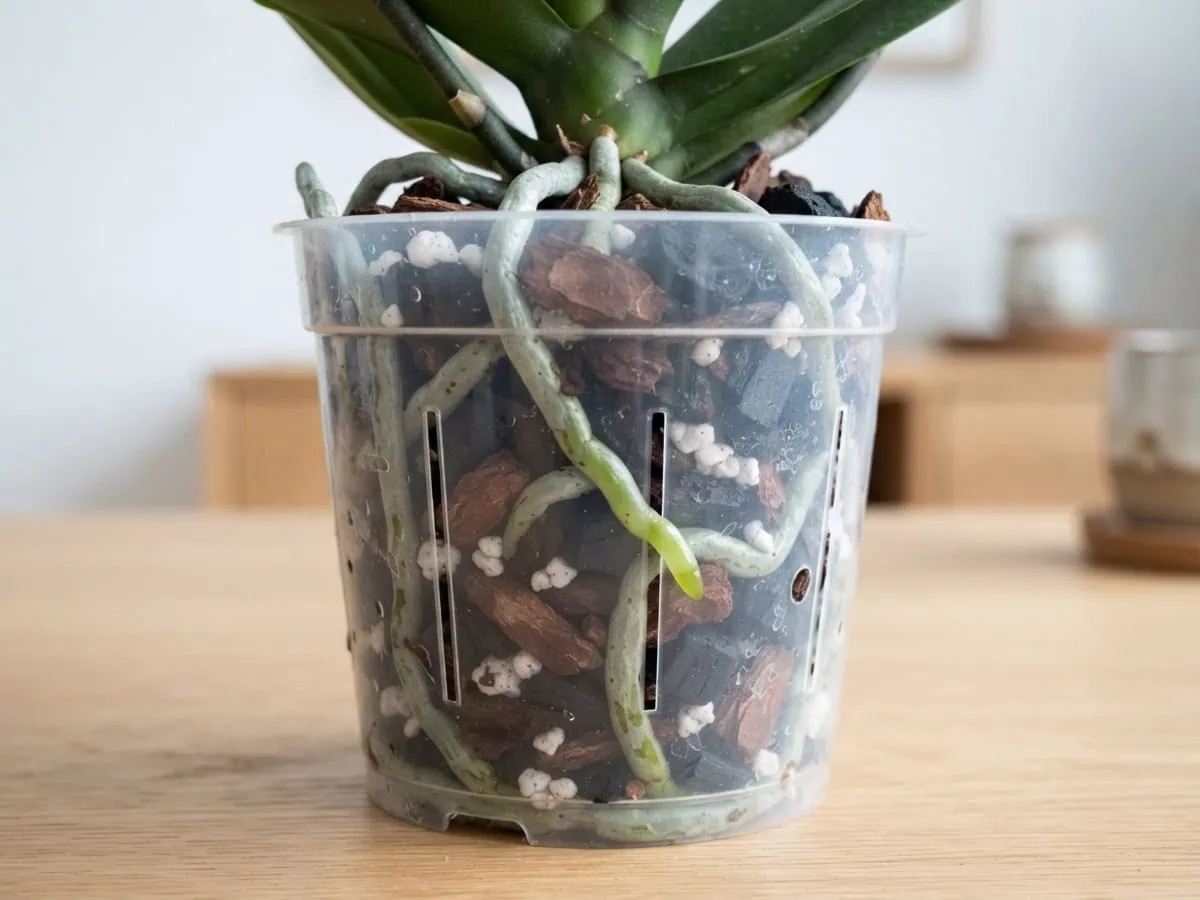
- Potting media is not a snack. Bark chunks, sphagnum moss, perlite, and charcoal can cause irritation, choking hazards, or constipation if eaten in quantity.
- Added products are the wildcard. Fertilizer residue, systemic insecticides, sprays, and cleaning products are often more concerning than the orchid itself.
Common hidden risks
If your pet got into an orchid, think bigger than the leaves. Take a quick look at everything the plant touches, because that is often where the true risk lives.
Fertilizer
Orchid fertilizer (especially concentrates) can cause digestive upset if licked or consumed. Pets may also be attracted to the smell of fish-based or organic fertilizers.
- Wipe away any crusty residue on the rim of the pot.
- Store fertilizer securely and never leave mixed solution where pets can drink it.
Bark, moss, and potting mix
Chunky orchid bark is a temptation for dogs, and sphagnum moss can be irritating if swallowed. A mouthful usually causes mild symptoms, but larger amounts, especially in smaller pets or pets that gulp, can lead to constipation or, more rarely, a blockage (like any swallowed foreign material).
Pesticides and insect treatments
Many orchids are treated at greenhouses and stores. Even when used as directed, some products are not meant to be ingested. The biggest red flags include:
- Systemic insecticides used as granules or drenches
- Sprays for mites, scale, or fungus
- Leaf shine products that leave a residue
If you do treat orchids for pests, choose pet-safer options whenever possible and keep plants out of reach until sprays are fully dry and you have followed label directions exactly.
If you just brought a new orchid home and you do not know what it was treated with, assume there could be residue. Keep it out of reach for the first week or two, and consider gently rinsing the leaves with plain water, then letting the plant dry fully before it goes back to its spot.
Decorative moss, pebbles, and cachepots
Those cute store-bought arrangements often come with extras that pets can chew, swallow, or knock over.
- Spanish moss and decorative top dressing can be swallowed.
- Small stones can be choking hazards.
- Standing water in a cachepot can become stagnant, and pets may drink it.
Symptoms you might see if your pet chews an orchid
With a plain orchid and no chemical exposures, symptoms are usually mild and short-lived. You might notice:
- Drooling
- Pawing at the mouth
- Gagging or retching
- Vomiting
- Loose stool or diarrhea
- Reduced appetite for a meal or two
Monitor your pet, keep fresh water available, and remove the plant from reach. If symptoms are mild, many pets bounce back quickly, but it is always okay to call your vet for individualized guidance.
When to call a vet right away
Call your veterinarian or an emergency clinic promptly if any of the following are true:
- Your pet ate a large amount of plant material or potting media
- You suspect exposure to pesticides, systemic granules, leaf shine, or fertilizer concentrate
- There is repeated vomiting, vomiting that will not stop, or your pet cannot keep water down
- You see lethargy, weakness, tremors, trouble breathing, or collapse
- There is significant mouth irritation or swelling
- Your pet shows signs of pain, a swollen belly, or straining without producing stool (possible blockage)
- Your cat has vomiting plus refusal to eat for 24 hours or more, especially if your cat is overweight or already ill
If you can, bring or photograph:
- The plant tag or the orchid itself
- Any products used on the plant (spray bottle, fertilizer label)
- An estimate of how much was eaten and when
If you cannot reach your vet quickly, a pet poison helpline can also walk you through what to do next based on your pet’s size, symptoms, and possible exposures.
What to do immediately if your pet ate an orchid
Here is a calm, practical checklist:
- Remove access to the plant and any fallen petals, bark chunks, or spilled water.
- Check the mouth for stuck plant bits. If your pet allows it safely, gently remove visible pieces.
- Offer water and watch for drooling, vomiting, or behavior changes.
- Identify exposures: was the plant recently fertilized, sprayed, or treated with systemic granules? Is it newly purchased?
- Call your vet if symptoms develop, if you suspect chemicals, or if you are unsure.
Skip home remedies unless your veterinarian instructs you. In particular, do not induce vomiting unless a professional tells you to, since it can make some situations worse. Also avoid offering milk, oils, or “soothing snacks” unless your vet recommends it.
Living with orchids and pets
I love a windowsill orchid, and I also love when pets keep their snacks in their own bowl. A few small setup changes can make a big difference.
Put orchids where nibbling is inconvenient
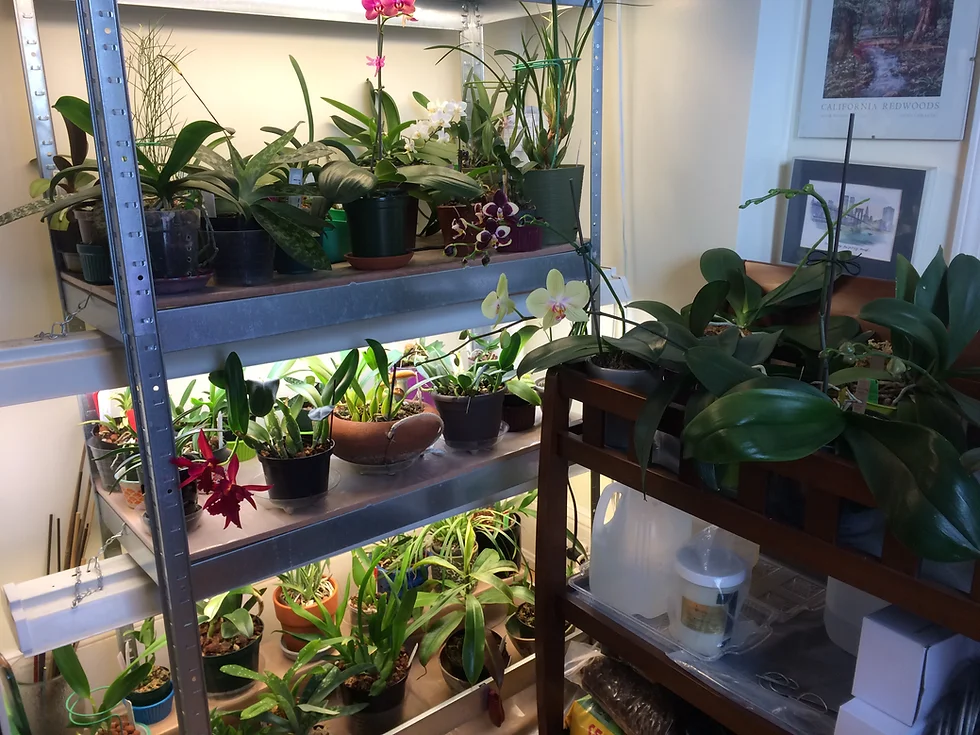
- High shelves with good light
- Hanging planters (stable and not swaying into reach)
- Glass-front cabinets with grow lights
Use heavier, tip-resistant pots
A sturdy cachepot can prevent spills, broken bark, and the “fun” of potting mix confetti across your floor.
Keep the potting surface tidy
Loose bark pieces are basically chew toys. After repotting, wipe down the pot and surrounding area.
Be picky about pest control
When pests strike, it is tempting to grab the strongest spray. Consider pet safety too, and follow labels carefully. If you are using any treatment you would not want your pet licking, keep the plant fully out of reach.
Orchid safety FAQ
Are Phalaenopsis orchids toxic to cats?
Phalaenopsis orchids are generally considered non-toxic to cats, but chewing can still cause vomiting or diarrhea. The bigger concern is exposure to fertilizer, pesticides, or potting media.
Are orchids toxic to dogs?
Most common household orchids are generally considered non-toxic to dogs. Dogs are more likely than cats to swallow bark, moss, or decorative stones, which can cause GI irritation or blockage.
What if my pet just licked orchid leaves?
A lick or two is usually low-risk with an untreated orchid. Watch for drooling or vomiting. If the plant was recently sprayed, treated with systemic insecticide, or is newly purchased and you are unsure what was used, call your vet to be safe.
Are orchid flowers safe?
Orchid blooms are generally considered low-risk, but petals can still upset the stomach if eaten. Fallen flowers on the floor are an easy “snack,” so tidy them up promptly.
The Leafy Zen takeaway
In most homes, a typical orchid, especially a Phalaenopsis, is one of the more pet-compatible flowering houseplants. The real trouble tends to come from chewing (tummy upset) and from extras (fertilizer, pesticides, bark, decorative toppers).
If your pet samples your orchid, stay calm, remove access, and keep an eye out for symptoms. And if you suspect any chemical exposure or symptoms are more than mild, your veterinarian is the best next step.