
When to Plant Bare-Root Roses

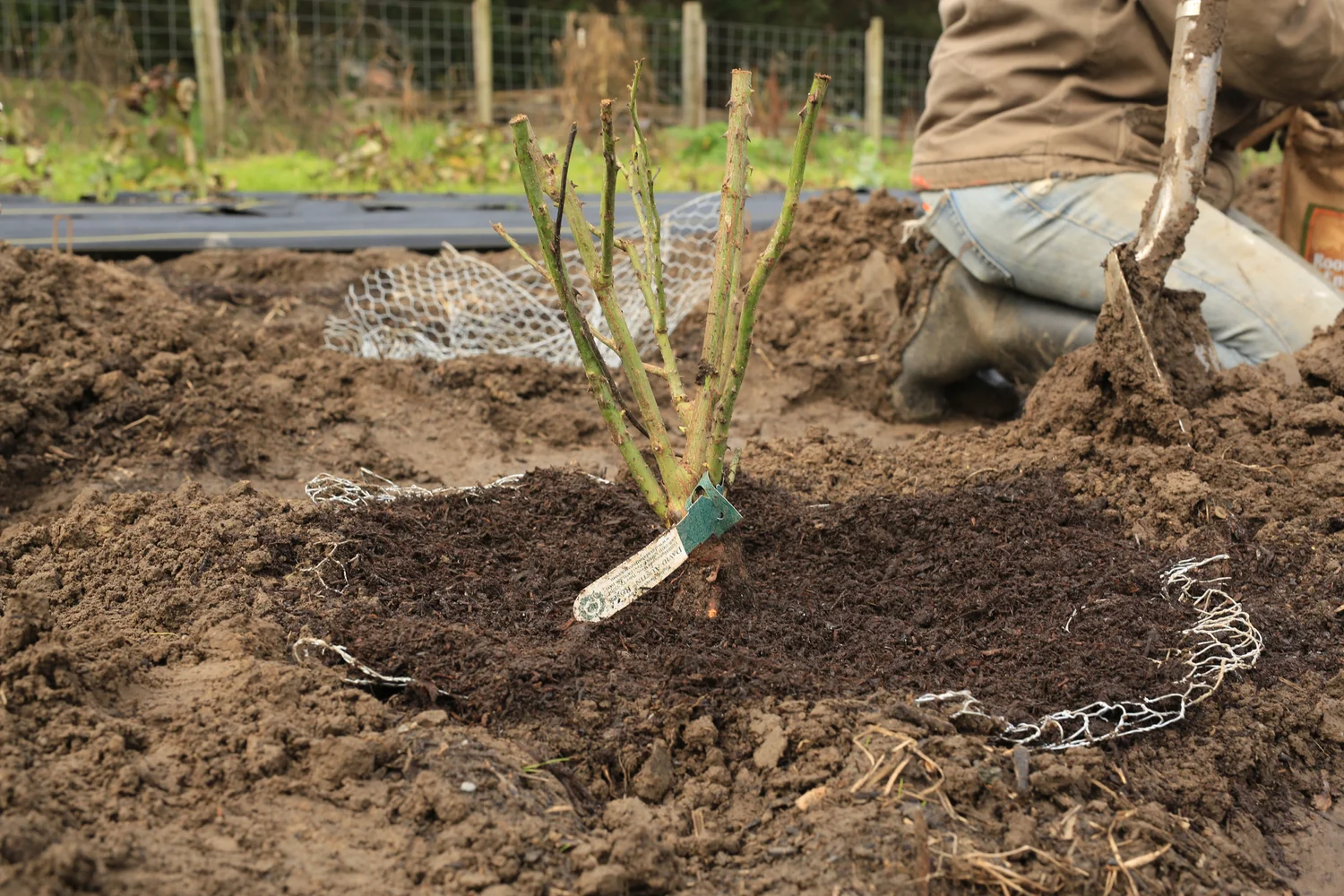
A little green. A lot of curiosity.
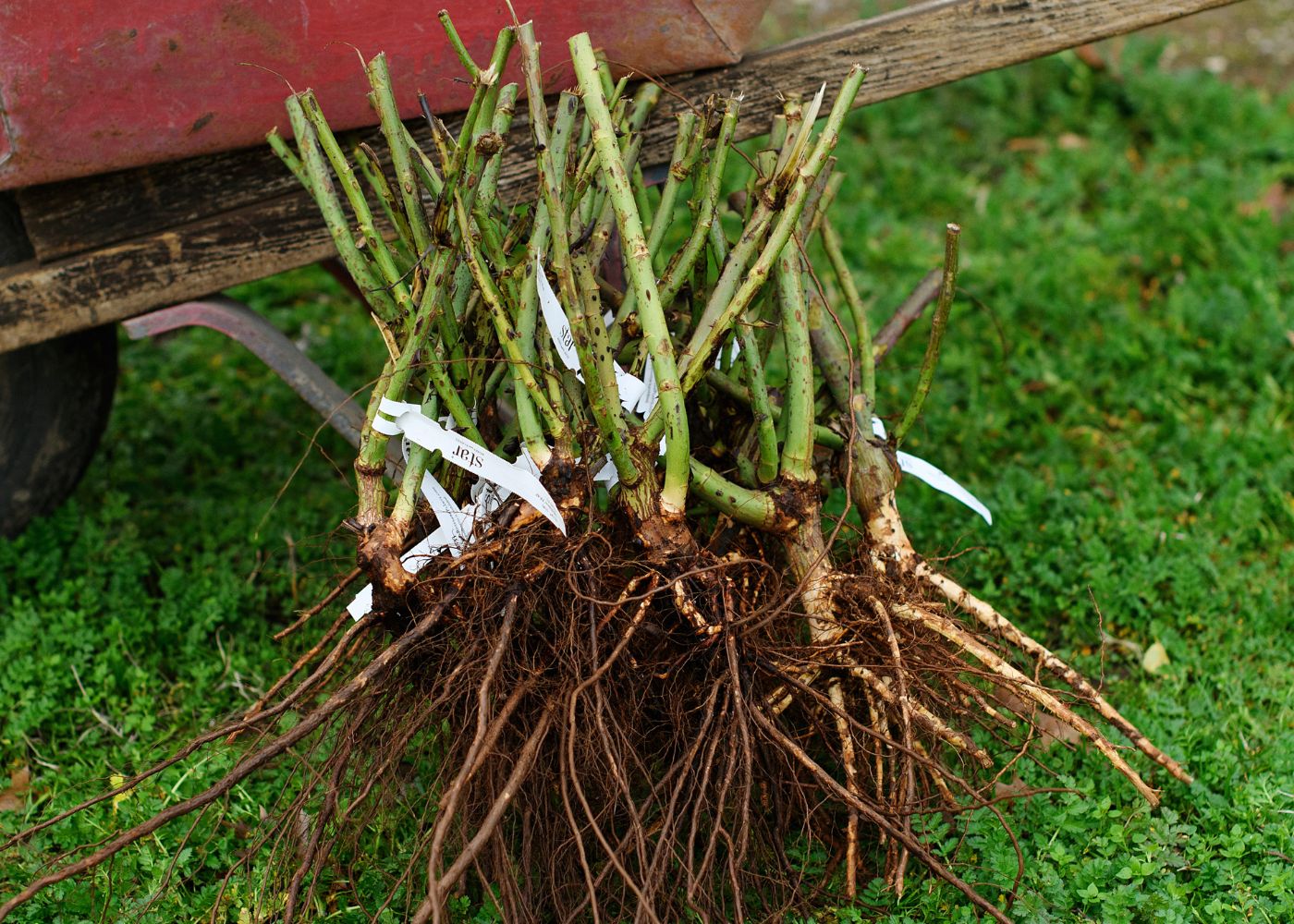
Bare-root roses look like a bundle of sticks when they arrive, and that can feel a little alarming the first time you open the box. The good news is that bare-root planting is all about timing and calm, steady steps. Get them into the ground while they are still dormant, keep the roots from drying out, and your rose can wake up right on schedule.
The best time to plant bare-root roses
Plant bare-root roses during the dormant window, when the plant is not actively growing leaves. That window is usually late winter through early spring, depending on your climate and when nurseries ship in your region.
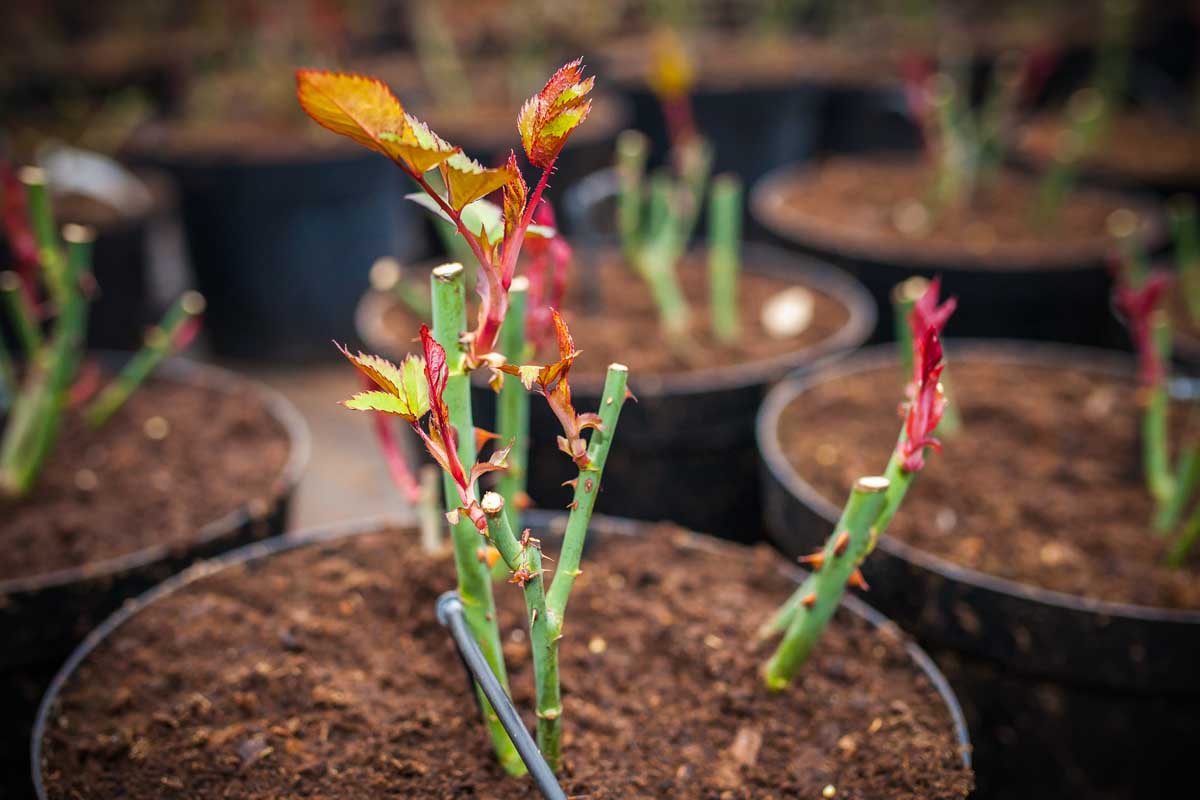
Sometimes a rose arrives with a few pale sprouts already started. That is still plantable. Just handle it gently, keep it cool while you work, and get it in the ground as soon as conditions allow.
- Mild winter climates: Plant in late winter, once the worst cold has passed and the soil is workable.
- Cold winter climates: Plant in early spring, as soon as you can dig and the soil is no longer frozen or waterlogged.
A simple rule I like is: plant when you can dig a proper hole and the soil crumbles instead of smearing. If you squeeze a handful and it forms a sticky ball, wait a bit. Planting into soggy soil can compact the root zone and slow establishment.
What to do right when your roses arrive
The main risk is roots drying out. As soon as you open the package, focus on keeping roots moist and cool.
Quick arrival checklist
- Unpack and inspect the roots and canes.
- If the roots are dry or the packing is dry, start soaking (details below).
- If you cannot plant right away, store the rose cool, shaded, and protected from drying winds.
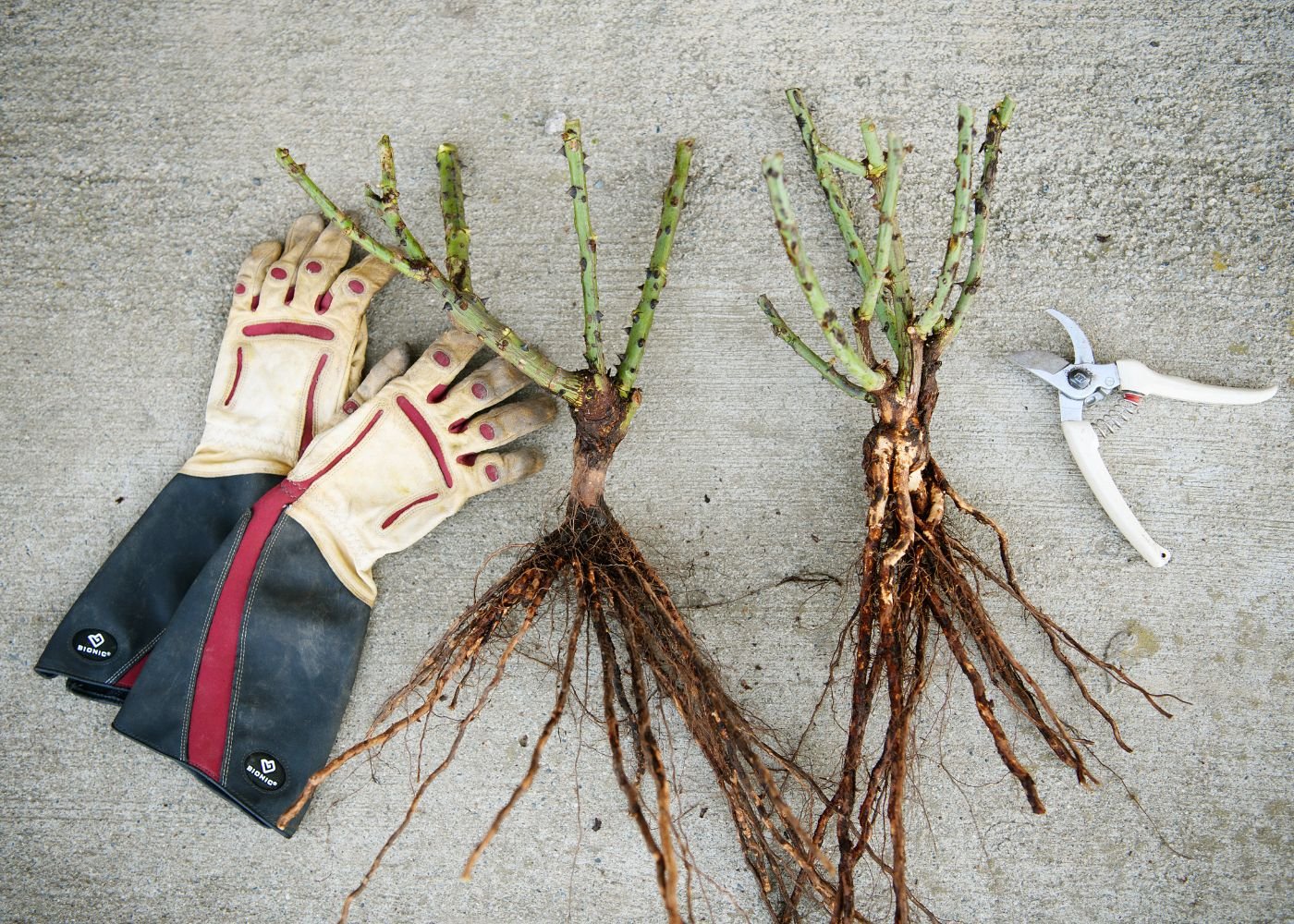
Soak the roots
Soaking rehydrates the root system and helps a dormant rose settle in faster. Recommendations vary by grower, but this is a reliable general approach.
- How to soak: Place roots in a clean bucket of water so the roots are submerged. Keep the canes and bud union mostly above water if possible.
- How long: 4 to 12 hours is common.
- Upper limit: Try not to exceed about 24 hours. Extended soaking can reduce oxygen around the roots and encourage problems.
If your rose arrives looking very dehydrated, aim toward the longer end of that range. If it arrives nicely packed and moist, a shorter soak is fine.
Trim the roots before planting
Root trimming is not about making the plant smaller. It is about removing damaged sections so the rose can push healthy new feeder roots.
What to trim
- Broken, blackened, or mushy roots: Trim back to firm tissue.
- Extra-long stringy ends: You can shorten them slightly to fit the hole without bending or circling.
What not to do
- Do not cut the root system down drastically.
- Do not leave roots bent into a tight J-shape in the hole. That can slow establishment.
Use clean, sharp pruners. A quick wipe with rubbing alcohol between plants is a tidy habit, especially if you are planting several roses.
Planting depth
Depth depends on whether your rose is grafted or own-root.
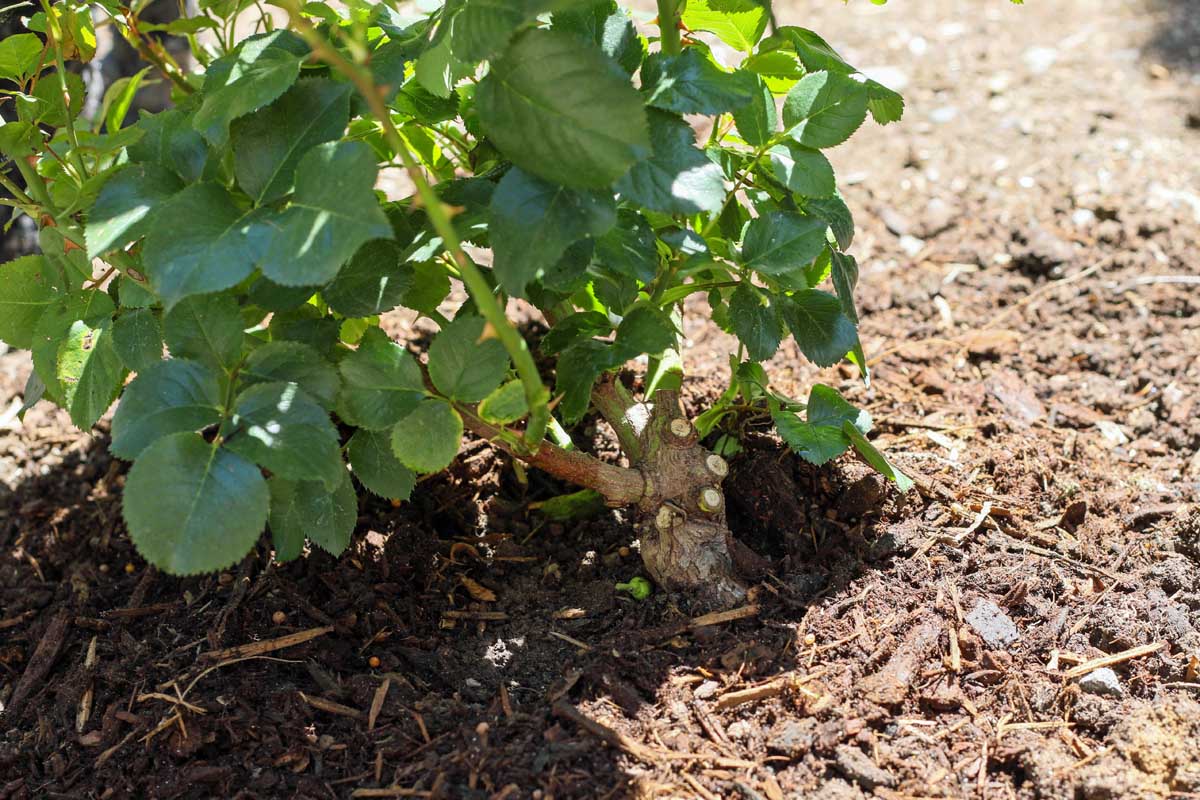
The bud union is the swollen knob where the rose variety is grafted onto the rootstock. Planting depth around this point matters most in places with cold winters.
Grafted roses
Cold climates: If your winters are harsh or you regularly see deep freezes, set the bud union about 1 to 2 inches below the final soil line. In very cold regions, many gardeners go deeper, up to 3 to 4 inches below, for extra protection.
Milder climates: In mild climates, many gardeners plant with the bud union at soil level (or just slightly above). This can help avoid keeping the graft too wet in consistently warm, humid conditions.
Own-root roses
If your rose is on its own roots (no graft union), you can plant the crown slightly below the soil line, then mulch. Own-root roses usually bounce back well even if winter knocks them back.
If you are unsure which you have, look for that swollen graft knob. When in doubt in a colder zone, leaning toward a little extra coverage is the safer bet.
How to plant bare-root roses
Once your soil is workable and your rose is soaked and tidied, planting is refreshingly straightforward.
- Choose the spot: Aim for 6 or more hours of sun with good air flow and soil that drains well. Give roses room. Many do well with 2 to 4 feet between plants, depending on the variety.
- Check drainage: If water tends to sit after rain, fix drainage first or choose a different spot. Roses hate wet feet.
- Dig a wide hole: Wider is better than deeper. A common target is about 15 to 18 inches wide and deep enough to spread roots without bending.
- Make a small mound: Form a cone of soil in the center of the hole and drape the roots down over it.
- Set the height: Position the rose so the bud union (if grafted) is at the right depth for your climate.
- Backfill gently: Refill with the native soil you dug out, breaking up big clods. Firm lightly to remove air pockets, but do not stomp hard.
- Water slowly: Water deeply to settle soil around the roots.
- Mulch: Add a couple inches of mulch, keeping it pulled slightly back from the canes.
About pruning at planting: some people cut canes back hard right away. I tend to keep it simple. Remove any clearly broken cane, and save major shaping for when you see what is truly alive and pushing growth. If your rose came with very long canes that whip around in wind, it is fine to shorten them a bit to prevent rocking.
If your rose comes with wax on the canes, it usually softens as the weather warms. Avoid scraping aggressively. If buds seem slow to push through thick wax, it often resolves on its own once temperatures rise.
If the ground is frozen
Sometimes the rose arrives before your garden is ready. That is normal, especially in late-winter shipping season. The goal is to keep the rose dormant and the roots slightly moist.
Option 1: Heel-in outdoors
If you can dig in a sheltered spot, “heeling in” is a great temporary hold.
- Dig a shallow trench in a sheltered, cool area. Bright shade is ideal, and winter sun is fine if temperatures stay low.
- Lay the rose at an angle and cover the roots completely with soil or damp compost.
- Water lightly if the covering dries.
Option 2: Pot up temporarily
If all ground is frozen, pot the rose into a container with drainage holes.
- Use a simple potting mix, not heavy garden soil.
- Keep it in a cool, bright place where it will not freeze solid or bake in heat. Think roughly 35 to 50°F.
- Water just enough to keep the mix barely moist.
Option 3: Refrigerate short-term
A refrigerator can work for short holding if the rose is kept in breathable packaging and roots stay slightly damp (not wet), but it is easy to accidentally dry the plant out.
- Keep it away from produce that releases ethylene.
- Avoid spots that can freeze, like the back wall of some fridges.
- Check moisture every few days.
After planting
Your rose will look sleepy until temperatures rise, then buds will swell and leaf out. During this early phase, steady moisture is your main job.
- Water: Keep soil evenly moist, not soaked. A good cue is that the top inch feels slightly damp, not dusty and not muddy. For the first few weeks, many gardens do well with one to two deep waterings per week, adjusted for rain, soil type, and wind.
- Fertilizer: Hold off on strong feeding until you see active growth. Many gardeners wait until leaves are expanding.
- Watch for dieback: If cane tips are brown and dry, you can trim back to healthy tissue once growth starts and you can see what is alive.
Timing mistakes to avoid
- Planting into frozen or muddy soil: Roots need oxygen as much as they need moisture.
- Letting roots dry out while you prep: Keep them covered with damp burlap, damp paper, or back in the soaking bucket.
- Wrong planting depth: Too high in cold regions can mean winter injury, especially for grafted roses.
- Forcing growth indoors: Warm indoor temps can wake the rose early, then it struggles when moved outside.
Quick links for later rose care
Once your bare-root rose is planted and growing, these next steps matter, but they do not need to be part of planting day.
FAQ
Can I plant bare-root roses in the fall?
It depends on where you live and what is available. Bare-root roses are most commonly sold for dormant planting in late winter and early spring. In mild climates with long falls and winters that rarely freeze deeply, fall planting can work if the rose is truly dormant and can root in before heat returns. In cold climates, fall planting is riskier because roots have less time to establish before hard freezes.
Should I add compost or amendments to the hole?
A little compost mixed into the backfill can be helpful, but avoid creating a drastically different pocket of soil texture. Roses do well when the planting area is improved broadly over time with mulch and topdressing, rather than a highly amended hole surrounded by unimproved native soil.
When will a bare-root rose bloom?
Some bloom in their first season, sometimes later than container roses. The first year is often more about root building. You will usually see the plant wake, leaf out, then begin flowering once it is growing steadily.