
Wisteria Pruning and Training

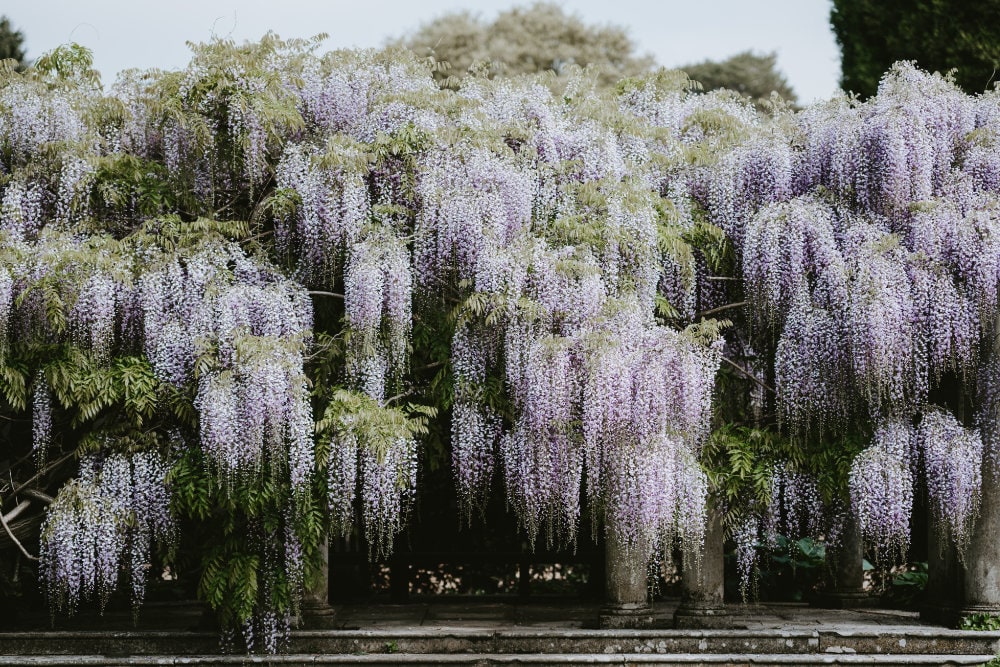
Wisteria is one of those plants that makes you believe in garden magic. It can also make you believe in garden chaos. Give it a season of freedom and it will wrap itself around railings, gutters, and the dreams you had for your tidy trellis.
The good news is that wisteria responds beautifully to a simple rhythm: two prunings a year plus steady training. Done right, you get a strong framework, fewer tangled whips, and a big payoff in blooms.

Know your wisteria before you cut
Most home gardens grow one of these wisterias:
- Chinese wisteria (Wisteria sinensis): extremely vigorous. Twining direction is often listed as counterclockwise, but it depends on your viewpoint, so treat it as a rough ID clue, not a rule.
- Japanese wisteria (Wisteria floribunda): long flower clusters, also very vigorous. Often listed as clockwise twining, again with the same viewpoint caveat.
- American wisteria (Wisteria frutescens): generally less aggressive than the Asian species and often recommended in regions where Asian wisterias are invasive.
- Kentucky wisteria (Wisteria macrostachya): a North American species, also typically less aggressive, with cultivars known for reliable flowering in some climates.
Pruning note that matters: The twice-yearly plan below is the classic approach for Chinese and Japanese wisteria, which bloom best when you build a woody framework and keep laterals as short flowering spurs. American and Kentucky wisteria tend to bloom more on new growth, so winter pruning is less likely to “cost” you flowers. You still train them the same way, but you can be a little less precious about late-winter cuts if you need to tidy or reduce size.
Regardless of type, you are managing a woody, twining vine that will happily turn all its energy into long green runners unless you give it boundaries.
If your wisteria will not bloom, it is usually one of these: it is still young, it is pruned at the wrong time, it gets too much nitrogen, it is in too much shade, or it is allowed to pour all its energy into long shoots instead of spur growth.
The twice-yearly pruning plan
Think of wisteria pruning as two different jobs.
Summer pruning: the control cut
When: after flowering, once the first flush of long whippy growth is obvious. In many temperate Northern Hemisphere gardens that is July to August, but adjust to your region. The cue is timing, not the calendar: prune when the post-bloom runners have clearly taken off.
Goal: stop the vine from running wild, let light and air into the framework, and push the plant toward forming short spurs where flower buds can develop.
Why timing matters: on many wisterias, flower buds for next spring form in late summer into fall (timing varies by climate), so summer pruning helps steer energy toward bud-making instead of endless vines.
What you do: cut back the long green shoots, keeping the main framework intact.
Winter pruning: the precision cut
When: late winter while the plant is dormant, after the worst cold but before spring growth starts. In many temperate Northern Hemisphere gardens that is January to February. In warmer climates, it may be earlier. In the Southern Hemisphere, shift the months and aim for late winter dormancy.
Goal: tidy and concentrate the spur system so the plant puts energy into flowers instead of another jungle.
What you do: shorten the summer-cut shoots again, right down to a few buds.
Combined, these two cuts create a wisteria that is easier to manage each year, and far more likely to bloom heavily.
Tools and safety
- Use sharp bypass pruners for green shoots and small wood.
- Use loppers for thicker stems so you do not crush the vine.
- Wear gloves and eye protection. Wisteria whips back.
- Clean your blades if you suspect disease or you are pruning multiple plants (follow your preferred garden sanitation method).
How to prune wisteria in summer
Summer pruning looks dramatic, but it is mostly about shortening the green “whips.” Bring sharp pruners, and give yourself permission to be decisive.
- Find the main framework first. These are the thicker, woody stems you are training along a pergola, wall wires, or an arbor.
- Identify the season’s long shoots. They are flexible, fast-growing, and often reach several feet in weeks.
- Cut long shoots back to about 5 to 6 leaves. Leaf spacing varies, so use leaf count as your main guide. (That length is often somewhere around 8 to 12 inches, but do not chase an exact measurement.)
- Remove obviously unwanted growth. Especially anything heading into windows, under siding, into gutters, or wrapping tight around posts. This can be near the base or anywhere along the framework.
- Keep a few well-placed shoots for training. If you need to extend the framework in a certain direction, choose one or two strong shoots and tie them in rather than cutting them back.
If you are staring at a tangle and feeling intimidated, start with one rule: shorten most non-framework laterals, and remove only the ones that are poorly placed.
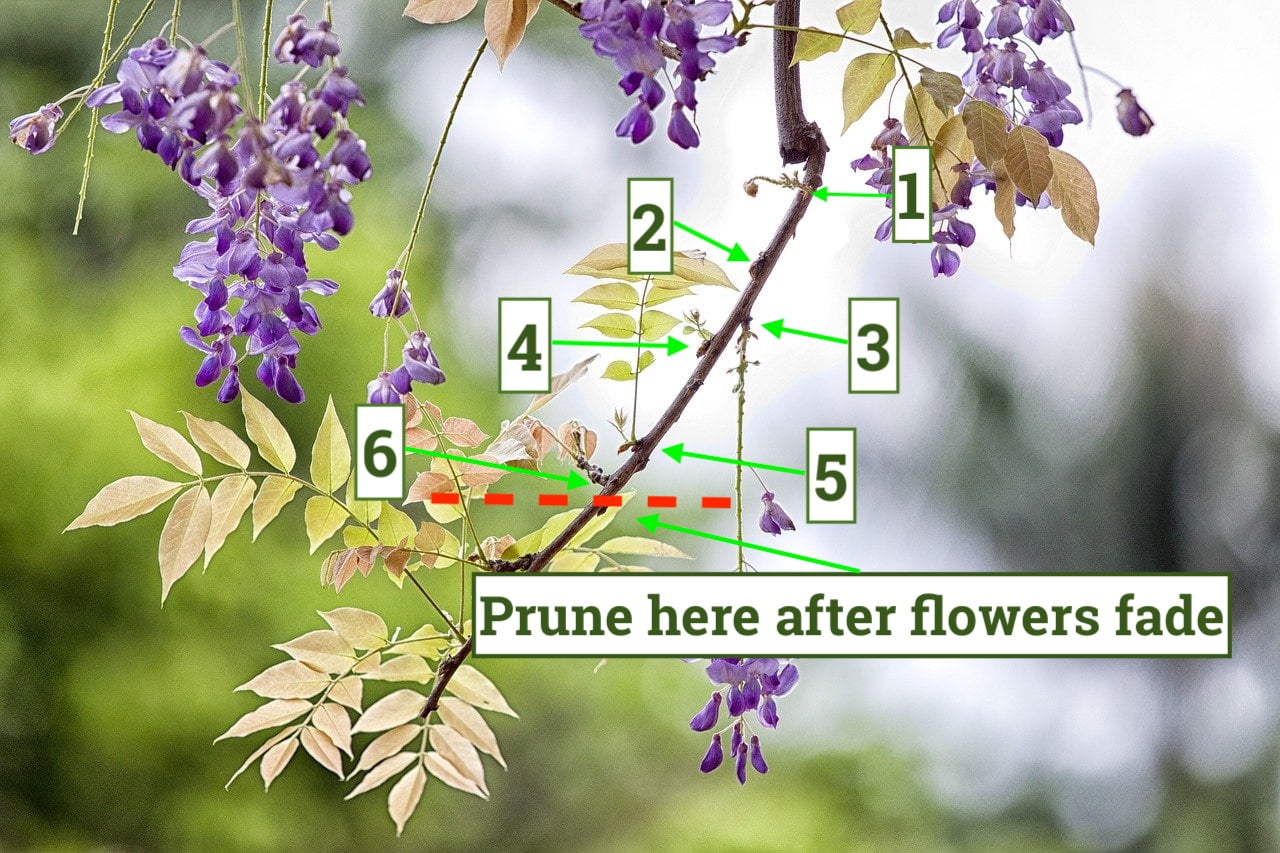
How to prune wisteria in winter
Winter pruning is calmer. No leaves, no distractions. You can see the structure and make cleaner decisions.
- Locate the shoots you shortened in summer. They will be the stubby laterals coming off the main framework.
- Cut those laterals back to 2 or 3 buds. This creates or reinforces short spurs, which is where many wisterias like to set flower buds.
- Remove weak, crossing, or inward-growing laterals. If two shoots compete for the same space, pick the better placed one.
- Check for twining around supports. Wisteria can tighten like a cable. If you see a stem choking a railing or wire, loosen it by redirecting new growth and, if needed, removing the strangling stem.
Bud-spotting tip: Wisteria buds are usually fairly plump. Flower buds tend to be rounder than leaf buds, but do not stress if you cannot tell. Keeping spurs short is the bigger win.
Training: build a strong frame
Wisteria is heavy, especially when it is mature and soaked by rain. Training is not just about looks. It is about safety and long-term health.
Start with the right support
- Pergolas and arbors: Use sturdy posts and beams. Wisteria can crack lightweight structures over time.
- Walls and fences: Train onto strong horizontal wires held off the wall with eye bolts or vine eyes. Do not let stems creep behind siding or into gaps. If a vine is attached to a building, inspect supports and fasteners yearly.
- Trellises: Choose one that is anchored well and built for weight, not just for clematis.
Choose a simple framework
A beginner-friendly structure is a “trunk and arms” shape:
- One main trunk trained upward.
- Two to six main arms trained along the top or along horizontal wires.
- Short laterals coming off the arms, kept as spurs with your twice-yearly pruning.
How to tie in new growth
- Use soft ties that will not cut into stems.
- Tie loosely, leaving room for thickening.
- Train young shoots while they are flexible. Once they turn woody, they are less cooperative.
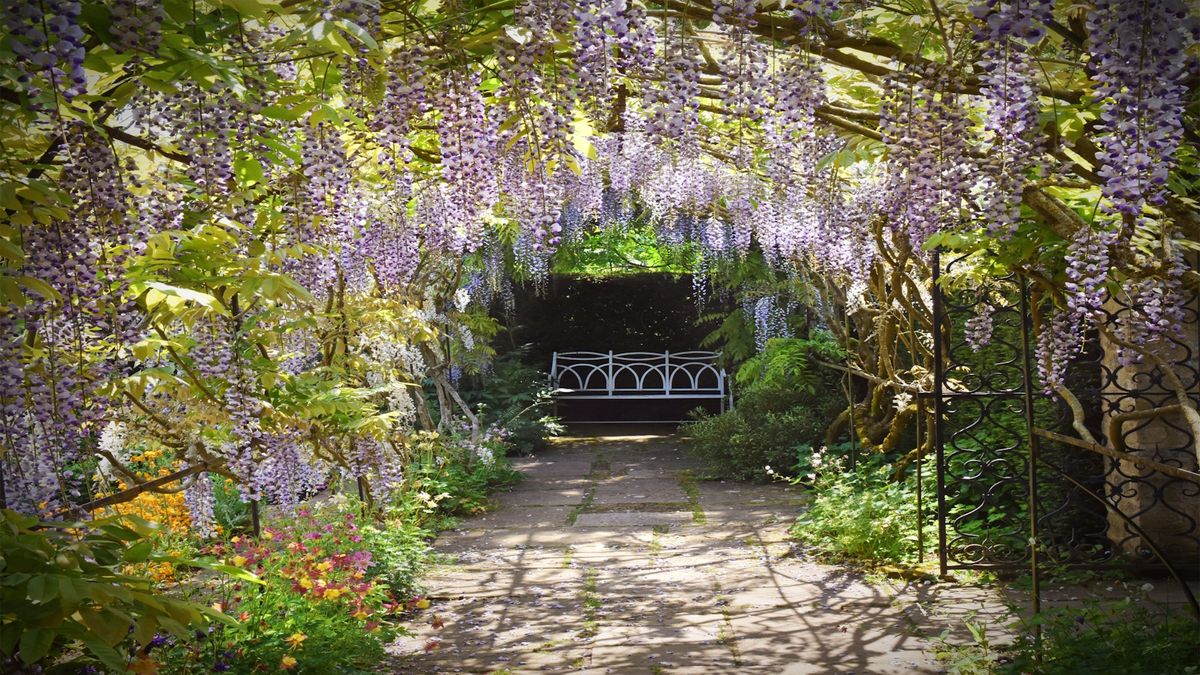
Managing rampant growth
Wisteria grows like it has somewhere to be. When it is established, it can throw out long shoots all season.
- Use summer pruning to shorten most whips. This reduces shading and keeps energy closer to the framework.
- Pinch or snip repeat offenders. If one shoot keeps racing back, you can shorten it again later in summer.
- Do not “haircut” the whole plant. Shearing creates a hedge of stubs and stimulates even more vigorous regrowth. Stick to selective cuts back to a leaf count or bud count.
- Keep the trunk and main arms sacred. Every time you remove major structure, the plant answers with a storm of vegetative growth.
If you inherited an overgrown wisteria, you can renovate over a couple seasons. A practical approach is to remove or reduce one major problem stem per year while you retrain replacements onto a sane framework. If the vine is attached to a structure, check that the support is sound before you start removing big, heavy wood.
Encouraging flowers
To encourage bloom, you are aiming for “calm energy” in the plant: enough vigor to stay healthy, but not so much that it only makes leaves.
Do: keep the pruning rhythm
The summer cut pushes the plant toward spur formation (and often bud formation). The winter cut concentrates those spurs. Together they are the most reliable bloom-boosters you control for Asian wisterias, and a solid maintenance plan for native wisterias too.
Do: give it sun
Wisteria blooms best in full sun. A bit of shade is survivable, but deep shade often means fewer flowers and more searching shoots.
Do: be cautious with fertilizer
Wisteria usually does not need much feeding once established. If your plant looks healthy, skip fertilizer entirely.
Do: consider phosphorus and potassium only if a soil test supports it
If you want to be intentional, a soil test is your friend. If nutrients are lacking, choose amendments that support flowering rather than leafy growth.
My rule of thumb: if a wisteria is green, vigorous, and climbing, it does not need a buffet. It needs boundaries.
Common mistakes
Overfeeding nitrogen
This is the classic. Lawn fertilizer drift, rich manure, or high-nitrogen all-purpose feeds can push wisteria into nonstop leaf production.
- Avoid: feeding near the root zone with high-nitrogen products (the first number in N-P-K).
- Watch for: huge leaves, long shoots, minimal flowers.
Pruning at the wrong time
If you cut hard in spring, you can remove developing flower buds, especially on Chinese and Japanese wisteria. If you never summer prune, you often get a leafy monster with fewer spurs.
- Remember: summer for control, winter for refinement.
Letting it twine tightly around supports
Wisteria can girdle itself and even damage railings and posts.
- Fix: train along wires or supports with ties, and remove stems that are cinching down.
Using weak structures
A mature vine is heavy. A flimsy arbor is an accident waiting to happen.
- Upgrade: strong posts, secure anchoring, and hardware rated for outdoor loads.
Expecting instant blooms
Some wisterias, especially seedlings, can take years to flower. Named cultivars typically bloom sooner, but patience is still part of the deal.
Year 1: prune less, train more
On a newly planted wisteria, your main job is to establish a trunk and a couple of arms. In the first growing season, avoid aggressive pruning that keeps resetting the plant. Train a leader upward, tie in what you need for structure, and only shorten truly runaway shoots.
Seed pods and suckers
Seed pods
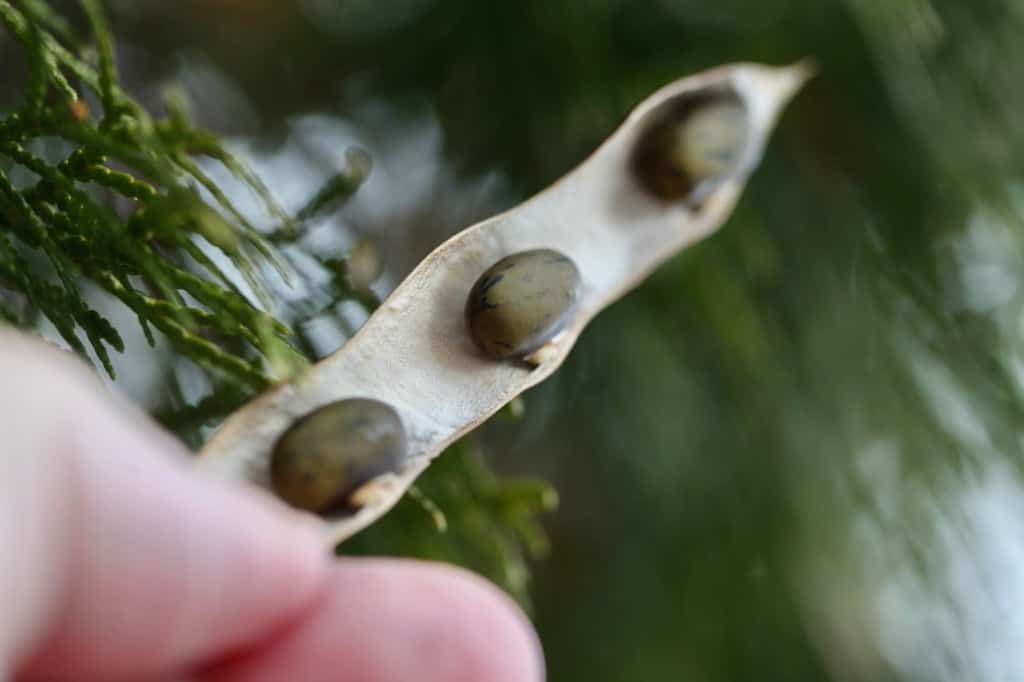
After flowering, wisteria can form fuzzy green pods that mature to brown. They can pop open and toss seeds.
- What to do: if you do not want volunteers, remove pods when you notice them.
- Safety note: wisteria seeds and pods are toxic if eaten. Keep them away from kids and pets, and seek professional help if ingestion is suspected.
- About bloom: removing pods is mainly for tidiness and to prevent seedlings. Any flowering benefit is minor and variable.
Suckers
Some wisterias are grafted. That means you may see shoots arising from below the graft union or from the root area.
- What to do: remove suckers promptly by cutting them as close to the source as you can.
- Why it matters: suckers can take over and may bloom poorly compared to the grafted top growth.
Simple annual checklist
- Late winter: cut laterals back to 2 or 3 buds, remove crossing growth, check for tight twining.
- Spring: enjoy the show, then watch where new shoots want to run.
- Mid to late summer: shorten long green shoots to about 5 to 6 leaves, tie in any shoots you are using to extend the framework.
- Anytime: remove suckers, redirect growth away from gutters, shingles, and anything you value.
If you keep up with those two seasonal cuts, wisteria goes from garden thug to well-trained performer. Still dramatic, still gorgeous, just no longer stealing the whole stage.