
Wireworm Damage in the Garden

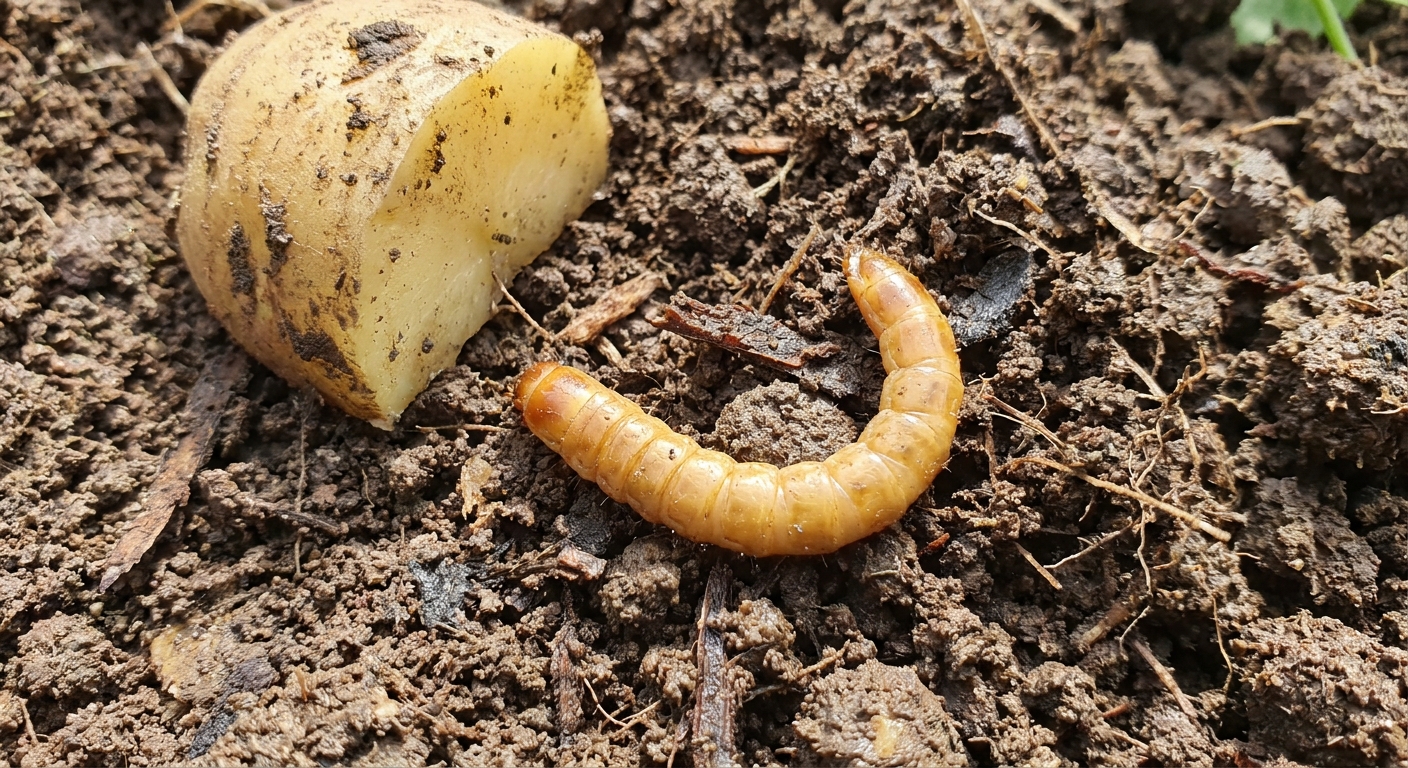
Wireworms are one of those pests that make gardeners feel a little haunted. You do everything right above ground, your foliage looks fine, and then you harvest and find neat little holes drilled through potatoes, tunnels etched into carrots, or corn seedlings that simply never make it. The culprit is usually hiding where we do not look often enough: down in the soil, quietly chewing.
The good news is you can manage wireworms naturally with a mix of smart scouting, simple trapping, and soil-friendly cultural tactics. You do not have to jump straight to synthetic soil insecticides, and in many home gardens you can bring damage down to a tolerable level within a season or two.

What wireworms are
Wireworms are the larval stage of some click beetles (family Elateridae). Adults are those small brown beetles that can flip themselves over with an audible click when they land on their backs. Not every click beetle is a garden villain, but the species that are can cause real damage as larvae.
Wireworms are hard-bodied, smooth, and wormlike, often honey-yellow to copper-brown. Unlike many pests that finish a life cycle quickly, wireworms can stay in the soil as larvae for years. In many regions it is commonly 2 to 5 years, sometimes longer, depending on species, soil, and climate.
They are especially associated with gardens that have a grassy history and steady moisture. If your plot used to be lawn, pasture, or a weedy patch full of grasses, or if you have been growing cereal cover crops, wireworms may already be established and ready to investigate potatoes, carrots, beets, corn, and other underground snacks. They can also be more common where soils stay cool and moist and have plenty of plant residue.
Spotting wireworm damage
Before you treat anything, make sure you are treating the right thing. A lot of soil pests create “mystery” damage that looks similar at first glance.
Classic wireworm injury
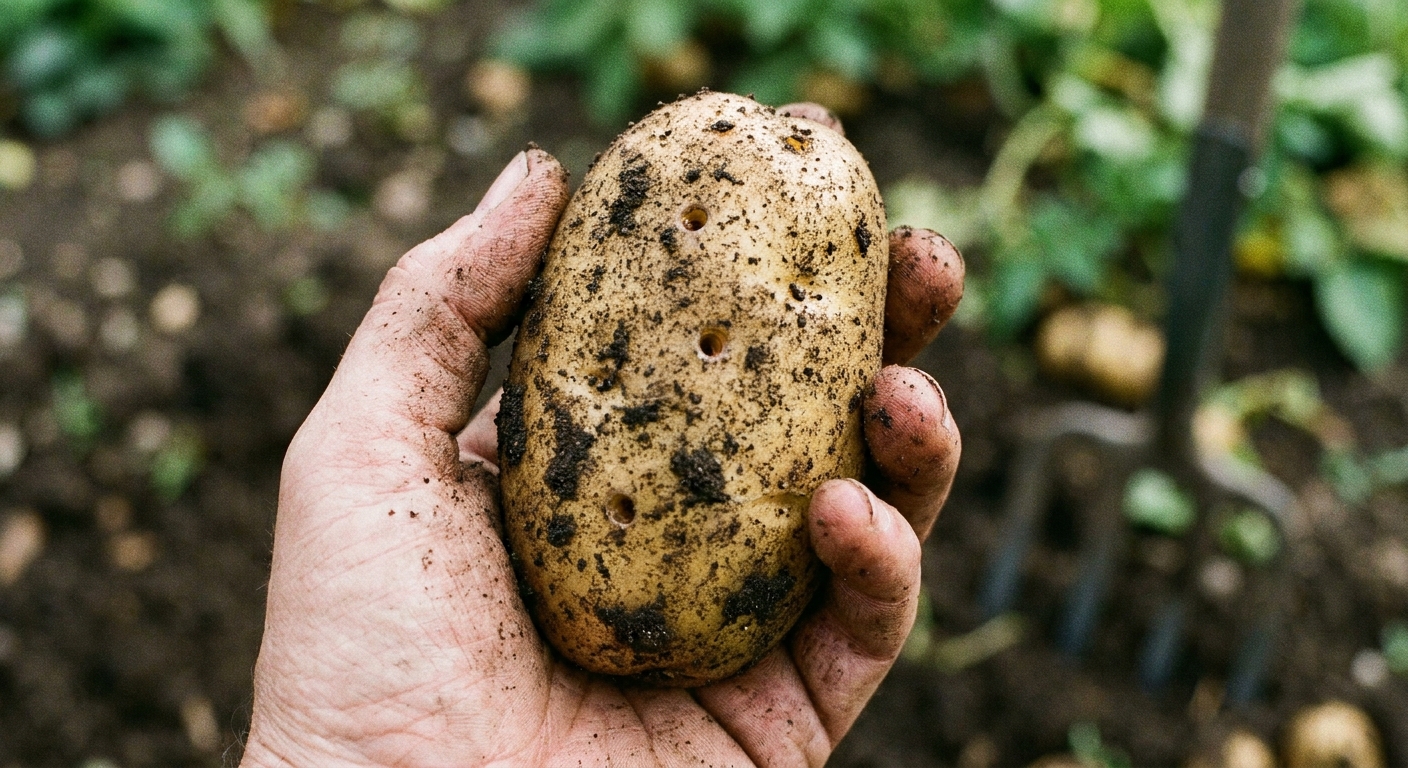
- Potatoes: clean, round entry holes, often a few millimeters wide, sometimes straight through the tuber. You may also see shallow surface pits or corky scars if the potato grew and healed around earlier feeding.
- Carrots and roots: narrow tunnels and channels, sometimes stained darker where soil and moisture enter. The root may fork or deform if feeding happens early.
- Corn and other seedlings: poor germination, missing plants, or seedlings that wilt even when soil is moist. When you tug gently, the plant may break at the base because wireworms have chewed the seed or underground stem.
Wireworms vs white grubs
Grubs and wireworms both live in soil, but they look and behave differently.
- Wireworms: slender, firm, and shiny, like a tiny piece of copper wire with segments. They are usually straight or only gently curved.
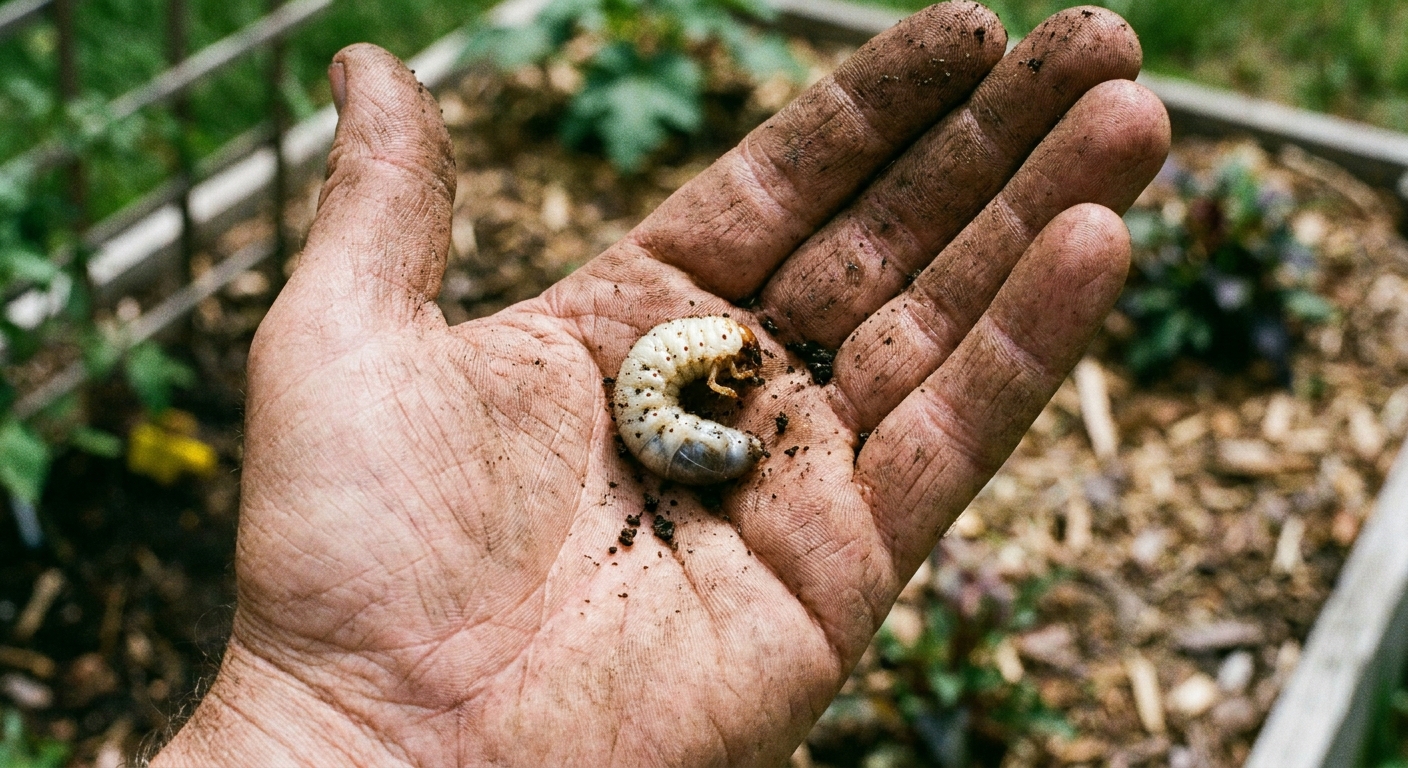
- White grubs: plump, white to cream, C-shaped larvae with a brown head and visible legs near the head. They often show up when you flip soil, compost, or sod.
Damage clues help too. Grubs often chew roots broadly, which can cause plants to yellow and pull up easily with reduced root mass. Wireworms make more precise holes and tunnels and love seeds and developing tubers.
Larva ID
If you find a suspect larva while digging, look for these traits:
- Texture: hard-bodied, not squishy. If you gently press it, it feels firm.
- Color: pale yellow, amber, or reddish brown, often darker toward the head.
- Shape: long and narrow, with obvious segments. Some species have a slightly flattened look.
- Movement: surprisingly quick for something that lives underground.
Because many beneficial larvae also live in soil, do not assume every wormy thing is guilty. Identification first, then action.
Soil sampling
Wireworms are patchy. One bed can be hammered while another, ten feet away, is fine. A little sampling saves a lot of unnecessary worry.
Fast check while you dig
When you are planting or turning a bed, pause every few shovelfuls and look closely at the soil clods. Wireworms are easy to miss because they blend in. If you find multiple larvae in a small area, take note. That is likely a hotspot.
Bait stations
This is a reliable low-tech method because wireworms come to you.
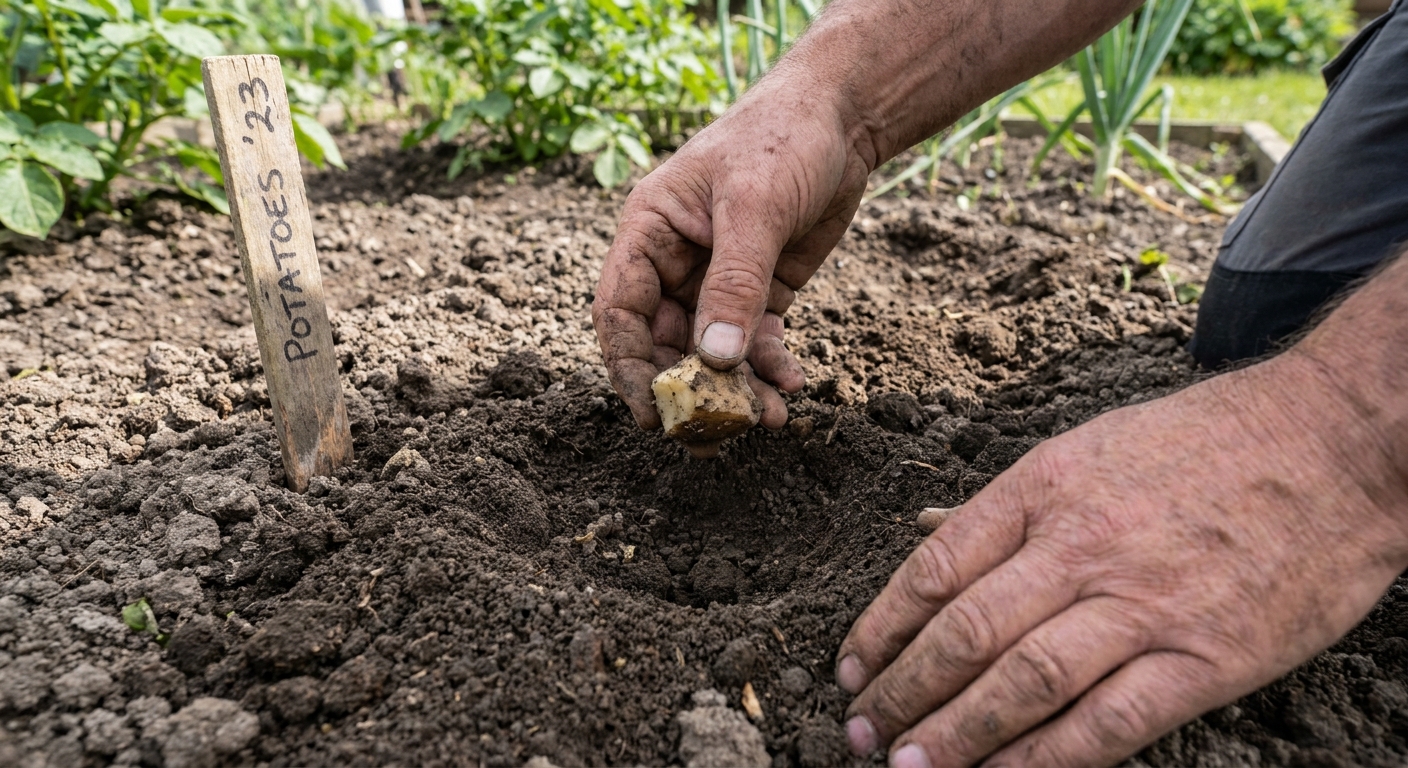
- Choose bait: raw potato chunks, carrot pieces, or soaked wheat or corn kernels in a little mesh bag work well.
- Bury shallowly: 2 to 4 inches deep is plenty. Mark the spot with a small stake.
- Wait: 3 to 7 days in cool spring soil, or 2 to 4 days when soil is warming.
- Check and count: dig up the bait and surrounding soil. If you find wireworms feeding, you have confirmation and a sense of pressure.
Do several bait stations across the bed, not just one. Populations can be very uneven.
Timing and activity
Wireworms tend to feed closer to the surface when soils are cool and moist, often in spring and early summer. When soil gets hot or dry, they may move deeper, which can make trapping and scouting feel frustratingly quiet. If you can, set traps when the top few inches of soil stay lightly moist.
How many is “a problem”
Home garden thresholds are fuzzy and vary by region, but these rough cues help:
- 0 per station: low risk in that spot.
- 1 per station: some risk for sensitive crops, especially seeds and seedlings.
- 2 or more per station: higher risk. Consider rotating away from root crops or using extra protection and trapping.
Use the pattern across stations, not a single number, as your guide.
Rotation and timing
Because wireworms can persist for years, the goal is to make your garden less attractive and interrupt easy feeding opportunities.
Rotate away from favorites
If you have confirmed wireworms, avoid planting the most tempting crops in the same spot for at least 2 to 3 seasons if you can. The biggest magnets include:
- Potatoes and sweet potatoes
- Carrots, beets, parsnips, turnips
- Corn
Better rotation choices for that bed include brassicas (broccoli, cabbage, kale) and leafy greens, which are less likely to be ruined by tunneling. Rotation does not erase wireworms overnight, but it reduces how often larvae get a high-value meal.
Go easy on grassy covers
Grasses can be a wireworm buffet. If your garden has a known issue, consider using non-grass cover crops in affected areas, such as buckwheat, legumes, or mixed broadleaf covers. If you do use a grass cover, terminate it early and give the bed time before planting a susceptible crop.
Fallow, but keep it clean
A short fallow period can help if it is done intentionally. The trick is to avoid letting the bed turn into a grassy weed patch. Grassy weeds keep wireworms comfortable and fed. A weed-free fallow with shallow cultivation can reduce food sources and expose larvae to predators and drying conditions.
Planting conditions
- Avoid planting into cold, soggy soil: slow germination gives wireworms more time to chew seeds and seedlings.
- Encourage quick starts: warm the soil with row cover, use healthy seed, and aim for even moisture rather than constant wetness.
- Transplants can help: for some crops, setting out sturdy transplants instead of direct seeding reduces the vulnerable window.
Bait traps
Trapping will not eliminate wireworms completely, but it can knock down numbers in a small garden and help you map where pressure is highest.
Potato trap
- Cut potatoes into thick slices or chunks.
- Skewer on a stick or tuck into a small piece of mesh so you can retrieve it easily.
- Bury 2 to 4 inches deep.
- Check every 2 to 3 days, destroy any wireworms found, and refresh bait weekly.
Soaked grain station
Soak wheat, corn, or barley overnight. Bury a small handful in a shallow hole under a scrap of burlap or a small board to keep the soil evenly moist. Check in a few days. This is especially helpful before planting corn or direct-seeded crops.
How many traps
For a typical home bed, start with 4 to 8 traps spaced evenly. If you only set one, you might miss the hotspot and assume you are safe when you are not.
Cultural controls
Wireworm management is usually a “stack the habits” situation. One tactic helps. Three or four together make a noticeable difference.
Remove their comfort zone
- Reduce grassy edges: keep paths and borders trimmed and weeded, especially grasses.
- Manage moisture: water deeply but avoid keeping beds constantly wet when crops do not require it.
- Clean up after harvest: do not leave small potatoes, cull carrots, or roots in the bed, because they can keep larvae fed.
Cultivate thoughtfully
Light cultivation can expose wireworms to birds and ground beetles, but avoid excessive tilling that destroys soil structure and beneficial predators. If you do cultivate, do it when the weather is dry enough that exposed larvae are more likely to desiccate and be picked off.
Encourage predators
Wireworms have enemies. You can make your garden more welcoming to them.
- Ground beetles: leave small undisturbed areas, mulch thoughtfully, and avoid broad-spectrum insecticides.
- Birds: let chickens scratch a problem bed in the off-season if you have them, or simply allow birds access after you turn soil.
- Beneficial nematodes: insect-parasitic nematodes (often Steinernema or Heterorhabditis) are sometimes tried for wireworms, but results are inconsistent and depend heavily on species match, soil temperature, and moisture. Treat this as one tool, not a guarantee.
Varieties and harvest timing
- Harvest potatoes promptly: leaving mature tubers in warm soil longer can increase feeding time.
- Keep tubers covered: hill potatoes well so developing tubers are not exposed near the surface where pests can find them easily.
- Grow smaller potatoes on purpose: “new” potatoes harvested early often suffer less damage in wireworm-heavy beds.
Crop tips
Potatoes
- Set bait stations 2 weeks before planting to gauge pressure.
- Hill early and keep soil evenly moist, not waterlogged.
- Harvest as soon as skins set, especially in warm summers.
- If you find live larvae inside damaged tubers, do not toss them into cool compost. Hot composting may kill pests if the pile truly heats up, otherwise bag and trash the worst ones.
Carrots and other roots
- Thin early so remaining roots grow steadily instead of stalling and cracking.
- Use row cover for overall stress reduction and faster growth.
- Consider planting in a different bed if bait stations show high counts.
Corn
- Wait for warmer soil so seeds germinate quickly.
- Use fresh seed and plant at proper depth for strong emergence.
- If you have chronic issues, start corn in blocks where you can monitor and replant quickly, rather than long single rows.
Other common mix-ups
- Slugs: can chew shallow cavities in potatoes, often with ragged edges and slime, especially in wet seasons.
- Root maggots: more common in carrots and brassicas, often creating messy tunnels with rot.
- Cutworms: can clip seedlings at the soil line, sometimes pulling them partly underground.
When to escalate
If wireworm pressure is severe year after year, it is worth taking a step back and looking at the whole system: previous land use, persistent grass weeds, drainage, and rotation choices. In some cases, especially in newly converted lawn areas, wireworms taper off after a couple seasons of consistent trapping, rotation, and weed control.
Try to avoid broad-spectrum soil insecticides as a first move. They can disrupt beneficial life in the soil, and they often do not provide a long, clean solution in a home garden setting. If you feel stuck, a local extension office can help confirm identification and suggest region-appropriate options based on your crops and timing. If you choose to use any pesticide product, follow the label and local regulations.
Quick checklist
- Confirm the culprit: hard, slender larva equals likely wireworm. Plump C-shaped larva equals grub.
- Map the problem: use bait stations across the bed.
- Time it well: trap in cool, moist periods when wireworms are nearer the surface.
- Rotate smartly: move potatoes, carrots, and corn away from hotspots for a couple seasons.
- Trap consistently: potato or soaked grain traps, checked every few days.
- Reduce grass and excess moisture: tidy borders, avoid soggy soil, remove leftover tubers and roots.
- Boost resilience: aim for fast germination and steady growth, harvest on time.
If you want a little Leafy Zen reassurance from someone who has definitely muttered at her soil more than once: wireworms are frustrating, but they are not a life sentence. With a season of careful scouting and a few gentle habit changes, you can get back to harvesting potatoes and carrots that look as good in your hands as they did in your daydreams.