
Winter Sowing Seeds Outdoors

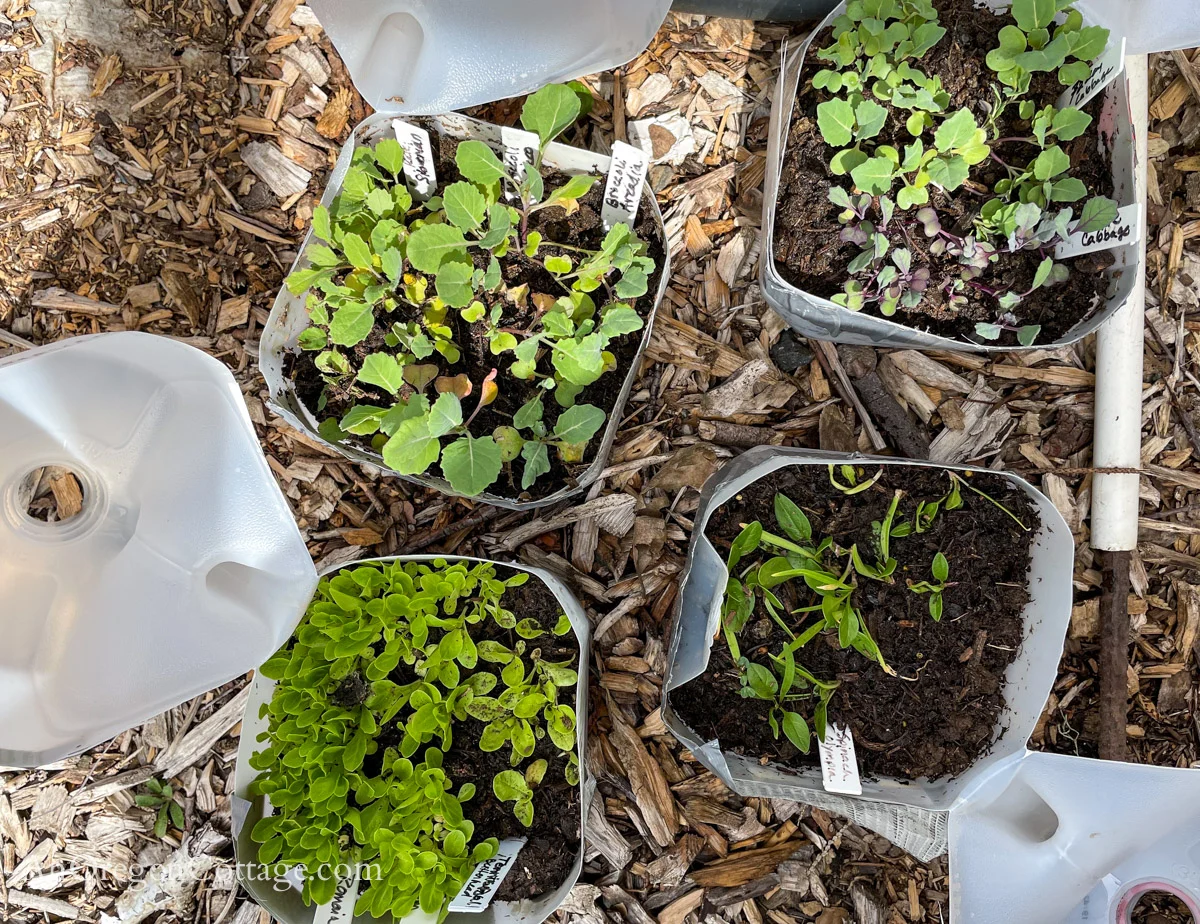
Winter sowing is my favorite gardening magic trick because it looks a little odd at first. You plant seeds in covered containers, set them outside in winter, and let nature do the hard work: cold, moisture, and those reliable freeze and thaw cycles. Come spring, you get sturdy, weather-smart seedlings that never needed grow lights or daily coddling.
If you have ever felt intimidated by starting seeds indoors, winter sowing is a gentle way in. It is low-cost, low-fuss, and surprisingly forgiving. I sometimes tell my ferns about it, and they pretend to be impressed.

What winter sowing is
Winter sowing is a method of sowing seeds outdoors in mini greenhouse containers, usually recycled milk jugs, clear storage bins, or takeout containers. The containers protect seeds from being washed away, eaten, or dried out, while still exposing them to natural cold and warming cycles.
Why it works
- Freeze and thaw cycles help break dormancy for many flowers and perennials that naturally sprout after winter.
- Outdoor light and airflow can reduce damping off risk compared with some indoor setups, especially when you avoid soggy soil and add ventilation as spring warms.
- No hardening off drama, since seedlings are already acclimated to wind, sun, and temperature swings.
- Great use of winter time when garden energy is high but outdoor beds are not ready.
Think of winter sowing as creating a tiny seasonal nursery. It catches natural moisture, vents when you let it, and mostly runs on weather. You still get a say, especially during windy dry spells or surprise heat waves.
Containers that work
You want a container that lets in light, holds a few inches of potting mix, and can drain. Clear or translucent plastic is ideal.
Best choices
- Gallon milk jugs (or water jugs): classic, durable, easy to cut and tape back together.
- 2-liter soda bottles: similar to jugs, just taller and narrower.
- Clear clamshell produce containers: easy and quick, but smaller and can dry faster.
- Clear storage totes: great for mass sowing, but you must add drainage and venting.
What to avoid
- Opaque containers (seeds sprout, then stretch and weaken without light).
- Anything without drainage (roots rot fast in spring warm-ups).
- Very flimsy containers that crack during freeze cycles.
How to make a milk jug
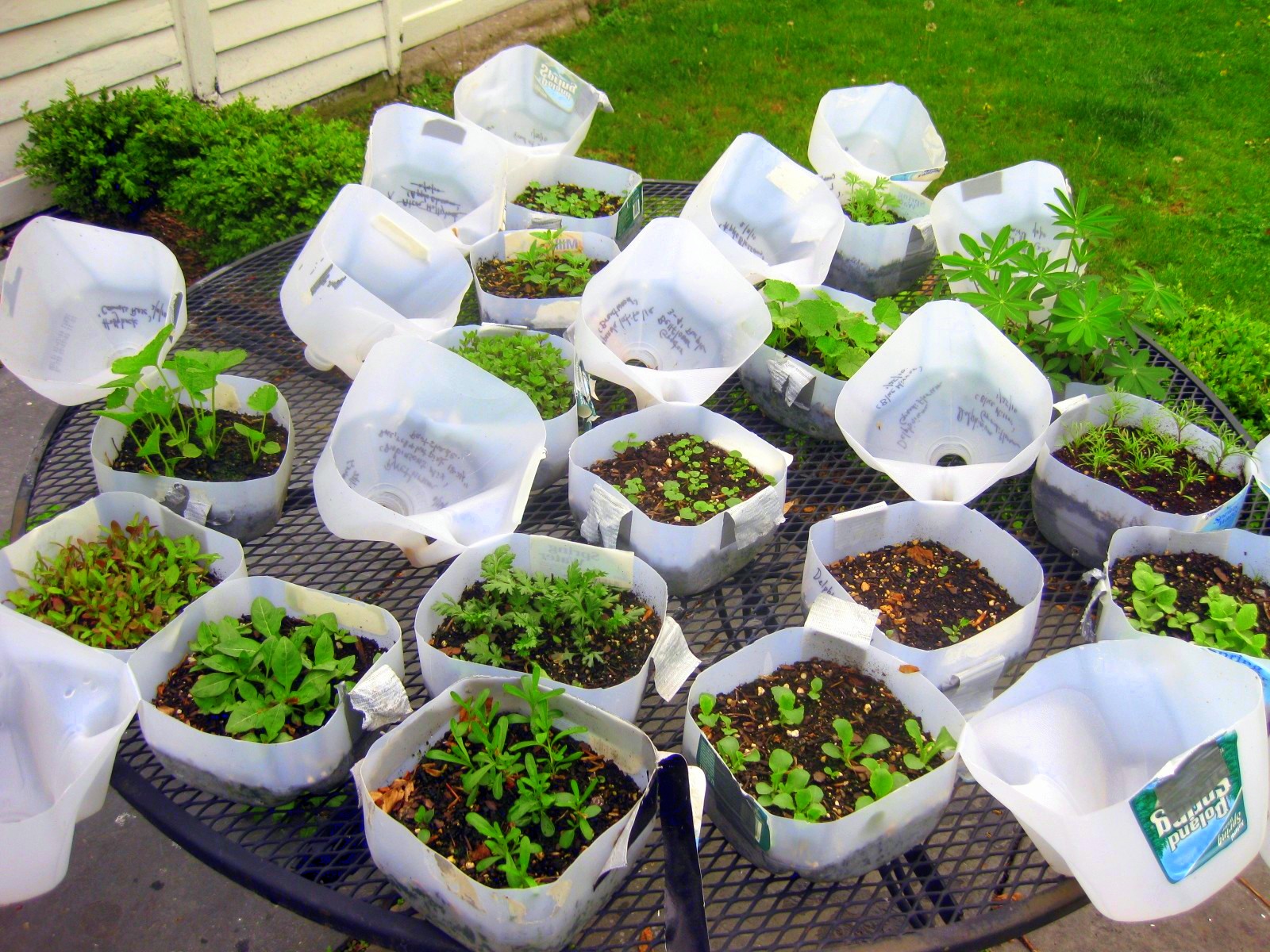
Milk jugs are popular for good reason: they create a bright little greenhouse that sheds rain and snow while helping keep seeds evenly moist.
Step by step
- Clean the jug and remove the label if it blocks light.
- Poke drainage holes in the bottom, about 6 to 10 holes. A drill, awl, or sturdy screwdriver works. If you use a heated tool, do it outdoors, use gloves, and go slow.
- Cut around the jug like a clamshell, leaving a small hinge under the handle so it stays attached.
- Add 3 to 4 inches of moistened potting mix. Use seed-starting mix or a light potting soil. It should feel like a wrung-out sponge, not muddy.
- Sow seeds at the depth listed on the packet. Many small seeds are surface-sown and pressed in.
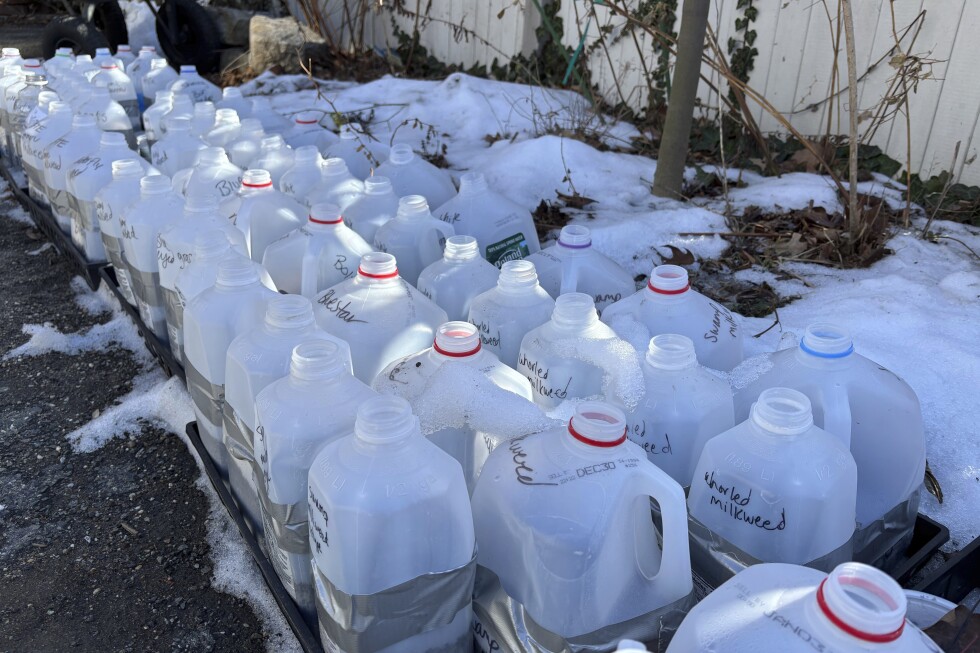
- Tape the cut seam closed and leave the cap off for ventilation and to let rain and snow enter slowly.
- Label like you mean it, then set outside in a spot that gets rain and sun.
My tiny rule: if water cannot get out, do not plant in it. Drainage is everything.
Soil and moisture
Winter sowing is not about keeping containers warm. It is about giving seeds the outdoor signals they expect.
Soil that behaves
- Use seed-starting mix or a light potting mix that stays fluffy and drains well.
- Skip garden soil. It compacts in containers and can crust over.
- Go easy on fertilizer. For germination, you do not need a “hot” mix loaded with fertilizer.
Why freeze and thaw helps
Many seeds, especially perennials and a lot of native flowers, have a built-in dormancy. Cold moist conditions followed by warming tells them: winter passed, it is safe to grow. Those repeated freeze and thaw cycles also help water move through seed coats.
Moisture tips that prevent heartbreak
- Start with damp mix. If you fill the jug with dry soil and then set it outside, it can be hard to re-wet evenly later.
- Do a quick lift test. A container that feels feather-light in late winter often needs water.
- Water gently when needed. Pour water through the open top (cap area) on a day above freezing.
- Avoid soggy conditions. If you see standing water, add more drainage holes and increase ventilation.
Best seeds for winter sowing
Not every plant loves this method, but many do. The easiest wins are cold-hardy annuals, perennials that need cold stratification, and cool-season vegetables.
Quick note: Seed packets are your tiny instruction manuals. Look for notes like “requires cold stratification,” “surface sow,” or light and dark germination requirements. Some species want a specific cold length, so follow packet guidance when it is provided.
Reliable flowers
- Calendula
- Snapdragons
- Pansies and violas
- Larkspur
- Cornflower (bachelor buttons)
- Sweet alyssum
- Echinacea (coneflower)
- Rudbeckia (black-eyed Susan)
- Milkweed (many species benefit from cold)
Cool-season vegetables and herbs
- Lettuce and spinach
- Kale, collards, and other brassicas
- Broccoli and cabbage (for transplanting)
- Peas (often better direct-sown, but winter sowing can work in some zones)
- Cilantro and dill
- Parsley (slow but steady)
Seeds to skip (or treat carefully)
- Heat lovers: tomatoes, peppers, eggplant, basil. These want warm soil and long, steady heat.
- Tender annuals: zinnias, cosmos, marigolds can work when sown later, but do not love deep winter cold in many zones.
- Seeds with specific germination rules: if a packet calls for warmth, darkness, or a narrow temperature range, winter sowing may be a poor match.
Timing by zone
Winter sowing timing depends on your winter length and how quickly spring warms. Snow cover, wind, and maritime versus continental patterns matter too, so treat any “cheat sheet” as a starting point and adjust for your local weather personality.
A simple approach is to sow cold-stratification seeds and hardy plants earlier, then sow cool-season annuals and veggies later.
Zone cheat sheet
- Zones 3 to 5: Start most winter sowing from December through February. Hardy perennials and native flowers can go out early. Brassicas and hardy annuals do well in late winter.
- Zones 6 to 7: A sweet window is January through early March. Perennials in January and February, then leafy greens and hardy annuals in February and March.
- Zones 8 to 9: Winter is shorter. Sow from December through February, but watch moisture and heat spikes. Containers can dry faster and warm quickly, so shade from harsh afternoon sun can help.
- Zone 10 (and warm coastal microclimates): Winter sowing is still possible, but it behaves more like cool-season outdoor seed starting. Focus on plants that tolerate mild winters, and consider using a cooler spot that still gets light.
My best timing trick: If you can still get a few weeks of real cold nights, it is not too late for many winter-sown seeds. If your garden is already in full spring mode, switch to direct sowing or standard outdoor seed trays.
Labeling that lasts
Winter sowing creates a lot of similar-looking containers. In early spring, every jug becomes a tiny green mystery unless you label well.
Labeling tips
- Use a paint pen or garden marker on the outside of the container.
- Add an inner label too, like a plastic tag written with pencil or a UV-resistant marker. Redundancy saves the season.
- Write plant name and sow date. If you are sowing multiple varieties, note the cultivar.
I have lost whole flats to “I will totally remember.” Past me is optimistic. Present me is tired and wants labels.
Where to place containers
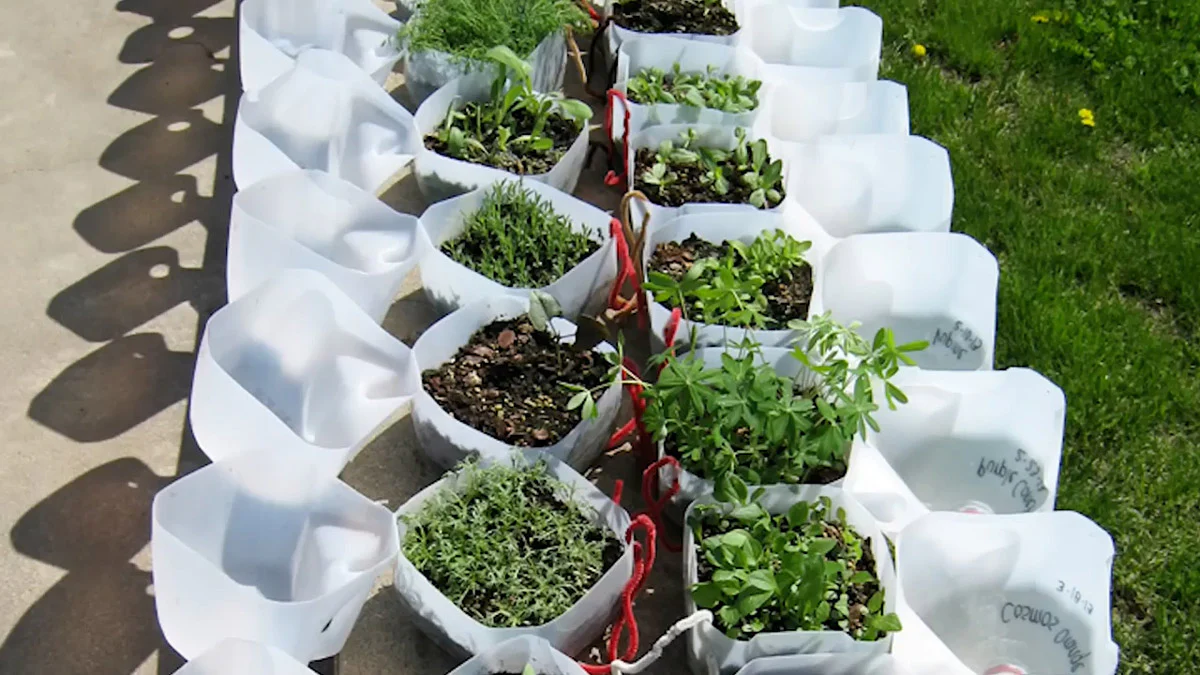
Choose a spot outdoors where containers get precipitation and light, but are not likely to be knocked over.
- Sun exposure: Morning sun is great. In warmer zones, afternoon shade prevents overheating during spring warm spells.
- Wind: Tuck jugs near a fence, deck railing, or wall, and consider grouping them in a shallow bin to keep them from tipping.
- Snow and rain: Natural moisture helps, as long as drainage holes are good.
- Critter prevention: If squirrels, raccoons, or curious dogs like to rearrange your work, set jugs in a milk crate, behind a low barrier, or up on a table.
When to vent and protect
This is the part where winter sowing feels like a conversation with the weather. Your containers start sealed, then gradually become more open as seedlings grow and temperatures rise.
When to vent more
- Once seedlings germinate, check containers more often.
- If days are consistently mild (many gardeners notice this around 45 to 50°F), start adding ventilation. Also trust what you see: if the jug feels warm inside, condensation is heavy, or seedlings slump at midday sun, vent more even if the air feels cool.
- If seedlings look leggy, they may need more light, more ventilation, or both.
When to remove the top
Remove the top (or fully open the hinge) when seedlings are sturdy and daytime temperatures are mild. Many gardeners do this when nights are above freezing more often than not, but keep the top handy.
What counts as a hard freeze
As a rough guideline, a “hard freeze” is often below about 28°F (around -2°C) for several hours, especially when wind is involved.
What about surprise freezes?
Spring loves to backtrack. If a hard freeze is forecast after you have opened containers, simply close them again overnight or throw a light frost cloth or old sheet over the group. The whole point is flexibility.
Thinning and spacing
Overcrowding is the fastest way to turn a jug of hope into a jug of spindly regret.
Easy thinning rules
- Sow lightly when you can, especially for larger seeds.
- Thin early once seedlings have their first true leaves. Snip extras at soil level with scissors so you do not yank roots from their neighbors.
- If it is a carpet, split it. Some seedlings are easier to separate later (like lettuce), but many flowers do better when they have breathing room.
Transplanting to the garden
Winter-sown seedlings usually have strong roots and thick stems, but they still need gentle handling.
How to transplant successfully
- Water the container first so the root ball holds together.
- Transplant on a mild day, ideally cloudy or late afternoon.
- Separate seedlings carefully. Use a spoon or dibber to lift from underneath.
- Plant at proper depth. Most seedlings go at the same depth they were growing, with exceptions like tomatoes (usually not winter-sown).
- Water in well and protect from strong sun or wind for a day or two if needed.
Spacing note: It is tempting to keep every single sprout. I get it. But overcrowding creates weak plants. Thin or separate so your seedlings can breathe.
Troubleshooting
Nothing is germinating
- Some seeds wait for longer warming days. Be patient, especially with perennials.
- Check that the soil is moist, not bone dry.
- Confirm you sowed at the right depth. Tiny seeds often need light.
- Double-check packet notes for cold stratification length or special germination needs.
Seedlings dried out
- Water on a day above freezing.
- In windy or sunny spots, move containers to morning sun and afternoon shade.
Seedlings are cooked on sunny days
- This happens in spring warm spells, especially Zones 7+.
- Add ventilation, open the container more, or relocate to partial shade.
Mold or algae on soil
- A little algae is common and usually harmless.
- Increase airflow by venting more and avoid overwatering.
Damping off happens anyway
- It is less common outdoors for many gardeners, but it can still happen in overly wet, stagnant containers.
- Make sure drainage holes are open, vent more as temperatures rise, and avoid keeping the mix constantly saturated.
A simple starter plan
If you want an easy first round, try this mix:
- One jug of hardy flowers: calendula, snapdragon, or pansy.
- One jug of perennials: echinacea or rudbeckia.
- One jug of spring greens: lettuce mix, kale, or spinach.
Label them, set them outside, and let winter do its quiet work. Then, when you spot those first green loops pushing up through the soil, you will understand why I find this method so calming. It is like the garden is whispering, “We have time.”