
Window Light for Indoor Plants

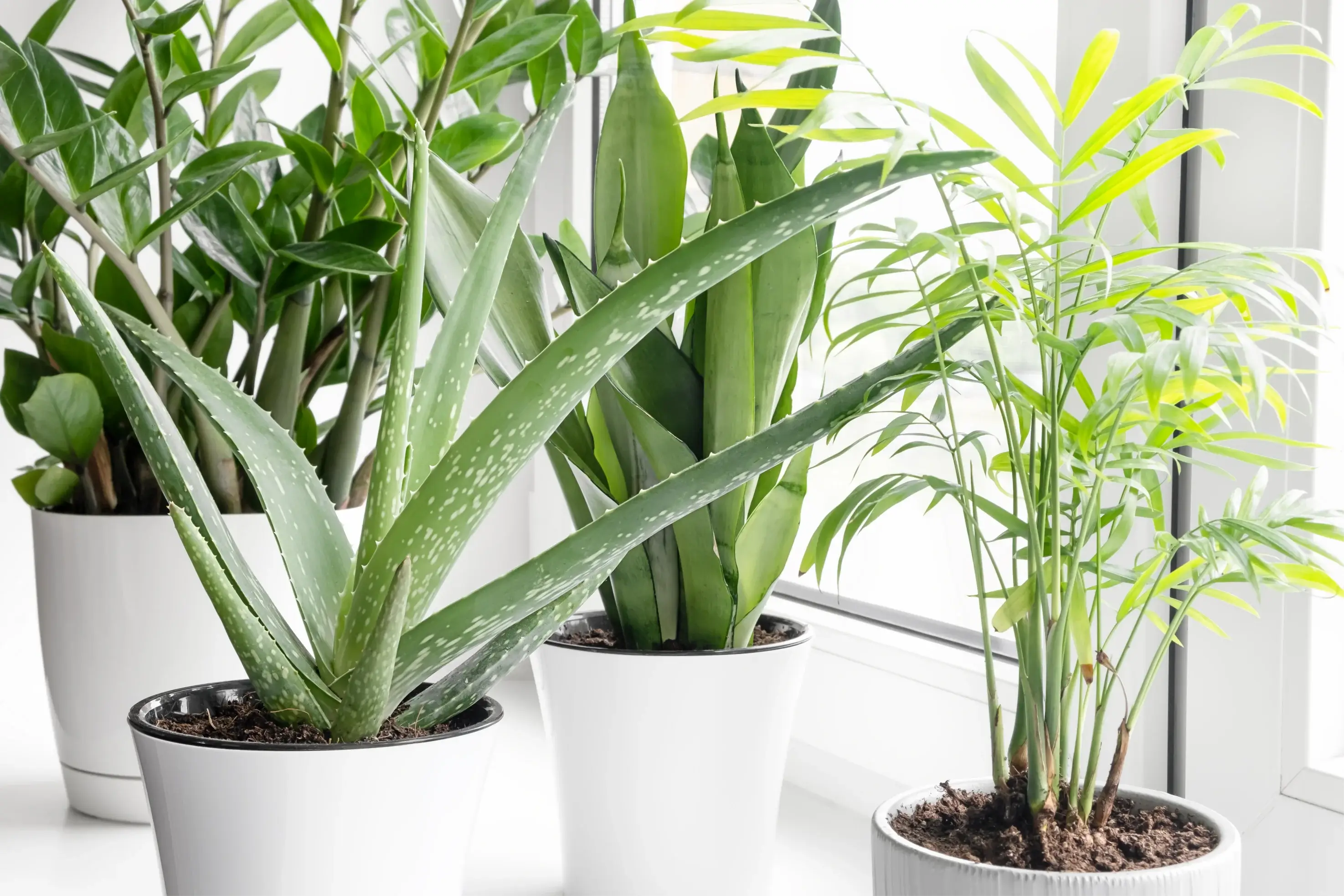
When someone tells you a plant wants “bright indirect light,” I can practically hear every new plant parent whisper: Okay, but where?
Window direction is the missing translator between plant tags and your real home. East, west, south, and north exposures each come with their own personality, and that personality changes with seasons, curtains, distance from the glass, and even the color of the wall behind your plant.
This guide will help you read your windows like a gardener, not a magician. We will walk through how the sun shifts across the year, do two beginner-friendly tests with your phone, and then place common houseplants by genus so you can stop the random windowsill shuffle.

At a glance: window light
Use this as your quick cheat sheet, then confirm with the shadow check.
| Window | Typical feel | Direct sun | Good starting distance | Watch outs |
|---|---|---|---|---|
| East | Bright, gentle | Often 1 to 3 hours in the morning | 1 to 2 feet back for “indirect” plants | Usually forgiving, still can scorch very thin leaves up close |
| South | Brightest in most homes | Often strongest and longest | Sun lovers: close; bright-indirect plants: 2 to 4 feet back or with sheers | Midday intensity, hot glass, overhangs change everything |
| West | Bright, hot late day | Often 2 to 5 hours in late afternoon in summer | 2 to 5 feet back for sensitive plants, or use sheers | Leaf burn in summer, fast drying, plants lean |
| North | Soft, steady | Usually little to none | Close to glass if temps allow | Can be too dim in winter or in deep rooms; high latitudes can get surprise sun |
First, the truth about “window direction”
In the Northern Hemisphere, the sun tracks across the southern part of the sky. That is why a south window usually gets the strongest, longest light. East gets gentler morning sun. West gets hotter afternoon sun. North gets the steadiest low light with little to no direct sun.
Small caveat: Nature loves exceptions. At high latitudes in summer, and in rooms with wide-open views, north windows can sometimes catch early or late direct sun. That is why the shadow check matters.
In the Southern Hemisphere, swap north and south.
Direct vs indirect light
- Direct light means the sun hits the plant’s leaves. You will see a sharp-edged shadow.
- Indirect light means the plant can “see” the bright sky, but the sun itself is not touching the leaves. Shadows look soft, blurry, or disappear.
- Low light is not “no light.” It is usually bright enough for you to comfortably read during the day without turning lamps on, but not bright enough to cast much of a shadow. Also, true “low light for plants” is often brighter than people expect, especially for growth (not just survival).
Seasonal sun: why winter tricks you
Light changes more than most people expect, especially from late fall through early spring.
What shifts through the year
- Summer: The sun is higher in the sky. Midday rays can be more overhead (and sometimes blocked by overhangs), but morning and late-day sun can still be low enough to pour through windows and hit deeper into a room. Overall intensity is high.
- Winter: The sun sits lower. Midday rays often angle farther into a room, but the overall day is shorter and the sun is weaker.
- Spring and fall: The transition seasons. A spot that was perfect in March can be scorching by June.
A simple way to plan
If a plant is barely holding on in winter, do not assume it is doomed. It may simply be in a low-light season. Conversely, if a plant is thriving in February on a sunny sill, check it again a few weeks into late spring before the leaves get fried.
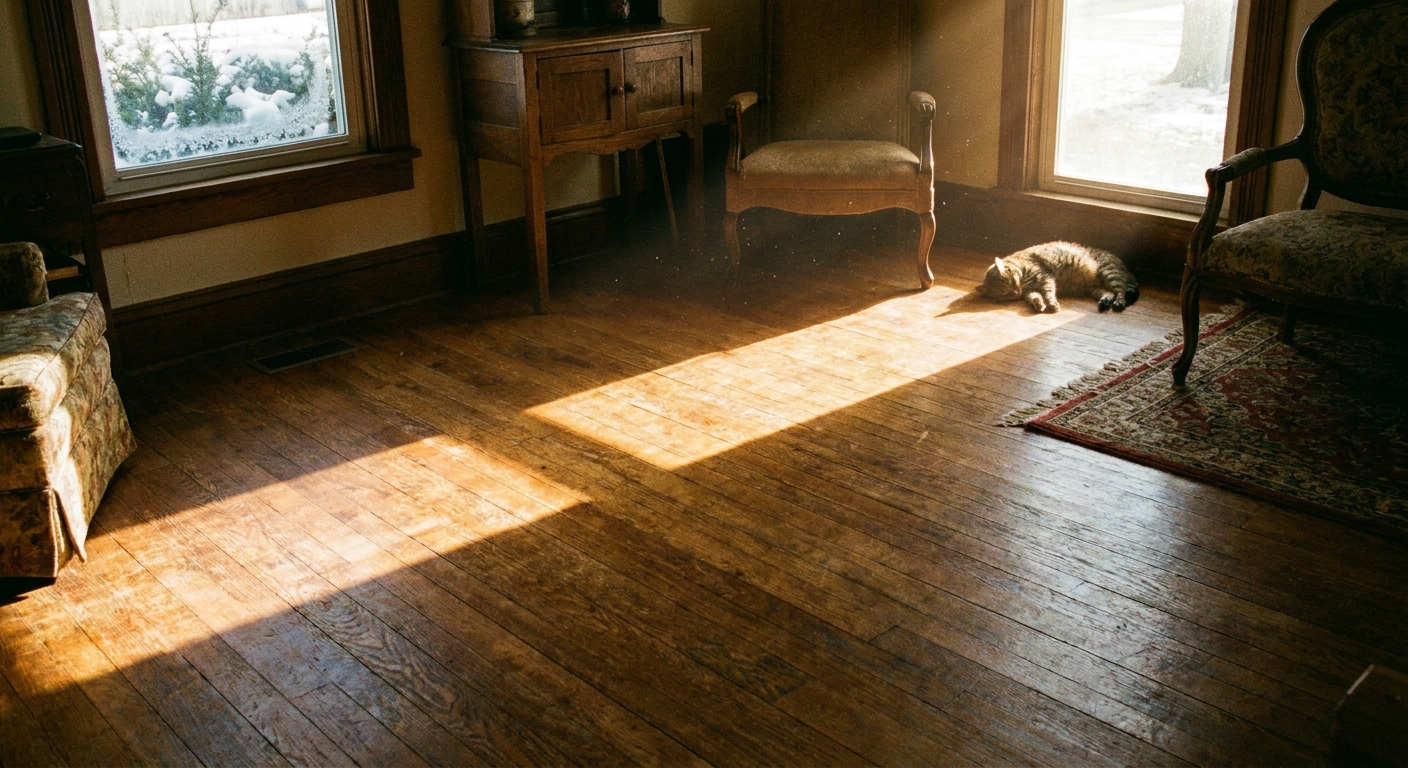
Distance from glass matters
Two plants can be in the “same window” and experience completely different light.
Rule of thumb
- 0 to 1 foot from the glass: brightest zone, most direct exposure, biggest temperature swings.
- 1 to 3 feet: still bright, often ideal for “bright indirect” plants.
- 3 to 6 feet: medium light for many foliage plants.
- 6+ feet: low light in most homes unless you have huge windows, very reflective surfaces, or supplemental lighting.
Hidden stress right at the window
- Cold drafts in winter can stunt tropicals, even if the light is perfect.
- Hot glass in summer can scorch leaves that physically touch the pane.
- Radiators and vents can dry plants fast, which looks like “too much sun” but is really dehydration.
- Screens, frosted glass, and tinted film can cut light more than you think. If a window feels “right” on paper but plants sulk, check what is between the plant and the sky.
Sheers and blinds
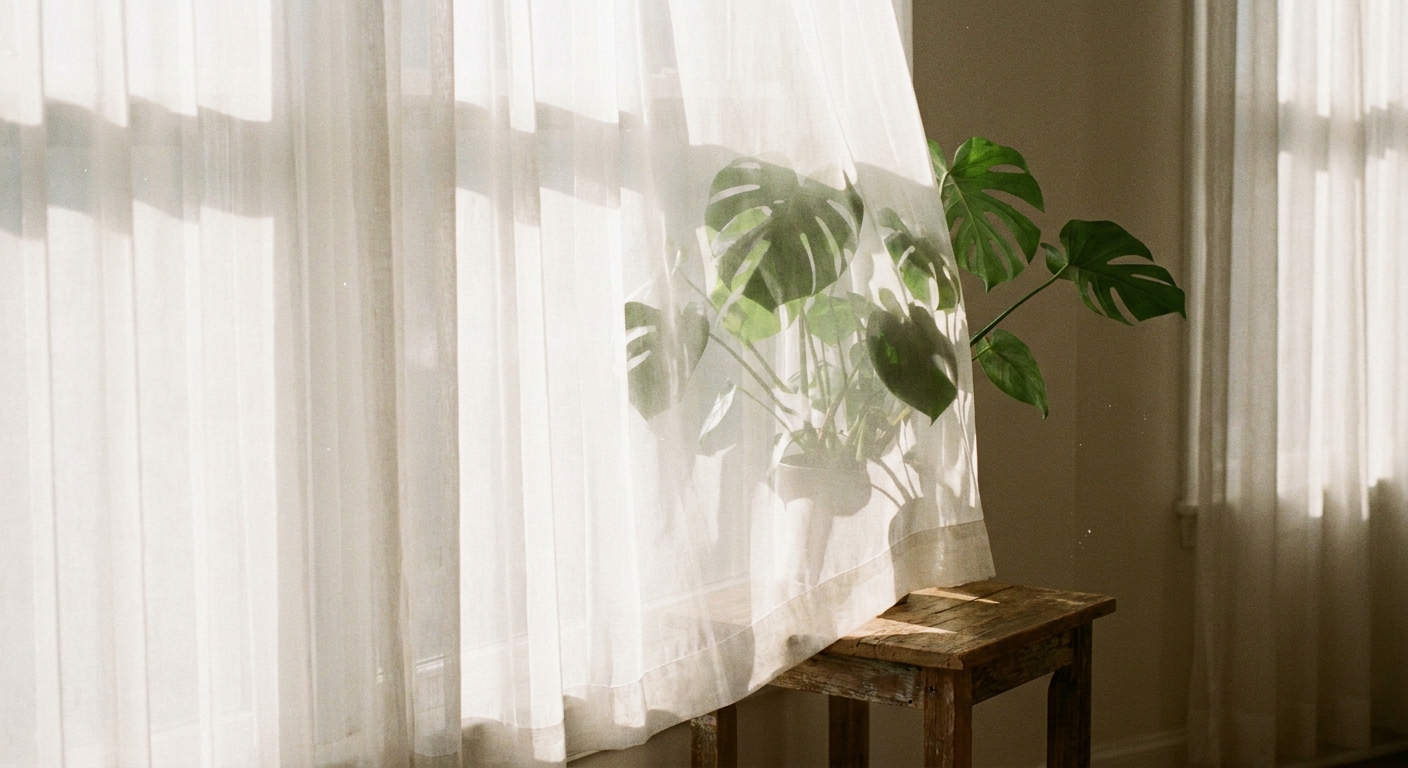
Sheer fabric is one of my favorite “plant tools” because it is adjustable, cheap, and forgiving.
Sheers make harsh sun usable
A sheer curtain spreads sunbeams into a softer wash. That can be the difference between crispy leaf edges and happy growth, especially in south and west windows.
Blinds can still be direct sun
Blinds do not always count as “indirect light.” If sun is slicing through and landing on leaves for hours, sensitive plants can still burn. If you use blinds, angle them so the light bounces up toward the ceiling rather than straight onto the plant.
Two quick phone tests
Test 1: Confirm direction
Open a compass app on your phone and stand facing the glass.
- If you face east, that is an east-facing window.
- If you face south, that is south-facing.
- And so on.
Tip: If your compass seems jumpy, step away from metal window frames, radiators, and speakers for a more accurate read.
Test 2: Shadow check
On a sunny day, place your hand where the plant’s leaves would be and look at the shadow on a flat surface.
- Sharp shadow edges: direct light.
- Soft shadow edges: bright indirect light.
- Hardly any shadow: medium to low light.
Repeat the shadow check in the morning, around midday, and in late afternoon. Many “mystery burns” happen because a plant gets one brutal window of direct sun you never notice.
East windows
East-facing windows offer bright light with mild direct sun early in the day. This is one of the easiest exposures for beginners because the intensity drops before afternoon heat builds.
What thrives
- Foliage plants that like bright indirect light but can handle some sun.
- Many blooming plants that need good light without midday scorch.
Placement tips
- Start most plants 1 to 2 feet back if they are labeled “indirect,” then inch closer over two weeks if growth is slow.
- If you see pale new growth or long gaps between leaves, move closer to the window.
Great east-window genera
- Hoya (wax plant)
- Phalaenopsis (moth orchid)
- Peperomia
- Maranta (prayer plant) with filtered morning sun
- Pilea (Chinese money plant)
- Saintpaulia (African violet)
West windows
West windows can be surprisingly intense, especially in summer. The sun is lower in the late day, and those rays hit leaves at an angle that can cook tender plants.
When west is perfect
- For plants that want lots of light.
- For homes that are dim in the morning but brighter later.
Placement tips
- Use a sheer curtain in summer, especially for thin-leaved plants.
- Place sensitive plants 2 to 5 feet back and do the shadow check when the sun is on that window.
- Rotate pots weekly. West light can create a noticeable lean.
Great west-window genera
- Ficus elastica (rubber plant) with a bit of distance
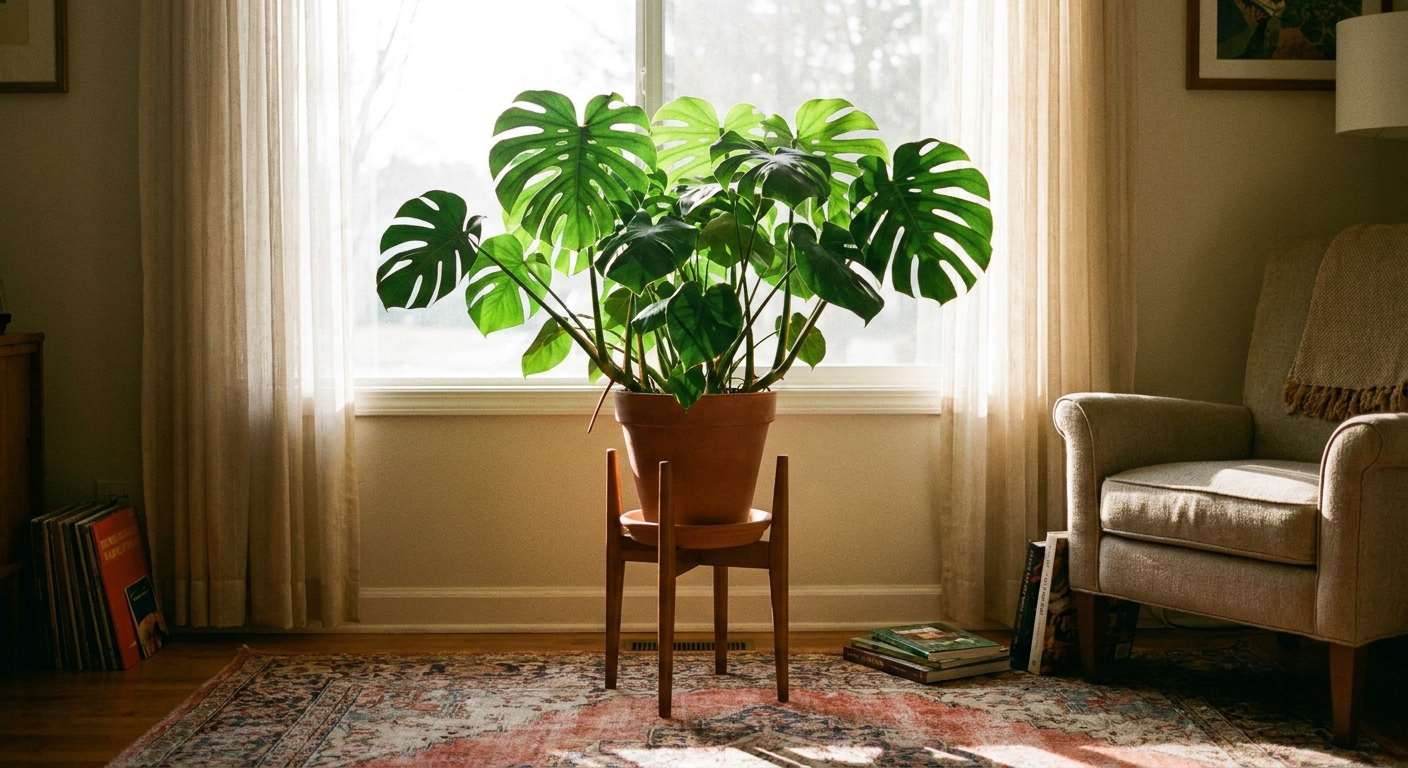
- Monstera (often best with sheers; avoid hard late-day sun on leaves)
- Dracaena
- Sansevieria (snake plant)
- Jade (Crassula) with slow acclimation
- Tradescantia for fast, colorful growth
South windows
A south-facing window is prime real estate. It can grow everything from succulents to citrus, but it can also scorch plants that evolved under forest canopies.
South is not one-size-fits-all
- Big unobstructed glass equals stronger light.
- Overhangs, trees, balconies, awnings, and nearby buildings can turn a “south window” into medium light.
- Latitude and weather matter. A south window in a bright, sunny climate behaves differently than a south window in a cloudy one.
- Double-pane glass and modern coatings can reduce intensity and heat, sometimes noticeably. Even so, many plants may still burn in direct sun, so treat a new bright spot with respect.
Placement tips
- For sun lovers, place close to the glass, but avoid leaves touching hot glass.
- For bright-indirect plants, start 2 to 4 feet back or use a sheer curtain.
- Acclimate slowly. Move a plant closer in steps every few days so leaves can thicken and adapt.
Great south-window genera
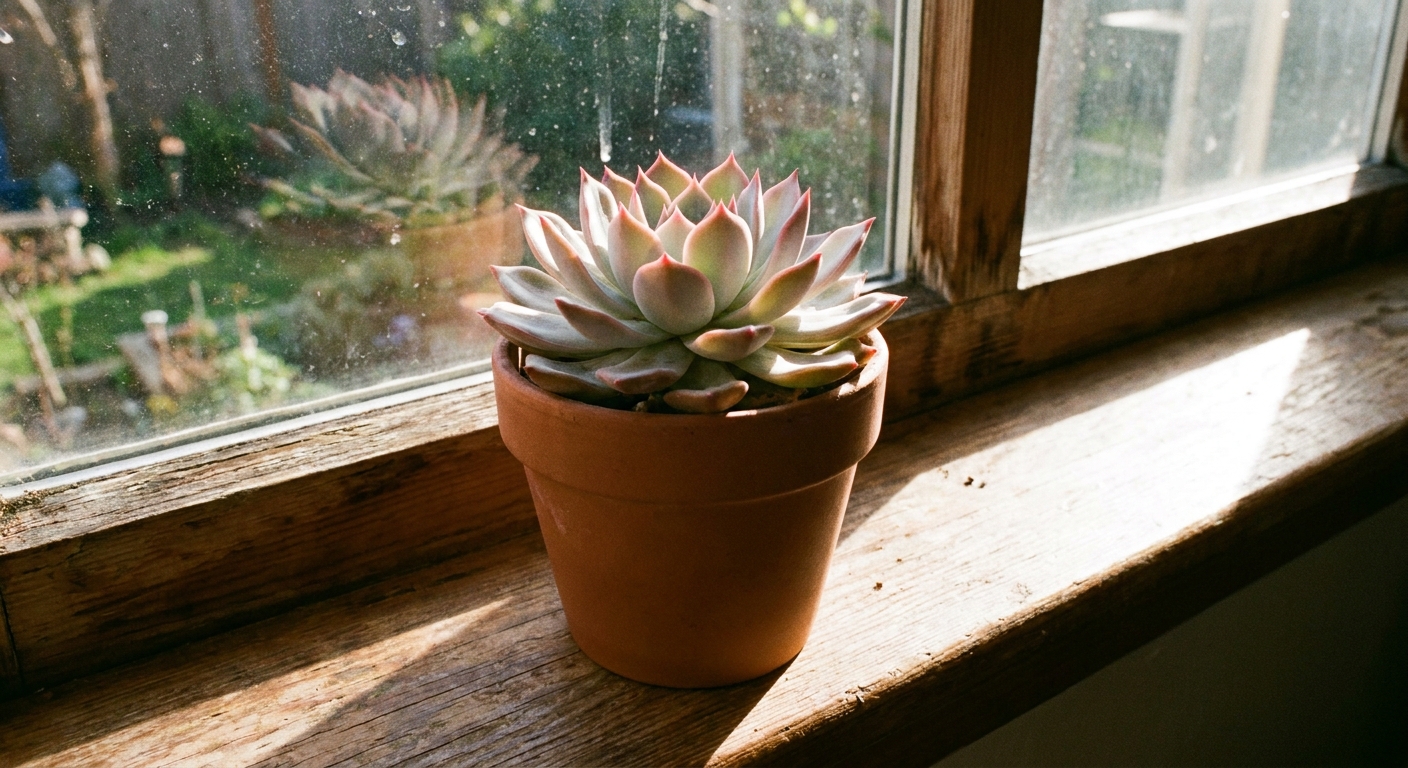
- Echeveria and other rosette succulents
- Aloe
- Opuntia and many cacti
- Citrus (dwarf lemon, lime). For flowering and fruit indoors, many people also add a grow light in winter.
- Pelargonium (geranium)
- Hibiscus indoors with humidity support
- Ficus lyrata (fiddle-leaf fig) often does best near a bright south window with some diffusion
North windows
North-facing windows usually get little to no direct sun. The light is cool and consistent, which many shade-adapted plants love.
Note: In bright summers (especially at higher latitudes), an unobstructed north window can sometimes get early or late direct sun. If your shadow suddenly turns sharp, treat it like direct light and adjust.
What north is great for
- Plants that scorch easily.
- Homes that get harsh sun elsewhere and need a calmer zone.
- Keeping foliage deep green rather than sun-stressed.
Placement tips
- Move plants as close to the glass as you can without draft damage in winter.
- Use light-colored walls or a mirror to bounce light deeper into the room.
- In dim climates, a small grow light can turn “surviving” into “thriving.”
Great north-window genera
- Aglaonema (Chinese evergreen)
- Aspidistra (cast iron plant)
- Sansevieria (tolerant, slower growth)
- Zamioculcas (ZZ plant)
- Philodendron (many heartleaf types)
- Epipremnum (pothos) for steady growth in medium north light
- Nephrolepis (Boston fern) if you can keep humidity up
Plant placement by genus
Use this as a starting point, then fine-tune with the shadow check and a bit of observation. Different species and cultivars within a genus can vary, but these placements are solid for most homes.
Brightest spots (south, or west with sheers)
- Cactaceae (many cacti)
- Euphorbia (many are sun lovers, handle with care due to sap)
- Echeveria, Aloe
- Haworthia (bright light, but many prefer protection from harsh midday sun; south is often best with a little diffusion)
- Citrus (often needs the brightest window plus seasonal supplemental light for flowering and fruit)
Bright indirect (east, south set back, or west filtered)
- Monstera
- Ficus (elastica, lyrata)
- Hoya
- Peperomia
- Pilea
- Orchidaceae (many common orchids)
Medium light (north close to glass, or several feet back from brighter windows)
- Philodendron (many vining types)
- Epipremnum (pothos)
- Dracaena
- Syngonium
- Calathea (no direct sun, but many do best in brighter indirect; too dim can mean slow growth and faded pattern)
Lower light tolerant (still needs daylight)
- Zamioculcas (ZZ plant)
- Aspidistra
- Aglaonema
- Sansevieria
How to read your plant
Plants talk. Not in words, but in leaf color, spacing, and texture. Here is what I look for before I ever blame myself.
Too much light
- Bleached patches or crispy brown spots on the sun-facing side
- Leaves that feel papery and dry even when soil moisture is reasonable
- Sudden droop during the hottest part of the day, especially near west windows
Too little light
- Leggy stems with long gaps between leaves
- Small new leaves
- Slow or stalled growth during spring and summer
- Variegated plants reverting greener
One gentle adjustment
If a plant is struggling, change one thing and wait two weeks. Move it 12 inches. Add a sheer. Rotate it. Plants hate chaos more than they hate imperfect light.
Common complications
“It faces the right way, but it feels dim”
- Outdoor obstructions: Trees, porches, balconies, nearby buildings. Solution: move plants closer to the glass or add a grow light.
- Indoor filters: Screens, privacy film, tinted glass. Solution: move closer, remove the barrier when possible, or supplement.
- Deep room: Light falls off fast. Solution: use plant stands to bring plants into the brightest zone.
- Dark paint and heavy furniture: Light gets absorbed. Solution: lighter curtains, a pale wall behind plants, or a mirror angled to bounce daylight.
“It burned, but the tag says indirect”
Indirect-light plants often still tolerate some direct sun, just not the harsh kind. A west window in midsummer is a different beast than an east window in spring. Add a sheer curtain and pull the plant back a couple feet, then re-acclimate slowly.
“Do I need a grow light?”
If your best window still gives you mostly soft shadows (or none) for weeks in winter, a small grow light is a sanity-saver. Place it fairly close (often 8 to 18 inches, depending on the light), run it about 10 to 14 hours a day, and watch how your plant responds.
A simple starter layout
If you are upgrading from “put it wherever looks cute,” here is a gentle, reliable way to assign real estate.
- South window (closest): succulents, cacti, sun-loving herbs, citrus if you have it (and big expectations)
- South window (2 to 4 feet back) or east window: monstera, hoya, rubber plant, orchids
- West window (with sheers): sturdy light lovers like dracaena, snake plant, tradescantia
- North window (close to glass): aglaonema, ZZ, pothos, philodendron
Then do the shadow check, watch new growth, and adjust in small steps. That is how “green thumbs” are made, one calm experiment at a time.
Quick FAQ
Is a bathroom window different?
Light is light, but bathrooms often add humidity and temperature swings. Many tropicals love the humidity, but keep foliage off cold winter glass and away from hot vents.
Do sheer curtains reduce light too much?
Usually no for bright windows. They reduce intensity and harsh rays, not the overall “daylight” feeling. In a dim north window, skip sheers and move plants closer instead.
Can I rely on a phone lux app?
Lux apps can be helpful for trends, but phone sensors vary. Use them to compare spots in your home rather than chasing a perfect number. Your shadow check plus plant response is often more reliable.