
Why Your Wisteria Isn’t Blooming (and How to Fix It)

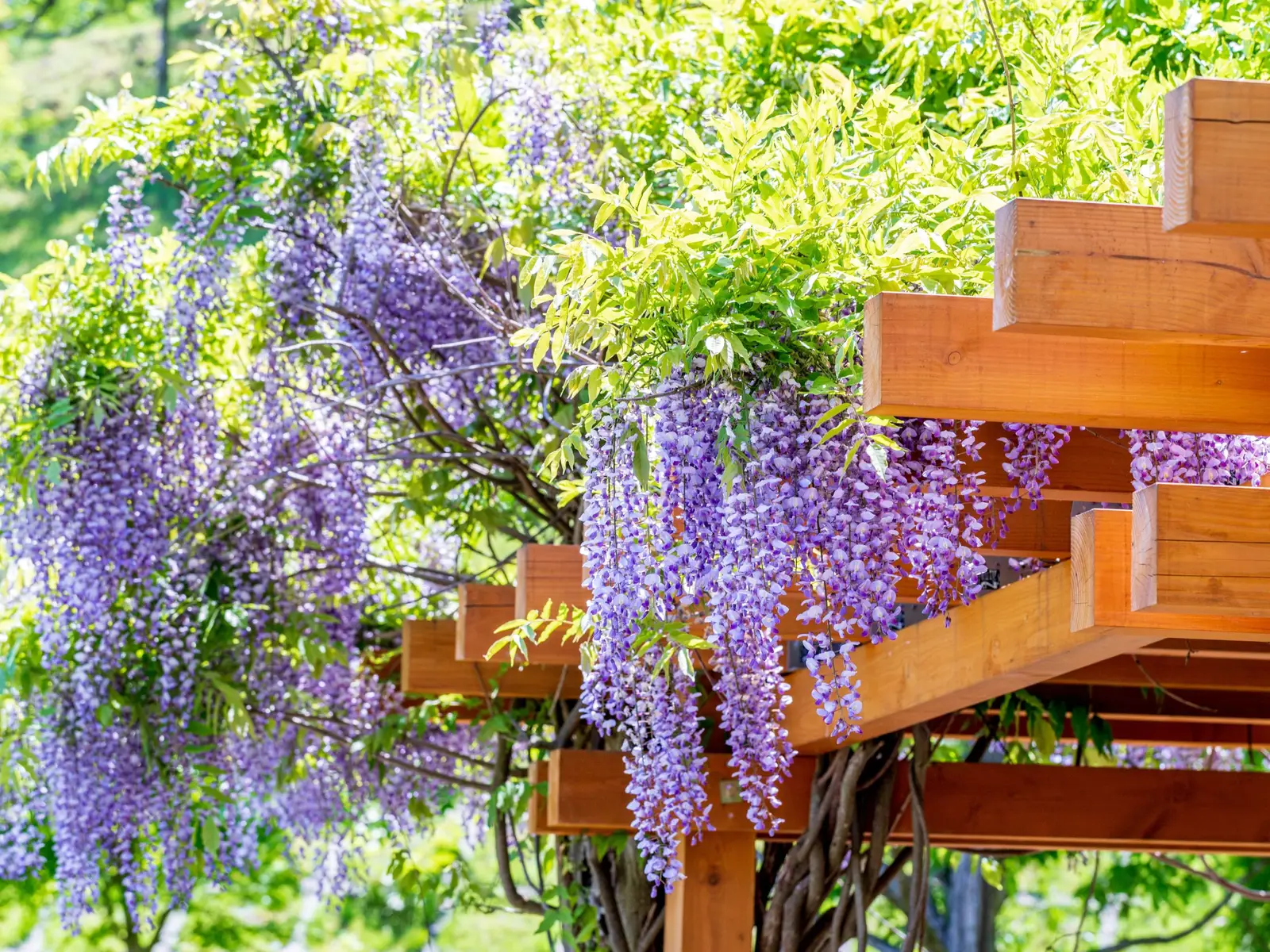
Wisteria is one of those plants that can make you feel personally judged. It grows five feet while you are making a cup of tea, wraps itself around anything that stands still, and then, somehow, still refuses to bloom.
The good news is that wisteria is rarely “mysteriously” non-flowering. There are a handful of very specific bloom blockers, and once you match the symptom to the cause, the fix is usually simple.

First, a quick reality check: some wisteria just need time
The number one reason a wisteria will not bloom is also the most annoying: it is not mature enough yet.
How old is your vine?
- Seed-grown wisteria can take 7 to 15 years to flower, sometimes longer.
- Grafted or cutting-grown plants often bloom in 2 to 5 years once established.
If you bought your plant from a nursery and it was labeled grafted, you are usually in better shape. If it was a pass-along plant from a neighbor or started from seed, it may simply be in its leafy teenage phase.
What you can do
- Be patient, but not passive. Use the steps below to make sure you are not accidentally delaying blooms.
- Check the base for a graft union. A knobby, healed-looking spot near the soil line often indicates a grafted plant.
- Avoid heavy feeding and heavy winter pruning while it is young. Both can push vigorous growth instead of flower bud formation.
Pruning mistakes: the most common bloom killer
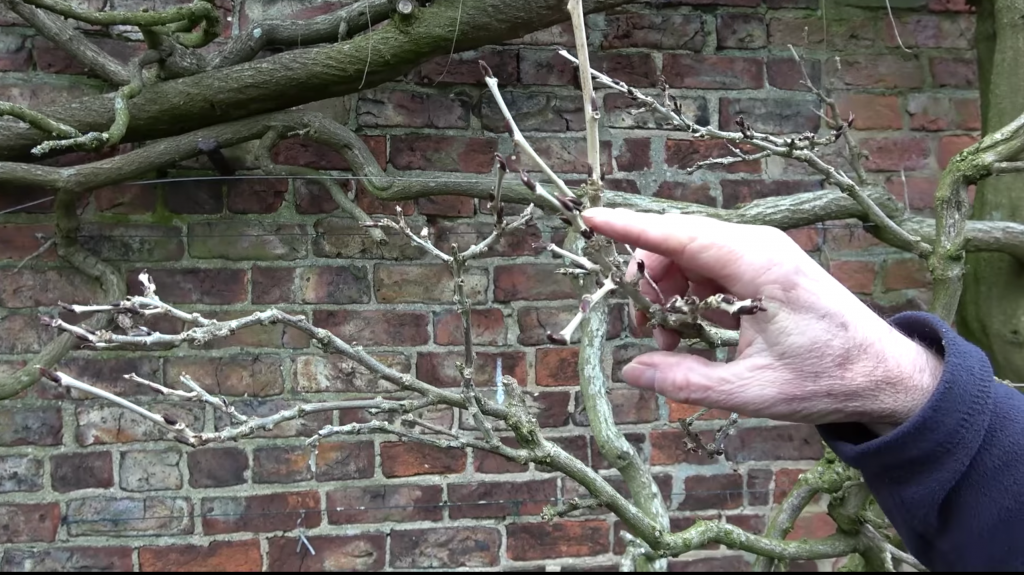
Wisteria flowers on short, stubby growths called spurs. If pruning removes those spurs or forces the vine to constantly replace long whips, you can end up with a gorgeous green curtain and zero blossoms.
The classic timing problem
Many gardeners prune hard in late winter or early spring, right when flower buds are most vulnerable. Or they shear the plant like a hedge, which removes the very wood that carries the bloom spurs.
How to prune for flowers (simple two-prune routine)
This is the bloom-friendly routine that works for most established wisteria:
- Summer prune (mid to late summer): After the main flush of growth, cut this season’s long, whippy shoots back to about 5 to 6 leaves (roughly 10 to 12 inches). This redirects energy into spur formation instead of more vines.
- Winter prune (late winter): Shorten those same shoots again to 2 to 3 buds. These short stubs are where flowers are most likely to form.
If your wisteria is wildly overgrown, do not panic-prune it to sticks all at once. Renovation pruning can be done, but it is best staged over a couple seasons if blooms are your goal.
Too much nitrogen: when “feeding” backfires
Wisteria responds to nitrogen like a bodybuilder at an all-you-can-eat buffet. You get a lot of leafy growth, long runners, and very little interest in flowers.
Here is the extra insult: wisteria is a legume. Like other legumes, it can partner with soil bacteria to fix nitrogen (meaning it helps supply itself). So when you add more nitrogen on top of that, you are basically yelling “grow!” at a plant that was already perfectly capable of doing that on its own.
Signs nitrogen is the culprit
- Very dark green leaves
- Long, fast-growing shoots all season
- No buds, or buds that never develop
Common nitrogen sources you might not suspect
- Lawn fertilizer used nearby (wisteria roots can roam far)
- Fresh manure or high-nitrogen compost applied heavily
- “All-purpose” granular fertilizers with a high first number (like 20-10-10)
How to fix it
- Stop fertilizing unless a soil test shows a true deficiency.
- Avoid lawn fertilizer drift near the root zone. If you feed the lawn, keep fertilizer several feet away from the vine and water it in well.
- Use a soil test to guide changes. If you do feed, choose something lower in nitrogen and not designed for leafy growth.
- Prioritize soil balance over quick fixes. Healthy, not overfed, soil is your best bloom strategy long-term.
Not enough sun: wisteria are sun-hungry
Wisteria can survive in partial shade. Blooming is another story.
How much sun does wisteria need?
For reliable flowering, aim for at least 6 hours of direct sun, and 8 hours is even better. Morning and midday sun are especially helpful for bud development.
What to do if your vine is shaded
- Prune back overhanging trees or shrubs if possible.
- Train the vine upward and outward into the brightest spot, rather than letting it bulk up in the shadows.
- Consider transplanting only if the plant is young. Older wisteria have extensive roots and do not love being moved, but it can be done with planning.
If you are growing wisteria on the north side of a house or under a dense canopy, sun is likely the limiting factor no matter how perfect your pruning is.
Improper training: lots of vines, not enough flowering wood
Wisteria needs structure, and it needs guidance. When it is allowed to sprawl, it pours energy into extension growth instead of forming those short flowering spurs.
Training basics that encourage blooms
- Give it a strong support like a pergola, arbor, or heavy trellis. Wisteria becomes woody and heavy with age.
- Choose a main leader and tie it in place, then select a few side branches as permanent arms.
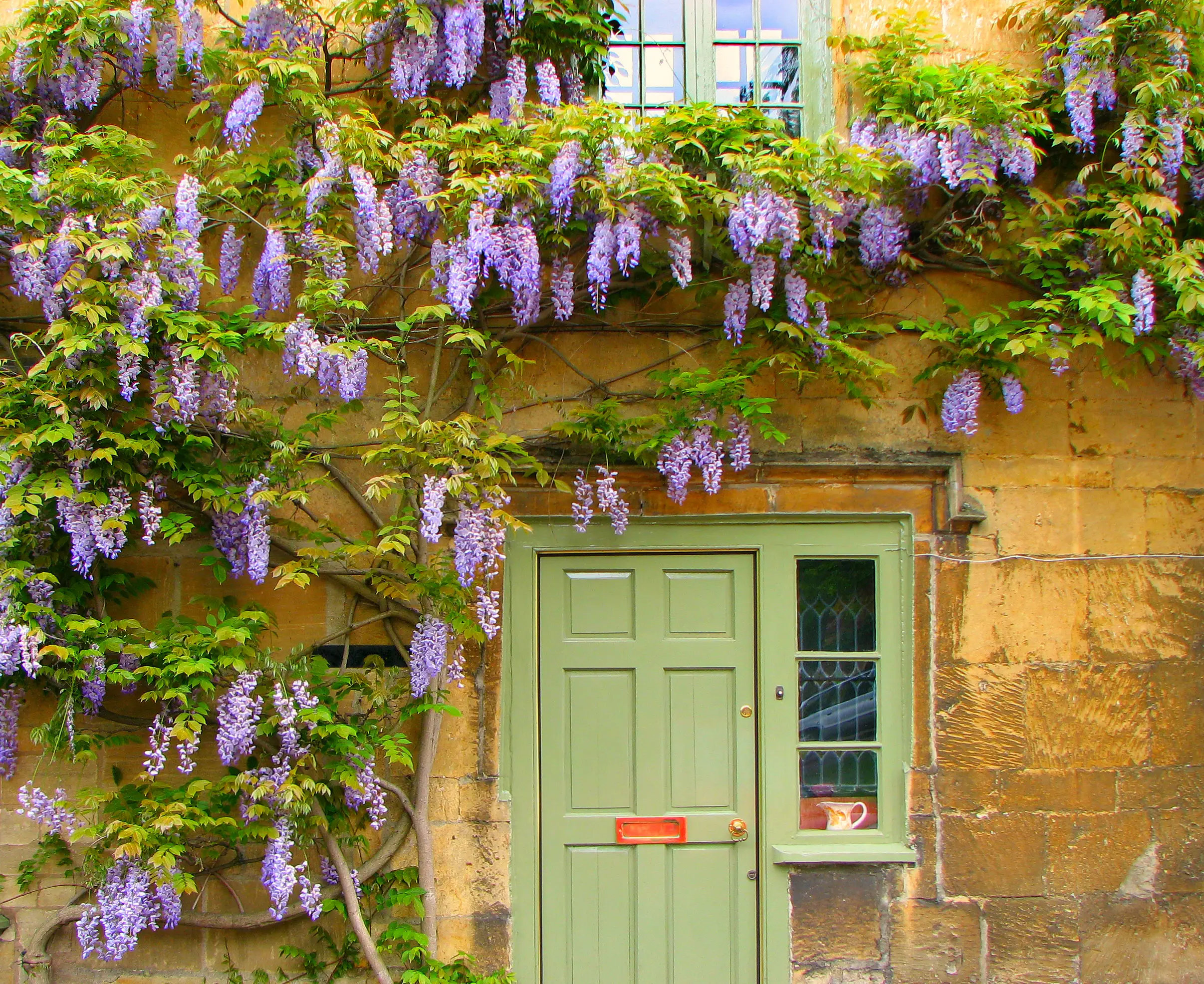
- Train for horizontal growth whenever you can. Side shoots tied along wires or across a pergola (more sideways than straight up) tend to slow the plant’s “go-go-go” momentum and encourage spur formation and flowering.
- Remove or shorten excess whips that are not part of your framework, especially in summer.
A note on safety
Wisteria can twist and tighten like a living rope. Keep it off gutters, downspouts, and porch railings that could be damaged. Also avoid training it into trees unless you are prepared for a long-term wrestling match.
Late frost damage: buds can be there, but lost overnight
Sometimes your wisteria did everything right and still did not bloom. A late freeze can kill developing flower buds, especially after a warm spell that pushes early growth.
How to tell if frost got your buds
- Buds were visible, then turned brown or shriveled
- You see leaf growth, but the flower clusters never lengthen
- The plant bloomed in previous years, but not after a weird spring
What you can do
- Avoid early spring pruning that removes bud-bearing wood right before a cold snap.
- Do not over-fertilize in late summer, which can encourage tender growth going into fall and winter.
- For container wisteria, you can move the pot to a sheltered spot during late frosts.
In-ground vines are tough. If frost is the issue, the fix is often patience and adjusting timing, not drastic intervention.
Root space and root behavior: too comfortable or too constrained
This one surprises people: wisteria can refuse to bloom when it has either too much comfort or not enough functional root space.
If your wisteria is in the ground and growing huge
A very happy wisteria in rich soil can keep investing in growth over flowers. In some cases, a slight check to the root system can encourage blooming. The classic old-school trick is root pruning.
How to root prune (the “spade circle” method)
- In late fall after leaf drop or in late winter while dormant, take a sharp spade.
- Drive it straight down in a circle around the trunk, roughly 18 to 24 inches out for a smaller vine, and farther for a very large one.
- Make cuts all the way around, like you are drawing a dotted ring in the soil.
This is not gentle, and it is not step one. But for a mature vine that will not stop growing and will not start flowering, a controlled “wake-up call” can shift it from expansion mode into reproduction mode.
- Skip rich amendments and stop nitrogen feeding.
- Focus on pruning for spur development with the summer and winter routine.
If your wisteria is in a pot
Container wisteria can bloom beautifully, but only if the plant is not stressed in the wrong ways.
- Too small a pot can lead to chronic drought stress and weak bud formation.
- Too large a pot with rich mix can keep it in growth mode.
- Watering swings can cause bud drop or poor flowering.
Container fixes
- Use a sturdy, heavy container that will not tip, and make sure drainage is excellent.
- Water deeply when the top couple inches of soil dry, then let excess drain.
- Repot only when truly rootbound, and avoid high-nitrogen feeds.
Blooming vs controlling aggressive growth
It is easy to mix these up, because pruning is involved in both. But the mindset is different.
When your goal is more flowers
- Build a permanent framework and encourage short spurs.
- Use the summer prune to reduce whips and redirect energy.
- Use the late winter prune to refine spurs without removing them entirely.
- Dial back nitrogen and maximize sun.
- Favor horizontal training to encourage flowering wood.
When your goal is simply to tame the beast
- You may prune harder and more often, especially during the growing season.
- You may remove large sections for safety or structure, even if it costs some blooms that year.
- You will prioritize keeping it off roofs, trees, and siding, because damage happens slowly and then all at once.
In other words, bloom-focused pruning is more like bonsai patience. Control-focused pruning is more like boundary setting with a very determined neighbor.
A simple troubleshooting checklist
If you want the fastest path to an answer, walk through this list:
- Age: Is it under 3 to 5 years (grafted) or potentially seed-grown?
- Sun: Does it get 6 to 8 hours of direct sun?
- Fertilizer: Any lawn fertilizer or high-nitrogen feeding nearby (remember, it is a legume and does not need much help)?
- Pruning: Are you pruning in early spring or shearing off spurs?
- Training: Is it tied to a strong structure with a clear framework, including some horizontal runs?
- Weather: Was there a late freeze when buds were forming?
Most non-blooming wisteria issues are solved by correcting just one or two items on that list.
When to call it: should you replace the vine?
If your wisteria has been in the ground for many years, grows vigorously, gets full sun, has not been overfed, and is pruned correctly for two seasons with no buds, it may be a seed-grown non-bloomer or a plant that simply does not want to perform in your microclimate.
If you choose to start over, buy a named, grafted variety from a reputable nursery and plant it where it will get generous sun and a strong support from day one.
Your wisteria is not trying to ruin your life. It is just responding to the cues we give it. Change the cues, and you often change the outcome.