Why Your Fig Tree Isn’t Producing Fruit

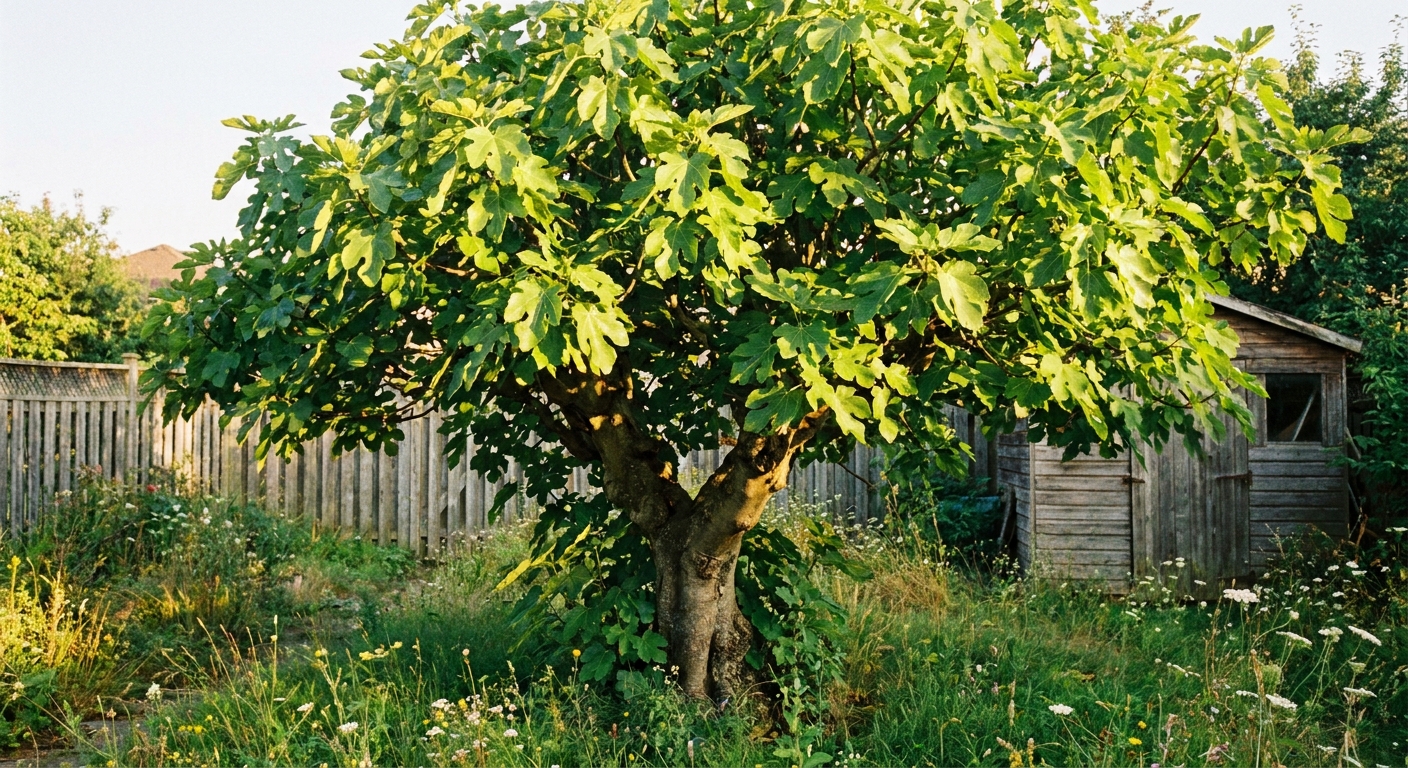
If your fig tree is putting on a whole fashion show of big, healthy leaves but not a single fig, you are not alone. Figs can be wonderfully generous, but they are also picky about timing, weather, pruning, and how we “help” them. The good news is that most fruitless fig problems are fixable once you know what type of fig you have and what part of the season went sideways.
Let’s walk through the most common reasons figs fail to fruit, how to diagnose each one, and what to do now so next year’s crop actually shows up.

First, a quick reality check
Before we troubleshoot, I want to save you a lot of worry. A fig with leaves and no fruit is not always a “problem.” Sometimes it is just a young tree doing its slow, root-building thing.
How old is your fig?
- Year 1 to 2 in the ground or in a pot: Many figs focus on roots and branches. You may get a few figs, or none.
- Year 3 and beyond: Most common varieties should be fruiting reliably if conditions are right.
- Hard winter dieback: If your fig dies back to the ground each winter, it may regrow vigorously but fruit late or not at all that year.
If your tree is young, your best move is patient consistency: full sun, steady watering, and modest feeding. Overcorrecting often delays fruiting.
Know your fig type
This is the most overlooked reason for “no figs.” Not all fig trees behave the same, and the pollination story is different depending on type.
Common fig (most home garden varieties)
Most figs sold for home gardens are common figs and do not need pollination to set edible fruit. They are essentially self-sufficient. Examples often include ‘Brown Turkey’, ‘Celeste’, ‘Chicago Hardy’, ‘Kadota’, and many others.
Smyrna and San Pedro (pollination can matter)
Some varieties need pollination from a specific fig wasp to hold fruit. If you have a Smyrna-type fig, it can form little figlets and then drop them because they were never pollinated.
- Smyrna type: Needs pollination to produce edible fruit. Without it, fruit drops.
- San Pedro type (classic behavior): Often makes an early crop (breba) without pollination, but the main crop typically needs pollination to hold.
In many regions, the specific fig wasp is not present. (It is established in some fig-growing areas, such as parts of the Mediterranean and parts of California, but it is absent in many other places.) If you suspect your fig is pollination-dependent, your simplest fix is often to switch to a common fig variety that fruits without pollination.
Also worth knowing: fig labeling is not always reliable, and some trees are sold under confusing “San Pedro” or “Smyrna” language when they are actually common types. If your tree came from a big box nursery, there is a decent chance it is common type, but it is still worth checking.
Quick help: how to identify your fig type
- Start with the cultivar name: if you have a tag or receipt, look up whether it is common, Smyrna, or San Pedro.
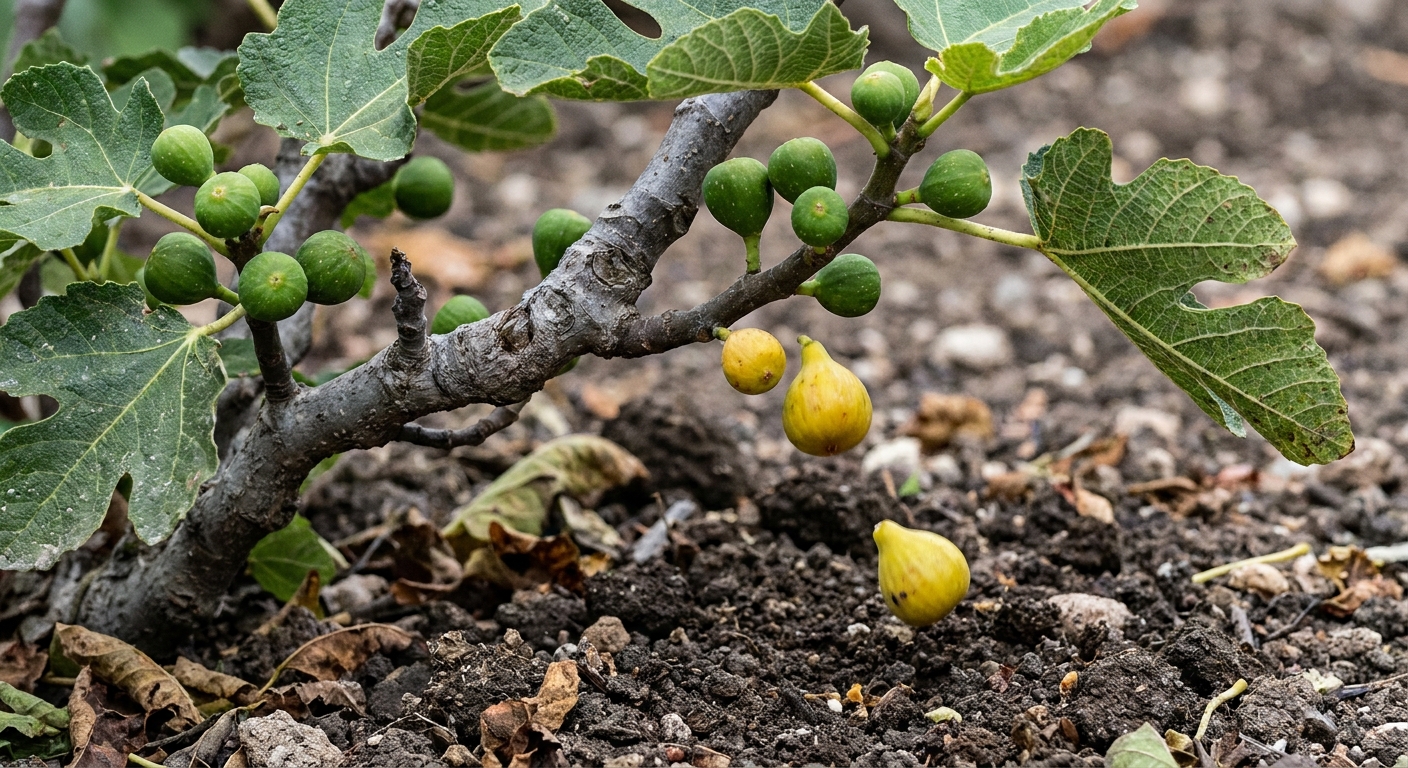
- Watch the fruitlets: if lots of tiny figs form then yellow and fall off while still marble-sized, pollination dependence (or stress) moves up the suspect list.
- Know your region: if your area does not have the fig wasp, a truly pollination-dependent fig will not reliably produce edible fruit.
- When in doubt: ask the seller, local fig groups, or your extension office. A quick photo of leaves and fruitlets plus your location often gets you an answer fast.
Clue to watch for: lots of tiny figs form, then yellow and fall off while still marble-sized.
Too much nitrogen
If your fig looks like it could star in a houseplant catalog, but it is not fruiting, your fertilizer is a prime suspect. Excess nitrogen pushes leaf and shoot growth at the expense of fruit.
Signs you are over-fertilizing
- Long, soft new shoots that keep stretching all season
- Huge leaves, deep green color, very fast growth
- Little to no fruit initiation, or fruit that stalls small
What to do instead
- Stop high-nitrogen feeds (especially lawn fertilizer near fig roots).
- Use compost top-dressing, or a gentle, balanced fertilizer in spring.
- In long-season climates, a light early-summer feed can be fine. The real key is avoiding high nitrogen and avoiding feeding late in the season when the tree should be switching from growth to ripening.
For container figs, less is usually more. A little compost and a modest, slow-release organic feed in spring often beats frequent liquid fertilizer all summer.
Pruning mistakes
Fig fruiting is tied closely to when and where figs form. Prune at the wrong time, or too hard, and you can remove the wood that would have held your figs.
Breba vs main crop
- Breba crop: Forms on last year’s wood and ripens earlier (not all varieties produce a meaningful breba crop).
- Main crop: Usually forms on current season growth and ripens later.
If you prune heavily in late winter or spring, you may sacrifice breba figs. If you prune aggressively in summer, you can remove developing main-crop fruit and stimulate more leafy regrowth.
Better pruning approach
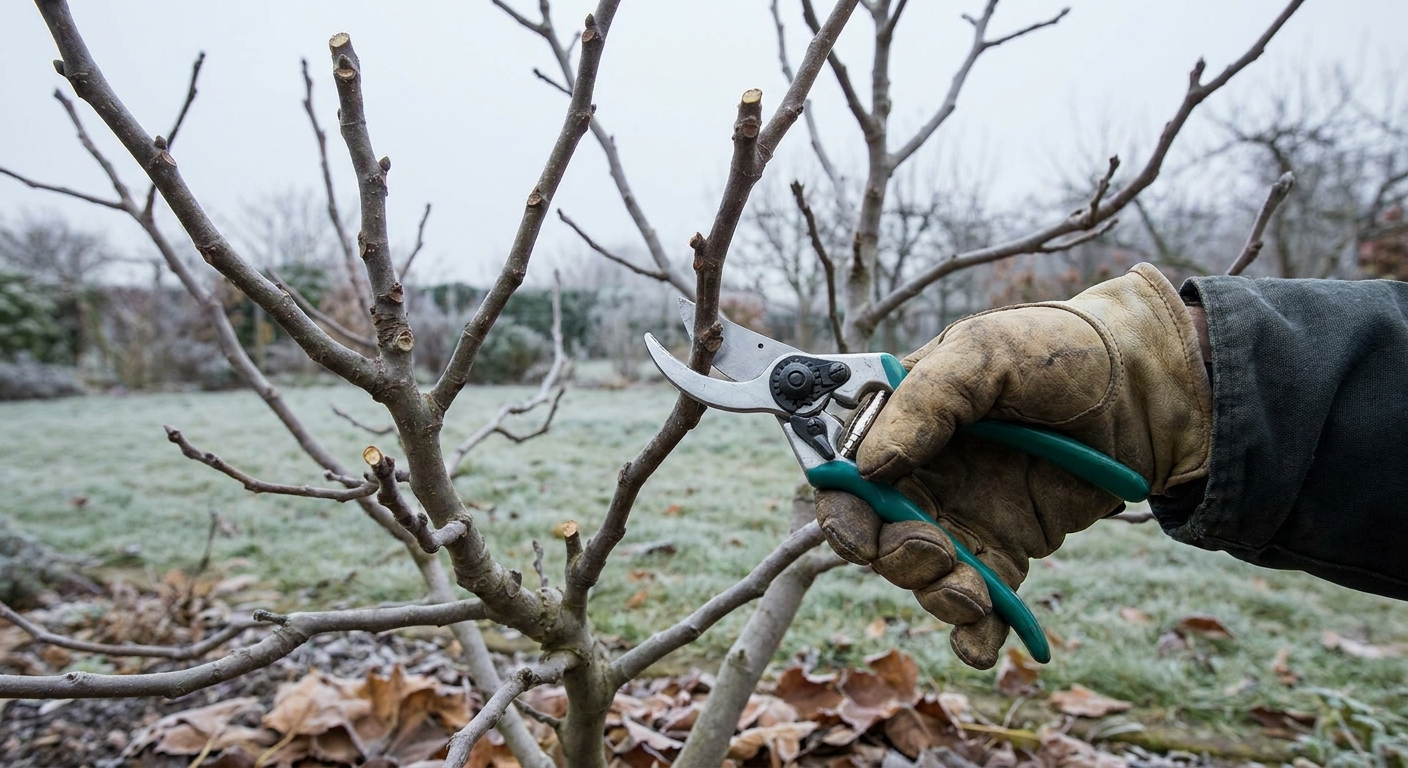
- In late winter: Remove dead, damaged, crossing branches. Keep structure open.
- Avoid hard “stumping” annually unless you are intentionally managing size and accept reduced fruit.
- In summer: Limit pruning to pinching back overly long shoots if needed, and only lightly.
If your fig is in a pot and you cut it back hard every year to keep it small, it may spend the entire season rebuilding instead of fruiting.
Sun and stress
Figs love sun. They also hate getting jerked around by extremes. When the tree is stressed, fruiting is often the first thing it postpones.
Sunlight needs
A fig that gets less than 6 to 8 hours of direct sun may leaf out fine but struggle to set and ripen fruit. If you can give it 8+ hours, even better.
- Move container figs to your sunniest spot.
- In-ground trees may need selective pruning of nearby shade trees, or a future transplant if they are chronically shaded.
- If your fig has a very dense canopy, some light thinning can improve light penetration and air flow without turning it into a major prune job.
Heat and water swings
In intense summer heat, figs can drop tiny fruit or stall ripening if watering is inconsistent.
- Heat wave plus dry soil: fruit drops or shrivels.
- Dry, then suddenly soaked: fruit can split, or the tree may abort some fruit.
Aim for steady moisture, not soggy soil. Mulch helps more than you might expect.
Cold damage and dormancy
Cold snaps and winter damage can steal a crop by killing fruiting wood. Many figs benefit from a cool rest period, but they can still fruit in warm-winter climates. What changes is timing, growth patterns, and sometimes how predictably they set and ripen.
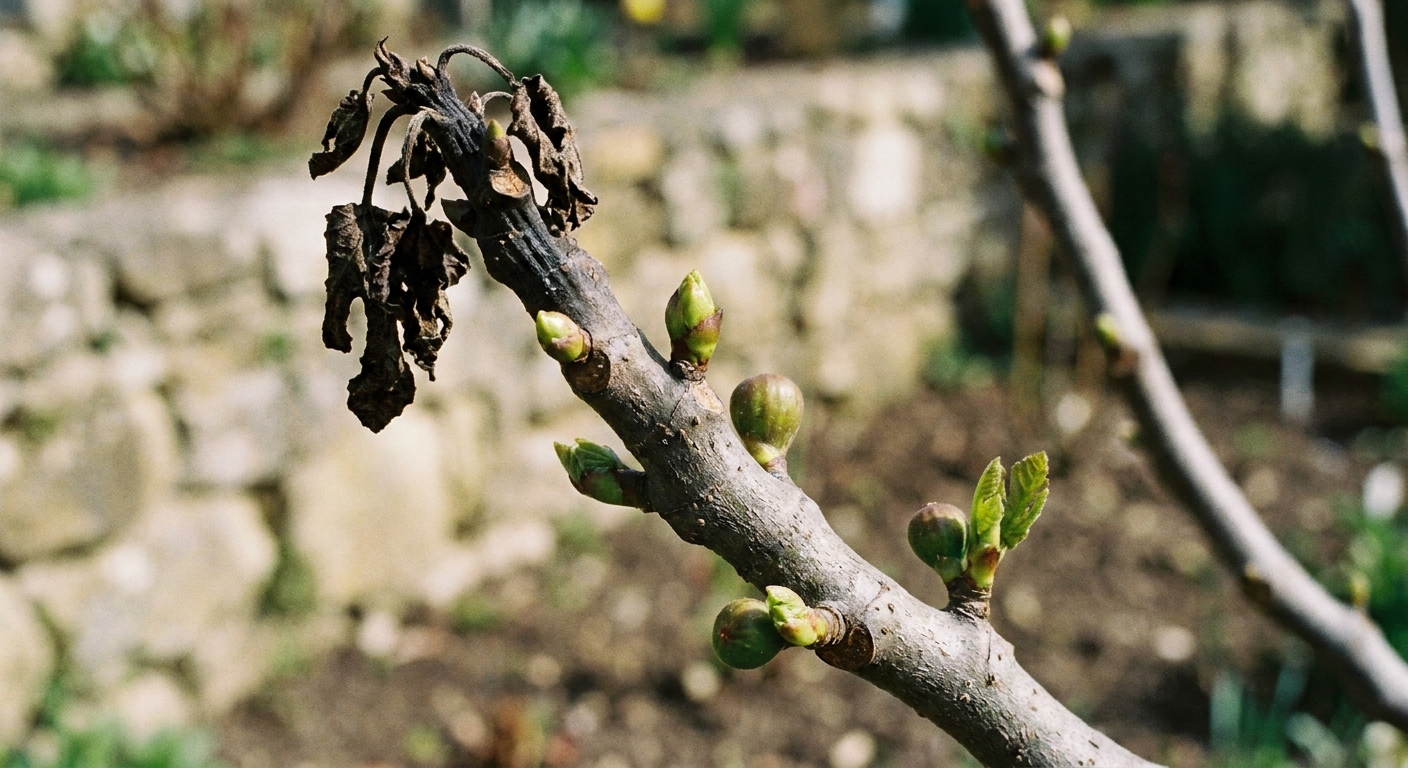
What cold damage looks like
- Branches that stay gray and brittle in spring
- Late leaf-out or dieback to the base
- Vigorous new shoots from the roots but little to no fruit that year
Spring cold snaps (often overlooked)
A late frost after growth starts can damage tender tips and tiny developing fruit structures. This can reduce breba crops and sometimes delays the main crop too.
How to help in cold climates
- Choose cold-hardy varieties if you are near the edge of fig territory.
- Protect in-ground figs with insulation methods appropriate to your area.
- For containers, overwinter in an unheated garage or sheltered spot where the root ball does not freeze solid.
If your fig regrows from the ground each year, consider it a “new” tree annually. You can still get fruit, but it often ripens late and can be missed by early fall cold.
Container issues
Since Leafy Zen readers love container figs, let’s talk pots. Container growing can either boost fruiting or accidentally prevent it.
Root restriction
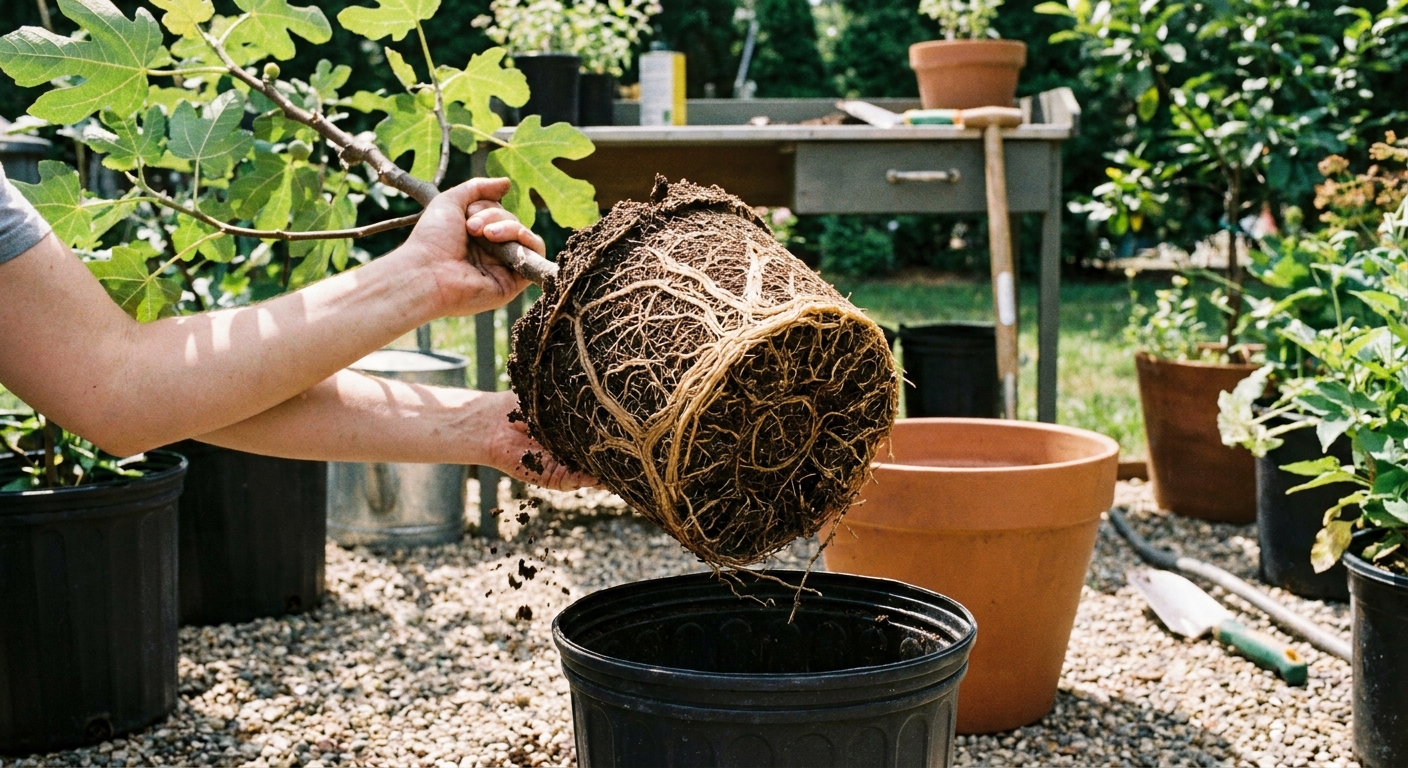
Figs often fruit well when slightly root bound. But when the pot is too tight, fruiting usually fails for a very practical reason: the tree gets pushed into water and nutrient stress, so fruit stalls or drops.
Signs the pot is too small:
- Water runs straight through and the plant wilts quickly
- Leaves scorch at the edges despite watering
- Roots circle densely at the drain holes
What to do
- Step up only one pot size at a time (for example, from 10 gallons to 15 gallons).
- Refresh soil and trim circling roots when repotting.
- Use a chunky, well-draining mix that still holds moisture. Figs hate sitting in water but also hate drying to dust.
Note: If you keep sizing up dramatically, you may get a burst of leafy growth and fewer figs for a season. A gradual upgrade is usually best for fruit.
Watering issues
A fig can leaf out under all sorts of watering habits, but fruiting is less forgiving.
The steady-moisture sweet spot
- Too dry: fruitlets drop, leaves may curl, growth pauses.
- Too wet: yellowing leaves, root stress, stalled fruit, sometimes fungal issues.
For container figs in summer, it is normal to water frequently. The key is to water deeply, then let the top inch or two dry before watering again. Mulch the surface of the pot if it bakes in full sun.
Season length
Sometimes the tree is doing its job, but your season is too short for the variety. Many figs set fruit that needs a long, warm stretch to ripen.
Clues your season is the issue
- Figs form in late summer but stay hard and green into fall
- First frost hits before ripening
- You get a few ripe figs, but most never finish
Options that help
- Choose earlier-ripening varieties in cool-summer regions.
- Grow in a container so you can move the plant to heat-reflecting spots (like near a sunny wall).
- Avoid late-season nitrogen and heavy pruning that delays fruiting.
Less common culprits
If you have good sun, reasonable feeding, steady moisture, and the tree is mature, these are worth a quick check.
Too much internal shade
A fig can shade itself out. If the canopy is very dense, fruiting wood inside the tree may not get enough light. Gentle thinning in late winter can help.
Pests and disease
- Fig rust: yellow spotting and early leaf drop can weaken the tree and reduce fruit ripening.
- Root rot: often tied to poor drainage or consistently wet soil. Growth looks unhappy, leaves may yellow, and fruiting stalls.
- Root-knot nematodes (more common in sandy soils): weak growth, poor vigor, and disappointing crops even with good care.
These are not the first suspects for a leafy, vigorous tree, but if leaves look spotted, drop early, or the tree is struggling, they belong on the list.
Symptom guide
- Lots of leaves, zero figlets ever: too much shade (including self-shading), too much nitrogen, or the tree is too young.
- Figlets appear then fall off: water stress, heat spikes, spring cold snaps, or a pollination-dependent type without the right pollinator.
- Figs form but never ripen: season too short, variety too late, or the tree keeps pushing new growth from overfeeding.
- Dieback each winter, regrowth only: cold damage is resetting fruiting wood.
Seasonal checklist
Late winter to early spring
- Prune lightly: remove dead wood and open the center.
- If repotting, do it now before heavy growth starts.
- Feed modestly: compost top-dress or a gentle, balanced fertilizer.
Spring
- Confirm sun exposure: aim for 8+ hours if possible, with 6 hours as a minimum.
- Start consistent watering as temperatures climb.
- Watch for the first figlets and note timing.
- Be ready for late frosts if your area gets them. A little protection on a cold night can save tender growth on smaller trees.
Summer
- Keep moisture steady, especially during heat waves.
- Skip high-nitrogen fertilizer, and avoid feeding late.
- Do not hard-prune. If needed, pinch only the most overzealous shoots.
Fall
- Harvest as figs soften and droop, and the neck bends easily.
- Stop feeding well before fall.
- In cool climates, plan overwinter protection for pots or in-ground trees.
Winter
- Protect roots from deep freezes, especially in containers.
- Review the season: did figlets form and drop, or never form at all? That detail points to the cause.
When to swap varieties
If you have tried sun, water consistency, gentler feeding, and careful pruning for a full season and still get no fruit, the simplest solution may be planting a different fig variety that matches your climate and ripening window.
If you are in a colder zone or have shorter summers, prioritize varieties known for earlier ripening and reliable main crops. If you are not sure what you have, check any nursery tag, ask the seller, or compare leaf shape and fruit characteristics once you get even a small harvest.
And if you want my most honest gardener-to-gardener advice: a fig that grows vigorously is already halfway to success. We just have to nudge it out of leafy overachievement and into fruiting confidence.