
Why Pepper Plants Drop Flowers

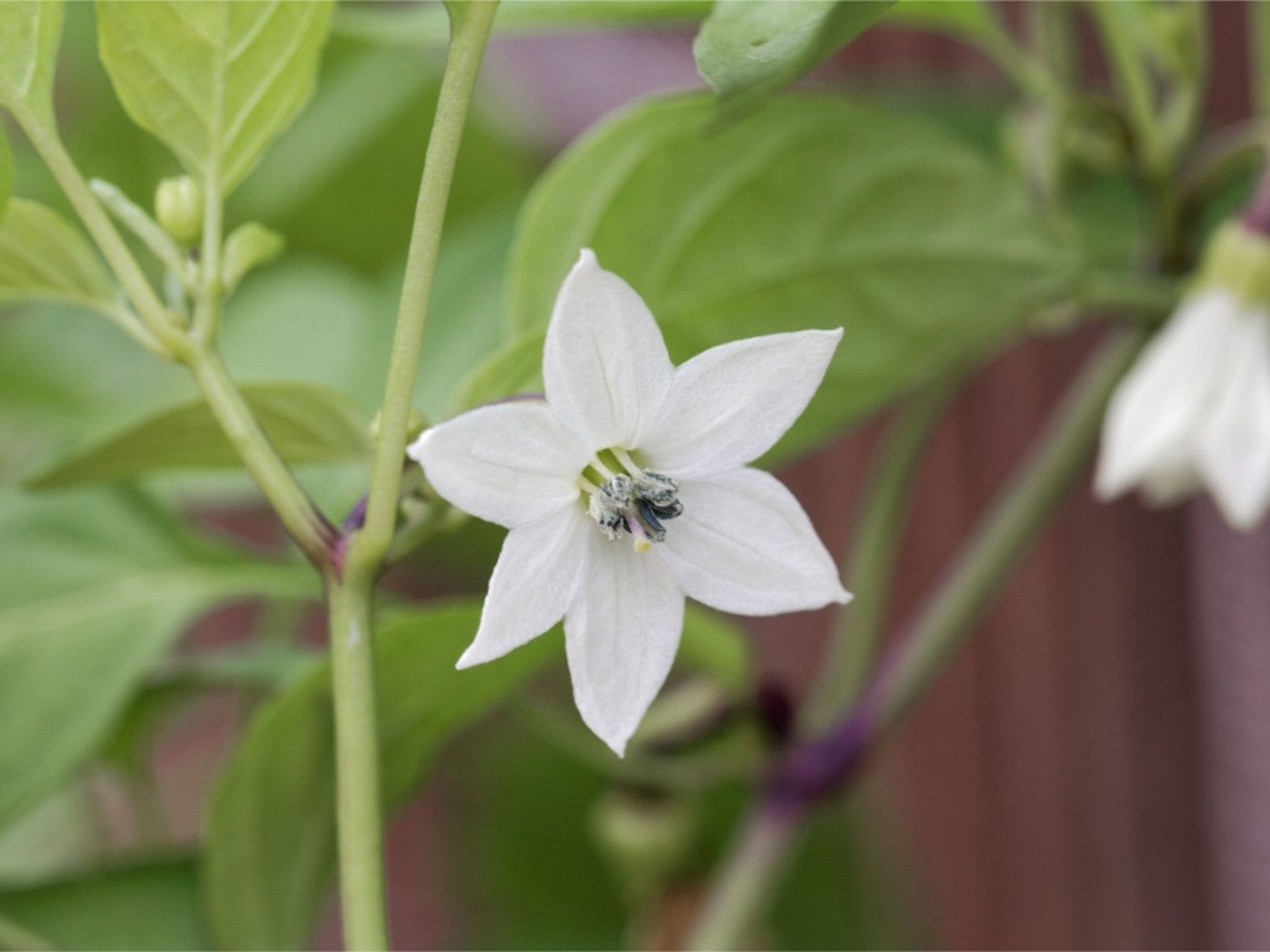
Watching pepper flowers pop off and flutter to the soil can feel like your plant is teasing you. The good news is that pepper blossom drop is most often a stress response, not a mystery disease. Peppers are picky about a few key things during flowering, mainly temperature, water consistency, and whether pollination is happening.
Below, I will walk you through the most common causes I see in home gardens, how to confirm each one, and the fastest, most plant-friendly fixes to get you from flowers to actual peppers.
First, is some flower drop normal?
Yes. A pepper plant may shed a few early blossoms while it is still building roots and leaves, especially right after transplanting. It can also drop some flowers if it sets more blossoms than it can support.
When it is a problem: flowers drop steadily for a week or more, the plant is not setting any tiny peppers (the small green fruit forming just behind the flower), or drop happens during obvious heat waves or dry spells.
Quick diagnosis checklist
- Hot days or warm nights? Temperature stress is the top culprit.
- Soil swinging from dry to soggy? Inconsistent watering is a close second.
- Lots of leaves, no fruit? Often excess nitrogen, low light, or poor pollination.
- Flowers look fine but fall anyway? Pollination and temperature are prime suspects.
- Sticky leaves, speckling, tiny insects? Pest stress can trigger drop.
- Rootbound pot or heavy, wet soil? Root stress can quietly cause blossom drop too.
Target conditions (quick guide)
- Best fruit set temps: roughly 70 to 85°F (21 to 29°C) days, with nights around 60 to 70°F (16 to 21°C). Many varieties still perform outside this range, but set gets less reliable.
- Sun: 6 to 8+ hours of direct sun outdoors.
- Water: evenly moist soil. Deep watering, then let the top inch dry slightly before the next watering.
- Containers: roots heat up and dry out faster, so they often need more frequent watering and protection from reflected heat.
Cause #1: Temperature extremes
Peppers set fruit best when temperatures are comfortably warm, not scorching and not chilly. When it is too hot or too cold, the plant often aborts blossoms rather than pouring energy into fruit it cannot finish.
Helpful temperature numbers
- Hot days: fruit set often drops when highs regularly hit 90°F (32°C) or higher, especially if it is sustained for several days.
- Warm nights: blossom drop and poor set are common when nights stay above 70 to 75°F (21 to 24°C) because pollen becomes less viable and flowers do not set as easily.
- Cold nights: nights below about 55°F (13°C) can slow growth and lead to bud or blossom drop, especially in spring.
Note: exact cutoffs vary by variety. Bells can be fussier, while some hot peppers tolerate heat a bit better but still drop flowers during extremes.
What to look for
- Heat stress: blossoms drop after a string of hot afternoons, leaves may look slightly curled or dull, and plants can look stalled.
- Warm nights: daytime looks fine, but flowers still drop during stretches of hot nights.
- Cold snaps: buds and blossoms fall after chilly nights, even if afternoons are pleasant.
Actionable fixes
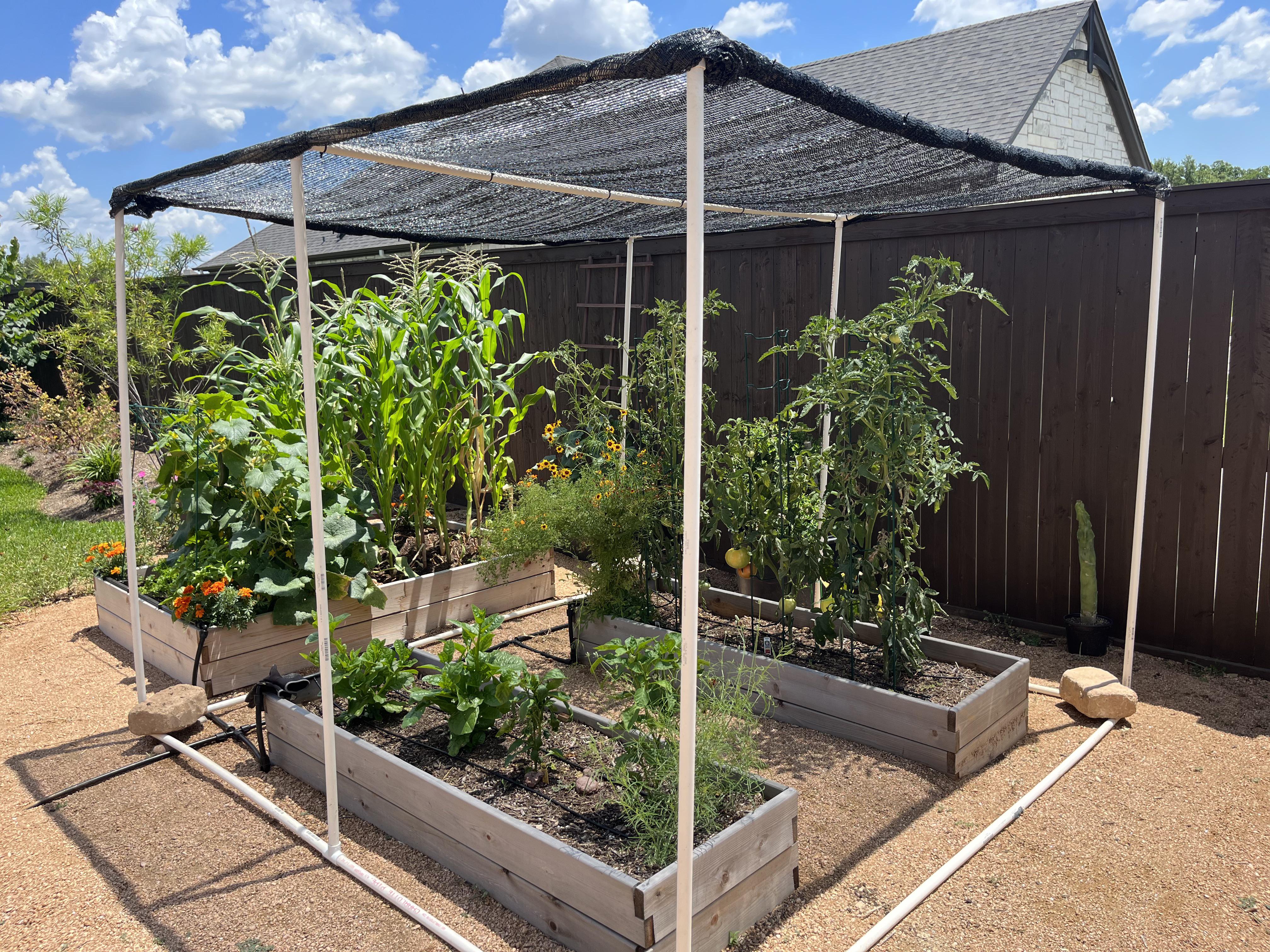
- Provide afternoon shade during heat spikes: use shade cloth (30 to 40%) or a temporary umbrella on the west side. Even a few hours of relief helps.
- Mulch to buffer soil temperature: 2 to 3 inches of straw, shredded leaves, or fine bark keeps roots steadier.
- Use row cover on cool nights: especially early in the season, a simple frost cloth at night can reduce stress.
- For containers: move pots out of reflected heat from walls and pavement, and avoid black pots baking in full sun if you can.
Tip to maximize fruit set: once a heat wave passes, you often get a fresh flush of blossoms that set well. Support the plant through the tough week, and it usually rebounds.
Cause #2: Inconsistent watering
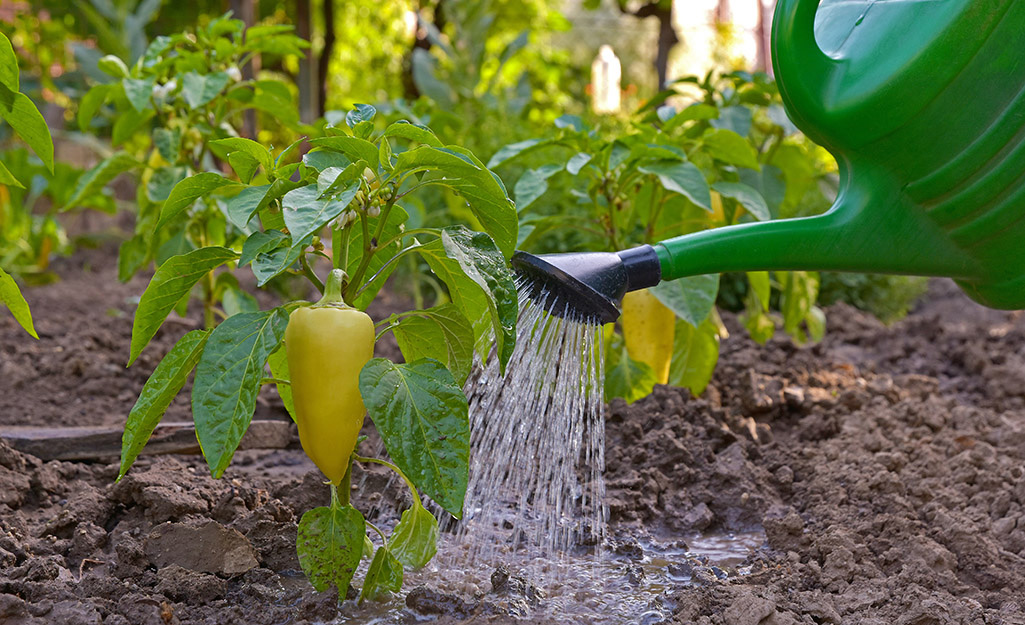
Peppers like evenly moist soil, not constantly wet, not bone dry. When soil moisture swings, the plant gets stressed and may drop blossoms. Erratic watering also disrupts steady nutrient uptake and can make overall flowering and fruiting less consistent.
What to look for
- Flowers drop after you miss a watering, then soak the plant.
- Leaves droop mid-day, perk up at night, and the plant cycles like that often.
- Topsoil looks dry, but deeper soil is either powder-dry or swampy.
Actionable fixes
- Water deeply, less often: aim to moisten the root zone, then let the top inch dry slightly before watering again.
- Use the finger test: push a finger 2 inches into the soil. If it is dry at that depth, water. If it is cool and moist, wait.
- Mulch: it is the simplest tool for steady moisture.
- Containers need a different rhythm: in hot weather, pots may need daily watering. Consider a larger pot, a self-watering container, or adding compost to a quality potting mix for better water-holding.
- Make sure the pot drains: saucers that stay full can keep roots waterlogged and stressed.
Tip to maximize fruit set: water in the morning. Evening watering can keep foliage wet overnight and increase disease pressure, which adds more stress.
Cause #3: Poor pollination
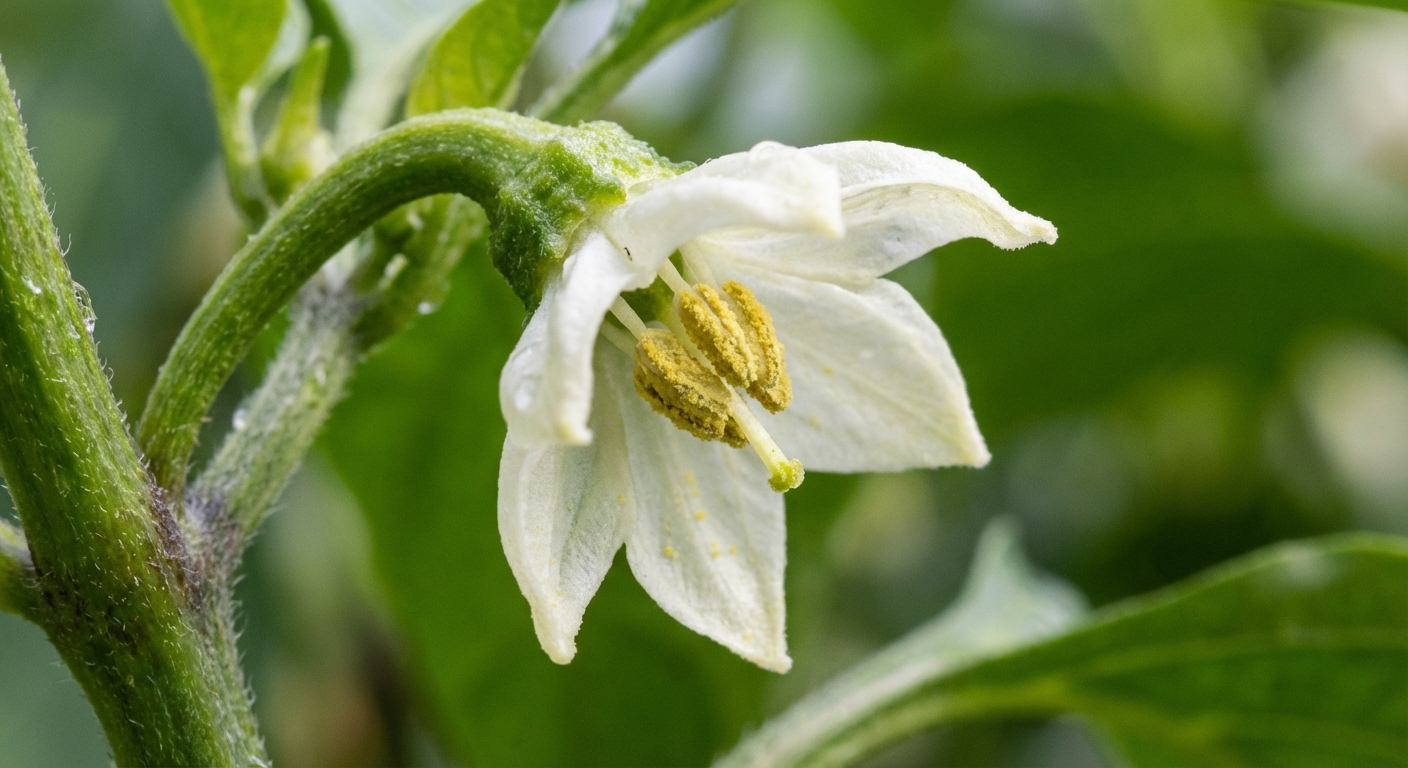
Pepper flowers are “perfect” flowers, meaning they have both male and female parts and can often self-pollinate. But they still need vibration and movement to move pollen where it needs to go. In very still weather, indoors, in greenhouses, or during stretches of rain, pollination can be weak.
What to look for
- Healthy-looking flowers that drop without forming a tiny fruit behind the bloom.
- Few pollinators visiting, especially if you are growing under cover.
- High humidity or rainy spells, when pollen can clump and fail to transfer.
Actionable fixes
- Gently shake plants: mid-morning is ideal. A light shake mimics wind and helps release pollen.
- Use an electric toothbrush trick: touch it briefly to the stem near a flower cluster to vibrate blossoms.
- Invite pollinators: plant small flowers nearby like alyssum, calendula, basil, or borage.
- Avoid spraying anything on open flowers: even “safe” products can interfere with pollination and deter bees.
Tip to maximize fruit set: do your shaking or vibrating routine for a few days in a row when a new flush of blooms opens.
Cause #4: Too much nitrogen
Nitrogen is wonderful for leafy growth, but too much during flowering pushes the plant to keep making stems and leaves instead of fruit. This is common when peppers are planted in freshly manured beds, heavily composted soil that is still very “hot,” or when fertilized with a high-nitrogen product meant for lawns or leafy greens.
What to look for
- Deep green leaves and rapid growth, but blossoms drop or do not set.
- Few flowers compared with the amount of foliage.
- Fertilizing frequently with a high first number (like 10-5-5 or 20-10-10).
Actionable fixes
- Pause nitrogen-heavy feeding: give the plant a couple weeks to rebalance.
- Switch to a balanced, fruiting-friendly fertilizer: avoid high nitrogen and follow label rates. Peppers typically do not need extra phosphorus unless a soil test shows low P, so resist the urge to overcorrect.
- Go easy on rich amendments: compost is excellent, but using too much in containers or adding fresh manure can keep nitrogen high for longer than you want.
- Focus on steady care, not more product: consistent water and warmth often fix “too leafy” peppers without any dramatic intervention.
Tip to maximize fruit set: once fruit begins to form, steady feeding matters more than strong feeding. Light, consistent nutrition tends to produce better peppers than big, occasional doses.
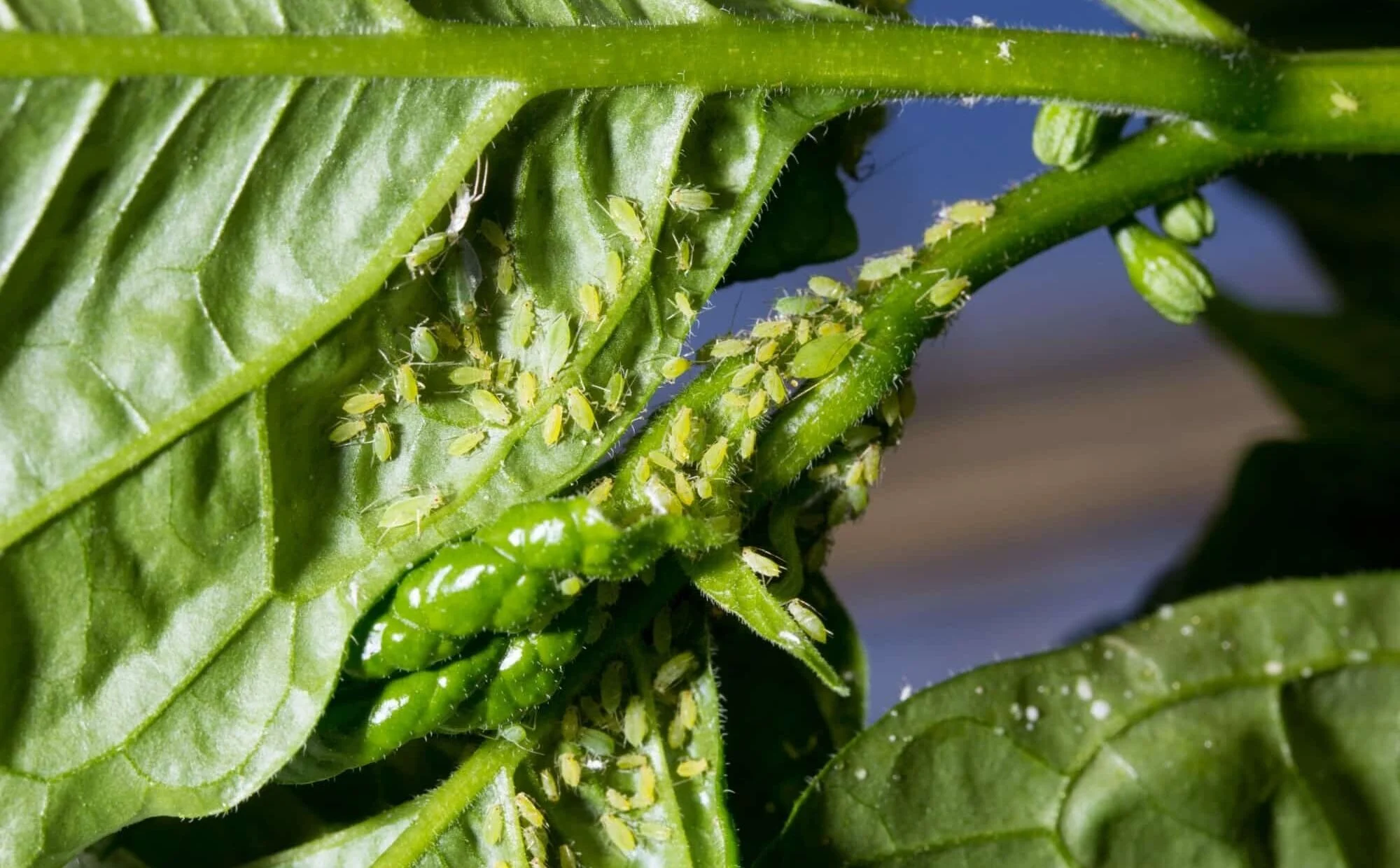
Cause #5: Pest stress
When sap-sucking pests feed on peppers, plants can drop blossoms to conserve energy. The tricky part is that pest damage can be subtle at first, especially early in the season.
What to look for
- Aphids: clusters on new growth, sticky residue, ants patrolling stems.
- Thrips: tiny, fast insects; flowers can look scarred; leaves may show silvery streaking.
- Spider mites: fine stippling on leaves, webbing under leaves in dry heat.
- Stink bugs and leaf-footed bugs: larger insects that can disrupt fruit set and damage developing peppers.
Actionable fixes
- Start with a strong water spray: blast the undersides of leaves to knock pests off.
- Use insecticidal soap or neem carefully: apply at dusk, target leaf undersides, avoid spraying open blooms, and do not apply in hot sun. Test on a small area first since soaps and oils can burn leaves during heat.
- Encourage beneficials: lady beetles, lacewings, and hoverflies do real work. Diverse flowering plants nearby help.
- Reduce plant stress overall: heat plus pests is when blossom drop really accelerates. Mulch and consistent watering make plants more resilient.
Other contributors
Low light
Peppers need strong light to support fruiting. If a plant is shaded by taller crops or growing indoors without enough supplemental light, it may bloom and drop.
- Fix: aim for 6 to 8 hours of direct sun outdoors. Indoors, use a strong grow light positioned close enough to be effective.
Transplant shock
Newly planted peppers often drop their first flowers while they settle in.
- Fix: pinch off early blossoms for a week or two after transplanting so the plant can focus on roots. It feels counterintuitive, but it often leads to better fruit set later.
Root stress
Roots that are too hot, too wet, too cramped, or damaged cannot support consistent flowering. This shows up a lot in small containers and in heavy soils that stay wet after watering or rain.
- Fix: size up pots if roots are circling and packed. In-ground, improve drainage with organic matter and avoid planting in low, soggy spots. Water only when the root zone needs it, not on a schedule.
Overcrowding and poor airflow
Dense foliage stays humid and can reduce pollination and increase pest pressure.
- Fix: give plants space, stake or cage them, and remove a few leaves only if airflow is truly blocked. Do not over-prune peppers.
Maximize fruit set
- Stabilize moisture: deep watering + mulch.
- Buffer temperature: shade cloth during heat, row cover during cold nights.
- Help pollination: shake plants mid-morning for several days during bloom flushes.
- Feed appropriately: avoid high nitrogen once flowering starts; use a balanced fertilizer and follow label rates.
- Scout twice a week: flip leaves, check growing tips, and act early on pests.
If you want a simple rule to remember: peppers set fruit when they feel steady. Steady warmth, steady moisture, steady care. And if you lose a round of flowers, do not take it personally. Your plant is just doing math with the weather.
What not to do
- Do not overfertilize after a flower drop. It usually makes the problem worse, not better.
- Do not swing from drought to flood. If you missed a watering, re-wet gradually and then get back to consistent moisture.
- Do not heavily prune during bloom. It can add stress right when the plant is trying to set fruit.
- Do not spray soaps or oils in heat or on open flowers. You can burn leaves and disrupt pollination.
When to worry
Wait it out if the plant looks healthy overall and weather has been extreme. Many peppers stop setting during heat, then suddenly load up once conditions improve.
Investigate more closely if the plant is stunted, leaves are yellowing rapidly, flowers are deformed, or you see heavy pest activity. Those are signs there is more than a temporary stress blip. Diseases are less common than stress, but they can contribute, especially when plants are already struggling.
By checking your daytime highs, nighttime lows, whether your pepper is in-ground or in a pot, and how often you water, you can usually narrow the cause to the top one or two suspects quickly.