
Why Orchid Leaves Turn Yellow

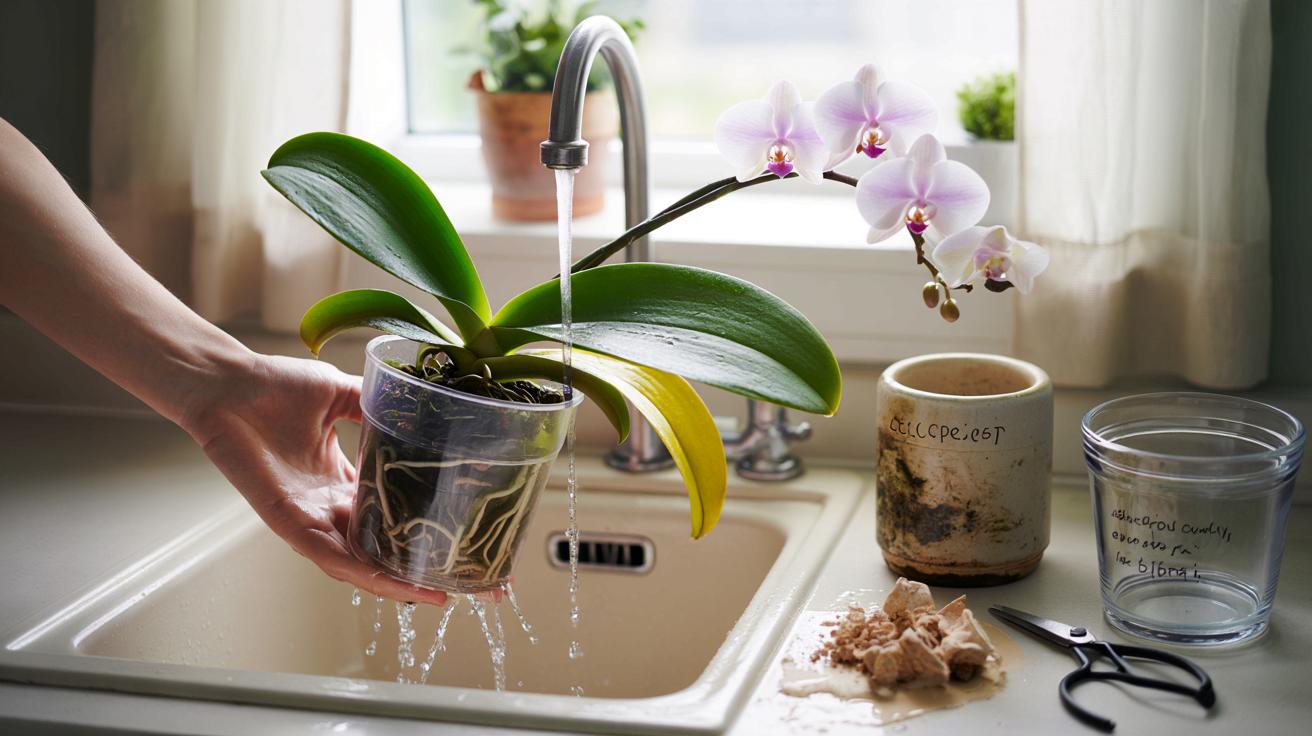
Yellow leaves on an orchid can feel like a personal insult. I get it. One day your Phalaenopsis is glossy and green, and the next it is waving a yellow flag from the windowsill.
Here is the comforting truth: some yellowing is completely normal. Orchids do shed older leaves as they grow. Sometimes it happens around the same time as blooming or after blooming because your routine shifts (light changes, watering changes, the plant is simply in a new phase). But blooming itself is not a guarantee of leaf yellowing. Yellow leaves can also be your plant’s way of asking for a change in watering, light, airflow, media, or fertilizer.

This page walks you through seasonal norms and the most common causes of yellow leaves in Phalaenopsis and other common hybrid orchids, using a simple decision tree based on which leaves yellow first, leaf texture, and what the roots look like near the crown.
First: Is it normal leaf aging?
A healthy, established Phalaenopsis often carries several leaves at once, commonly in the 4 to 8 range for typical houseplant-size hybrids. That number varies a lot with age and genetics, so do not panic if yours has fewer or more.
As new leaves grow from the crown, it is normal for an older, bottom leaf to gradually fade.
Normal yellowing looks like this
- Only one leaf (or occasionally two) yellows at a time
- It is a bottom leaf, closest to the pot
- Yellowing is slow, taking days to weeks
- The leaf becomes fully yellow, then dries and loosens on its own
- Roots look mostly plump and green or silvery, not mushy
What to do: Do nothing dramatic. Keep care steady. When the leaf is fully yellow and comes away with a gentle tug, you can remove it. If it resists, leave it. Orchids hate being forced.
If you see yellowing beyond this pattern, use the decision tree below.
Quick decision tree: Why are your orchid leaves yellow?
Answer these in order. You will land on the most likely cause and the safest fix.
1) Which leaves are yellowing first?
- One bottom leaf and the rest of the plant is firm: usually normal aging
- One bottom leaf plus wrinkling, limp leaves, or poor roots: watering or root issue is more likely
- Several leaves, including newer leaves: watering stress, crown rot, severe light stress, or fertilizer burn
2) What does the yellow leaf feel like?
- Soft, limp, or wrinkly: dehydration or root failure (often from overwatering that damaged roots). Check roots to tell which.
- Firm but yellow: normal aging, light stress, or nutrient imbalance
- Yellow with brown, crispy patches: sunburn, heat stress, or fertilizer burn
3) What do the roots look like near the crown or through the pot?
- Plump, green or silvery roots: roots are functioning, look at light and fertilizer next
- Brown, hollow, mushy, or smelly roots: root rot from staying wet too long or broken-down media
- Black or mushy area at the crown (where leaves meet): crown rot risk, act quickly
- Dark, mushy tissue at the base near the media line: possible basal rot, treat as urgent and dry-focused like crown rot
Now let’s match what you found to the cause and fix.
Cause 1: Overwatering and root rot
If I could reach through the screen and gently tap every orchid pot, I would. A lot of yellow-leaf panic starts with the same issue: the roots cannot breathe.
Phalaenopsis orchids are epiphytes. In nature, their roots cling to bark and dry quickly. In a home pot, they need airflow and a wet to dry rhythm. When the pot stays wet, roots sit in low oxygen conditions and become vulnerable. Opportunistic fungus and bacteria move in, and roots rot. Once roots fail, leaves often turn yellow and limp because the plant cannot drink.
Signs it is overwatering or rot
- Yellowing spreads beyond one old leaf
- Leaves feel soft or slightly rubbery, sometimes wrinkled
- Media smells sour or swampy
- Roots are brown, mushy, hollow, or slough their outer layer when touched
- Condensation sits in the pot constantly and the mix never dries
Safe fixes (start here)
- Stop watering on a schedule. Water when the roots look silvery and the pot feels light.
- Drain completely. Never let the inner pot sit in water inside a cachepot.
- Increase airflow. A gentle fan across the room helps more than you would think.
- Bright, indirect light. This speeds drying and supports new root growth.
When repotting is appropriate
Repot if any of these are true:
- The bark is breaking down into fine, soggy bits
- The pot stays wet unusually long for your conditions (for many homes that means well past a week)
- You see multiple rotten roots
- The plant is wobbly because roots have failed
How to repot a Phalaenopsis with rotting roots
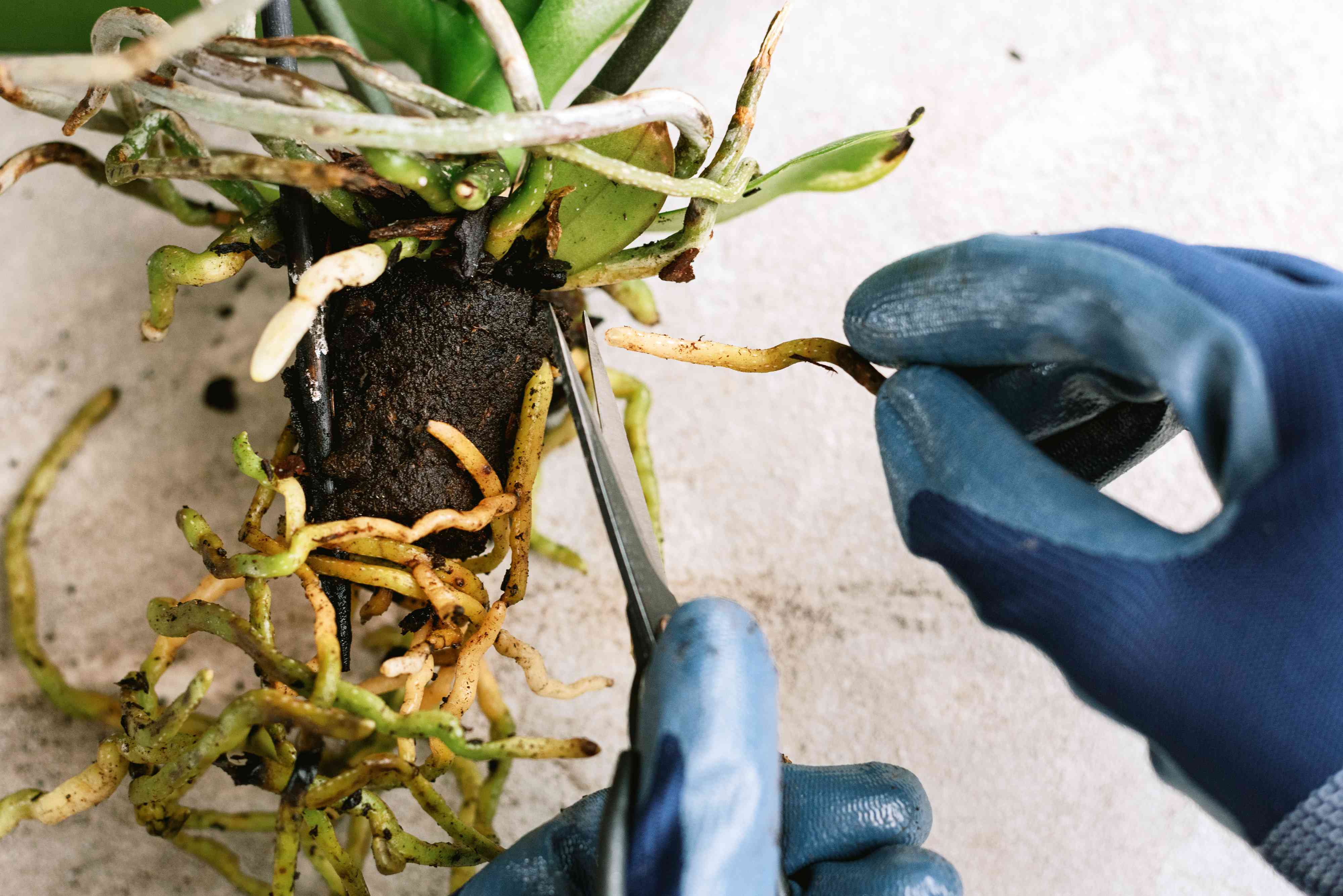
- Remove the orchid from the pot and rinse roots gently.
- With sterilized scissors, trim only roots that are mushy, hollow, or black. Healthy roots are firm.
- Let cuts air-dry for a bit before potting. If you like using cinnamon, treat it as optional and use it lightly and only on dead root stubs, not on living tissue, not on the crown, and not on new growth points. It is drying and can do as much harm as good if overused. If you suspect active disease, a labeled fungicide used per directions is a more reliable option.
- Repot in fresh orchid bark mix in a pot with lots of ventilation.
- Hold off on fertilizer for 3 to 4 weeks while roots recover.
Important: A dehydrated looking orchid is not always underwatered. If roots are rotten, extra watering makes the problem worse. Fix the roots, then the leaves can recover.
Quick note on media and pot choices
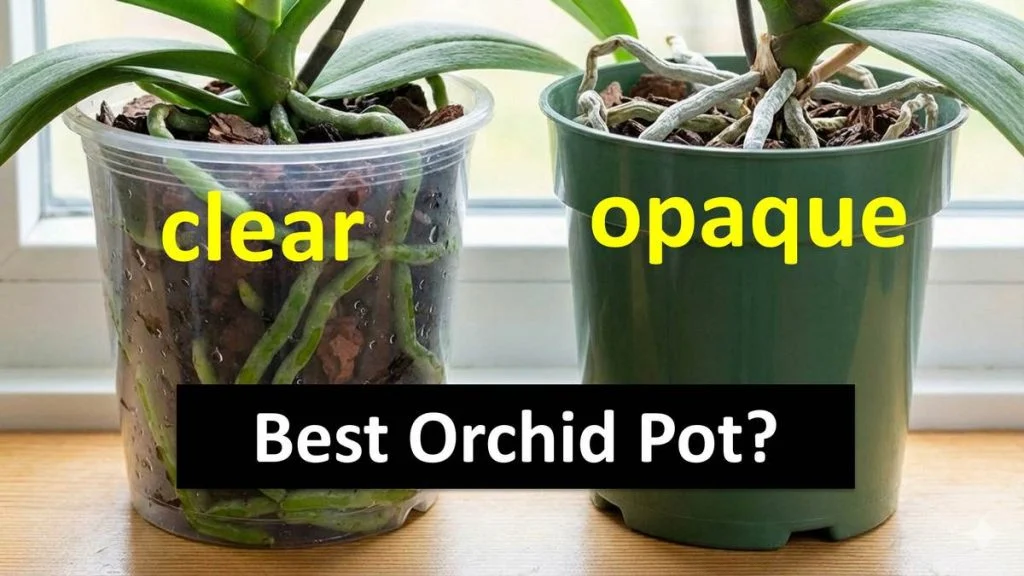
Bark dries faster and offers more airflow. Sphagnum moss holds water longer and can be great in dry homes, but it turns into trouble fast if packed tight or kept too wet. Clear, vented pots make it easier to read roots and manage timing. Opaque pots work too, but you will rely more on pot weight and a finger check in the top layer.
Cause 2: Too much light and heat stress
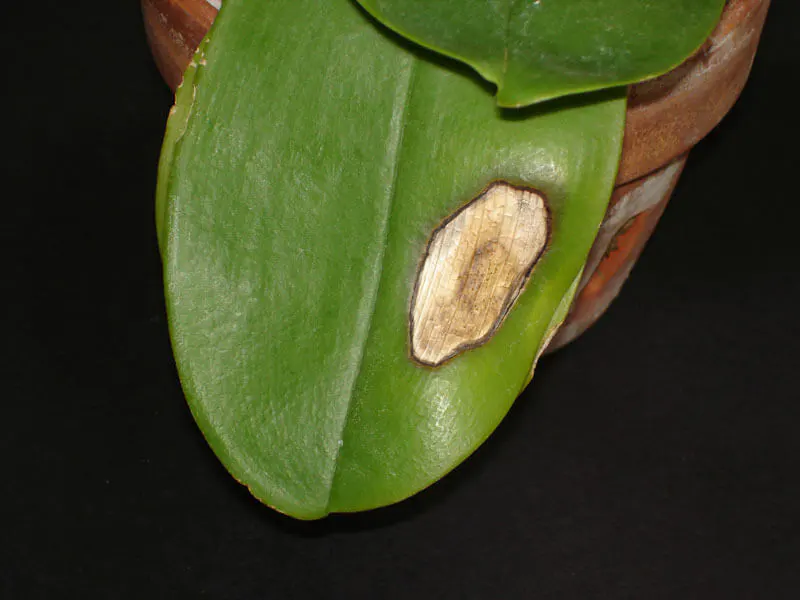
Phalaenopsis orchids love bright light, but they do not love being roasted. Direct sun, especially through glass, can push leaves into yellowing or cause pale, bleached patches that later turn tan and crispy.
Signs it is light stress
- Yellowing starts on the leaf surface facing the window
- Leaves look paler overall (lime green instead of medium green)
- There are bleached spots or dry, papery patches
- Roots may still look healthy
Safe fixes
- Move the plant back from the window by 12 to 24 inches.
- Use a sheer curtain for afternoon sun.
- Aim for bright, indirect light. East windows are usually easiest for Phals.
- If using grow lights, raise the light or shorten the duration.
Sunburned tissue does not turn green again. The goal is to prevent spread and support new healthy leaves. If a damaged leaf is still mostly green, keep it. It is still feeding the plant.
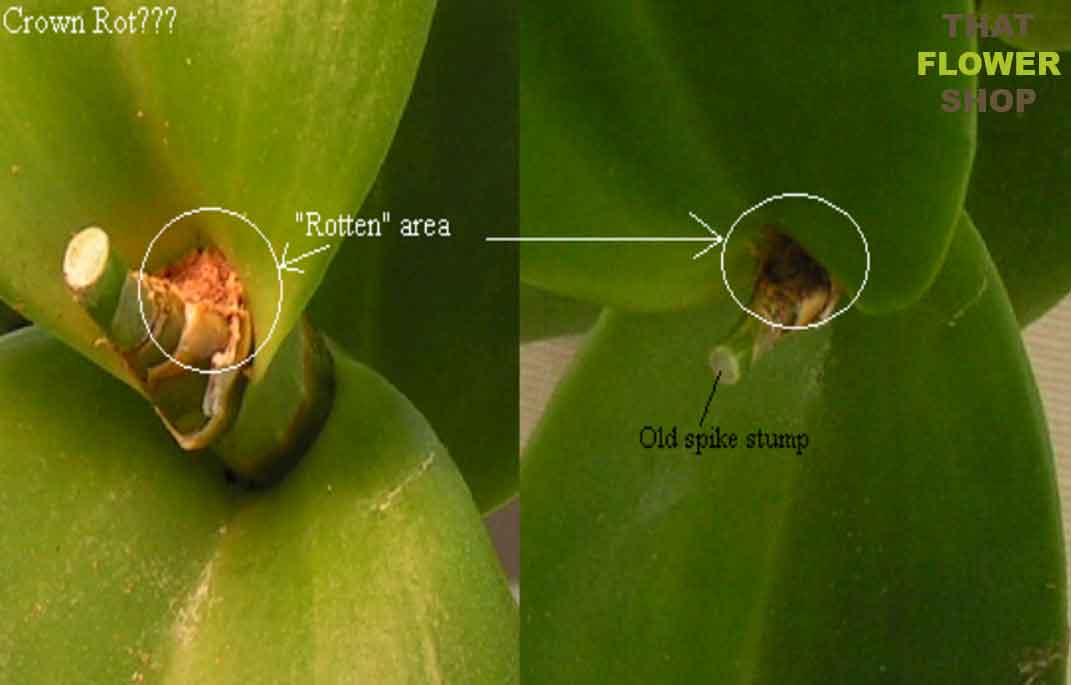
Cause 3: Crown rot (urgent)
Crown rot is one of the few orchid problems where I do not take a slow and gentle approach. Phalaenopsis grow from a single crown. If the crown stays wet and bacteria or fungus moves in, the plant can decline quickly.
Signs of crown rot
- Yellowing starts on the newer, central leaves
- Leaves may loosen or pull out with little resistance
- You see black, brown, or mushy tissue where leaves meet
- There may be a foul smell
What to do immediately
- Stop watering from above. No water in the leaf joints.
- Blot the crown dry with paper towel.
- If there is standing water, use a corner of paper towel to wick it out.
- Improve airflow and keep the plant warm, around 70 to 80°F if possible.
Is trimming appropriate?
Do not go digging into the crown. If a leaf is already rotted and falls away, remove it gently.
If tissue is actively mushy and spreading, many growers dab a small amount of 3% hydrogen peroxide into the affected area once to fizz out pathogens, then let it dry fully. Use this carefully and sparingly. Do not repeat daily. It can damage living tissue and does not provide lasting protection. Dryness and airflow are the real cure.
Prevention tip that saves orchids: Water in the morning and water the media, not the leaves. If you accidentally splash the crown, blot it dry. I keep a little folded tissue nearby like it is part of my orchid toolkit.
Cause 4: Fertilizer burn and salt buildup
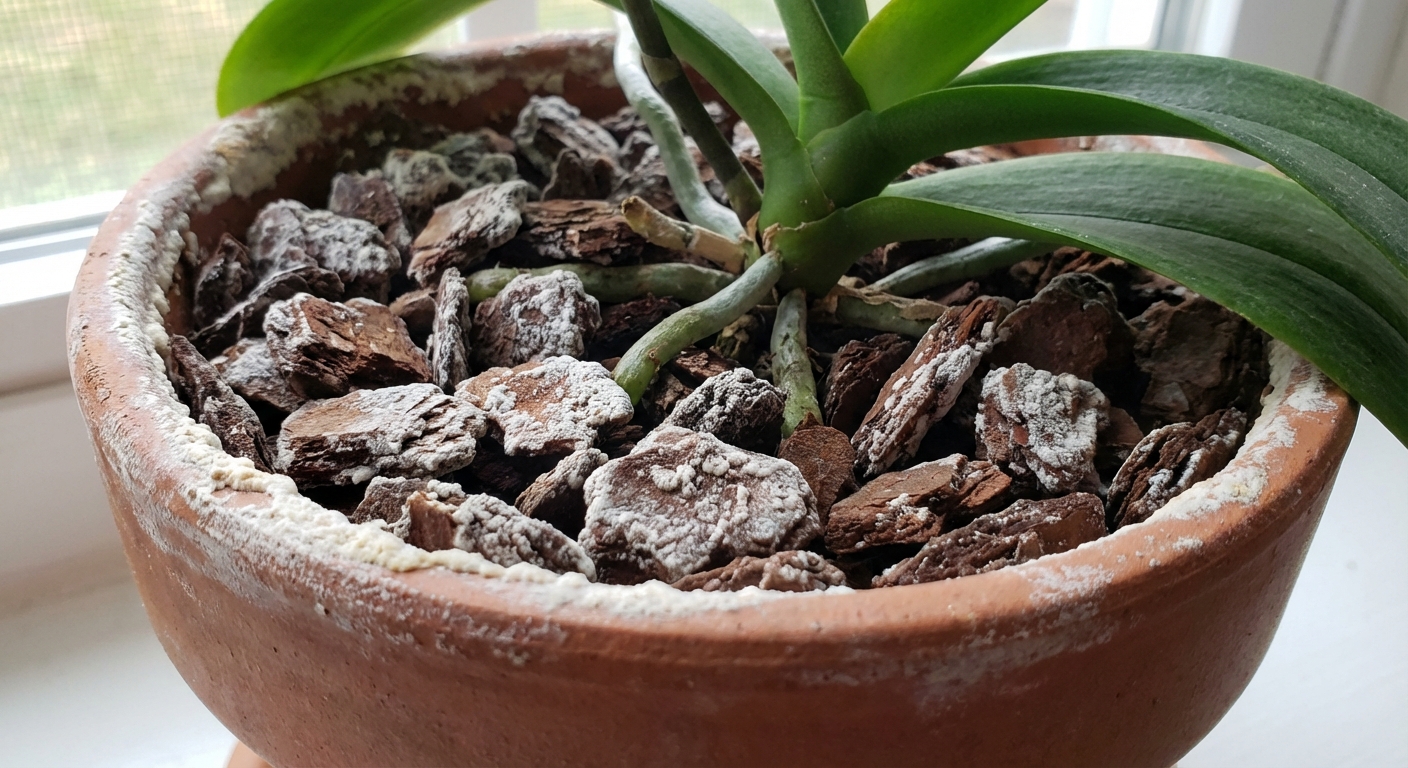
Orchids are light feeders. In a bark mix, fertilizer salts can build up and scorch roots, which can then lead to yellowing leaves. This is especially common when you fertilize often but rarely flush the pot with plain water. Hard water can also add minerals to the pile.
Signs it is fertilizer burn
- Leaf tips or edges turn yellow, then brown and crispy
- Roots near the pot edge look shriveling or brown
- There is a white crust on the media or pot
- Yellowing appears after a recent feeding or a stronger-than-usual mix
Safe fixes
- Flush the pot with room temperature water for 30 to 60 seconds, let it drain fully, then repeat once more.
- Pause fertilizer for 3 to 4 weeks.
- When you restart, use the classic orchid approach: weakly, weekly. That means 1/4 strength (or less) more often, not full strength occasionally.
- Flush with plain water at least once a month to prevent salt buildup.
If the bark is old and holding salts, repotting into fresh mix is often the cleanest reset.
Other common reasons orchid leaves yellow
Underwatering and low humidity
True underwatering causes wrinkled, limp leaves and dry, papery roots. The pot feels feather-light and the bark looks dry throughout.
- Soak the pot for 10 to 15 minutes, then drain completely.
- Water again only when roots return to silvery and the pot is light.
- Boost humidity gently with grouping plants together and steady airflow. Pebble trays can help a little right around the plant, but the effect is often modest. A small room humidifier is usually more effective.
Cold stress
Chilly windowsills in winter can cause yellowing or patchy discoloration.
- Keep Phalaenopsis above 60°F, ideally 65 to 80°F.
- Move plants away from cold glass at night.
Sudden change and mild shock
A move to a new window, a new watering rhythm, or a recent repot can trigger temporary yellowing, especially in an older leaf. If roots look good and the crown is firm, the best fix is often boring: steady care and time.
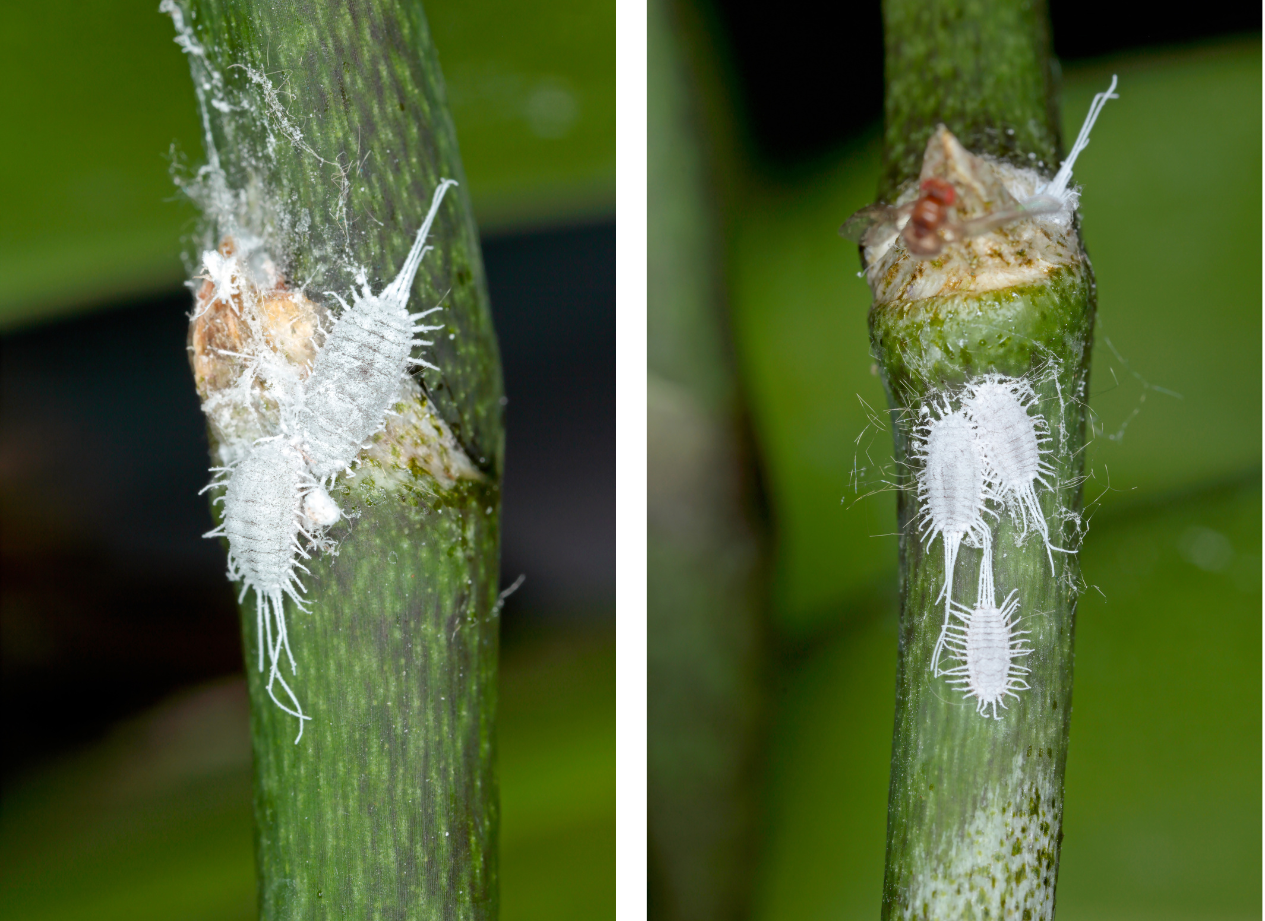
Pests (less common, but worth checking)
Spider mites, scale, and mealybugs can drain a plant and cause dull, yellowing foliage.
- Check undersides of leaves and along the crown.
- If you use soap or insecticidal soap, use it per label, test a small area first, keep the plant out of hot sun during treatment, and rinse or wipe residue if the product directions call for it. Repeat weekly for a few rounds as needed.
If your orchid is not a Phalaenopsis
Leaf yellowing rules change by type. Some Dendrobiums are seasonally deciduous and drop leaves as part of their normal cycle. Many Cattleyas shed older back bulbs and leaves over time. Oncidium types can yellow from root issues fast because their finer roots dry out quickly. If you are not sure what you have, use the root and crown checks first. They are the most honest clues across orchids.
Should you cut off yellow orchid leaves?
Most of the time, no. A yellowing leaf is still moving nutrients back into the plant. Removing it early can slow recovery.
Remove a leaf only when
- It is fully yellow and detaches easily
- It is mushy from rot and is clearly spreading
- It is heavily damaged and attracting mold
How to remove safely
- Use clean hands and sterilized snips.
- If the leaf does not pull away cleanly, stop and leave it.
- Do not leave a jagged tear at the crown. Clean cuts reduce infection risk.
Fast checklist: What to do this week
- Look at the roots. Healthy roots are firm. Rotten roots are mushy and brown.
- Check the crown. If it is wet or dark, dry it immediately and improve airflow.
- Adjust light. Bright and indirect for Phalaenopsis. Avoid hot direct sun.
- Flush if you fertilized recently. Salt buildup is sneaky.
- Assess the mix and pot. Old, broken-down media or a pot with poor ventilation can keep roots wet too long.
If you tell me which leaves are yellowing (bottom or center), what the leaf feels like, and what the roots look like through the pot, I can usually narrow it down in a minute. Orchids are not mysterious. They are just very honest houseguests.
When to worry and when to wait
Wait and watch if one bottom leaf is slowly yellowing and everything else looks firm and green.
Act now if yellowing is rapid, multiple leaves are involved, the crown looks dark or wet, the base is mushy near the media line, or roots are failing. In orchid time, root problems show up in leaves late. By the time leaves yellow, it is worth checking below the surface.
With a few small corrections, most Phalaenopsis bounce back beautifully. I have seen some come back from a single good root and sheer stubbornness. Stay steady, keep the crown dry, and let the plant do what it does best: grow.