
Why Is My Pothos Turning Yellow?

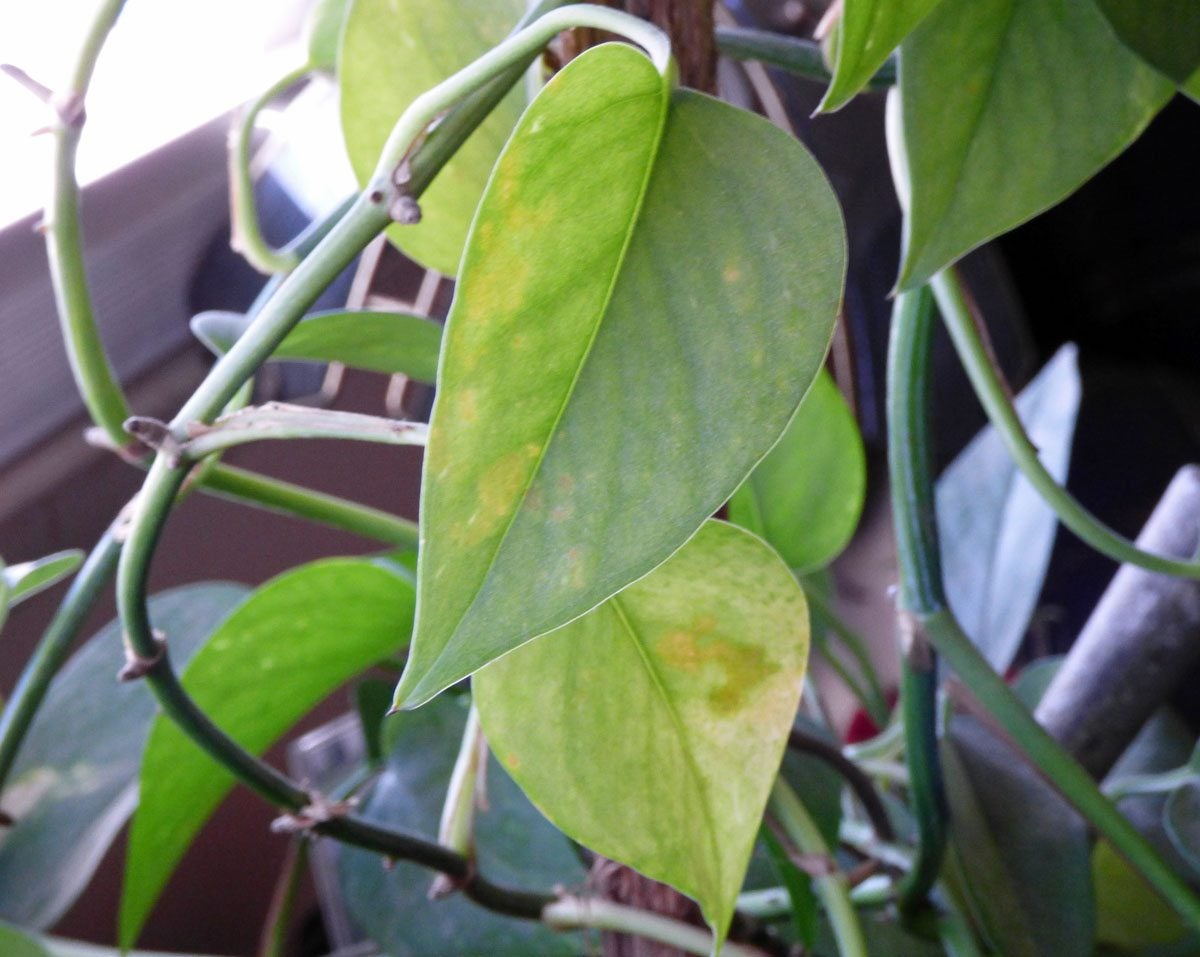
Yellow leaves on a pothos can feel like betrayal because this plant has a reputation for being unkillable. I promise, it is not a moral failing. A pothos turns yellow for a handful of very fixable reasons, and the leaf color is basically your plant texting you in all caps.
In this guide we will diagnose your exact cause using visual clues you can check in two minutes, then I will walk you through a clear recovery plan for each scenario.
Quick photo diagnosis: what the yellowing is telling you
Before you change anything, take 3 quick photos in good natural light: (1) the whole plant, (2) a close-up of a yellow leaf front and back, and (3) the soil surface and pot (including drainage holes if you can).
Match your photos to these common patterns
- Many leaves turning pale yellow at once, soil looks dark or soggy: overwatering is most likely.
- Yellow leaves plus black or brown mushy spots, a funky smell, or limp vines: root rot is likely.
- Yellowing mostly on the window side, with tan crispy patches: too much direct sun or heat stress.
- Older leaves near the base turning yellow one at a time, newer growth looks fine: normal aging, especially in low light.
- Older leaves yellow and drop, soil is bone dry, leaves feel thin or slightly curled: underwatering is likely.
- Newer leaves coming in smaller or paler, overall color looks washed out, growth is slow: nutrient deficiency or depleted potting mix.
- Yellowing soon after a cold night, near an exterior door or AC vent: cold drafts or temperature swings.
If you are unsure, start by checking the soil moisture and roots. Most pothos yellowing traces back to water and drainage.
Cause 1: Overwatering (the most common culprit)
Pothos like a rhythm: water thoroughly, then let the mix dry partway before the next drink. When soil stays wet for too long, roots cannot breathe, and leaves often turn yellow as the plant tries to shed extra load.
Photo clues that point to overwatering
- Several leaves yellowing at the same time, often soft or limp instead of crispy
- Soil surface looks dark, algae-like, or stays wet for many days
- Pot feels heavy long after watering
- Fungus gnats hovering near the soil
Confirm it in 30 seconds
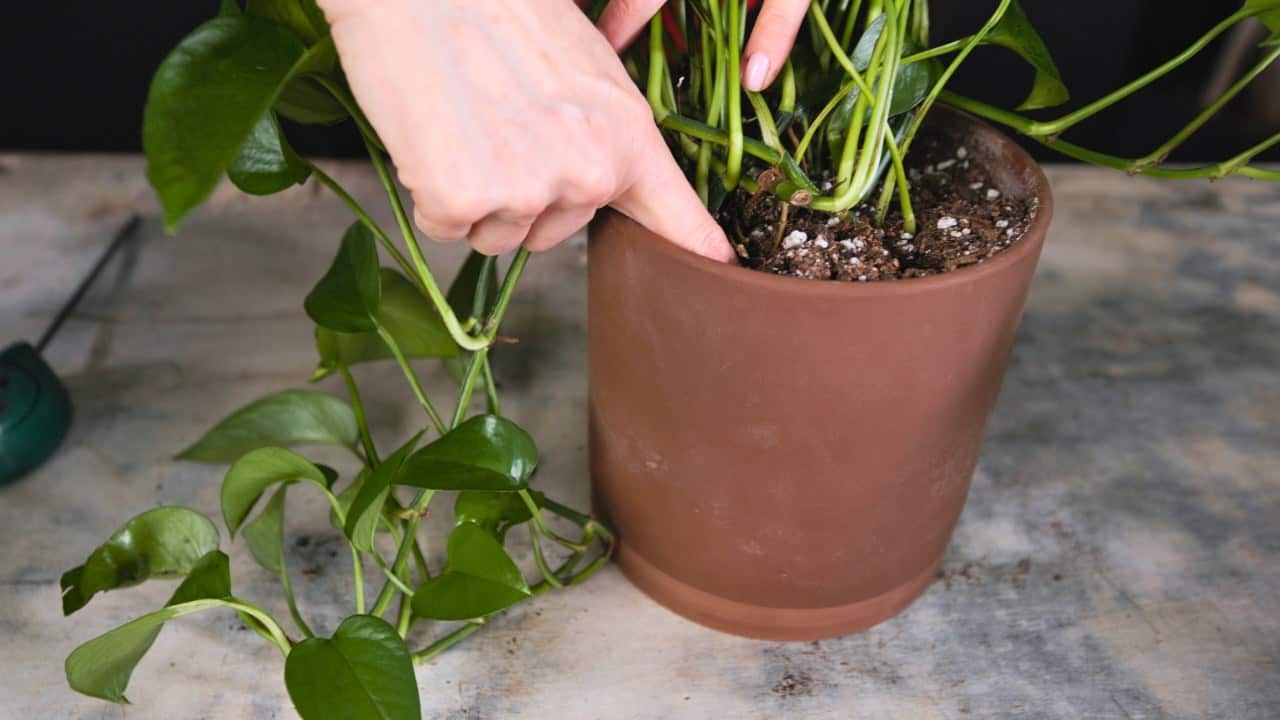
Stick your finger 2 inches into the soil (or use a chopstick). If it comes out damp or with soil clinging to it and you watered within the last week, your pothos is likely staying too wet.
Step-by-step recovery plan
- Pause watering. Do not “balance it out” with more water or fertilizer.
- Improve airflow and light. Move it to bright, indirect light to help the mix dry faster.
- Drain it fully. If the pot is sitting in a cachepot or saucer, empty any standing water.
- Let the top half dry. Wait until the top 2 to 3 inches are dry before watering again.
- Reset your routine. Water only when the pot feels noticeably lighter and the top inches are dry. For many homes that is every 7 to 14 days, but your light and pot size decide the schedule.
When to escalate: If you see mushy stems, a sour smell, or yellowing keeps spreading after a week of drying, treat it like root rot below.
Cause 2: Root rot (overwatering plus poor drainage)
Root rot happens when roots sit in oxygen-poor, constantly wet soil. The roots begin to die back, and the plant cannot pull up water or nutrients properly, so leaves yellow, droop, and sometimes collapse fast.
Photo clues that point to root rot
- Yellowing plus wilting that does not improve after the soil dries a little
- Blackened, mushy leaf stems near the soil line
- Soil smells sour, swampy, or like decay
- Leaves yellow and drop easily with a gentle tug
How to check the roots
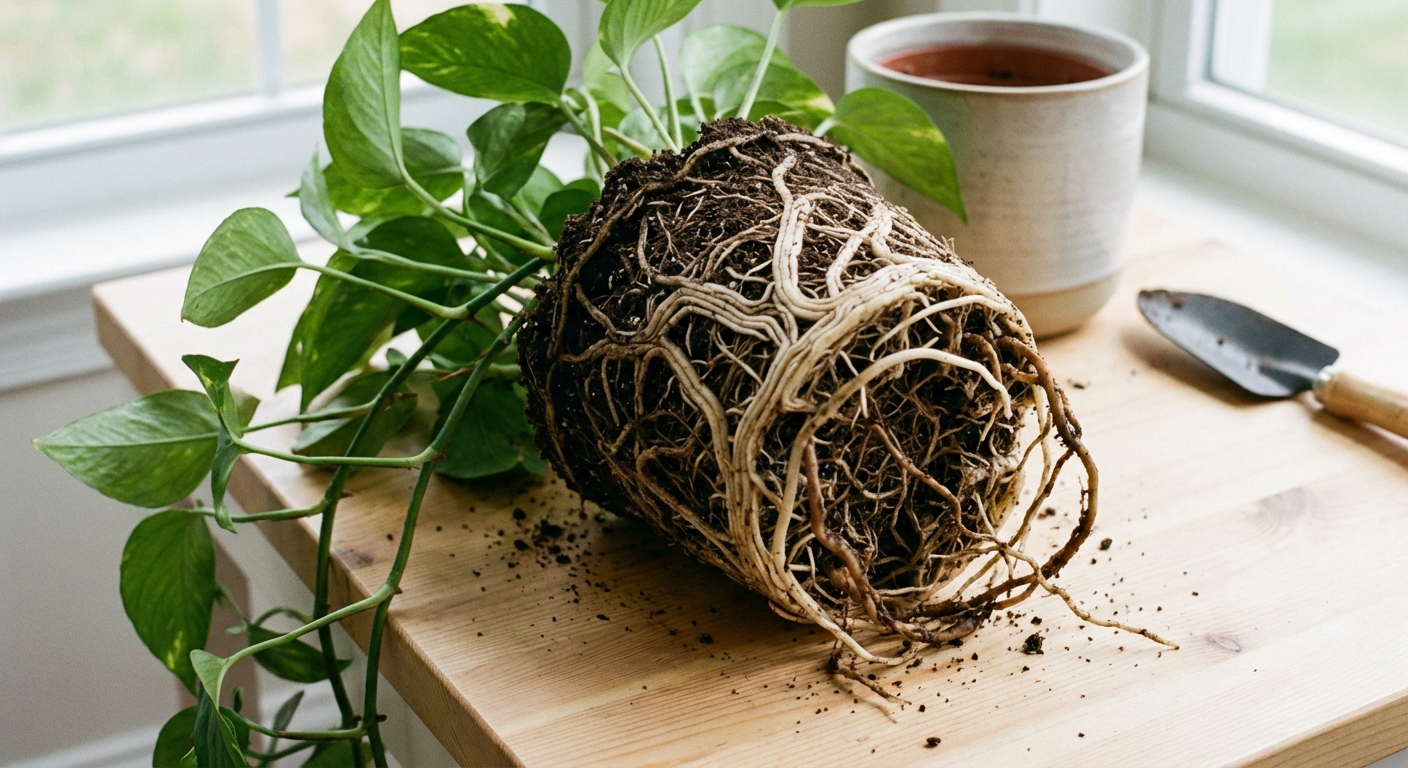
Slide the plant out of the pot. Healthy pothos roots are firm and pale cream to light tan. Rotting roots are brown or black, slimy, and may shed their outer layer when you pinch them.
Step-by-step recovery plan
- Remove the plant from the pot. Gently loosen and shake off wet soil.
- Rinse the roots. Use lukewarm water so you can clearly see what is healthy.
- Prune rot. With sterilized scissors, cut off all brown, mushy roots. Keep only firm roots.
- Trim weak vines if needed. If the root system is now small, shorten some vines so the plant has less leaf mass to support.
- Repot in fresh, airy mix. Choose a pot with drainage holes. Use a chunky houseplant mix and add perlite or orchid bark for extra air.
- Water once, then wait. After repotting, water lightly to settle the mix, then do not water again until the top 2 to 3 inches dry.
- Give bright, indirect light. Avoid harsh sun while it recovers.
Backup plan if roots are mostly gone: Take 4 to 6 inch cuttings from healthy vines and root them in water or damp sphagnum moss. Pothos reroots quickly, and you can rebuild a full plant.
Cause 3: Underwatering (the sneaky one)
Overwatering gets all the attention, but severe underwatering can also trigger yellow leaves. When a pothos stays dry too long, it often sacrifices older leaves first to conserve moisture for the growing tips. Those older leaves turn yellow and drop, and it can look like “random” leaf loss that keeps happening.
Photo clues that point to underwatering
- Soil is light colored, dusty, or pulling away from the pot edges
- Yellowing starts on older leaves near the base, then they drop
- Leaves feel thinner, slightly curled, or papery (not mushy)
- Water runs straight through the pot because the mix has gotten hydrophobic
Step-by-step recovery plan
- Confirm it with the finger test. If the top 2 to 3 inches are dry and it feels dry deeper down too, you are likely underwatering.
- Rehydrate thoroughly. Water until it runs out the drainage holes, then let it drain completely.
- If water is beading and racing through, soak instead. Set the pot in a bowl of water for 15 to 30 minutes, then let it drain. This re-wets a dried-out mix.
- Reset your cadence. Water when the top 2 inches are dry and the pot feels lighter. Do not wait until the plant is dramatically droopy.
- Snip truly yellow leaves. They will not turn green again, but new growth should look stronger once the routine stabilizes.
Cause 4: Too much direct sun (or hot window glass)
Pothos tolerate low light, and they love bright indirect light, but hot direct sun can bleach leaves yellow and then burn them. South or west windows are the usual trouble spots, especially in summer when the sun angle is intense.
Photo clues that point to sun stress
- Yellowing concentrated on the side facing the window
- Tan, papery patches or crisp edges on yellow leaves
- Leaf feels thinner, like it has been “baked”
Step-by-step recovery plan
- Move it back from the glass. Start with 2 to 4 feet away from the window, or place behind a sheer curtain.
- Snip badly burned leaves. Crispy tan patches will not turn green again.
- Keep watering consistent. Sun-stressed plants can swing between too dry and too wet. Water when the top 2 inches are dry.
- Rotate weekly. A quarter turn helps even growth and prevents one-sided stress.
Cause 5: Nutrient deficiency or depleted soil
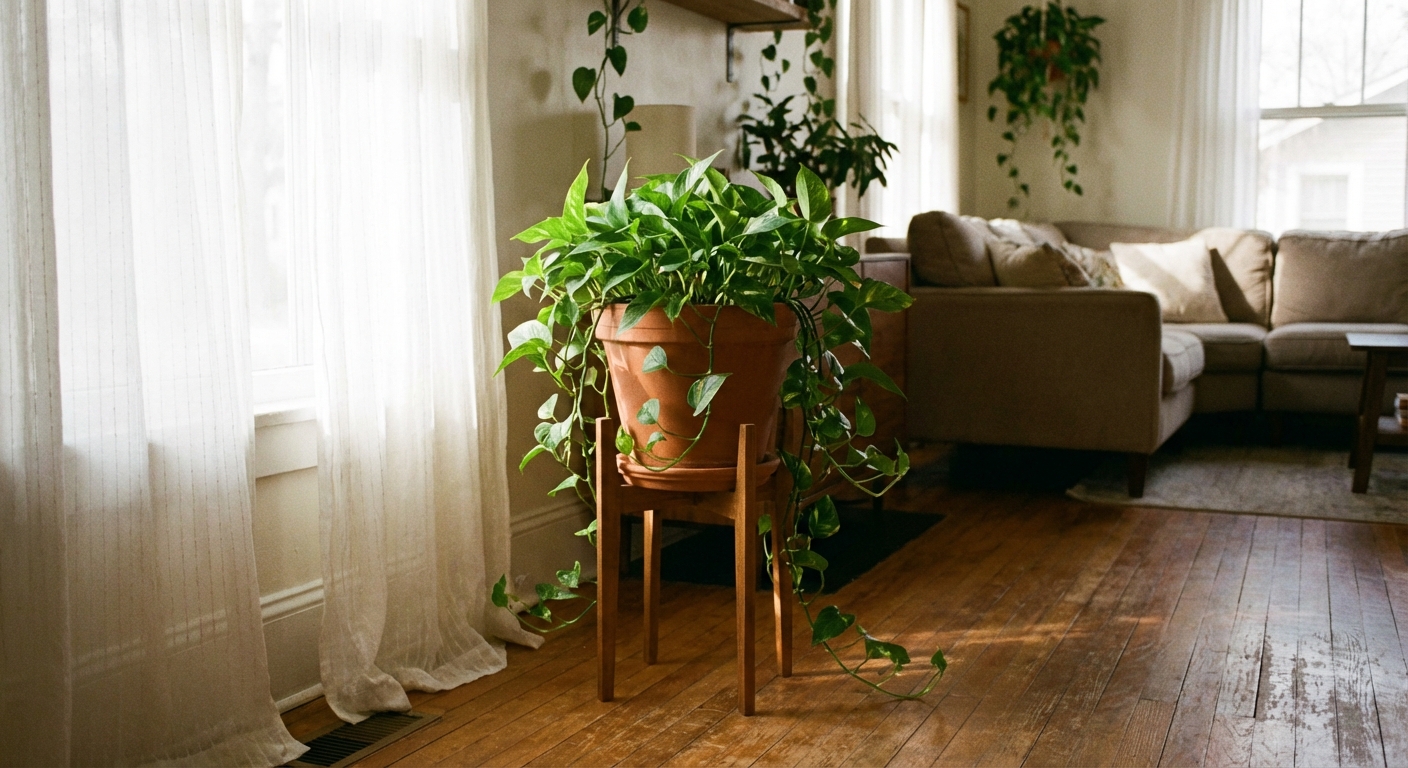
Pothos are not heavy feeders, but in the same pot for a long time they can slowly run out of available nutrients. Yellowing from deficiency is usually more gradual than overwatering. You will often notice slow growth and smaller new leaves.
Photo clues that point to nutrient issues
- Overall pale color rather than isolated yellow spots
- New leaves are smaller, lighter, or less marbled in variegated types
- Little to no new growth during spring and summer despite decent light
- White crust on the soil surface from mineral buildup (can interfere with uptake)
Step-by-step recovery plan
- Check the basics first. If the plant is in very low light, fix light before feeding. Fertilizer cannot replace sun.
- Flush the soil (optional but helpful). Run room-temperature water through the pot for 1 to 2 minutes to wash out excess salts, then let it drain completely.
- Feed lightly in the growing season. Use a balanced houseplant fertilizer at half strength every 4 to 6 weeks in spring and summer.
- Refresh the mix. If it has been 12 to 18 months, repot or top-dress with fresh potting mix and extra perlite.
- Pause feeding in winter. Low light plus fertilizer often leads to weak, leggy growth.
Note on variegated pothos: Golden pothos and marble queen already have lighter areas. Focus on whether healthy green sections are turning yellow, not the creamy variegation.
Cause 6: Cold drafts and temperature swings
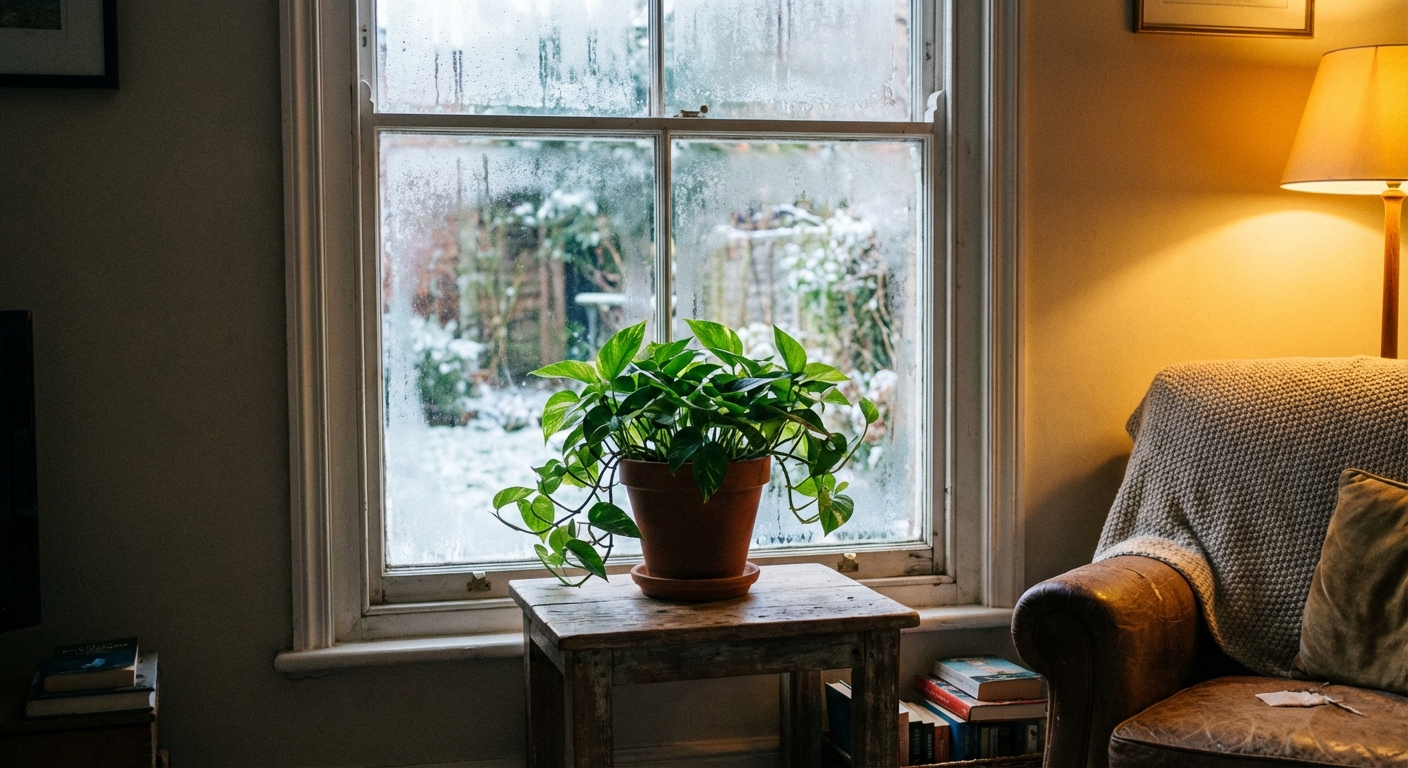
Pothos are tropical. A chilly draft from a door, a single cold night against window glass, or an AC vent can trigger yellowing, especially on the most exposed leaves.
Photo clues that point to cold stress
- Yellowing appears suddenly after a temperature dip
- Leaves closest to windows, doors, or vents are most affected
- Some leaves may look slightly translucent or water-soaked before yellowing
Step-by-step recovery plan
- Move to a stable spot. Aim for 65 to 85°F (18 to 29°C) and avoid cold air blowing directly on leaves.
- Keep it off cold surfaces. Do not let the pot sit against icy glass or on an uninsulated floor.
- Water carefully. In cooler conditions, soil dries slower. Let the top 2 to 3 inches dry before watering.
- Remove damaged leaves. Cold-injured leaves rarely recover fully.
Cause 7: Natural aging (yes, sometimes it is normal)
Pothos vines constantly replace older leaves with new growth. It is normal for the oldest leaves near the soil line to yellow and drop occasionally, especially if the plant is focusing growth at the tips.
How to tell it is aging and not a problem
- Only one or two older leaves yellow at a time
- New growth looks healthy and green
- No mushy stems, no widespread yellowing
- Soil moisture is appropriate
What to do
- Pinch or snip the yellow leaf once it pulls away easily.
- Consider pruning leggy vines and rooting cuttings to make the pot fuller.
- Give brighter indirect light if the plant is sparse and dropping older leaves often.
Yellow leaf triage: what to do today
If you want the quickest path to “okay, we have a plan,” do this in order:
- Check moisture at 2 inches deep. Damp? Stop watering. Bone dry? Water thoroughly and let it drain.
- Look for drainage holes. No holes is a yellow-leaf trap. Consider repotting.
- Scan for sun scorch. Crispy tan patches near a hot window mean move it back.
- Feel the room. If you can feel a draft, your pothos can too.
- Inspect the roots if yellowing is rapid. Root rot is time-sensitive.
Should I cut off yellow pothos leaves?
Yes, with a small caveat. A fully yellow leaf will not turn green again, so removing it helps the plant focus on healthy growth and keeps things tidy.
- If the leaf is mostly yellow: snip it at the base of the leaf stem with clean scissors.
- If the leaf is lightly yellowing: leave it for a few days while you correct the cause. It may stabilize if the issue was minor (like a one-time dry spell).
- If there is rot at the stem: remove the leaf and inspect the node and soil line right away.
When yellow leaves mean pests (rare, but worth checking)
Most pothos yellowing is not pests, but stress can invite them. If your photos show speckling, sticky residue, or webbing, do a close inspection.
Quick pest check
- Spider mites: fine webbing, tiny pale speckles, especially on leaf undersides.
- Mealybugs: white cottony clusters in leaf joints.
- Scale: small brown bumps along stems and leaf veins.
If you spot pests, isolate the plant, rinse leaves, then treat with insecticidal soap or horticultural oil, repeating weekly for a few rounds. Meanwhile, fix the underlying stressor like low light or inconsistent watering.
FAQ
Why are my pothos leaves turning yellow and falling off?
Most often: overwatering or root rot. Check soil moisture and smell the soil. If it is staying wet for many days, dry it out and consider repotting into a chunkier mix with a pot that has drainage holes.
Can a pothos recover from yellow leaves?
Yellow leaves themselves do not revert, but the plant can absolutely recover and grow healthy new foliage once the cause is corrected.
Why is only one vine turning yellow?
That vine may be shaded, damaged, or starting to rot at the node near the soil. Check that section closely. If it is mushy, take healthy cuttings above the damaged area and reroot them.
How long until I see improvement?
If the issue was watering or light, you often see stabilization within 1 to 2 weeks. New healthy growth usually shows up within 3 to 6 weeks during the growing season.
A gentle pep talk from your pothos
Pothos are forgiving plants. They are basically the golden retrievers of houseplants: enthusiastic, resilient, and willing to try again. If you take one thing from this page, let it be this: check moisture first, give bright indirect light, and do not be afraid to look at the roots. That is where the real story lives.
If you want, take those three photos I mentioned and compare them to the patterns above. Your plant is already telling you what it needs. We just have to listen.