
Why Is My Kalanchoe Wrinkled, Soft, or Mushy?

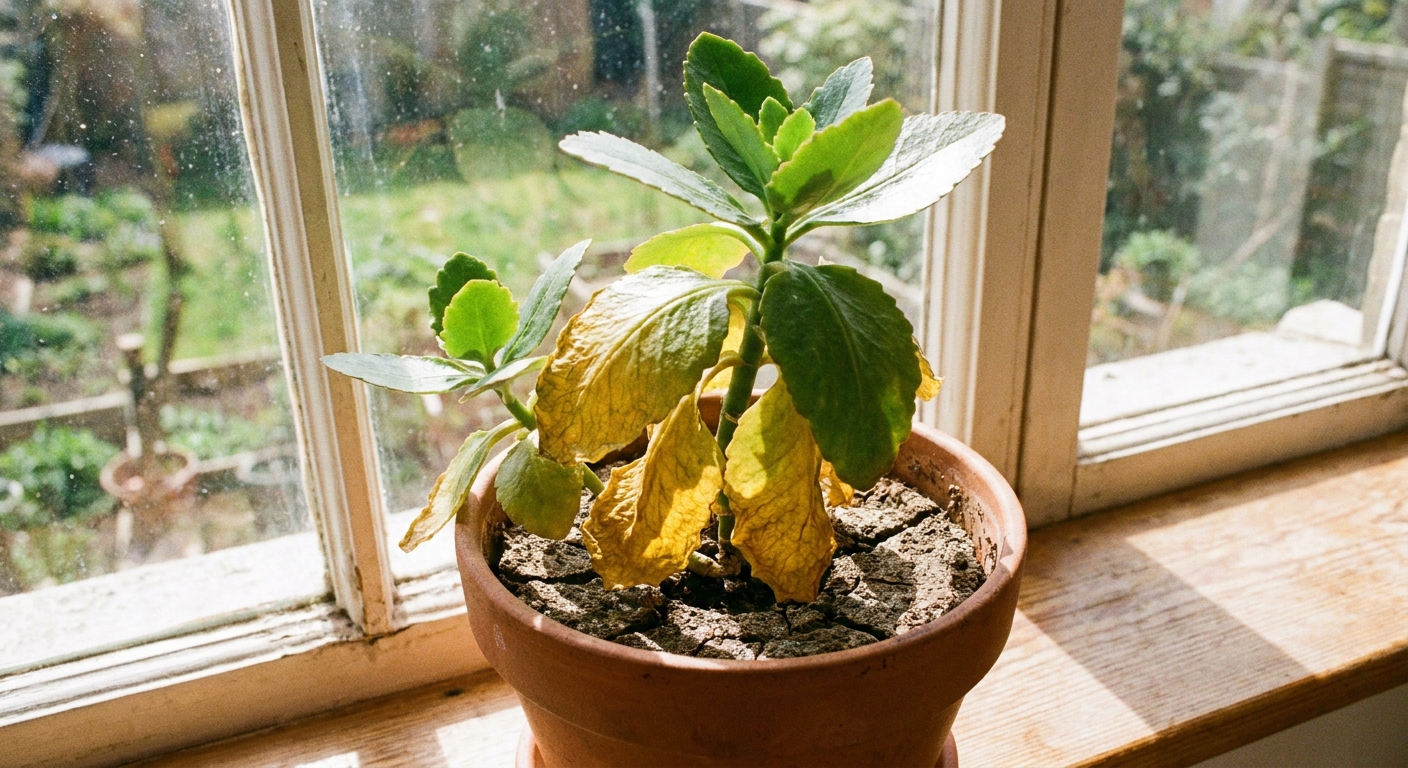
Kalanchoes are tough little succulents, but when the leaves turn wrinkled, soft, or downright mushy, they are waving a big leafy flag that something is off. The good news is that the symptoms usually boil down to a short list: too much water (rot) , too little water (dehydration), or normal leaf turnover.
This page will help you map what you see and feel to the most likely cause, using a few quick “home detective” tests. No fancy tools required, just your eyes, your fingers, and yes, your nose.

Quick symptom map
If you only read one section, make it this one. Use it like a cheat sheet, then jump to the matching fix below.
- Wrinkled leaves that feel firm-ish and thin: usually underwatering or roots too dry to drink.
- Soft leaves that feel puffy or translucent: often overwatering starting in the roots.
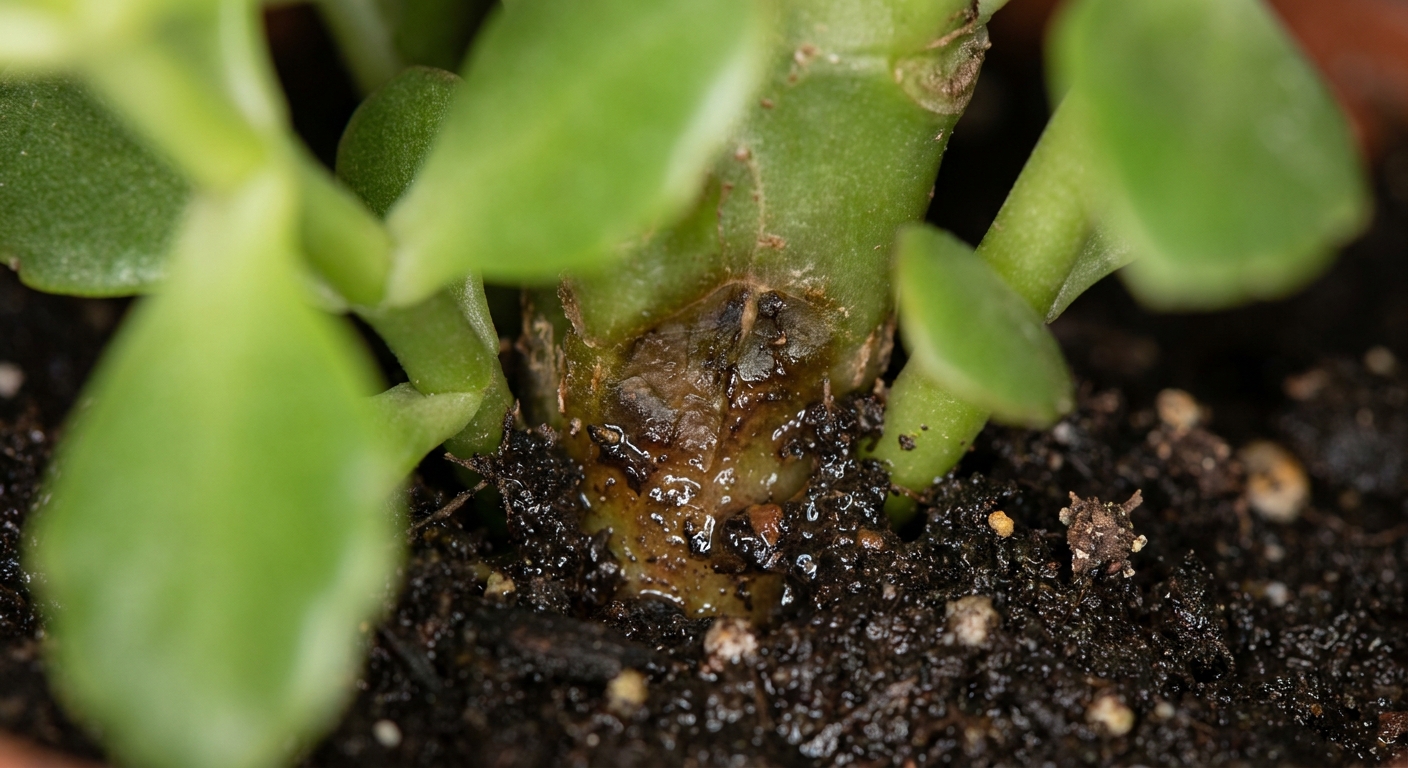
- Mushy stem at the soil line or leaves that pop off easily: strong sign of rot.
- Only one or two bottom leaves shriveling while the top looks fine: often normal aging.
- Wrinkled plus crispy brown edges: dehydration, hot sun, or skipped waterings.
- Soft plus yellowing: commonly overwatering, low light, or cold, wet soil.
Now let’s confirm the culprit with a few fast checks.
Do these 5 fast checks before you change anything
1) The soil feel test
Stick a finger down 2 inches (or as deep as the pot allows). For kalanchoe, the mix should dry significantly between waterings.
- Bone dry all the way down: dehydration is likely.
- Cool and damp days after watering: overwatering or poor drainage is likely.
- Wet and heavy with a musty smell: treat as rot until proven otherwise.
2) The pot weight test
Lift the pot. A dry kalanchoe pot feels surprisingly light. A waterlogged pot feels heavy for its size. This is one of my favorite “quiet confidence” checks because it gets accurate fast.
3) The leaf pinch test
Gently pinch a wrinkled leaf.
- Wrinkled but still fairly firm: the plant is thirsty and pulling moisture from older leaves.
- Soft, jelly-like, or translucent: cells are bursting from excess water, or the roots are failing and tissue is breaking down.
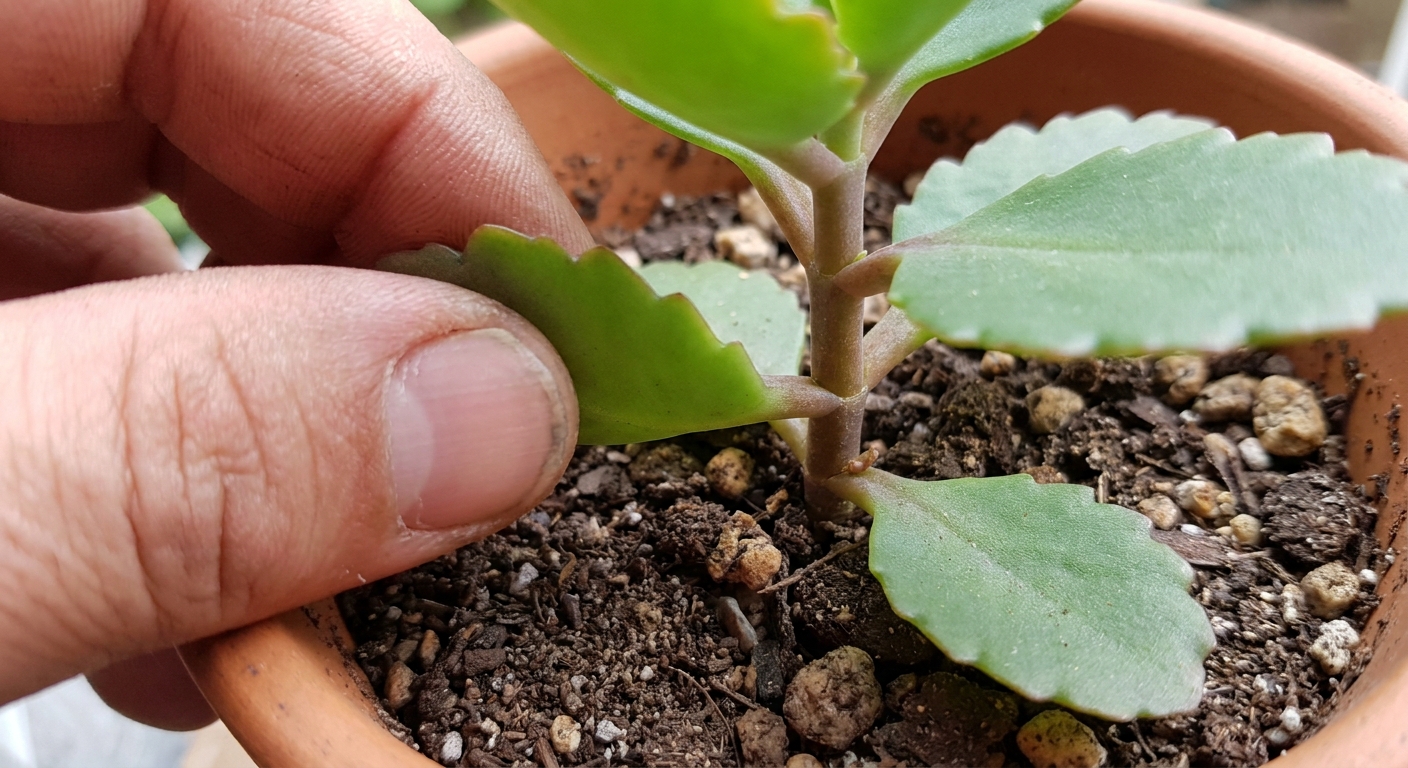
4) The leaf tug check
Pick the lowest ugly leaf and give a gentle tug.
- It resists and stays attached: more consistent with underwatering or normal leaf drop later.
- It slides off with almost no effort: suspect rot, especially if the base of the leaf looks wet or brown.
5) The sniff test (seriously)
Healthy kalanchoe soil smells earthy and mild. Rotting roots often smell sour, stale, or like a damp basement. If you smell funk, do not “wait and see.” Act.
Cause 1: Overwatering and rot (the mushy culprit)
Most mushy kalanchoes are not “too watered,” they are too wet for too long. Kalanchoe roots need oxygen. When soil stays saturated, roots suffocate and decay. Once roots fail, the plant cannot manage water properly, so leaves may be soft even though the pot is wet.
What it looks and feels like
- Leaves turning soft, translucent, or watery
- Yellowing that spreads, especially on lower leaves
- Leaves dropping with a gentle touch
- Stem near the soil line looks dark, collapsed, or mushy
- Soil smells musty or sour
Why it happens
- Watering on a schedule instead of when dry
- Pot has no drainage hole
- Soil is too moisture-retentive (peat-heavy, no grit)
- Low light slows water use
- Cold windowsills plus wet soil
- Plant sitting in a saucer of water
How to save an overwatered kalanchoe
Step 1: Pause watering immediately. Move the plant to bright light and warmth while you assess. Bright indirect light is ideal during recovery.
Step 2: Unpot and inspect the roots. Slide it out and look closely.
- Healthy roots: pale tan or white, firm, springy.
- Rotten roots: brown or black, mushy, hollow, or they slough off like wet thread.
Step 3: Trim back rot. Use clean scissors. Cut away all mushy roots and any blackened stem tissue. If the rot has climbed into the main stem, jump down to the propagation section.
Step 4: Let it dry. Set the plant out of direct sun for a few hours to overnight so cut surfaces can callus. This helps prevent fresh cuts from rotting again.
Step 5: Repot into a fast-draining mix.
- Choose a pot with a drainage hole.
- Use cactus and succulent mix, or amend regular potting soil with lots of perlite or pumice.
- Do not oversize the pot. A pot only slightly larger than the root ball dries more safely.
Step 6: Hold off watering. After repotting, wait about 5 to 10 days before watering. Then water deeply and let it dry again.
What if the stem is mushy at the base?
When the crown or lower stem is mushy, the safest move is to take cuttings immediately. Rot at the base usually keeps climbing.
Cause 2: Underwatering (wrinkled but not doomed)
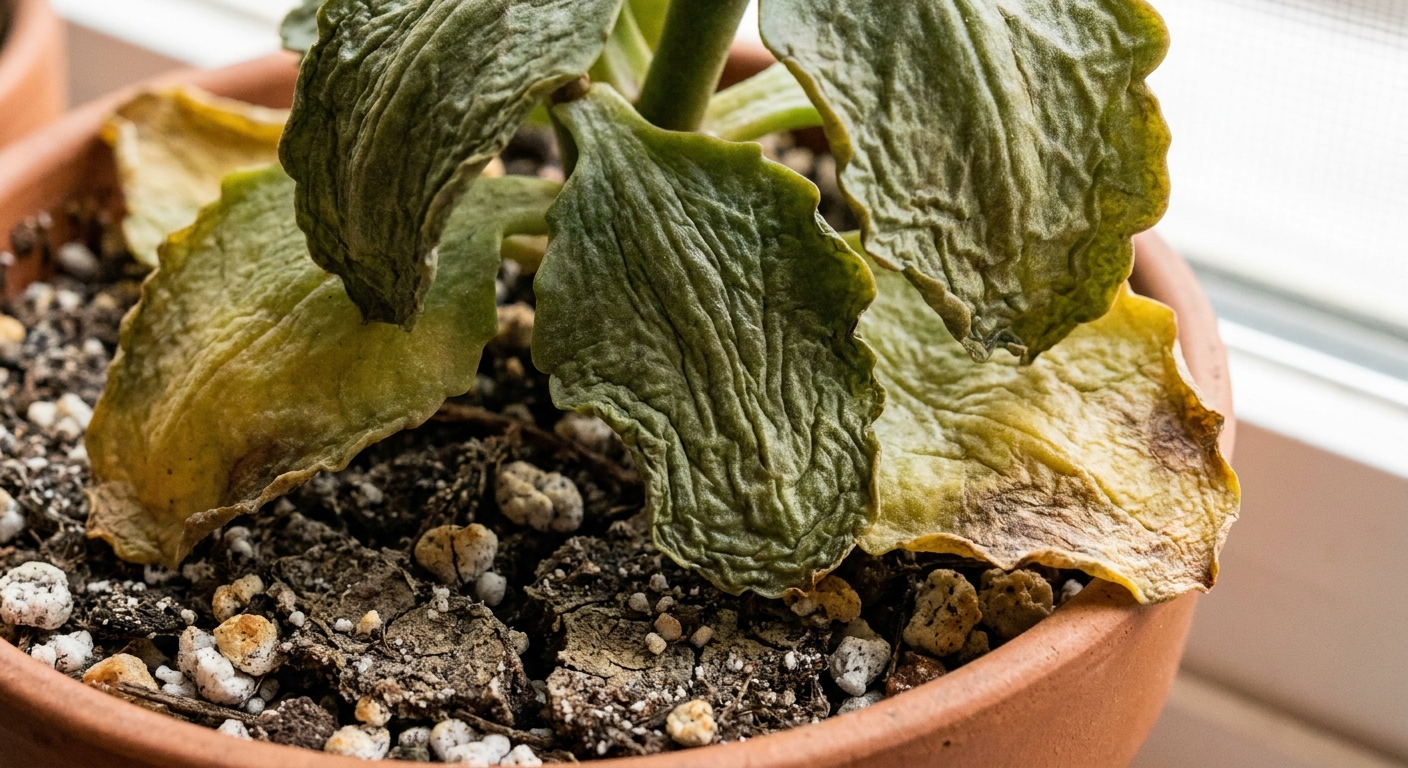
A wrinkled kalanchoe is often just thirsty. Succulents store water in their leaves, so they show dehydration as wrinkles, deflation, and a slightly papery feel, usually starting with the oldest leaves.
What it looks and feels like
- Leaves look pleated or shriveled
- Leaves feel thin and less plump
- Soil pulls away from the pot edge and is dry throughout
- Plant may lean or look a bit “tired,” but stems are not mushy
How to rehydrate safely
Step 1: Water deeply. Water until it runs out the drainage hole. Then empty the saucer.
Step 2: Check again in 24 to 48 hours. Leaves should start to look a bit fuller. Some older leaves may never fully plump back up, and that is okay.
Step 3: If water runs straight through, soak from below. Very dry soil can turn hydrophobic and refuse water.
- Set the pot in a bowl of water for 15 to 30 minutes.
- Lift it out and let it drain completely.
When wrinkles are not just underwatering
If the soil is damp but the plant still looks dehydrated, the roots may be damaged from past overwatering or compacted soil. In that case, treat it like a root health problem: unpot, inspect, trim, and repot into a gritty mix.
Cause 3: Normal leaf turnover (yes, sometimes it is just aging)
Kalanchoes naturally shed older leaves as they grow. If the plant looks strong overall and only a couple of bottom leaves are shriveling, it may simply be tidying up.
Signs it is normal
- Only the lowest leaves are affected
- New growth at the top looks firm and evenly colored
- No mushy stem and no sour smell
- Soil is drying normally between waterings
What to do
- Let the leaf fully dry, then gently remove it.
- Review light. Brighter light helps kalanchoe hold onto leaves and stay compact.
- Keep watering consistent: soak, then let dry.
Other common causes that mimic “mushy” or “soft”
Low light
In dim light, kalanchoe uses water slowly. Soil stays wet longer, and soft growth appears. Move it closer to a bright window or add a grow light.
Cold damage
Leaves that got chilled against a winter window can turn soft and water-soaked. The damaged tissue does not recover, but you can trim it away and adjust placement.
Heat and sun scorch
Wrinkles plus crispy patches can happen after a sudden jump into hot direct sun. Acclimate gradually over a week or two.
Pests (less common, but worth checking)
Mealybugs and scale can stress plants and cause limp growth. Look for white cottony clusters or sticky residue. Treat with a cotton swab dipped in isopropyl alcohol and improve airflow.
Emergency plan: Propagate if the base is failing
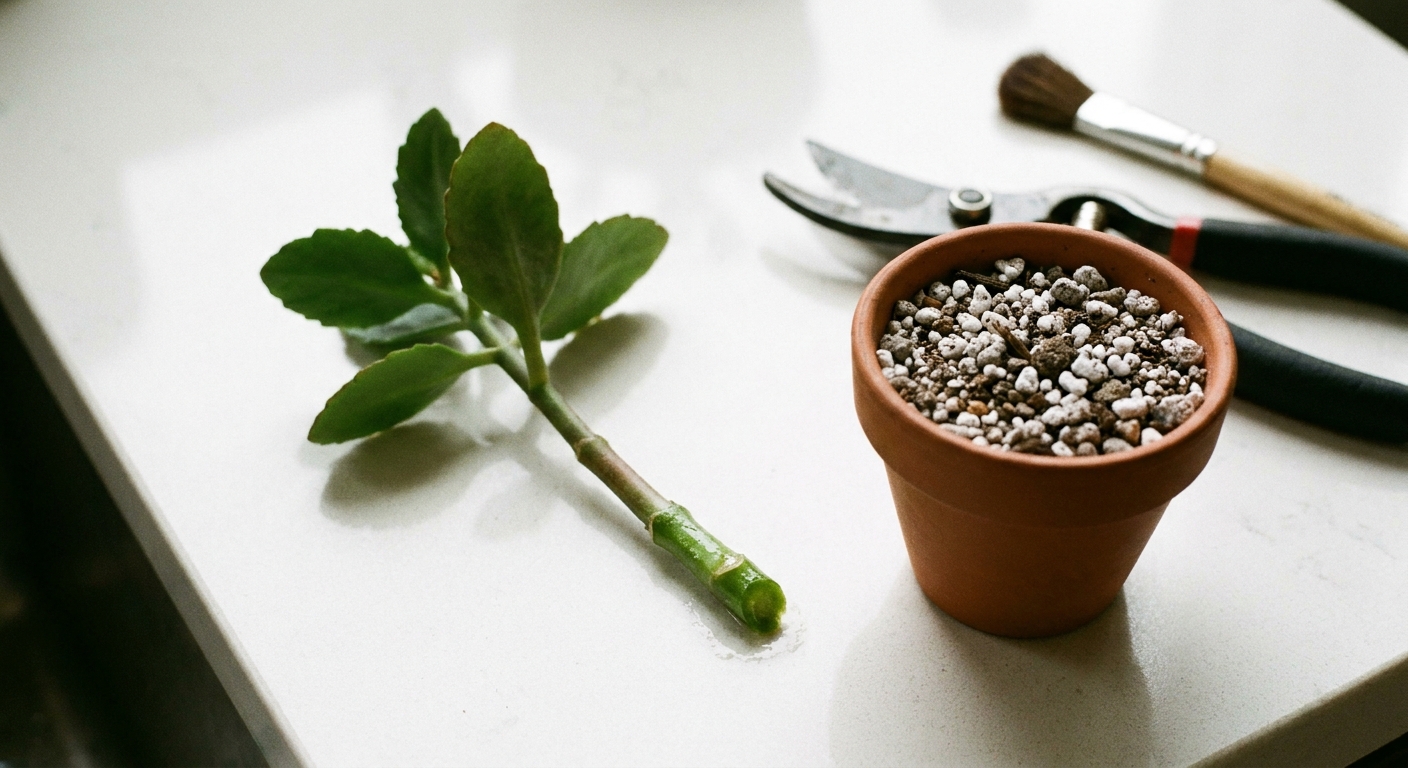
If your kalanchoe is mushy at the crown or the roots are mostly gone, propagation is your reset button. Kalanchoe is wonderfully cooperative about rooting.
Stem cutting method
- Choose a healthy stem with firm leaves. Avoid any section that feels translucent or soft.
- Cut above the rot using clean scissors.
- Remove lower leaves to expose 1 to 2 inches of stem.
- Let it callus for 1 to 3 days in a dry spot out of harsh sun.
- Plant in dry succulent mix. Do not water immediately.
- Water lightly after about a week, then only when mostly dry.
Leaf propagation (if you have firm leaves)
Some kalanchoe types can root from leaves, but stem cuttings are faster and more reliable. If you try leaves, pick firm, healthy ones, let the end dry, then set them on top of barely moist mix.
How to prevent wrinkles, softness, and mush long-term
- Light: Bright light keeps growth sturdy and helps soil dry on time. A sunny window is ideal, with a little protection from intense midday scorch if needed.
- Soil: Use a fast-draining succulent mix. If it stays wet for many days, add more pumice or perlite.
- Pots: Drainage holes are non-negotiable for most homes. Terracotta helps if you tend to overlove with the watering can.
- Watering rhythm: Water thoroughly, then let the mix dry significantly before watering again. The calendar is not the boss here.
- Temperature: Keep away from cold drafts and do not press leaves against icy glass.
When to give up on the mother plant
If the main stem is mushy well above the soil line and you cannot find any firm, healthy tissue to cut, the safest path is to compost the plant and sanitize the pot. But if you can salvage even one healthy cutting, you can often start fresh and be back to a happy, plump kalanchoe surprisingly quickly.
If you want, share what you are seeing: are the leaves wrinkled and thin, or soft and watery, and what does the soil feel like right now? I can help you pick the fastest fix.