Why Is My Hoya Not Blooming?

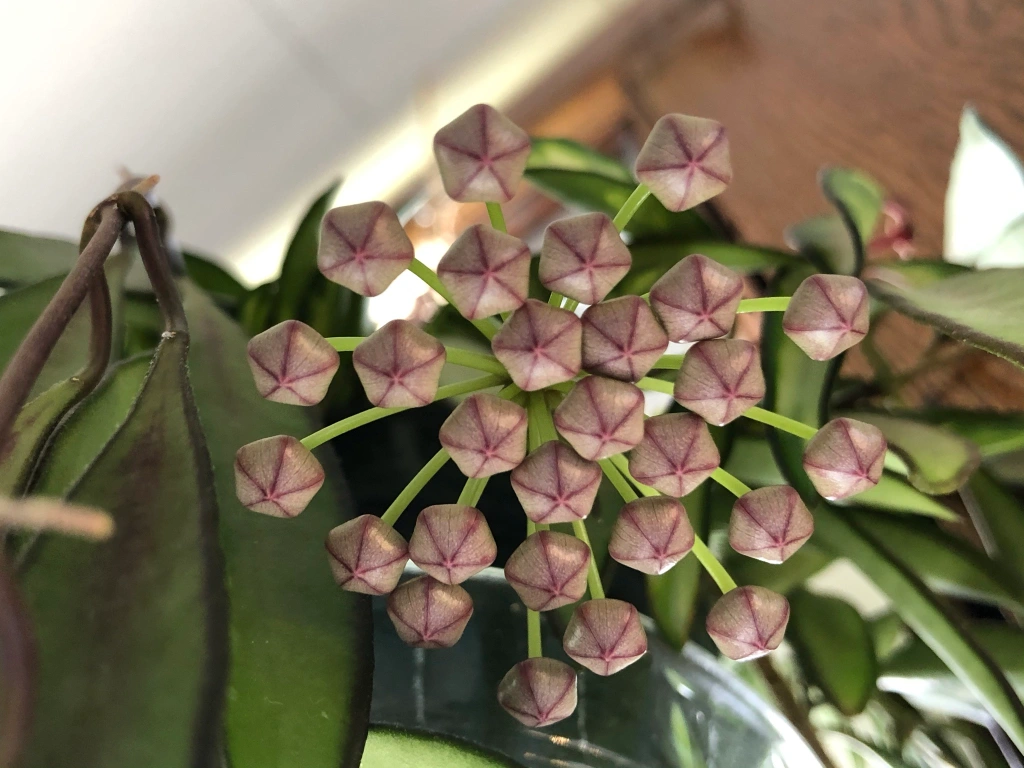
Hoyas have a way of making us fall in love with the leaves first and then pine for the flowers like they are some kind of mythical reward. If your hoya looks healthy but refuses to bloom, you are not alone. The good news is that flowering is usually a simple puzzle: light, time, feeding, pot size, seasonal cues, and how we prune.
Let’s walk through the most common reasons hoyas do not flower and what to do next. I will keep it practical, no scolding, and yes, you can absolutely talk to your plant while you do this.
Quick check: can your hoya bloom yet?
Before changing anything, do two quick observations:
- Look for a peduncle: a little spur that sticks out from the vine at a node. A node is the spot where leaves (and aerial roots) emerge from the stem. Peduncles can look like tiny, knobby stems.
- Confirm active growth: new leaves and longer vines mean the plant is building energy. A stalled plant often will not flower.
If you see peduncles, protect them like gold. Also, a note for your sanity: peduncles can sit there for weeks or months before they decide to do anything. That does not mean they failed.
1) Not enough light
This is the number one reason. Hoyas can survive in medium light and still look fine, but flowering usually needs bright, consistent light.
Signs light is the issue
- Long gaps between leaves (leggy vines)
- Leaves stay small or thin compared to typical for the variety
- No new growth for months, especially in spring and summer
- Plant lives several feet back from a window
Actionable fixes
- Move it closer to a bright window: an east window is gentle, a south or west window can work with a sheer curtain if sun is intense.
- Aim for a few hours of gentle sun: many hoyas bloom best with morning sun or filtered afternoon sun.
- Use a grow light: start with the light roughly 8 to 16 inches above the foliage for 10 to 12 hours daily, then adjust based on the plant. If leaves pale, bleach, or feel stressed, raise the light or shorten the time. If growth is still slow and stretchy, lower it a bit or increase duration.
- Rotate weekly: a quarter turn keeps growth even and prevents one-sided stretching toward the window.
Also worth saying out loud: some cultivars bloom like it is their job, and others make you earn it. If your variety is known to be a slow bloomer, high light is even more important.

2) Not mature enough yet
It is wildly unfair, but true: many hoyas need time. A small cutting often takes 1 to 3+ years to bloom, and some can take longer depending on variety, light, and how fast it grows. Others bloom young and casually, like they have somewhere to be.
Signs maturity is the issue
- Plant is recently propagated or still a small starter
- No peduncles anywhere on the vine
- Growth is steady, but it is mostly leaf-building
Actionable fixes
- Prioritize steady growth: bright light, correct watering, and a breathable mix help it size up faster.
- Give it something to climb: a trellis or hoop encourages longer, sturdier vines, which can help the plant feel “grown up.”
- Be patient with consistency: frequent drastic changes reset the plant’s rhythm.
3) Fertilizer issues
If your hoya is pushing lush green leaves but never flowers, fertilizer can be the culprit. Heavy nitrogen encourages leafy growth at the expense of blooms. Salts can also build up in the pot over time, stressing roots and quietly reducing flowering potential.
Signs fertilizer is the issue
- Fast vine and leaf growth with zero buds
- White crust on soil surface or pot rim (salt buildup)
- Leaf tip burn or crispy edges
Actionable fixes
- Pause feeding for 4 to 6 weeks during spring and summer if you suspect overdoing it.
- Flush the pot: run room-temperature water through the pot for a minute or two, then let it drain completely. Repeat once more if there is visible crust.
- Switch to a gentler schedule: feed at 1/4 to 1/2 strength every 4 to 6 weeks in spring and summer.
- Choose a balanced or bloom-leaning fertilizer: avoid consistently high-nitrogen formulas. If you use a bloom formula, use it lightly.
My personal sweet spot is “less often, more consistent.” Hoyas do not need to be power-fed to bloom.
4) Pot size problems
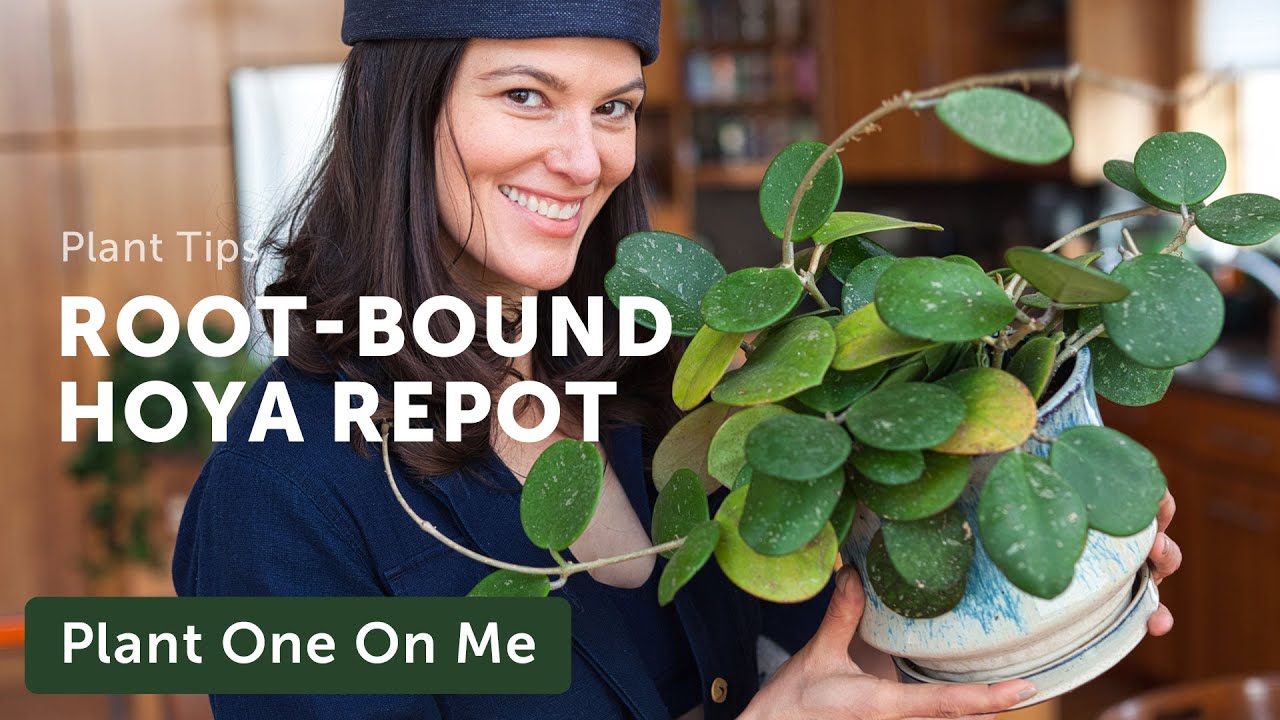
Hoyas often bloom best when slightly snug in their pot, but there is a line between “cozy” and “I cannot drink water fast enough.” Pot size affects root oxygen, moisture balance, and the plant’s energy priorities.
If the pot is too big
In a large pot, soil stays wet longer, roots grow slowly, and the plant may focus on root expansion instead of flowering.
- Fix: downsize to a pot just 1 to 2 inches wider than the root ball, especially if your mix stays wet for a long time.
If the pot is too small
Severely rootbound plants can stall, especially if they dry out too fast or the potting mix has broken down.
- Fix: repot one size up, refresh the mix, and gently loosen circling roots. Keep it modest. Hoyas do not want a mansion.
Quick pot reality check: make sure it has drainage holes. Without them, everything else becomes harder.
5) No seasonal cue
Many common house hoyas bloom more reliably when they experience a subtle seasonal change, especially slightly cooler nights and less frequent watering in fall and winter. This is not universal for every species, but it is a very common indoor unlock. Indoors, our steady temperatures and routine watering can make every month feel like the same season.
Signs cues are missing
- Plant is kept warm year-round near a heater vent
- Watering schedule stays identical through winter
- It grows a little but never sets buds
Actionable fixes
- Cooler nights: if your variety tolerates it and your home setup allows, aim for nights around 55 to 65°F (13 to 18°C) for several weeks.
- Reduce watering slightly: let the mix dry a bit more between waterings in winter, but do not let it shrivel for weeks.
- Hold fertilizer in winter: if growth slows, feeding can do more harm than good.
- Avoid extremes: cool is good, cold drafts and heater blasts are not. Most hoyas also prefer warm days during the growing season, so avoid sustained chill.
6) Pruning mistakes
This one breaks hearts. Hoyas bloom from peduncles, and most varieties rebloom from the same peduncle many times. If those spurs get trimmed off, you are basically removing the flower factory.
Signs pruning is the issue
- You trimmed “dead-looking nubs” after blooms faded
- You cut vines back hard to shape the plant
- There are few nodes left where peduncles could form
Actionable fixes
- Avoid removing peduncles whenever possible: after flowers drop, leave the little spur intact. Only remove one if it is clearly dead, rotting, or damaged beyond saving.
- Prune lightly and strategically: if you must shape, cut above a node and keep plenty of mature vine.
- Trellis instead of trimming: guiding vines onto a hoop or trellis can control size while preserving bloom sites.

Other bloom blockers
Watering that stays too wet
Hoyas like to dry slightly between waterings. Constantly wet roots reduce oxygen and can stall growth, which stalls blooms.
- Fix: use a chunky, airy mix (orchid bark, perlite, and quality potting soil is a solid starting point) and only water when the top portion has dried.
Low humidity during bud development
Many hoyas bloom in average home humidity, but bud formation can be more reliable with moderate humidity.
- Fix: aim for 40 to 60% if you can. A small humidifier nearby helps more than misting.
Moving the plant once it buds
Once buds form, plants can be dramatic about changes in light direction or environment and may drop buds.
- Fix: when you see buds, stop relocating the pot. Keep conditions steady.
Pests quietly draining the plant
Mealybugs and scale love hoyas, and a low-level infestation can keep a plant “alive but not thriving.” Thriving is what leads to blooms.
- Fix: check leaf undersides, nodes, and stems for cottony clusters (mealybugs) or flat brown bumps (scale). Treat early with repeated wipe-downs and insecticidal soap, or an appropriate systemic if that is your preferred route and it is safe for your home and pets.
A simple blooming plan
If you want a clear order of operations, here is what I recommend for most non-blooming hoyas:
- Increase light first. Move closer to a window or add a grow light and adjust based on leaf response.
- Check pot, drainage, and roots. Make sure the pot is not oversized and the mix drains well.
- Dial back fertilizer. Feed lightly during active growth only, and flush salts if needed.
- Respect peduncles. Leave spurs alone unless they are clearly dead or rotting.
- Offer a gentle winter cue. Slightly cooler nights and less water can trigger spring blooming for many common varieties.
- Scan for pests. Treat early so the plant can put energy into buds, not survival.
Then give it time. Hoyas bloom on their schedule, but once you get the conditions right, they tend to reward you repeatedly.
When to worry
Not blooming is usually not an emergency. Worry more if you see these issues:
- Yellowing leaves that spread quickly
- Soft, black stems or a sour smell from the pot (possible rot)
- Wrinkled leaves that do not plump up after watering (root trouble)
If your plant is green, firm, and slowly growing, you are close. Hoyas often go from “nothing for months” to “buds everywhere” once the light and routine click.