
Why Is My Fiddle Leaf Fig Dropping Leaves?


Few things spike a plant parent’s stress like hearing that soft little thunk of a fiddle leaf fig leaf hitting the floor. I have been there, crouched with a magnifying glass, whispering, “Tell me what you need,” like my fig is going to answer back.
Leaf drop is your fiddle leaf fig’s way of saying something in its environment changed, sometimes dramatically, sometimes subtly. The good news is that once you match the pattern of the leaf drop to the cause, you can usually stop it and help your tree bounce back.
First, a quick reality check: is it normal leaf drop?
Fiddle leaf figs (Ficus lyrata) do drop leaves sometimes, and not every fallen leaf means you are failing. What matters is how many, how fast, and what the leaves look like.
Usually normal
- 1 to 3 older lower leaves dropping over a few weeks, especially after a move or seasonal light change.
- Occasional yellowing of the very oldest leaves near the bottom as the plant puts energy into new growth.
- One-time drop after you brought it home, changed rooms, or rotated it.
Time to troubleshoot
- Several leaves dropping in a week, or ongoing drop for more than 2 to 3 weeks.
- Newer leaves (top or mid-canopy) falling.
- Spots, mushy areas, crispy edges, webbing, or sticky residue on leaves or stems.
- Bare stems marching upward, with little replacement growth.
If your plant is dropping leaves quickly, start with watering and light. Those two are behind a huge portion of fiddle leaf fig meltdowns.
Overwatering (one of the most common causes)
Fiddle leaf figs love consistent moisture, but they hate sitting in soggy soil. Overwatering reduces oxygen around the roots, and stressed roots cannot support the canopy. Leaf drop is often the first big symptom.
Clues it is overwatering
- Yellow leaves that drop easily, sometimes with brown or black spots.
- Soil stays wet for many days after watering.
- Musty smell from the soil or lingering drainage water.
- Soft, darkened stems near the soil line in severe cases.
How to fix it
- Pause watering until the top 2 to 3 inches (5 to 7 cm) of soil are dry. Use your finger, not just the calendar.
- Check drainage. Your pot should have a drainage hole, and the saucer or cachepot should be emptied after watering.
- Increase light if possible. Brighter light helps the plant use water more efficiently.
- Assess the soil. If it is dense, peaty, or compacted, consider repotting into a chunkier mix once the plant stabilizes.
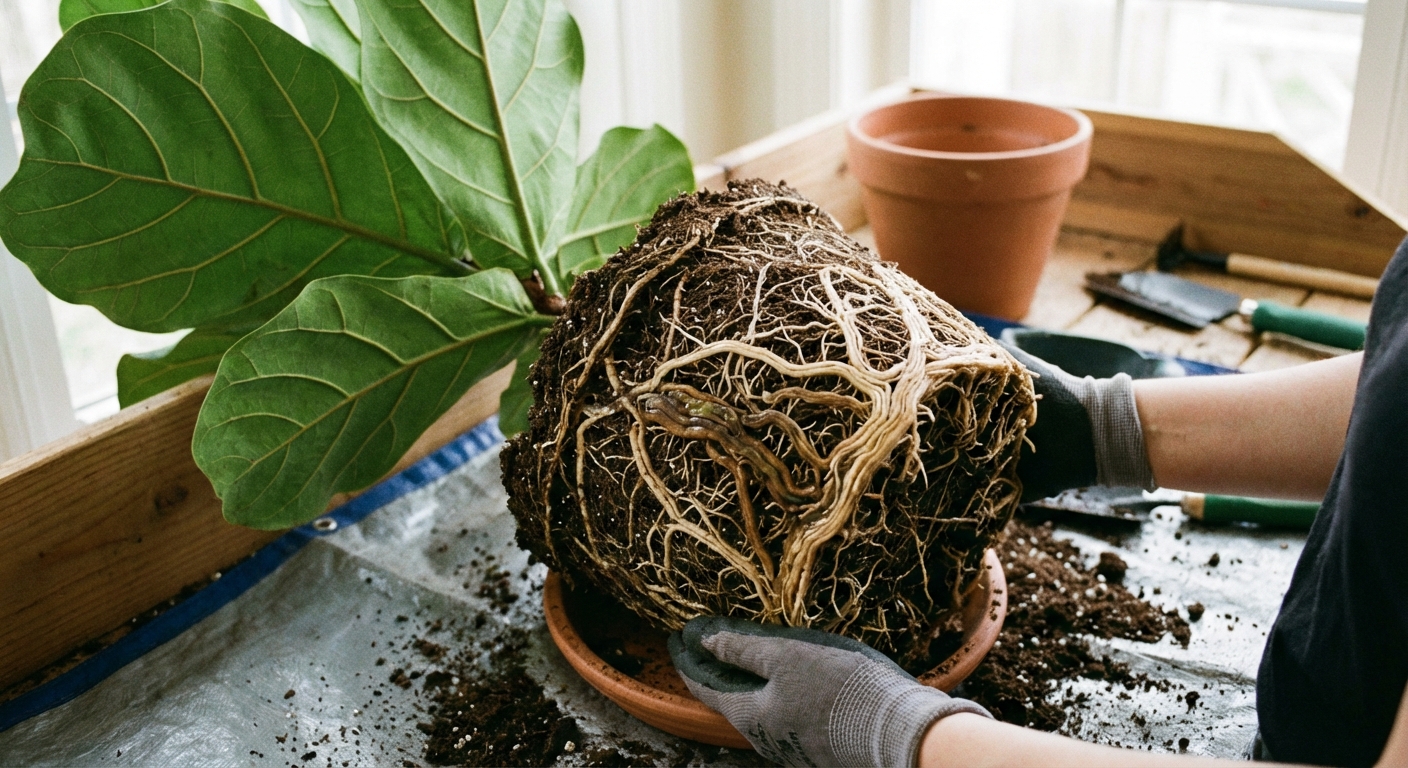
If you suspect root rot (frequent leaf drop, wet soil, bad smell), gently slide the plant from the pot and look for tan, firm roots versus brown, mushy roots. Trim rotted roots with clean snips and repot into fresh, airy soil.
Underwatering (or inconsistent watering)
Underwatering can look deceptively similar to overwatering from a distance because both can end in leaf drop. The difference is the feel of the leaf and the soil. When a fiddle leaf fig gets too dry, it often sacrifices older leaves to protect the growing tip.
Clues it is underwatering
- Crispy brown edges or brittle leaves.
- Leaves droop and feel thinner or papery before falling.
- Soil pulls away from the sides of the pot or feels dry several inches down.
- Water runs straight through because the soil has become hydrophobic and compacted.
How to fix it
- Water deeply until water drains from the bottom, then empty the saucer.
- Rehydrate stubborn soil by bottom-watering: set the pot in a basin of water for 20 to 40 minutes, then drain well.
- Set a simple rhythm: water when the top 2 to 3 inches (5 to 7 cm) are dry, not on a fixed weekly schedule.
- Consider a repot if the soil is old, compacted, or drying too fast because the plant is rootbound.
A helpful trick: lift the pot after watering and again when dry. Your hands will learn the weight difference faster than your brain learns “plant schedules.”
Not enough light (or a light change)
Light is the other big lever with fiddle leaf figs. In lower light, the plant uses water more slowly, growth stalls, and leaves (often the lower ones) can start dropping. A sudden change in light can also trigger leaf loss, even if the new spot is “better.”
Clues it is low light
- Lower leaves dropping steadily while the top growth is minimal.
- Leggy, stretched growth with wider spacing between leaves.
- Leaves that stay smaller than older ones.
- Soil staying wet longer because the plant is not using much water.
How to fix it
- Move to very bright light indoors, ideally near your brightest window. “Bright, indirect” is the safe baseline, but many fiddle leaf figs do best with very bright conditions.
- Some direct sun can be fine, especially morning or late afternoon, as long as you acclimate slowly over 1 to 2 weeks.
- Rotate gently (a quarter turn every week or two) instead of frequent big moves.
- Consider a grow light in winter or in naturally dim homes.
Watch for too much sun, too fast
If you move your fig into strong direct sun abruptly, you can get scorched patches that look tan, bleached, or crispy. Damaged leaves do not “heal,” but you can stop more damage by stepping back from the window a bit and acclimating gradually.
Drafts and temperature swings
Fiddle leaf figs are sensitive souls. A sudden cold draft, hot air blasting from a vent, or a big day-to-night temperature swing can trigger leaf drop, even if your watering is perfect.
Common draft culprits
- Exterior doors that open frequently in winter.
- Single-pane windows that get cold at night.
- HVAC vents blowing directly onto leaves.
- Space heaters or radiators nearby.
What to do
- Move the plant 2 to 6 feet away from doors, vents, and drafty windows.
- Aim for steady temps around 65 to 80°F (18 to 27°C), and avoid dips below about 60°F (16°C).
- Do not chase perfection. Choose one stable spot with good light and let your fig settle.

Low humidity (a contributing factor)
Low humidity is rarely the only reason a fiddle leaf fig drops leaves, but it can add stress, especially in winter when heat is running. Dry air can show up as browning edges, curling, and cranky new growth, and that stress can make other issues (like watering mistakes) hit harder.
Clues it is humidity
- Brown, crispy margins on otherwise green leaves.
- New leaves emerging small, wrinkled, or with browned tips.
- Symptoms that worsen when indoor heat is running constantly.
How to help
- Use a humidifier near the plant, aiming for roughly 40 to 60% humidity if you can.
- Group plants together to create a slightly more humid microclimate.
- Keep it away from heat vents, which dry leaves fast.
Misting is usually short-lived and inconsistent. If you love a ritual, wipe leaves with a damp cloth instead. It keeps dust from blocking light and gives you a chance to spot pests early.
Repotting shock
After repotting, a fiddle leaf fig may drop a few leaves because its roots are busy reestablishing. This is especially likely if you sized up too much, disturbed the root ball heavily, or changed soil type abruptly.
When to wait
- Leaf drop starts within the first couple of weeks after repotting.
- Leaves drop but the stem is firm and new growth buds are still visible.
- Soil moisture is reasonable and the plant is in very bright light.
How to help it recover
- Hold steady. Avoid moving it again, fertilizing, or pruning heavily for a few weeks.
- Water carefully. Fresh potting mix holds water differently, often more than old soil.
- Provide very bright light and stable temperature.
If you repotted into a pot that is much larger, the extra soil can stay wet too long. In that case, treat it like an overwatering risk: let the top few inches dry before watering again.
Pests that cause leaf drop
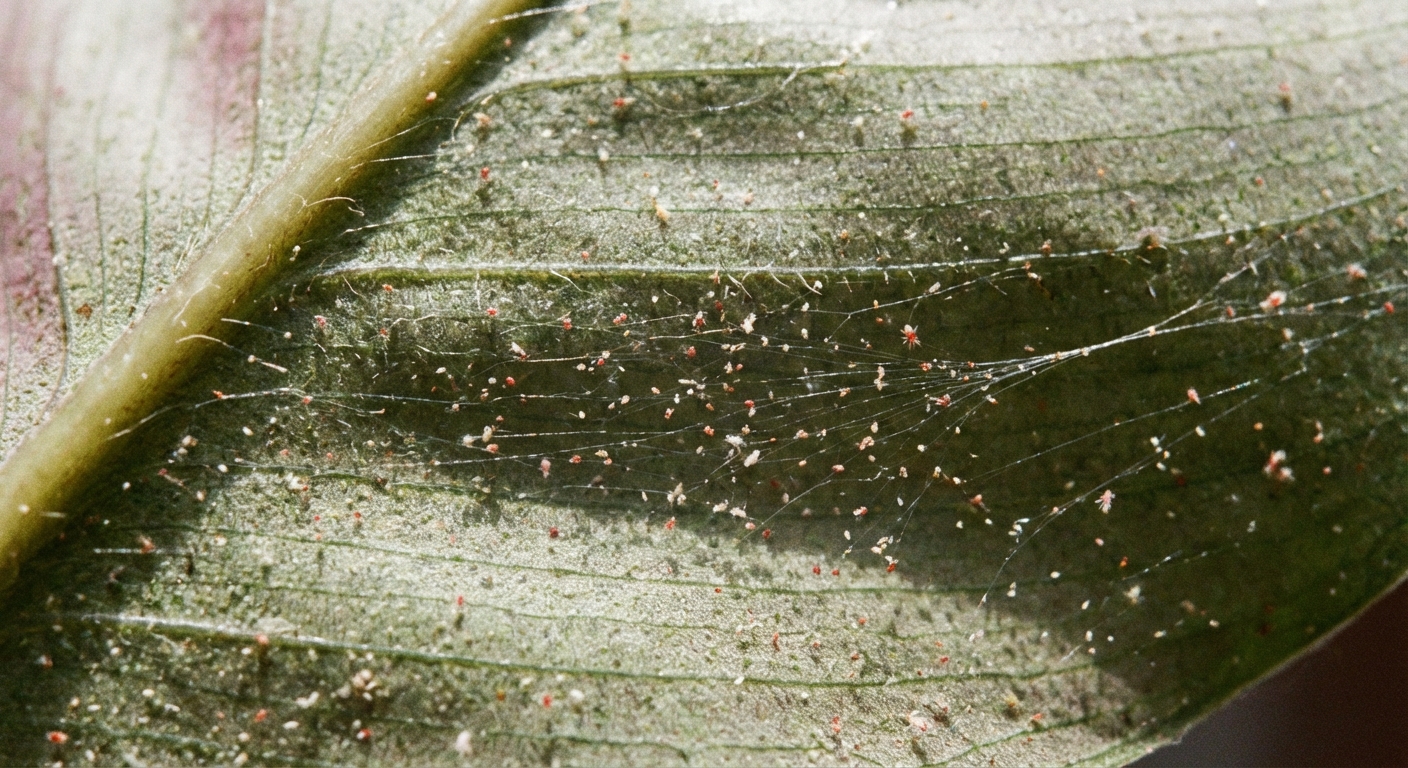
Pests can make a fiddle leaf fig shed leaves, sometimes slowly, sometimes quickly. The tricky part is that pest stress often looks like “mysterious decline” until you look closely, preferably in bright light.
Most common fiddle leaf fig pests
- Spider mites: fine webbing, tiny speckling on leaves, dusty look, worse in dry air.
- Scale: small brown bumps on stems or leaf veins, sticky residue.
- Mealybugs: cottony clusters in leaf joints and undersides.
- Thrips: silvery streaks, distorted new growth, tiny fast-moving insects.
What to do (gentle but effective)
- Isolate the plant from others if possible.
- Rinse leaves in the shower or with a gentle spray, including undersides.
- Wipe and treat with insecticidal soap or horticultural oil, following label directions.
- Repeat every 7 to 10 days for several rounds, because eggs hatch in cycles.
Quick caution: soaps and oils can cause leaf burn in strong light. Treat in the evening or move the plant out of hot direct sun until the leaves are dry, and always follow the product label.
Salt buildup and fertilizer burn
If your watering and light feel “fine” but you keep seeing brown tips, edge burn, or a slow decline, check for salt buildup from fertilizer or hard water. It is not the most common cause of sudden leaf drop, but it can quietly weaken a plant over time.
Clues it is salts
- Brown tips and edges without obvious pest signs.
- White crust on the soil surface or around the pot rim.
- Leaf drop that shows up after fertilizing, especially in low light seasons.
What to do
- Flush the soil: run room-temperature water through the pot for a few minutes, letting it drain freely.
- Ease up on fertilizer, especially in fall and winter. Feed only when you see active growth.
- Consider water quality: if your water is very hard, occasional flushing helps, or you can use filtered water.
Seasonal leaf drop
Even indoors, fiddle leaf figs respond to seasons. In fall and winter, shorter days mean slower growth. Slower growth means slower water use, and that often means more sensitivity to overwatering and more occasional leaf shed.
Common seasonal patterns
- Winter slowdown: fewer new leaves, occasional older leaf drop.
- Spring adjustment: as light increases, your plant may push new growth and shed an older leaf or two.
How to support your fig in winter
- Move closer to the brightest window (without cold drafts).
- Water less often, but still water deeply when you do.
- Pause fertilizer until days lengthen, unless you use a grow light and see active growth.
Use the leaf to diagnose the problem
If you only remember one thing, make it this: the pattern on the leaf is a clue trail.
- Yellowing + soft spots often points to overwatering or early root issues.
- Crispy edges + dry soil often points to underwatering or low humidity.
- Lower leaves dropping + leggy growth often points to low light.
- Lots of leaves at once after a move often points to light change, drafts, or general stress.
- Speckling, webbing, sticky residue points to pests.
- Dropping lower leaves only can be normal aging, especially if new growth is happening.
If you can, take a quick photo of the fallen leaf and the whole plant. You will be surprised how clearly patterns show up when you compare images week to week.
What to do right now: a calm 15-minute rescue checklist
If your fiddle leaf fig is actively dropping leaves, do this in order. Think of it as plant first aid.
- Check soil moisture 2 to 3 inches (5 to 7 cm) down. Wet? pause watering. Bone dry several inches down? water thoroughly.
- Confirm drainage. Make sure water can leave the pot and is not pooling in a cachepot or saucer.
- Assess light. Aim for very bright light. If it is dim, move it closer to a window or consider a grow light.
- Look for drafts. Feel for air movement near windows, doors, and vents.
- Inspect for pests. Check undersides of leaves and along stems and nodes.
- Stop changing everything. Once you make one or two corrections, give the plant 2 to 4 weeks to respond.
Fiddle leaf figs love consistency. When we panic, we tend to over-correct. Your goal is steadiness, not perfection.
When to worry and when to wait
Wait it out (and monitor)
- You recently moved, rotated, repotted, or changed light.
- Leaf drop is limited to a few older leaves.
- You see firm stems and signs of new growth buds.
Take action quickly
- Leaves are dropping rapidly and soil stays wet.
- You suspect root rot or smell sour soil.
- You find pests, especially spider mites or thrips.
- The main stem near the soil line feels soft.
When recovery may be unlikely
If the trunk or main stem is mushy, collapsing, or rotting well above the soil line, the plant may not be able to recover. If there is any firm, healthy stem above the damage, you can sometimes salvage a cutting, but it is okay to call it. This plant is not a moral test.
If your plant loses many leaves, it can still recover. As long as the stem is firm and the roots are healthy, fiddle leaf figs can sprout new growth from dormant buds. It is slower than we want, but plants have a steady kind of patience. We can borrow some of that.
FAQ
Should I cut off the bare branches after leaf drop?
Not right away. If a branch is still green and flexible, it may push new growth. Wait a few weeks after stabilizing care. If a branch turns brown, dry, and brittle, you can prune it back to healthy tissue.
Why is my fiddle leaf fig dropping green leaves?
Green leaves dropping often points to sudden stress: cold drafts, a big location change, low light, overwatering that is starting to affect roots, or pests. Check soil moisture, light, and drafts first.
Will leaves grow back?
The exact leaves that fell will not reattach, but the plant can grow new leaves from the top growth point or from nodes along the stem if conditions improve.