
Why Is My Christmas Cactus Dropping Leaves?


If your Christmas cactus is dropping “leaves,” take a breath. Those flat green pieces are actually stem segments (often called segments or pads, and sometimes labeled cladodes or phylloclades), and when they start popping off, it is your plant’s way of saying, “Something in my environment changed and I am not loving it.”
The good news: segment drop is usually fixable once you identify the stressor. The tricky part is that several issues can look similar at first glance. Let’s walk through a simple, calm diagnosis, then a clear recovery plan.
First: what kind of drop is it?
Before you change anything, notice how the segments are falling. This quick observation saves a lot of guesswork.
- A few segments drop after being bumped: Normal. These plants are a bit brittle at the joints.
- Many segments drop in a short time: Stress response. Keep reading.
- Segments are limp, translucent, or mushy: Water problem, often too much.
- Segments are shriveled, wrinkled, or papery: Usually too dry or roots not functioning.
- Drop happens right after moving the plant: Light shock or temperature swing is likely.
- Drop starts at the base near the soil line: Root rot or a chronically wet mix is high on the list.
Step-by-step diagnosis
Step 1: Check soil moisture
Press a finger 1 to 2 inches into the potting mix.
- Wet and cool: Suspect overwatering, poor drainage, or root rot. As a rule of thumb, if the mix still feels clearly wet after about 5 to 7 days indoors, it is staying wet too long.
- Barely damp: Could be fine, depending on your conditions.
- Bone dry and pulling away from the pot: Underwatering or hydrophobic soil (water running around the edges).
Step 2: Sniff and check the base
Healthy soil smells earthy. A sour, swampy smell points to rot. Also check the lower segments near the soil line for soft, dark, or collapsing tissue.
Step 3: Think about recent changes
Ask yourself what changed in the last 1 to 3 weeks:
- Moved closer to a sunny window?
- Turned on heat or AC?
- Cold draft near a door?
- Changed watering because it is “a cactus” (either watering too often, or letting it go bone dry like a desert cactus)?
- Repotted recently?
Step 4: Quick light check
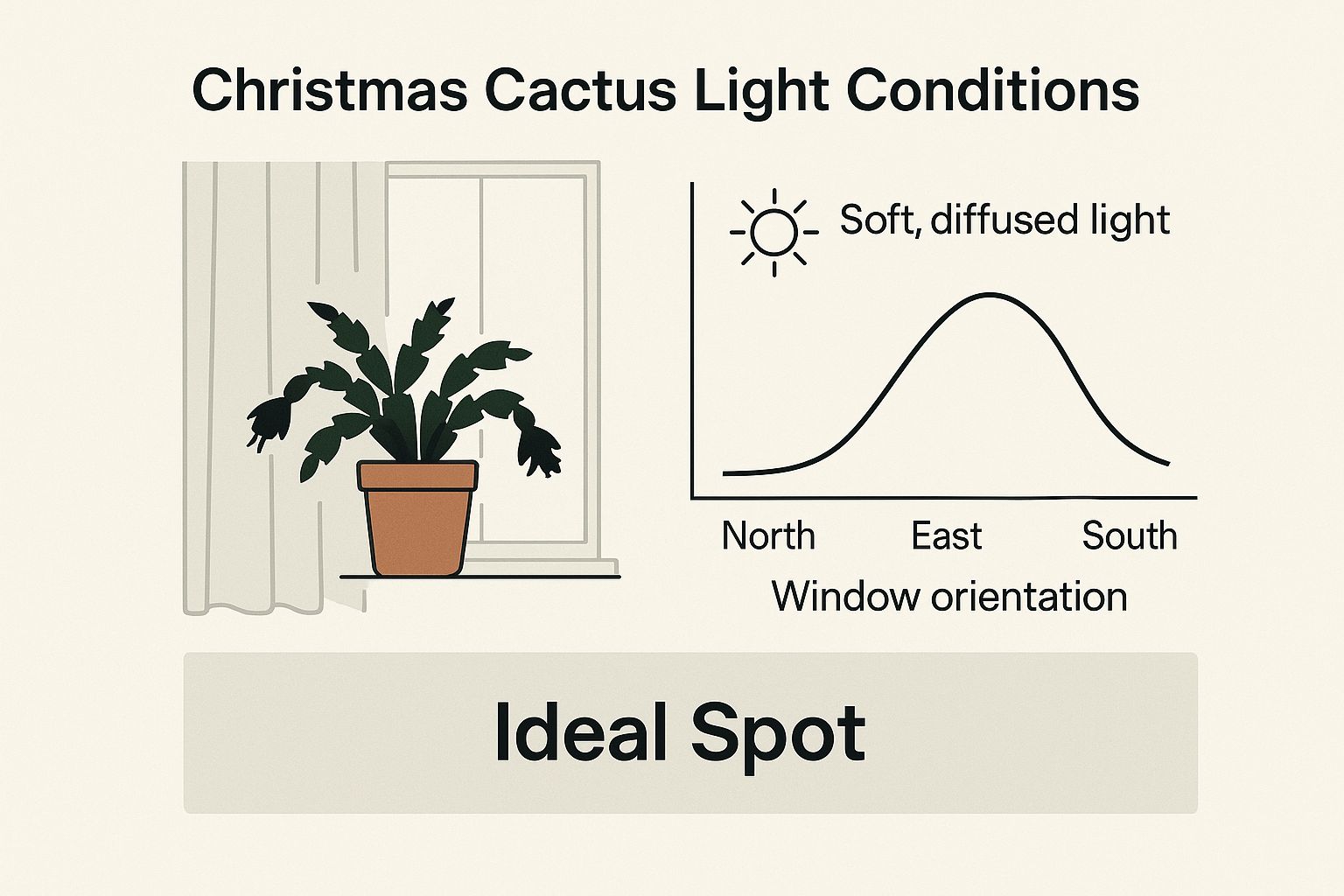
Christmas cactus loves bright, indirect light. Harsh direct sun can stress and scorch. Too little light can weaken it over time, making it more sensitive to watering mistakes.
Step 5: Quick pest check
This is less common, but worth 30 seconds. Look closely at joints and undersides for cottony white clusters (mealybugs), small bumps (scale), or sticky residue. Pests can stress the plant and contribute to drop.
Most common cause: overwatering
Overwatering is one of the most common reasons Christmas cacti drop segments. Despite the name, these are not desert cacti. In the wild, they grow in tree crotches and mossy pockets where water drains quickly and air reaches the roots.
Signs it is overwatering
- Soil stays wet for many days
- Segments look limp, slightly translucent, or mushy
- Drop happens mostly from the lower parts
- Fungus gnats hovering around the pot
What to do now
- Pause watering.
- Increase airflow. Move to a spot with gentle air circulation, away from vents blasting directly.
- Check the pot. Make sure there is a drainage hole. If not, repot is non-negotiable.
- Let it dry partially. Wait until the top 1 to 2 inches are dry before the next watering.
How to water going forward
- Water thoroughly until it drains, then empty the saucer.
- Do not “sip” water often. That keeps the root zone constantly damp.
- In most homes, watering every 10 to 21 days is common, but always use the soil feel test instead of a calendar.
Pot and mix notes
- Terracotta dries faster than plastic. Plastic holds moisture longer, so it is easier to accidentally keep the mix wet.
- A simple, reliable mix is 2 parts potting soil : 1 part perlite (or pumice) : 1 part orchid bark.
Root rot
If segment drop is heavy and the plant looks generally unhappy, root rot may already be in progress. It sounds scary, but I have rescued many Christmas cacti with a quick cleanup and a better mix.
Signs of root rot
- Soil smells sour or rotten
- Plant feels loose in the pot
- Segments are drooping despite wet soil
- Blackened, mushy roots if you slide the plant out
Rescue steps
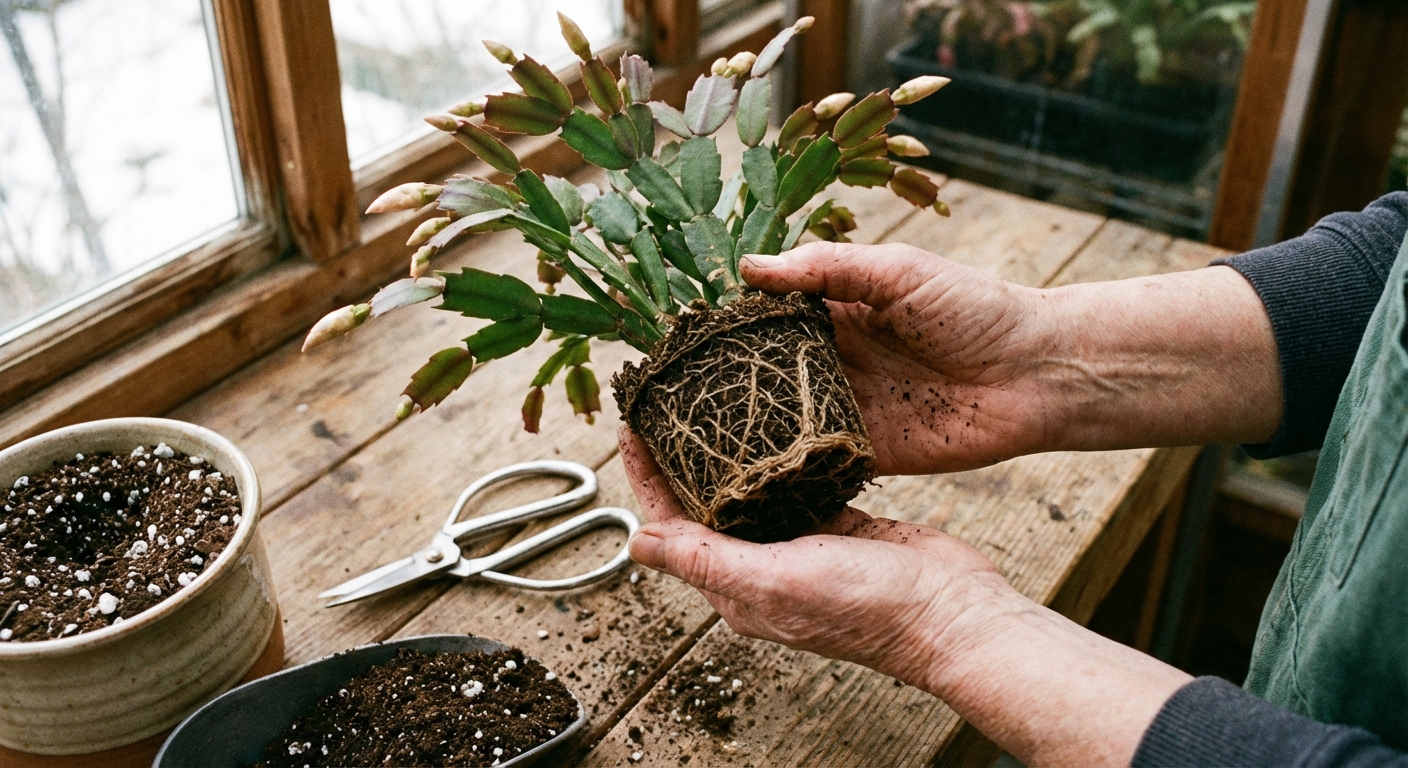
- Unpot the plant. Gently slide it out and shake off loose, wet mix.
- Trim rotten roots. Use clean scissors to remove any roots that are brown, mushy, or hollow. Healthy roots are usually pale and firm.
- Let it callus. Set the plant on a towel in a shady spot for a few hours so cuts can dry slightly.
- Repot in a fast-draining mix. Potting soil plus perlite and orchid bark (or pumice) helps air reach the roots.
- Be thoughtful about the first watering. If the new mix is already moist and you removed a lot of roots, wait about 5 to 7 days and water lightly. If the mix is dry and the root system is mostly intact, you can water once to settle the mix, then let it dry to the top inch or two before watering again.
Temperature stress and drafts
Christmas cacti are sensitive to sudden temperature swings. A cozy plant can start dropping segments if it is hit with a cold draft from a door, pressed against a chilly window at night, or roasted by a heating vent.
Common triggers
- Prolonged night temperatures below about 50°F (10°C), especially with drafts or wet soil
- Hot, dry air from a heater
- AC blasting in summer
- Touching cold window glass in winter
Fix it
- Place the pot a few inches back from cold glass.
- Aim for steady temperatures, roughly 60 to 75°F (16 to 24°C).
- Keep it away from direct airflow from vents.
- If your home is dry, add humidity with a pebble tray or a small humidifier nearby.
Light shock
One of the most common “mystery drops” happens after a plant is moved from low light to a bright, sunny spot. Christmas cactus can handle some gentle morning sun, but strong direct sun can stress it quickly.
Signs of light shock
- Segment drop starts within days of moving locations
- Some segments may look slightly pale, reddish, or scorched
- Soil moisture may be normal, yet the plant still drops pieces
Fix it
- Move to bright indirect light. East-facing windows are often perfect.
- Acclimate gradually. If you want it brighter, increase light over 7 to 14 days.
- Do not fertilize while it is stressed. Wait until you see stable new growth.

Underwatering
Underwatering can also cause segment drop, especially if the plant has been kept bone dry for too long. Sometimes the soil becomes hydrophobic, meaning water runs down the sides and never reaches the roots.
Signs it is underwatering
- Segments look wrinkled, thin, or slightly rubbery
- Pot feels very light
- Soil is dry all the way through
- Water seems to rush out immediately when you water
Recovery steps
- Bottom-water to rehydrate. Set the pot in a bowl of room-temperature water for 20 to 40 minutes.
- Let it drain fully. Never leave it soaking for hours.
- Repeat once if needed. If the mix was extremely dry, you may need a second soak a few days later.
- Adjust your routine. Water when the top inch or two dries, not when it is completely desiccated.
Bud drop vs segment drop
If your plant is dropping buds rather than segments, the cause is often different. Bud drop is usually triggered by being moved, temperature swings, or inconsistent watering while buds are forming.
- Buds fall off: Stabilize location, avoid drafts, keep moisture consistent.
- Green segments fall off: Focus on watering, roots, temperature, and light stress.
What to do with fallen segments
I cannot resist turning a little plant stress into a little plant multiplication.
Propagate healthy pieces
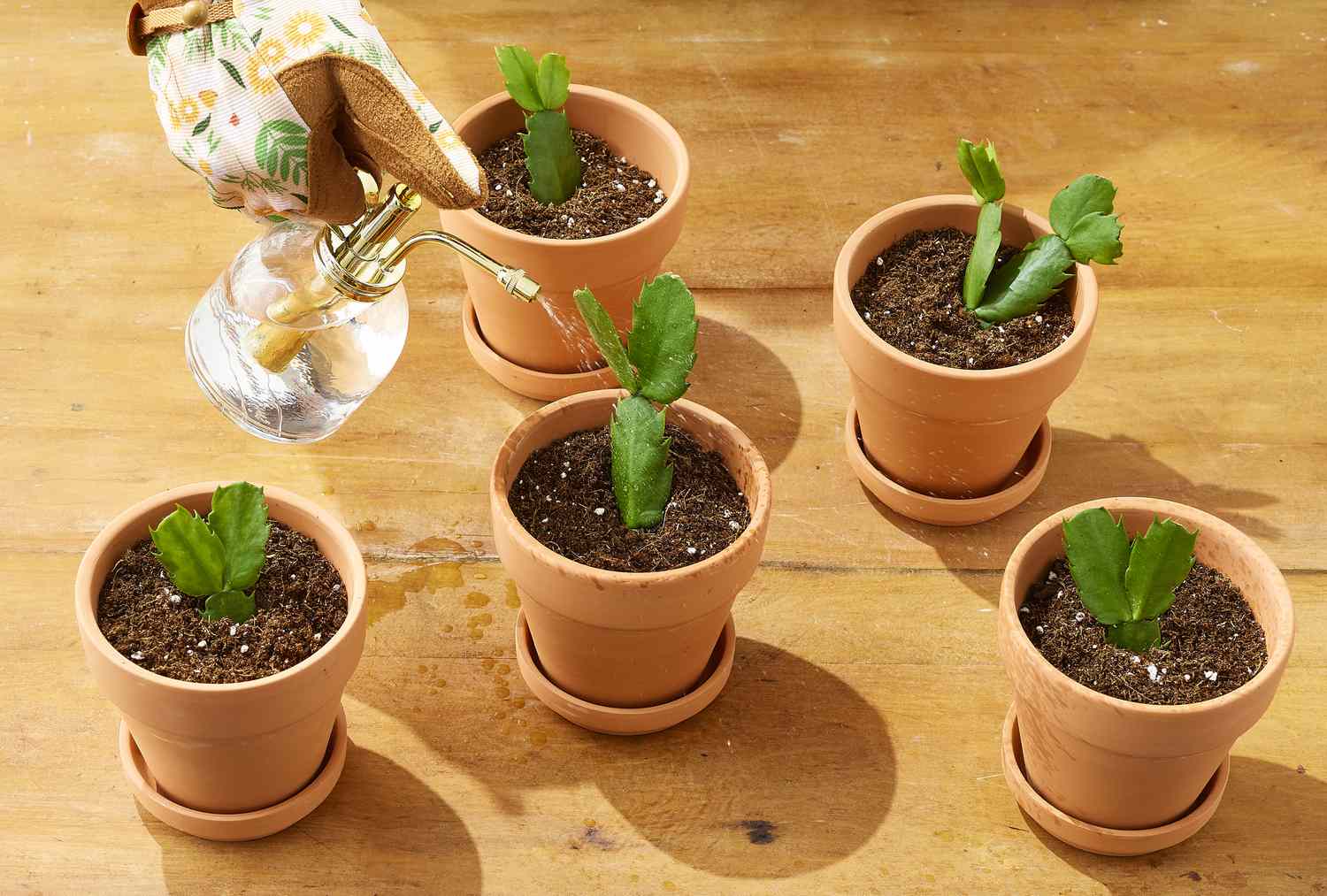
- Choose firm segments (not mushy).
- Let them dry on the counter for 1 to 2 days so the joint calluses.
- Insert the bottom segment about 1/2 inch into slightly moist, well-draining mix.
- Keep in bright indirect light and lightly moist, not wet, until rooted.
Recovery plan
If you are not 100 percent sure of the cause, use this gentle plan that supports the plant without adding extra stress.
- Stop rotating and relocating. Pick one good spot and keep it there for a few weeks.
- Give bright, indirect light.
- Water based on soil feel. Let the top 1 to 2 inches dry, then water thoroughly and drain.
- Hold fertilizer. Wait until you see stable new growth.
- Check for rot if decline continues. If it keeps dropping segments despite careful watering, unpot and inspect roots.
Expect improvement in stages: segment drop should slow first, then the plant will firm up, and eventually you will see fresh growth at the tips.
When to repot
Repotting is helpful when drainage is poor, the mix is compacted, or rot is suspected. It is not always the best move if your plant is only mildly stressed.
- Repot if: there is a musty smell, soggy mix, no drainage hole, or roots look unhealthy.
- Wait if: the plant just had a small stress event (like being moved) and the soil is otherwise fine.
Tip from my own windowsill jungle: Christmas cactus likes being slightly snug in its pot. Do not jump up more than 1 to 2 inches in diameter when repotting.
Seasonal note
Many people notice problems around bloom time or right after the holidays. After flowering, growth often slows for a bit, and the plant typically needs less water than it did while actively growing. Keep using the “top 1 to 2 inches dry” test and do not chase a schedule.
Quick checklist
- Wet soil + limp segments: overwatering or root rot
- Dry soil + wrinkled segments: underwatering or hydrophobic soil
- Recent move + sudden drop: light shock or temperature swing
- Near vent or drafty window: temperature and humidity stress
- Sour smell: rot, repot and trim
- Cottony clusters or sticky residue: pests, isolate and treat
When to worry
Reach for a more aggressive rescue if you see:
- Black, mushy tissue spreading at the base
- A strong rotten odor
- Segments dropping daily for more than a week
- Stem joints collapsing even though you paused watering
In those cases, it is often best to take healthy cuttings from the top growth and root them as insurance while you troubleshoot the mother plant.