
Why Gardenia Buds Drop Before They Open

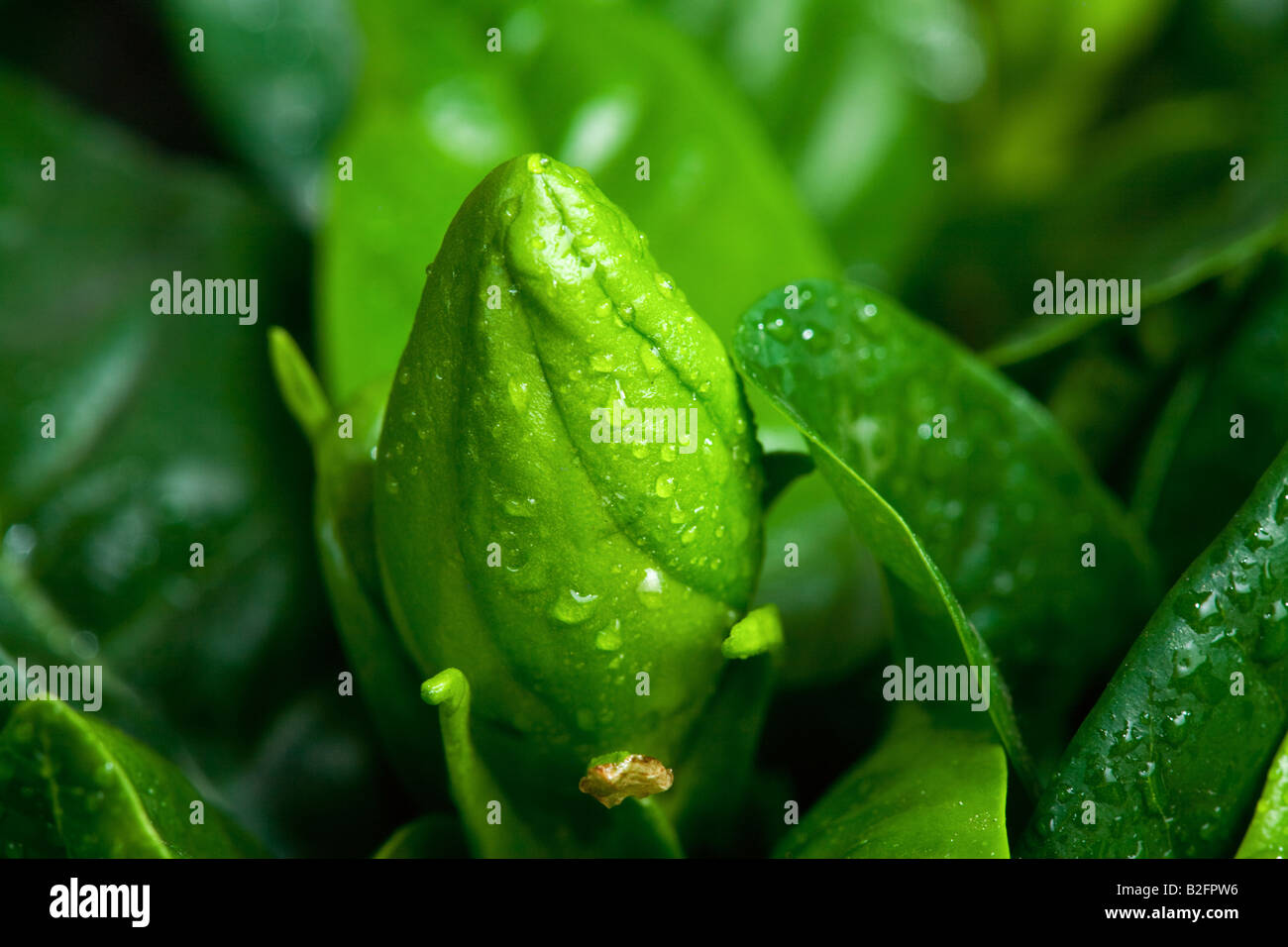
There are few plant heartbreaks as specific as a gardenia loaded with buds… only to find those buds scattered on the soil like tiny green tears. I have been there. Gardenias (especially indoors) are wonderfully fragrant and also wonderfully opinionated. Bud drop is their way of saying, “Something in my routine changed, and I do not love it.”
The good news: bud drop most often comes down to a handful of solvable stressors. The trick is not to panic-adjust everything at once. Gardenias reward consistency more than perfection.

What bud drop means
A gardenia bud is a big investment for the plant. If conditions are stressful, the plant sheds buds to conserve energy and water. That means bud drop is often caused by environmental swings, not a single “mystery disease.”
Most common triggers:
- Low humidity (very common indoors)
- Uneven watering (letting it dry out, then soaking)
- Too little light
- Temperature swings (heat vents, cold windows, drafts)
- Moving the plant, rotating the pot, or changing its orientation to the light
- Pests, especially spider mites
- Recent repotting or root disturbance
Less common but possible: chronic pH issues (too alkaline), fertilizer stress, or exposure to ripening fruit and other sources of ethylene (occasionally reported indoors). These are not the first places I look, but they can matter.
Low humidity
If your gardenia looks healthy but drops buds right before opening, check humidity first. Indoor air, especially during heating or AC season, can be painfully dry. Buds are the first to fail because they need stable moisture to swell and unfurl.
Signs it is humidity
- Buds yellow slightly, stall, then fall
- Leaf edges may look a bit crisp
- Plant is near a vent, radiator, or frequently used doorway
Fixes that help
- Use a humidifier near the plant and aim for roughly 50% to 60% humidity (higher can be fine if airflow is good).
- Create a microclimate: group plants together to raise local humidity.
- Pebble tray: set the pot on a tray of pebbles with water kept below the pot bottom. This helps a little, and it is most helpful in small, more enclosed spaces (like a bright bathroom or a tight plant shelf).
Skip constant misting as your main strategy. It is brief and can encourage leaf spotting if foliage stays wet without airflow. A humidifier is steadier, and gardenias love steady.
Watering swings
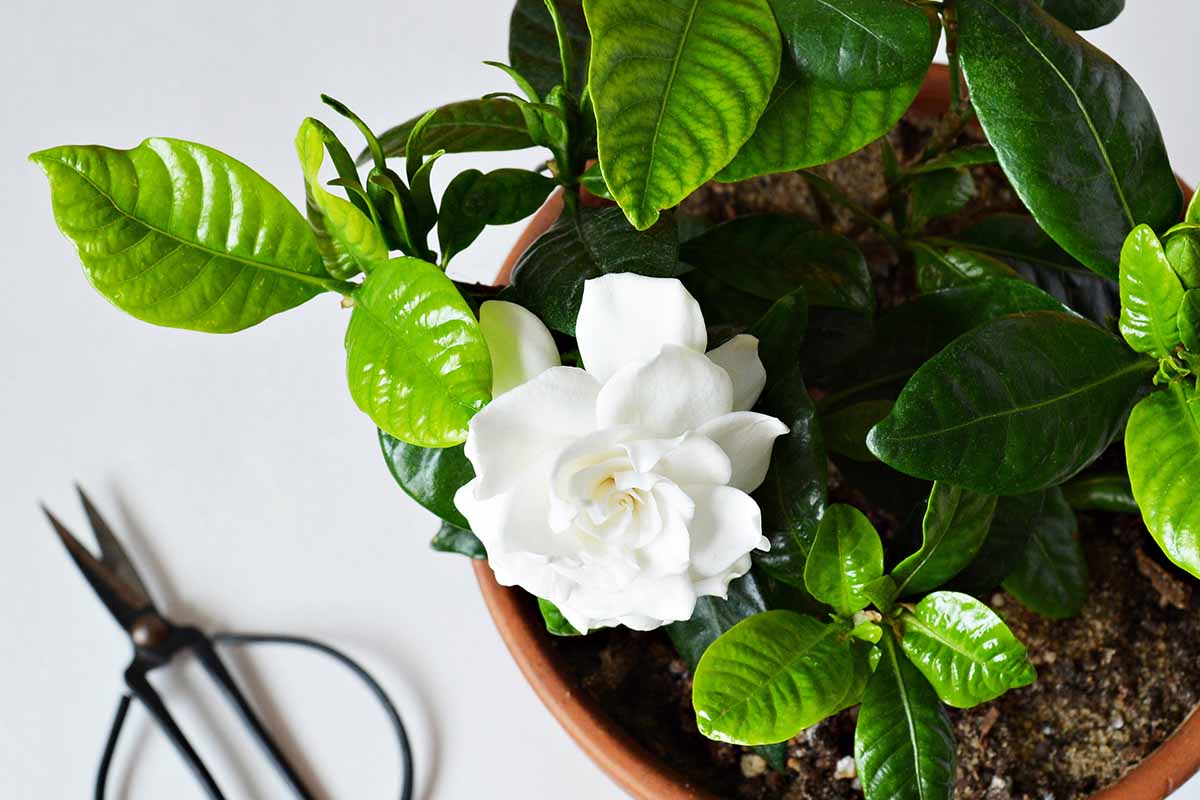
Gardenias want soil that is consistently moist, not soggy and not bone-dry. Indoors, the most common pattern is this: the pot dries out too far, buds stress, then we overcorrect with a heavy watering. Buds drop because the plant cannot keep a stable internal water balance.
Quick watering check
- Stick your finger in the soil. If the top 1 inch is dry, it is usually time to water (for most typical indoor pots and mixes).
- If you struggle to read the soil, try lifting the pot (light usually means dry), or use a simple moisture meter as a training tool.
- If the soil is wet for days and days, drainage or potting mix is likely the issue.
How to water to prevent bud drop
- Water thoroughly until excess drains out, then empty the saucer.
- Do not let it sit in water. Constantly wet roots can lead to root stress and more bud loss.
- Set a rhythm: check on the same days each week, even if you do not water every time.
Pro tip: Gardenias are acid-loving. If your tap water is very hard, salts can build up and add stress. If you see crusty residue on soil or pot edges, consider using rainwater, filtered water, or occasionally flushing the pot with extra water to wash minerals through.
Also keep pH in mind. Persistently alkaline water or a medium that drifts alkaline can reduce nutrient uptake (often showing up as leaf yellowing between veins), and that extra stress can make buds more likely to abort.
Too little light
A gardenia can produce buds in medium light and still fail to open them. Blooming takes energy. Indoors, many gardenias sit a few feet too far from the window and end up in “almost enough” light.
Indoor light that works
- Bright, indirect light all day is ideal.
- Gentle morning sun can be wonderful.
- If you only have a dim spot, a grow light can make the difference between bud drop and blooms.
Fix it without shock
Move your plant gradually. A sudden jump from low light to strong sun can cause leaf scorch and more stress. Shift it closer to the window over several days.
And once you find the sweet spot, try not to rotate the pot “just because.” Even a simple turn can change how buds are supported by light and can trigger a little gardenia protest.
Temperature swings
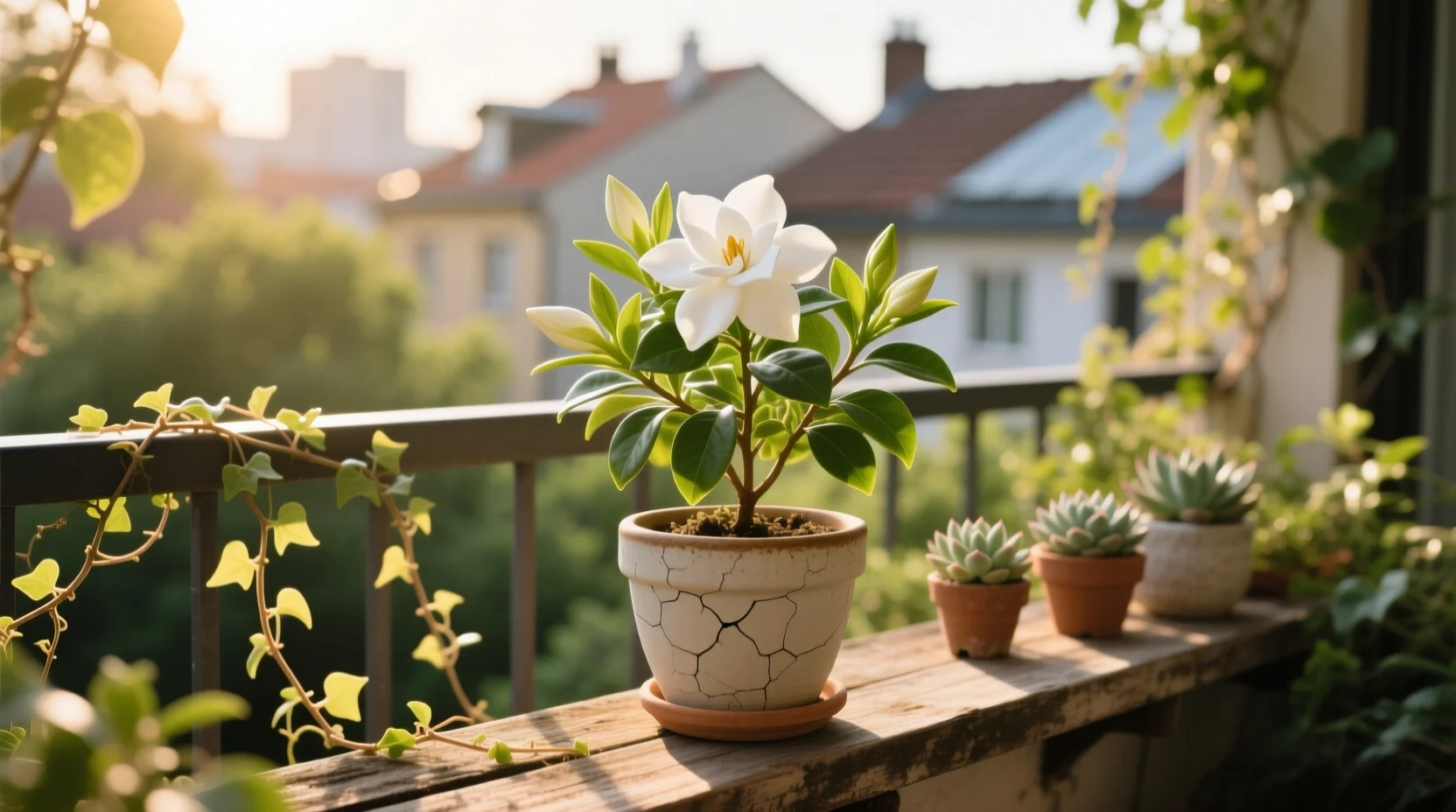
Gardenias are sensitive to temperature drama. A plant that is comfortable at 70°F can drop buds if it gets blasted by a heater at noon and chilled by a window at night.
Common trouble spots
- Directly above or beside HVAC vents
- Next to exterior doors that open often
- On a windowsill that gets cold at night in winter
- Near ovens or sunny glass that overheats in summer afternoons
Stabilize the zone
- Aim for comfortable indoor temps, but focus most on avoiding sudden swings.
- Keep the plant out of direct airflow from vents.
- At night in winter, pull the pot slightly away from cold glass.
One more nuance: slightly cooler nights can support bud development for some gardenias. You do not need to chase exact numbers. Just keep it stable and out of extremes.
Pests
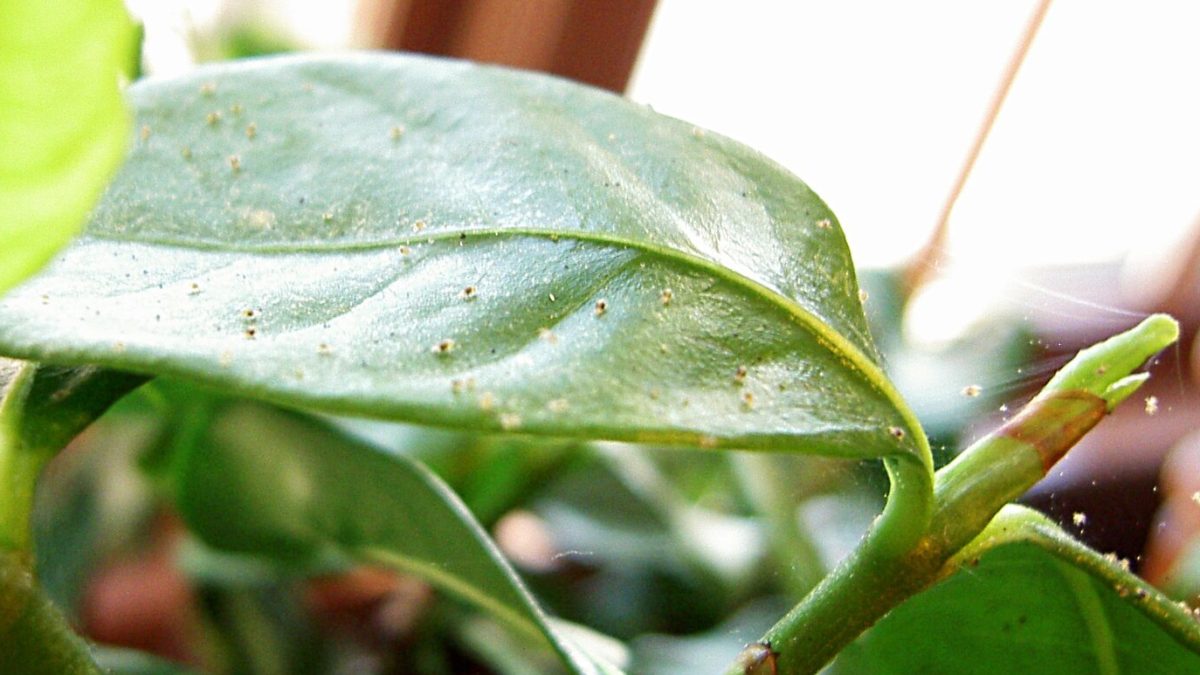
When buds drop and leaves look a little dull or stippled, I immediately check for spider mites. They are tiny, common indoors, and they thrive in dry air. Even a light infestation can stress a gardenia enough to abort buds.
How to check
- Look under leaves for fine webbing.
- Check for pale speckling or a dusty look on leaf surfaces.
- Tap a leaf over white paper. Tiny moving dots can be mites.
What to do
- Rinse the plant: a lukewarm shower, focusing on leaf undersides.
- Increase humidity: mites hate it.
- Use insecticidal soap or horticultural oil as directed, repeating every 5 to 7 days for a few rounds to catch new hatchlings.
- Avoid spraying open blooms and buds directly, and test a small area first. Oils and soaps can spot petals and tender tissues.
- Isolate from other houseplants while you treat.
If you see sticky residue, cottony clumps, or hard bumps on stems, you may be dealing with scale or mealybugs instead. Those can also contribute to bud drop, but mites are the usual indoor suspect.
Repot shock
Gardenias can drop buds after repotting even if you did everything “right.” When roots are disturbed, the plant often pauses blooming to rebuild its root system.
When it is likely
- You repotted recently (within the last few weeks)
- The plant was root-bound and needed teasing apart
- You moved it into a much larger pot
Help it recover
- Keep conditions consistent: even moisture, stable temps, bright light.
- Avoid heavy fertilizing right after repotting.
- Do not keep moving it around. Gardenias like to settle.
One more note: gardenias prefer an acidic, well-draining mix. If the new mix stays wet too long, you can get root stress that looks like “mysterious” bud drop. If the pot feels heavy and damp for many days, drainage is your next fix.
Fertilizer and timing
Feeding is one of those topics where gardenias can be both hungry and easily annoyed. Underfeeding can lead to weak growth and fewer blooms over time. Overfeeding, especially during stress, can cause its own round of bud drop.
- During active growth, use a gardenia or acid-loving fertilizer (often labeled for azaleas and camellias) according to the label.
- If your plant is actively dropping buds, recently repotted, or clearly stressed, pause fertilizing until it stabilizes.
- If you suspect pH issues or chlorosis, address water quality and pH first. Fertilizer cannot fix a locked-out root zone.
A calm stabilization plan
If your gardenia is dropping buds, choose calm, steady corrections. Here is the order I use at home:
- Pick the best location: bright window light, away from vents and drafts. Then leave it there.
- Stop the spin cycle: avoid rotating the pot or moving it back and forth “for better light.” Small changes can be enough to trigger bud drop.
- Lock in watering: check soil twice a week, water when the top inch is dry, drain the saucer.
- Raise humidity: run a humidifier near the plant, especially while buds are forming and swelling.
- Inspect for mites: leaf undersides, webbing, stippling. Treat promptly if found.
- Pause big changes: no repotting, no major pruning, no fertilizer spikes while buds are trying to open.
Gardenias respond best when you change one variable and then give the plant a couple of weeks to show you how it feels about it.
Indoor expectations
I adore gardenias indoors, but I also think they deserve an honest reputation. They can bloom inside, but they rarely bloom like they do outdoors in ideal conditions.
- Some bud drop is normal, especially during seasonal changes (first heat of summer, first dry indoor heating in fall).
- One good bloom cycle at a time is a win. Focus on keeping the plant healthy, and the flowers follow.
- Consistency beats intensity. A perfect week followed by a chaotic week can still cause bud drop.
If your plant is otherwise healthy, do not take bud drop as failure. Take it as feedback. Tighten the routine, boost humidity, and give it time. Gardenias are slow to forgive, but oh, they do forgive.
Quick troubleshooting
- Buds drop while still green: watering swings, temperature swings, low humidity, repot stress, or a move/rotation.
- Buds turn yellow before dropping: often water stress or sudden environmental change, sometimes low light or pH stress.
- Leaves look speckled or dusty: check for spider mites.
- Soil stays wet too long: drainage issue or pot too large, leading to root stress.
If you want to be extra methodical, jot down three things for two weeks: room temperature (day and night), how often the soil dries to 1 inch, and humidity. Patterns pop out fast when you see them in writing.