
Why Blueberry Leaves Turn Yellow or Red

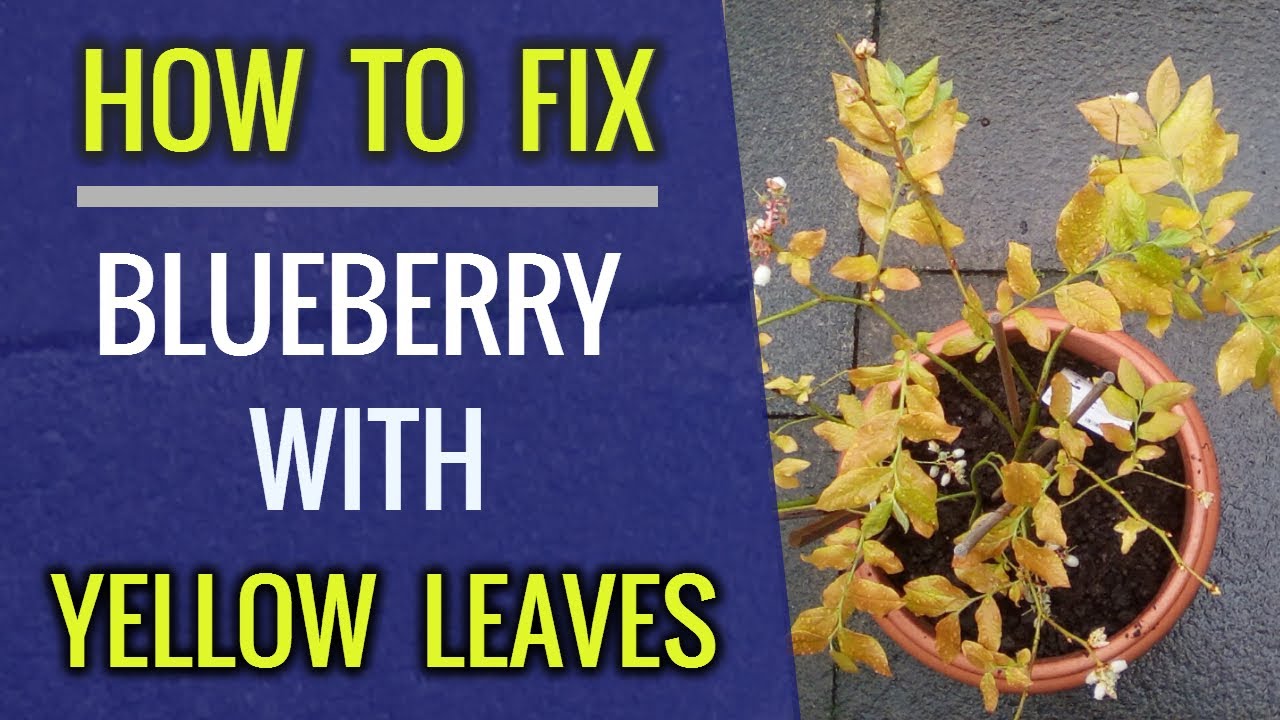
If your blueberry leaves are turning yellow or red, you are not alone. Blueberries are wonderfully generous plants, but they are also picky about a few basics, especially acidic soil and even moisture. When one of those slips, the leaves are usually the first to complain.
The good news is that most color changes come from a short list of causes. We will map out what yellow and red leaves usually mean, how to do a couple quick, low-stress tests, and what to fix first in containers versus in-ground beds.

Start here: what color change are you seeing?
Yellow leaves patterns
- Yellow between green veins (interveinal chlorosis): commonly iron chlorosis tied to high pH, or sometimes manganese deficiency.
- Older leaves yellow first: often nitrogen deficiency, or roots not taking nutrients up well.
- New leaves yellow first: often a micronutrient issue tied to pH, or root stress in a soggy pot.
Red or purple tones
- Fall or winter bronzing: often normal seasonal color, especially after cold nights.
- Red edges plus dry soil: drought stress is a common trigger.
- Reddish leaves during active growth: can point to phosphorus stress, cool roots, high pH, or general root issues.
One important note: A few off-color leaves are not an emergency. If new growth is strong and berries look normal, you can move slowly and make one change at a time.
The quickest checks that save you weeks
1) Check moisture first (especially in pots)
Blueberries like consistently moist soil, not swampy and not bone dry. Containers swing wildly, so do a finger test before anything else.
- Stick a finger 2 inches down. If it is dry, water deeply until it drains.
- If it is wet and stays wet for days, you may have drainage or root problems.
2) Do a ballpark pH check
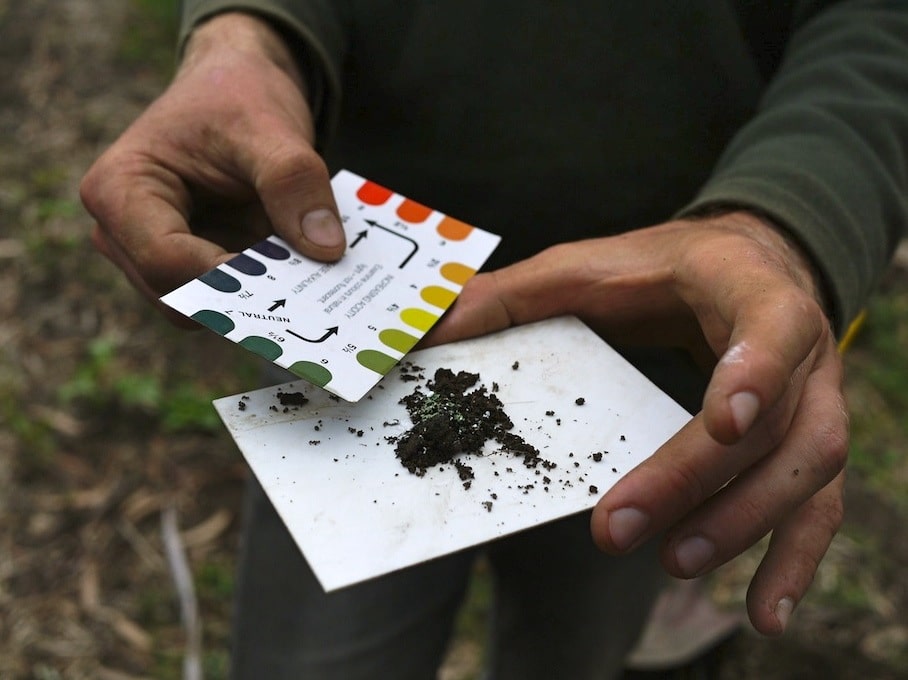
For blueberries, pH is not a detail. It is the steering wheel because it controls how easily the plant can absorb key nutrients, especially iron. Most blueberries do best at about pH 4.5 to 5.2 (up to roughly 5.5 at the high edge). Above that, leaves may go yellow or red even when the soil technically contains nutrients.
- Quick at-home approach: use a simple soil pH kit or meter to see if you are in the right range. Do not obsess over decimals.
- Best approach: if problems persist, send a soil sample to your local extension or a lab. It is the fastest way to avoid random fertilizing.
3) Look at the container setup or bed site
- Containers: Is there a drain hole? Is the pot large enough? Is it packed with roots?
- In-ground: Is the bed in heavy clay or a low spot that stays wet? Are there sprinkler cycles that keep it constantly damp?
Cause 1: Soil pH too high (the blueberry classic)
If blueberry leaves are yellowing, reddening, or looking generally washed out, high pH is often the underlying issue. Blueberries are adapted to acidic soils, and when the soil is closer to neutral, they struggle to take up iron and other micronutrients.
Clues
- Interveinal yellowing, especially on newer leaves
- Weak growth even though you fertilize
- Problems are worse in areas with hard, alkaline water or limestone-rich soil
Fixes for pots
- Use an acid-loving potting mix: look for mixes formulated for azalea, camellia, or blueberry.
- Watch irrigation water: hard water can slowly push pH upward in containers. Rainwater is ideal. If that is not an option, consider reverse osmosis water or guidance-based water acidification for containers. Typical carbon “filtered” water does not reliably remove alkalinity.
- Top-dress with pine bark fines: this supports blueberry-friendly conditions by improving aeration and adding naturally acidic organic matter, but it is not a fast fix for high pH on its own.
Fixes for beds
- Soil test first if you can: especially before adding sulfur or lots of amendments.
- Elemental sulfur: is commonly used to lower pH, but it works gradually (often weeks to months) and depends on soil warmth and microbes. Follow soil test recommendations and product label rates.
- Build an acidic “island” bed: raised beds with pine bark and acidic organic matter are often easier than fighting native alkaline soil.
Avoid: lime and wood ash anywhere near blueberries. They raise pH and can quickly undo your efforts.
When to sample soil instead of guessing: If you have corrected watering and still see progressive yellowing on new growth, or if you live in an area known for alkaline soils and water, a lab test will save you money and stress.
Cause 2: Iron chlorosis (often triggered by pH)
Iron chlorosis is not always “lack of iron in soil.” It is often that the plant cannot access iron because the pH is too high or roots are stressed. The pattern is usually yellow leaves with greener veins, most noticeable on new growth.
What to do right now
- Confirm pH direction: if pH is above the blueberry comfort zone, addressing pH is the long-term fix.
- Short-term rescue: chelated iron can green leaves up, especially in containers. Pick a chelate that fits your pH. EDDHA chelates tend to perform best at higher pH, while EDTA is less effective as pH climbs. Follow label directions carefully.
What not to do
- Do not keep adding general fertilizer if pH is high. You can end up with salt stress and still-yellow leaves.
- Do not expect Epsom salt to fix iron chlorosis. Magnesium is a different issue and can worsen imbalances if overused.
Cause 3: Seasonal redness (sometimes normal)
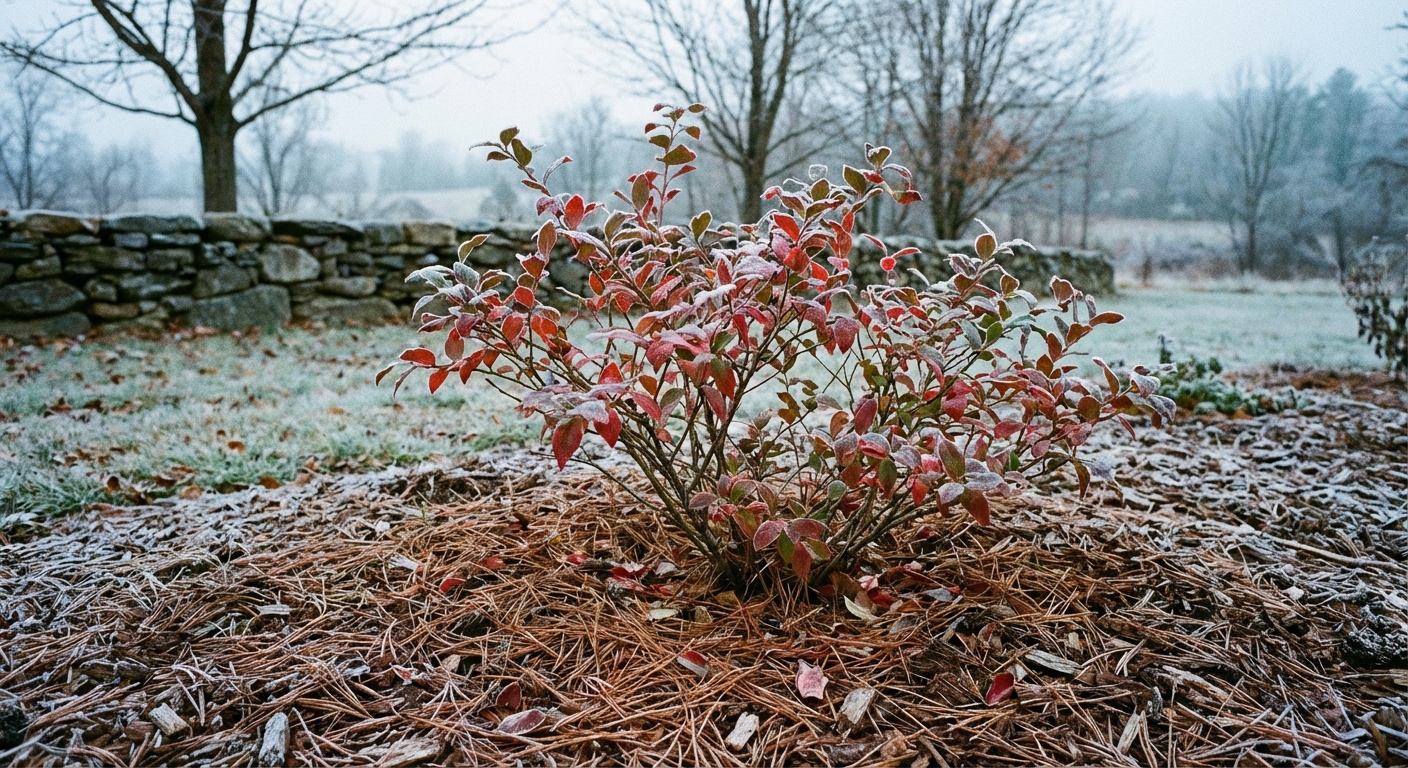
Blueberries can blush red, bronze, or purple in cool weather. Some varieties do it more than others, and it can be completely normal in fall and winter.
Clues it is seasonal
- Color change lines up with cool nights and shorter days
- Plant otherwise looks healthy and buds look plump
- Redness is fairly even across the plant, not blotchy with spotting
A spring note
Some light reddening during spring growth can also happen when soils are still cold. If pH and moisture are in range, it often improves as roots warm up.
How to help without overreacting
- Mulch 2 to 4 inches deep with pine needles, pine bark, or shredded leaves to buffer soil temperature.
- For pots, protect roots from hard freezes by moving the container near a sheltered wall or wrapping the pot.
Cause 4: Drought stress (red edges and crisping)
When blueberries get too dry, leaves can take on red tones, especially along edges, and may look dull or slightly curled. In containers, this can happen fast, even in mild weather, because the whole root zone is exposed to air.
Clues
- Pot feels very light
- Soil pulls away from the pot edges
- Leaf edges redden or brown and feel crisp
Fixes
- Deep soak: water slowly until you get steady drainage. For very dry pots, soak the container in a tub for 20 to 30 minutes to re-wet the mix, then let it drain fully afterward. Do not leave it submerged for hours.
- Mulch the surface: a 1 to 2 inch layer of pine bark or needles helps reduce evaporation.
- Adjust sun exposure: blueberries like sun, but a pot in intense afternoon heat can cook. Morning sun with a little afternoon shade is often kinder for containers.
Cause 5: Root issues in containers (the hidden troublemaker)
If you grow blueberries in pots, leaf color problems are often rooted, literally, in the container environment. The most common container root issues are waterlogging, salt buildup, and rootbound plants.
Clues
- Water sits on the surface or drains very slowly
- Leaves yellow and drop even though soil is wet
- White crust on the soil surface or pot rim (mineral salts)
- Roots circling the inside of the pot
Fixes
- Upgrade pot size: many blueberries do better in 15 to 25 gallon containers once established.
- Use a chunky, airy mix: incorporate pine bark fines to keep oxygen around roots.
- Leach salts periodically: when you see crusting, slow growth, or you have been feeding regularly with mineral fertilizer, water deeply enough that excess runs out the bottom for a minute or two. How often this is needed depends on your fertilizer and water quality.
- Repot when rootbound: gently loosen circling roots and refresh mix in late winter or early spring.
Cause 6: Nutrient gaps (nitrogen, magnesium, phosphorus)
Blueberries do need feeding, but they prefer it in a steady, light-handed way. In pots, nutrients wash out faster. In beds, nutrients can be present but unavailable if pH is off.
Nitrogen deficiency
- Look for: older leaves turning pale yellow, slow growth, smaller leaves.
- Try: an acid-forming fertilizer labeled for blueberries or azaleas, applied at label rates in spring and early summer. Blueberries generally prefer nitrogen in ammonium form in acidic soils, so avoid nitrate-heavy lawn fertilizers.
Magnesium deficiency
- Look for: yellowing between veins on older leaves first, sometimes with a green triangle near the base of the leaf.
- Try: only after a soil test suggests it. If you use magnesium sulfate, use a light touch and do not repeat blindly.
Phosphorus stress
- Look for: reddish or purplish cast with stunted growth, sometimes worse in cold, wet soils.
- Try: correct drainage and pH first. Phosphorus is often tied up by conditions, not absence.
A quick caution on “helpful” amendments
Manure, mushroom compost, and many homemade composts can be too alkaline or too salty for blueberries. If you use compost at all, keep it modest and make sure it does not push your pH up.
When to test soil: If you have fertilized appropriately and symptoms persist, or if multiple nutrients seem off at once, a lab test is more reliable than adding more products.
Cause 7: Pests and disease that change leaf color
Not every yellow or red leaf is a feeding problem. Sometimes it is a tiny critter or an infection quietly stressing the plant.
Common culprits
- Spider mites: stippled, dusty-looking leaves, fine webbing in hot, dry weather.
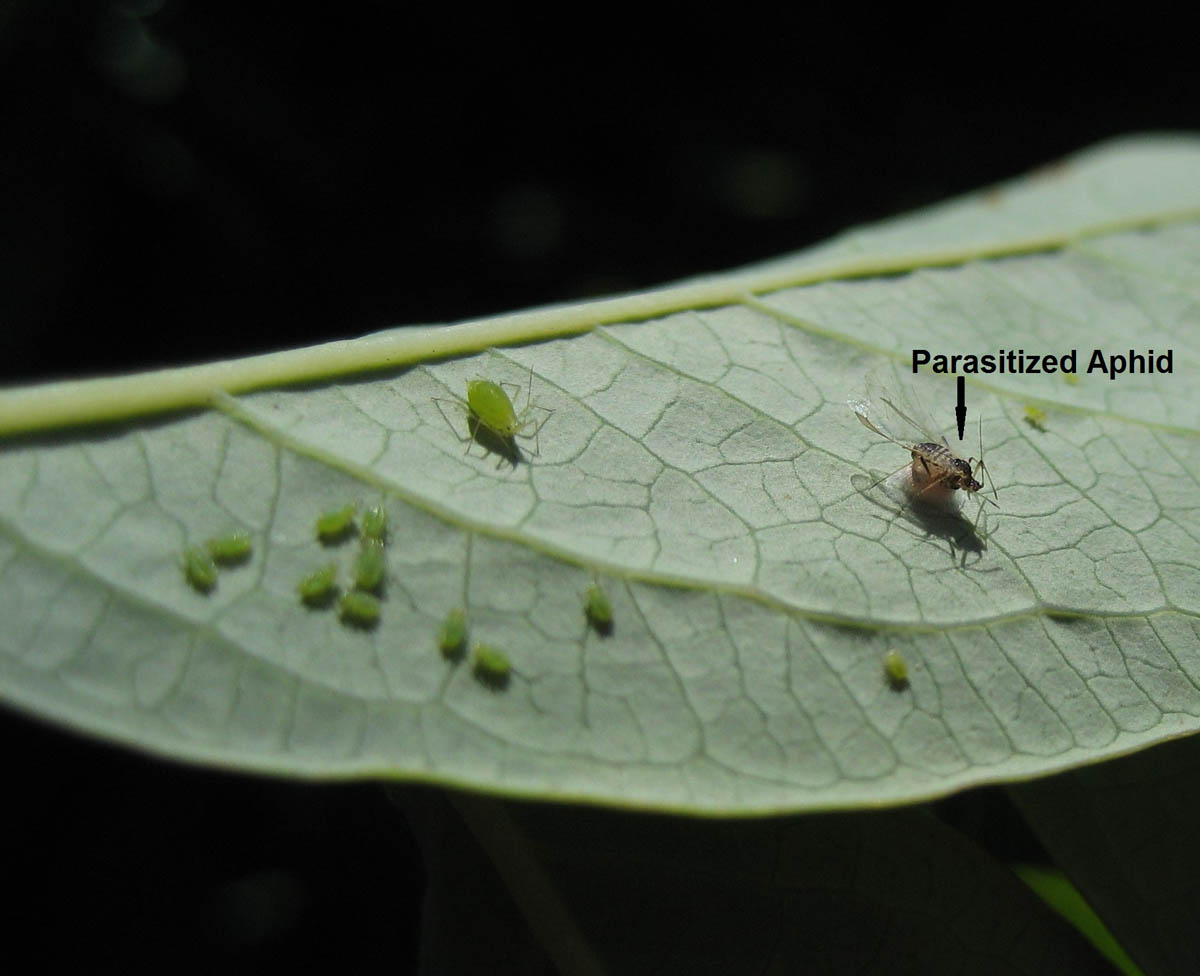
- Aphids: curled new growth, sticky honeydew, clusters of soft-bodied insects.
- Leaf spot diseases: discrete spots that may be reddish-brown, sometimes with yellow halos.
- Root rot (often Phytophthora): general yellowing, wilting despite moisture, poor growth, common in waterlogged beds.
What to do
- Inspect the undersides of leaves with a flashlight.
- Rinse pests off with a strong spray of water, especially for mites and aphids.
- Improve airflow by pruning out crowded stems.
- In beds that stay wet, focus on drainage and raised planting. Fungicides are rarely the first and best step for home gardeners.
Cause 8: Herbicide drift or leaf scorch (easy to confuse)
If leaves are discolored and oddly shaped, it may not be a nutrient problem at all.
Clues
- Herbicide drift (often from lawn weed killers): twisted, cupped, narrow, or strap-like new leaves, sometimes with uneven yellowing or reddening. Symptoms often show up after a neighbor sprays on a windy day.
- Sunscald or windburn: bronzing or browning on the most exposed leaves, especially after a hot, dry spell or sudden heat wave.
What to do
- Do not fertilize to “fix” distorted leaves. Focus on steady watering and let the plant grow out of it.
- If drift is likely, reduce exposure (talk with neighbors, avoid spraying nearby, and use physical barriers when needed).
Pots vs beds: what to fix first
If your blueberry is in a pot
- First: confirm drainage and consistent watering.
- Next: check pH and consider switching to an acid-lover mix if you used general potting soil.
- Then: leach salts when needed and feed lightly with a blueberry fertilizer.
If your blueberry is in the ground
- First: check whether the site stays soggy or gets droughty and correct that with mulch, drip irrigation, or raised beds.
- Next: do a soil pH check. If your region is alkaline, plan on a long-term acidifying strategy.
- Then: use a soil test to dial in amendments rather than guessing.
A simple troubleshooting flow (no overthinking)
- Check moisture. Too dry or too wet causes fast color changes.
- Look at the pattern. New leaves versus old leaves, veins green or not, spots present or not, distortion present or not.
- Check pH in the ballpark. If pH is high, address that before piling on fertilizer.
- Inspect for pests. Especially on stressed container plants.
- Soil test if symptoms persist. Especially for in-ground beds and repeated yearly problems.
If you are still stuck, leave a comment with whether your plant is in a pot or the ground, your approximate pH reading (if you have one), how you water, and a close-up photo of the newest leaves. You will get a much faster, more accurate diagnosis than by guessing with fertilizer.