Why Bearded Irises Are Not Blooming

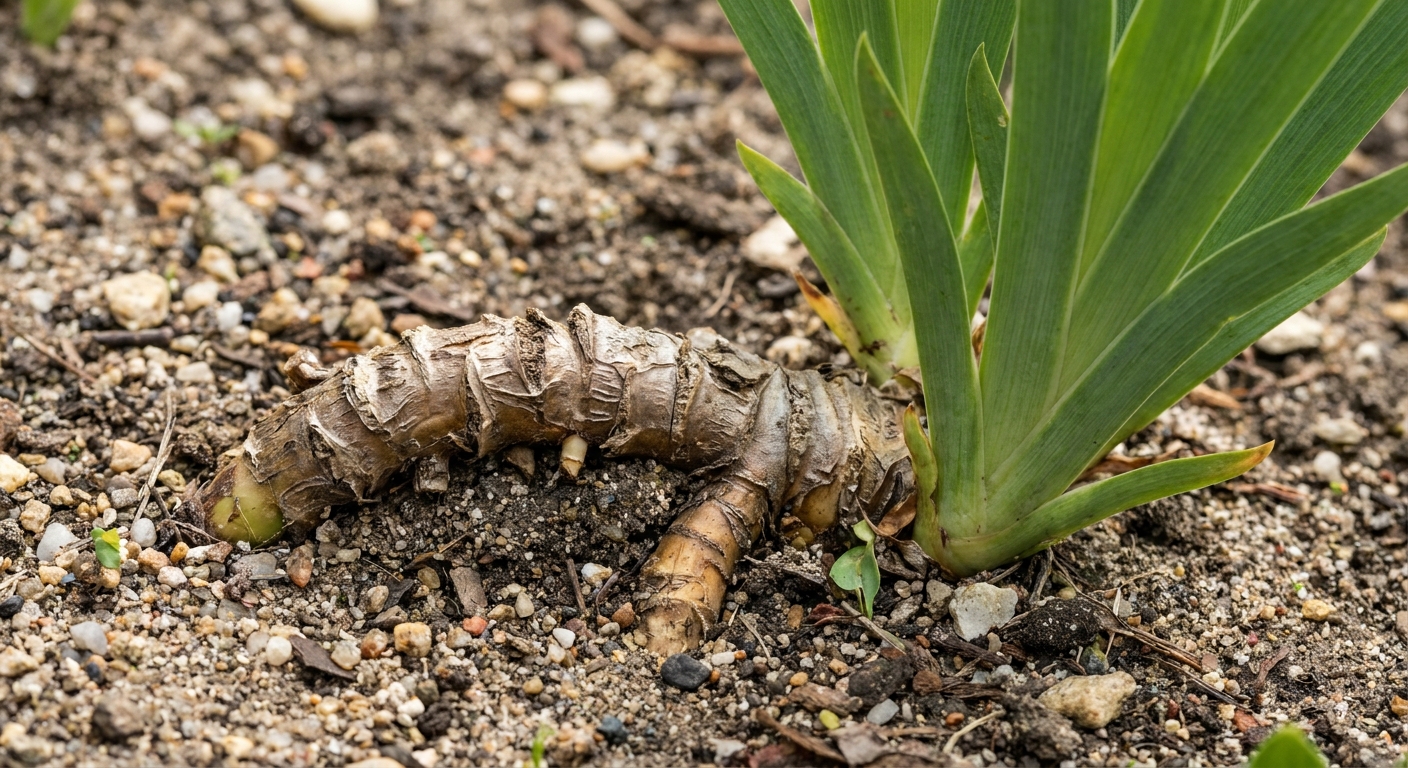
The first time my bearded irises refused to bloom, I took it personally. I had babied them like houseguests: extra compost, extra water, extra everything. Turns out that was the problem. Bearded irises are a little like my fussier ferns: they do best when you love them, then back away slowly.
If your iris clump is all leaves and no flowers, the good news is that it is usually fixable. Below is my go-to checklist for the most common no-bloom causes, what they look like in real life, and what to do next.

Quick no-bloom checklist
If you only have a minute, these are the big five things I check first:
- Sun: fewer than 6 hours of direct sun usually means fewer flowers.
- Rhizome depth: rhizomes buried too deep tend to leaf out but not bloom.
- Fertilizer: too much nitrogen pushes leafy growth at the expense of buds.
- Winter and late freezes: buds can be formed, then damaged before you ever see them.
- Overcrowding: a tight, old clump may need room to reset and bloom again.
Too much shade
Bearded irises are sun lovers. In many gardens, they start out in bright light, then a shrub grows, a tree canopy fills in, or a fence line changes, and suddenly your “full sun” bed is more like “bright shade.” You will still get fans of leaves, but bloom stalks become scarce or disappear.
What you will notice
- Lots of healthy-looking green fans, but few or no flower stalks
- Plants leaning toward the brightest direction
- Blooms only on the sunniest edge of the clump
What to do
Aim for at least 6 hours of direct sun, and 8 is even better in many climates. If moving the irises is not an option, thinning nearby plants for better light and airflow can sometimes be enough to bring blooms back.
Rhizomes buried too deep
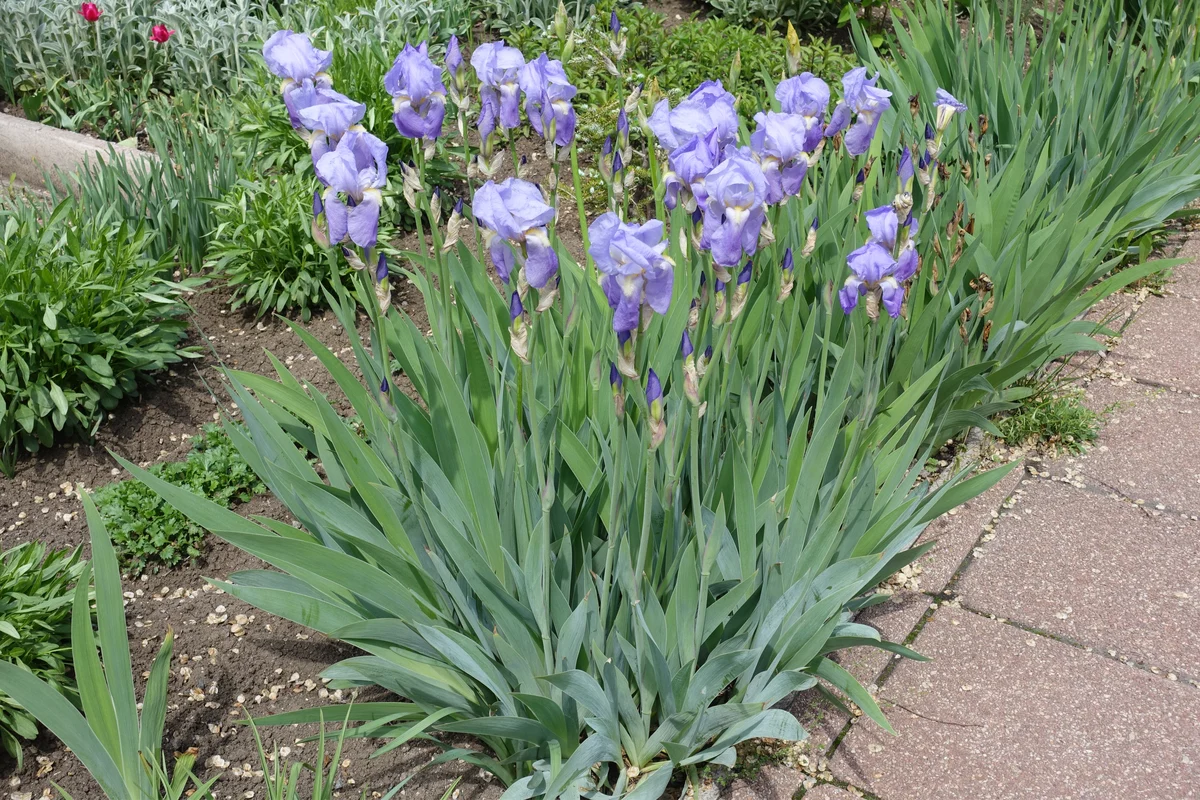
This is one of the most common reasons bearded irises skip blooming, especially after mulching, adding soil, or “tidying up” the bed. Bearded iris rhizomes like to sit high, with the top of the rhizome at or slightly above the soil surface. When planted too deep, the plant often survives, but it does not feel confident enough to flower.
What you will notice
- You cannot see the rhizomes at all, only leaves emerging from soil
- Fans look decent, but flower stalks never appear
- Rhizomes feel damp and cool when you dig down to them
What to do
Gently pull back soil so the rhizome “shoulders” are exposed to sun and air. If the whole plant has sunk deeply, lifting and resetting it higher can make a big difference. Keep mulch away from the rhizome itself. Mulch can be used between plants, but avoid burying the crown area. If you winter-mulch in a cold climate, pull it back in early spring so the rhizomes can warm and dry.
Excess nitrogen
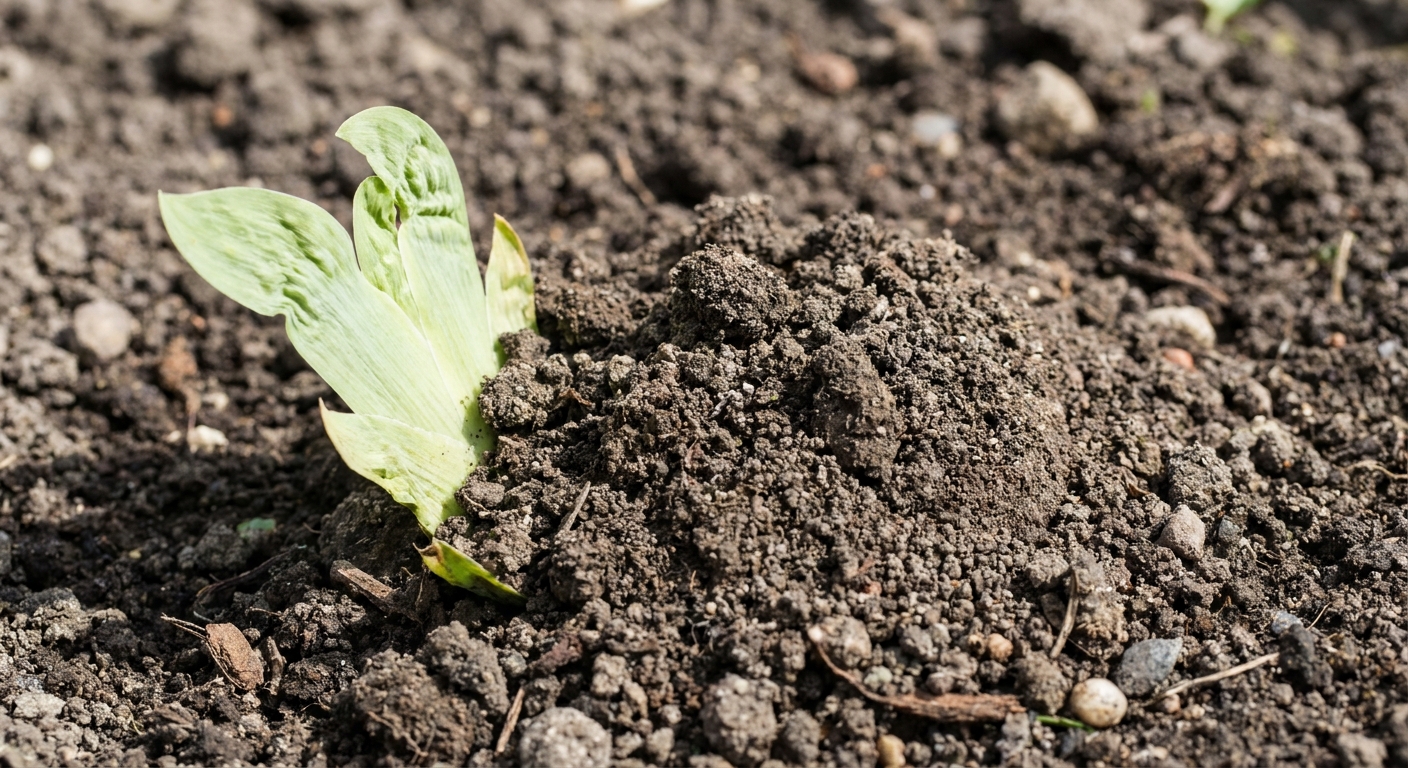
Bearded irises are not heavy feeders, and they are especially sensitive to too much nitrogen. High-nitrogen fertilizers and fresh manures can produce gorgeous, tall leaves while quietly sabotaging bloom. They can also encourage soft growth that is more prone to disease.
Common nitrogen sources
- Lawn fertilizer drifting into iris beds
- “All-purpose” garden fertilizers with a high first number (N)
- Fresh manure, or unfinished compost and manure-heavy topdressings that act “hot” and keep rhizomes damp
What to do
Skip fertilizer for the rest of the season and let the plant rebalance. If you fertilize at all, use a product geared toward blooms with lower nitrogen and avoid placing it right against the rhizome. Also watch irrigation and runoff from nearby lawns. Irises planted along a lawn edge often get unintentionally overfed.
Freeze or weather damage
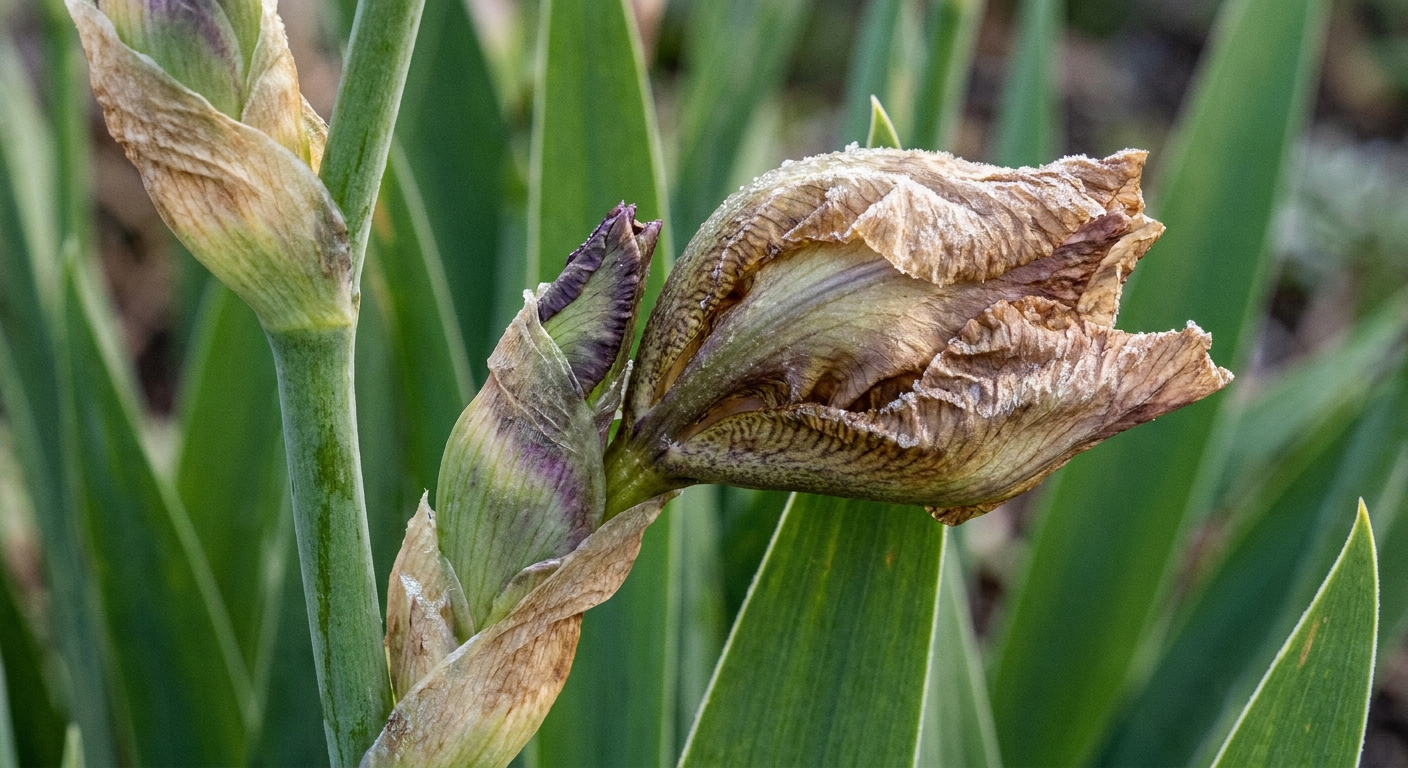
Sometimes your iris did everything right, then the weather did not cooperate. Many bearded irises begin forming next season’s flower potential in summer after blooming. Then in spring, developing stalks and buds can be knocked back by a late hard freeze, a sudden warm spell followed by cold, or even strong wind and hail.
What you will notice
- Short, stubby stalks that stop growing
- Bud tips that turn brown, mushy, or papery
- Bud “sheaths” that look empty or never open
What to do
There is no true fix once buds are damaged, but you can help the plant recover. Keep watering steady in dry springs, avoid high nitrogen, and remove mushy or rotting tissue so it does not invite disease. If late freezes are common where you live, planting in a spot with good drainage and airflow helps. Avoid pushing early growth with heavy feeding, since that can make tender growth more vulnerable.
Overcrowded clumps
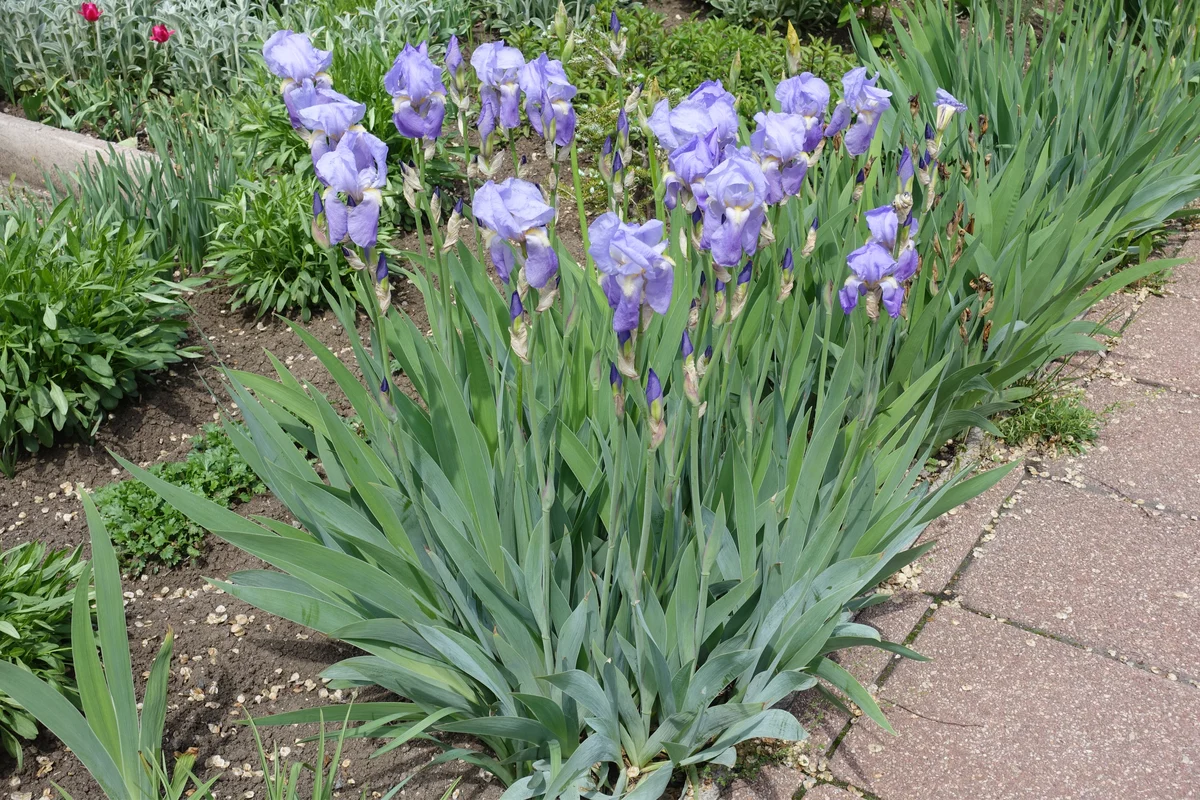
Bearded iris clumps expand outward as rhizomes grow and branch. Over time, the center can become crowded and less vigorous, and blooms may decline. This is especially common in older plantings that have not been thinned in several years.
What you will notice
- A thick mat of rhizomes with little bare soil between them
- Lots of skinny fans and fewer thick, robust fans
- Blooms only around the edges of the clump
What to do
First, confirm the basics: sun, exposed rhizomes, and no nitrogen overload. If those check out and the clump is clearly congested, division can help. It is not the only answer, but it is a reliable way to restore spacing and vigor when age and crowding are the real issue.
For most gardens, the easiest division window is mid to late summer, after flowering and before cold weather returns. Replant pieces with one healthy “fan” and a firm rhizome, space them about 12 to 18 inches apart, and keep the rhizome sitting high. If the leaves are tall and floppy, I trim them back to a short fan so wind does not rock the new planting loose.
Water and drainage issues
Irises like regular moisture while establishing and during active growth, but they hate “wet feet,” especially around the rhizome. Soggy soil can reduce blooming and invite rot. On the flip side, severe drought during key growth periods can also reduce flower production.
Signs you are too wet
- Soft, smelly rhizomes
- Leaves that yellow from the base
- Mushiness where fans meet the rhizome
Signs you are too dry
- Slow growth and smaller fans
- Dry, crunchy leaf tips early in the season
- Bud stalks that form but stay stunted in hot, dry weather
What to do
Improve drainage with a raised bed or by amending heavy soil with grit and organic matter mixed throughout the bed, not piled on top of the rhizomes. Water deeply, then let the top layer dry before watering again. Avoid constant sprinkling that keeps the rhizomes damp.
Not enough time
If your irises were planted or moved recently, they may simply be settling in. Many bearded irises bloom best after they have had time to establish new roots and build up energy in the rhizome. Newly purchased rhizomes can also arrive on the small side, or stressed from shipping, and that first year can be more about survival than show.
What you will notice
- Healthy fans but modest size
- One or two bloom stalks, or none, the first season after planting
What to do
Be patient and keep care consistent: lots of sun, rhizomes kept high, moderate water, and no nitrogen-heavy feeding. A little restraint now often pays off in a stronger bloom show next year.
Pests and diseases
Bearded irises are generally sturdy, but a couple of issues can reduce flowering indirectly by weakening the plant.
Iris borer
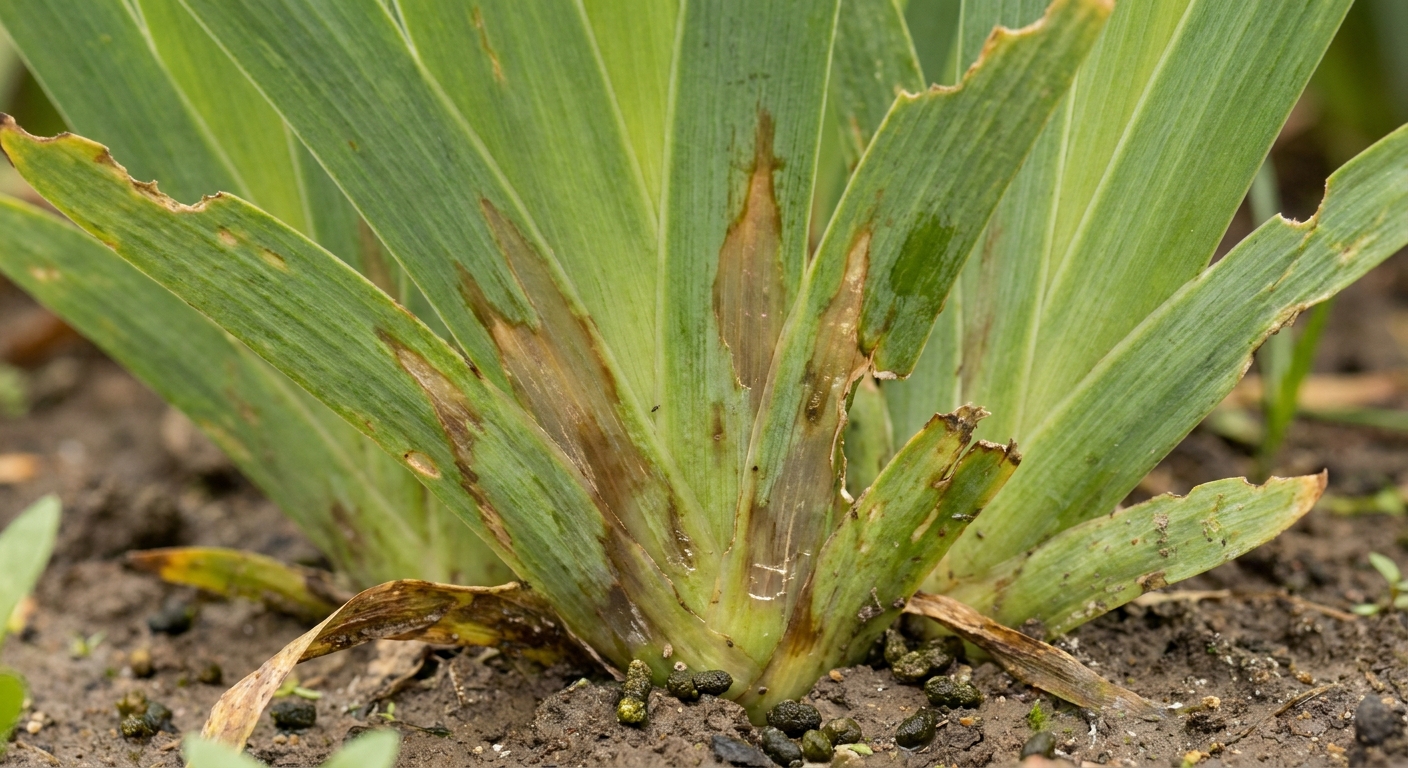
This is the big one. Borers tunnel through leaves into the rhizome, stressing or rotting it. A heavily damaged plant may not bloom.
- Clues: watery streaks in leaves in spring and early summer, chewed-looking bases, rhizome rot
- Next step: remove and discard badly infested tissue, keep beds clean, and avoid leaving old iris debris where pests overwinter
Soft rot
Often linked to poor drainage, buried rhizomes, or excessive nitrogen.
- Clues: foul smell, mushy rhizome, fans that pull away easily
- Next step: cut away rot to firm tissue and let the rhizome dry. Disinfect your cutting tool between cuts and discard rotten pieces in the trash, not the compost. Then correct the underlying moisture and planting depth issues.
What to do now
If you are standing in the garden with a confused look and a trowel, here is the order I would check things:
- Count the sun hours in the iris spot on a clear day.
- Look at the rhizome level. You should see the top of rhizomes.
- Think back on fertilizer. Any lawn feed nearby or nitrogen-heavy products?
- Inspect for rot or borer signs at the base of fans.
- Assess crowding. If it is a dense mat, overcrowding may be part of the story.
Most no-bloom situations are a combination, like slightly too much shade plus slightly too much nitrogen, or buried rhizomes plus damp soil. Fix the easiest, most obvious issue first and give the plant a season to respond.
FAQ
Why are my bearded irises all leaves and no flowers?
The most common causes are too much shade, rhizomes planted too deep, and excess nitrogen. All three encourage leafy growth without triggering blooms.
Should I mulch around bearded irises?
You can mulch lightly between plants, especially to reduce weeds, but keep mulch pulled back from the rhizomes. Burying rhizomes is a classic no-bloom mistake. In cold climates, winter mulch is fine, but pull it back in early spring.
Will Epsom salt make irises bloom?
Epsom salt provides magnesium, which is occasionally useful if your soil is deficient, but it is not a reliable bloom trigger. Sun, correct planting depth, and balanced nutrients matter far more.
My irises bloomed last year but not this year. What changed?
Look for a change in light, fertilizer drift from the lawn, a wet spring that encouraged rot, bud damage from a late freeze, or a clump that crossed into overcrowded territory. A quick inspection of rhizomes and sun exposure usually reveals the culprit.