
Why Are My Rubber Plant Leaves Curling?

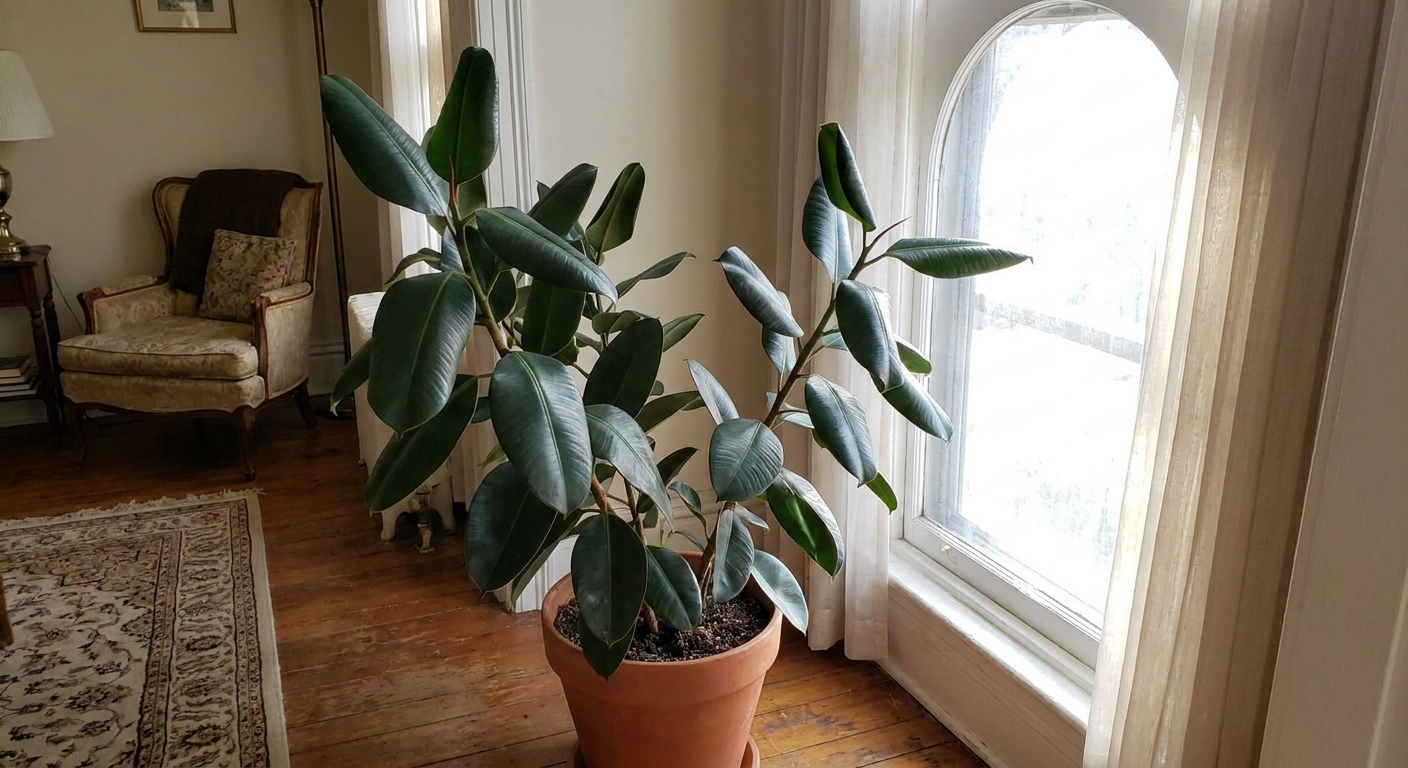
Rubber plants are usually the calm, steady friends of the houseplant world. Big glossy leaves, sturdy stems, and a tolerance for real life. So when those handsome leaves start curling or cupping, it can feel like the plant is trying to send you a coded message.
Good news. Curling is almost always a fixable stress response, and your job is simply to figure out which kind of stress. Below I will walk you through the most common causes for Ficus elastica leaf curl, how to tell them apart, and what to do next.

First, what “curling” actually looks like
People describe rubber plant curl in a few different ways. The pattern matters because it points to the cause.
- Edges rolling up like a taco: often water stress, heat, low humidity, or salts.
- Leaf cupping upward: often too much light or heat, sometimes inconsistent watering.
- Leaf curling downward: often overwatering and root stress, sometimes pests.
- New leaves emerging wrinkled or twisted: often pests (thrips are classic) or low humidity during unfurling.
Curling vs drooping: not the same problem
This is important because a rubber plant can look “sad” in more than one way.
- Drooping is mostly about leaf and stem turgor (water pressure inside the plant). It is often thirst or root trouble.
- Curling is more of a protective posture. The leaf reduces surface area to slow water loss or avoid intense light and heat.
So if your plant is drooping like it is fainting, you troubleshoot differently than if leaves are stiff but rolled at the edges.
Quick decision tree (2 minutes)
If you only do one thing today, do this fast triage.
Step 1: Touch the soil
- Bone dry 2 to 3 inches down and leaves are curling up: likely underwatering or heat stress.
- Wet or soggy and leaves curl down or feel limp: likely overwatering and root stress.
- Moist but not wet: move to Step 2.
Step 2: Look for pests (use your phone flashlight)
- Check the undersides and along the midrib for tiny moving specks, silvery scarring, webbing, or sticky residue.
- If you see signs, skip to the Pests section.
Step 3: Audit the last two weeks
- Did you move it into stronger sun or near a hot window? Think light and heat.
- Did your home turn on heat or AC? Think humidity and drafts.
- Did you fertilize, repot, or switch water sources? Think salts and roots.
Cause 1: Underwatering (or watering too lightly)
Rubber plants do not want daily sips. They prefer a thorough watering, then time to partly dry out. When they get too dry, leaves often curl upward at the edges to conserve moisture.
Clues
- Soil pulls away from the pot edges or feels dry several inches down.
- Leaves feel slightly firm but rolled, sometimes a bit dull.
- Lower leaves may eventually yellow and drop if the cycle continues.
Fix
- Water deeply until water runs from the drainage holes, then empty the saucer.
- If the soil has become water repellent, bottom water for 20 to 30 minutes, then drain.
- Going forward, water when the top 2 inches are dry (deeper for very large pots).
Recovery note: curled leaves may not completely flatten, but new growth should come in normal once the plant is back in rhythm.
Cause 2: Overwatering and root stress
Overwatering is less about “too much water” and more about too little oxygen around the roots. When roots sit in wet soil, they cannot breathe. Leaves can curl downward, feel soft, and sometimes yellow.
Clues
- Soil stays wet for a week or more.
- Musty smell from the pot, fungus gnats, or blackening at the base of stems.
- New leaves are smaller, misshapen, or the plant stalls.
Fix
- Pause watering until the top few inches dry.
- Confirm the pot has drainage holes. Non negotiable for rubber plants.
- If the mix is heavy or compacted, repot into a chunkier, airier blend (see the repot section below).
If you suspect rot, do not just “wait it out.” Roots can go from stressed to rotten faster than you think.
Cause 3: Too much direct sun or heat
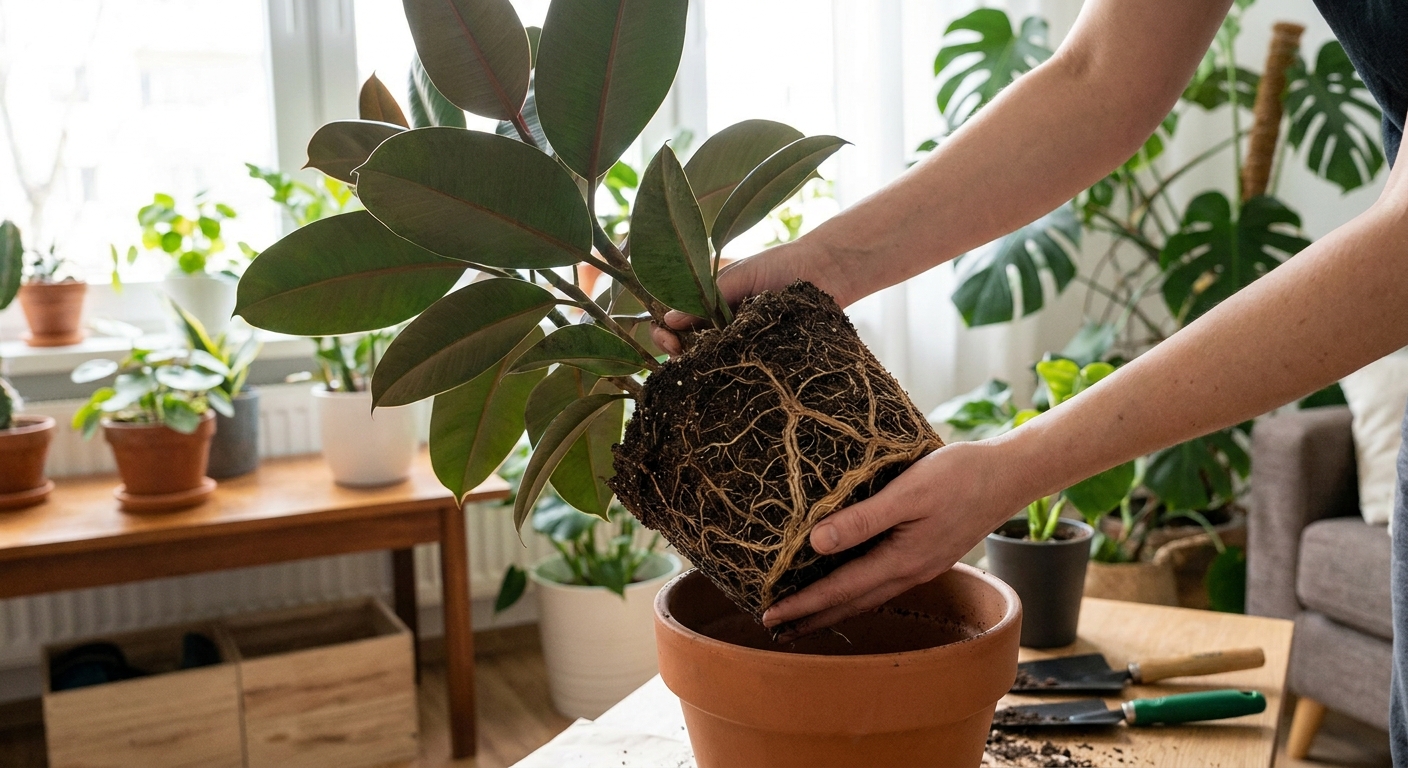
Rubber plants like bright light, but a sudden jump to hot direct sun can make leaves cup upward or curl at the edges. A south or west window can be intense, especially when the glass heats up.
Clues
- Curling is worse on the side facing the window.
- Leaf surfaces feel warm in the afternoon.
- You may see pale patches or crisping if it progresses to sunburn.
Fix
- Move the plant back 1 to 3 feet from the window or add a sheer curtain.
- Avoid placing it above a radiator or next to a heat vent.
- Acclimate slowly if you want more light: increase exposure over 7 to 14 days.
Cause 4: Low humidity and dry indoor air
Rubber plants are tougher than many tropicals, but very dry air can still make leaves curl, especially new leaves while they are unfurling. Winter heating is the usual culprit.
Clues
- Leaf edges curl and may feel slightly papery.
- New leaves emerge with wrinkles, then harden that way.
- Humidity is consistently below about 35 to 40 percent.
Fix
- Aim for 40 to 60 percent humidity if you can.
- Group plants together or run a small humidifier nearby.
- Keep it away from forced air vents and drafty doors.
Misting is not harmful if done lightly in the morning with good airflow, but it is a short-lived boost. Think of it as a sip, not a solution.
Cause 5: Temperature swings and drafts
A rubber plant parked in the path of a heater, AC unit, or frequently opened exterior door can curl leaves as a stress response. It is basically bracing itself.
Clues
- Curling appears after a cold snap or after turning on heating or cooling.
- Leaves closest to the draft curl first.
Fix
- Keep your plant in a steadier zone: roughly 65 to 80°F is the happy range for most homes.
- Redirect vents or move the plant a couple of feet out of the airflow line.
Cause 6: Salt buildup from fertilizer or hard water
If you fertilize regularly or have hard tap water, salts can accumulate in the potting mix. This can irritate roots, reduce water uptake, and lead to curled edges or crispy tips.
Clues
- White crust on the soil surface or pot rim.
- Leaf tip burn paired with curling.
- Fertilizing more often than once a month during active growth.
Fix
- Flush the soil: run room-temperature water through the pot for a minute or two, let it drain fully.
- Pause fertilizer for 4 to 6 weeks.
- Consider filtered water if your tap water is very hard.
Rubber plants are not heavy feeders. During spring and summer, a balanced houseplant fertilizer at half strength once a month is plenty for most setups.
Cause 7: Pests (thrips, spider mites, mealybugs, scale)
If curling is paired with distortion, stippling, or sticky residue, assume pests until proven otherwise. Rubber plants have thick leaves, which can hide early infestations.
What to look for
- Spider mites: fine webbing, tiny pale speckles, leaf edges curling in dry air.
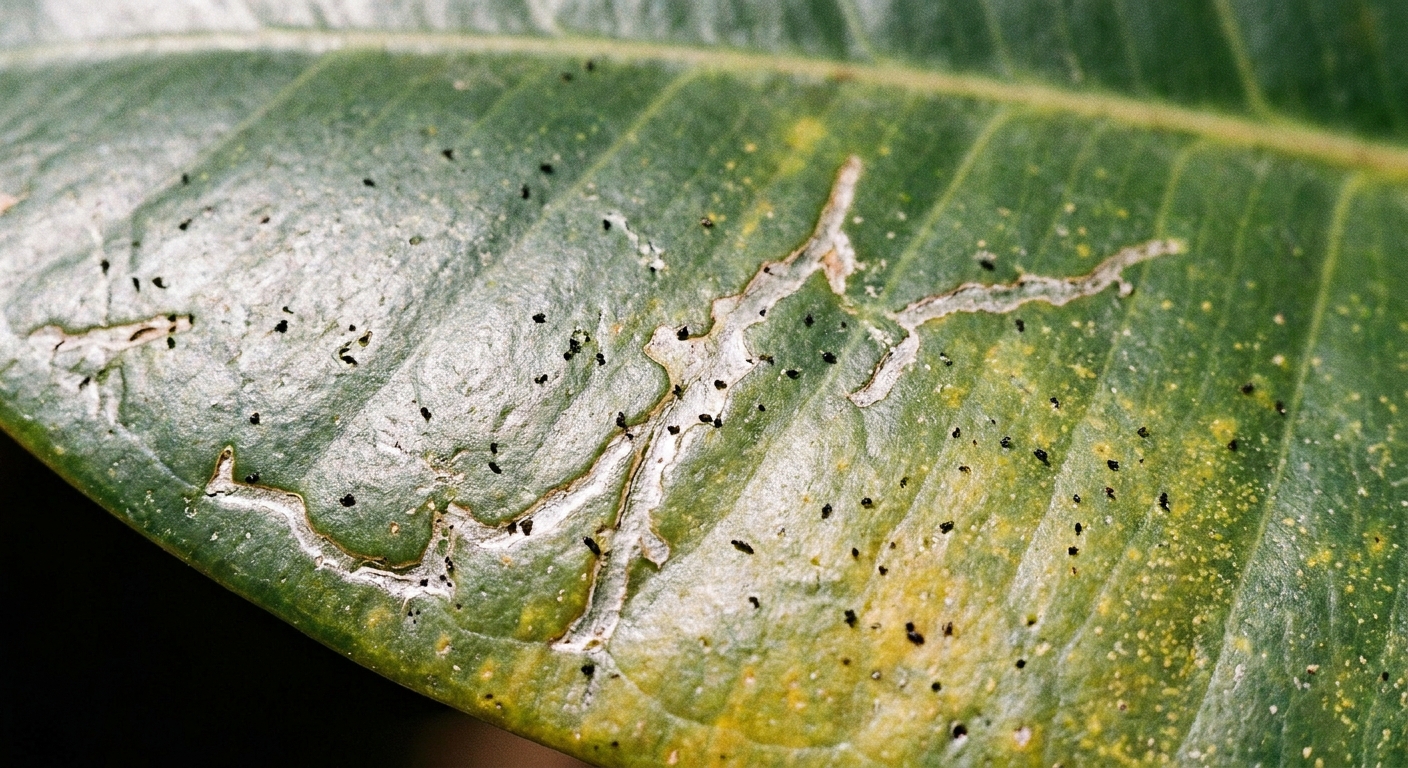
- Thrips: silvery streaks or scarring, black specks (frass), new leaves twisted or cupped.
- Mealybugs: white cottony clusters in leaf joints and along veins.
- Scale: small brown bumps on stems and leaf undersides, sticky honeydew.
Fix
- Isolate the plant right away.
- Rinse leaves in the shower, especially undersides.
- Wipe each leaf with a soft cloth and diluted castile soap or insecticidal soap.
- For ongoing issues, use a horticultural oil or neem product, following label directions. Repeat treatments every 7 to 10 days for several rounds.
If you keep getting thrips despite treatment, a systemic insecticide labeled for houseplants can be an option in some regions. Use it carefully and keep it away from pets and edible plants. I always start with physical cleaning and targeted sprays first.
Cause 8: Pot size, compacted soil, and root binding
Rubber plants can handle being slightly snug, but severely root-bound plants dry out fast and can curl from repeated mini-droughts. On the flip side, a pot that is too large can stay wet too long, stressing roots the other way.
Clues
- Roots circling the pot or poking out drainage holes.
- Water runs straight through without soaking in.
- Soil looks shrunken, dense, or has broken down into a heavy mass.
Fix: repot the right way
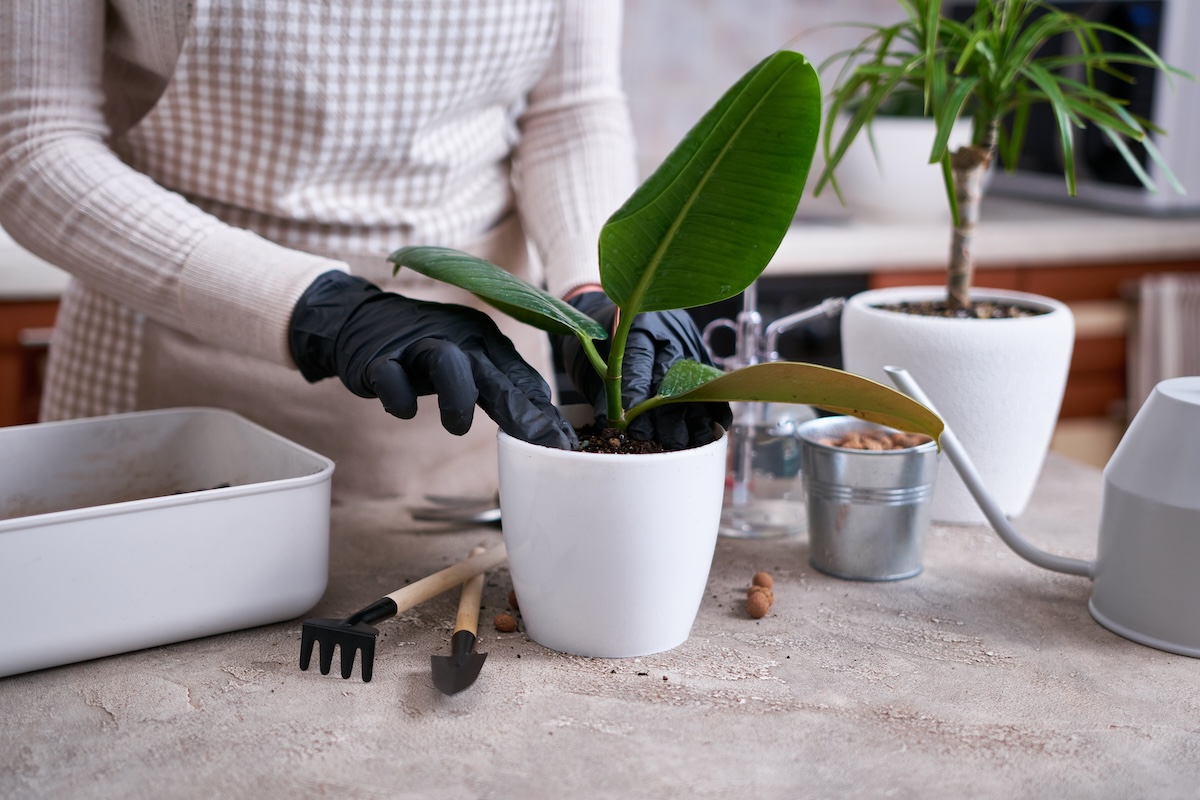
- Choose a pot only 1 to 2 inches wider than the current one.
- Use a chunky mix: quality potting soil plus perlite and orchid bark (or pumice) for airflow.
- After repotting, water once thoroughly, then let it settle. Avoid fertilizing for about a month.
Cause 9: Natural leaf adjustment and new growth quirks
Sometimes curling looks alarming but is simply a leaf settling into place. New rubber plant leaves unfurl from a sheath and can look curled for a little while, especially if the plant is adjusting to a new home.
Clues
- Only the newest leaf is affected and it is otherwise healthy in color.
- Growth continues and stems look firm.
Fix
- Be patient for 1 to 2 weeks.
- Keep care consistent: bright indirect light, even watering, stable temps.
Do curled leaves uncurl?
Sometimes. If the curling is mild and caused by temporary dryness, drafts, or a light shift, leaves can relax again. If the leaf tissue has hardened in a curled position, or if there was heat damage or pest scarring, that particular leaf may stay a bit wonky.
What you really want to watch is new growth. A healthy rubber plant tells the truth with the next leaf.
When to worry (and act fast)
Curling is usually not an emergency, but these situations deserve prompt attention:
- Curling plus rapid yellowing and leaf drop: often root rot or severe watering stress.
- Black spots, mushy stems, sour smell: likely rot.
- Distorted new leaves with silver scarring: thrips can spread quickly.
- Leaves curling and turning crispy within days: heat event, sunburn, or very low humidity.
If any of the above are happening, skip tweaks and do a real assessment: check soil moisture, inspect for pests, and consider unpotting to look at roots.
Rubber plant recovery plan (simple and effective)
If you are not sure which cause fits, this gentle reset helps most curling cases without overcorrecting.
- Light: place in bright, indirect light. Near an east window is a sweet spot for many homes.
- Watering: water only when the top 2 inches are dry, then water thoroughly.
- Environment: keep away from vents and hot glass, aim for moderate humidity.
- Leaf care: wipe leaves to remove dust and check undersides weekly for pests.
- Do not fertilize until you see stable new growth.
Give it two to four weeks. Plant stress often improves on a plant schedule, not a human one.
FAQ
Why are only the edges of my rubber plant leaves curling?
Edge curl is commonly tied to water loss: underwatering, heat, low humidity, or salt buildup. Check soil dryness first, then look at your window heat and indoor humidity.
My rubber plant leaves are curling but the soil is wet. What now?
That points to root oxygen issues. Make sure the pot drains, let the mix dry a bit, and consider repotting into a chunkier soil if it stays wet for many days.
Should I cut off curled leaves?
If the leaf is mostly green and firm, keep it. It is still photosynthesizing. Remove leaves only if they are more than half damaged, yellowing, or infested beyond cleaning.
Can I use leaf shine products?
I skip them. Leaf shine can block pores and make pest problems harder to spot. A damp cloth is safer and keeps your plant looking naturally glossy.