
Why Are My Rose Leaves Turning Yellow?

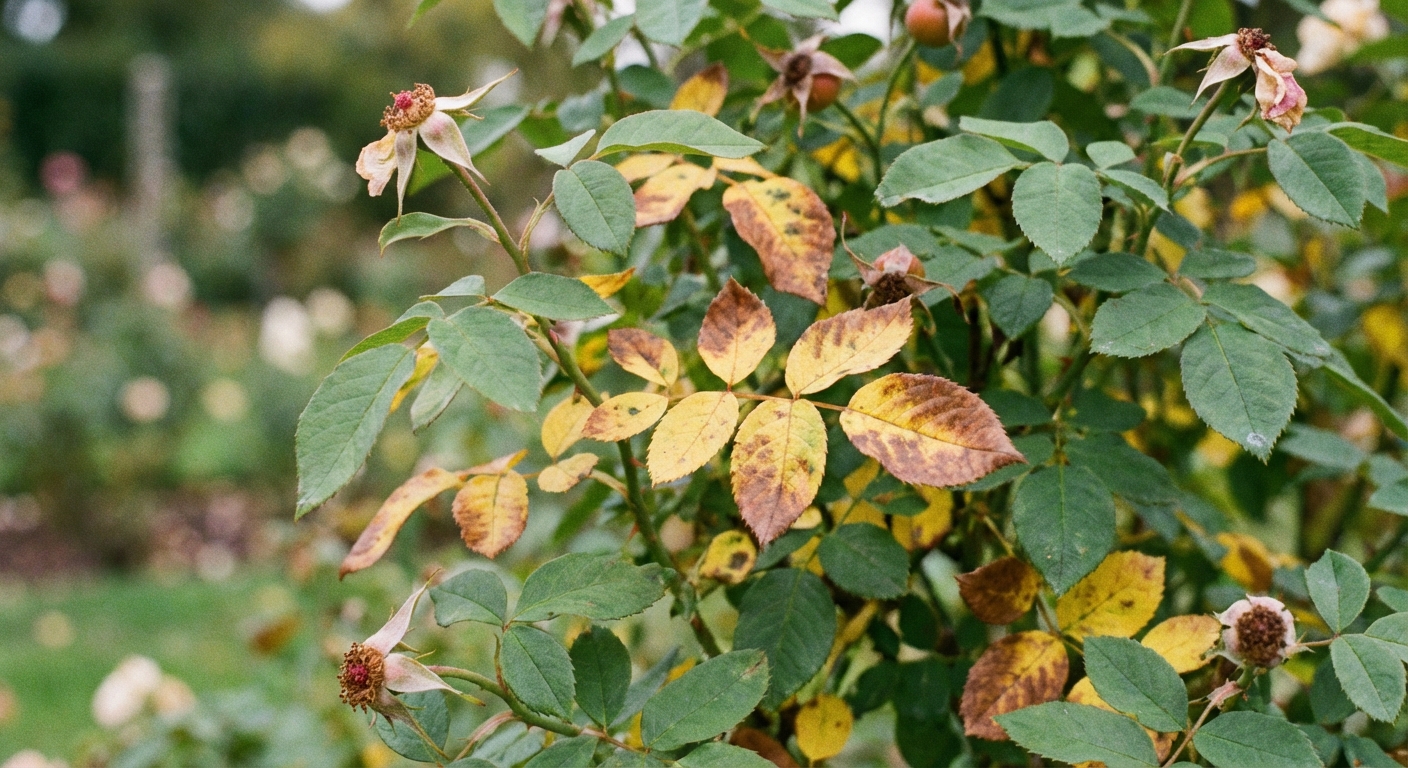
Yellowing rose leaves can feel like a personal insult. Trust me, it is usually your rose trying to communicate something simple: its roots are too wet, too dry, short on a key nutrient, or under attack by a pest or disease. The good news is that most yellow-leaf problems are fixable, and your rose can rebound quickly once you correct the cause.
Below is the exact “garden detective” checklist I use in my own beds. We will narrow down what the yellowing looks like, where it is happening on the plant, and what the soil and leaves are telling you.
Quick diagnosis: 5 checks in 5 minutes
Which leaves are yellowing? Older leaves first usually points to watering stress or a mobile nutrient issue (like nitrogen or magnesium). Newest leaves yellowing first often points to iron chlorosis or high pH, but other immobile nutrient issues (like manganese or sulfur) and herbicide or virus damage can also look similar.
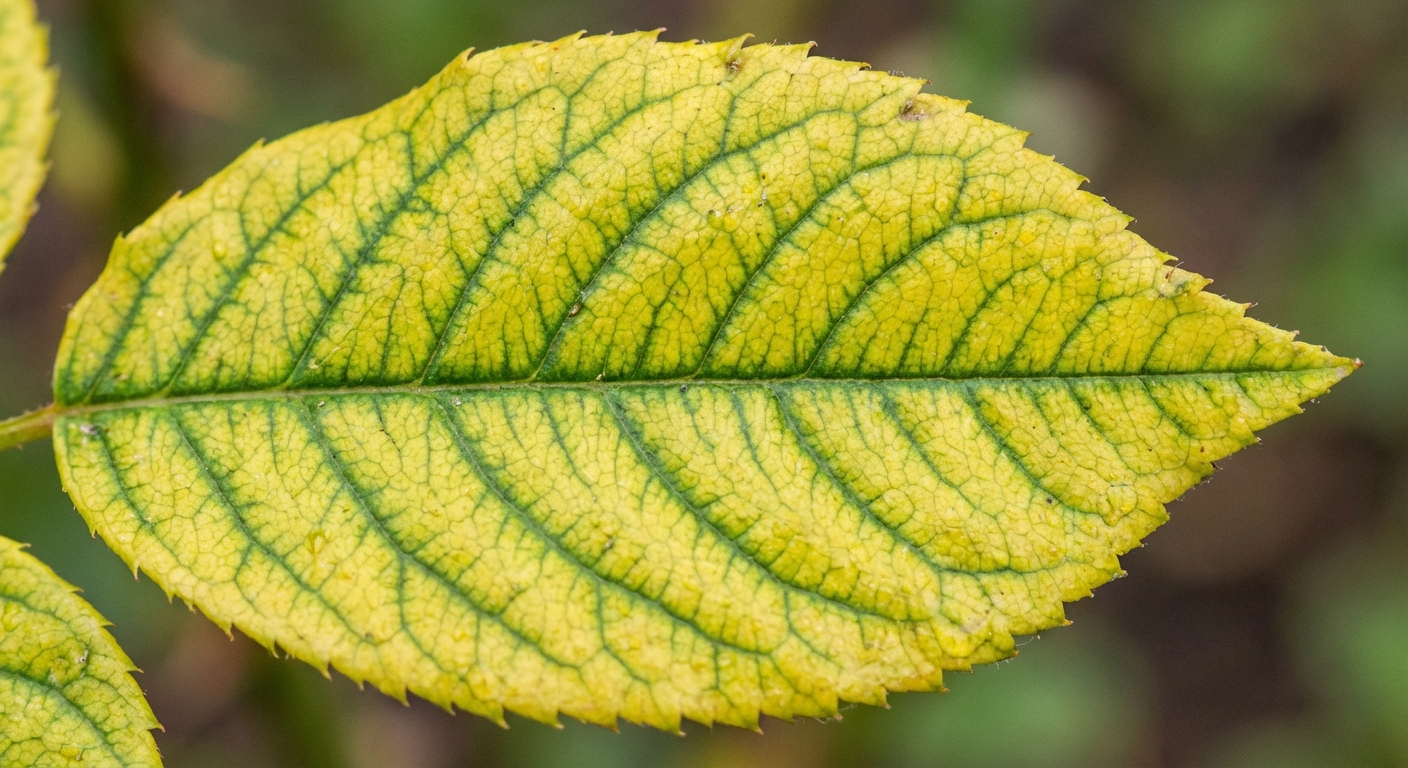
Is it yellow with green veins? That classic pattern is often iron chlorosis.
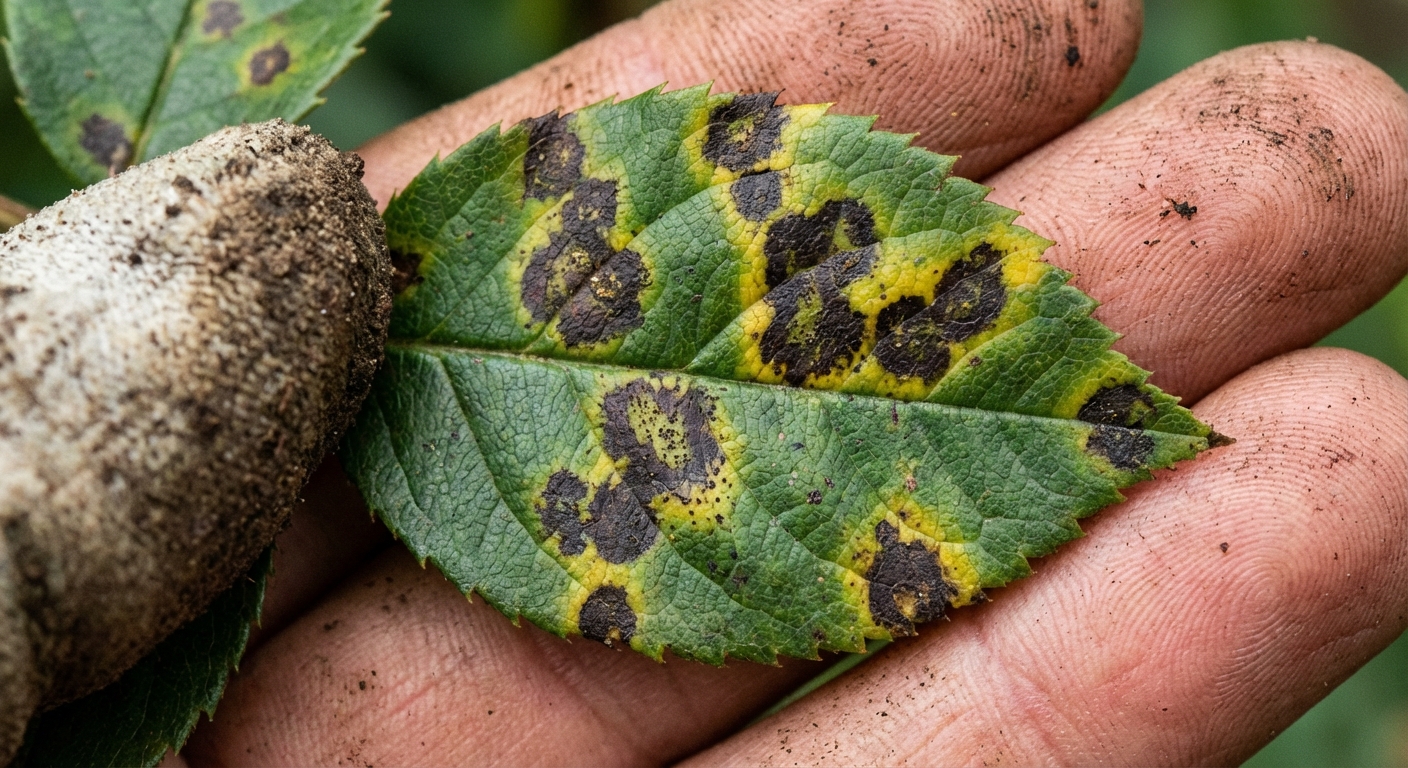
Any spots, halos, or leaf drop? Black spot can start as yellowing around dark spots and then defoliate fast.
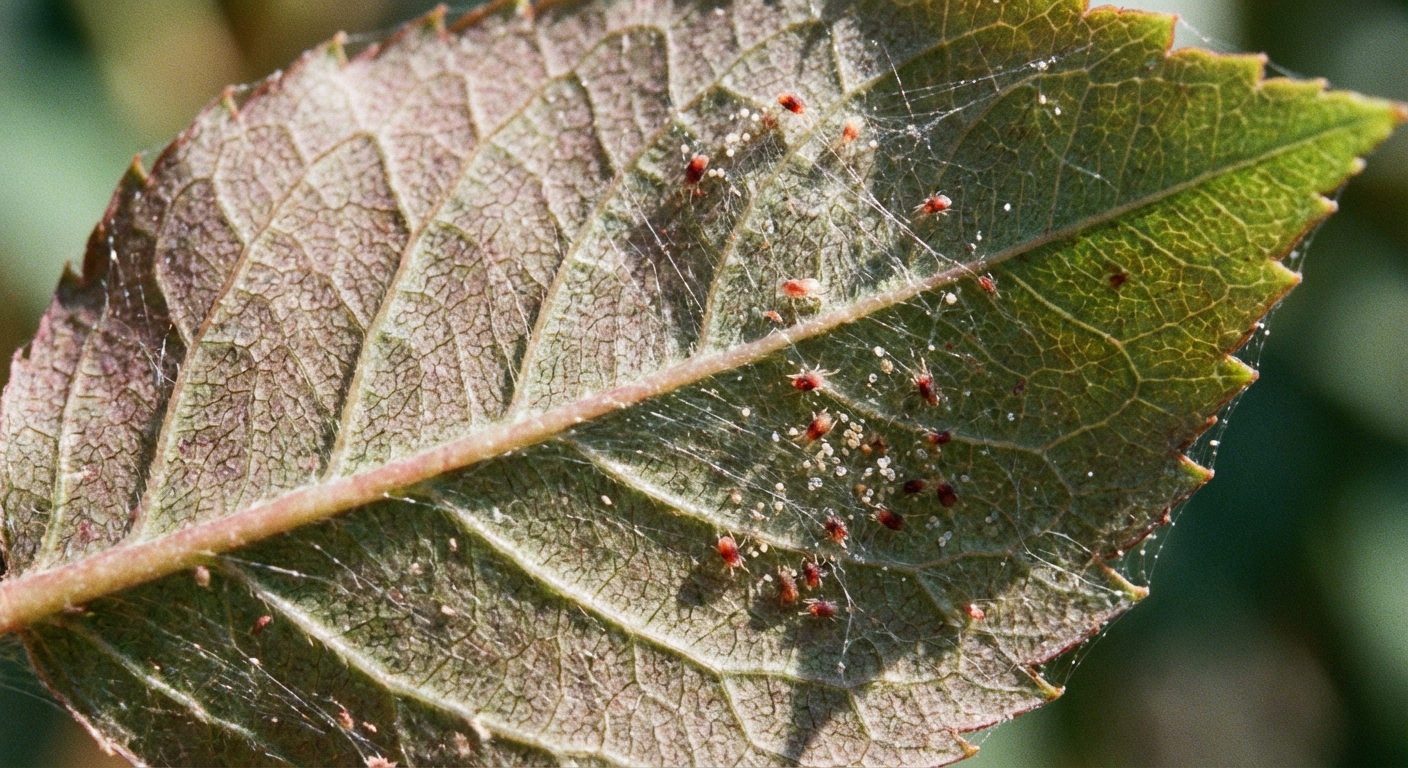
Flip the leaf over. Look for fine webbing, stippling, or tiny moving dots. Spider mites love hot, dry weather.
Check soil moisture a few inches down. This is a quick first check, not a full root audit. If it is soggy or bone dry, you have your first suspect.
If you can, take one yellow leaf to good light and look closely. Roses give clues. We just have to listen.
Overwatering and poor drainage
What it looks like: Leaves turn pale green to yellow, often starting on lower or older leaves. The plant may look “tired” even though the soil is wet. Buds can stall. In severe cases, leaves drop.
Why it happens: Roots need oxygen. When soil stays wet for too long, roots struggle, then they cannot take up nutrients properly. Yellow leaves are often the first visible symptom.
How to confirm
- Soil feels wet a few inches down for days after watering or rain.
- Rose is planted in heavy clay, a low spot, or a pot without excellent drainage.
- You may notice a slightly sour smell in containers, or algae and fungus gnats in consistently wet potting mix.
What to do
- Pause watering until the top few inches of soil are just barely moist, not wet.
- Water deeply, less often. Aim to soak the root zone, then let it dry a bit before the next watering.
- Improve drainage. In-ground: top-dress with compost, avoid compacting soil, and consider raising the bed. In pots: repot into a high-quality potting mix and confirm drainage holes are clear.
- Mulch correctly. Keep mulch 2 to 3 inches deep, but pull it back a few inches from the cane base to prevent constant moisture against stems.
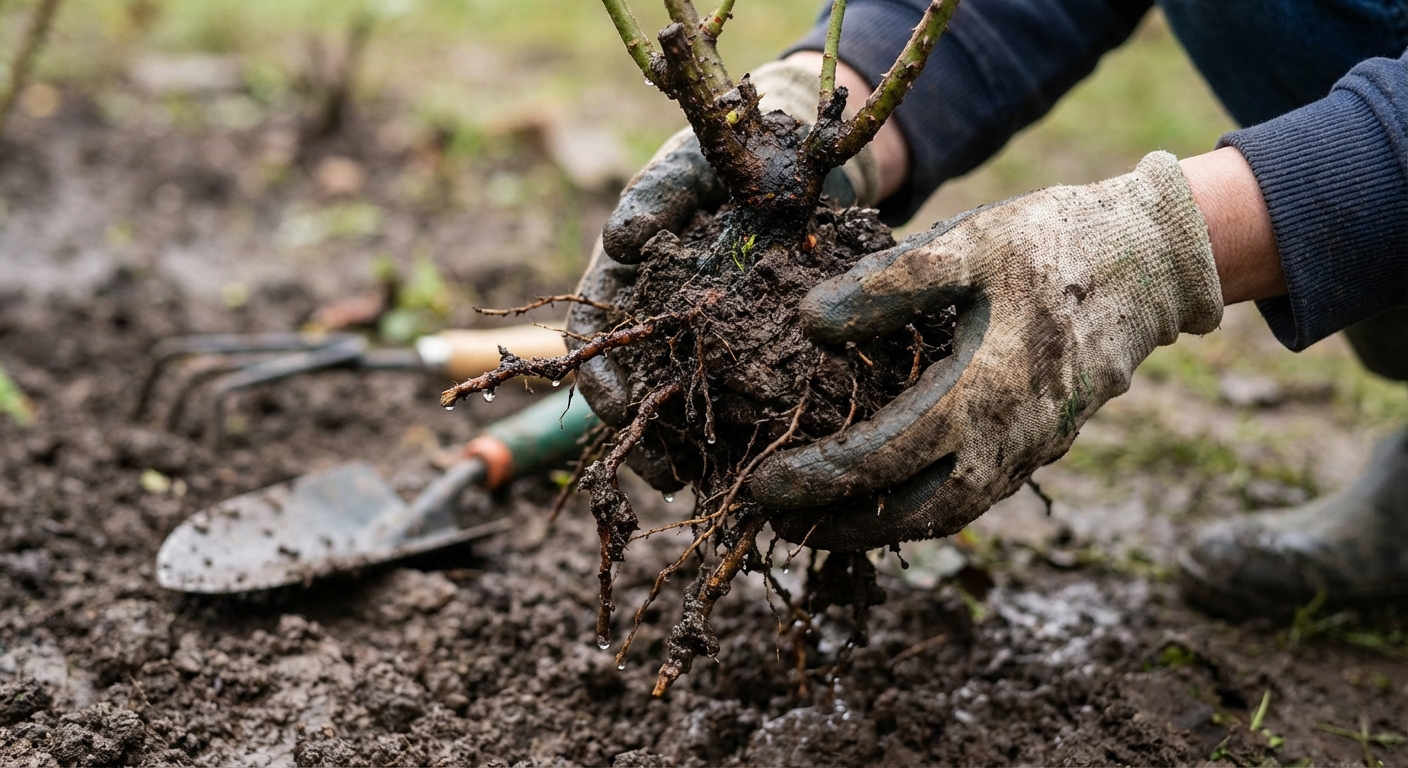
Underwatering and drought stress
What it looks like: Yellowing often begins at the bottom, then leaves may crisp at the edges, curl, and drop. Flowers can be smaller and fade quickly.
Why it happens: When water is scarce, roses sacrifice older leaves first. In hot spells, a rose can go from fine to frazzled surprisingly fast, especially in sandy soil or containers.
How to confirm
- Soil is dry a few inches down and pulls away from the pot edge.
- Leaves droop during the day and do not recover by evening or overnight.
- Container roses feel very light when you lift the pot.
What to do
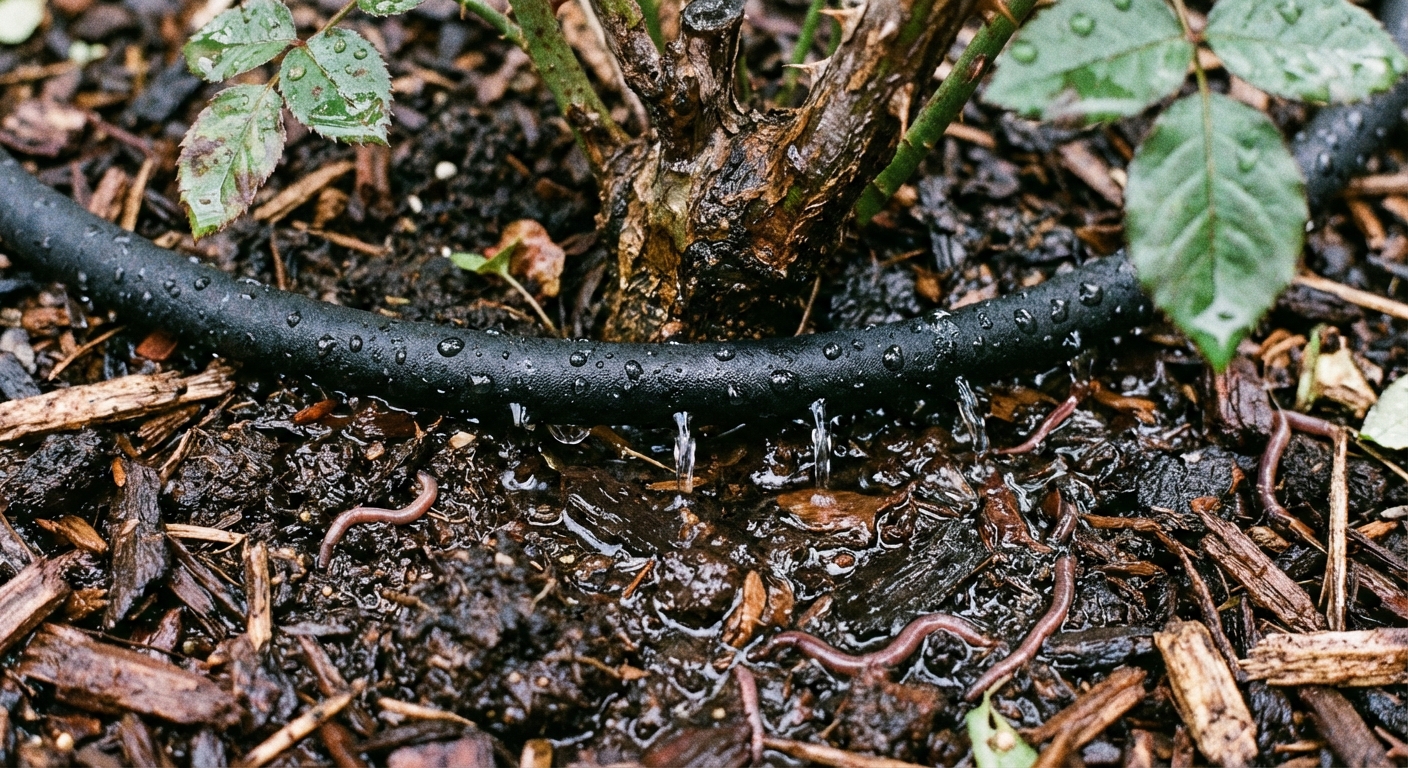
- Deep water slowly. Use a soaker hose or a gentle trickle so moisture reaches well into the root zone (aim for a deep soaking, not a quick splash).
- Mulch for moisture. Compost plus wood chips or shredded leaves is a dream team for keeping the soil evenly moist.
- Adjust schedule for heat. During heat waves, container roses may need daily watering, while in-ground roses might need 1 to 2 deep waterings per week depending on soil.
- Avoid frequent sips. Light daily sprinkling trains roots to stay shallow and makes drought stress worse.
Nutrient deficiencies (especially iron chlorosis)
Roses are enthusiastic feeders, but yellow leaves do not automatically mean “add fertilizer.” The pattern matters. One of the most common culprits is iron chlorosis, which is often less about missing iron and more about iron being unavailable due to soil pH or root stress.
Iron chlorosis
What it looks like: New leaves turn yellow while the veins stay greener. Growth can look weak, and the newest leaves may be smaller.
Common causes: High soil pH (alkaline soil), waterlogged roots, compacted soil, or cold, slow spring soils that reduce nutrient uptake.
How to confirm
- Yellowing is strongest on the newest growth at the top.
- Veins remain noticeably greener than the leaf tissue.
- You are in a region with alkaline soil, or you water with very hard water.
What to do
- Test your soil pH if possible. Roses often perform best around pH 6.0 to 7.0. A simple home kit is fine for a quick read, and a local extension or lab test is gold if problems keep repeating.
- Apply chelated iron according to label directions for a quick improvement, especially for container roses.
- Go slow with acidifiers. Elemental sulfur and similar amendments act slowly and should be guided by a pH test. Guessing can create new problems.
- Fix root stress first. If soil is waterlogged or compacted, iron treatments alone will be a temporary bandage.
Nitrogen, magnesium, and potassium issues
Nitrogen deficiency: Older leaves turn uniformly pale green to yellow, overall growth slows. Fix: Use a balanced organic rose fertilizer or composted manure in season, and avoid overcorrecting.
Magnesium deficiency: Older leaves may yellow between veins, sometimes with a green triangle near the base. Fix: Magnesium sulfate can help if you confirm the pattern, but consider a soil test before repeated applications.
Potassium deficiency: Leaf edges can yellow, then scorch brown, with weak stems and poor blooms. Fix: A rose fertilizer that includes potassium, plus compost to support steady uptake.
Pro tip: If you fertilized heavily and then the leaves yellowed, it could be salt stress or root burn. Flush containers with plain water, and in-ground roses benefit from deep watering and a pause on feeding.
Black spot disease
Black spot is one of the most common reasons rose leaves turn yellow and drop. It can start subtly, then suddenly your rose looks like it got a bad haircut.
What it looks like: Black or dark brown round spots, often with feathery edges. Yellowing spreads around the spots, then leaves drop from the bottom up.
How to confirm
- Spots are present on leaves before they yellow fully.
- Lower leaves are affected first, especially after rainy or humid periods.
- Yellow leaves fall easily when touched.
What to do
- Remove infected leaves from the plant and the ground. Do not compost them if your compost does not get hot.
- Water at the base and avoid wetting foliage, especially in the evening.
- Increase airflow. Prune for an open shape and avoid crowding.
- Use an appropriate fungicide if the infection is spreading. Follow label directions closely and reapply as required, especially after rain.
- Lean on prevention in wet climates. If black spot is a yearly visitor, consider resistant varieties and start preventive care early.
- Clean up in fall. Many black spot spores overwinter on fallen leaves and canes.
CMS note: If you reference a separate black spot guide on your site (for example, “our black spot treatment guide”), link it here so readers can go deeper without interrupting the flow.
Spider mites
Spider mites are tiny, sneaky, and very common when weather turns hot and dry. They pierce leaf cells and sip, leaving a washed-out, yellow-speckled look that can spread quickly.
What it looks like: Fine yellow stippling across leaves, a dull or dusty appearance, and sometimes fine webbing on the undersides or between leaf stems. Leaves may yellow and drop if infestations grow.
How to confirm
- Check the underside of leaves with a flashlight.
- Do the white paper test: tap a branch over white paper. If you see tiny moving specks, that is a strong clue.
What to do
- Blast with water. A strong spray, especially under leaves, can knock populations down dramatically.
- Reduce drought stress and dust. Keep watering consistent, mulch to protect roots, and rinse foliage periodically during very hot, dry spells. Outdoors, you cannot change the weather, but you can make mites less comfortable.
- Use insecticidal soap or horticultural oil if needed, covering undersides thoroughly. Apply in cooler parts of the day and follow label instructions to avoid leaf burn.
- Avoid broad-spectrum insecticides when possible, because they can kill beneficial predators that naturally keep mites in check.
Heat stress and sun scorch
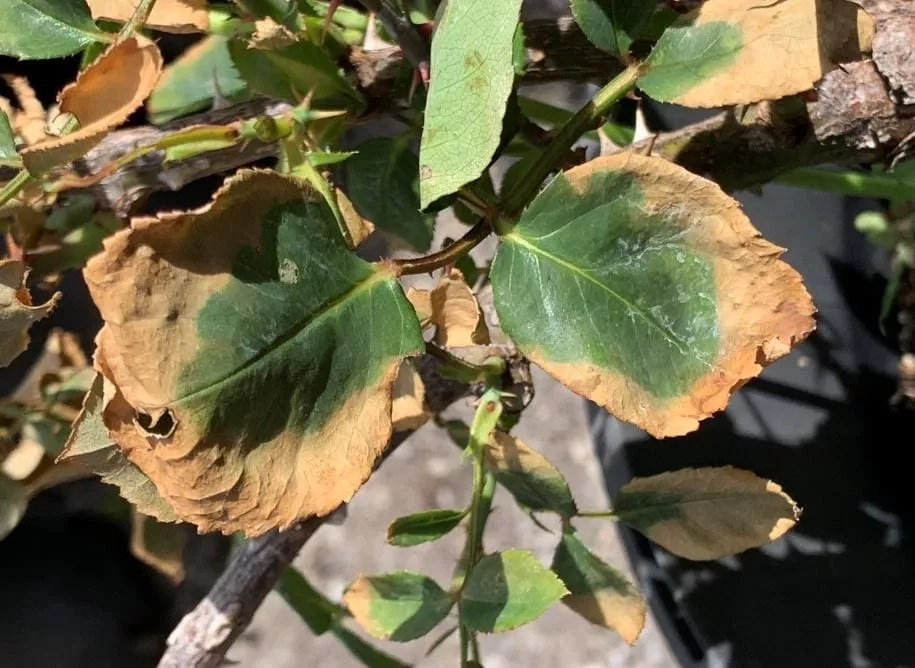
Sometimes yellow leaves are simply a weather complaint. Intense sun and heat, especially when paired with dry wind, can cause chlorophyll to break down and leaf edges to scorch.
What it looks like: Leaves may turn yellow, then develop brown, crispy edges or patches. Flowers can fry quickly or fade within a day.
How to confirm
- A heat wave hit recently, especially with temperatures above what your rose is used to.
- Damage is worse on the sunniest side of the plant.
- Soil moisture may be inconsistent, swinging between too dry and suddenly soaked.
What to do
- Water early in the day and aim for deep, even moisture.
- Mulch generously to keep roots cooler.
- Provide temporary afternoon shade with shade cloth or a light screen for container roses or newly planted shrubs.
- Hold off on heavy fertilizing during extreme heat. Pushing tender growth in scorching weather often backfires.
Other causes to consider
Natural aging: Some yellowing of older inner leaves is normal, especially after a flush of growth. If the rest of the plant looks vigorous, a little leaf turnover is not an emergency.
Transplant shock: Newly planted roses can yellow as roots adjust. Keep watering consistent, mulch, and avoid strong fertilizer until you see new healthy growth.
Herbicide drift: Twisted new growth plus yellowing can happen if lawn weed killers drift onto roses. If you suspect this, rinse foliage with water as soon as possible and focus on gentle care while the plant grows out of it.
Powdery mildew or downy mildew: Mildews can cause yellowing, leaf distortion, and drop, sometimes with white (powdery) growth or purplish blotching. Improve airflow, avoid overhead watering, and use a labeled fungicide if it is spreading.
Rose mosaic virus: Yellow mottling, zigzags, or line patterns that persist on new leaves can be viral. There is no cure. Keep the plant healthy and consider replacement if performance is poor.
Step-by-step: pinpoint your cause
Step 1: Look for patterns
- New leaves yellow first with green veins: likely iron chlorosis or root stress limiting iron uptake (and sometimes manganese or sulfur issues).
- Older leaves yellow first: watering stress or a nutrient issue like nitrogen or magnesium.
- Yellow plus black spots: black spot is likely.
- Yellow speckling, dusty look, webbing: spider mites are likely.
- Yellow patterns, twisted tips: think herbicide drift or virus, especially if it does not match the usual deficiency patterns.
Step 2: Check soil and drainage
Feel the soil a few inches down. Roses love deep watering, but they hate sitting in swampy soil. If you only do one troubleshooting step, do this one. For established roses, remember the real action is deeper, so treat this as your first clue and adjust from there.
Step 3: Act, then watch new growth
Fully yellowed leaves rarely turn green again. Sometimes mildly chlorotic leaves can improve after you correct the cause, but your best success metric is fresh, healthy new leaves. Give your fix 1 to 3 weeks, then reassess.
When to worry
Relax a little if yellowing is limited to a few older leaves and your rose is still putting out healthy new growth and blooms.
Take action quickly if yellowing is rapid, spreading across the plant, accompanied by spots or pests, or causing significant leaf drop.
Call in backup if you see cane dieback, sudden severe defoliation, or the problem keeps returning despite fixing watering and doing a basic soil test. A local extension office, reputable nursery, or rose society can help you identify a stubborn disease or soil issue fast.
Prevention: keep leaves green
- Water deeply at the base and aim for consistent moisture, not extremes.
- Mulch with organic matter to cool roots and stabilize soil moisture.
- Feed with compost and a balanced rose fertilizer during active growth, based on your soil and your plant’s performance.
- Prune for airflow to reduce fungal pressure.
- Inspect weekly, especially the undersides of leaves. Most problems are easy when they are small.
If you want help narrowing it down, leave a comment with what the yellowing looks like (new leaves or old, spots or no spots) and when it started. Roses are dramatic, but they are also wonderfully resilient once you give them what they need.