Why Are My Pepper Plant Leaves Turning Yellow?

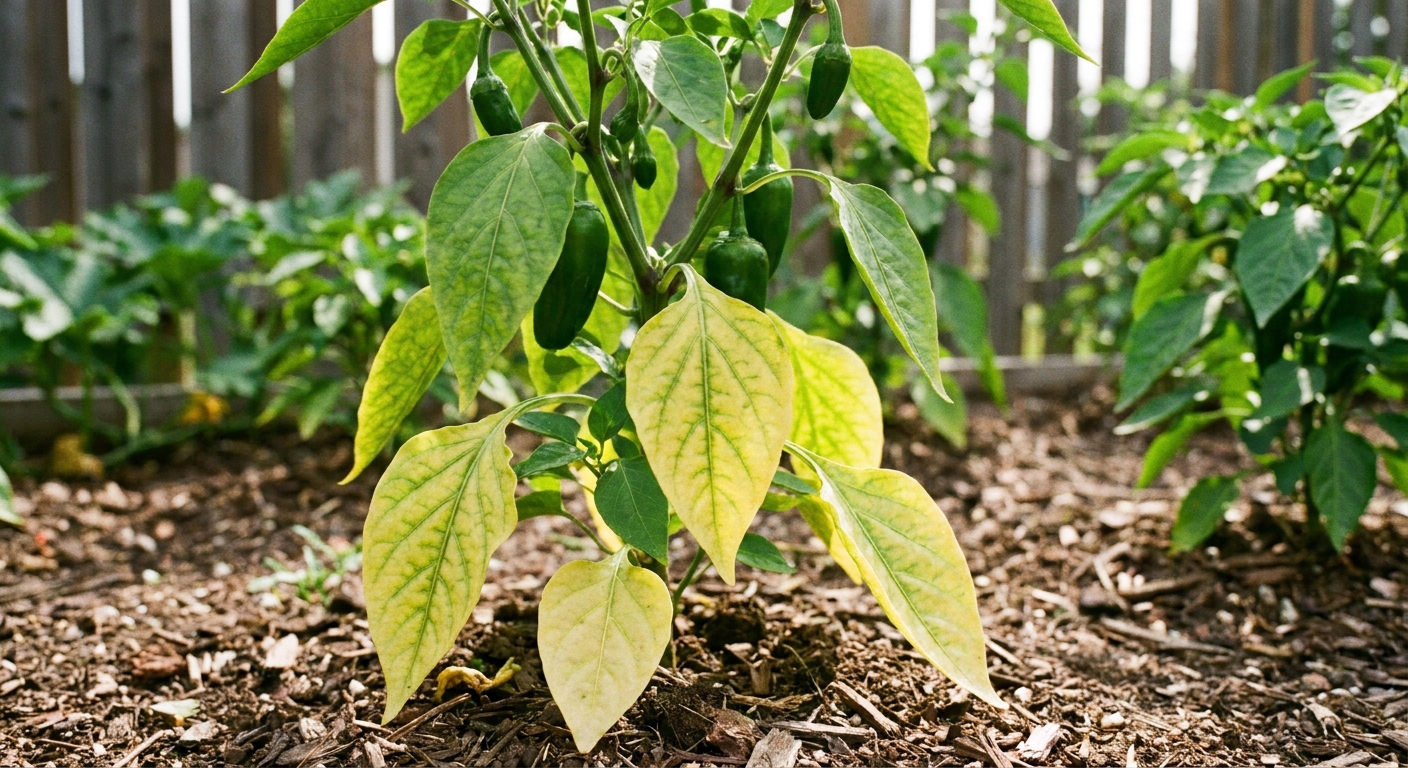
If your pepper plant is suddenly looking like it lost its spark, you are not alone. Yellow leaves are one of the most common pepper panic moments. The good news is that peppers are honest plants. Their leaves change color for a reason, and with a little detective work you can usually turn things around.
Peppers can yellow from nutrient shortages, too much water, stressed roots, sap-sucking pests, disease, harsh sun, chilly nights, or even spray injury. And yes, more than one issue can overlap. Let’s narrow it down quickly, then fix it in a way that supports long-term soil health.

Quick diagnosis: What kind of yellow?
Before you treat anything, match your symptoms to one of these patterns. This is the fastest way to avoid overcorrecting and making the problem worse.
- Older, lower leaves yellow first, whole leaf turns pale: often nitrogen deficiency, chronic overwatering, or a pot that is running out of food.
- Yellowing between leaf veins, veins stay green (often older leaves): classic magnesium deficiency.
- Yellowing starts on new growth (top leaves): often iron uptake issues (commonly tied to high pH), root stress, or spray injury.
- Yellow leaves plus drooping, soft stems, damp soil: usually overwatering and root oxygen stress.
- Yellowing plus stunting, plant dries fast, roots circling the pot: compacted or rootbound roots.
- Yellow stippling or speckling, leaf curl, fine webbing: often spider mites (common in hot, dry weather) or sometimes thrips.
- Sticky residue, ants nearby, clusters of insects on new growth: strongly suggests aphids or sometimes whiteflies.
- Dark spots with yellow halos, leaves get ragged: possible bacterial spot, but some fungal leaf spots can look similar.
- Pale, bleached patches on the side facing sun: sunscald.
- Yellowing after a cold night, purpling, slowed growth: cold stress.
- Twisted, cupped, distorted new growth: consider herbicide drift or spray injury, especially near lawns or fields.
Also keep one normal thing in mind: the very oldest leaves sometimes yellow and drop as the plant matures, especially once fruiting ramps up. If it is just a handful of lower leaves and new growth is healthy and green, you can usually prune those older leaves and keep cruising.
Nitrogen deficiency
Nitrogen is the “green growth” nutrient. When peppers run low, they pull nitrogen from older leaves to feed new growth, so the bottom leaves fade first.
What it looks like
- Older leaves turn light green to yellow, fairly evenly
- Overall plant looks washed out and growth slows
- Stems may look thinner than usual
Common causes
- Heavy rains or frequent watering leaching nutrients
- Potting mix that is exhausted midseason
- Lots of carbon-rich mulch or uncomposted material tying up nitrogen
- Overly cautious fertilizing, especially in containers
How to fix it (organic-friendly)
- In-ground: side-dress with compost, then add a gentle nitrogen source like alfalfa meal, feather meal, or a balanced organic fertilizer. Water in well.
- Containers: top-dress with worm castings and use a diluted liquid feed (fish emulsion or a balanced organic liquid) every 7 to 14 days until color improves.
- Do not overdo it: too much nitrogen can make lush leaves with fewer flowers and peppers.
Timing note: If plants are already flowering heavily, keep nitrogen modest and lean toward a balanced fertilizer rather than a high-nitrogen one.
Magnesium deficiency
Magnesium sits at the heart of chlorophyll. When it is lacking, peppers often show yellowing between the veins first, especially on older leaves.
What it looks like
- Veins remain greener while the tissue between them turns yellow
- Usually starts on older leaves
- Can progress to brown edges if severe
Why it happens
- Potting mixes can run short midseason
- High potassium or high calcium inputs can compete with magnesium uptake
- Very acidic or very alkaline soil makes magnesium harder to absorb
How to fix it
- Quickest help: apply Epsom salt (magnesium sulfate) as a foliar spray. Start mild at 1 teaspoon per gallon of water, and work up to 1 tablespoon per gallon if the plant tolerates it. Spray in the cool of morning or evening, and avoid spraying during hot, bright conditions. Test on a few leaves first. Repeat in 7 to 10 days if needed.
- Longer-term: add compost and, if your soil test shows it is needed, use a magnesium source like langbeinite or dolomitic lime (only if pH also needs raising).
Practical tip: If you have interveinal yellowing and you have been faithfully feeding, think “uptake problem” first. Compacted roots, soggy soil, and pH issues can mimic a deficiency even when nutrients exist in the soil.
Iron issues (new leaves yellow)
If the newest leaves are paling first while older leaves stay greener, iron is a common suspect. The plant may have iron in the soil but struggle to absorb it, especially in high pH conditions or when roots are stressed.
What it looks like
- New leaves turn pale yellow while veins stay a bit greener
- Growth can look weak or small at the top
How to help
- Check pH if you can: peppers generally do best around pH 6.0 to 6.8. High pH can lock up iron.
- Reduce root stress: fix overwatering, improve drainage, and avoid compacting the root zone.
- Use the right amendment: in high pH soils, a chelated iron product may help more than adding general fertilizer.
Overwatering
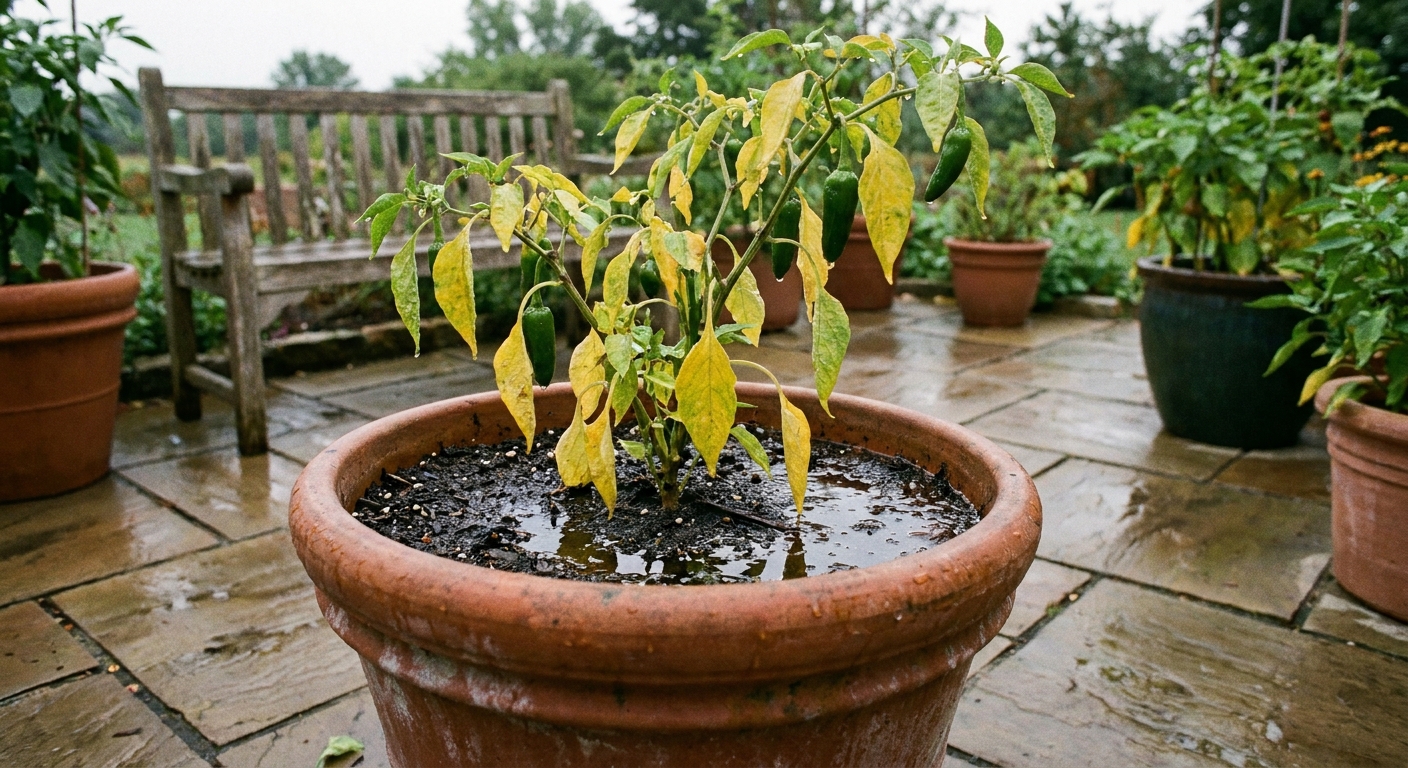
Peppers like consistent moisture, not constant wet feet. When soil stays soggy, roots cannot breathe. The plant responds with yellow leaves, droop, and stalled growth.
What it looks like
- Yellowing plus a limp, heavy look even though soil is wet
- Leaves may feel a little soft rather than crisp
- New growth can look small
- Fungus gnats may appear indoors or on patios
What to check
- Stick a finger 2 inches into the soil. If it is wet, wait.
- Lift the pot. A constantly heavy pot often means waterlogged mix.
- Make sure containers have open drainage holes and are not sitting in a saucer of water.
How to fix it
- Let soil dry to the point where the top 1 to 2 inches are dry before watering again.
- Water deeply, then stop. Avoid frequent little sips.
- For containers, switch to a chunkier mix next time: add pine bark fines or perlite for air space.
- If you suspect root rot (sour smell, black mushy roots), unpot, trim dead roots, and repot in fresh mix.
Compacted or cramped roots
Peppers can be surprisingly sensitive to tight roots and compacted soil. When roots cannot explore, the plant cannot drink and feed properly. The result can be yellow leaves, stunting, and a plant that seems thirsty one hour and miserable the next.
What it looks like
- Slow growth and small leaves
- Yellowing without obvious spots or pests
- Water runs straight through the pot or the surface stays hard and crusty
- Roots circling the pot when you slide it out
How to fix it
- Container peppers: move up to at least a 3 to 5 gallon pot for most types, and 7 to 10 gallons for large bells. Loosen circling roots gently and repot with fresh mix.
- In-ground peppers: improve soil structure over time with compost, leaf mold, and mulch. Avoid working soil when it is wet. Consider broadforking nearby (not through the main root ball) to relieve compaction.
Fast reality check: If your pepper is in a tiny nursery pot still, yellow leaves are often just the plant begging for space.
Aphids and whiteflies
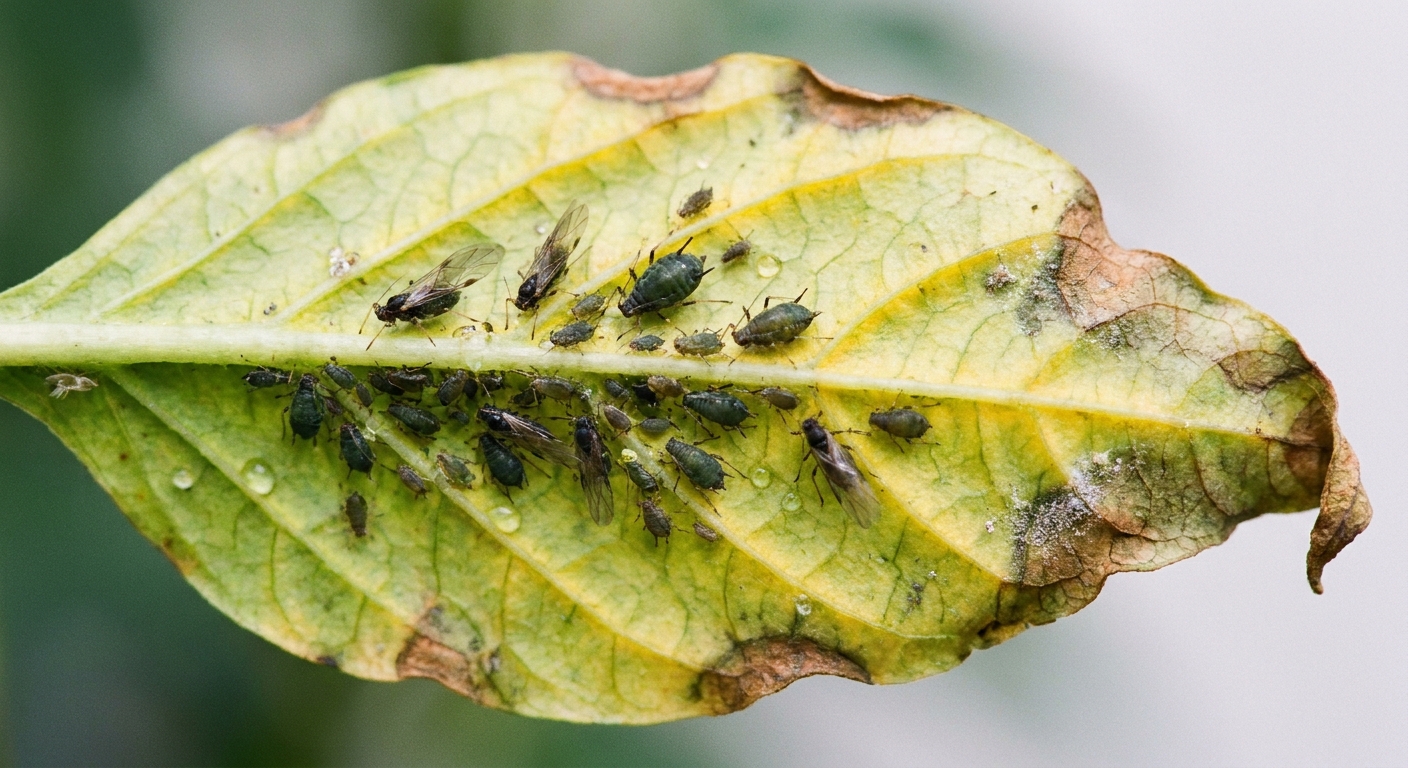
Aphids feed by sucking sap from tender growth, which can cause yellow mottling, leaf curl, and a generally tired look. Whiteflies do similar damage and often flutter up when you shake the plant. Both leave sticky honeydew.
What it looks like
- Clusters of small green, black, or gray insects on new growth (aphids)
- Tiny white flying adults that scatter when disturbed (whiteflies)
- Sticky honeydew on leaves or nearby surfaces
- Ants farming pests on stems
- Yellowing and distorted leaves
How to fix it gently
- Blast them off with a strong spray of water, focusing on leaf undersides.
- Follow with insecticidal soap or neem oil in the evening, repeating every 4 to 7 days as needed.
- Encourage predators: lady beetles, lacewings, hoverflies. Leave a few tiny flowering plants nearby if you can.
Skip this common mistake: Do not spray oils or soaps in hot sun. That can scorch leaves and make the yellowing worse.
Spider mites and thrips
If your yellowing looks like tiny pale dots (stippling) rather than whole-leaf fading, look closely for mites or thrips. These pests are common on patio peppers and in hot, dry stretches.
What it looks like
- Spider mites: fine stippling, leaf bronzing over time, and sometimes delicate webbing, especially under leaves
- Thrips: silvery streaks or scarring, tiny black specks (frass), and distorted new growth
What to do
- Rinse leaves well, especially undersides, every few days for a week.
- Use insecticidal soap or horticultural oil, applied in the cool of day. Repeat per label.
- Reduce plant stress: consistent watering and a little shade during extreme heat makes peppers less inviting.
Bacterial spot and lookalikes
Bacterial spot is a common pepper disease in warm, wet conditions. It often arrives via infected transplants, splashing water, or contaminated garden tools. That said, a few fungal leaf spots can look similar, so treat this as “possible bacterial spot” unless you are sure.
What it looks like
- Small, dark, water-soaked spots that turn brown
- Spots may have yellow halos
- Leaves can yellow, then drop
- Fruit may show scabby spots in severe cases
What to do
- Remove the worst affected leaves and discard them in the trash, not compost.
- Stop overhead watering. Water at soil level only.
- Increase airflow by spacing plants and pruning a little interior growth.
- Sanitize pruners between plants.
- Copper sprays: can help protect new growth as a preventative when conditions stay wet. Copper does not heal existing spots, and overuse can build up in soil, so follow label directions and use it sparingly.
Important: If the plant is heavily infected and defoliating fast, removing the plant can protect the rest of your pepper patch. When in doubt, your local extension office can help confirm what you are seeing in your region.
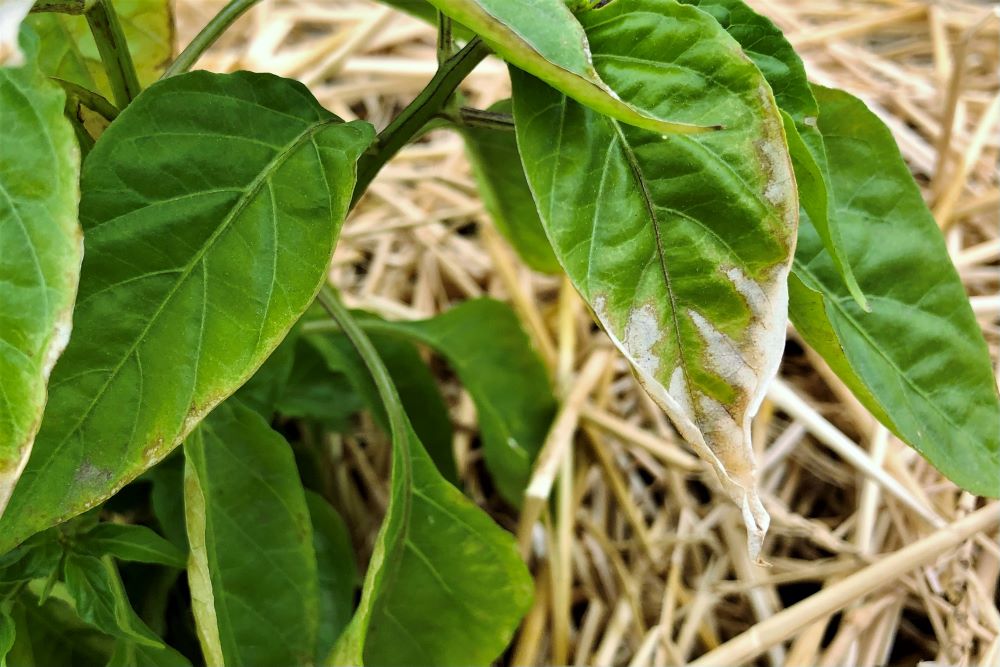
Sunscald
Sunscald happens when leaves that were shaded suddenly get hit with intense sun, often after pruning, a heat wave, or moving a container plant into full sun too quickly.
What it looks like
- Pale, bleached, yellowish patches on the most exposed leaves
- Often on the south or west-facing side
- Leaves may become papery in those spots
How to fix it
- Add temporary shade cloth during extreme heat, especially for container peppers on reflective patios.
- Avoid heavy pruning during hot weather.
- Harden off plants gradually when moving outdoors: start with morning sun and build up over 7 to 10 days.
Cold stress
Peppers are warm-season softies. When night temperatures dip, especially below about 55°F (13°C) and even more so below 50°F (10°C), peppers can stall. Leaves may yellow, growth slows, and the plant can look sulky for days.
What it looks like
- Yellowing and slowed growth after a cold snap
- Sometimes purple tinge on leaves or stems
- Droop that does not match soil moisture
How to help
- Cover plants at night with frost cloth when temps are borderline.
- Use black mulch or dark containers to warm soil earlier in the season.
- Wait to transplant until nights are reliably warm. Peppers hate being rushed.
Bell vs hot peppers
All peppers can yellow from the same core issues, but they do not always react with the same drama level.
Bell peppers
- Heavier feeders: Bells often need steadier nutrition, especially in containers.
- More sensitive to stress: temperature swings and inconsistent moisture can show up as yellowing faster.
- Big leaf canopy: they can shade their own interior. A little selective thinning for airflow helps prevent disease, but avoid sudden heavy pruning that triggers sunscald.
Hot peppers (jalapeño, serrano, habanero, etc.)
- Often more resilient: many hot types tolerate heat and mild drought better than bells.
- Still container-hungry: hot peppers in small pots can yellow quickly from root crowding and nutrient depletion.
- Watch the feed balance: too much nitrogen can delay flowering and reduce fruit set.
Step-by-step recovery checklist
If you only do one thing today, do this: slow down and diagnose before you fertilize. Here is my no-panic checklist for getting peppers back to green.
For container peppers
- Check moisture: feel 2 inches down. If wet, pause watering and make sure drainage holes are clear.
- Inspect undersides of leaves: look for aphids, whiteflies, mites, and any sticky residue or webbing.
- Look at the yellow pattern: uniform pale lower leaves suggests nitrogen, yellow between veins suggests magnesium, pale new leaves suggests iron or pH, bleached patches suggest sunscald, and spotted leaves suggests disease.
- Assess the pot size: if roots are circling or the plant dries out too fast, up-pot into a larger container with fresh mix.
- Feed lightly, then watch: use a balanced organic liquid fertilizer at half strength. If magnesium symptoms are clear, try a gentle Epsom foliar spray and avoid hot-weather applications.
- Adjust placement: protect from extreme afternoon sun during heat waves and from cold nights early and late in the season.
- Prune smart: remove fully yellow leaves and heavily spotted leaves. Leave enough canopy to shade fruit and reduce sunscald.
For in-ground peppers
- Check soil moisture and drainage: if the area stays wet, reduce watering and improve drainage over time with compost and better bed shaping.
- Look for disease and pests: examine leaves closely for spots, halos, aphids, mites, and leaf distortion.
- Side-dress: add compost in a ring around the plant, then apply a gentle balanced organic fertilizer. Water it in.
- Mulch: add 2 to 3 inches of clean straw or shredded leaves, keeping mulch a couple inches away from the stem.
- Water at soil level: morning watering is best, and avoid splashing leaves to reduce disease risk.
- Protect from temperature stress: use row cover on chilly nights and temporary shade cloth during extreme heat.
Will yellow leaves turn green again?
A yellow leaf is like a faded photograph. It rarely returns to perfect green. Your goal is to stop the spread and judge success by healthy new growth.
- If the newest leaves are coming in green and sturdy, you are on the right track.
- If yellowing continues upward into new growth after you correct watering and feed lightly, consider pH, persistent root damage, spray injury, or an active disease problem.
Prevention habits
- Water consistently: deep watering, then let the surface dry slightly. Avoid extremes.
- Feed steadily, not heavily: compost plus a balanced organic fertilizer beats big rescue doses.
- Right-size containers: most peppers prefer at least 3 to 5 gallons, bells often do better in 7 to 10 gallons.
- Mulch for stability: it buffers moisture swings and supports soil life.
- Keep leaves dry: water at the base, especially in humid weather.
- Harden off and protect: gradual sun exposure and frost cloth on cold nights prevents shock yellowing.
- Know your soil: a simple soil test every so often can save you a season of guessing, especially if yellowing repeats year after year.
If you are still stumped, drop a note in the comments with what you are seeing (older leaves or new leaves, spots or no spots, sticky residue or webbing, in-ground or container). Gardeners are great detectives when we compare clues.