When to Prune Lavender

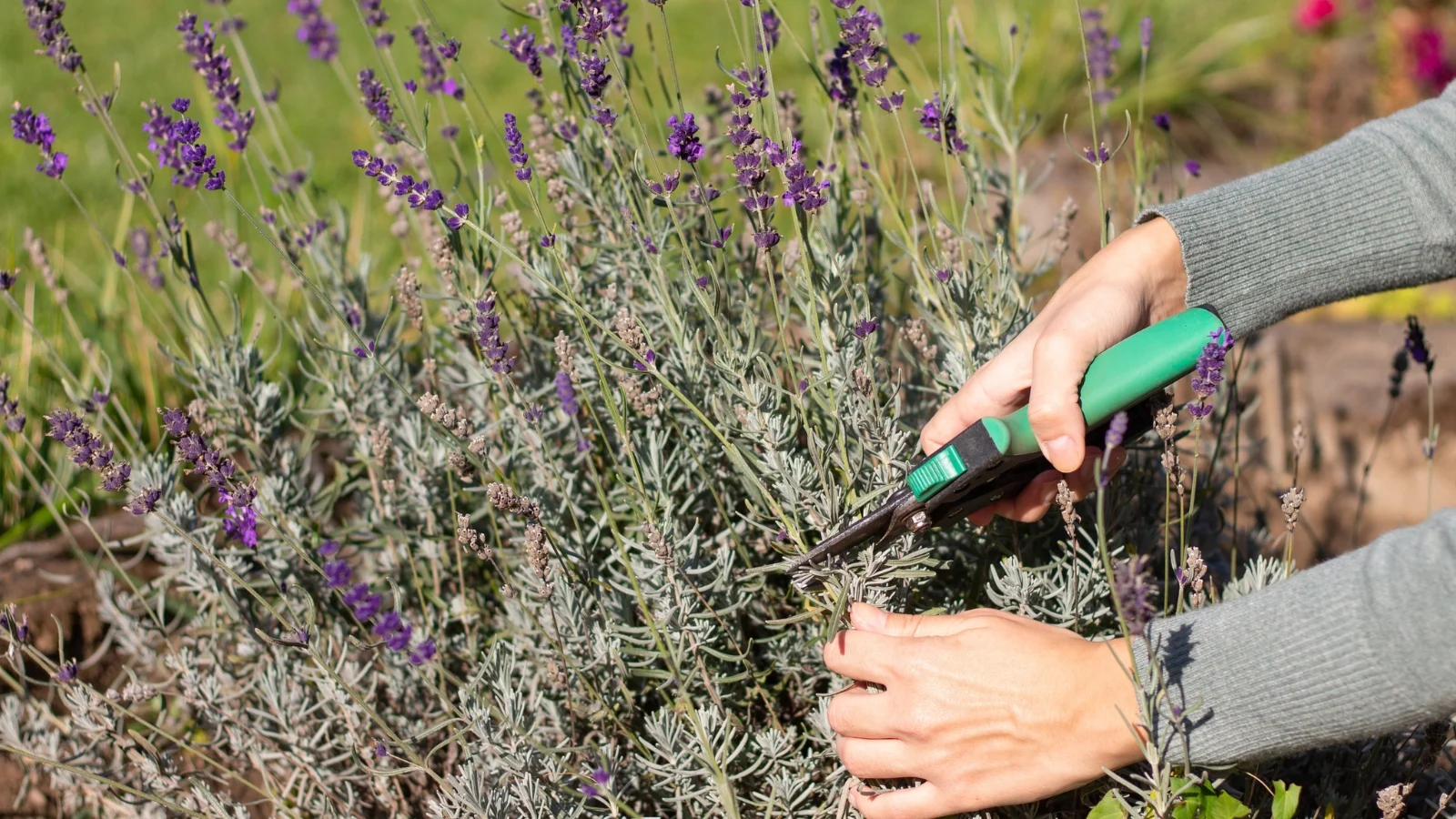
Lavender is one of those plants that rewards gentle consistency. Prune it at the right times and it stays tidy, airy, and loaded with blooms. Skip pruning or cut at the wrong moment and it slowly turns into a woody, sparse little shrub that flowers less each year.
This guide walks you through when to prune, how much to cut in different climates, and exactly where to make your snips so your plant stays vigorous for years.

Why pruning lavender matters
Lavender is technically a subshrub. It wants to grow soft, leafy stems each season, then gradually harden into wood. The trick is keeping enough young growth coming so the plant can keep pushing flowers.
- More flowers: Pruning encourages branching, which means more flowering stems.
- Less splitting: A rounded, well-shaped plant is less likely to splay open in rain or snow.
- Better airflow: Thinning and shaping helps reduce humidity pockets that invite fungal issues.
- Longer lifespan: Regular pruning slows the march toward a woody, bare-centered plant.
If you are still getting familiar with the basics of care, you might like our lavender growing guide: how to grow lavender.
Pruning notes by type
Zone matters, but lavender type matters too. If you are not sure what you have, use the safest rule: prune lightly, stay in the green, and avoid fall hard cuts.
- English lavender (Lavandula angustifolia): The cold-hardy classic. Often blooms earlier. It usually tolerates a slightly firmer shaping prune, especially in spring in colder climates.
- Lavandin (Lavandula x intermedia): Bigger plants with longer stems. They respond well to steady annual shaping, but still do not count on regrowth from bare old wood.
- Spanish and French lavender (Lavandula stoechas, L. dentata): More tender in cold regions and often evergreen in mild ones. Prune more cautiously and favor a timely post-bloom tidy over deep cuts. In cool climates they may not overwinter reliably.
Lavender pruning calendar (by season)
Spring: cleanup and light shaping
Best window: After the worst freezes pass and you see fresh green growth starting at the base or along stems.
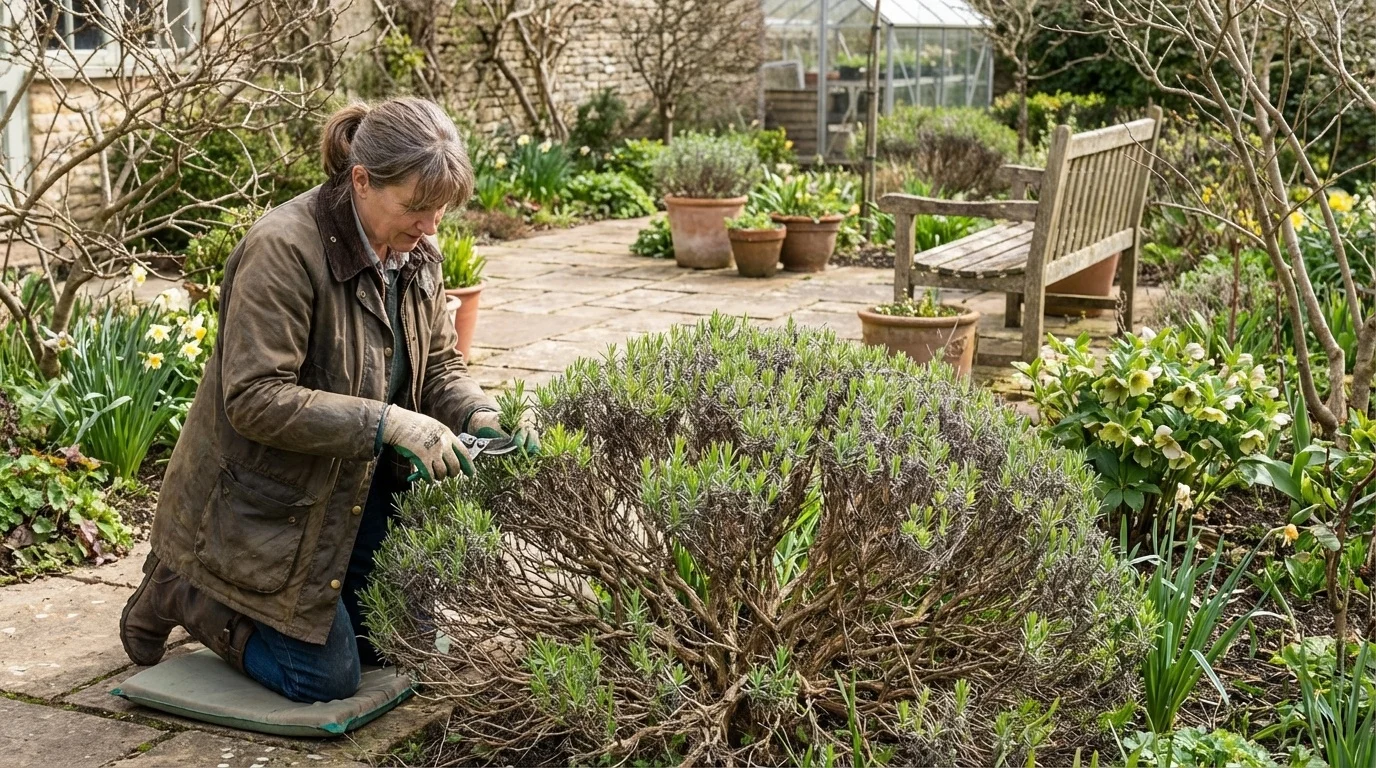
In spring, think: tidy, not drastic. Remove winter damage and lightly round the plant to encourage even branching. In colder zones, spring is often the safest time for your larger shaping cut, since you can see what survived and the plant has the whole season to recover.
After the first big bloom: deadhead and shape
Best window: Right after flowering finishes, usually mid to late summer depending on your variety and climate.
For many gardens, this is the main annual prune for next year’s shape and bloom. In colder climates with early fall freezes, treat this as more of a deadhead and light haircut so the plant is not pushed into tender regrowth too late.
Fall: optional light trim only
Best window: Early fall, only if your plant gets shaggy after summer and you have time before cold arrives.
Fall pruning is where many gardeners accidentally set lavender back. A hard cut late in the season can trigger tender new growth that gets zapped by cold. If you prune in fall, keep it minimal and focus on removing old flower stems and a tiny bit of fluff.
Timing safeguard: As a rough guideline, stop pruning about 6 to 8 weeks before your first hard frost.
Winter: hands off
In winter, lavender appreciates being left alone. The old stems help protect the crown. Wait until spring to see what is truly dead and what is simply resting.
Hard vs light pruning (what your zone changes)
How “hard” you can prune is mostly about how long your plant has to regrow before stress hits, either extreme heat or hard cold. Species plays a role too. English lavender is generally hardier than Spanish and French types, for example.
Cold winter zones (roughly USDA zones 4 to 6)
- Main structural prune: Late spring, after you see active growth and no deep freezes in the forecast.
- After bloom: Deadhead and lightly shape, but avoid an aggressive late-summer cut if fall freezes come early.
- Quick reality check: English lavender (L. angustifolia) is the best bet here. Spanish and French lavenders are often unreliable in zone 5 and typically not hardy in zone 4.
- Rule of thumb: Prioritize survival and steady shape over dramatic reductions.
Mild winter zones (roughly USDA zones 7 to 10)
- Main prune: Right after the big bloom flush. Plants have time to regrow and set up for the next season.
- Optional second trim: In long warm seasons, a light tidy later in the year can keep plants neat (still avoid major cuts going into cold snaps).
- Rule of thumb: You can shape more confidently, as long as you do not cut into old wood.
If your lavender is struggling instead of thriving, pruning is only one piece of the puzzle. Soil drainage, sunlight, and watering habits matter just as much. See: lavender troubleshooting.
Tools and prep (quick but important)
- Hand pruners: Sharp bypass pruners for clean cuts.
- Shears: Optional for shaping larger mounds, but use pruners for thicker stems.
- Gloves: Lavender is friendly, but woody stems can scratch.
- Sanitizing wipe or spray: Especially if you are moving between plants that look diseased.
Clean, sharp tools matter because lavender stems can tear when dull blades crush instead of slice. Torn tissue heals slower and can invite rot.
If you can, prune on a dry day. It is a small thing that helps reduce the odds of rot or disease getting a foothold in fresh cuts.
How to prune lavender step by step
Step 1: Find the “green line”
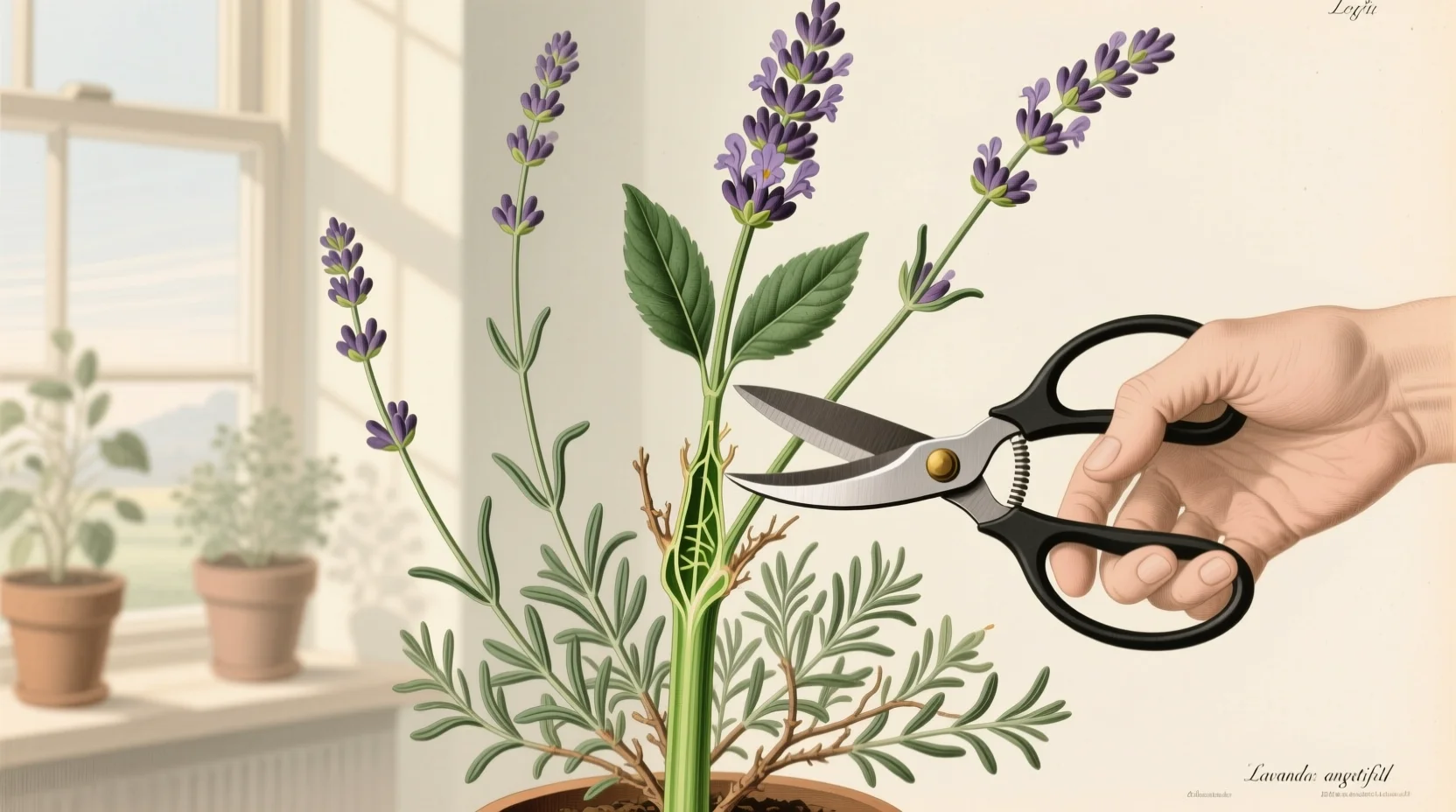
Look for where stems are still leafy and flexible versus where they turn brown, thick, and woody. Most lavender does not reliably resprout from old wood, and it can vary by species, cultivar, and plant health. Your goal is to cut above that woody section unless you can clearly see green growth below your cut.
Step 2: Remove spent flower stalks
After bloom, snip flower stems back into the leafy mound. This is deadheading plus the start of shaping.
Step 3: Reduce the plant by about one-third
For established, healthy plants, a common target is removing about 25 to 35 percent of the current season’s growth.
- Cut just above a set of leaves or a node.
- Work your way around the plant so the shape stays even.
- Step back every minute or two. Lavender pruning is part haircut, part sculpture.
Step 4: Shape for airflow
Think “soft dome.” A rounded top sheds water and snow better than a flat top, and it keeps light reaching the interior. If the center is crowded with weak stems, selectively remove a few to open the plant up, but avoid hollowing it out aggressively.
Step 5: Leave a cushion of green
When you are finished, you should still see plenty of leaves across the plant. If it looks like bare sticks with a little tuft at the ends, you went too far.
Where to cut: the rule that saves most lavenders
If you remember just one thing, let it be this:
Do not cut into leafless, old woody stems unless you can clearly see green growth below your cut.
Lavender can be stubborn about pushing new shoots from brown wood, especially on older plants or stressed ones. Cutting too low is one of the fastest ways to end up with permanent bald patches.
Common pruning mistakes that reduce flowering
- Pruning too late in fall: Encourages tender growth that gets damaged by cold, which stresses the plant and can reduce next season’s blooms.
- Cutting into old wood: Leads to bare spots and weak regrowth, which means fewer flowering stems.
- Skipping pruning for years: The plant gets leggy and splits, and flower production shifts to the outer tips.
- Only deadheading the flowers: Helpful, but not always enough. Lavender usually needs some size reduction and shaping to stay bushy.
- Flat-topping the plant: Often creates a shaded, weak interior and can trap moisture in the canopy. A rounded dome holds up better over time.
- Overwatering after pruning: Fresh cuts and soggy soil are a poor mix for a Mediterranean plant.
What about woody, overgrown lavender?
If your lavender is already a gnarly bundle of wood with a few leafy tufts on top, you have two gentle options:
- Rejuvenate slowly: Over 2 to 3 years, reduce the plant a little more each season, always cutting above green growth.
- Start fresh: Replace the plant and use the old one as a lesson in annual pruning.
If you want to make more plants from your best lavender, pruning season is also a great time to plan ahead. See: how to propagate lavender.
Mini FAQ
Should I prune lavender the first year?
Yes, lightly. Focus on pinching or trimming just enough to encourage branching. You are building a dense little framework for future blooms.
Can I prune lavender while it is flowering?
You can harvest stems for bouquets while it blooms, but save the main shaping prune for right after the flush finishes so the plant can redirect energy into new growth.
How do I know if I cut too much?
If you removed most of the leafy growth and left mostly bare wood, the plant may struggle to refill. Keep it on the dry side, give it full sun, and be patient through the next growth cycle.
A gentle routine to repeat yearly
- Spring: Remove winter damage and lightly round the mound. In cold zones, this is often your main shaping prune.
- After bloom: Deadhead and shape, usually removing about 25 to 35 percent, staying in the green. In colder climates, keep this lighter.
- Fall (optional): Only a light tidy, and only early enough that the plant will not push tender growth into frost.
Lavender does not need perfection. It needs a calm, consistent gardener who shows up once or twice a year with sharp pruners and good intentions. If you are nervous, start with a light trim, step back, and remind yourself that plants are wonderfully forgiving teachers.