
When to Cut Back Amaryllis Leaves

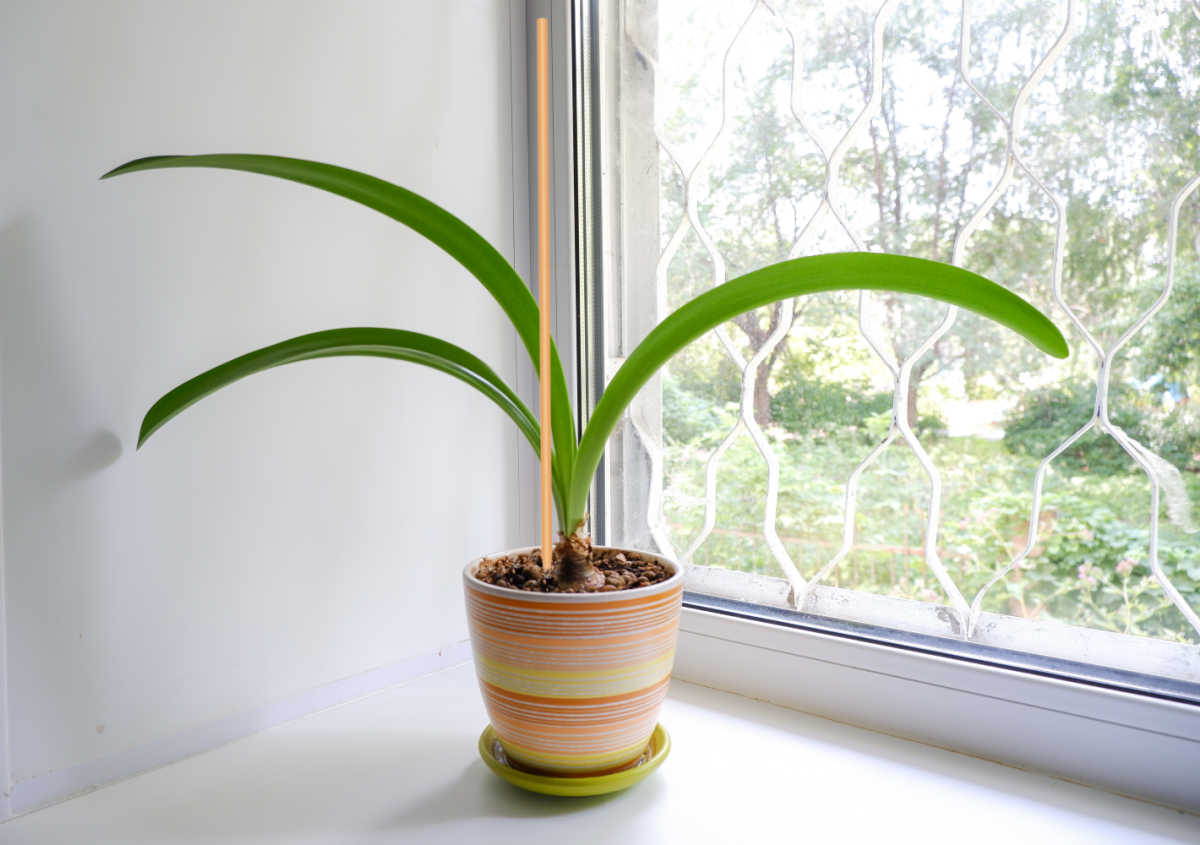
Amaryllis has a flair for the dramatic. One week it is all trumpet blooms and winter cheer, and the next it is sitting there with a ponytail of green leaves like it is asking, "Now what?" The secret to getting those big blooms again next season is surprisingly unglamorous: letting the leaves do their job for long enough.
One quick note for plant nerd accuracy: most indoor “amaryllis” sold around the holidays are actually Hippeastrum, not true Amaryllis belladonna. The care advice here is for that classic potted holiday bulb.
If you only remember one thing from this page, make it this: do not cut back amaryllis leaves while they are still green and growing. Those leaves are the bulb’s solar panels, and they are busy rebuilding the energy that went into flowering.

The right time to cut back leaves
Cut back amaryllis leaves only after they naturally yellow and start to collapse. For many home growers, that means trimming in late summer to fall if the plant spent spring and summer actively growing, but timing can vary a lot based on when your bulb bloomed, how much light it gets, and the cultivar.
Here’s the simple timing logic:
- After blooming: remove spent flowers, keep the leaves.
- Spring through summer: let the plant grow leaves and feed the bulb.
- When leaves yellow on their own: then you cut them back and begin a rest period (if you use one).
In a healthy cycle, amaryllis leaves often stay green for 8 to 16 weeks or longer after blooming, especially with strong light and steady care. Bulbs forced for holiday bloom can keep leaves much longer than the calendar suggests, and that is perfectly normal.
Why you should not cut green leaves
I know the temptation. The blooms are gone, the leaves are flopping, and you want a tidy pot again. But green leaves are actively photosynthesizing, sending sugars down into the bulb. Cutting them early can lead to:
- Smaller blooms next season
- Fewer blooms or no flower stalk at all
- A stressed bulb that may put energy into survival, sometimes including producing offsets instead of focusing on flowering
- Bulb decline over time
Think of it like charging a battery. If you unplug it halfway, it still turns on, but it will not run nearly as well.
What to cut first after flowering
There is one thing you can cut soon after the show is over: the flower parts.
Step 1: Remove spent blooms
As each flower fades, snip it off so the plant does not waste energy trying to form seeds. This also prevents sticky pollen messes on windowsills and curtains.
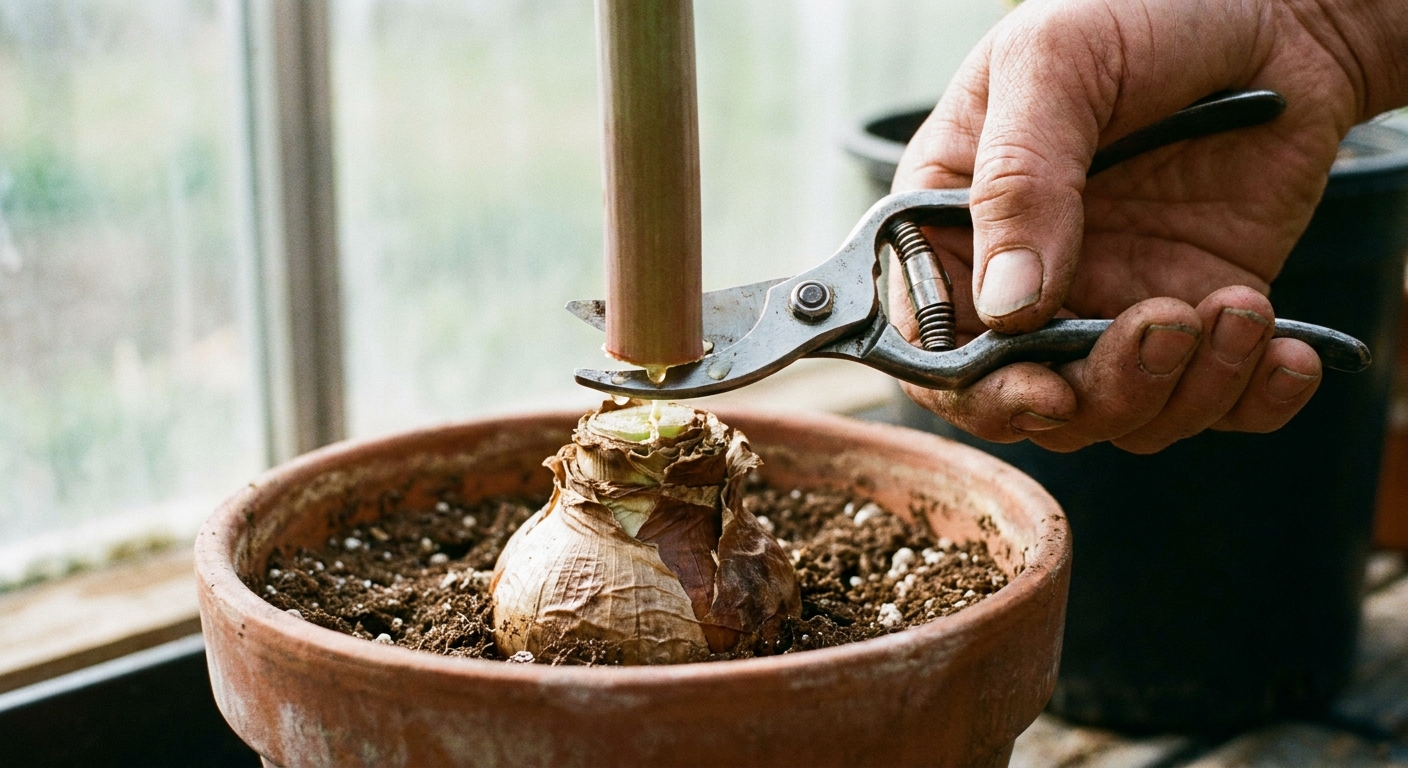
Step 2: Cut the flower stalk
Once all blooms on the stalk have finished, you have two good options:
- Option A (my tidy-house favorite): Cut the stalk down to about 1 to 2 inches above the bulb. Use a clean, sharp cut. The stalk is often hollow and may ooze a bit, so avoid crushing it and do not let water sit in the cut.
- Option B (if you love letting plants do their thing): Leave the stalk until it starts to yellow, then remove it. It can photosynthesize a little, and waiting can feel like the gentlest approach. It will not hurt the bulb, it just looks a little awkward.
Leave the leaves. Even if they are long and unruly, they are doing important work.
Signs it is ready to cut back
Amaryllis is pretty clear when it is finished for the season. You are looking for these signals:
- Leaves are turning yellow starting at the tips or along the length
- Leaves feel softer and begin to flop over
- Growth slows and the plant looks like it is winding down
If only one leaf is yellowing while the rest are green, remove just that yellowing leaf and keep the others. The rule in my garden is: green stays, yellow goes.
How to cut back leaves safely
When the leaves have mostly yellowed and the plant is naturally declining, trimming is quick and easy.
Step-by-step
- Use clean, sharp scissors or pruners. Wipe blades with rubbing alcohol to reduce disease spread.
- Cut leaves near the base (the neck), not into the bulb. Trim close to where the leaf meets the bulb’s neck, but avoid nicking bulb tissue or cutting into the bulb scales.
- If it resists, do not yank. Leave a short stub and let it dry further, or make a clean cut. Pulling can tear tender bulb tissue.
- Remove debris from the soil surface so nothing stays soggy against the bulb.
If leaves are dry and papery, you can often gently pull them away. If they are still slightly green, choose a clean cut instead of pulling.
After you cut back: rest options
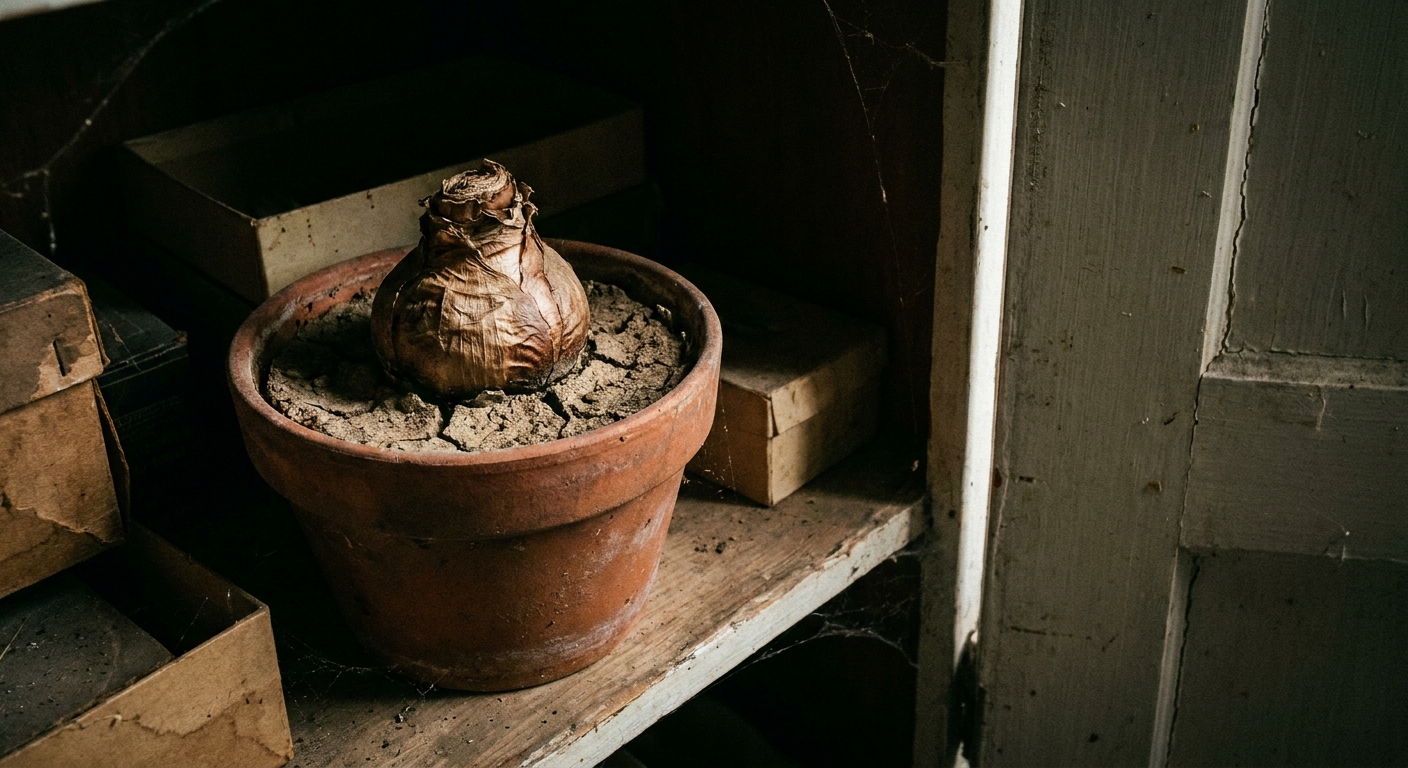
Many indoor amaryllis benefit from a rest period to help set buds for the next bloom cycle, but it is not the only way to rebloom. Some growers keep bulbs in active growth year-round and still get flowers, especially with excellent light and consistent feeding. If your goal is the most reliable repeat performance, a cool, drier rest is the classic method.
Typical rest routine
- Stop fertilizing as the plant winds down.
- Reduce watering sharply. Keep the potting mix on the dry side, watering only enough to prevent the bulb from shriveling. Do not leave it wet.
- Store cool if possible, around 50 to 60°F for 8 to 12 weeks. Darkness is optional. Cool and dry-ish is the bigger point than pitch-black storage.
Some people leave the bulb in its pot. Others unpot and store it. Both can work, as long as the bulb stays firm and does not sit in wet soil.
How to restart after dormancy
When your rest period is done and you are ready to wake it up:
- Bring it to bright light, ideally a sunny window with several hours of direct sun (or very bright indirect light).
- Start watering lightly until you see new growth, then water more deeply when the top inch of mix dries.
- Begin fertilizing once leaves are growing. A balanced houseplant fertilizer works well, typically every 2 to 4 weeks during active growth.
Then you wait for the main event. If a flower stalk appears first, congratulations. If leaves come first, that is also normal.
When leaves do not follow the script
Amaryllis does not always follow the calendar, especially indoors. Here are the common curveballs.
If the leaves stay green for months
This can happen if your plant is warm, well-lit, and happy. You can either:
- Let it keep growing and plan rest later, or
- Encourage a rest by gradually reducing watering and moving it to a cooler spot.
Do not cut green leaves just to force it. Use water and temperature changes instead.
If the leaves yellow right after blooming
This usually points to stress. The most common causes are:
- Not enough light after bloom (a dim room drains energy fast)
- Overwatering that starts root trouble
- Underwatering that dries roots out
- No feeding during the leaf-growing months
If this happens, remove yellow leaves, improve light, and keep the bulb lightly moist. Your goal is to preserve any remaining green tissue and rebuild strength.
Outdoor summering timing
If you move your amaryllis outdoors after the danger of frost has passed, it often grows sturdier leaves and recharges better.
- Bring it in before the first frost, then keep it bright and growing until it naturally starts to yellow, or
- If cool nights arrive and leaves begin yellowing, that is your cue to begin a rest and cut back as leaves fade.
Outdoor-grown amaryllis often has a clearer seasonal slowdown, especially in regions with noticeable temperature shifts.
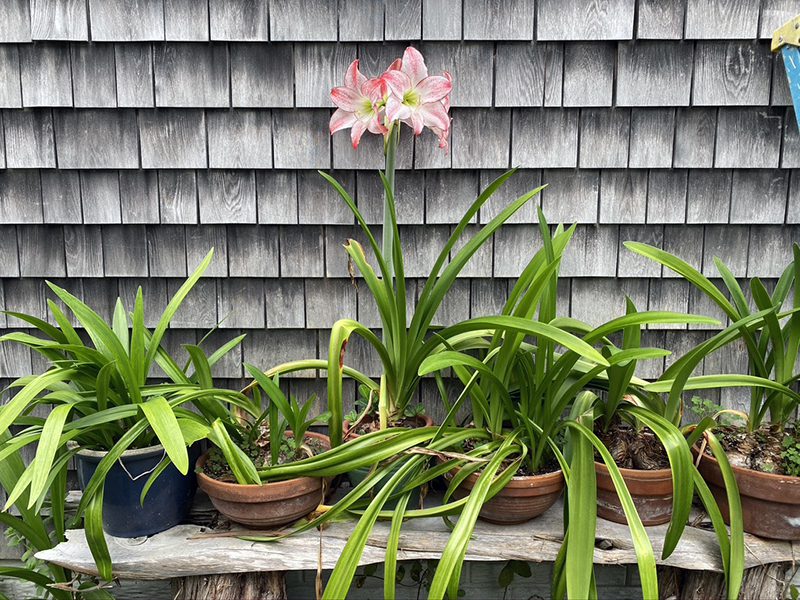
Quick answers
Can I cut amaryllis leaves after it blooms?
No. Cut off the spent flowers and, if you want, the flower stalk, but keep the leaves until they yellow naturally.
How long should I leave the leaves on?
Usually at least 8 to 12 weeks after blooming, often longer, until the plant naturally declines.
Should I braid or tie the leaves?
I do not recommend braiding. It can kink the leaves and reduce photosynthesis. If the leaves are flopping, loosely gather them with soft twine, or rotate the pot for more even light.
Do I need to force dormancy for rebloom?
Often, yes for indoor bulbs if you want the most reliable blooms on a schedule. But some amaryllis rebloom without a strict dark rest if they stay in strong light and are fed consistently.
My checklist for next-year blooms
If you want your amaryllis to bloom like it means it, use this simple checklist:
- Remove spent flowers, then cut the flower stalk (now or when it yellows)
- Give bright light while leaves are green (a sunny window is ideal)
- Water when the top inch of mix dries, do not keep it soggy
- Fertilize during active leaf growth (about every 2 to 4 weeks)
- Wait to cut leaves until they yellow naturally
- Optional but helpful: rest the bulb cool and drier for 8 to 12 weeks
- Restart watering, light, and feeding when you want new growth and a flower stalk
If you are nervous you will do it wrong, you are already ahead of the game. Amaryllis is surprisingly forgiving, and it is always teaching us the same quiet lesson: growth looks messy sometimes, and that is still progress.
Safety note
Amaryllis (Hippeastrum) is toxic if ingested. Keep bulbs and plant parts away from curious kids and pets, especially cats and dogs.