
Tradescantia Nanouk Care

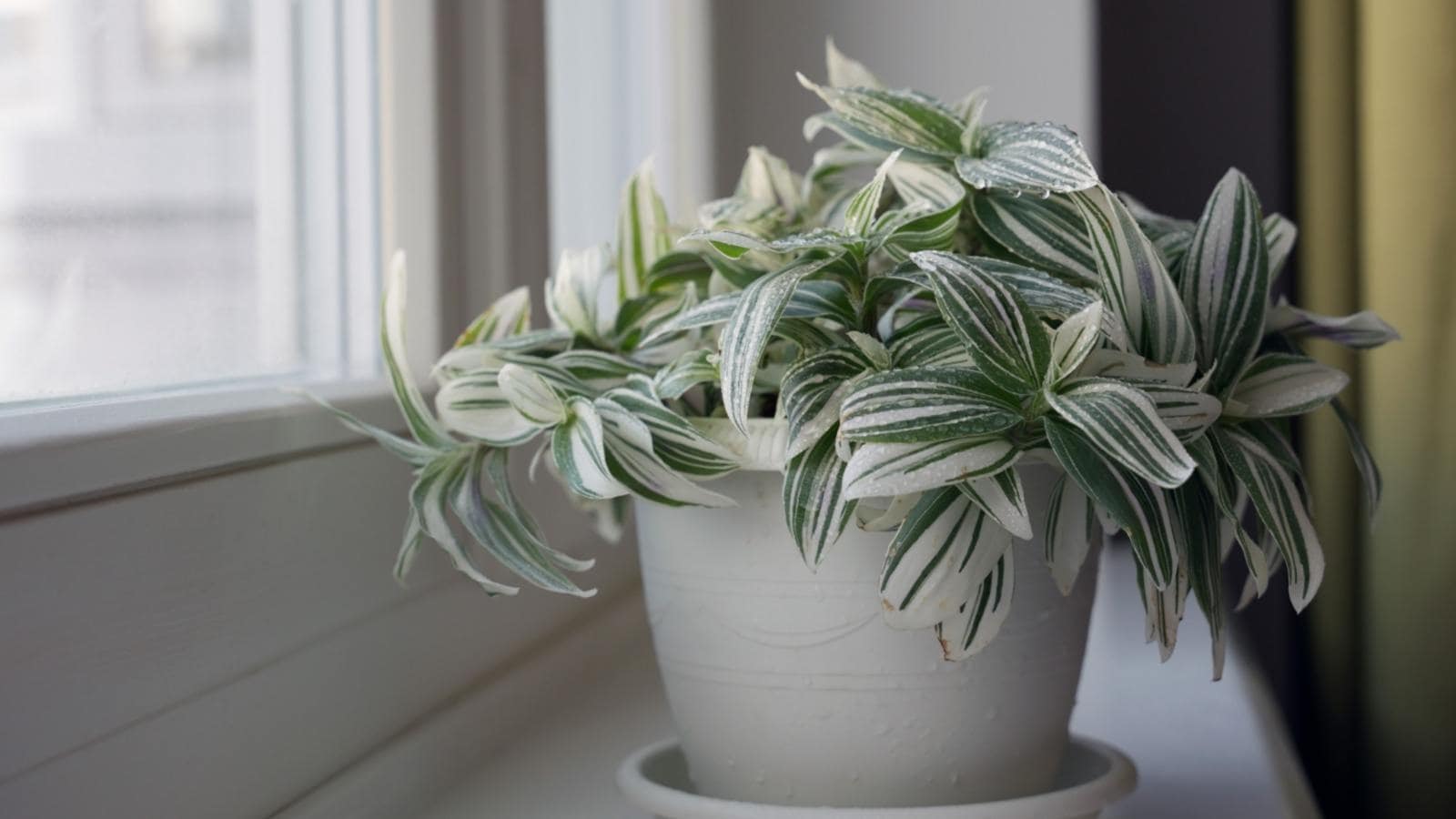
If Tradescantia nanouk had a personality, it would be the friend who shows up in a hot pink jacket and somehow makes it look effortless. Those lavender and bubblegum stripes are the whole point. The trick is giving it the kind of care that keeps the color crisp instead of washed out, and the stems full instead of leggy.
Nanouk is a cultivar of Tradescantia albiflora, grown mostly as a houseplant. It is fast, forgiving, and wonderfully propagatable, but it is also a little dramatic about light and watering. Let’s make it happy.

Toxicity and sap
Quick safety note before we get cozy: Tradescantia sap can be irritating. Some people get itchy, red skin after handling or pruning. Pets can also have a bad time if they chew it.
- Skin: Sap may cause irritation or a rash. Consider gloves if you are sensitive and wash hands after trimming.
- Pets: Mildly toxic to cats and dogs. Chewing can lead to drooling, vomiting, or irritation around the mouth. Place it out of reach if you have a curious nibbler.
How to keep the pink and purple vivid
Nanouk’s color comes from variegation and anthocyanin pigments. In plain language: it needs enough light to “earn” those pink tones, but not so much harsh sun that the leaves scorch or fade.
What vibrant color looks like
- Compact growth with shorter spaces between leaves
- Strong striping in pink, purple, and green
- Stems that feel sturdy, not long and floppy
Why Nanouk gets washed out
Washed-out leaves are usually a light problem, but it can be a watering problem too.
- Too little light: New growth turns greener, stripes look faint, stems stretch toward the window.
- Too much direct sun: Leaves can look bleached, develop crispy patches, or curl and thin out.
- Overwatering: Color can dull while leaves turn soft and stems weaken.
If your plant is pale, start by adjusting light first. If it is pale and feels mushy, address watering and soil next.
Light: the sweet spot (and how to find it)
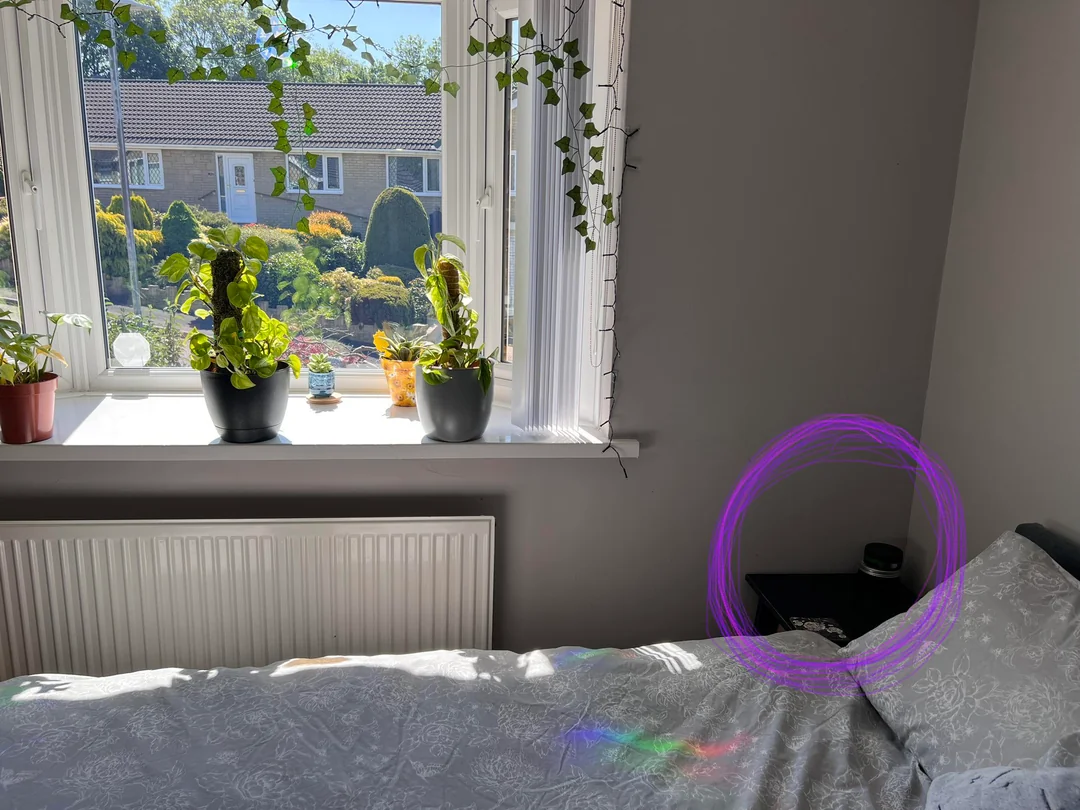
Nanouk does best in bright, indirect light. A spot near an east window is usually perfect. South or west windows can also work if you soften the sun with a sheer curtain or place the plant a few feet back.
Easy window guide
- East-facing: Ideal for many homes. Gentle morning sun keeps color strong.
- South-facing: Bright and great for color, but protect from harsh midday rays.
- West-facing: Often too intense in late afternoon. Filter light or increase distance.
- North-facing: Typically not enough for vivid variegation unless the window is very large and unobstructed.
Rotate for even color
Nanouk leans toward light quickly. Rotate the pot a quarter turn every week or two to keep growth balanced and prevent one-sided legginess.
Signs you nailed the light
- New leaves come in with clear striping and pink tones
- Growth stays dense and “stacked”
- Leaves feel plump and slightly glossy
Water and moisture: the balance between crispy and soggy
Tradescantias like a rhythm: water thoroughly, then let the top layer dry a bit. Nanouk is happiest when it is evenly moist but never waterlogged.
When to water
Use your finger, not the calendar. Water when the top 1 to 2 inches of soil feel dry. In brighter light and warmer months, that might be weekly. In winter, it may slow down.
How to water well
- Water until you see excess draining from the bottom.
- Empty the saucer so the pot does not sit in runoff.
- Avoid frequent tiny sips. They encourage shallow roots and uneven moisture.
Pro tip: bottom watering
Nanouk can be a little prone to crown issues because the growth is dense and slightly fuzzy, and water likes to hang out where it should not. If you have ever lost a stem at the soil line and thought, “I barely watered,” this is often why.
- Set the pot in a bowl of water for 10 to 20 minutes.
- Let it drink from the drainage hole, then remove and let it drain well.
- This keeps the crown drier and encourages deeper roots.
If you top water, aim for the soil, not the leaves, and avoid pouring directly into the center of the plant.
What overwatering looks like
- Soft, translucent, or mushy stems near the soil
- Leaves that yellow and drop easily
- A sour smell from the potting mix
What underwatering looks like
- Crispy leaf edges and curling
- Droopy stems that perk up after watering
- Drier, lighter-weight pot
If you are choosing between watering “a little early” or “a little late,” Nanouk generally forgives slightly dry soil better than staying wet.
Soil and potting: fast drainage equals happy roots
Nanouk is not picky about fancy soil, but it is picky about oxygen around its roots. The goal is a mix that drains quickly while holding just enough moisture.
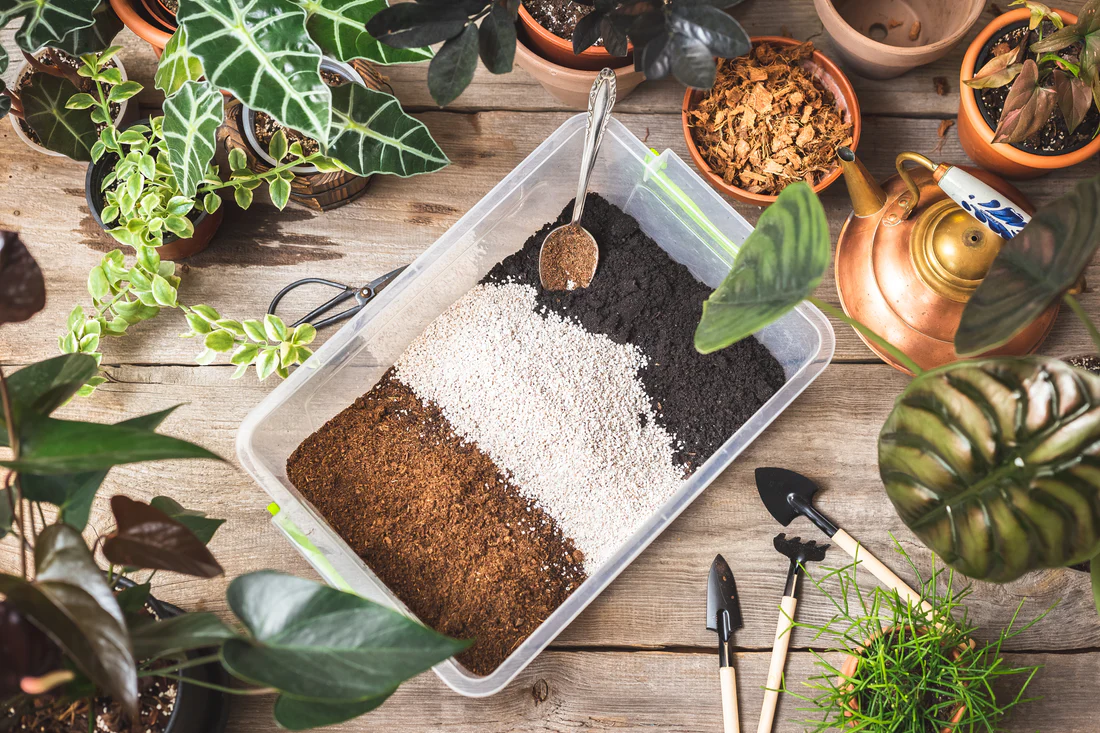
A reliable DIY mix
- 2 parts quality indoor potting mix
- 1 part perlite or pumice for airiness
- Optional: a handful of orchid bark or coco chips for extra structure
Pot choice matters
Use a pot with a drainage hole. Terracotta can help if you tend to overwater because it breathes and dries faster. Plastic holds moisture longer, which is great if your home runs dry and warm.
Repotting
Repot when roots circle the pot or when watering goes from “perfect” to “dry in a day” because the root ball has taken over. Spring is ideal. Go up just one pot size. Oversized pots stay wet too long.
Fertilizer: a little goes a long way
Nanouk grows fast, and fast growers appreciate a snack. The key is light feeding, not heavy dosing.
- When: Spring through summer, during active growth.
- What: A balanced houseplant fertilizer (something like 10-10-10 or 20-20-20), diluted to half strength.
- How often: About once a month, or every 2 to 4 weeks if you are already in a consistent watering routine.
- In winter: Pause or feed very lightly, since growth usually slows.
If leaf tips brown and you have been fertilizing regularly, flush the pot with plain water to clear excess salts, then ease up.
Pruning and pinching for a fuller plant
Nanouk wants to trail. Over time, it can get long and a little bare near the crown. The secret to a lush, full pot is regular pinching.
How to pinch
- Find a stem that is getting long.
- Snip just above a leaf node, the little joint where leaves emerge.
- The plant will branch below the cut, creating two growing tips instead of one.
Save every healthy cutting. Your future self will thank you when you are stuffing the pot to the brim.
Propagation: the easiest way to get a fuller pot
Tradescantia nanouk is one of the most satisfying plants to propagate because it roots fast and rarely complains. If your goal is a thick, plush-looking pot, propagation is not optional. It is the whole game.
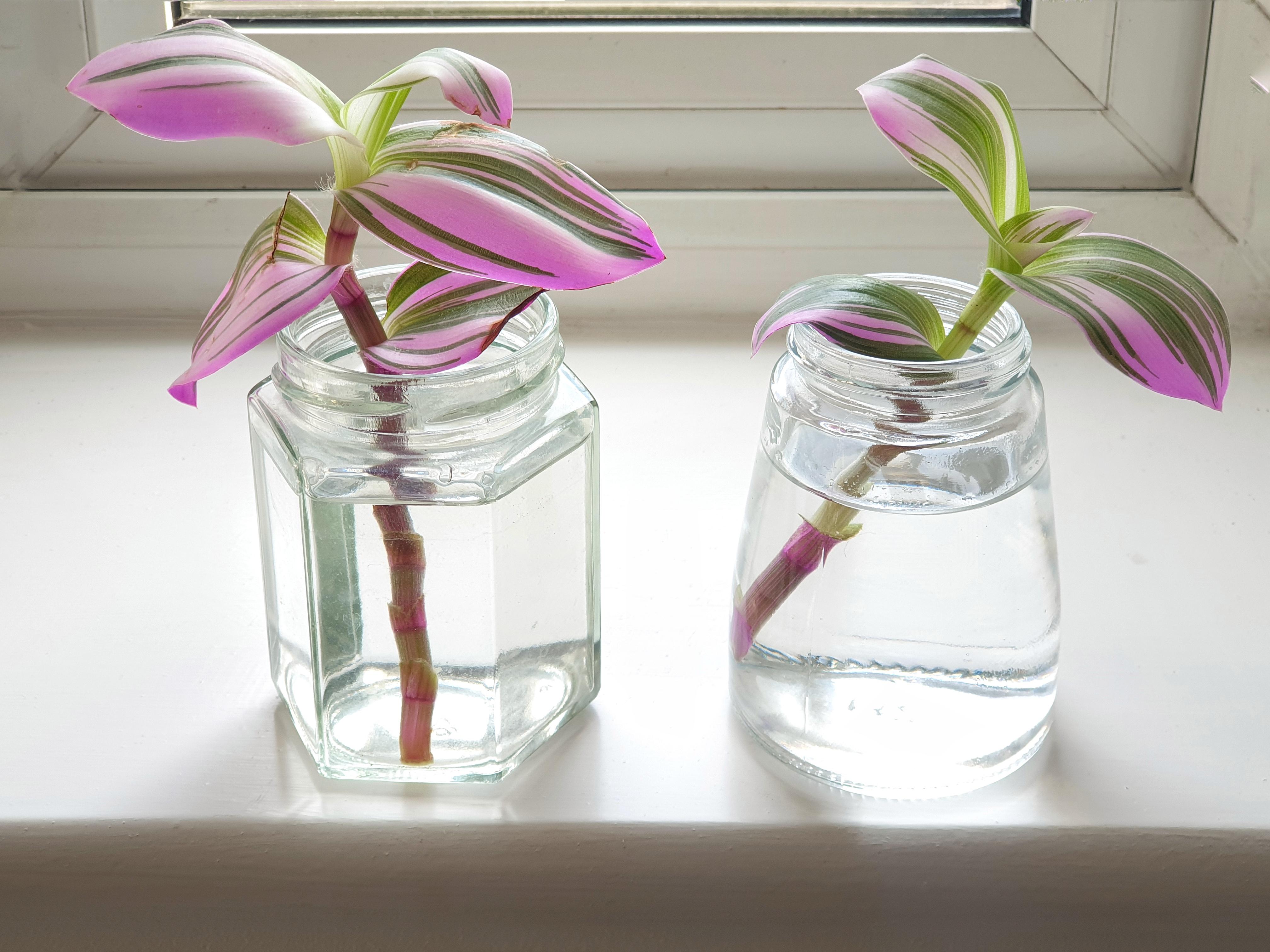
Propagate in water (quick and visual)
- Take a 3 to 6 inch cutting just below a node.
- Remove the lowest leaves so no foliage sits underwater.
- Place the cutting in a glass of water with the node submerged.
- Change water every few days.
- When roots are 1 to 2 inches long, pot it up.
Tip: Plant several rooted cuttings back into the original pot to thicken it.
Propagate directly in soil (my favorite for strong roots)
- Fill a small pot with lightly moist, airy mix.
- Make a hole and insert the cutting so at least one node is buried.
- Firm the soil gently around it.
- Keep the soil slightly damp for 1 to 2 weeks, not soggy.
Soil propagation often gives sturdier roots that adapt instantly because they are already “soil roots,” not water roots.
Can you root Nanouk from a single leaf?
Usually no. Tradescantia needs a node to form roots and new growth. A leaf without a node may stay pretty in water for a while, but it will not become a plant.
Sensitivity to drafts and dry air
Nanouk is tougher than it looks, but it does have two indoor pet peeves: cold drafts and very dry air.
Draft trouble signs
- Sudden leaf curl or droop after a temperature change
- Soft, stressed-looking stems even when soil moisture is fine
- Crispy patches where cold air hits repeatedly
Keep it away from frequently opened winter doors, leaky windows, and blasting AC vents.
Dry air trouble signs
- Browning leaf tips and edges
- Leaves that feel thinner and papery
- Faster soil dry-down than usual
Nanouk does well in average home humidity, but if your air is very dry, aim for 40 to 60 percent. A small humidifier nearby helps. Grouping plants can help a little too. Misting is fine if you enjoy it, but it is not a reliable humidity fix and can leave spots on fuzzy leaves.
Fast troubleshooting
Leggy stems
- Move to brighter indirect light.
- Pinch back long stems.
- Propagate the cuttings and replant them into the pot.
Leaves turning more green
- Increase light gradually.
- Rotate weekly so all sides get equal exposure.
Crispy edges
- Check for dry air or heater vents nearby.
- Confirm you are not letting the pot go bone-dry repeatedly.
- Shield from hot direct sun.
Mushy stems at soil line
- Stop watering and assess roots.
- Repot into fresh, airy mix if soil is staying wet.
- Take healthy cuttings as an insurance policy.
If you only remember one thing: bright indirect light plus a fast-draining mix solves most Nanouk problems. And when it gets scruffy, snip it, root it, and tuck it back in. Nanouk loves a fresh start.