
String of Dolphins Care and Propagation

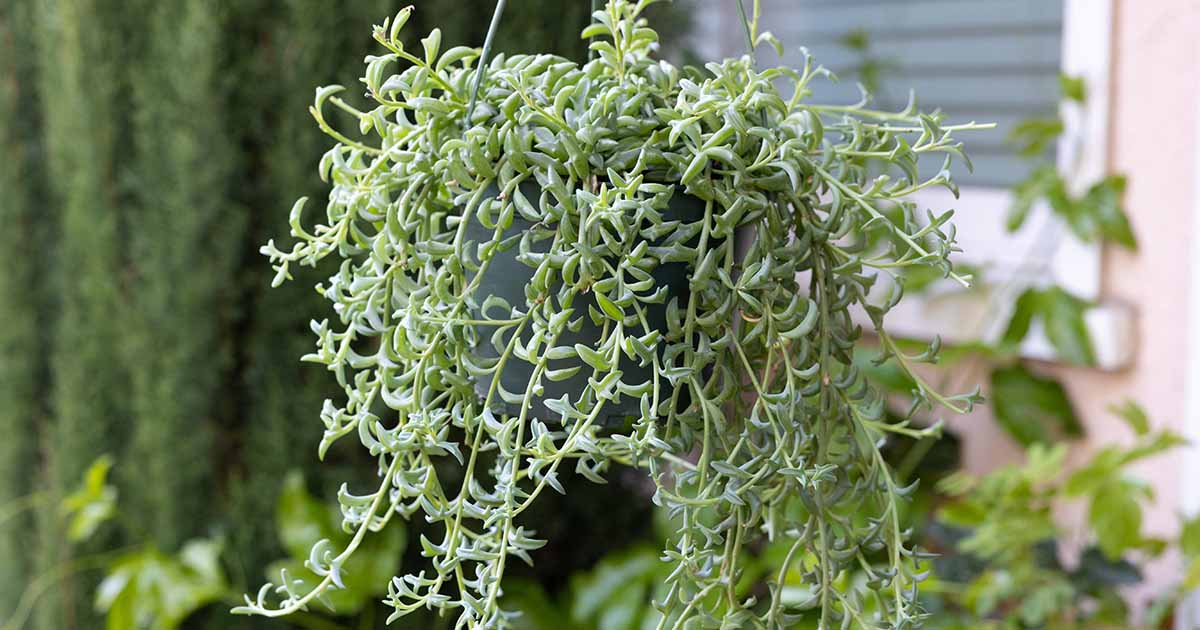
String of Dolphins is one of those plants that makes people lean in close at the nursery like it is telling a secret. Those little curved leaves really do look like tiny dolphins mid-leap, especially when the plant is happy and getting the right light. The name situation is a little messy in horticulture, so you’ll see it labeled a few ways: Curio × peregrinus is common, and it’s often still sold as Senecio peregrinus. Either way, it’s the same charming trailing succulent grown for playful foliage and easy propagation.
Let’s keep it thriving, keep the dolphins dolphin-shaped, and make a few baby plants while we’re at it.
Quick care snapshot
- Light: Bright light with a few hours of gentle sun is ideal
- Water: Soak and dry, water only when the potting mix is fully dry
- Soil: Very fast-draining cactus mix, boosted with extra grit
- Best pots: Drainage holes required, terracotta helps if you tend to overwater
- Growth habit: Trailing, stems can reach 1 to 3 feet indoors with time
- Pet safety: Toxic to cats and dogs if chewed. Ingestion typically causes gastrointestinal upset like drooling, vomiting, or diarrhea. If you suspect a pet has eaten it, contact your vet or pet poison control.
Light
Light is the make-or-break factor for a good-looking String of Dolphins. In bright conditions, leaves stay compact and sculpted, and the plant produces tighter spacing between leaves. In low light, the stems stretch (leggy growth) and the leaves often lose that crisp dolphin silhouette and start looking more like simple crescents.
Best indoor light
- Near an east or south window is the sweet spot for many homes.
- West windows can work too, especially with a sheer curtain or the plant set a bit back from the glass.
- Gentle morning sun is usually perfect. Strong, hot afternoon sun can scorch if the plant isn’t acclimated, or if the window turns into a magnifying glass in summer.
- If you only have medium light, consider a grow light to keep the leaf shape tight and the plant fuller.
How to tell if light is off
- Too little light: long bare stretches of stem, smaller leaves, leaves that look more “crescent” than dolphin, plant leaning hard toward the window
- Too much intense sun: bleached patches, crispy tips, scarring. A light red or purple blush can be normal sun stress, but bleaching and crisping mean it’s too harsh.
Water
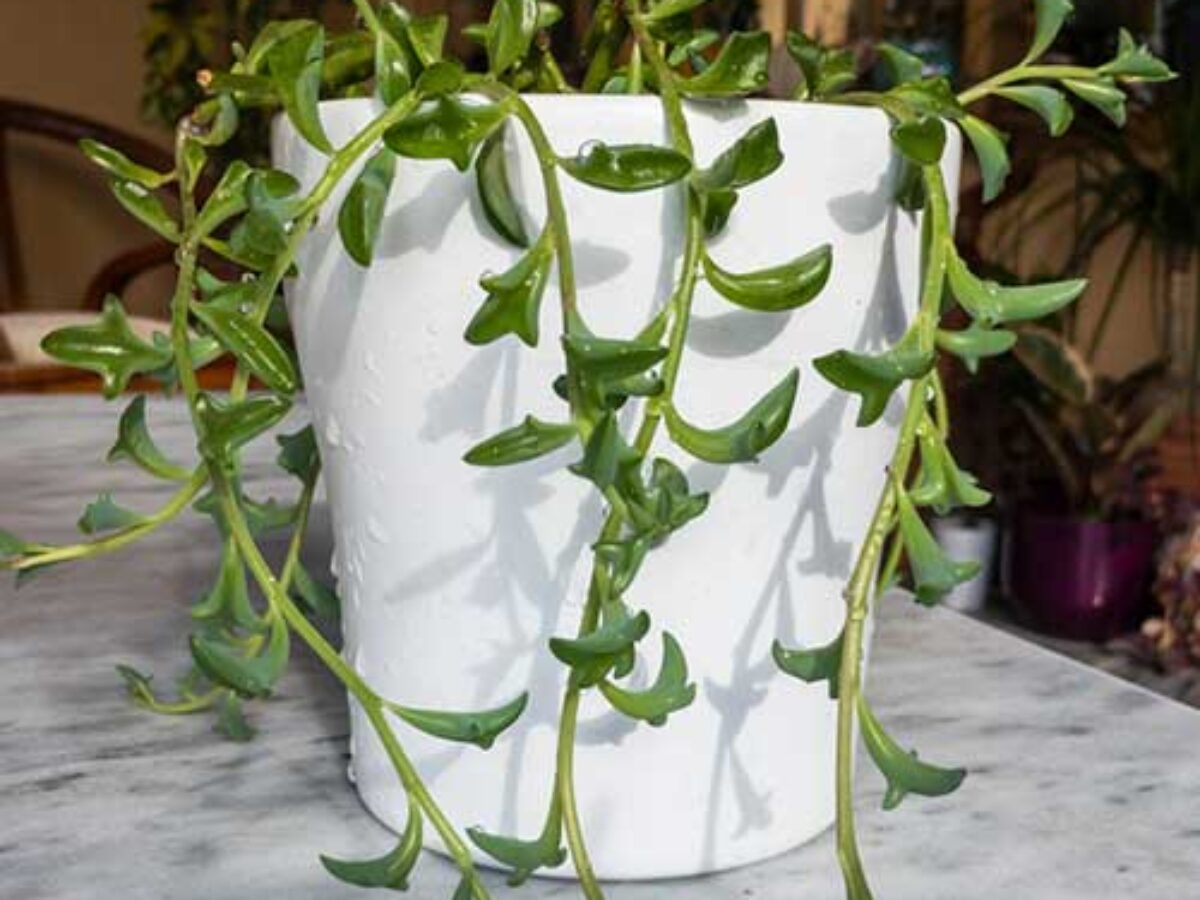
This is a succulent with small, water-storing leaves, so it’d rather be a little thirsty than constantly damp. The most common reason String of Dolphins declines is simply watering too often.
How to water (my foolproof routine)
- Check the pot: let the mix dry out all the way down, not just on top.
- Water deeply until it runs from the drainage holes.
- Empty the saucer or cachepot so the roots don’t sit in water.
How often?
Instead of a calendar, use the plant and the soil. In many homes, that works out to roughly:
- Spring and summer: every 10 to 21 days
- Fall and winter: every 3 to 5 weeks, sometimes longer
Pot material and size matter, too. Terracotta and smaller pots dry faster; plastic pots and oversized containers hold moisture longer. In winter, it’s normal for the plant to slow down and sip water very slowly, especially in cooler rooms and lower light.
Signs of watering problems
- Overwatering: soft or translucent leaves, mushy stems at the soil line, sudden leaf drop, sour smell in the pot
- Underwatering: wrinkled leaves, deflated dolphins, dry crispy older leaves, potting mix pulling away from the pot edges
Soil and potting
String of Dolphins wants air around its roots and a mix that dries quickly. A standard houseplant mix tends to stay wet too long, and that’s where rot likes to start. Pair fast-draining soil with a sensible pot size. Overpotting is a quiet troublemaker because extra soil stays wet longer than the roots can handle.
My favorite mix
- 2 parts cactus and succulent mix
- 1 part perlite or pumice
- Optional: a small handful of orchid bark for chunkiness and airflow
This creates a gritty, quick-drying blend that helps prevent rot and keeps roots healthy.
Pot choice
- Drainage holes are required.
- Terracotta is forgiving for heavy waterers.
- A shallow, wider pot can help the plant look fuller because stems can root along the surface more easily.
- Try to go up only one pot size when repotting.

Temp, humidity, and feeding
Temperature
Average home temperatures are perfect. Aim for 65 to 80°F (18 to 27°C). Protect it from frost and cold windowsills in winter. If leaves look stressed after a cold night, that chill is often the culprit.
Humidity
Normal indoor humidity is fine. High humidity is not a goal with this plant, especially if airflow is poor.
Fertilizer
Light feeding keeps growth steady without making the plant weak and stretched.
- In spring and summer, fertilize once a month at half strength with a balanced liquid fertilizer or a succulent formula.
- Skip fertilizer in fall and winter when growth slows.
Flowers
When it blooms, String of Dolphins produces small daisy-like flowers. Some growers notice a sweet, spicy scent that’s sometimes compared to cinnamon. Blooming doesn’t usually hurt the plant, but if you’d rather it put energy into foliage, you can snip flower stalks off as they appear.
Propagation
This plant is wonderfully generous. One healthy stem can turn into a whole new pot with very little drama. You can propagate in water, but for succulents, I have the best success rooting directly in a gritty mix.
Stem cutting method
- Choose a healthy strand that is 4 to 6 inches long.
- Snip with clean scissors just below a leaf node.
- Remove a few leaves from the bottom inch to expose nodes.
- Let the cutting callus for 12 to 24 hours in a dry, shaded spot.
- Lay the cutting on top of moist (not wet) succulent mix and gently press the bare nodes into contact with the soil.
- Bright indirect light and light moisture only when the surface dries.
Roots usually form in 2 to 4 weeks. After you feel gentle resistance when you tug, shift to normal soak and dry watering.
Pro tip for a lush look
Don’t be shy about planting multiple cuttings in one pot. It’s the fastest way to get that thick, cascading green waterfall effect.
Lost leaf shape
If your dolphins are starting to look like plain curved beans, you’re not alone. Here are the most common causes and how to gently nudge the plant back to its signature look.
1) Not enough light
This is the big one. Low light leads to softer, less defined leaves and stretched stems.
- Fix: move closer to a brighter window, add a grow light, and rotate the pot weekly for even growth.
2) Watering too often
Constantly damp soil can cause weak growth and eventual rot. Even before rot sets in, the plant can lose vigor.
- Fix: let the mix dry completely, repot into a grittier blend if needed, and make sure the pot drains freely.
3) Sudden light changes
Moving from medium light to hot sun overnight can stress leaves and cause discoloration or scarring.
- Fix: acclimate slowly over 7 to 14 days by increasing sun exposure bit by bit.
4) Natural aging
Over time, the top of the pot can thin as older leaves drop. Trailing succulents do this, even when cared for well.
- Fix: take cuttings and plant them back into the pot, or pin long strands onto the soil surface so nodes can root and fill in gaps.
Pruning
If your plant is long and stringy, pruning feels scary, but it’s one of the kindest things you can do. Snipping the tips encourages branching, and the cuttings become new plants.
- Trim leggy strands back by 2 to 6 inches.
- Root those trimmings in the same pot to thicken the top.
- Keep pruned plants in brighter light while they regrow for tighter spacing.
Common problems
Root rot
Symptoms: mushy base, blackened stems, leaves dropping easily, soil staying wet for days.
What to do: unpot, cut away rotten stems and roots, let healthy cuttings callus, and restart in fresh gritty mix. Don’t reuse soggy soil.
Mealybugs
Symptoms: cottony white clusters at nodes and under leaves, sticky residue.
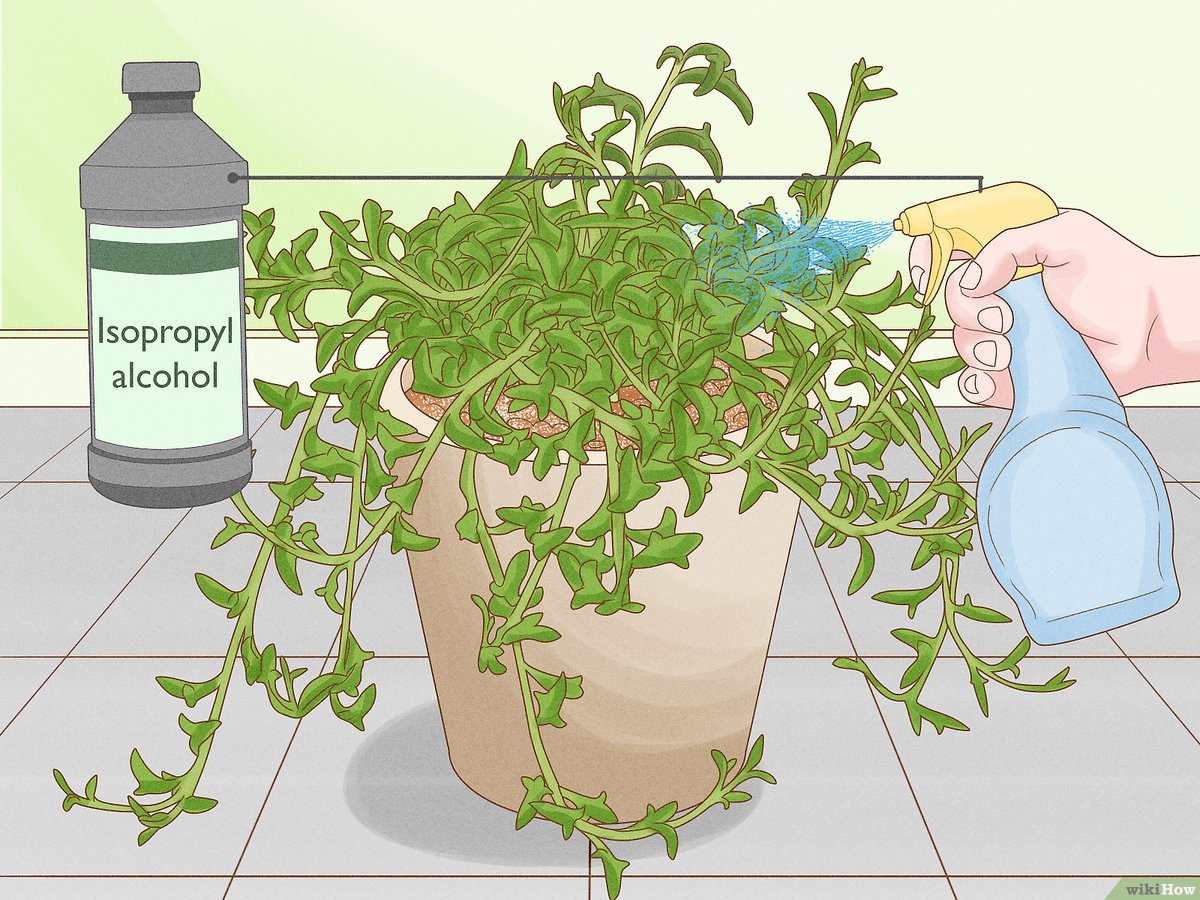
What to do: isolate the plant, dab pests with isopropyl alcohol on a cotton swab, and repeat weekly until gone.
Scale and aphids
Symptoms: scale looks like small tan or brown bumps along stems; aphids cluster on tender growth and can leave sticky residue.
What to do: rinse the plant, wipe pests off, and treat with insecticidal soap as needed. Good light, airflow, and not overfeeding help prevent repeat outbreaks.
Flat growth with sparse leaves
Most likely cause: not enough light or too much fertilizer.
What to do: brighten the location, reduce feeding, and prune to encourage branching.
Comparisons
If you’ve grown a few trailing favorites, String of Dolphins fits right into the family, with a couple of little quirks.
- String of Pearls: similar watering and soil needs, but pearls can be a bit more sensitive to overwatering and crown rot. Dolphins usually want comparable or slightly brighter light to keep their shape.
- String of Hearts: not a succulent in the same way. Hearts tolerate more frequent watering than dolphins and do well in bright indirect light, but they’re generally more forgiving if you miss a watering.
- String of Turtles: a peperomia, so it likes more consistent moisture and higher humidity than dolphins. If you water dolphins like turtles, the dolphins will sulk, then rot.
In other words, dolphins are firmly in the dry between waterings, gritty soil camp.
Helpful habits
- Rotate weekly so it doesn’t grow lopsided toward the window.
- Place with a little breathing room if the glass gets hot. Bright light is great, but pressed against summer windows can be surprisingly intense.
- Bottom water occasionally if the mix has become hydrophobic and water runs straight through.
- Repot every 1 to 2 years or when the soil stops draining well. Go only 1 pot size up.
- Talk to it if you want. I do. My ferns never complain.
FAQ
Can String of Dolphins handle direct sun?
Yes, especially gentle morning sun. Strong afternoon sun can scorch, so acclimate slowly and watch for bleaching.
Can I propagate from single leaves?
It’s unreliable. Success is much higher with stem cuttings that include nodes, because nodes are where roots form most readily. A “single leaf” only works if there’s a tiny bit of stem attached.
Why are my stems long with leaves far apart?
That’s almost always low light. Increase brightness and prune to encourage branching and tighter growth.