
Snapdragon Care for Beginners

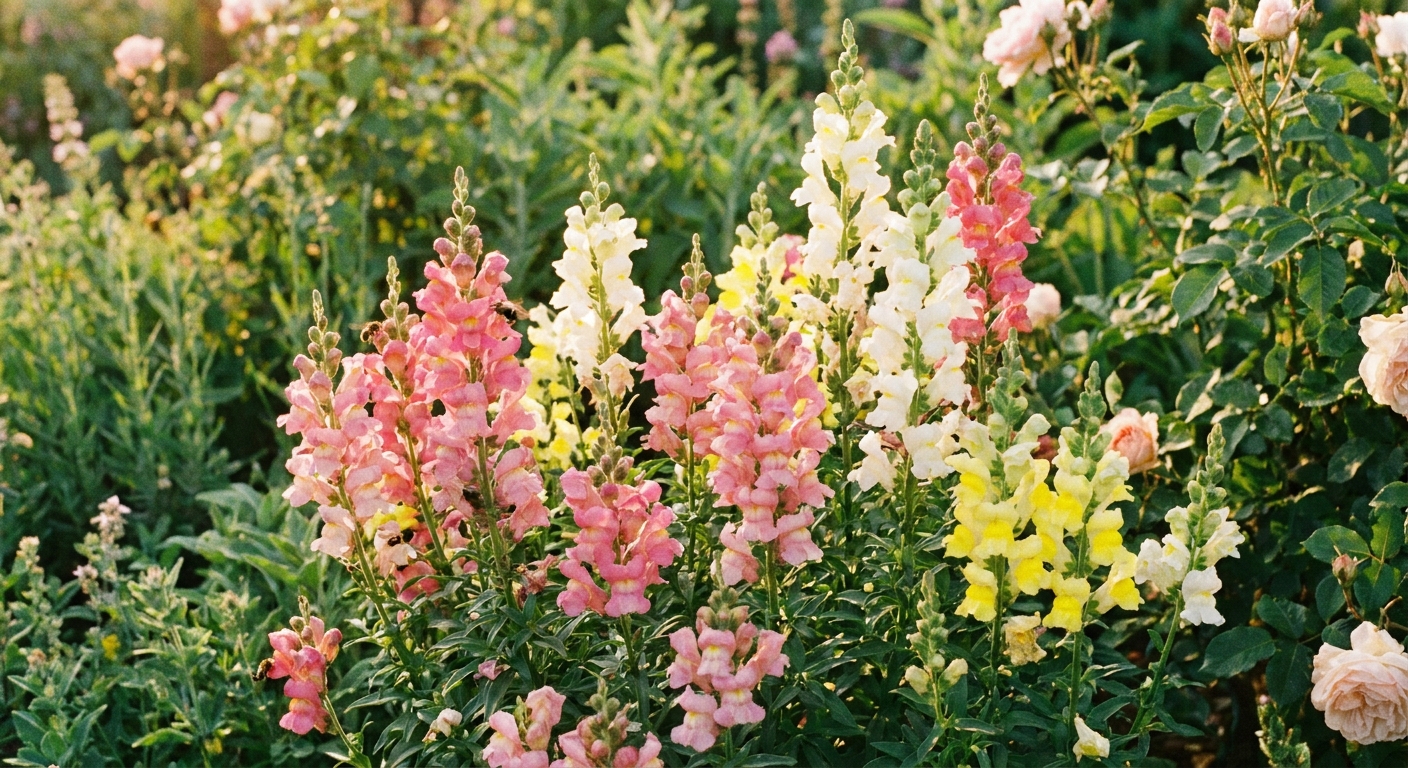
Snapdragons are the kind of flower that make you lean in closer. Those ruffled “dragon” faces, the candy colors, the way they sway in a cool breeze. They also happen to be one of the easiest confidence builders for new gardeners, especially if you plant them when the weather is on their side.
If you have ever felt cursed with a black thumb, let me gently tell you: snapdragons are here to prove you wrong. Give them cool temps, steady moisture, and a little haircut now and then, and they will bloom their hearts out.

Meet the snapdragon
Snapdragons (Antirrhinum majus) are usually grown as annuals, but in mild climates they can act like short-lived perennials. They are famous for loving cool weather and sulking when it gets truly hot.
- Best season: Spring and fall, plus winter in mild areas.
- Bloom style: Spikes of flowers that open gradually, great for cutting.
- Height: Dwarf types around 6 to 12 inches, tall types 24 to 36 inches, sometimes more.
Planting
Before you worry about pinching and deadheading, set snapdragons up with the basics: cool weather, sun, and soil that drains well.
When to plant outdoors
Snapdragons are happiest when days are mild and nights are cool (roughly 55 to 70°F, or 13 to 21°C). In many regions, that means you can plant them a few weeks before your last spring frost.
Many snapdragons can handle light frost once acclimated, but tolerance varies by cultivar and by how hard or long the freeze is. If a hard freeze is forecast, cover plants overnight or move containers to shelter.
- Cool spring areas: Plant early spring for a long bloom season.
- Hot summer areas: Plant in late winter or very early spring, and again in fall for a second round.
- Mild winter areas: Fall planting often gives you the strongest plants and the earliest spring flowers.
Soil and drainage
Snapdragons like soil that is rich but never swampy. If your bed holds water after rain, choose a different spot or amend heavily.
- Ideal: Well-draining soil with compost mixed in.
- Avoid: Low, soggy areas where roots stay wet.
Seed vs plants
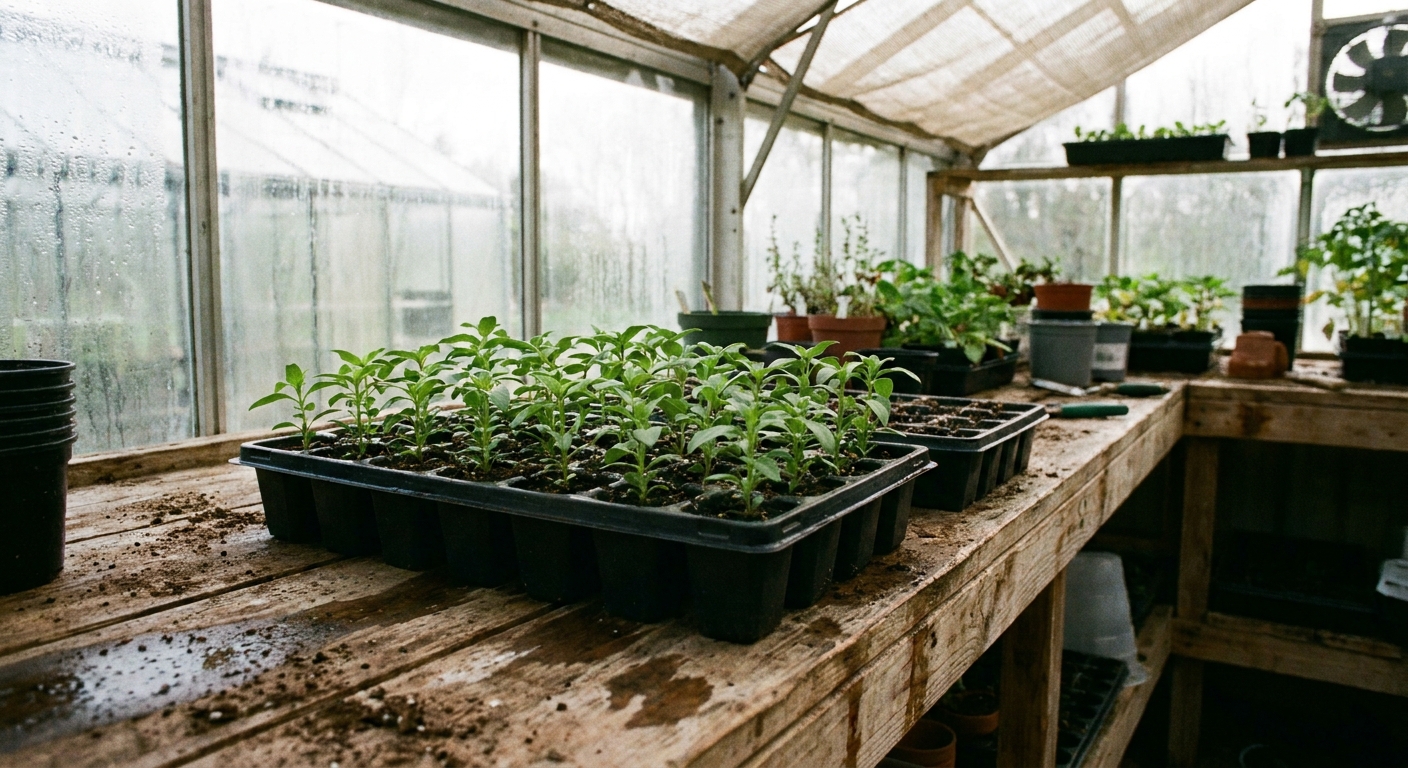
Seeds are budget-friendly, but they are slow. If you want the easiest beginner route, start with nursery transplants and focus on learning the care rhythm.
- From seed: Start indoors 8 to 12 weeks before the last frost. Press seeds onto the surface, do not bury them deeply, because they need light to germinate.
- From transplants: Harden off and plant when soil is workable and daytime temps are consistently cool to mild.
Sun and spacing
Once your planting time is right, your next two big levers are sunlight and airflow. They solve a surprising number of problems before they start.
Sun needs
Snapdragons bloom best with full sun, especially in cool seasons. In warmer climates, a little afternoon shade can keep them going longer and prevent them from looking tired.
- Ideal: 6 or more hours of sun.
- In heat: Morning sun, light shade after 2 pm.
Spacing
Spacing matters more than people think, because it helps prevent fungal issues like rust. Give each plant room to breathe.
- Dwarf types: 6 to 8 inches apart.
- Medium types: 8 to 12 inches apart.
- Tall types: 12 to 18 inches apart, and consider staking in windy spots.
If you want a fuller look in a bed, you can plant slightly closer, but be extra attentive about watering at the soil line and removing spent foliage.
Watering and feeding
Watering basics
Snapdragons like evenly moist soil, not soggy soil. The easiest beginner rule is the finger test: if the top inch feels dry, it is time to water.
- In beds: Water deeply, then let the surface dry slightly before watering again.
- In containers: Check more often. Pots dry out quickly, especially in sun and wind.
- How to water: Aim at the base to keep foliage dry and reduce rust risk. Avoid overhead watering when possible.
Feeding without overdoing it
Too much nitrogen makes lush leaves and fewer flowers. You want steady, gentle nutrition.
- In beds: Mix in compost at planting time. If your soil is lean, use a balanced organic fertilizer once plants are established. For a long season, you can do a light midseason feed if blooming slows or leaves start looking pale.
- In containers: Use high-quality potting mix, then feed lightly every 2 to 4 weeks with a balanced liquid fertilizer, following label rates.
If you see lots of leaves and very few buds, pause fertilizing and make sure the plants are getting enough sun.
Pinching
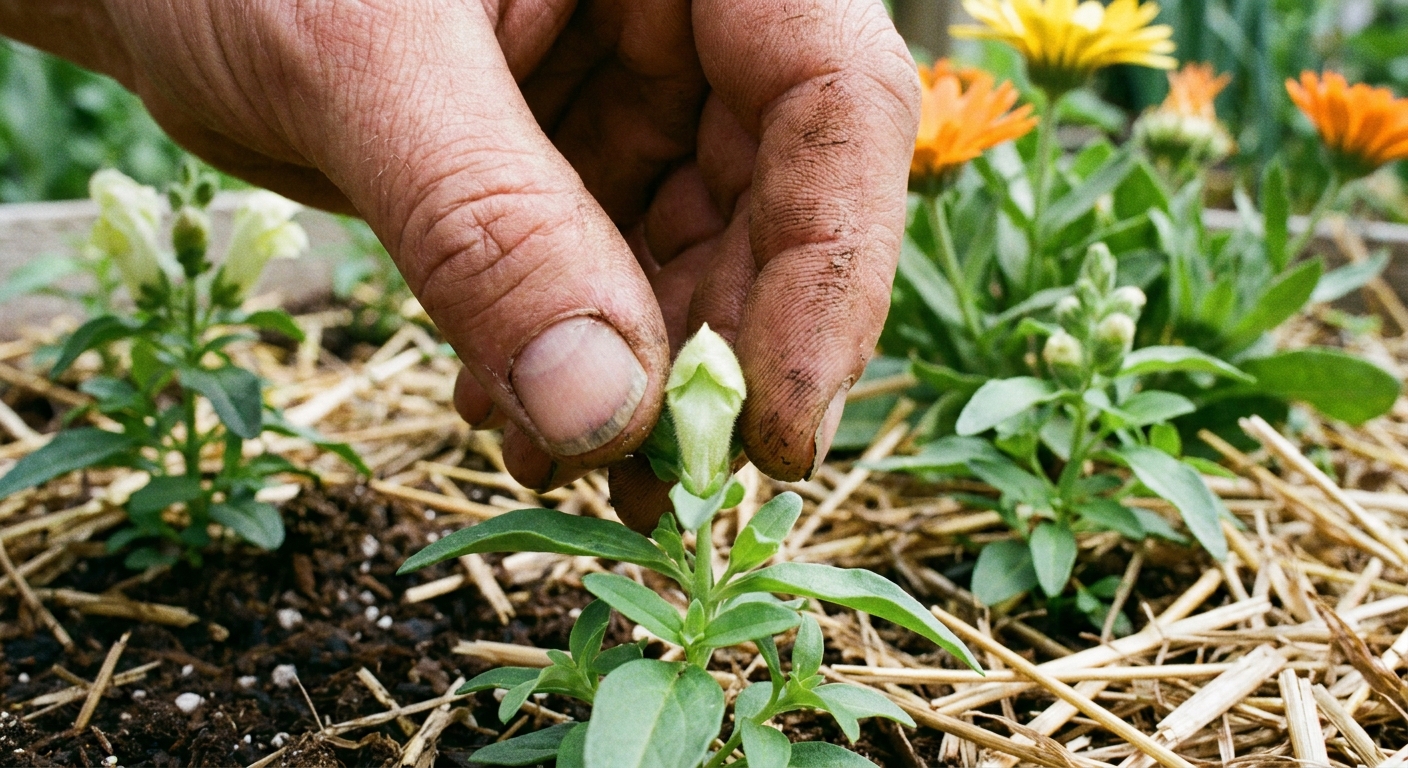
This is the secret handshake for snapdragons. Pinching tells the plant, “Grow more side shoots,” which means more flower spikes later.
When to pinch
Pinch when your plant is about 6 to 8 inches tall and has several sets of leaves.
How to pinch
- Find the main growing tip at the top of the stem.
- Use clean fingers or snips.
- Remove the top 1 to 2 inches, cutting just above a set of leaves.
It feels wrong the first time. I promise it is not. I often whisper an apology to the plant, and then it thanks me by becoming a fluffy bloom machine.
Deadheading
Snapdragons bloom in waves. Deadheading helps them put energy into new buds instead of seed production.
Quick method
- When a flower spike is fading from the bottom up, snip off the spent portion.
- Cut back to a strong side shoot or a fresh set of leaves.
- Remove any brown, mushy, or spotted leaves while you are there.
Cut flowers count too
Want bouquets? Perfect. Harvesting long stems is basically deadheading with benefits. Cut in the morning, place stems immediately in water, and strip leaves that would sit below the waterline.
Problems
Rust
Rust is a fungal disease that shows up as yellowing leaves and rusty orange or brown spots, often as powdery-looking pustules on the undersides. It spreads faster in humid conditions and crowded plantings.
- Do this first: Remove affected leaves and throw them in the trash, not the compost.
- Improve airflow: Thin crowded stems and stick to good spacing.
- Water smarter: Water at the soil line, early in the day. Skip overhead watering when you can.
- Sanitize: Wipe or dip snips between plants if you are removing a lot of diseased foliage.
- Choose easier plants next time: If rust is a yearly visitor in your garden, look for resistant varieties or ask a local nursery what performs well in your area.
- If it keeps spreading: Consider an organic-approved fungicide labeled for rust, and follow directions carefully.
If a plant is heavily infected, sometimes the kindest choice is to remove it so your other snapdragons can thrive.
Aphids
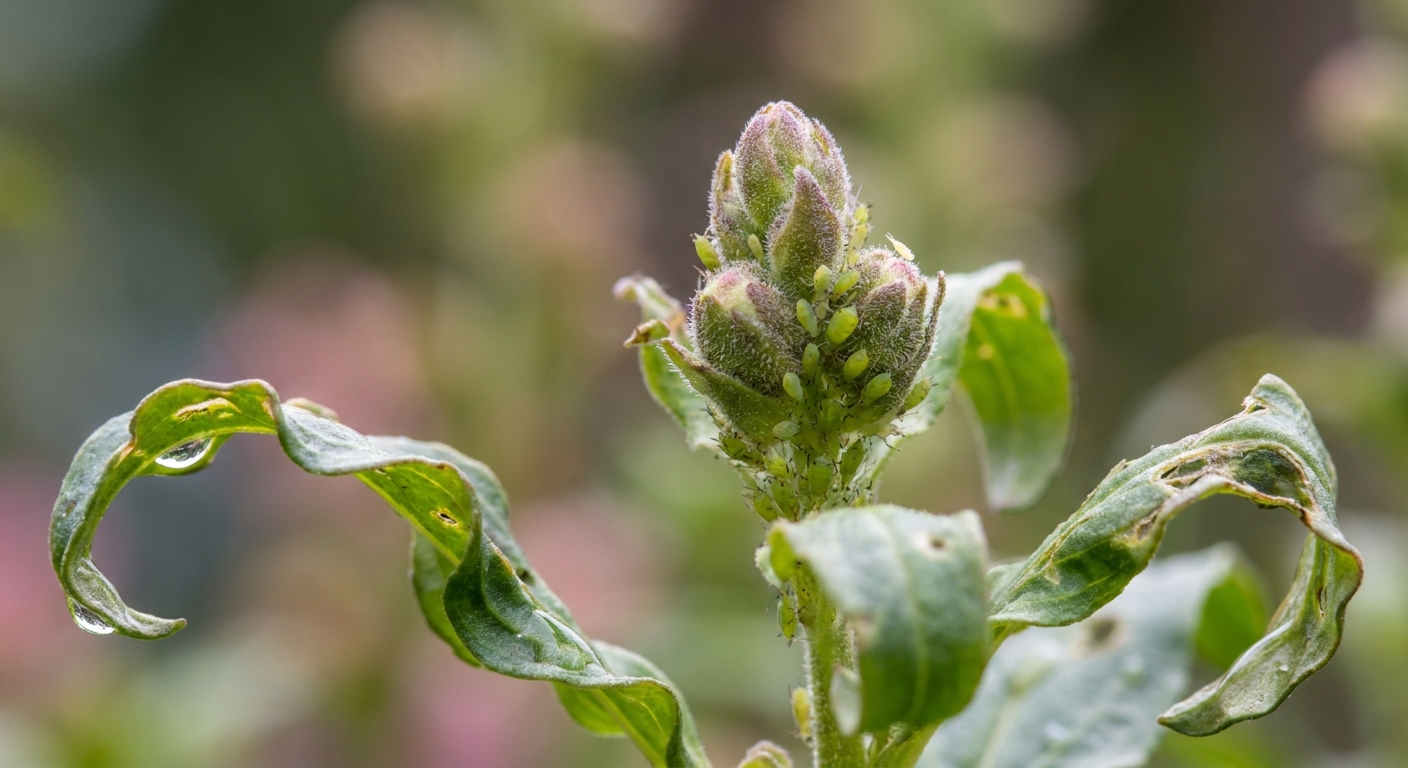
Aphids love tender snapdragon tips and buds. You might notice curling leaves, sticky residue, or ants farming them like tiny livestock.
- Blast them off: A sharp spray of water on the stems and buds works surprisingly well.
- Pinch and discard: If one tip is loaded, snip it off and toss it.
- Use insecticidal soap: Spray in the evening and coat the insects directly. Repeat as needed.
- Encourage predators: Lady beetles, lacewings, and hoverflies do the dirty work for free when you avoid harsh pesticides.
Containers vs beds
Containers
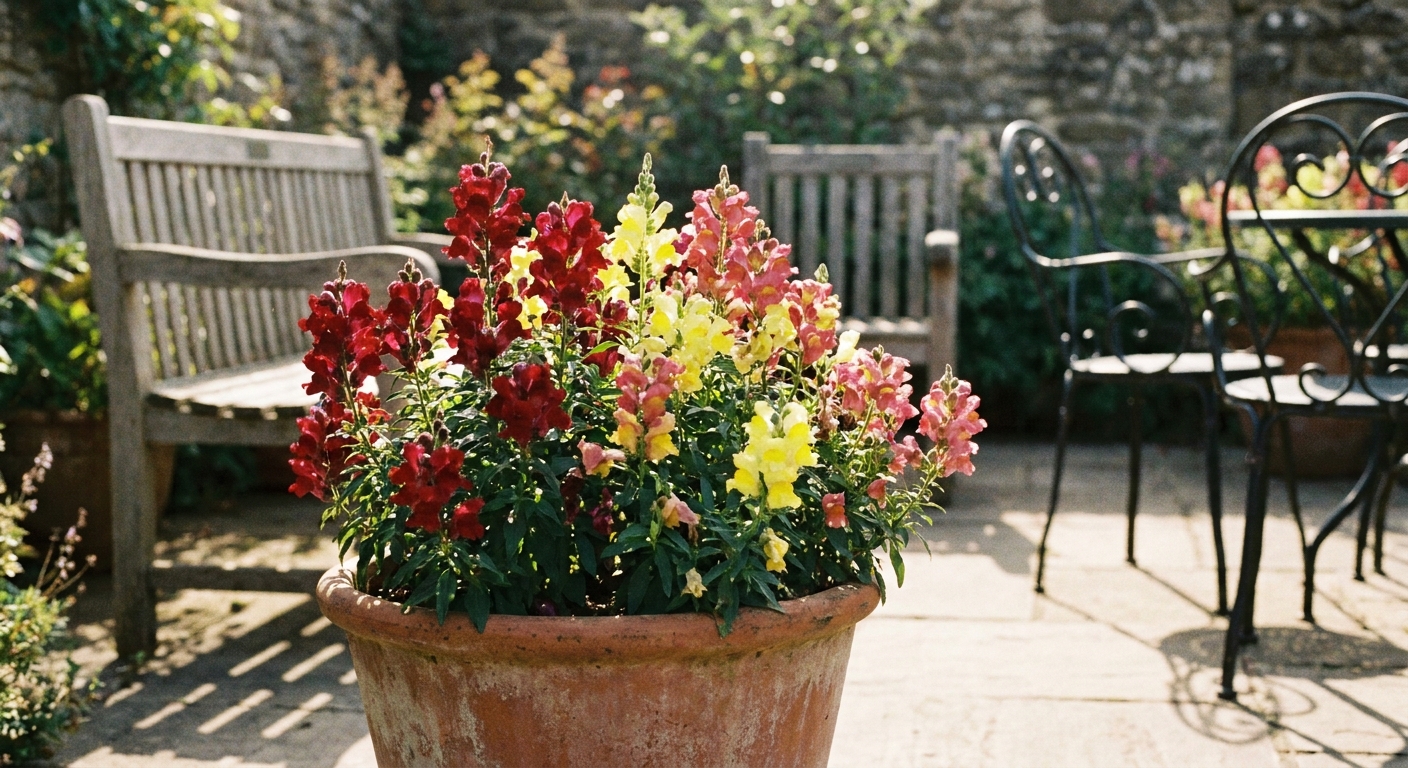
Snapdragons in pots are gorgeous on porches and patios, but they rely on you for everything. Think of containers as a tiny, controlled ecosystem.
- Pot size and crowding: Give them room for airflow. As a simple guide, plan on 1 dwarf snapdragon per 8 to 10 inch pot, or 3 dwarfs in a 12 to 14 inch pot. For taller varieties, go bigger, and do fewer plants per container.
- Soil: Use potting mix, not garden soil. Add a handful of compost if you like, but keep it light and airy.
- Watering: Expect to water more often, sometimes daily in warm, breezy weather.
- Feeding: Light, regular feeding works better than one heavy dose.
- Support: Tall snapdragons may need a discreet stake in a windy spot.
Beds
In-ground snapdragons tend to be more forgiving because the soil holds moisture and stays cooler. If you can give them healthy soil and good spacing, beds are the easiest place to get long bloom waves.
- Prep: Loosen soil and mix in compost before planting.
- Mulch: A thin layer of mulch helps even out moisture and reduces splash that can spread disease.
- Heat: In hot climates, afternoon shade and consistent watering help extend the season.
Overwintering
In mild climates, snapdragons can sometimes overwinter and bloom again. Think of it as a pleasant bonus, not a promise.
- After frost: If plants survive, cut them back, clean out dead leaves, and add a light layer of mulch.
- Cold snaps: Cover in-ground plants overnight during hard freezes. Move pots to a protected spot.
- What to expect: Some varieties bounce back better than others, and plants may be short-lived even in gentle winters.
Care calendar
- Planting: Set out in cool weather, a few weeks before last frost or in fall for mild climates.
- Week 1 to 2: Water consistently while roots settle in.
- At 6 to 8 inches tall: Pinch to encourage branching.
- Bloom season: Deadhead or cut for bouquets weekly.
- After a heat spike: If plants get leggy or stop blooming, shear back by about one third, water deeply, and wait for cooler nights. In very hot climates, some snapdragons will pause until fall, and that is normal.
Extra tips
- Cool nights are magic. If your snapdragons look blah, check the forecast. A stretch of cooler evenings often brings a flush of new blooms.
- Do not fear the haircut. Pinching and deadheading feel fussy, but they are the difference between a few spikes and an ongoing show.
- Airflow prevents drama. Most snapdragon problems get worse when plants are crowded and leaves stay damp.
- Pick the right type. Dwarf varieties are easiest in containers. Tall varieties are stunning in beds and bouquets, but may need staking.
- Varieties matter. Some series are bred for cool-season performance and others for spring bedding color. If you are unsure, ask your local nursery which snapdragons stay healthiest in your area.
- Pets and kids: If you garden with curious nibblers, double-check plant safety with a trusted local resource or poison control database, since guidance can vary by source and situation.
If you try snapdragons this season, give yourself permission to learn as you go. Gardening is not a test you pass. It is a relationship you build, one bloom at a time.