
Smooth Hydrangea (Annabelle) Care for Shade Gardens

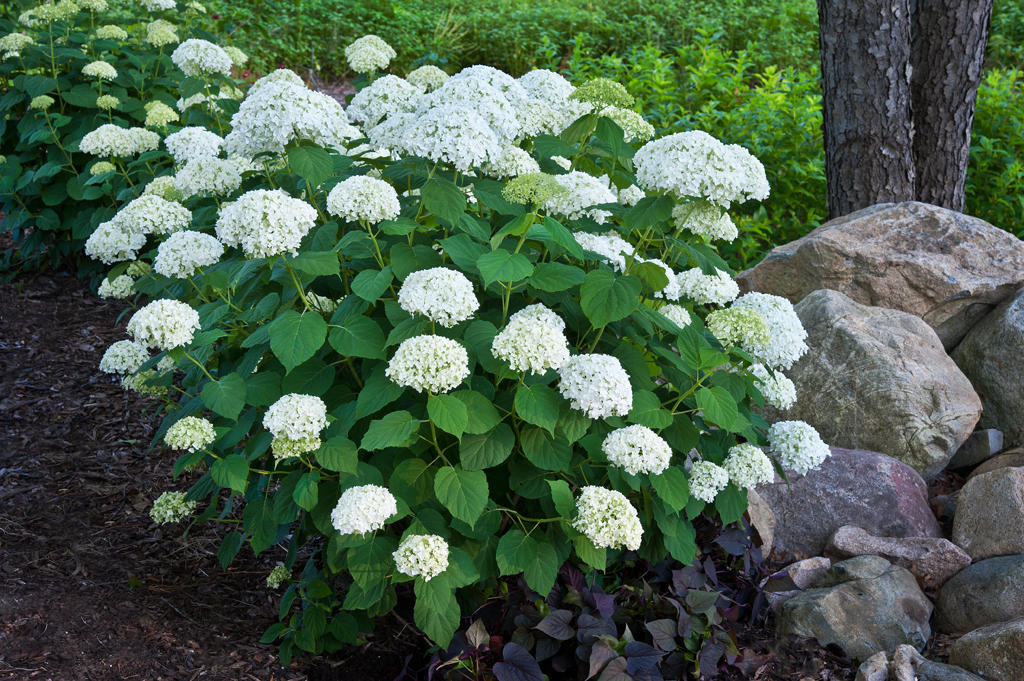
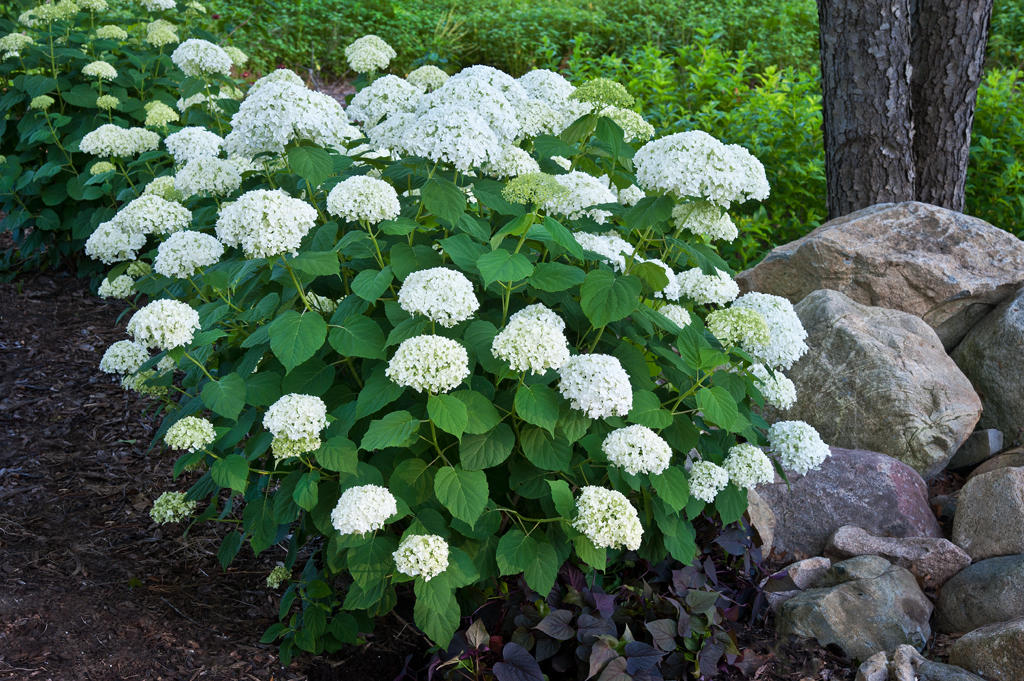
I have a soft spot for smooth hydrangea, especially the classic Hydrangea arborescens ‘Annabelle’. It is one of those shrubs that makes a shade garden feel intentional, like you meant for that quiet corner under the maple to look lush. And unlike some hydrangeas that keep gardeners guessing, smooth hydrangea plays by refreshingly simple rules: it blooms on new wood, it forgives hard pruning, and it can handle more shade than many people expect, as long as you accept the tradeoff that deeper shade means fewer blooms and a looser, leggier shape.

Meet smooth hydrangea
Botanical name: Hydrangea arborescens
Common names: Smooth hydrangea, wild hydrangea, Annabelle hydrangea
Bloom type: Rounded clusters, often mophead-like in common garden forms such as ‘Annabelle’ (mostly sterile florets), usually white that may age to soft green or tan
Bloom time: Summer into early fall in many climates
Size: Often 3 to 5 feet tall and wide, sometimes larger with age and rich soil
Hardiness: Commonly grown in USDA Zones 3 to 8
‘Annabelle’ is the famous cultivar with big, cloud-like white blooms. You will also see other H. arborescens selections like ‘Incrediball’ (often noted for sturdier stems) and pink types such as the Invincibelle series. The care is essentially the same across the species and its common garden cultivars, with small differences in stem strength, flower size, and overall vigor.
Shade tolerance
Smooth hydrangea is one of the best hydrangeas for shade gardens, but it still needs enough light to fuel those generous blooms.
Best light for Annabelle
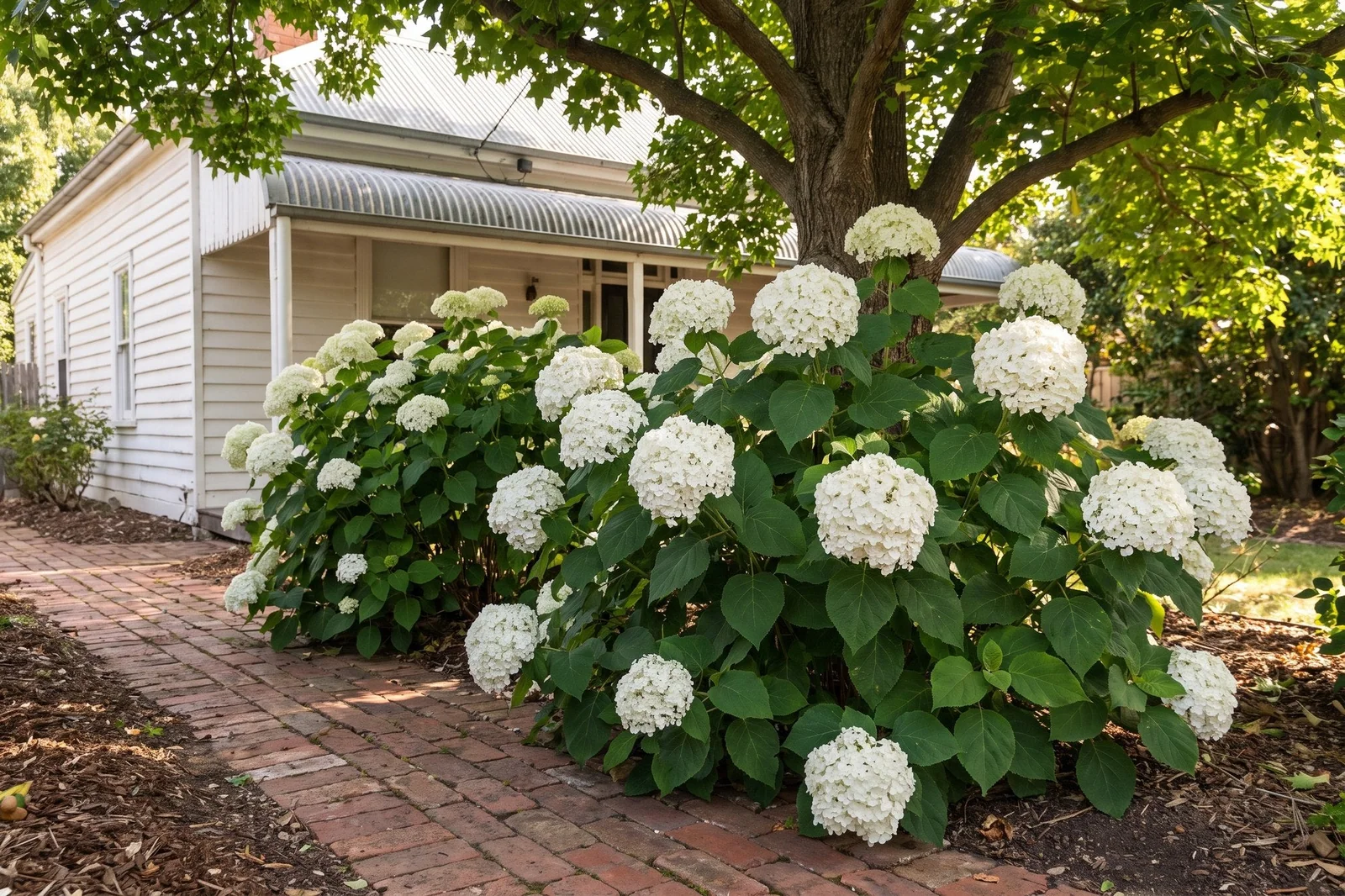
- Ideal: Morning sun with afternoon shade, or bright dappled shade all day.
- Will tolerate: Part shade to fairly deep shade, especially in hotter regions.
- Where it struggles: Dense, dark shade where you cannot comfortably read a book at midday. In that kind of shade, the shrub often survives but flowers lightly and stretches toward light.
What “bright dappled shade” means: Think high tree canopy with shifting, moving light through the day, not the solid, dim shade under dense evergreens or a tight hedge.
My quick shade test: If the spot gets at least 3 to 4 hours of gentle sun (or consistent bright, shifting light under high tree canopies), Annabelle usually blooms well. In cool-summer regions it can handle more sun, even close to full sun if moisture stays steady. In hot-summer regions, it can bloom with less direct sun, and may actually look happier with more shade.
Soil that works
If you remember one thing, make it this: smooth hydrangea likes moisture-retentive soil that still drains. In shade gardens, soil often swings between bone dry (thanks, thirsty tree roots) and soggy (thanks, poor drainage and low evaporation). Annabelle wants the middle path.
Texture, organic matter, and pH
- Texture: Loam is perfect, but many gardens are not perfect. Clay is workable if you improve drainage. Sandy soil needs added organic matter to hold moisture.
- Organic matter: Mix in compost at planting, then top-dress yearly. I treat compost like a gentle handshake with the soil food web, not a one-time fix.
- pH: Smooth hydrangeas are generally flexible. Unlike bigleaf hydrangeas, you are not chasing blue versus pink blooms here. Aim for a reasonable range around slightly acidic to neutral, and focus your energy on moisture and nutrients instead.
Mulch helps a lot in shade beds
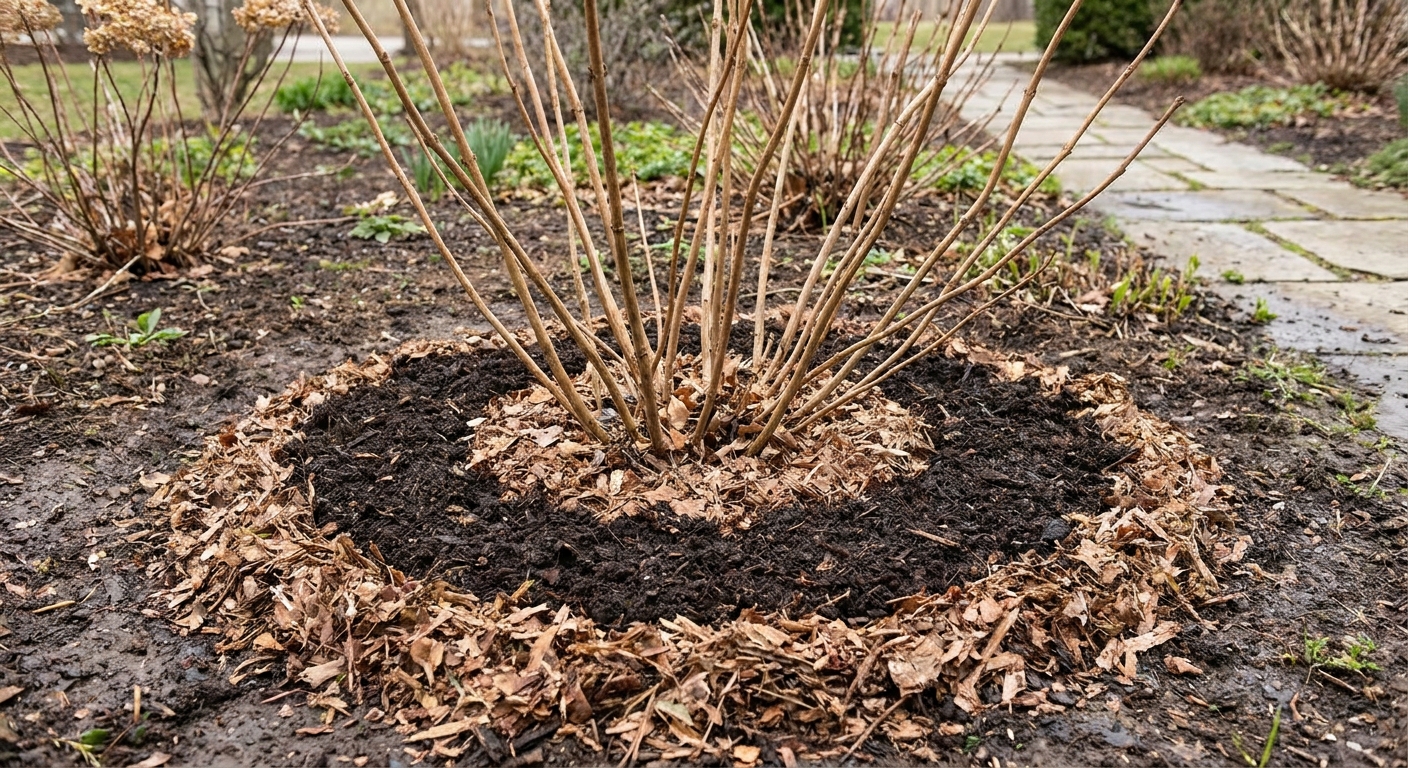
A 2 to 3 inch layer of leaf mold, shredded leaves, or bark mulch helps even out moisture and keeps roots cool. Keep mulch a few inches back from the stems to reduce rot and pest hiding spots.
Watering
Annabelle wilts dramatically when it is thirsty, especially during hot spells. The good news is that it usually bounces back after a deep watering, but repeated stress can reduce bloom size and invite leaf scorch.
How to water well
- Water deeply: Soak the root zone rather than sprinkling the surface.
- Water early: Morning watering reduces disease risk and helps plants start the day hydrated.
- Watch tree competition: Under shallow-rooted trees, hydrangeas may need more frequent watering even in shade.
Container note: Smooth hydrangea can be grown in a large pot, but moisture swings faster in containers. Pots can dry quickly in heat and wind, yet stay wet longer during cool, rainy stretches or in heavy shade. Use a high-quality potting mix, make sure drainage holes are generous, and check moisture with your finger before watering. Do not let the pot sit in a saucer of water.
Fertilizing
In decent soil with annual compost, smooth hydrangea often needs very little fertilizer. Overfeeding can push lots of soft growth that flops, and it can contribute to disease issues when humidity is high and airflow is limited.
- Best baseline: Compost top-dressing in spring.
- If growth is weak: A light application of a balanced, slow-release fertilizer in spring can help, especially in very sandy soil or after heavy rains leach nutrients.
- Avoid: High-nitrogen feeding that makes leaves huge and flowers an afterthought.
Why Annabelle flops
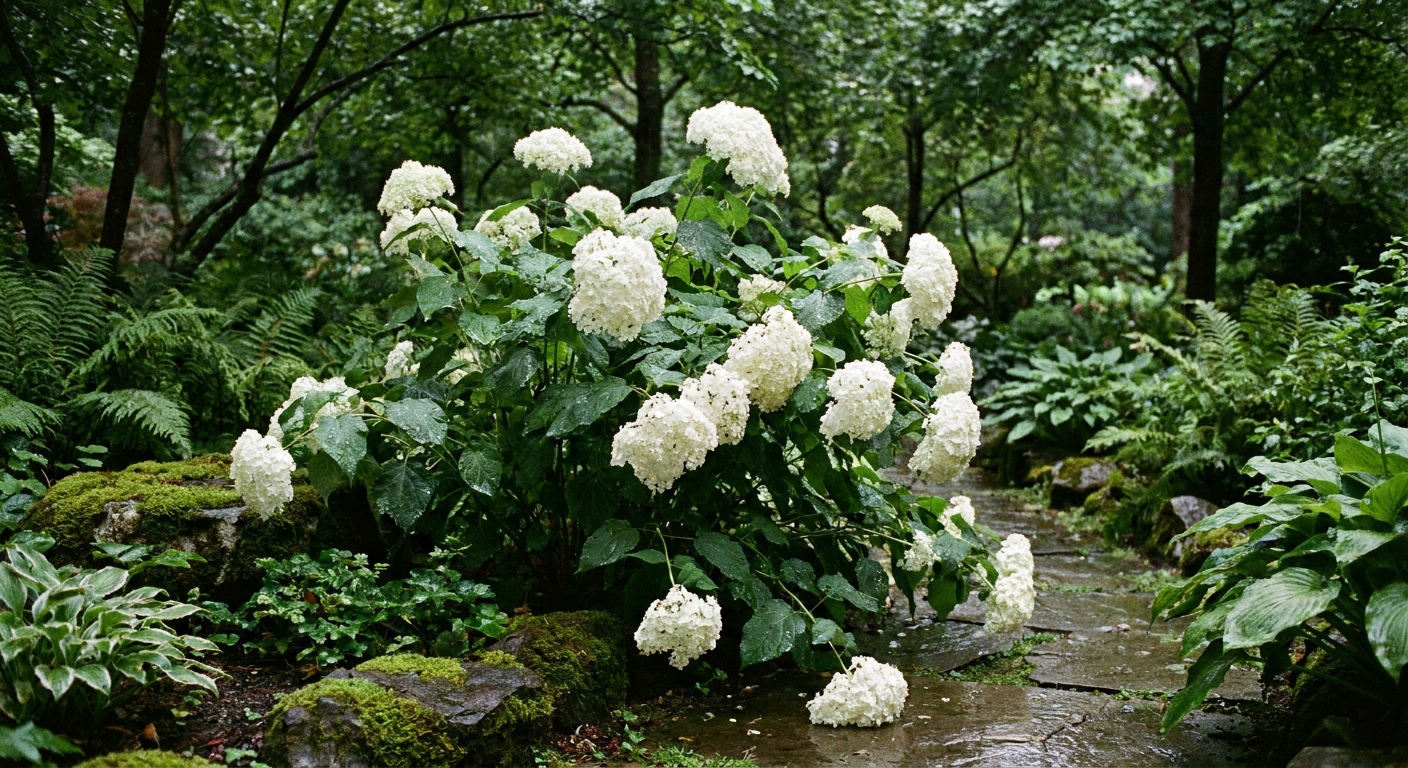
If you have ever walked outside after a summer thunderstorm to find your ‘Annabelle’ sprawled like it fainted on the job, you are not alone. Flopping is common with big, heavy flower heads, especially on fast, soft spring growth.
Common causes
- Flower heads are heavy: Large blooms act like little sails in rain and wind.
- Too much shade: Stems stretch and weaken as the plant reaches for light.
- Too much nitrogen: Lush, tender stems bend easily.
- Hard pruning to the ground every year: This encourages long, new stems that can be less self-supporting, especially on older ‘Annabelle’ plants.
What actually helps
- Give it brighter shade: Morning sun or dappled light is the most elegant fix.
- Use a discreet support: A simple peony ring, tomato cage, or low staking installed in spring before the plant fills in can keep blooms upright without looking fussy.
- Try a higher cutback: Instead of cutting to the ground, leave 12 to 24 inches of framework. It can produce sturdier branching on some plants while still blooming beautifully.
- Space it right: Crowded shrubs lean outward searching for air and light.
Some newer cultivars have stronger stems, but even they can flop in deep shade or after a deluge. I consider gentle support a completely respectable gardening move, not a failure.
New wood blooms
Smooth hydrangeas bloom on new wood, which means they form flower buds on the current season’s growth. That one trait is why ‘Annabelle’ is such a reliable bloomer and why pruning is much less stressful than with other hydrangea groups.
In plain language: you can prune in late winter or early spring, the plant regrows, and it still flowers the same year.
How to prune Annabelle
If you have been afraid to prune hydrangeas, start here. Smooth hydrangea is the confidence builder of the hydrangea world.
When to prune
Prune in late winter to early spring, after the worst cold has passed but before vigorous new growth takes off. In many areas, that is the window when you start noticing bulbs waking up and the garden is itching to begin.
Two good options
Option A: Hard cutback for fresh, bold regrowth
Cut stems down to about 6 to 12 inches above the ground. This produces lots of new shoots and big blooms, but it can increase flopping in shade or fertile soil.
Option B: Medium cutback for stronger structure
Cut stems down to about 12 to 24 inches, keeping a short woody framework. You still get new-wood blooms, and many gardeners find the plant holds itself up better.
Step-by-step pruning
- Use sharp, clean pruners or loppers.
- Remove dead wood first, cutting it to the base.
- Thin a few of the oldest, thickest stems at the base if the shrub is crowded. This improves airflow and encourages vigorous new canes.
- Make your main height cut (hard or medium), cutting just above a pair of healthy buds.
- Clean up fallen debris and refresh mulch.
What not to do: Do not baby-prune by snipping only the tips every year. You will often end up with fewer, heavier blooms perched on long stems, which is a recipe for flopping.
Planting and spacing
Shade planting is less about sunlight and more about root competition and moisture management.
How to plant
- Dig a hole about as deep as the root ball and 2 to 3 times as wide.
- Loosen circling roots gently.
- Set the plant so the top of the root ball is level with the surrounding soil.
- Backfill with native soil mixed with compost if your soil is poor or compacted.
- Water in thoroughly, then mulch.
Spacing
Give Annabelle at least 3 feet of space from its neighbors, and more if you want it to mature into a full, rounded shrub. Tighter spacing can work for a hedge effect, but air circulation matters in shade.
Moving an established plant
If you decide your hydrangea is simply too shaded, the easiest time to move it is usually early spring before leaf-out or early fall when heat breaks. Water well the day before, dig as wide a root ball as you can manage, and baby it with steady moisture for the next few weeks.
Seasonal care
Spring
- Prune (hard or medium cutback).
- Top-dress with compost and refresh mulch.
- Install supports early if your plant tends to flop.
Summer
- Water deeply during dry spells.
- Deadheading is optional. Leaving blooms can look lovely, and it does not affect next year’s flowering because buds form on new growth anyway.
Fall and winter
- Enjoy the faded blooms if you like winter texture.
- In windy sites, you can cut spent blooms off to reduce storm breakage, but save major pruning for late winter or early spring.
Common problems
Leaves droop midday
Some midday droop can happen even in moist soil, especially on hot days. If the plant perks up by evening, it may be heat-related. If it stays limp, check soil moisture several inches down and water deeply if dry.
Brown edges on leaves
This is often drought stress, hot wind, or too much direct afternoon sun. Improve watering consistency and add mulch. In very bright spots, provide afternoon shade.
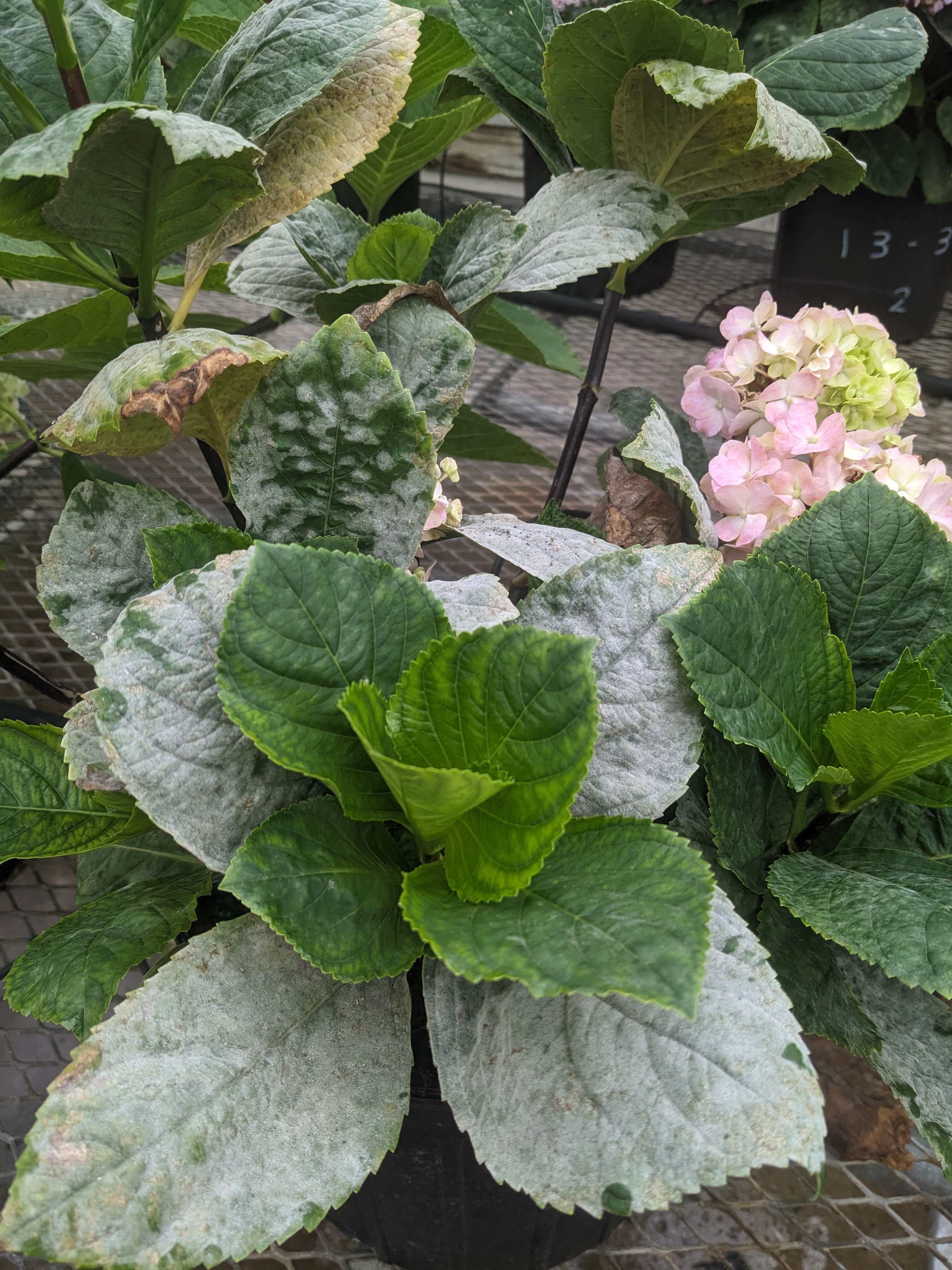
Powdery mildew
Shade plus humidity can invite mildew. Give the shrub breathing room, thin crowded stems in spring, and avoid overhead watering late in the day.
Few flowers
- Too much shade is the most common culprit.
- Excess nitrogen can also reduce flowering.
- Very young plants sometimes need a season or two to settle in.
Deer and rabbits
In my experience, smooth hydrangea is not the first choice for deer, but it is not reliably deer-proof either. Tender spring growth can get nipped, especially in high-pressure areas. If deer and rabbits are regular visitors, plan on some protection during the growing season.
Companion plants
I love pairing smooth hydrangea with plants that enjoy similar moisture and partial shade. Think layered greens and a few contrasting textures.
- Ferns: For feathery contrast and a woodland feel.
- Hostas: Big leaves echo the hydrangea’s lushness.
- Heuchera (coral bells): Adds burgundy, caramel, or lime foliage under white blooms.
- Astilbe: Airy plumes that bloom around the same season in many gardens.
- Native groundcovers: Great for soil protection and habitat value, especially under open tree canopies.
FAQ
Does Annabelle hydrangea bloom in full shade?
It can bloom in shade, especially bright shade, but flowering decreases as shade deepens. If you get lots of leafy growth and few blooms, try moving it to a spot with morning sun or lighter dappled shade.
Can I cut Annabelle to the ground?
Yes. Smooth hydrangea blooms on new wood, so a hard cutback in late winter or early spring is safe. If your plant flops, leaving 12 to 24 inches of stems can improve structure.
Will pruning reduce blooms?
Not when you prune at the right time. Because buds form on new growth, spring pruning does not remove that season’s flowers the way it can on old-wood hydrangeas.
Why are my flowers turning green?
As blooms age, they often shift from bright white to soft green, then tan. That is normal. Drought stress can also make blooms age faster, so keep watering consistent.
A closing note
Shade gardens teach patience. Everything feels slower, softer, more deliberate. Smooth hydrangea fits that mood perfectly. Give ‘Annabelle’ moisture, decent soil, and a spring cutback you can do with confidence, and it will return the favor with big, luminous blooms that practically glow at dusk.