
Sempervivum (Hens and Chicks) Care and Propagation

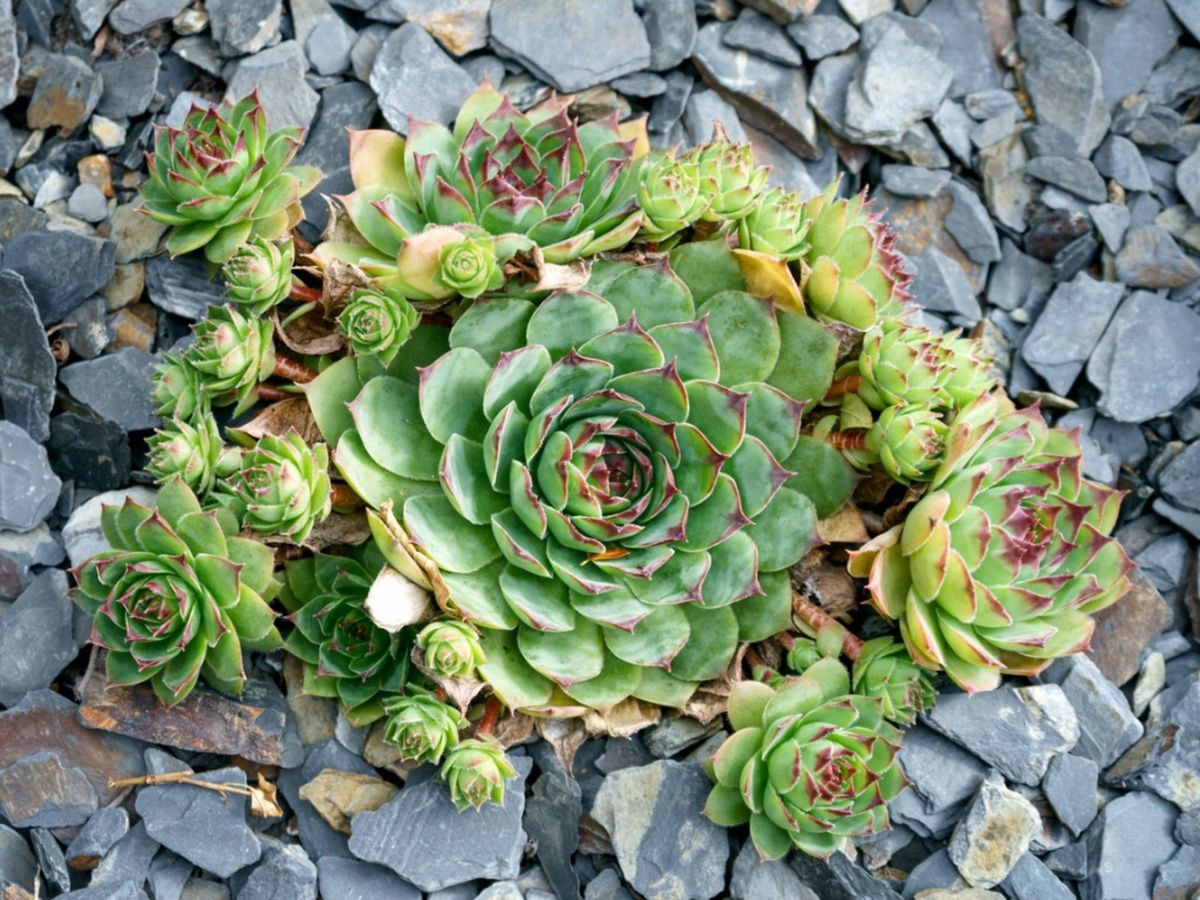
Sempervivum, better known as hens and chicks, are the succulents I hand to the most nervous gardeners first. They are tough, cold-hardy, and can happily live outside year-round in many climates. Most are hardy in about USDA Zones 3 to 9 (exact hardiness varies by species, cultivar, and exposure), so they are a realistic outdoor option for a lot of us. Give them sun, fast-draining soil, and a little respect for winter wetness, and they will quietly multiply like tiny green stars.

What makes Sempervivum different
Most people lump all succulents together, then wonder why their outdoor plants rot in winter or their indoor plants stretch into sad, floppy spirals. Many Sempervivum species originate in mountainous regions of Europe and western Asia. They are built for:
- Cold winters, including freezing temperatures when they are dry enough
- Full sun and temperature swings
- Lean, gritty soils that drain fast and do not stay soggy
In summer heat or winter cold, they often slow down rather than growing steadily, and they do not want constant moisture around their crowns.
Light and placement
How much sun do they need?
Give Sempervivum at least 6 hours of sun for compact rosettes and strong color. In very hot climates, a bit of afternoon shade can prevent scorching, especially for lighter varieties. If you want the best color, more sun usually equals more drama.
Where they shine outdoors
- Rock gardens and gravel beds
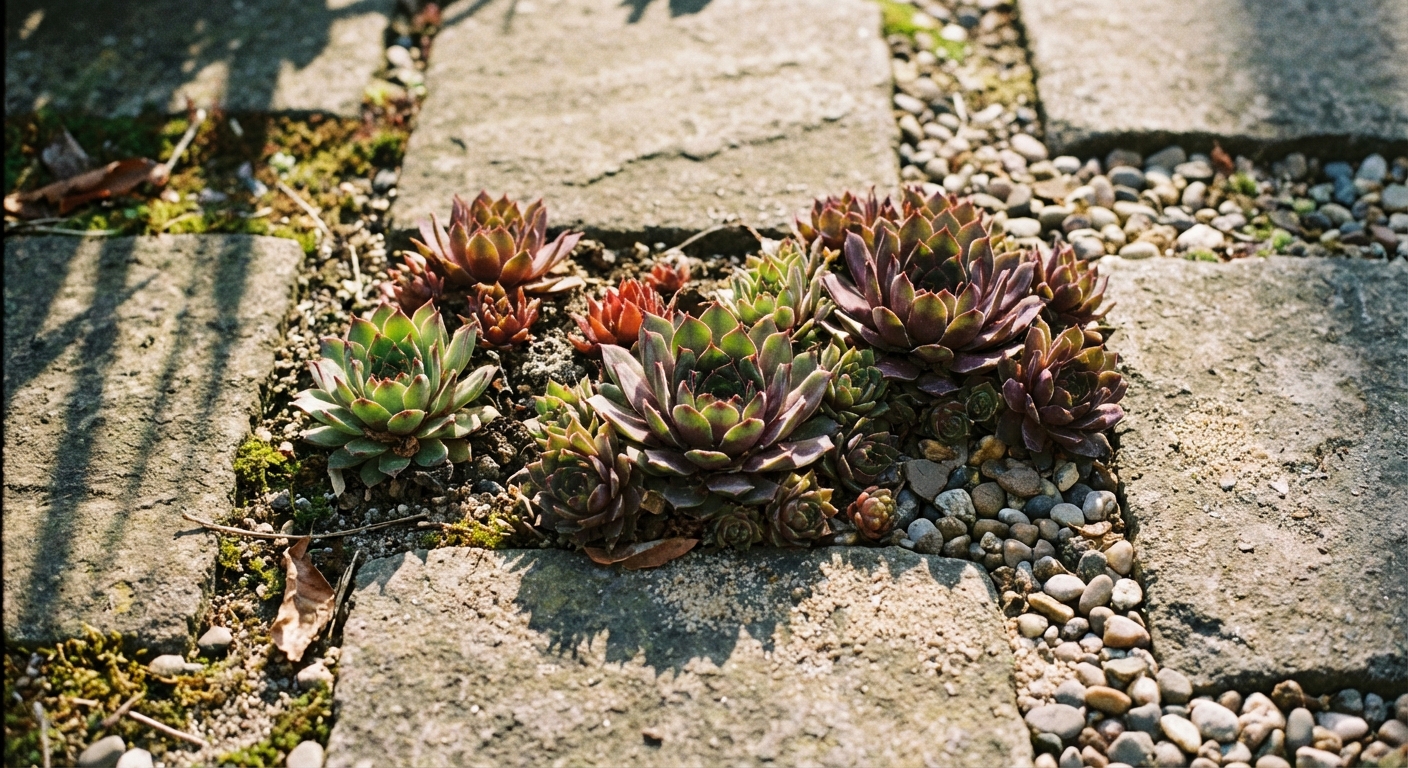
- Between stepping stones where soil is shallow
- Raised beds and berms that shed water
- Containers that can be moved under cover during long rains
Soil and drainage
If Sempervivum fail, it is usually a drainage problem. These succulents would rather be a little thirsty than sit in a wet sponge.
The best soil mix
Aim for a mix that dries quickly and has lots of air spaces. Good options:
- In-ground: amend clay or heavy soil with grit. Think crushed granite, pumice, or coarse sand. Avoid fine sand that turns to concrete.
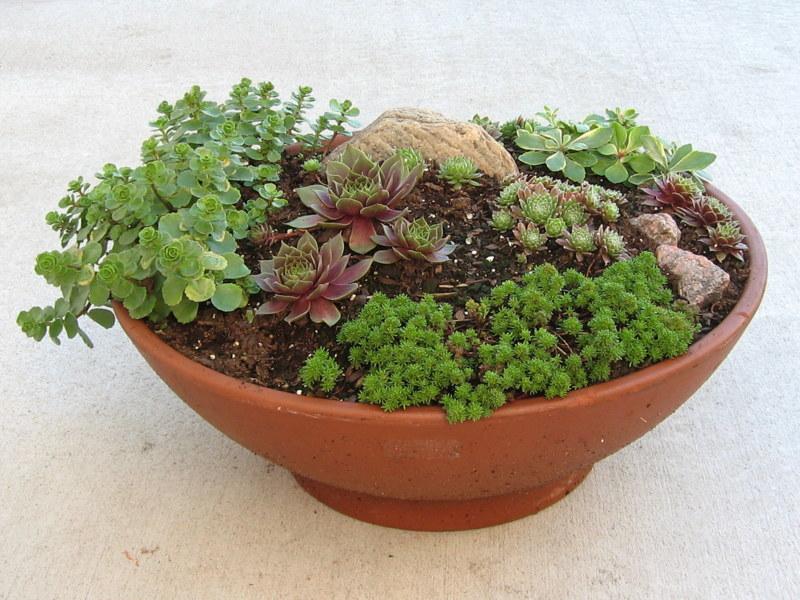
- In containers: use cactus potting mix cut with 30 to 60 percent pumice, perlite, or small gravel.
Pot choice matters
- Choose pots with drainage holes, always
- Terracotta helps moisture evaporate faster
- Skip deep, oversized pots that stay wet in the bottom
- Remember: containers freeze faster than the ground, so potted plants can be more vulnerable in extreme cold
Watering
Outdoors, established hens and chicks often need very little supplemental water. I water only when the soil has dried out well and the plant looks slightly less plump, usually during prolonged drought.
- New plantings: water lightly to settle soil, then wait for the mix to dry before watering again.
- Heat waves: water in the morning at the soil level, not into the rosette.
- Rainy periods: usually you can let nature handle it, but if water is pooling or the mix stays wet for days, improve drainage or move containers under cover.
Try to avoid regularly pouring water into the center of the rosette. Rot is most likely when moisture lingers in the crown in cool weather, low airflow, or low light.
Winter care and winter wet
Sempervivum handle cold impressively. What they struggle with is winter wet, meaning cold-season rain or meltwater plus slow drying and low evaporation. That soggy, chilly combo is the most common cause of loss, especially in humid climates or where soil stays saturated.
How to prevent winter rot
- Prioritize drainage before winter arrives. Top-dress with gravel to keep leaves off damp soil.
- Plant on a slope or raised mound so water runs away from the crown.
- Shelter containers under an eave, cold frame, or open porch where they still get light but avoid constant rain.
- Give them breathing room. In dense mats, spacing and airflow help crowns dry faster.
- Do not mulch with moisture-holding organics around the crowns. If you mulch, use gravel.
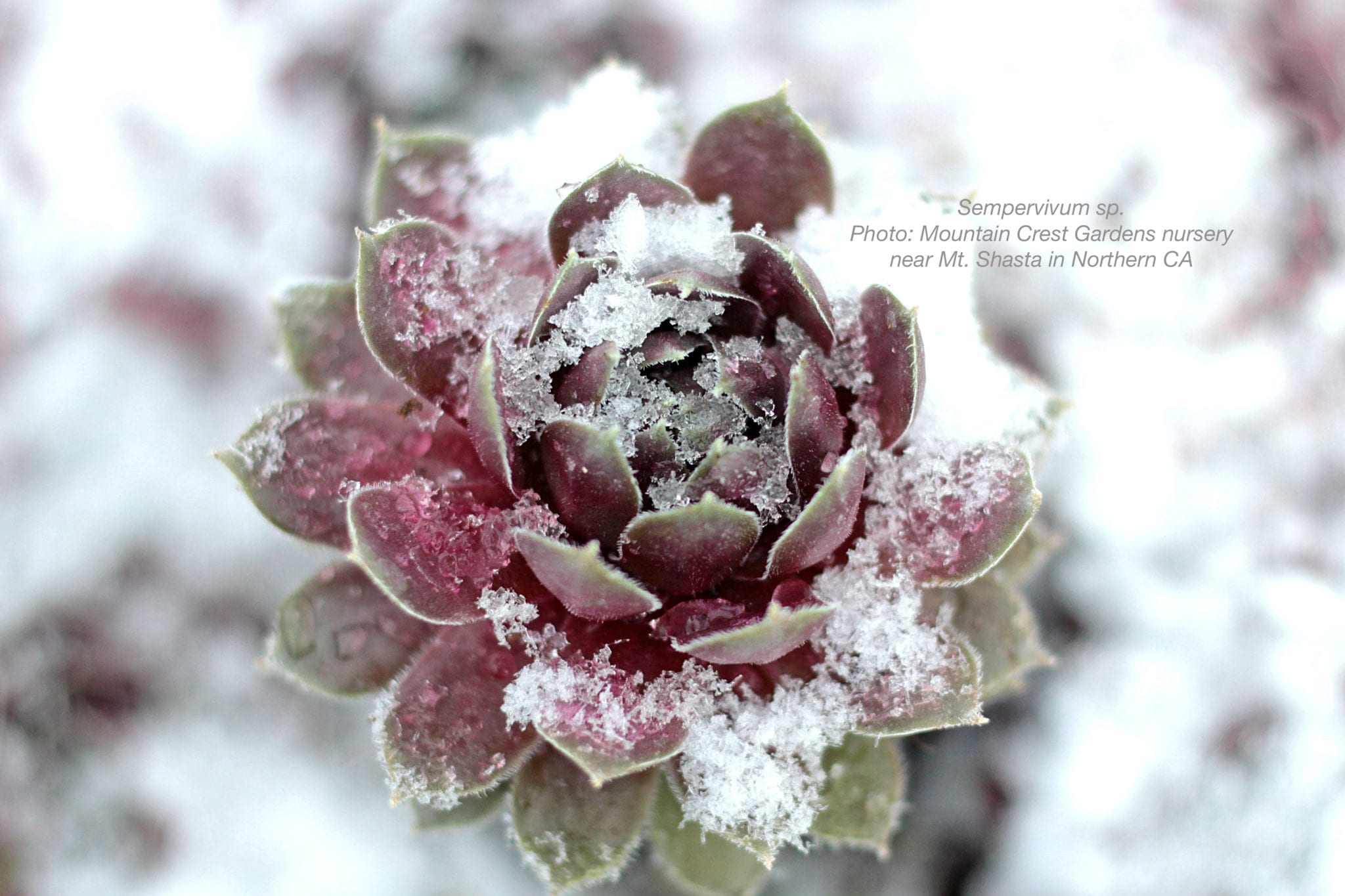
What they look like in winter
Many varieties tighten up, darken, and look smaller. That is normal. Leaves may brown on the outer ring. Resist the urge to “fix” them with extra water or rich fertilizer.
Feeding and upkeep
Hens and chicks are not heavy feeders. Too much fertilizer can push soft growth that rots more easily and looks less colorful.
- Fertilizer: usually unnecessary. If growth is truly weak, use a diluted, low-nitrogen fertilizer once in spring.
- Grooming: gently pull away dead outer leaves when they are fully dry. This improves airflow and reduces hiding spots for pests.
- Top dressing: a thin layer of gravel keeps rosettes clean and helps shed moisture.
Propagation
Sempervivum propagation is wonderfully straightforward. Most varieties produce offsets, the “chicks,” on little stolons that creep away from the mother rosette.
Propagating from offsets
- Wait for a chick to size up. I like them at least the size of a large grape or bigger, with roots starting.
- Prepare a gritty spot or a small pot with fast-draining mix.
- Detach gently. Snip the stolon or twist the offset away from the hen. If it comes with roots, great. If not, it still usually roots quickly.
- Set on the soil surface and press lightly so it has contact. Do not bury the rosette.
- Water lightly once, then let the mix dry well. Keep in bright light.
Within a few weeks, a healthy chick will resist a gentle tug because new roots have grabbed on.
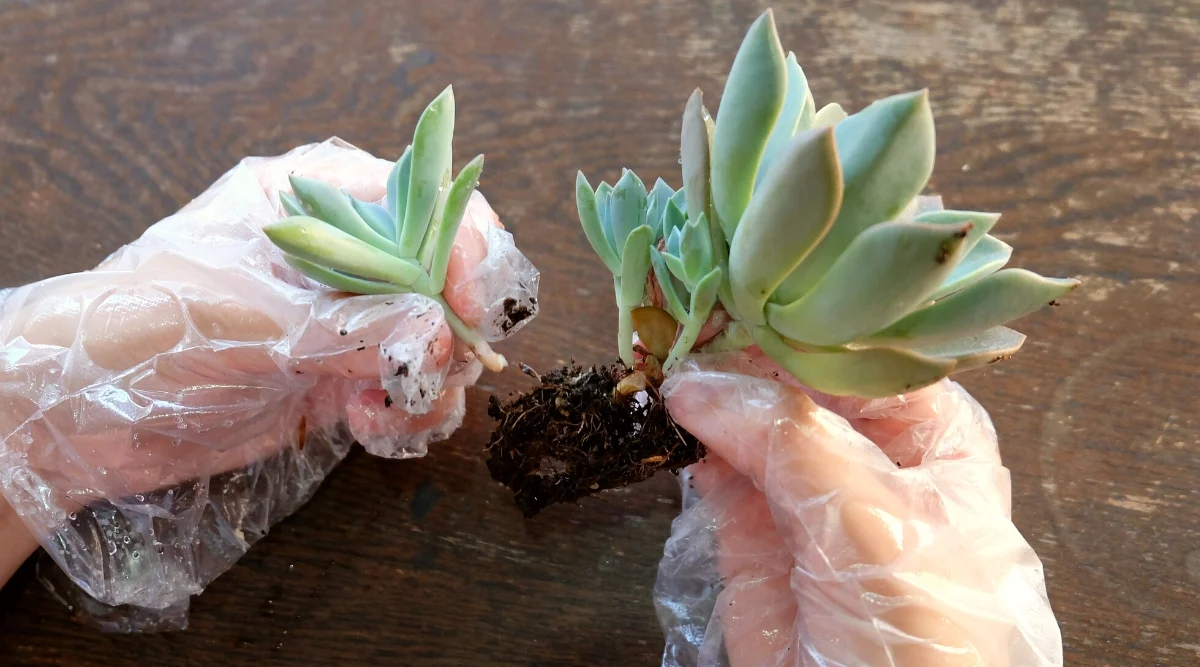
Dividing a crowded clump
If you have a tight mat of rosettes, division keeps airflow moving and lets each plant show off its shape.
- Lift the clump with a hand fork.
- Tease rosettes apart, keeping as many roots as possible.
- Replant at the same depth, with rosettes sitting above the soil line.
- Water lightly, then back off.
Leaf propagation?
Unlike many tender succulents, Sempervivum are not reliably propagated from a single fallen leaf. You might get lucky once in a while, but offsets and division are the dependable methods.
Flowering and the “hen” that dies
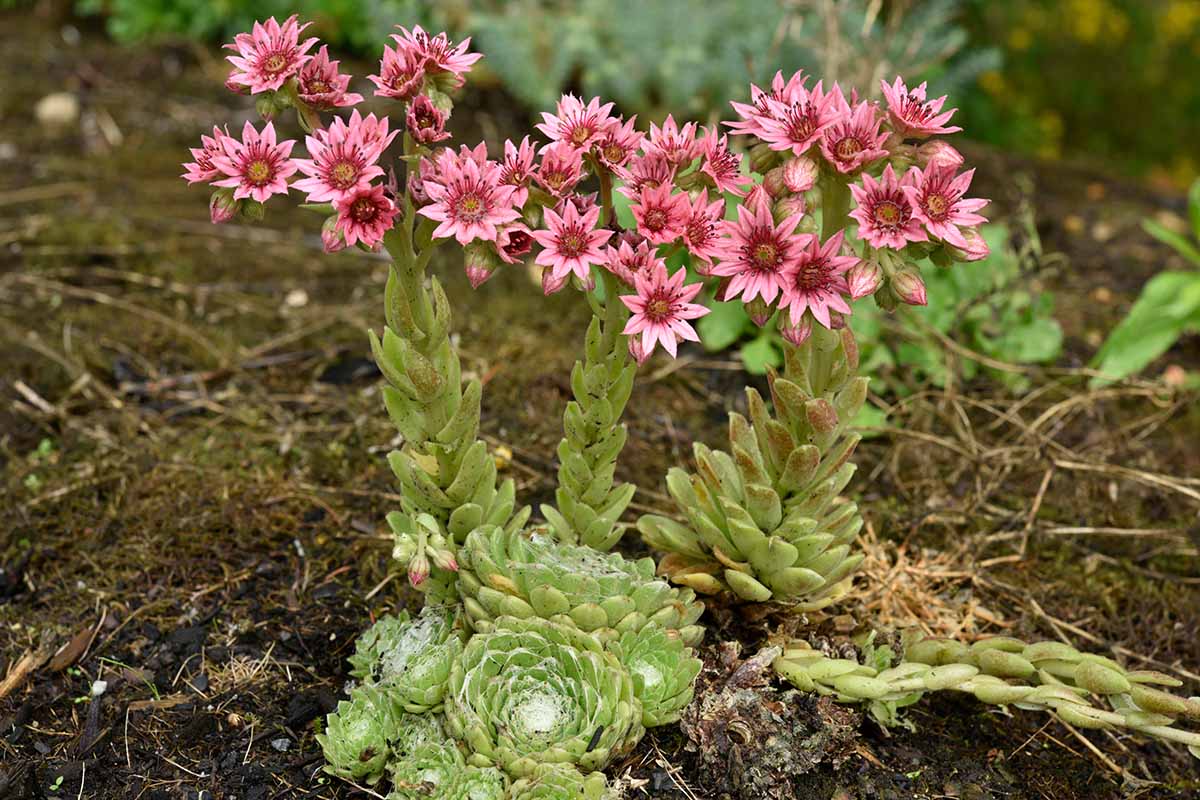
Sempervivum are monocarpic. That means an individual rosette blooms once, then dies. The good news is that a healthy plant usually makes plenty of chicks before that happens, so the patch keeps going.
If you see a tall, thick flower stalk forming from the center, enjoy it. When the bloom fades, you can remove the spent rosette and let the offsets fill the space.
Pests and problems
Rot
Soft, mushy leaves and a collapsing center almost always point to too much moisture, especially in cool, wet weather with low airflow. Improve drainage, remove damaged rosettes, open up crowded clumps, and keep water out of the crowns.
Stretching
If rosettes elongate and lose their tight symmetry, they need more sun. Move them to a brighter spot. Outdoors, full sun is your best friend.
Aphids and mealybugs
They are not common, but they can show up in dense clumps. Blast with water, remove dead leaves where they hide, or spot-treat with insecticidal soap.
Sempervivum vs. echeveria
This is where a lot of succulent frustration comes from. Sempervivum and echeveria may look like cousins, but they prefer different lifestyles.
- Cold tolerance: Sempervivum are cold-hardy (often USDA Zones 3 to 9). Most echeveria are tender and need frost protection.
- Best home: Sempervivum thrive outdoors in sun and fresh air. Echeveria often do best in bright indoor windows or protected patios, depending on climate.
- Winter risk: Sempervivum struggle with winter wet. Echeveria struggle with cold plus low light.
- Propagation: Sempervivum multiply mainly by offsets. Echeveria often propagate readily from leaves and stem cuttings.
A quick indoor note, because people always try it: Sempervivum usually perform poorly indoors long-term. Without intense light and constant airflow, they tend to stretch and sulk. If your goal is a year-round outdoor succulent tapestry in a cold climate, Sempervivum are your reliable workhorses. Save the echeveria for a pot you can move inside when nights turn sharp.
Quick care checklist
- Sun: 6+ hours, more is better for color
- Soil: gritty and fast-draining
- Water: sparingly, avoid soaking the crown
- Winter: protect from constant rain and soggy soil (winter wet)
- Hardiness: often USDA Zones 3 to 9, but containers and extremes need extra caution
- Propagation: detach offsets or divide clumps
If you want a plant that rewards you for leaving it alone, hens and chicks might be your new garden best friend. And yes, I still talk to mine when I replant the chicks. They do not answer, but they sure do grow.