
Satin Pothos Care and Common Problems

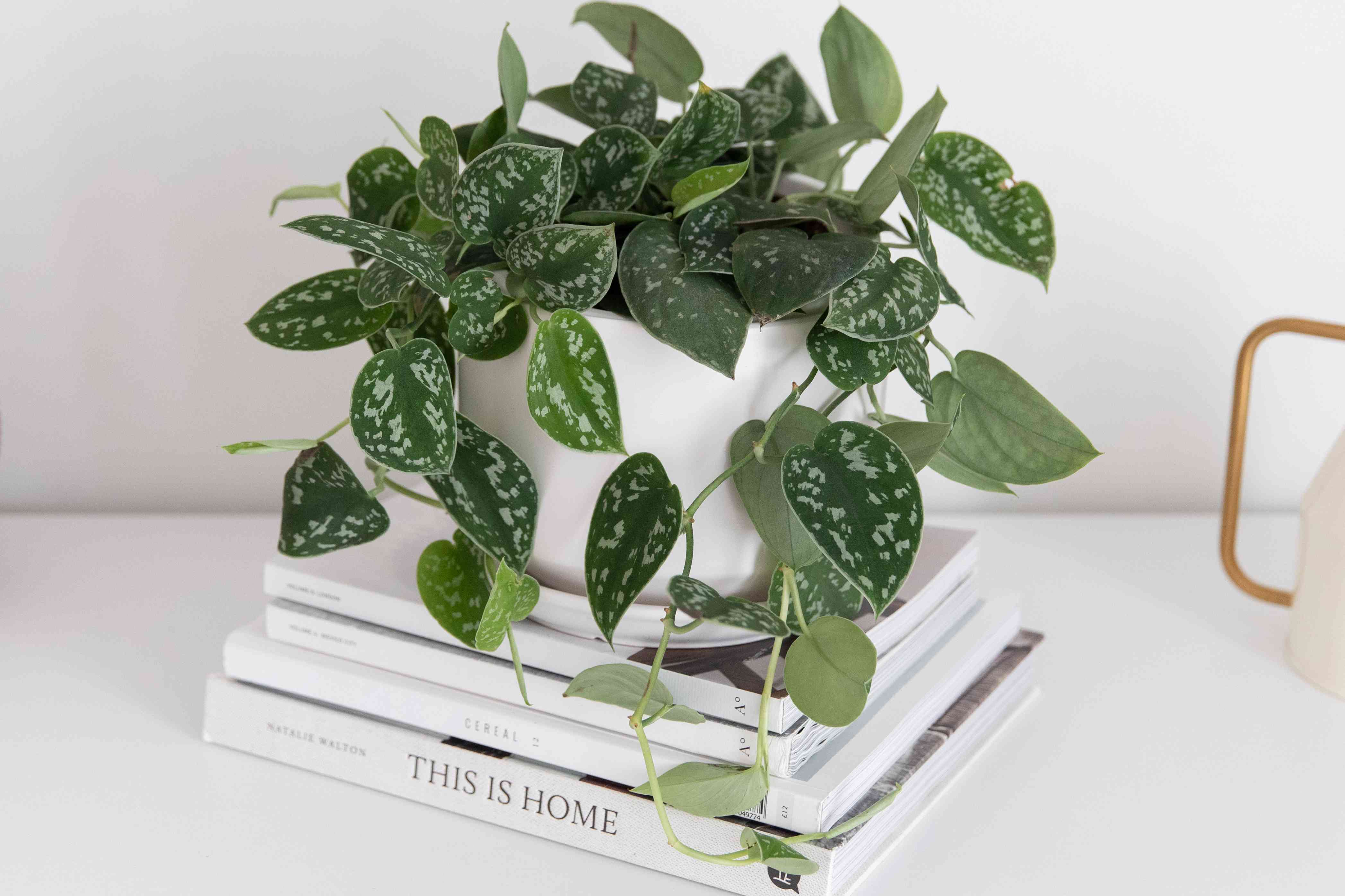
Satin pothos is one of those plants that makes people stop mid-sentence and lean in close. The soft, velvety leaves, the silvery speckles, the way it drapes like living ribbon. It is also one of the most commonly mislabeled houseplants, which is why so many perfectly good plant parents end up confused when generic pothos advice does not quite fit.
Let’s clear up the name, dial in the care that keeps those silver markings bright, and walk through the most common problems like yellow leaves, crispy tips, fading variegation, and pests.

Is satin pothos a real pothos?
In plant shop language, yes. In botanical language, no. Satin pothos is Scindapsus pictus, while most “true pothos” sold as pothos are Epipremnum aureum (golden pothos and its many cultivars).
To make the naming even messier, there is also a separate genus called Pothos. It is not what most people mean when they say “pothos” in the houseplant world, but it explains why the label situation is such a long-running tangle.
They are related. Both are aroids, both can trail or climb, and both are famously forgiving. But satin pothos tends to be a little slower growing, prefers a touch more consistent moisture, and is more particular about light if you want strong speckling.
Common store names you might see
- Satin pothos (most common)
- Silver pothos (also common)
- Scindapsus (sometimes just the genus)
Most common species and forms:
- Scindapsus pictus ‘Argyraeus’: smaller leaves with crisp silver spots and edging
- Scindapsus pictus ‘Exotica’: larger leaves, heavier silvering
- Scindapsus pictus ‘Silvery Ann’: blotchier silver patterning
Quick ID: Scindapsus vs Epipremnum
- Texture: Scindapsus leaves feel thicker and velvety; Epipremnum is usually smoother and glossier.
- Pattern: Scindapsus has silvery spotting and patches; Epipremnum cultivars tend to have marbling, streaking, or neon coloring.
- Growth: Scindapsus is often slower and more “polished” in look; Epipremnum tends to grow faster and tolerate lower light a bit more.
Toxicity and safety
Satin pothos contains insoluble calcium oxalate crystals, which makes it mildly toxic if chewed or swallowed by cats, dogs, and humans. It can cause oral irritation, drooling, and vomiting. If you have curious pets or small kids, place it out of reach and consider a hanging pot or high shelf.
Light: the secret to bold speckling
If you want that signature shimmer, light matters. Satin pothos can survive in lower light, but the leaves often get smaller and the silver markings can fade or look dull.
Best light
Bright, indirect light is the sweet spot. Think: near an east, south, or west window with filtered light, or right in a bright north window. Gentle morning sun is usually fine, especially if the plant is acclimated. If the sun in your home is intense, move the plant farther back. If it is weak, move it closer.
How to tell if light is off
- Fading speckles or more solid green leaves: most often not enough light
- Leggy growth with long gaps between leaves: not enough light
- Bleached, tan patches: too much direct sun, especially hot afternoon sun
If you only have low light, consider a small grow light. Even 8 to 12 hours of gentle supplemental light can bring back better leaf size and pattern over time.
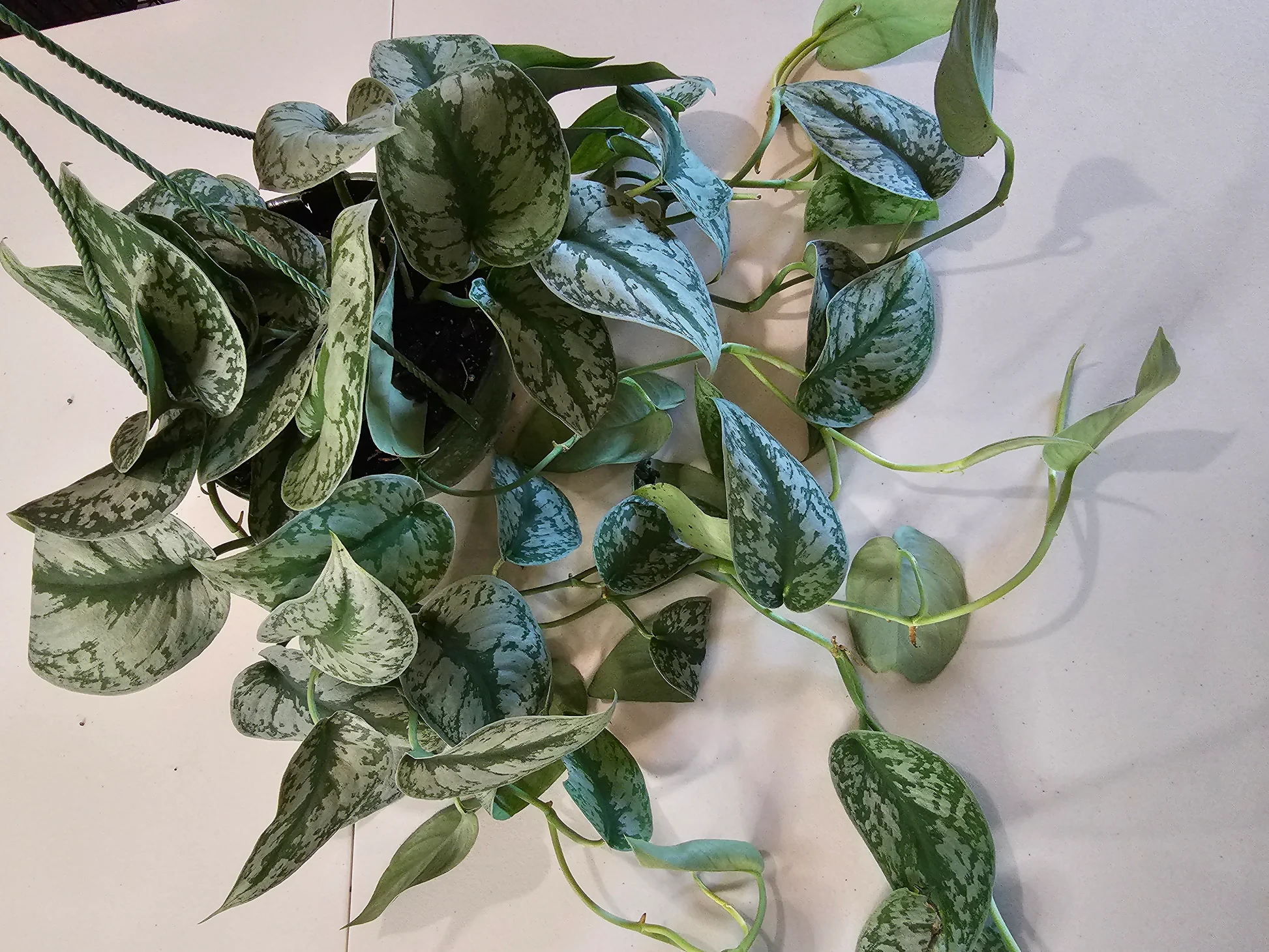
Watering: avoid soggy roots and crispy tips
Satin pothos likes a simple rhythm: water thoroughly, then let the potting mix dry a bit before watering again. The biggest mistake I see is either constant dampness or long droughts followed by a flood.
When to water
- Check the soil with your finger.
- Water when the top 1 to 2 inches feel dry.
- In tiny pots or very chunky mixes, that top layer can dry fast. A good backup rule is to water when the pot is roughly 50 to 70 percent dry, not when it is bone-dry all the way through.
- If the pot is large, you can also learn the weight. A dry pot feels noticeably lighter.
How to water well
- Use a pot with a drainage hole.
- Water until you see a steady trickle from the bottom.
- Empty the saucer so the plant never sits in runoff.
Seasonal note: in winter, growth slows and soil stays wet longer. It is normal to water less often then.
Soil and drainage: what it wants
Think airy, chunky, and fast draining, but not bone dry. A dense, peat-heavy mix can stay wet around the roots too long, especially in cooler homes.
An easy DIY mix
- 2 parts quality indoor potting mix
- 1 part perlite or pumice
- 1 part orchid bark (or fine pine bark)
If you prefer bagged solutions, choose an aroid mix, or add extra perlite and bark to a standard houseplant mix.
Repotting is usually needed every 1 to 2 years, or when roots circle the pot tightly and watering becomes frustratingly frequent. To avoid overpotting, go up only 1 to 2 inches in pot diameter.
Temperature and humidity
Satin pothos is happiest in the same conditions most of us enjoy.
- Temperature: 65 to 85 F (18 to 29 C) is ideal
- Avoid: cold drafts, heat vents, and window glass that gets icy in winter
- Humidity: average home humidity is fine, but 40 to 60 percent can help reduce crispy tips and encourage larger leaves
If your air is very dry, a small humidifier near the plant works better than misting. Misting is fleeting and can invite leaf spotting if air circulation is poor.
Climbing vs trailing: bigger leaves
Satin pothos naturally wants to climb. When it climbs, it often produces sturdier growth and larger leaves than when it only trails.
Support options
- Moss pole: best for bigger leaves if kept lightly moist
- Coco coir pole: lower maintenance, still great support
- Trellis: a tidy option for shelves and plant stands
How to train it
- Gently tie vines with soft plant ties or Velcro loops.
- Rotate the pot every couple of weeks for even growth.
- If you want a fuller pot, pin a few vines back into the soil surface using hairpins or floral pins.

Pruning and leaf care
If your satin pothos starts to look leggy, pruning is the fastest reset. It also encourages branching, which means a fuller plant over time.
- When to prune: anytime during active growth, usually spring through early fall
- Where to cut: just above a node to encourage new shoots
- What to do with the cuttings: root them, then tuck them back into the pot for instant fullness
Also, wipe leaves with a damp cloth now and then. Dust blocks light, dulls the shimmer, and makes it harder for the plant to photosynthesize efficiently.
Fertilizing: keep it gentle
Satin pothos is not a heavy feeder. Overfertilizing can cause leaf tip burn and salt buildup.
- Spring through early fall: feed monthly at half strength with a balanced houseplant fertilizer
- Late fall and winter: pause, or feed lightly only if the plant is actively growing under strong light
Every few months, flush the pot with plain water to wash out excess salts, especially if you fertilize regularly.
Propagation basics
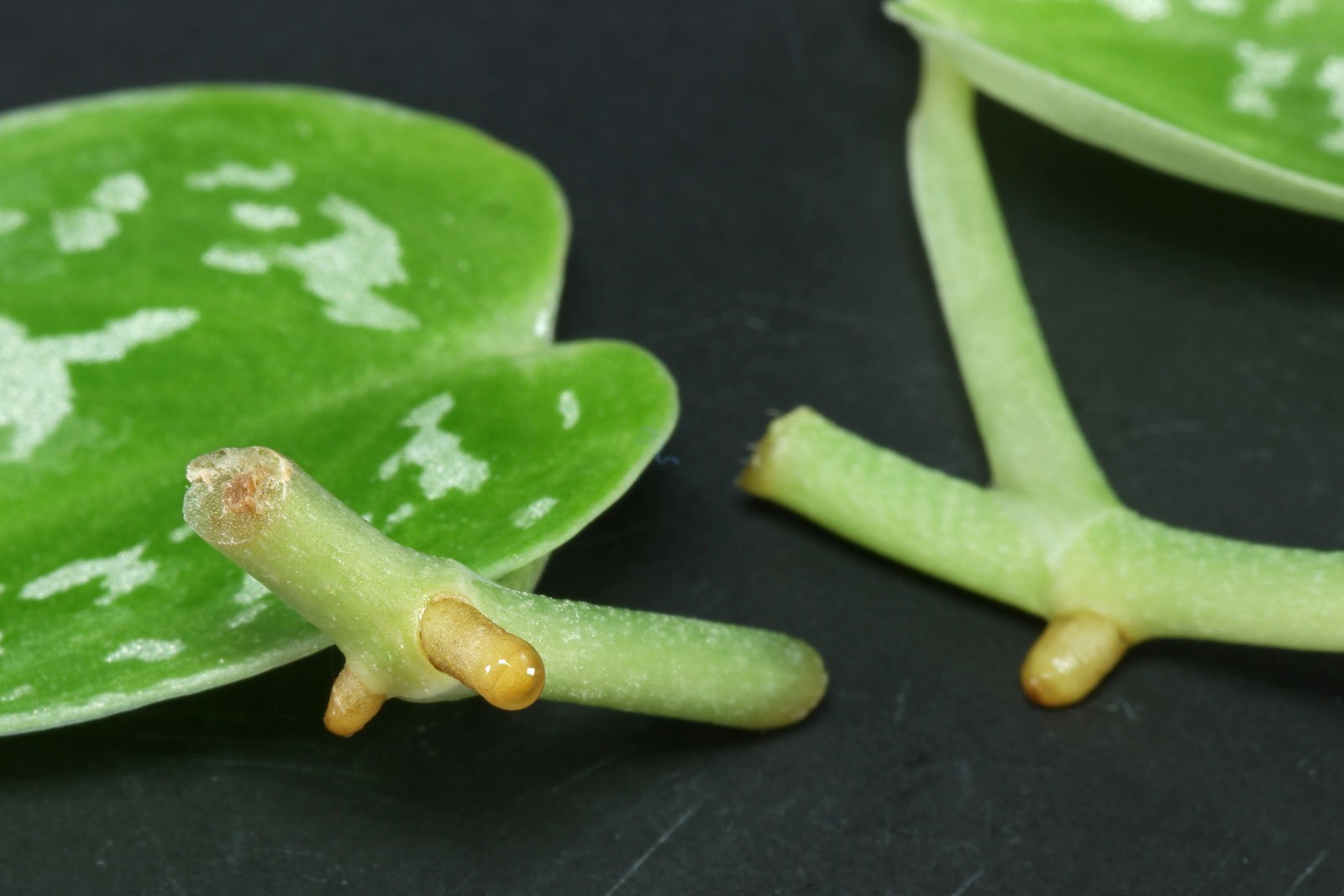
Satin pothos propagates easily from stem cuttings, as long as each cutting includes a node. Nodes are the little bumps on the stem where leaves and aerial roots form.
Water propagation
- Take a cutting with 2 to 4 leaves and at least one node.
- Remove the lowest leaf so the node can sit in water.
- Place in a jar of clean water in bright, indirect light.
- Change water weekly.
- Pot up when roots are about 2 to 4 inches long.
Soil propagation
- Take a cutting with a node.
- Plant the node into lightly moist, airy mix.
- Cover loosely with a clear bag to hold humidity, leaving a small opening for airflow.
- Keep warm and bright. Check weekly.
My favorite trick for a fuller plant: take several cuttings and plant them back into the original pot once rooted.
Troubleshooting
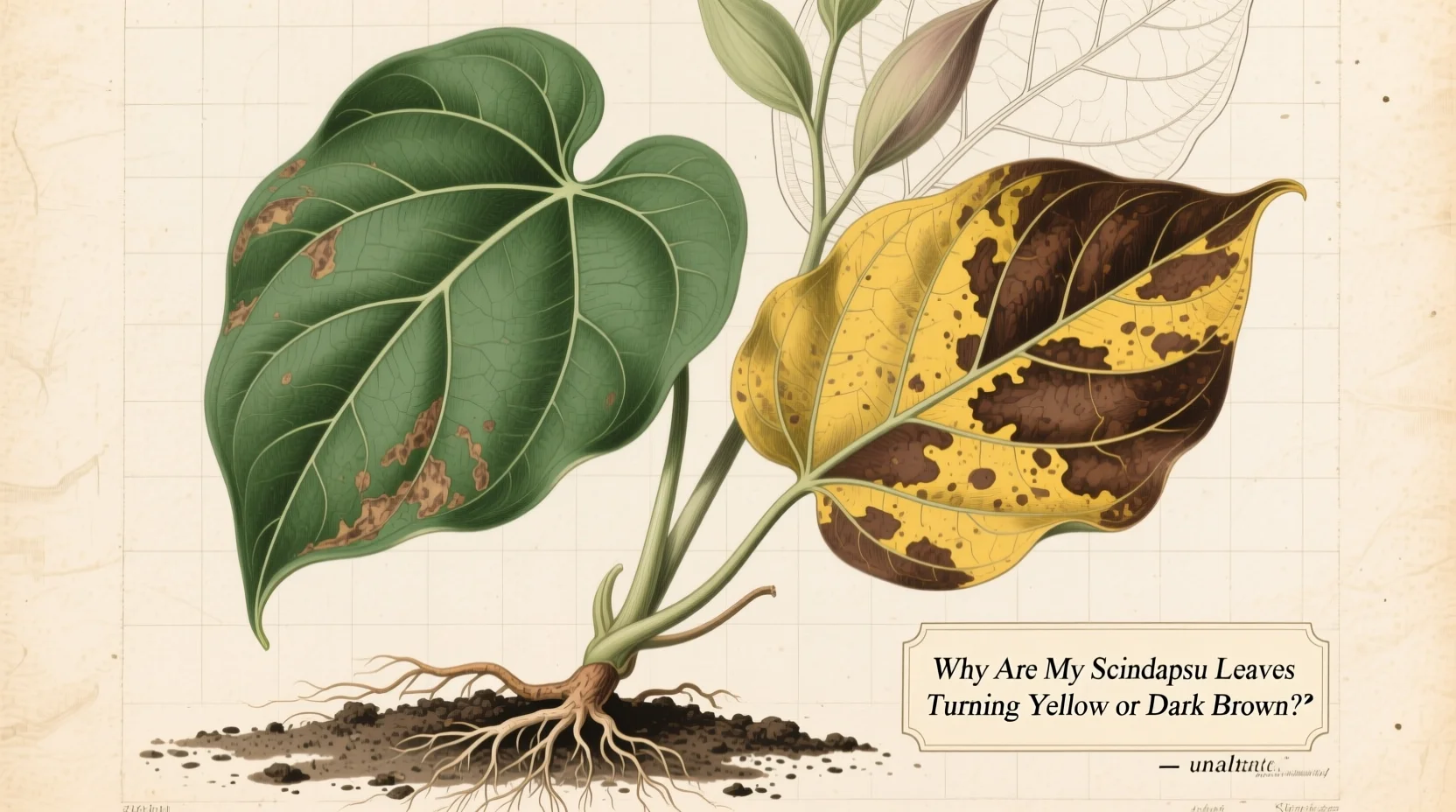
Yellow leaves
Yellowing can mean a few different things, so look at the pattern.
- Several leaves yellowing, soil stays wet: overwatering or poor drainage. Let the mix dry more between waterings, and consider a chunkier soil.
- Lower, oldest leaves yellow one at a time: often normal aging, especially if new growth looks healthy.
- Yellow with soft, mushy stems: possible root rot. Take cuttings from healthy stems, repot into fresh airy mix, and trim away rotten roots.
- Yellow with dry, crispy soil: underwatering. Rehydrate thoroughly, then stick to a steadier schedule.
Crispy tips or brown edges
- Dry air: increase humidity, move away from vents, or add a humidifier.
- Inconsistent watering: long dry spells followed by heavy watering can crisp edges.
- Fertilizer salts or hard water: flush the pot monthly or switch to filtered water if your tap water is very mineral heavy.
Trim crispy tips with clean scissors. The damaged part will not turn green again, but new growth can be crisp-free.
Fading variegation or less silver speckling
This is most often a light issue, though stress, slow growth, or inconsistent care can also make the plant look less dramatic.
- Move the plant closer to a bright window, but keep it out of harsh direct sun.
- Rotate the pot so all sides get light.
- Consider a grow light in darker rooms or during winter.
Leaves curling
- Thirst: the mix may be too dry, or hydrophobic. Bottom water once to rehydrate evenly.
- Heat or sun stress: move back from hot glass or intense afternoon sun.
- Pests: inspect undersides and stems closely.
Slow growth
- Not enough light is the big one.
- Cold temperatures can stall growth.
- A rootbound plant may need a repot, or a top dress with fresh mix.
- If it has been in the same soil for years, nutrients may be depleted. Feed lightly during the growing season.
Pests
Satin pothos is not a pest magnet, but it can still get the usual houseplant visitors, especially when air is dry or new plants are brought home.
Common pests
- Spider mites: fine webbing, stippled leaves, dusty look
- Mealybugs: white cottony clusters at nodes and leaf joints
- Scale: small brown bumps on stems and leaf undersides
- Thrips: silvery scarring, tiny dark specks of frass
Simple treatment plan
- Isolate the plant right away.
- Rinse the foliage in the shower or sink, focusing on undersides.
- Treat with a true insecticidal soap per label directions.
- Repeat every 5 to 7 days for 3 to 4 rounds to catch new hatchlings.
If you prefer a DIY approach, be careful with household soaps. Some can be too harsh on velvety leaves. If you use a diluted soap solution, keep it very mild, avoid additives, and test one leaf first.
If you are dealing with a stubborn infestation, horticultural oil can help, but use it out of direct sun and test a small area first. Satin pothos leaves can be sensitive.
Quick care checklist
- Light: bright indirect for best speckling
- Water: when top 1 to 2 inches are dry, or when the pot is about 50 to 70 percent dry
- Soil: airy, chunky, fast draining
- Humidity: average is fine, more helps prevent crispy tips
- Support: climbing encourages larger leaves
- Prune: trim leggy vines above a node, then root the cuttings
- Propagate: stem cuttings with a node
- Safety: mildly toxic if ingested, keep away from pets and kids
If your satin pothos is struggling, remember this plant is a great communicator. It is always telling you what it needs through its leaves and growth. A small tweak in light or watering rhythm can turn it around within a few weeks.