
Russian Sage Care and Pruning

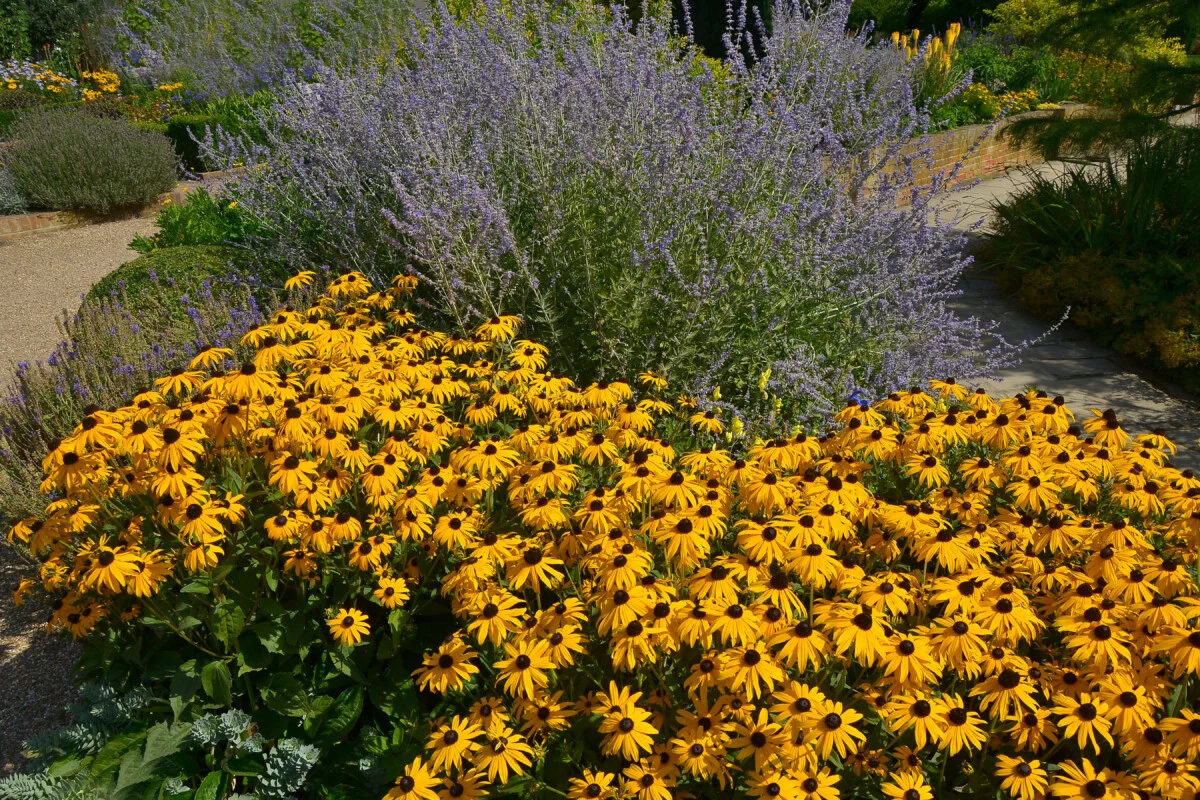
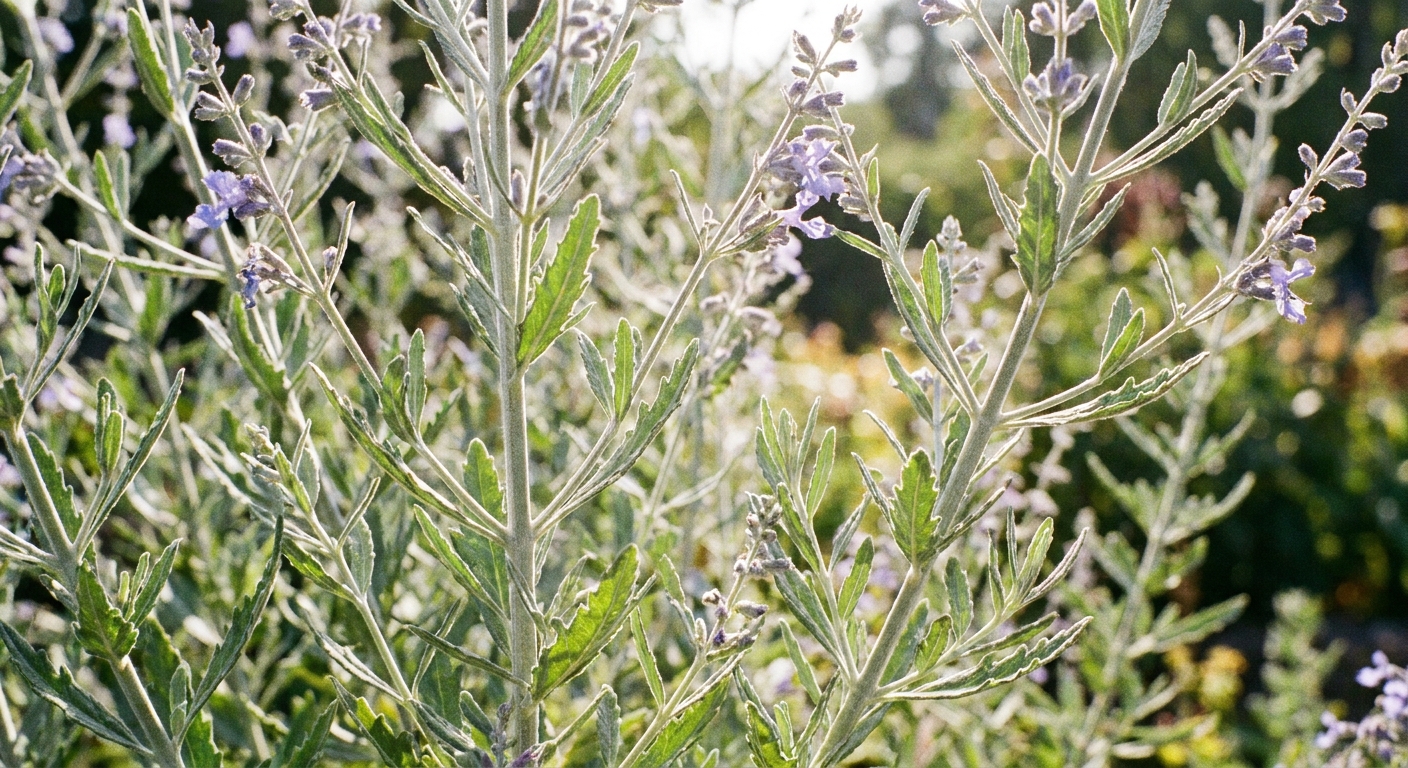
Russian sage (now often listed as Salvia yangii, formerly Perovskia atriplicifolia) is one of those plants that makes a garden look intentionally designed, even if you are just doing your best and watering when you remember. Some nurseries and labels still use Perovskia, so do not be surprised if you see both names. Silvery stems, airy lavender-blue blooms, and that dry, herbal scent when you brush past it. It is tough, drought-tolerant once established, and it thrives on what many plants complain about: sun, heat, and lean soil.
Below is how I plant it, keep it upright, and prune it so it stays tidy and blooming instead of flopping into its neighbors like a sleepy cat.

Quick care snapshot
- USDA zones: Typically Zones 4 to 9 (some cultivars may skew a bit warmer or colder depending on winter wet and exposure).
- Size: About 2 to 4 feet tall and 2 to 4 feet wide at maturity (compact types run smaller).
- Sun: Full sun is best (6 to 8+ hours). Light shade reduces bloom and encourages flop.
- Soil: Lean, well-draining soil. It prefers average to low fertility.
- Water: Regular water the first season, then occasional deep watering during drought.
- Spacing: Give it room and air. Crowding is a top cause of leaning.
- Pruning: Cut back in spring when new growth starts. Optional hard prune every few years.
- Bonus traits: Excellent pollinator plant, typically deer resistant.
Where it thrives
Sun, sun, and more sun
If you want sturdy stems and tons of blooms, treat Russian sage like a solar-powered machine. Full sun keeps growth compact and flower-heavy. In part shade, it often stretches, then flops open right when it should be showing off.
Lean, fast-draining soil
Russian sage is happiest in soil that drains quickly. Rich, heavily amended beds can make it grow lush and tall, but not necessarily strong. Think “prairie plant” energy: it does not need pampering.
- Heavy clay? Plant on a slight mound, or amend with grit and compost lightly. Drainage matters more than fertility.
- Sandy soil? You are already speaking its love language. Just help it establish with consistent watering the first season.
How to plant
1) Pick the right spot
Choose a location with full sun and good drainage. If your sprinklers regularly soak the foliage, consider shifting the plant or switching to drip. Overhead watering is not usually needed, and keeping foliage wet can invite the occasional foliar issue (plus it encourages you to water more than this plant wants).
2) Dig wide, not deep
Dig a hole about twice as wide as the nursery pot and about as deep. Russian sage dislikes being planted too deep. Set the crown at the same level it grew in the pot.
3) Backfill and water in
Backfill with your native soil. If your soil is very poor or very clay-heavy, you can blend in a small amount of compost, but keep it modest. Water thoroughly to settle the soil, then mulch lightly.
4) Space it like you mean it
This is the secret to upright Russian sage. Most varieties want 2 to 3 feet of space between plants, sometimes more for big cultivars (check the tag if you can). Good spacing:
- improves airflow
- can reduce powdery mildew risk in humid gardens
- keeps stems sturdier
- prevents that outward “donut sprawl” look
Watering and feeding
Watering
Year 1: Water consistently while roots establish, especially in heat. Aim for deep watering rather than frequent sips.
After establishment: Russian sage is drought-tolerant. Water during prolonged dry spells, especially if you want the longest bloom show. If it is planted in heavy soil, err on the dry side.
Fertilizer
Please do not overfeed Russian sage. Too much nitrogen can create tall, floppy growth with fewer flowers. If your soil is extremely depleted, a light top-dressing of compost in spring is plenty.
Pruning
Russian sage blooms on new wood, meaning fresh growth produced in spring and early summer. The goal is to encourage lots of new shoots while keeping the plant compact and supported.
Spring cutback
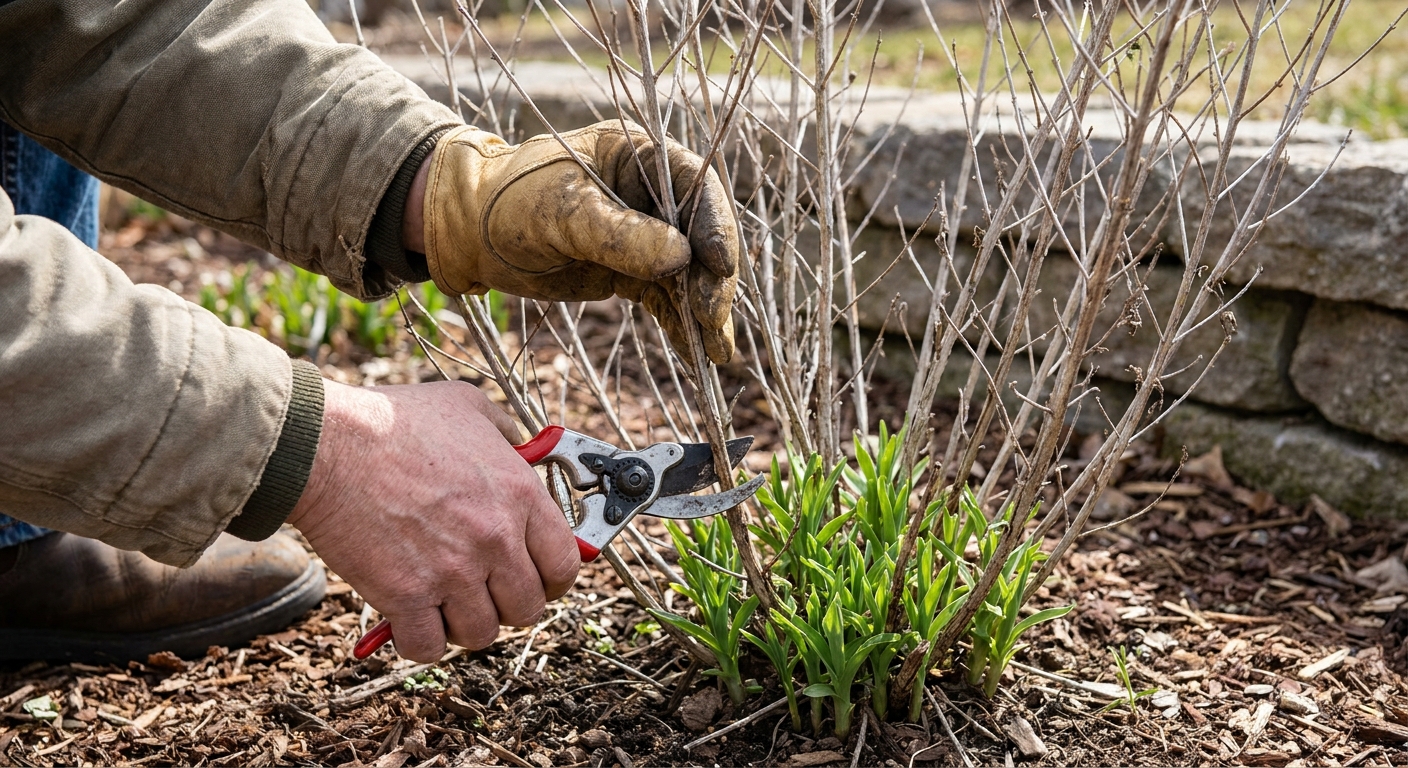
Leave the stems standing through winter if you like. They catch frost beautifully and provide a little shelter for beneficial insects. Then in spring, prune when you see new green growth at the base.
- When: Early to mid spring, once you can spot new shoots starting.
- How much: Usually cut stems back to about 6 to 12 inches, but let the plant tell you what to do. Prune to where you see live buds or fresh green growth.
- Tools: Clean hand pruners for smaller plants, hedge shears for big clumps.
Fall pruning in cold areas
In colder regions, cutting Russian sage back in fall can invite winter damage because you remove some natural protection. I prefer to wait until spring in most gardens, then cut back to living growth.
Optional midsummer tidy-up
If yours starts to splay after the first big flush, you can lightly shear the plant by a few inches. It is not required, but it can encourage a fresh wave of tidier growth and blooms later in the season.
How to stop flopping
When Russian sage leans, it is usually telling you something about sun, spacing, or soil richness. Here is my simple “upright checklist.”
Give it full sun
Shade makes it stretch. More sun equals sturdier stems.
Space it properly
Crowded plants compete for light and grow leggy. Let it have its bubble of air.
Avoid rich fertilizer
Fast, lush growth is weak growth. If you have been feeding nearby lawn or flower beds, Russian sage might be catching that extra nitrogen.
Choose an upright cultivar
If flopping is a recurring theme in your garden, it may be worth planting a newer, more compact selection bred to stay tidy. The difference can be dramatic, especially in richer soils.
Try an occasional hard prune
If your plant has gotten woody and floppy over the years, a rejuvenation cut can help.
- When: In spring, as new growth begins.
- How: Cut back harder than usual, often to about 4 to 6 inches, but only if you can see healthy buds or new shoots low on the stems. If winter took it down further, simply prune to living growth.
- How often: Every few years, or whenever the plant starts to look tired and sprawly.
Hard pruning is not mandatory, but it can reset the shape in a very satisfying way.
Division and replacement
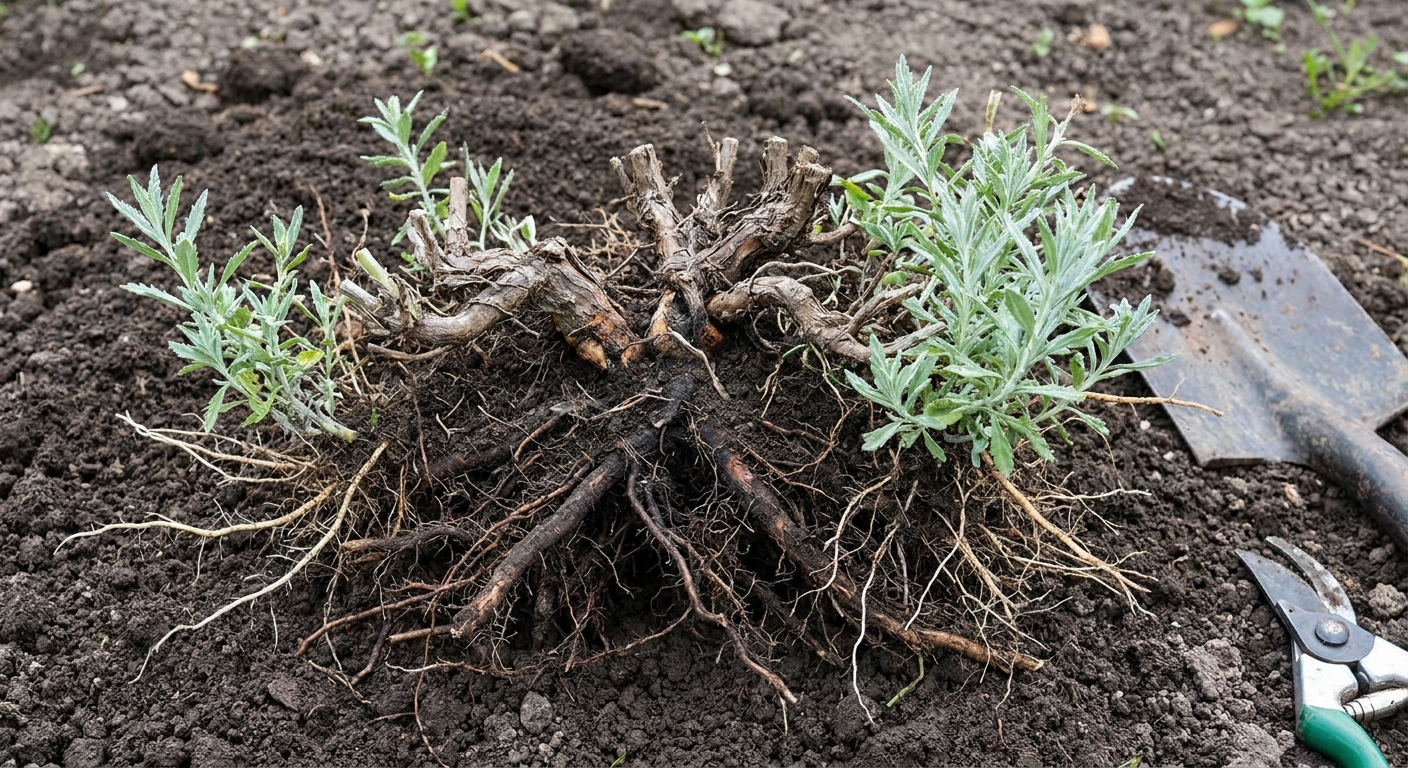
Older Russian sage clumps can develop a dead or sparse center, especially if they have been crowded or allowed to get very woody. If you see that hollowed-out “ring” where the middle looks lifeless, you have two good options: divide or replace.
Before you divide
Russian sage can be divided, but very old, woody crowns often resent it, and some cultivars bounce back better than others. If your plant looks more stick than sage, replacement is sometimes the kinder, faster route.
When to divide
Divide in spring, just as growth begins. You want cool-ish weather and a whole season ahead for roots to re-establish.
How to divide
- Water the day before if the soil is dry.
- Dig the clump with a sharp spade, lifting as much root mass as you can.
- Inspect the center. If the middle is truly dead and woody, discard that portion.
- Split the healthy outer sections into 2 to 4 pieces using a spade or garden knife.
- Replant immediately at the same depth, spacing generously.
- Water in well and keep evenly moist for a few weeks.
If the plant is mostly woody with very little vigorous growth, it is completely okay to compost it and start fresh. Gardening is allowed to have clean slates.
Bloom and wildlife
Bloom window
Expect blooms from mid-summer into fall in many regions. In hotter climates it can start earlier, and in cooler ones it may peak a bit later.
Pollinator value
Russian sage is a nectar magnet. Bees, butterflies, and other beneficial insects will work the flower spikes for weeks, often from mid-summer into fall depending on your climate.
Deer resistance
While nothing is truly deer-proof, Russian sage is generally considered deer resistant. The aromatic foliage tends to be less appealing than tender, lush greens.
Troubleshooting
Lots of leaves, few flowers
- Too much shade
- Too much fertilizer, especially nitrogen
- Not enough spring pruning
Flopping open
- Insufficient sun
- Overly rich soil or heavy feeding
- Too tight spacing
- Older woody plant that needs a harder spring cut (or a fresh start)
Winter dieback
Some dieback is normal, especially in colder zones. Wait until spring to assess what is truly dead, then prune to living growth and visible buds. Good drainage is your best winter insurance policy.
My low-stress routine
If you want the simplest plan that still looks polished, here it is:
- Plant in full sun with excellent drainage.
- Space 2 to 3 feet apart so stems stay strong (more for big cultivars).
- Water the first year, then ease off.
- Leave stems up for winter, then cut back in spring to living buds, usually 6 to 12 inches.
- Every few years, do a hard spring prune or divide if the center is fading (and replace if it is mostly woody).
And if you forget the “perfect timing” once in a while, Russian sage is forgiving. It is one of those plants that gently teaches confidence: give it sun, do not spoil it, and it will meet you halfway with that hazy lavender glow.