
Rose of Sharon in Containers

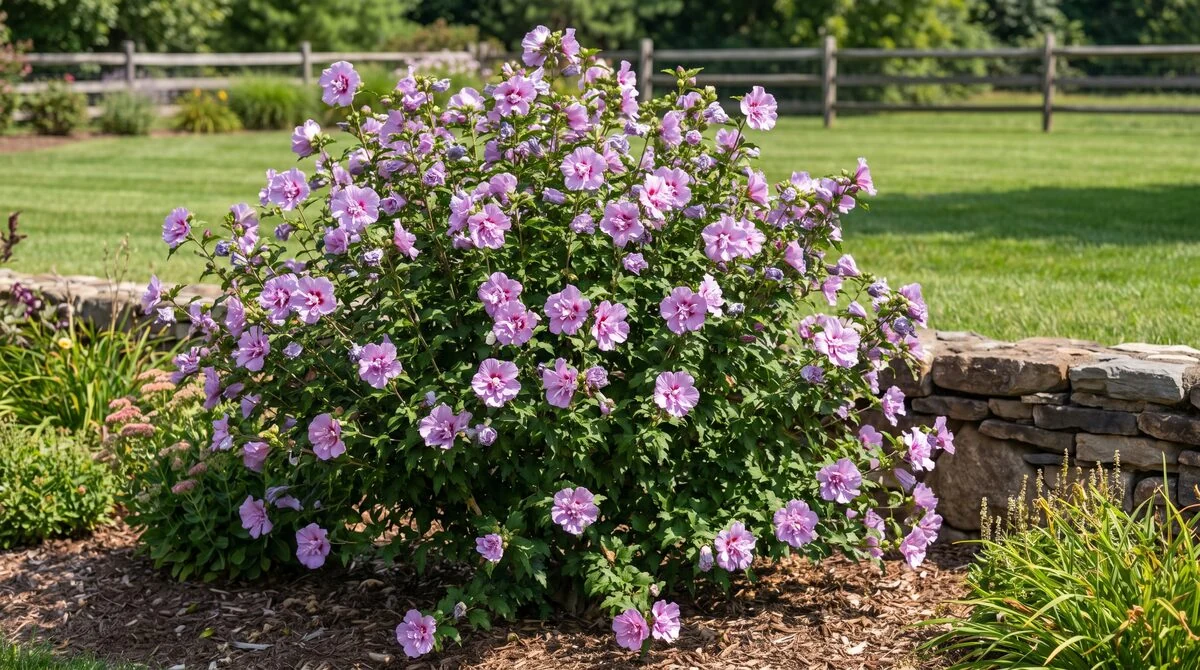
Rose of Sharon (Hibiscus syriacus) is one of my favorite “summer-to-fall” shrubs because it keeps blooming when so many gardens are taking a nap. And yes, it can absolutely live in a container. The trick is accepting one key truth: in a pot, you are the weather, the soil ecosystem, and the root zone all at once. When you get those three right, a potted Rose of Sharon becomes a long-blooming patio anchor instead of a crispy, sulky stick.

At-a-glance basics
- Pot size: Start 16 to 18 inches wide; long-term 20 to 24 inches wide with similar depth
- Sun: 6 to 8 hours for best bloom
- Watering trigger: Water when the top 2 inches feel dry to barely damp
- Bloom habit: Blooms on new growth
Best pot size
Root volume is the main difference between a Rose of Sharon in the ground and one in a container. In open soil, roots can keep exploring for moisture and nutrients. In a pot, the plant has a strict budget. Smaller root space means faster drying, quicker nutrient swings, and a natural cap on plant size and bloom quantity.
Minimum container sizes
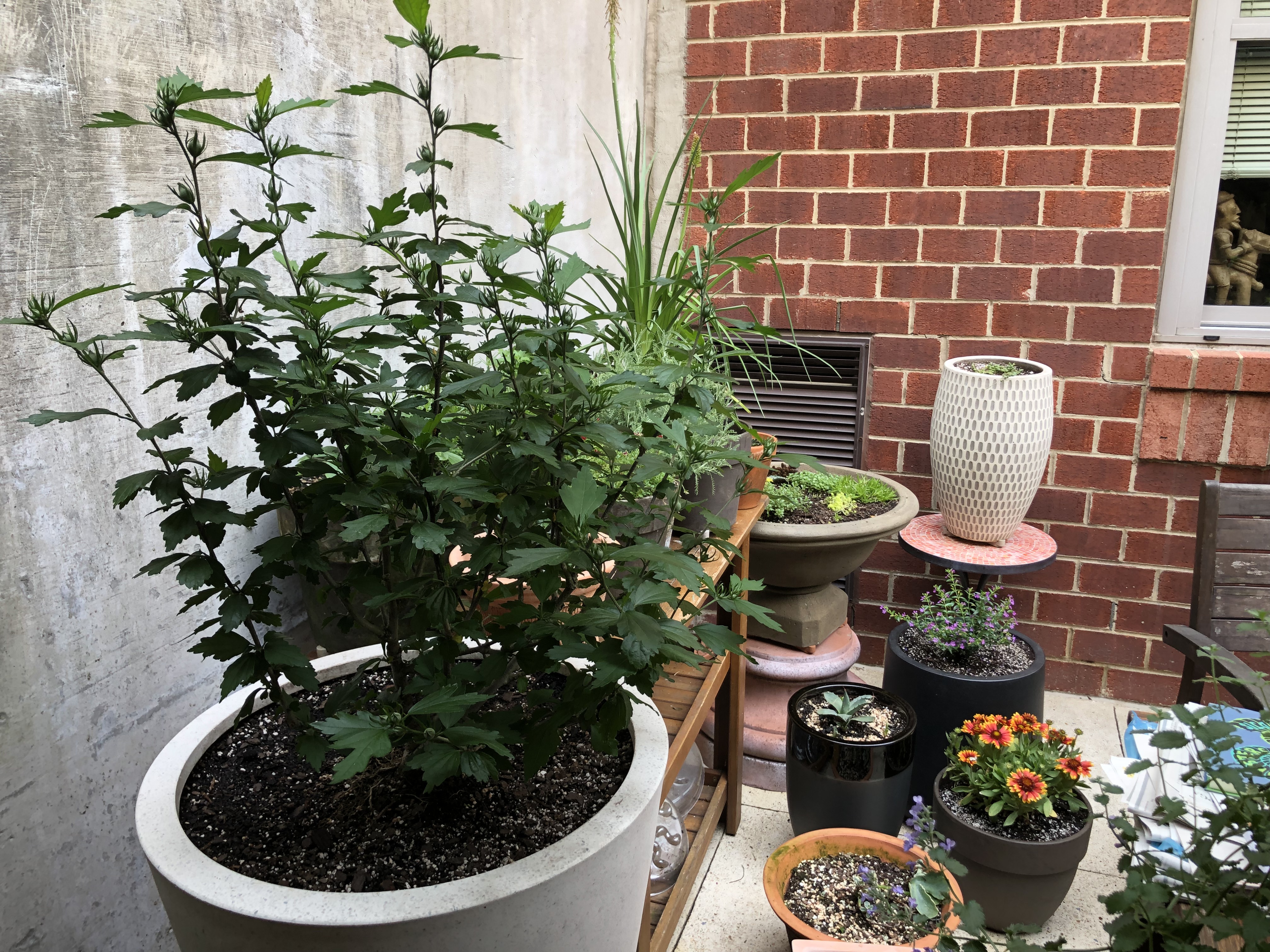
- For a young plant (1 to 2 years old): Start with a pot that is at least 16 to 18 inches wide and 16 inches deep.
- For a long-term patio shrub: Aim for 20 to 24 inches wide and similar depth. Bigger is usually easier because it buffers heat and drought.
- For a tree-form standard: Use at least 24 inches wide, heavy enough to resist wind.
If you shop by volume, treat gallon numbers as a rough ballpark because pot shapes vary wildly. A 20 to 24 inch container is often somewhere around 15 to 30 gallons, but dimensions and stability matter more than the label.
Choose the right material
- Terra cotta: Breathable and classic, but it dries fast and can crack in freezing weather.
- Glazed ceramic: Holds moisture better and looks beautiful, but can still crack if waterlogged and frozen.
- Resin or plastic: Lightweight and winter-friendly, but can heat up in full sun and may need shading in hot climates.
- Wood or composite planters: Great insulation for roots and often very stable.
No matter the material, the pot must have drainage holes. A saucer is fine, but do not let the pot sit in standing water for long stretches.
Soil mix
Rose of Sharon prefers even moisture and good drainage. It is not a bog plant, and it can be tolerant in the ground once established, but containers are a different situation. Potting media has to drain well while still holding enough water to get through a hot afternoon without panic.
A mix that works
I like a blend that is airy, steady, and not too rich:
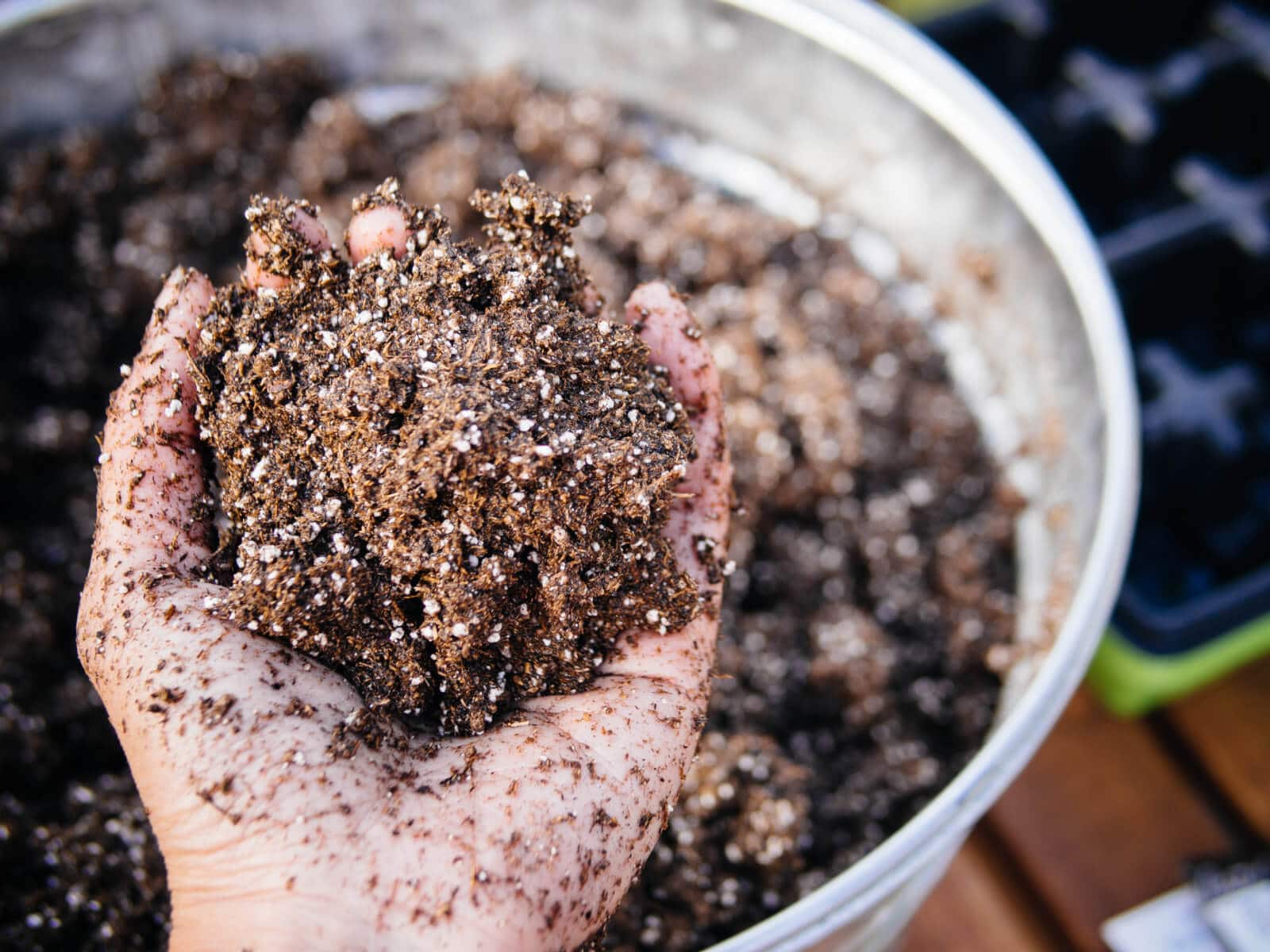
- 60% high-quality potting mix (peat-free if you can find it, or at least one with bark fines for structure)
- 20% pine bark fines (adds long-lasting air pockets and supports healthier roots)
- 20% perlite or pumice (keeps drainage snappy)
If your potting mix is very light and dries too quickly where you live, mix in a small amount of coconut coir or finished compost (think 10% of the total). Compost is helpful, but too much can make the mix heavy and water-retentive over time.
Planting in a container
When you pot up a shrub, you are basically setting up its entire living room. Take the extra five minutes. Your future self will thank you.
- Do not add rocks at the bottom. They do not improve drainage in container physics. They just reduce root space.
- Set the plant at the same depth it was growing in the nursery pot. Avoid burying the stem deeper.
- Loosen circling roots gently if the plant is rootbound. A few careful tugs or light teasing is often enough.
- Water deeply after planting until water runs out the bottom, then let it drain fully.
- Mulch lightly with fine bark or leaf mold, keeping mulch an inch away from the stem.
Sun and placement
Rose of Sharon blooms best with a good amount of sun.
- Best: 6 to 8 hours of direct sun for abundant flowering.
- Works: Morning sun and bright afternoon shade in very hot climates, which can reduce heat stress on pots.
- Less ideal: Too much shade leads to fewer blooms and stretchier growth.
Also consider wind. Containers expose roots and stems more than in-ground shrubs. If your site is breezy, place the pot where it gets sun but not constant gusts that dry it out and snap tender new shoots.
Watering
In the ground, a Rose of Sharon is fairly drought-tolerant once established. In a pot, it is a different creature. Container roots cannot go hunting for water, so the plant’s bloom performance is tied tightly to consistent moisture.
How often to water
Use the soil as your guide, not the calendar:
- Check moisture by sticking a finger 2 inches down.
- Water when that zone feels dry to barely damp.
- In summer heat, that can mean daily for smaller pots, or every 2 to 3 days for large, well-mulched planters.
How to water well
- Water slowly and deeply until you see runoff.
- Empty saucers if they are holding water for more than a short period.
- Avoid constant little sips. In containers, shallow watering can keep moisture concentrated near the surface, which is not where you want roots living during heat waves.
If your plant wilts regularly in the afternoon but perks up at night, it is flirting with drought stress. Occasional midday droop during extreme heat can happen, but repeated wilting often means the pot is too small, the mix is too fast-draining, or the plant needs a more consistent watering rhythm.
Feeding
Because water flows out of pots, nutrients do too. A container Rose of Sharon typically needs more regular feeding than an in-ground shrub.
Simple feeding options
- Slow-release fertilizer: Apply in spring as new growth starts, following label rates for container shrubs.
- Liquid feeding: Use a balanced fertilizer at a diluted rate every 2 to 4 weeks during active growth.
I am cautious with heavy nitrogen in pots. Too much nitrogen can make the plant lush and leafy but less floriferous, and that soft growth is more stressed by heat and more vulnerable to pests.
A soil-health habit I love
Top-dress in spring with a thin layer of finished compost, then water it in. It is gentle, it supports beneficial microbes, and it helps stabilize moisture. Just keep it light so you do not smother the potting mix.
Pruning
This shrub blooms on new wood, which is excellent news for container gardeners. You have flexibility.
- Best timing: Prune in late winter to early spring while the plant is dormant or just waking up. This timing supports strong new growth and good flowering.
- How hard: Light shaping is fine yearly. A harder cutback can be used to keep a container plant compact, but it may push blooms a bit later while the plant rebuilds.
Choosing a good cultivar
A classic Rose of Sharon can reach 8 to 12 feet in the ground, which is a lot of ambition for a pot. If you want a happier long-term container shrub with less wrestling, look for compact or dwarf cultivars and labels that mention patio, compact, or smaller mature size.
How pots affect blooming
This is the part nobody tells you at the nursery display, but it explains so much.
Rose of Sharon sets flower buds on new growth. In a container, the plant’s ability to produce that new growth is directly limited by:
- Root space (the biggest factor)
- Consistent moisture
- Available nutrients
- Heat stress (pots heat up faster than ground soil)
So yes, a potted Rose of Sharon may bloom a little less heavily than a same-size shrub in the ground. That is normal and not a failure. The goal in a pot is steady blooming, not maximum shrub-at-the-market performance.
Signs it wants more root room
- It dries out extremely fast, even with diligent watering
- Blooms become noticeably smaller or fewer over time
- New growth is short and sparse even with sun and feeding
- Roots are circling densely at the pot edge or coming out drainage holes
When to repot
Most container Roses of Sharon need attention every 2 to 3 years. You have two choices: pot up to a larger container, or root-prune and refresh the mix to keep it in the same pot.
Best time
Early spring, just as buds begin to swell, is ideal. The plant wakes up ready to make new roots.
Potting up
- Move up 2 to 4 inches wider than the current pot.
- Refresh the mix around the edges and bottom.
- Water deeply and keep the plant out of harsh afternoon sun for a week while it settles.
Keeping the same pot
If the container is decorative and you want to keep it, you can maintain the shrub by:
- Sliding the plant out
- Trimming off 1 to 2 inches of roots from the sides and bottom for moderate root congestion
- Replacing old soil with fresh mix
If the plant is severely rootbound (a dense, circling mat), you may need to go further and remove up to about one-third of the root mass. When you do that, I like to pair it with a modest top prune to rebalance the plant.
Winter protection
Hibiscus syriacus is cold-hardy in the ground across many regions, but containers change the math. Roots in pots get colder faster, and they experience more freeze-thaw swings, which is what really does damage. It is generally hardy in USDA zones 5 to 9 (cultivar-dependent), but a pot effectively makes it feel less hardy.
Winter rules that work
- Stop fertilizing in late summer so the plant can harden off.
- Water before deep freezes. Dry soil plus cold equals stressed roots.
- Protect the container more than the branches. The roots are the vulnerable part.
Three reliable overwintering options
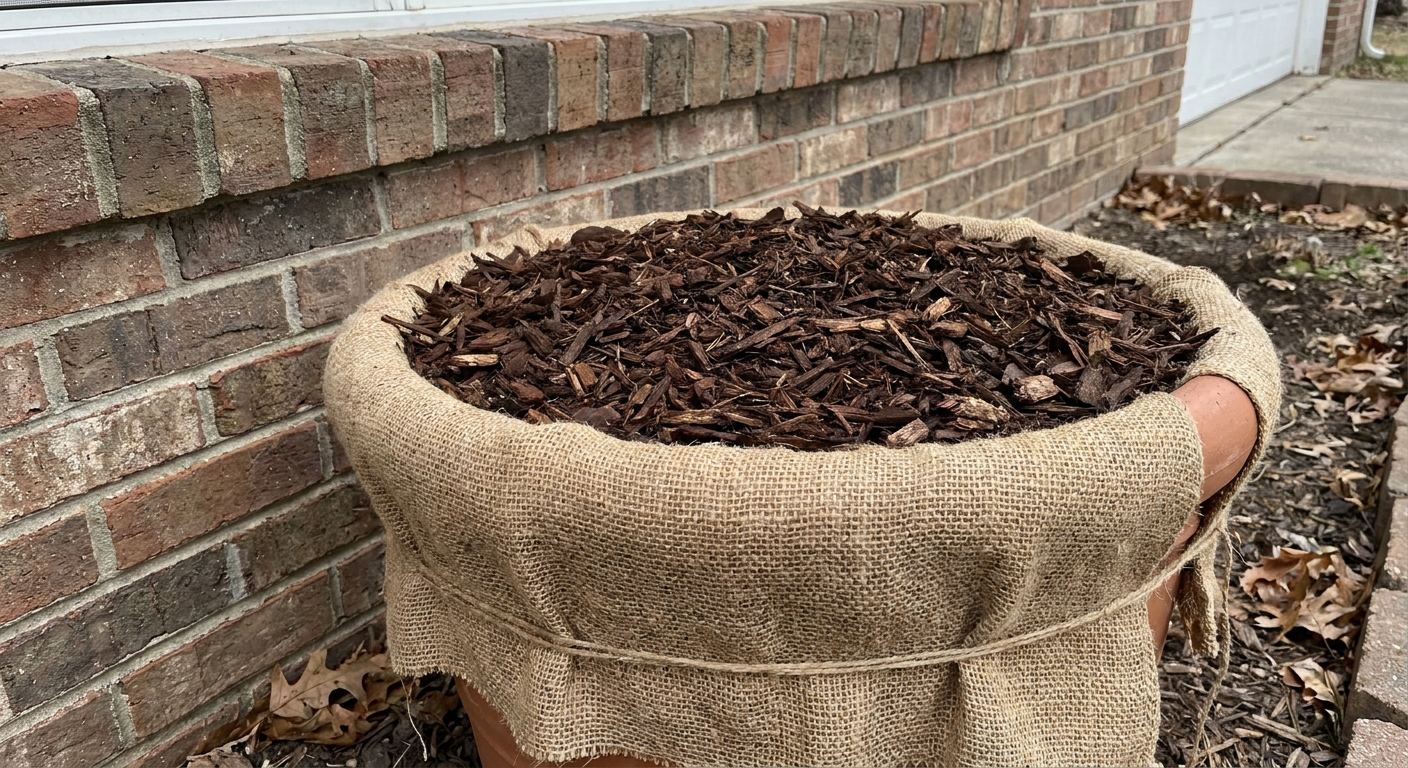
1) Insulate the pot outdoors
- Move it to a sheltered spot, like against a house wall out of wind.
- Wrap the pot with burlap, bubble wrap, or insulating blankets, then cover that with an outer layer that sheds water.
- Mulch the soil surface with shredded leaves or bark, keeping the stem clear.
2) Heel it in
If you have a garden bed, you can sink the entire pot into the ground for winter. Soil is incredible insulation.
3) Cold garage or unheated shed
- After leaf drop, move the pot into an unheated space that stays mostly between about 30°F to 45°F.
- A brief dip below freezing can happen in an unheated garage and is usually fine. The bigger goal is preventing repeated freeze-thaw of the root ball.
- Water lightly once in a while so the root ball does not become bone dry.
- Bring it back out gradually in spring.
A heated indoor room is usually not a great winter home for this shrub. Low light and warm temps can create weak, pale growth that struggles later.
When to plant it out
I love container gardening, but I also believe in listening when a plant is telling you, clearly, that it wants a different life.
Consider planting it in the ground if:
- You want a large shrub with heavier bloom coverage than a pot can support long-term.
- You cannot keep up with summer watering and the plant regularly wilts.
- The shrub needs repotting often and has outgrown every reasonable patio container.
- You live where winters are harsh and protecting a big pot is becoming a yearly wrestling match.
Best time to plant out: Spring after the risk of hard freezes has passed, or early fall where the ground stays workable long enough for roots to establish. Water faithfully the first season. The payoff is huge: steadier growth, steadier moisture, and usually more blooms with less babysitting.
Pests and problems
Most years, Rose of Sharon is pretty low-drama. On a hot patio, though, a container plant can be a little more tempting to pests because stress stacks up faster in pots.
Common pests
- Aphids: Cluster on soft new growth. A strong spray of water and better watering consistency often helps; insecticidal soap can be useful if pressure is high.
- Spider mites: More common in hot, dry conditions. Look for stippling and fine webbing, and increase humidity around the plant by rinsing foliage and reducing heat stress.
- Japanese beetles: Can chew flowers and leaves. Hand-picking early in the day is the simplest control in small spaces.
Bud drop
If buds form and then fall, the usual culprit in containers is heat plus drought swings (drying out hard, then getting soaked). A bigger pot, steadier watering, and mulching the surface often fix it.
Quick troubleshooting
Lots of leaves, not many flowers
- Not enough sun
- Too much nitrogen fertilizer
- Pot is too small and the plant is under repeated drought stress
Yellowing leaves in summer
- Often inconsistent watering in pots
- Occasionally nutrient depletion, especially if you water frequently and heavily
- Check that the pot drains freely and is not staying soggy
Leaf edges browning or crispy
- Hot wind plus a fast-drying potting mix
- Container overheating in full sun, especially dark-colored pots
- Increase watering consistency and consider shading the pot itself while keeping the foliage in sun
FAQ
Can Rose of Sharon stay in a pot permanently?
It can, especially in a large container with regular watering and feeding. Long-term success usually means a pot in the 20 to 24 inch range and repotting or root maintenance every couple of years.
Does a bigger pot mean more flowers?
Usually, yes. More root room supports more new growth, and new growth supports more flower buds. Bigger pots also buffer heat and drought, which helps prevent bud drop and stress-related pauses in blooming.
Should I bring my container Rose of Sharon indoors for winter?
Not into a warm living space. A sheltered outdoor spot with insulation, heeling the pot into the ground, or an unheated garage is typically a better match for its natural dormancy.