
Rhipsalis (Mistletoe Cactus) Care Indoors

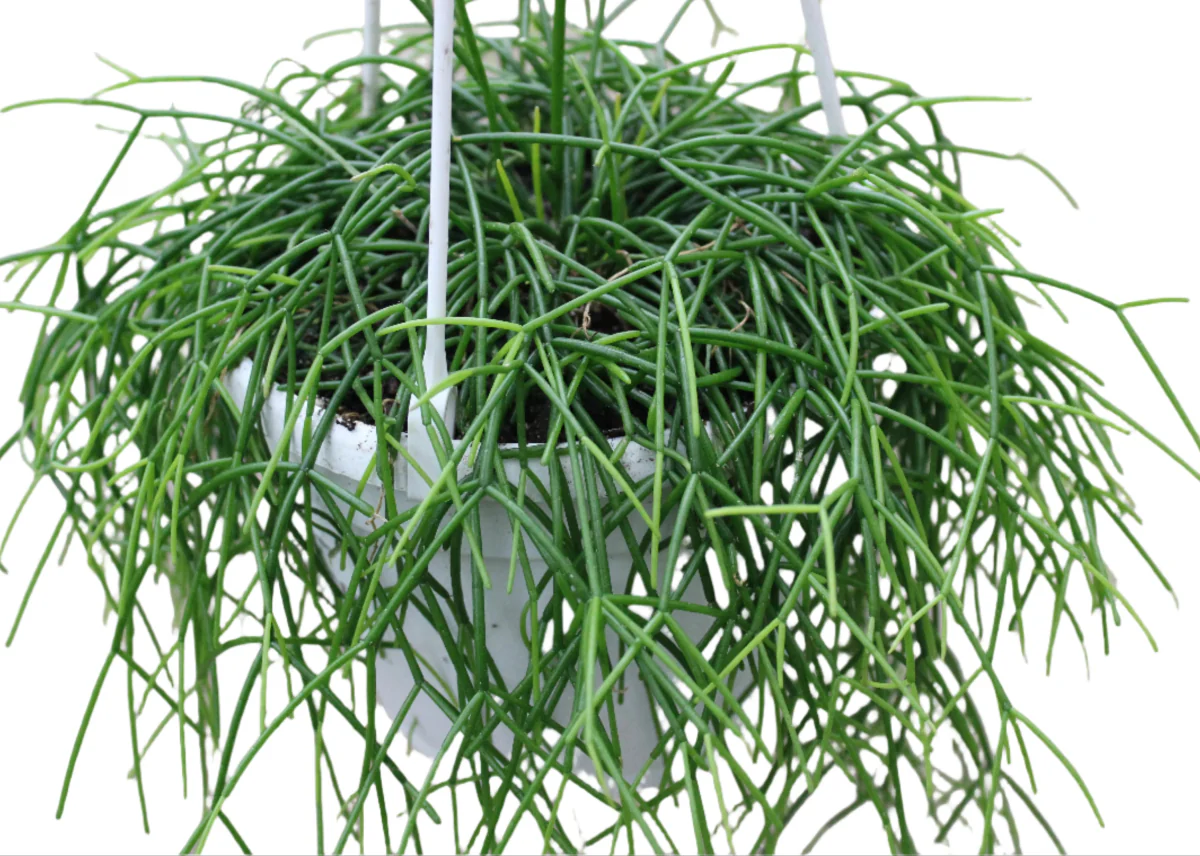
Rhipsalis, commonly sold as mistletoe cactus, is one of my favorite “gateway plants” for anyone who thinks they have a black thumb. It has cactus in the name, but it does not behave like a sun-baked desert cactus. Rhipsalis is a mostly epiphytic cactus from tropical and subtropical forests, where it grows in tree branches and mossy crooks rather than in sand.
That one detail explains almost everything about its indoor care: bright, filtered light, an airy mix that drains fast but does not stay bone-dry for weeks, and watering that looks more like a gentle rhythm than an emergency event.

Meet the forest cactus
Most cacti evolved to survive drought on open ground. Rhipsalis evolved to live up in the canopy, catching rainfall, fog, and leaf litter. Indoors, that translates to a plant that appreciates moisture and airflow at the same time.
- Growth habit: trailing or draping stems, perfect for hanging baskets and high shelves.
- Texture: soft, jointed stems (often pencil-thin) that can bruise if handled roughly.
- Bonus: tiny creamy flowers and little berry-like fruits on happy plants.
Light: bright, filtered, and forgiving
Think “dappled sunlight through leaves,” not “full noon sun on a windowsill.” Rhipsalis can tolerate medium light better than many succulents, but it grows fuller and more evenly with brighter indirect light.
Best indoor spots
- East window: ideal for gentle morning sun.
- North window: great in bright rooms, especially in summer.
- South or west window: workable if you use a sheer curtain or keep it set back from the glass.
Signs your light needs adjusting
- Too much sun: tan or bleached patches, corky scarring, and shriveling at the tips. (A mild reddish tint can be simple “sun stress” and not always true sunburn.)
- Too little light: sparse growth, long weak segments, fewer flowers.
Watering: the big difference from desert cacti
If you treat Rhipsalis like a desert cactus and let it sit dry for ages, it often responds with stalled growth, stem drop, or thin, wrinkly segments. If you keep it soggy, it will rot. The sweet spot is “evenly moist, then lightly dry,” with excellent drainage.
How to water (simple method)
- Check the pot with your finger. Water when the top is dry, but the pot is not feather-light. As a guide, let the top 25 to 40 percent dry. For small pots, that is often about the top 1 inch. For larger pots, it may be closer to 2 inches.
- Water thoroughly until excess drains out the bottom.
- Empty the saucer or cachepot so roots do not sit in water.
Seasonal rhythm
- Spring and summer: water a bit more often as days get longer and growth picks up.
- Fall and winter: let it dry a little deeper between waterings, especially in cooler rooms.
What the plant tells you
- Thirst: slight wrinkling, limp segments, dull look.
- Overwatering: mushy stems near the soil line, sudden yellowing, a “wet compost” smell.
Clara tip: I like a clear, gentle rule for beginners: never water on a calendar. Water when the plant and pot tell you it is time.
Soil: airy mix that drains fast but holds a little moisture
Because Rhipsalis is mostly epiphytic, it does not want dense potting soil that stays wet and heavy. It likes an open, chunky mix that lets roots breathe.
A reliable mix you can make at home
- 2 parts high-quality potting mix (or coco coir based mix)
- 1 part orchid bark (small to medium)
- 1 part pumice or perlite
If you only have cactus mix on hand, improve it by adding orchid bark and a bit more potting mix. Many bagged cactus mixes dry too quickly for Rhipsalis indoors, especially in heated homes.
Pot choice matters
- Drainage holes are non-negotiable.
- Terracotta: great if you tend to overwater.
- Plastic or glazed ceramic: fine if your home is very dry or you forget to water.
Humidity and temperature: more tolerant than you think
Rhipsalis is happier with moderate humidity, but it is surprisingly adaptable as long as you do not combine low humidity with harsh sun and long dry spells.
- Ideal humidity: 40 to 60 percent.
- It can cope with: typical home humidity if watering and light are appropriate.
- Temperature range: 60 to 80°F is comfortable. Aim to keep it above 50°F. Colder can stress or damage some types, especially near drafty windows.
Easy humidity boosters that do not invite fungus
- Group plants together to create a slightly more humid microclimate.
- Use a small humidifier nearby in winter.
- Prioritize airflow over constant misting. Misting can leave water sitting in crevices and does not raise room humidity much.
Hanging basket tips for fuller trails
Rhipsalis shines when it can spill. Hanging it also keeps the delicate stems out of the “bump zone,” which is where curious hands, pets, and laundry baskets tend to live.
- Rotate monthly: a quarter turn keeps growth even and prevents one-sided stretching.
- Support early on: if stems are short, let them rest on the pot rim so they can cascade as they lengthen.
- Water smarter: take the basket down to water thoroughly, let it drain fully, then hang it back up.
- Protect surfaces: use a drip tray insert or water in the sink to avoid surprise drips.
Feeding: light snacks, not heavy meals
Rhipsalis is not a heavy feeder. Too much fertilizer can cause weak growth and salt buildup, especially in smaller pots.
- When to feed: spring through early fall.
- How often: every 4 to 6 weeks.
- What to use: a balanced houseplant fertilizer diluted to half strength, or a gentle cactus and succulent fertilizer at reduced strength.
Flush the pot with plain water every couple of months if you fertilize regularly, especially if you see a white crust on the soil surface or pot rim.
Repotting: when and how
Rhipsalis does not mind being a bit snug, but it will be happier with fresh mix once the pot is packed with roots or the soil breaks down and stays wet too long.
- When to repot: usually in spring, or whenever you see roots circling heavily, water rushing straight through, or the mix turning dense and sour.
- How much bigger: go up about 1 to 2 inches in pot diameter. Oversized pots dry slowly and raise rot risk.
- Aftercare: keep in bright, indirect light and water a little more cautiously for a week or two while roots settle.
Clara tip: If your plant looks “tired” and fussy no matter what you do, a refresh into a chunkier mix fixes more problems than people expect.
Pruning and propagation
If your plant gets leggy, lopsided, or simply too long for its space, pruning is your friend. Rhipsalis responds beautifully to a tidy trim.
How to prune
- Use clean snips.
- Cut stems where they naturally segment, or simply shorten to the length you want.
- Do not remove more than about one third at a time unless the plant is very vigorous.
How to propagate
- Take a few healthy stem cuttings 3 to 6 inches long.
- Let cut ends dry for several hours (or overnight). For thicker stems or cooler, damper homes, letting them dry 24 to 48 hours can reduce rot risk.
- Plant in the same airy mix, barely tucked in.
- Keep lightly moist, in bright, indirect light, until you feel resistance when you tug gently.
Winter slowdown
Rhipsalis does not always go fully dormant indoors, but it often slows down in winter when light is weaker. The goal is to adjust without panicking.
Signs your Rhipsalis is in rest mode
- Little to no new growth for several weeks
- Soil drying more slowly
- Overall plant looks fine, just less busy
What to do
- Water less often, but do not let it stay dry for long stretches.
- Hold fertilizer until days lengthen.
- Move a little closer to a brighter window if possible.
Flowers and fruit
When Rhipsalis is happy, it can bloom with tiny pale flowers, sometimes followed by small berries. Indoors, blooming is not guaranteed, but it is very doable.
- When it may bloom: often late winter through spring, though timing varies by type and home conditions.
- What helps: bright, indirect light, consistent watering in the growing season, and a gentle winter slowdown with slightly less water and cooler nights.
Popular Rhipsalis types
Care is broadly similar across the genus, but the stem shape changes how the plant looks and how easily it bruises or dries.
- Rhipsalis baccifera: classic “mistletoe cactus” with many thin, round, stringy stems. Often the most forgiving and fast-growing.
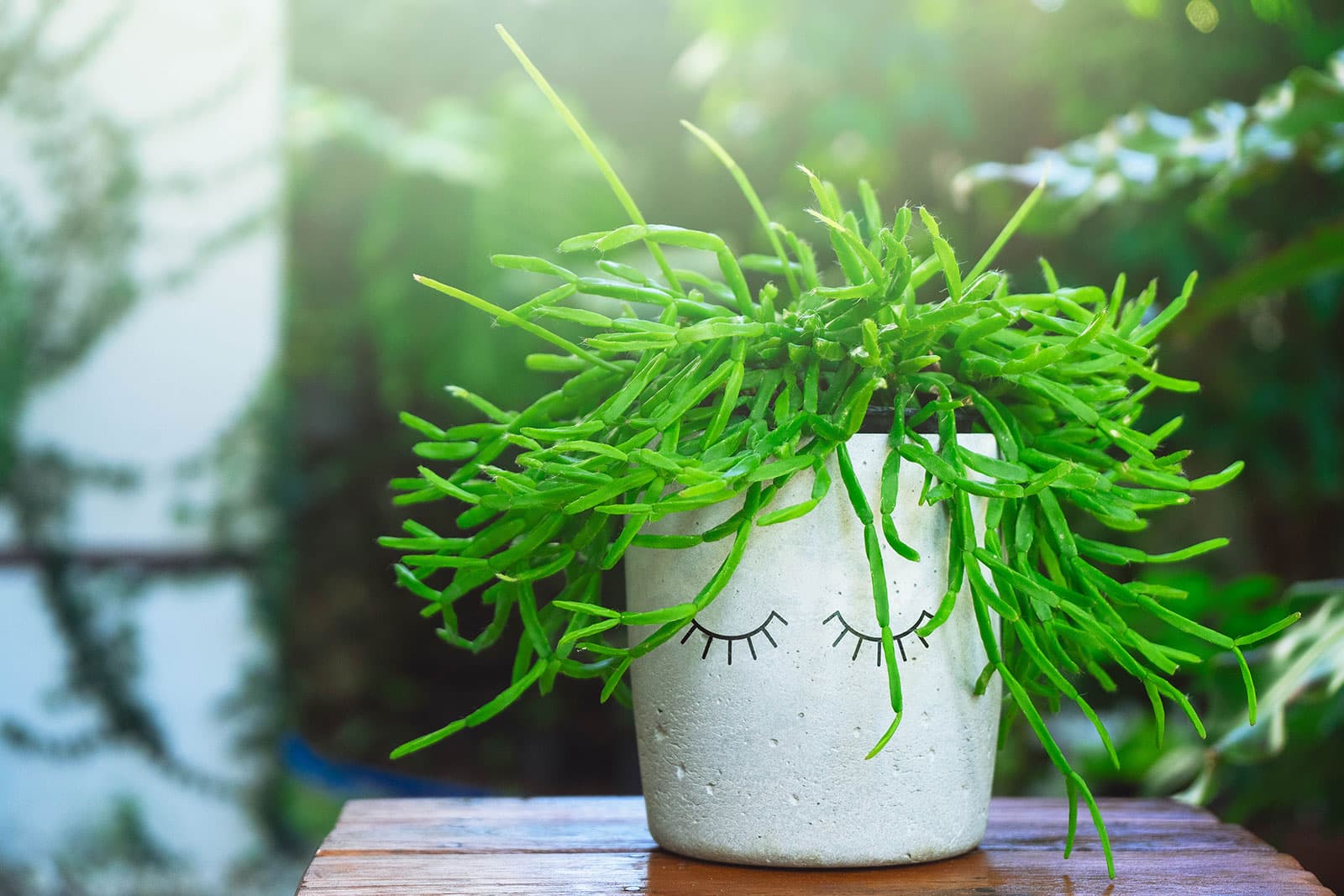
- Rhipsalis cereuscula: rice cactus, with short, beadlike segments. Looks fluffy and drapey, can dry slightly faster due to small segments.
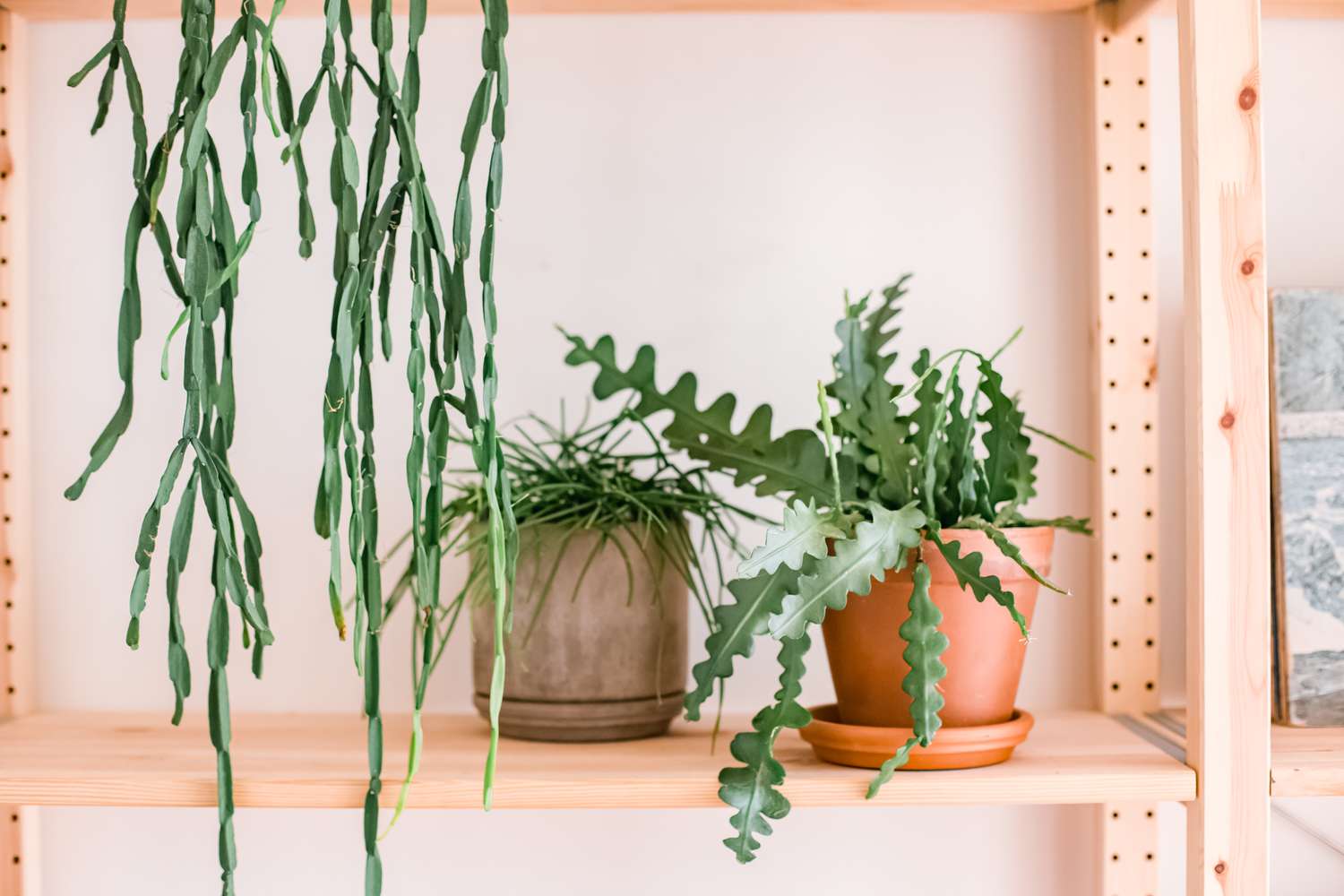
- Rhipsalis pilocarpa: hairlike bristles and thicker segments, plus showy flowers. Likes bright filtered light and steady care, can be a bit more sensitive to rough handling.
- Rhipsalis crispata: flatter, wavier segments. Watch for sun stress since flat stems show scorching more readily.
When in doubt, default to bright indirect light, an airy epiphyte style mix, and watering when the top portion of the pot dries.
Troubleshooting common problems
Stems dropping off
- Most common causes: overwatering, sudden cold draft, or a big change in light.
- Fix: check roots and soil, stabilize conditions, and let the plant recover before making more changes.
Wrinkled, limp stems
- Cause: underwatering or roots that are not functioning (often from prior overwatering).
- Fix: water thoroughly and reassess in a day or two. If it does not plump up, inspect roots and repot into a fresh airy mix.
Brown, crispy tips
- Cause: hot direct sun, very dry air plus droughty soil, or fertilizer salts.
- Fix: shift to filtered light, water more consistently, and flush the pot.
Pests
Watch for mealybugs tucked in stem joints, plus occasional scale and spider mites in dry conditions. Dab mealybugs with isopropyl alcohol on a cotton swab, then follow up with insecticidal soap if needed. A quick rinse in the sink and a close inspection when you bring a new plant home can prevent the whole “surprise party” situation.
Pet safety note
Rhipsalis is often listed as pet-safe, but plant safety lists can vary by species and source, and mislabeled plants happen. If a pet is prone to chewing, place it out of reach and check a trusted reference for your exact plant name.
Quick care checklist
- Light: bright, indirect to filtered sun
- Water: when the top portion dries, then soak and drain
- Soil: airy mix with bark and pumice or perlite
- Humidity: average home is fine, 40 to 60 percent is ideal
- Fertilizer: diluted, monthly in spring and summer
- Style: hang it up, rotate monthly, trim to encourage fullness
If you remember just one thing, make it this: Rhipsalis is a forest cactus. Treat it like a plant that lives in trees, not like one that lives in the desert, and it will reward you with a soft, cascading curtain of green.