
Rhaphidophora hayi (Shingle Plant) Care Indoors

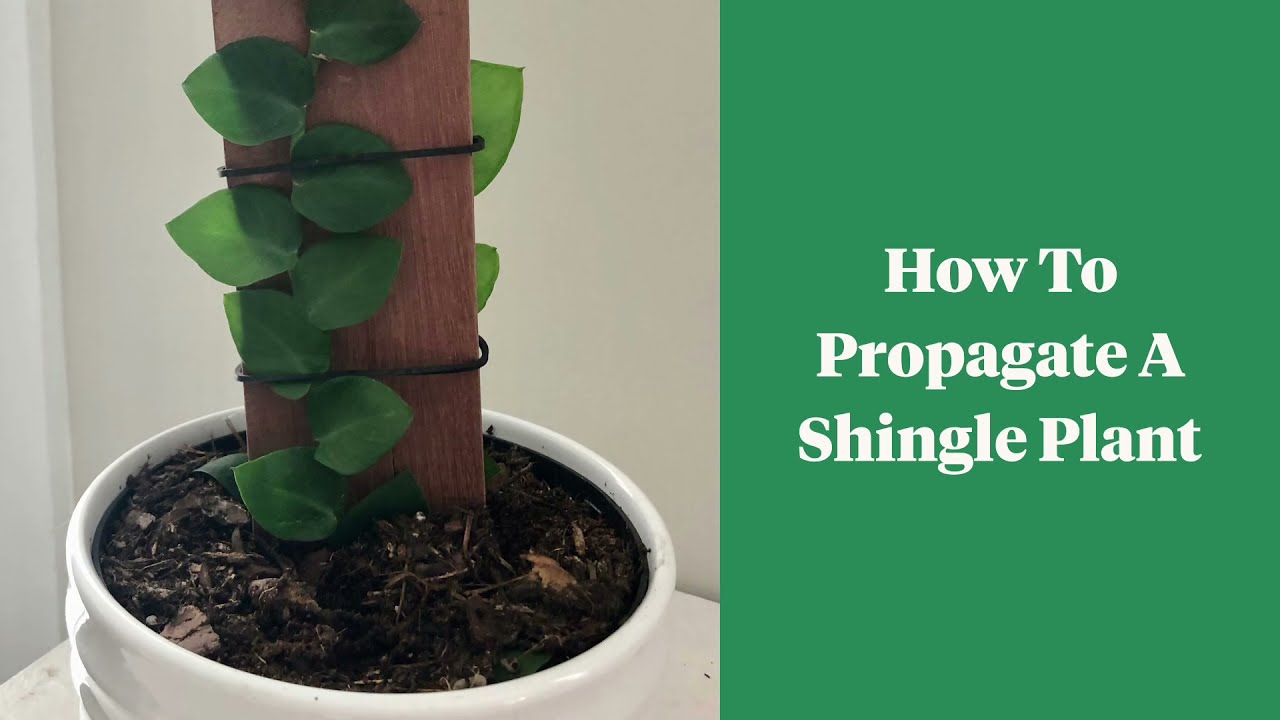
Rhaphidophora hayi is one of those plants that makes you stop mid-aisle at the nursery. It does not trail politely. It shingles, pressing each leaf flat to a surface like tidy green roof tiles. Indoors, the trick is simple to say and a little fussier to do: give it something to cling to, keep the roots evenly moist without staying swampy, and offer bright light so the leaves stay close together.
This page walks you through mounting on wood versus moss, how to water a mounted shingle plant, airflow and light for tight spacing, and exactly when to remount or upsize. I will also help you troubleshoot yellow leaves and the usual houseplant pests.

Quick care snapshot
- Light: Bright, indirect light. A bit of gentle morning sun is usually fine.
- Water: Even moisture around roots, then a slight dry down. Mounted plants are watered differently than potted ones.
- Humidity: Prefers moderate to high humidity, but can adapt if watering is consistent.
- Temperature: Best in typical indoor warmth. Aim for 65 to 85°F (18 to 29°C). Avoid cold drafts and prolonged temps below 55°F (13°C).
- Airflow: Steady, mild airflow prevents rot and pests.
- Support: Best grown mounted or on a totem so it can shingle.
- Soil/substrate: If potted, use a chunky aroid mix that drains fast.
Why this plant shingles indoors
In nature, Rhaphidophora hayi is a climber that hugs tree bark. It throws out short, eager roots that glue it to the surface, then it stacks leaves right on top of each other. Indoors, the closer you mimic that bark-like climb, the happier your plant looks. When it cannot grab on, it often makes looser, more awkward growth with wider spacing.
So when people ask me, “Is it okay to keep it in a pot?” the honest answer is yes, but mounting is where this plant really becomes itself.
Mounting: wood vs. moss
The goal of any mount is to provide three things: a surface for roots to cling to, a place for moisture to linger briefly, and enough airflow that those roots do not stay soggy.
Wood mount
Best for: Long term stability, cleaner look, fewer fungus gnat issues, and better airflow around roots.
Watch outs: Wood dries quickly, so you must water more often, especially in heated or air conditioned rooms.
- Choose untreated hardwood, cork bark, or a natural wood plank that is not resinous.
- Texture matters. Rough bark and cork give roots something to bite into.
- Plan for watering. A wood mounted shingle plant often needs a thorough soak several times a week in summer, depending on your home.
Moss mount
Best for: Faster rooting and easier early success if your home air is very dry.
Watch outs: Moss can stay wet for too long if it is packed tightly or if airflow is poor, which invites root rot and stem rot.
- Use long fiber sphagnum, fluffed, not compressed into a brick.
- Keep moss moist, not dripping, and do not wrap the stem like a wet scarf.
- If you see blackening at the stem base, the moss is staying too wet or too tight.
My favorite middle path
If you want reliability without constant babysitting, try a wood or cork mount with a small pad of sphagnum behind the root zone only. Think of it like a little moisture pocket, not a full moss column. You get better root attachment and a bit more hydration buffer, while still keeping plenty of air around the plant.
How to mount step by step
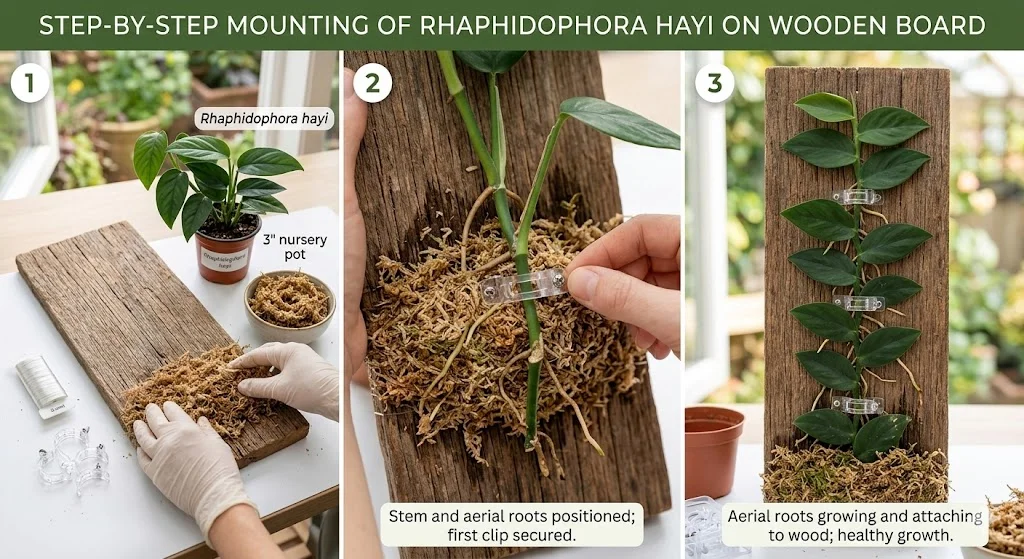
- Pick the mount height. Give it extra room. A shingle plant that is happy will climb.
- Position the plant. Lay the stem flat to the mount with the leaves facing out and the root nodes touching the surface.
- Add a small moisture buffer (optional). A thin layer or pad of sphagnum at the nodes helps new roots start.
- Secure gently. Use plant Velcro, soft twine, or fishing line. Keep it snug, but do not cinch the stem.
- Water thoroughly once. Drench the moss pad and the node area, then let it drain.
- Give bright, indirect light. This is when the “tight shingle” habit really locks in.
Clara quirk tip: I always whisper, “You have a job, little roots,” while pressing the nodes to the mount. Is it science? No. Does it make me more patient while it settles in? Absolutely.
Moisture without soggy roots
This is the make or break point for shingle plants. They like consistent moisture, but they hate stagnation. Think of a rainforest tree trunk: wet often, drying quickly.
If your plant is mounted
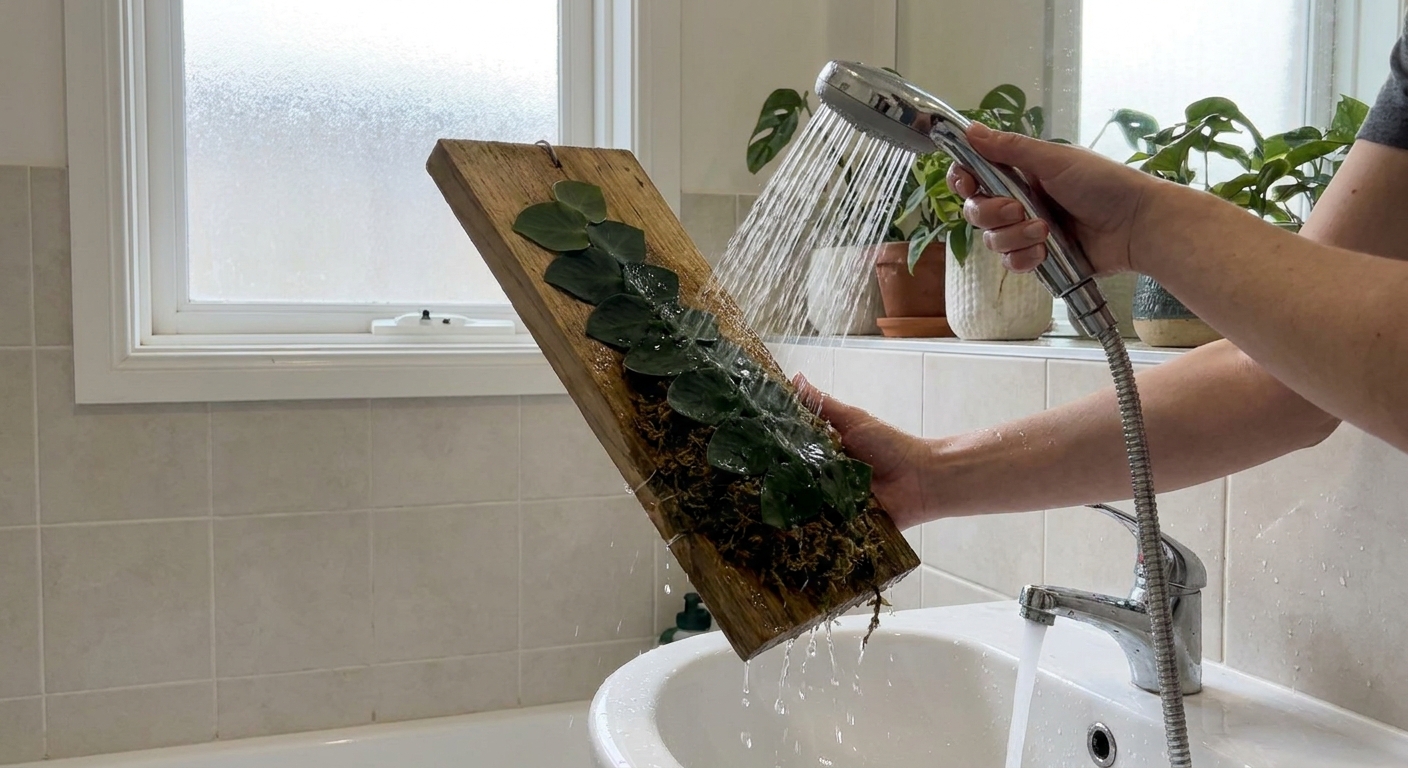
- Watering method: Take the mount to a sink or shower and soak the root zone until fully saturated, then let it drip dry. If it is large, use a squeeze bottle or watering can with a narrow spout to thoroughly wet the nodes and any moss pad.
- Frequency: Water again when the moss pad feels just barely damp, or when the mount feels “light” and dry to the touch. In many homes that can be 2 to 5 times per week in warm months.
- Do not leave it constantly wet: If moss stays cold and soggy for days, reduce watering, fluff the moss, and increase airflow.
If your plant is potted
You can grow Rhaphidophora hayi in a pot, especially while it is young, but use a support and a very airy mix. A solid base recipe:
- 40% orchid bark
- 30% coco coir or high quality potting mix
- 20% perlite or pumice
- 10% worm castings
Water when the top 1 to 2 inches dry, then water thoroughly until runoff. Never let it sit in a saucer of water.
Airflow
Because mounted plants dry from the outside in, they do best with a little moving air. Not a harsh fan blast, just enough circulation to prevent wet pockets around roots and stems.
- Aim for gentle airflow in the room, especially if you use moss.
- Avoid pressing the mount flat against a wall if the back stays damp. Spacers or a slightly standoff hanging method helps.
- Watch the stem base. If the stem where it meets moss stays wet and dark, increase airflow and reduce moss contact.
Light for tight spacing
If your Rhaphidophora hayi is putting space between leaves, light is usually the first lever to pull. This plant can survive in medium light, but it looks its best in bright, indirect light.
Best windows
- East window: Excellent, especially with a sheer curtain if the morning sun is strong.
- South or west window: Great if filtered or set back from the glass. Too much hot sun can fade or scorch leaves.
- North window: Often not enough for tight shingling unless the window is very large and unobstructed.
Grow lights
A simple LED grow light can make a huge difference in leaf spacing. Place the light 12 to 18 inches away (follow the manufacturer guidance) and run it 10 to 12 hours a day. If leaves start to look pale, move the light a little farther away.
Humidity and temperature
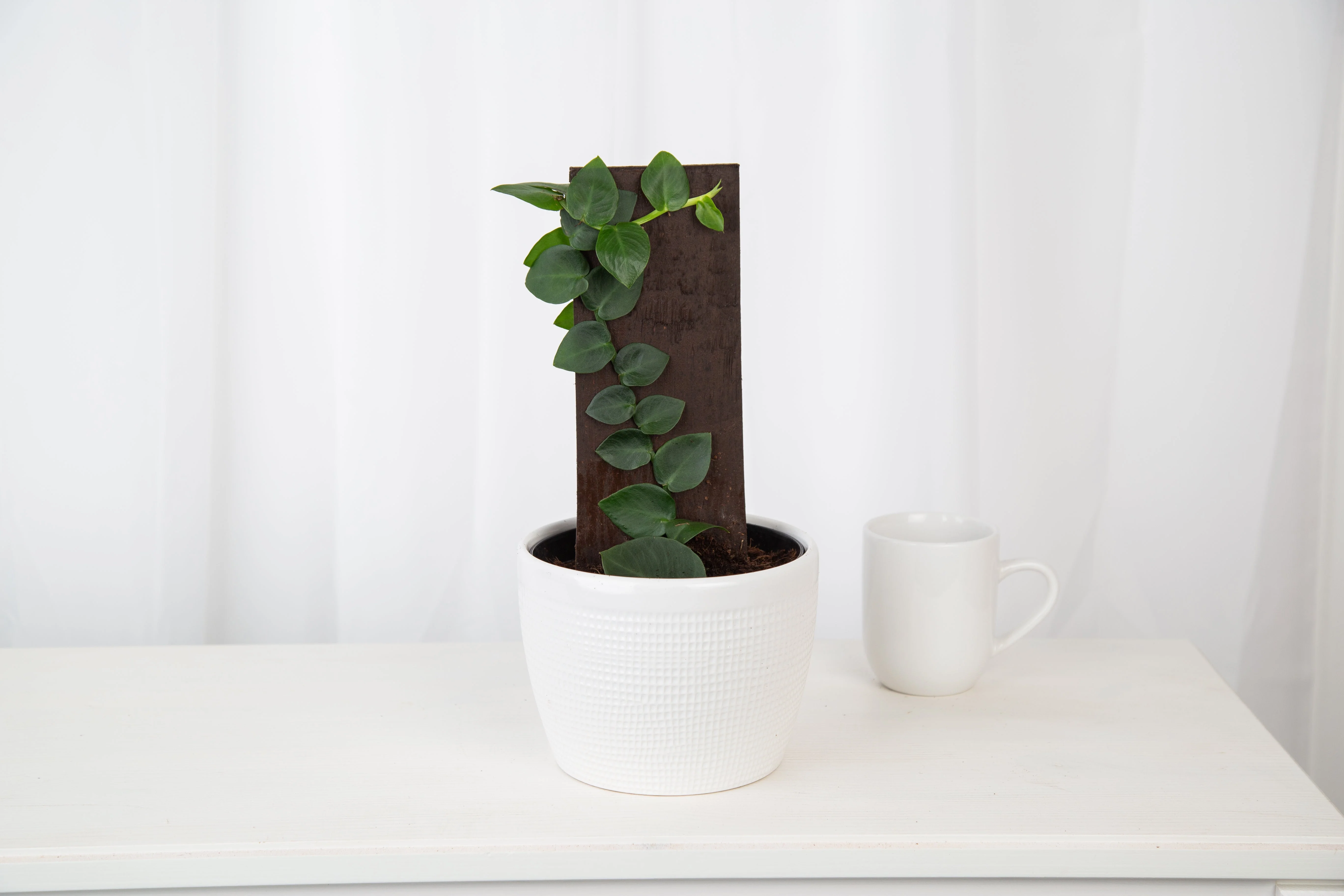
This plant will tolerate “normal house humidity,” but it looks noticeably more lush and stays easier to water when humidity is moderate to high. The goal is not to trap it in a steamy box. The goal is steady moisture plus enough airflow that everything dries in a reasonable amount of time.
- Humidity target: Around 50 to 70% is the sweet spot for many homes. Lower can work if you keep watering consistent and avoid hot sun.
- Temperature target: Aim for 65 to 85°F (18 to 29°C). Brief dips happen, but prolonged cold slows growth and increases rot risk, especially on moss.
- Avoid: Cold window drafts, heat vents blasting directly at the mount, and very hot afternoon sun cooking the leaves against the support.
When to remount or upsize
Rhaphidophora hayi does not usually “need” a bigger pot the way a peace lily does. It needs more real estate to climb and fresh anchoring points.
Signs it is time to upsize the mount
- The plant has reached the top and is trying to creep sideways or peel away.
- New leaves are smaller because it is cramped or the root zone is too crowded.
- The mount dries so fast that you cannot keep up, even with good humidity.
Signs it is time to remount
- The moss has compacted into a dense, sour-smelling mass.
- You see repeated stem rot at the same damp contact point.
- Roots have grown, but they are not attaching because the surface is too smooth or degraded.
How to remount without a meltdown
- Water the plant first. Hydrated stems bend more safely.
- Prepare the new mount. Have ties ready so the plant is not dangling while you search for twine.
- Do not rip off attached roots. If roots are glued to the old mount, cut the old mount away in pieces if needed.
- Secure nodes, not just leaves. Nodes are where the roots and future growth happens.
- Aftercare: Keep in bright, indirect light and slightly higher humidity for 1 to 2 weeks while it re-attaches.
Propagation
At some point, a happy shingle plant hits the top of its mount and stares at you like, “Now what?” Propagation is your reset button and your insurance policy.
When to take cuttings
- Best time: Spring through early fall, when the plant is actively growing.
- Okay time: Winter, but expect slower rooting unless you have warm temps and grow lights.
How to take a cutting
- Choose a section with nodes. You want at least 1 to 2 nodes (the bumpy points where roots emerge). A cutting with 2 to 3 leaves is usually a comfortable size.
- Make a clean cut. Use sterilized snips and cut just below a node.
- Optional: let it callus briefly. If the cut looks very wet, give it 30 to 60 minutes to dry a touch before you tuck it into anything damp.
Rooting methods that work well
- Sphagnum and a ventilated container: Nestle the nodes into lightly damp sphagnum (fluffed, not packed). Keep warm, bright, and humid, but open the container regularly for fresh air.
- Water propagation: Submerge only the node area, not the whole stem. Change water regularly. Pot up once you have several roots that are a couple inches long.
- Direct to mount: If you are feeling brave and your home conditions are steady, you can pin a fresh cutting directly to cork with a small sphagnum pad at the nodes. Keep it evenly moist until it grabs on.
After rooting
Once roots are established, move the cutting to its long term setup. For the nicest shingled look, press the stem flat to the mount early. If it starts off waving in the air, it tends to keep that habit.
Feeding
Rhaphidophora hayi is not a heavy feeder, but it appreciates steady, gentle nutrition during active growth.
- Spring through early fall: Fertilize every 4 to 6 weeks with a balanced houseplant fertilizer at half strength.
- Winter: Ease off if growth slows. Continue only if you are using grow lights and the plant is actively pushing leaves.
If you prefer organic options, worm castings in a potted mix or a very dilute fish emulsion used sparingly can work. With mounted plants, be careful with anything that leaves residue in moss, since buildup can invite funk and gnats.
Toxicity
Rhaphidophora hayi is toxic if chewed or ingested. Like many aroids, it contains calcium oxalate crystals that can cause mouth irritation, drooling, and stomach upset. Keep it away from curious pets and small children, and wash your hands after pruning if you have sensitive skin.
Troubleshooting
Yellowing leaves
Yellow leaves are your plant waving a small flag. The pattern matters.
- One older leaf slowly yellows: Often normal aging, especially if new growth is healthy.
- Several leaves yellowing at once: Commonly overwatering, poor airflow around the roots, or a mount that stays wet for too long.
- Yellow with mushy stem or dark spots near nodes: Likely rot. Remove wet moss from the stem, increase airflow, and let the root zone dry slightly. Consider remounting onto a drier, airier surface.
- Yellowing with crispy edges: Often underwatering, low humidity combined with fast drying, or too much direct sun.
Pests
Shingle plants can attract the usual aroid hitchhikers, especially when airflow is low.
- Spider mites: Fine webbing, stippled leaves. Rinse the plant, then treat with insecticidal soap or horticultural oil, repeating weekly for 3 to 4 rounds.
- Mealybugs: White cottony clusters in leaf axils. Dab with isopropyl alcohol on a cotton swab, then follow with a full plant treatment.
- Scale: Brown bumps along stems and leaf backs. Scrape gently, then treat and repeat.
- Fungus gnats: More common with moss that stays wet. Let the moss dry slightly between waterings and use sticky traps. For persistent cases, consider beneficial nematodes or BTi dunks.

A simple setup that works
If you want the shortest path to success, here is the setup I recommend for most homes:
- Mount: Cork bark or textured wood with a small sphagnum pad at the nodes
- Placement: Bright, indirect light near an east or filtered south window
- Watering: Soak the root zone thoroughly, then allow it to approach just barely damp before watering again
- Air: Gentle room airflow, especially in winter when homes stay closed up
- Temp: Keep it comfortably warm and away from cold drafts
Once your Rhaphidophora hayi is attached and climbing confidently, it becomes one of those wonderfully steady plants. It just asks you to show up consistently, like any good relationship, with water, light, and a little breathing room.