
Repotting a Snake Plant

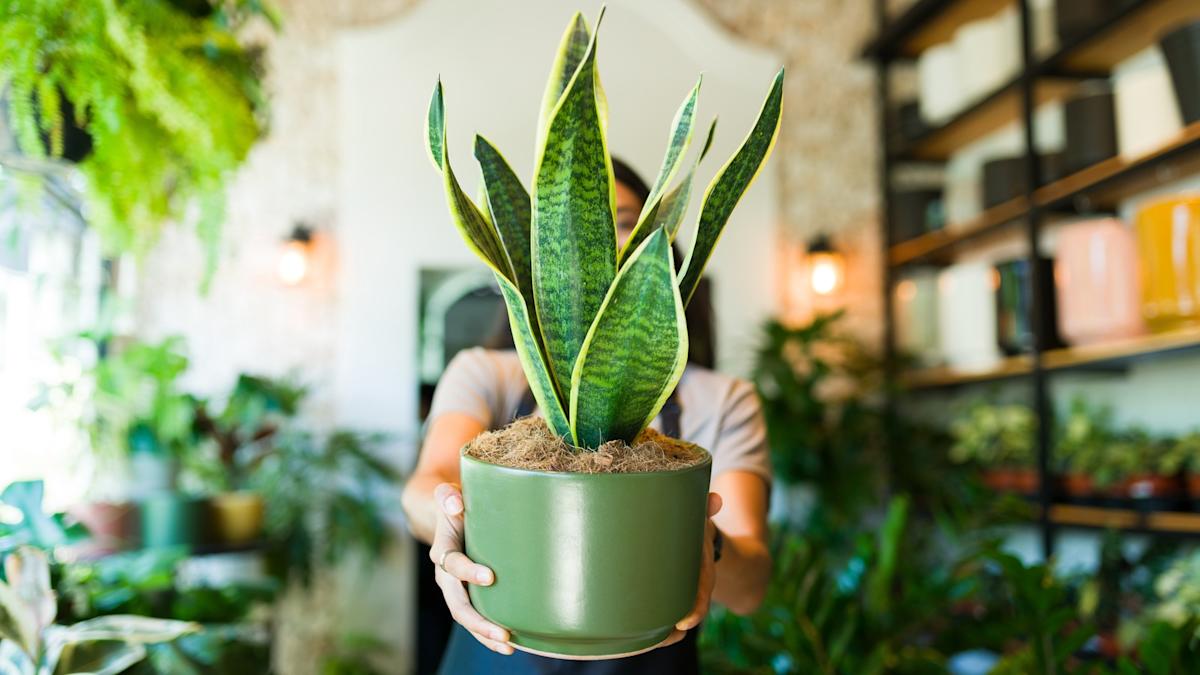
Snake plants (Sansevieria, now grouped under Dracaena) have a well earned reputation for being tough. But “tough” does not mean “never needs a refresh.” Repotting is less about giving your plant a bigger home every year and more about keeping roots healthy, soil airy, and watering predictable.
I like to think of repotting a snake plant as resetting the plant’s little ecosystem: clean drainage, gritty soil, and a pot that fits like a good pair of boots. Snug, supportive, and not sloshing around.

When to repot a snake plant
Snake plants prefer to be slightly rootbound, so repotting is not something you do on a schedule just because the calendar says so. Most healthy snake plants only need repotting every 2 to 5 years, depending on growth rate, pot type, and how fast the soil breaks down.
Best season
Spring through early summer is ideal. The plant is naturally gearing up to grow, so it rebounds faster from any root disturbance. You can repot in other seasons if there is an urgent issue (like a cracked pot or rotting soil), but go gently and keep aftercare extra cautious.
Signs your snake plant is rootbound
- Roots circling the bottom or poking out of drainage holes.
- The plant lifts itself up and sits higher, as rhizomes and roots press against the pot.
- The pot bulges (common with plastic nursery pots) or terracotta develops hairline cracks.
- Water runs straight through because there is more root than soil left to hold moisture.
- Lots of pups crowding the surface, with little room for new growth.
Signs you should repot even if it is not rootbound
- Soil stays wet too long or smells musty, even when you water sparingly.
- Soil has compacted into a dense, peat-heavy plug that repels water or drains poorly.
- You suspect rot (mushy base, blackened roots, or leaves collapsing at the soil line).
- Persistent fungus gnats caused by overly moist, organic soil.
Choosing the right pot size
The fastest way to accidentally rot a snake plant is giving it too much extra soil. Extra soil means extra water held in the pot, and snake plants want their roots to dry out reliably.
How much bigger should the new pot be?
Aim for 1 to 2 inches wider than the current pot (measured across the top). If your plant is very large and heavy, you might go up 2 inches for stability, but avoid jumping multiple sizes.
Depth matters too
Choose a pot that matches the root mass. Snake plants have thick roots and rhizomes, but they do not need an extra deep “bucket” unless the root system truly fills the current depth. A pot that is too deep stays wet at the bottom.
Drainage is non-negotiable
Use a pot with at least one drainage hole. If you love a decorative cachepot with no hole, keep your snake plant in a nursery pot inside it, and never let water pool in the bottom.
Terracotta vs plastic: which is better?
Both can work beautifully. The best choice depends on how you water and your home environment.
Terracotta
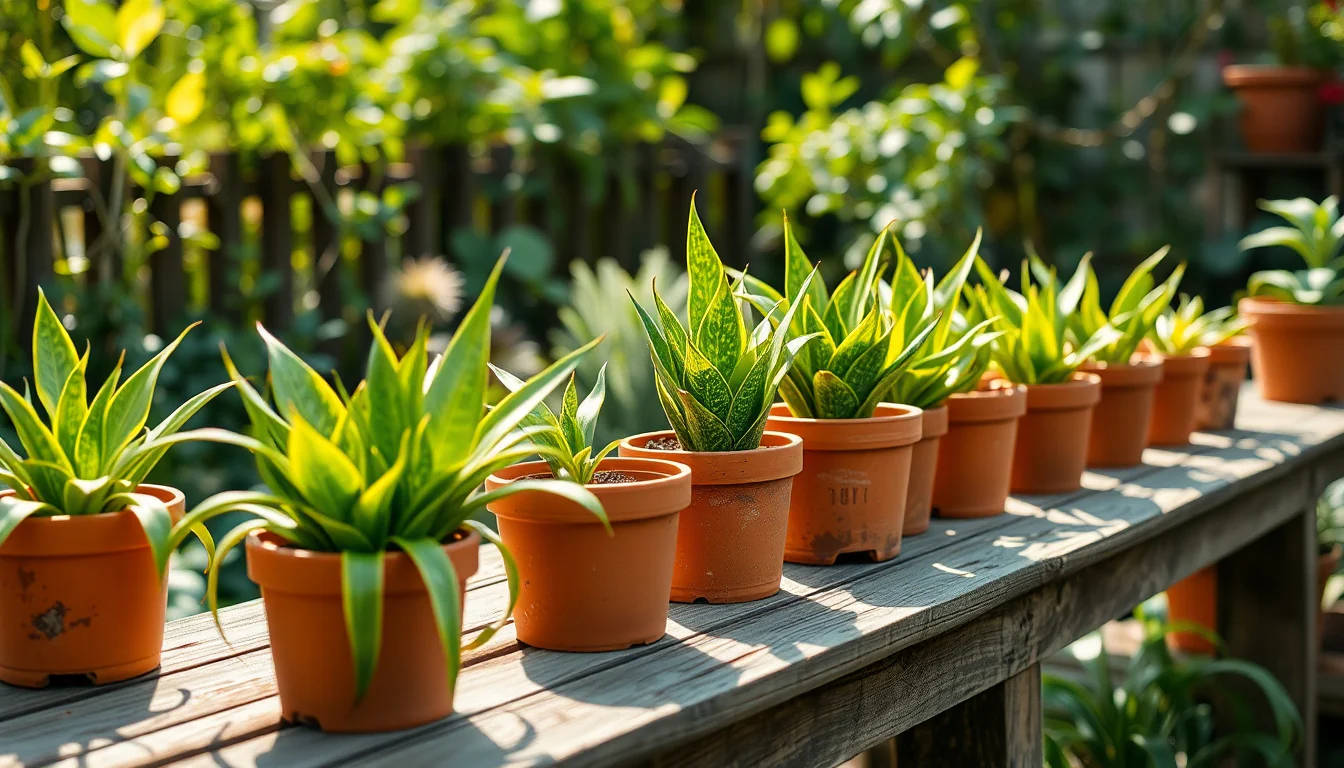
- Pros: Breathable walls help soil dry faster, great for heavy-handed waterers, adds weight for tall plants.
- Cons: Dries out faster in very sunny windows, salts can build on the outside, can crack if a very rootbound plant expands.
Plastic
- Pros: Holds moisture longer (helpful in very dry homes), lightweight, inexpensive, easy to slide into decorative pots.
- Cons: Stays wet longer, easier to overwater, can bulge under pressure from roots.
My simple rule: If you tend to water “just in case,” pick terracotta. If you forget watering for weeks in a dry, bright spot, plastic can be more forgiving.
Best soil mix for snake plants (gritty and fast draining)
Snake plants are drought-tolerant, not swamp-tolerant. They want oxygen around their roots, and that means a mix that drains quickly and does not compact into a soggy brick.
What you are aiming for
- Fast drainage so excess water leaves the pot quickly.
- Air pockets so roots can breathe.
- Just enough organic matter to hold a little moisture and nutrients, without staying wet.
Simple gritty mix ratios (pick one)
Option A (easy, reliable):
- 2 parts cactus and succulent mix
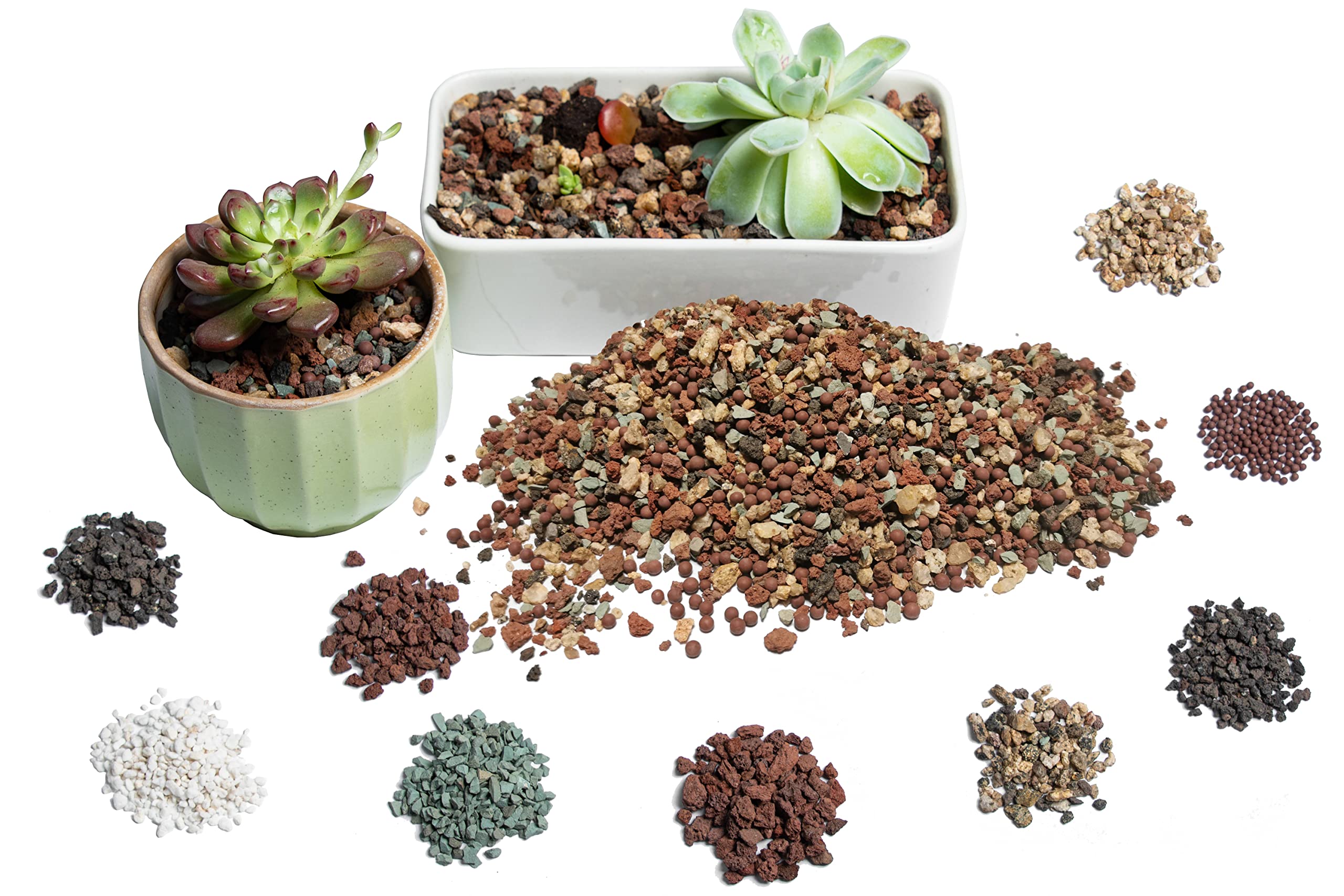
- 1 part perlite or pumice
Option B (my favorite for rot prevention):
- 1 part high-quality potting mix (peat-free if you can find it)
- 1 part cactus mix
- 1 part pumice or perlite
Option C (very gritty for humid homes):
- 1 part potting mix
- 2 parts pumice or perlite
- Optional: a small handful of orchid bark for extra chunk and airflow
A quick note on sand
A little coarse horticultural sand can add grit, but fine sand can actually reduce airflow and create cement-like compaction. If you are not sure, use perlite or pumice instead.
Skip these common mistakes
- No rocks in the bottom of the pot. It does not improve drainage and can keep water sitting higher in the soil.
- No moisture-control potting soil for snake plants. It stays wet too long.
- Go light on compost. It is wonderful in gardens, but in a pot indoors it can keep mixes too moisture-retentive.
Step-by-step: how to repot a snake plant
Set yourself up first. I always repot on a day when I can move slowly, clean up calmly, and not rush the plant.
What you will need
- A pot with drainage (1 to 2 inches wider)
- Fresh gritty soil mix
- Gloves (optional, but useful)
- Clean pruners or scissors
- Rubbing alcohol for tool cleaning
- Newspaper or a tarp for easy cleanup
1) Let the soil dry first
If possible, wait until the plant is on the dry side before repotting. Dry soil falls away more easily and reduces the risk of snapping soggy roots.
2) Remove the plant from its pot
Tip the pot on its side and support the base of the leaves with your hand. Gently wiggle. If it is stuck, squeeze a plastic pot or tap the rim of a terracotta pot. For very stubborn plants, run a butter knife along the inner edge.
3) Inspect the roots and rhizomes
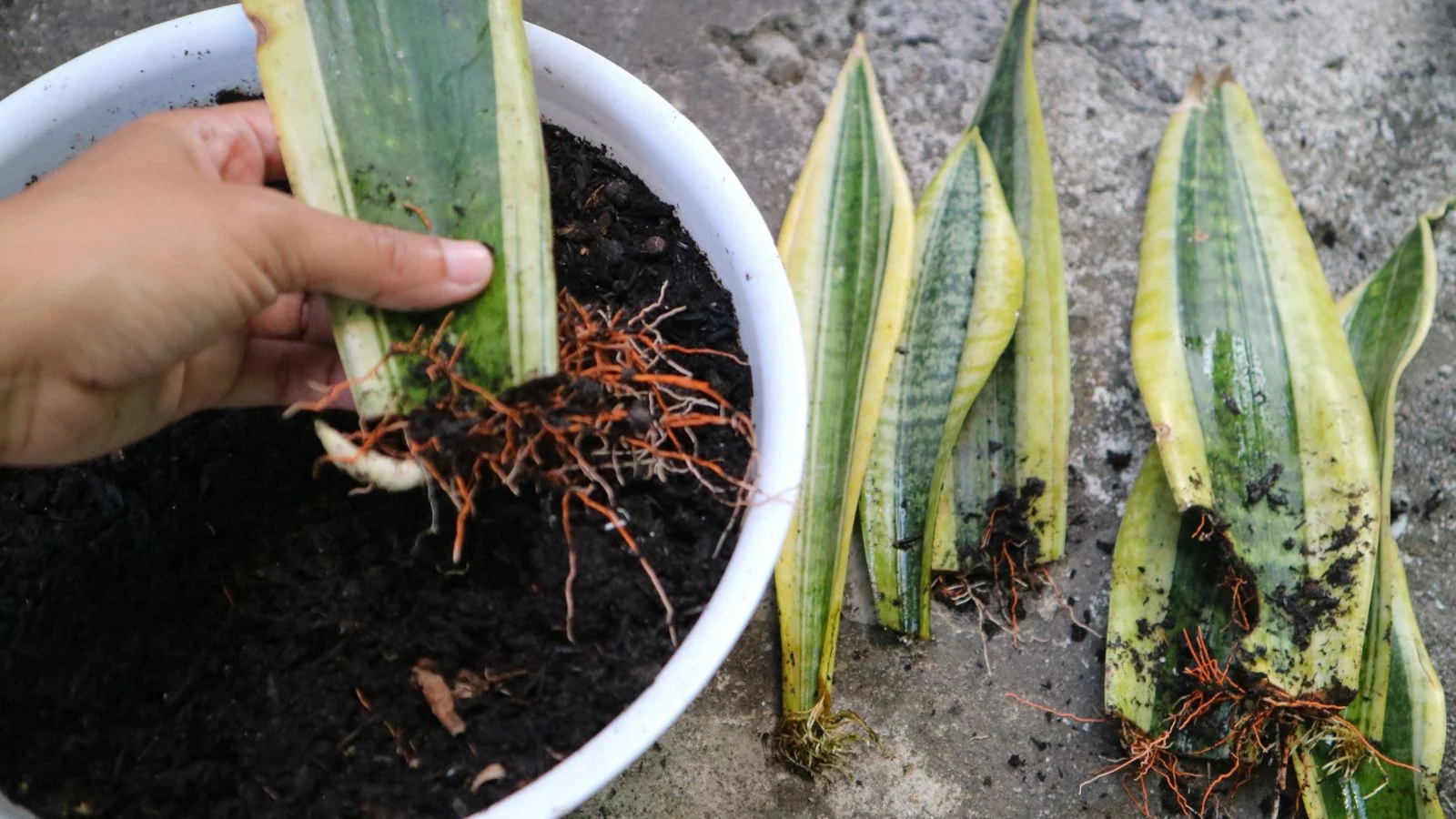
Healthy roots are usually firm and pale to orange-tan. Rhizomes (those thick, horizontal “runners”) should feel solid.
- Trim mushy, black, hollow, or foul-smelling roots.
- Keep firm, plump roots even if they look crowded.
If you cut any rot, let the plant sit out 30 to 60 minutes to allow cuts to dry, or even a few hours if you removed a lot.
4) Add soil and set the plant at the right height
Add a layer of mix to the bottom, then position the plant so the base sits at the same height as before. Burying the crown deeper can invite rot.
5) Fill around the sides and firm lightly
Backfill with your gritty mix, gently tapping the pot to settle it. Firm just enough to anchor the plant, but do not pack it down hard. Roots love air.
6) Do not water right away (usually)
This surprises people, but it is one of the best anti-rot habits. If you disturbed roots or made any cuts, wait 3 to 7 days before watering. This lets tiny breaks callus over.
If you did a very gentle repot with minimal root disturbance and bone-dry soil, you can water lightly after a few days. When in doubt, wait.
Aftercare: how to avoid rot after repotting
Repotting is a little like moving house. Your snake plant can handle it, but it might sulk if you change everything at once.
Light
Put it back in bright indirect light if possible. Avoid sudden intense sun for a week or two, especially if it was living in lower light.
Watering (the big one)
- Wait 3 to 7 days after repotting before the first watering if roots were disturbed.
- Then water deeply until it drains, and let it dry out completely before watering again.
- If your home is cool or low-light, drying can take longer. Trust the soil, not the calendar.
Temperature and airflow
Keep the plant in a stable, warm room away from cold drafts. Good airflow helps the mix dry evenly.
Fertilizer
Hold off for 4 to 6 weeks. Fresh soil and a recovering root system do not need extra salts right away.
Normal “post-repot” behavior
- A little softness in older leaves for a week or two.
- A pause in growth.
- One older leaf yellowing if the plant was very stressed.
What is not normal is a mushy base or a spreading bad smell. That points to rot and needs immediate action.
Pups and division (optional, not required)
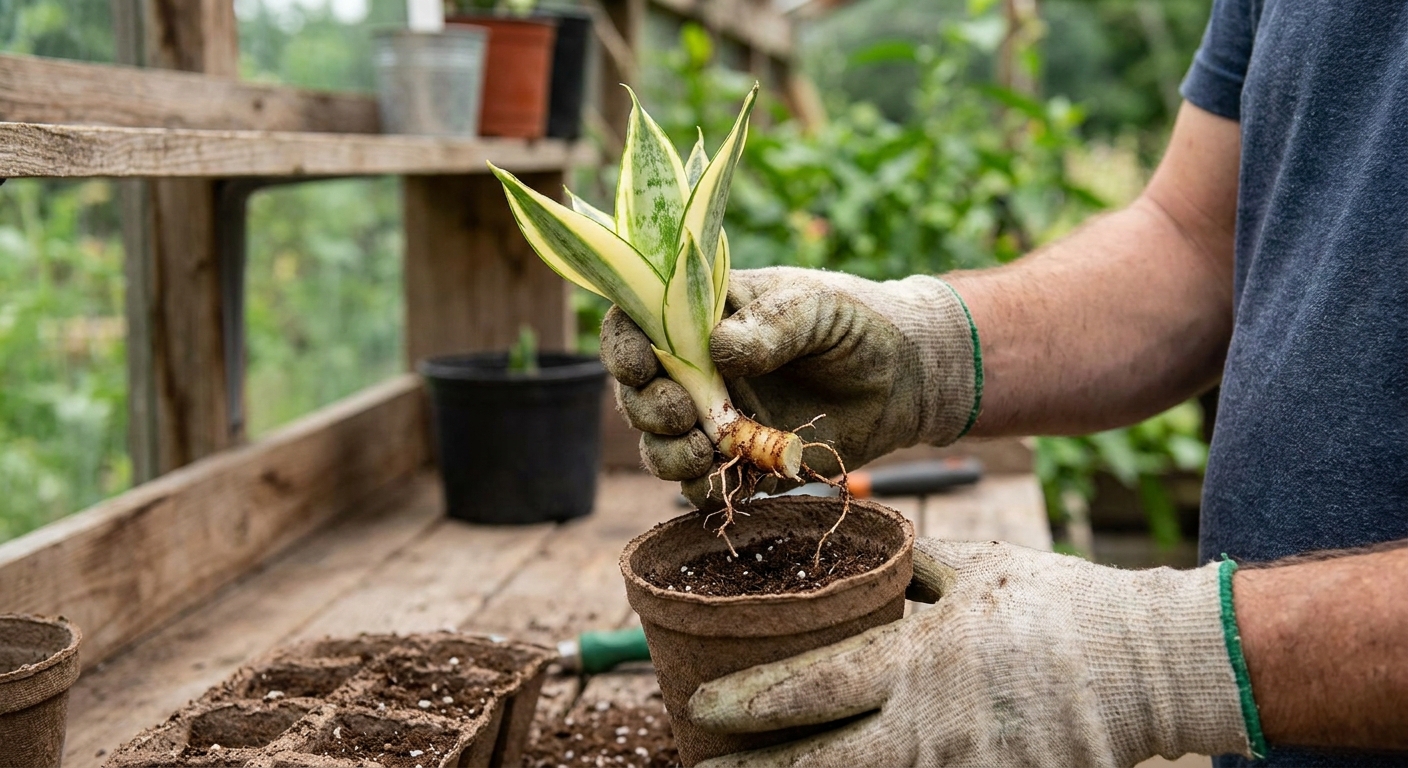
If your snake plant has pups, you do not have to separate them. A clump looks lush and is often perfectly happy staying together. Division is only worth doing if you want more plants, need to reduce crowding, or are dealing with a damaged section.
When to divide
- You want to propagate new plants.
- The pot is packed with rhizomes and you cannot size up further.
- A section is unhealthy and you want to save the healthy pieces.
How to divide safely
- Slide the plant out and brush away enough soil to see where pups connect to the mother plant.
- Use a clean knife or pruners to cut the rhizome, making sure each division has roots attached.
- Let cut surfaces dry for a few hours.
- Pot each division into a small, snug pot with the same gritty mix.
- Wait several days before watering.
Expect divided pups to take their sweet time. Root growth often happens before you see new leaves.
Troubleshooting common repotting problems
Leaves are wrinkly after repotting
Often this is mild root disruption or a long dry period. Give it time, keep light steady, and water only when fully dry.
Leaves are leaning or the plant feels wobbly
The mix may be too loose, or the plant was set too high. Add a little more mix around the root ball and firm gently. For tall varieties, a heavier terracotta pot helps.
Soil stays wet more than 10 to 14 days
This is your red flag. Move to brighter light, increase airflow, and consider repotting again into a grittier mix and a smaller pot if necessary.
White crust on terracotta or soil surface
Usually mineral salts from tap water or fertilizer. Scrape off the top inch of soil and replace with fresh mix, and consider using filtered water occasionally to flush.
Quick checklist
- Repot only when needed, usually every 2 to 5 years.
- Go up just 1 to 2 inches in pot size.
- Use a pot with drainage and a gritty, airy mix.
- Wait 3 to 7 days to water after repotting if roots were disturbed.
- Pups are optional to separate. A happy clump is still a happy plant.
If you are nervous, remember this: snake plants forgive caution. When in doubt, choose the smaller pot, the grittier mix, and the slower watering. Your plant will thank you in quiet, steady growth.