
Remove Skunk Smell from Pets and the Yard

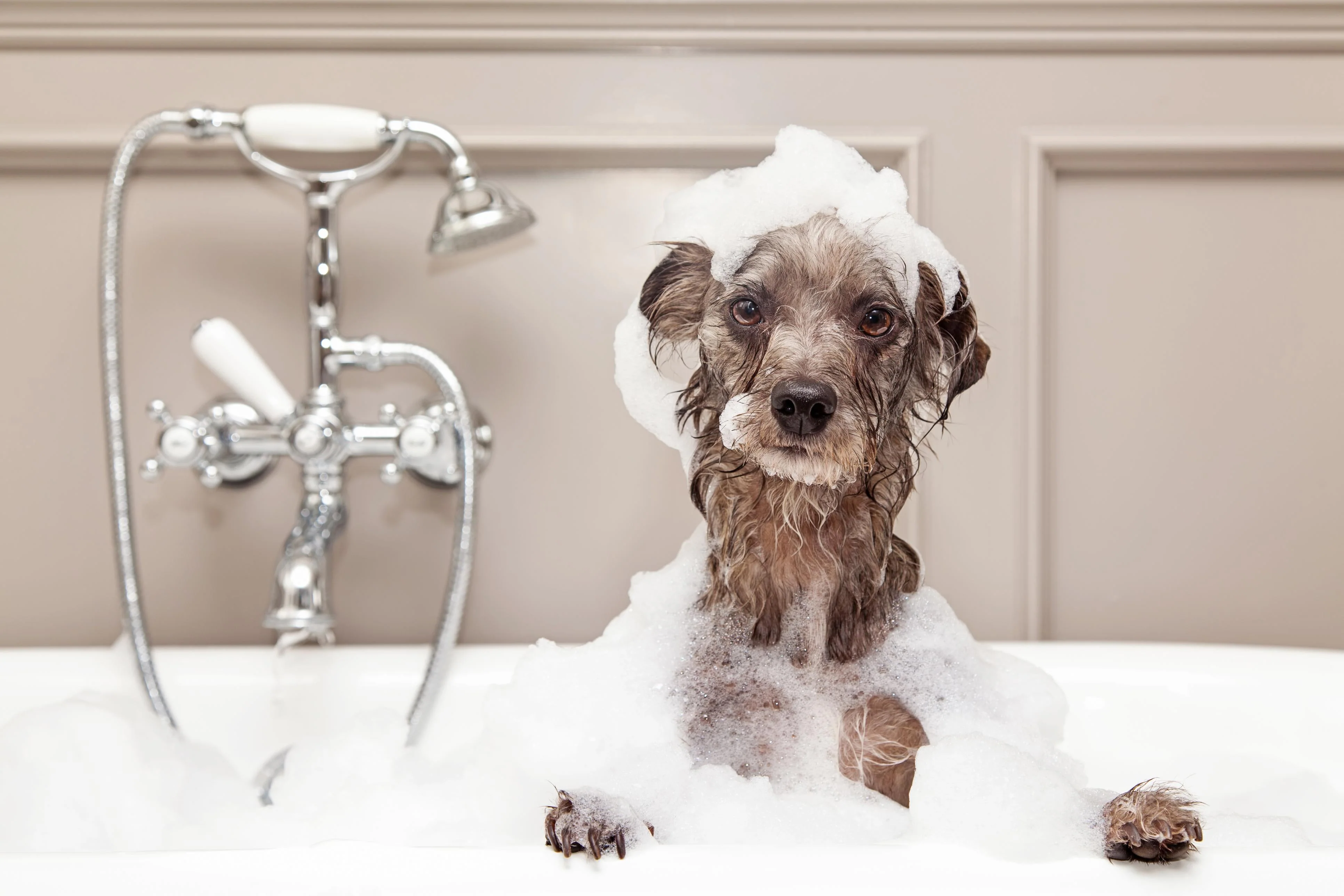
Skunk spray is the kind of smell that makes you question every life choice that led to this moment. I have been there, standing on my back step in gardening clothes that already had a faint compost perfume, now topped with a full-strength skunk bouquet.
The good news is that skunk odor is removable. The tricky part is doing it in the right order, using the right chemistry, and not accidentally locking the smell into fur, fabric, or wood.

First things first
Skunk spray is oily. That means it clings hard, spreads easily, and loves to hide in hair, fabric fibers, and porous surfaces like unfinished wood.
- Keep your pet outside if you can. One joyful shake indoors can turn a skunk problem into a whole-house problem.
- Open airflow right away. If smell has drifted inside, open windows and run fans to push air out. Ventilation helps while you work on the real source.
- Put on gloves and old clothes. The oil transfers to your hands and then to everything you touch, including doorknobs and phone screens.
- Blot wet spray, do not rub. If your pet is visibly oily or damp from spray, blot with paper towels. Rubbing grinds it deeper into fur.
Skunk cleanup safety notes
- Do not cap, bottle, or store the peroxide mix. It can build pressure as it reacts.
- Keep it away from eyes, inside ears, nose, and mouth.
- Hydrogen peroxide can lighten fur and some fabrics. This is more noticeable on dark coats or textiles. When in doubt, do a small test spot and keep contact time short.
- Go gentle on sensitive skin. If skin looks irritated, stop and rinse well. A follow-up wash the next day is often kinder than repeated scrubbing.
- Cats are different. If a cat is sprayed, call your veterinarian before using at-home mixes, especially if the face was hit.
The best pet-safe skunk wash (peroxide mix)
This is the classic skunk-odor neutralizing mix because it changes the smelly sulfur compounds into less stinky ones. It is more effective than tomato juice, and it is usually faster than “skunk shampoo” alone.
Mix it fresh
In an open bucket, combine:
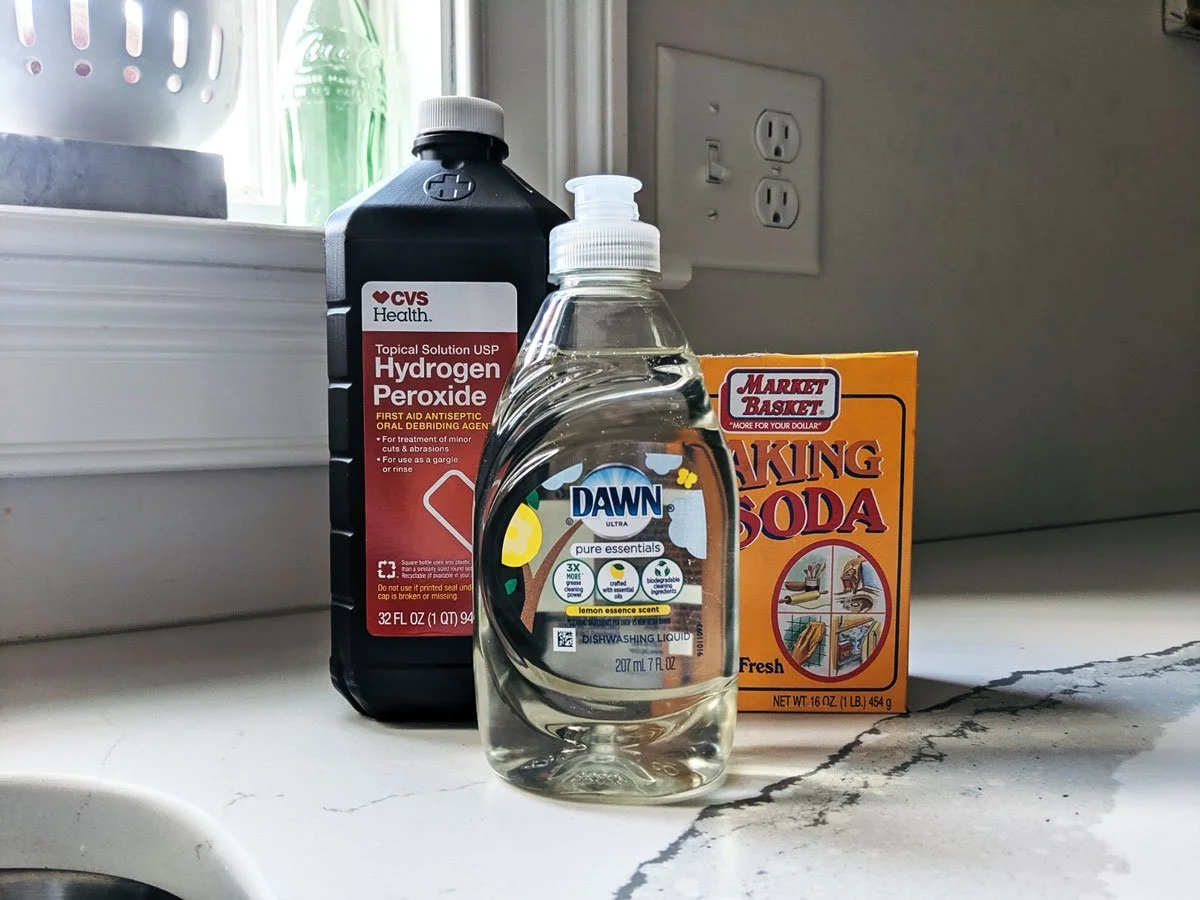
- 1 quart (4 cups) of 3% hydrogen peroxide
- 1/4 cup baking soda
- 1 to 2 teaspoons liquid dish soap (plain grease-cutting soap, not something heavily moisturized)
Important: Do not cap, bottle, or store this mixture. It can build pressure as it reacts.
How to use it on a dog
- If possible, start with a dry coat. Water can help spread oily spray around, so applying to dry fur first is often easiest.
- Apply the mixture to the coat. Work it in gently, like you are hand-washing a sweater.
- Avoid eyes, inside ears, and mouth. Use a damp washcloth for the face, and keep the mixture away from mucous membranes.
- Let it sit 3 to 5 minutes. Do not let it dry on the coat.
- Rinse thoroughly with lukewarm water.
- Wash with a mild pet shampoo afterward if needed, then rinse again.
- Towel dry and keep them warm. Some dogs need a second round, especially around the chest, neck, and shoulder area where they take the brunt of the spray.
If you are dealing with a very small dog, you can scale the recipe down. The ratio matters more than the exact volume.
If your dog has very sensitive skin, or if this is a repeat skunk incident (lucky you), a commercial skunk shampoo or neutralizer can be a good option, especially for frequent bathing. The peroxide method is effective, but it is not the only tool.
What not to use on a dog
When you are panicked, it is tempting to grab the strongest-smelling thing in the house. A few common choices can irritate skin, damage the coat, or make the smell harder to remove.
- Tomato juice: It mostly masks odor and can leave a lingering sour smell. It does not neutralize skunk oils well.
- Vinegar (full-strength): It can sting irritated skin and does not cut oily skunk spray as effectively as the peroxide method.
- Essential oils: Many are unsafe for pets, especially if licked. They can also cause skin reactions.
- Bleach or harsh disinfectants: Too dangerous for skin, eyes, and lungs.
- Human hair products (perfumes, body sprays): They add fragrance on top of sulfur. It becomes a deeply confusing smell, not a better one.
A note on cats
Cats are more sensitive to many products. If a cat is sprayed, call your veterinarian for guidance before using at-home mixes, especially if the spray hit the face or eyes. Eye irritation and respiratory distress are the bigger risks, not just the smell.
If your pet’s eyes were sprayed
Skunk spray in the eyes can be extremely painful.
- Flush with sterile saline if you have it, or use a gentle stream of lukewarm water.
- Do not use the peroxide mix near the eyes.
- Gently clean surrounding fur with plain water. A damp cloth can help remove oily residue around the eye area without pushing product into the eye.
- Call your vet promptly if there is squinting, redness, pawing at the eyes, swelling, or any sign of trouble breathing.
When to call a vet now
Sometimes skunk spray is more than a stink problem. Contact a veterinarian promptly if you notice:
- Eye injury signs (squinting, swelling, redness, discharge)
- Trouble breathing or heavy coughing
- Drooling, vomiting, or lethargy (possible ingestion or stress reaction)
- Persistent skin redness or obvious pain during bathing
How long does skunk smell last?
Left alone, skunk odor can linger for weeks to months, especially in humid weather or after rain. How long it hangs on depends on the amount of spray, ventilation, and whether it soaked into porous materials.
With proper washing and surface cleanup, most households notice a major improvement in 24 to 72 hours, with faint whiffs hanging around longer in porous materials (collars, leashes, upholstery, unfinished wood, mulch, and soil).
Cleaning collars, leashes, and pet gear
These are smell sponges. If you skip them, your freshly cleaned dog will mysteriously reek again after a walk.
- Hard gear (nylon collars, leashes, harnesses): Soak in warm water with dish soap for 30 minutes, then wash again. Air dry outside.
- Leather: Leather holds odor stubbornly. Wipe with a mild soapy cloth, then wipe clean with plain water and let it dry in shade. If it still reeks after a couple of days, replacement is often the kindest option.
- Pet bedding: Machine wash separately if possible. More on laundry below.
Laundry and fabrics
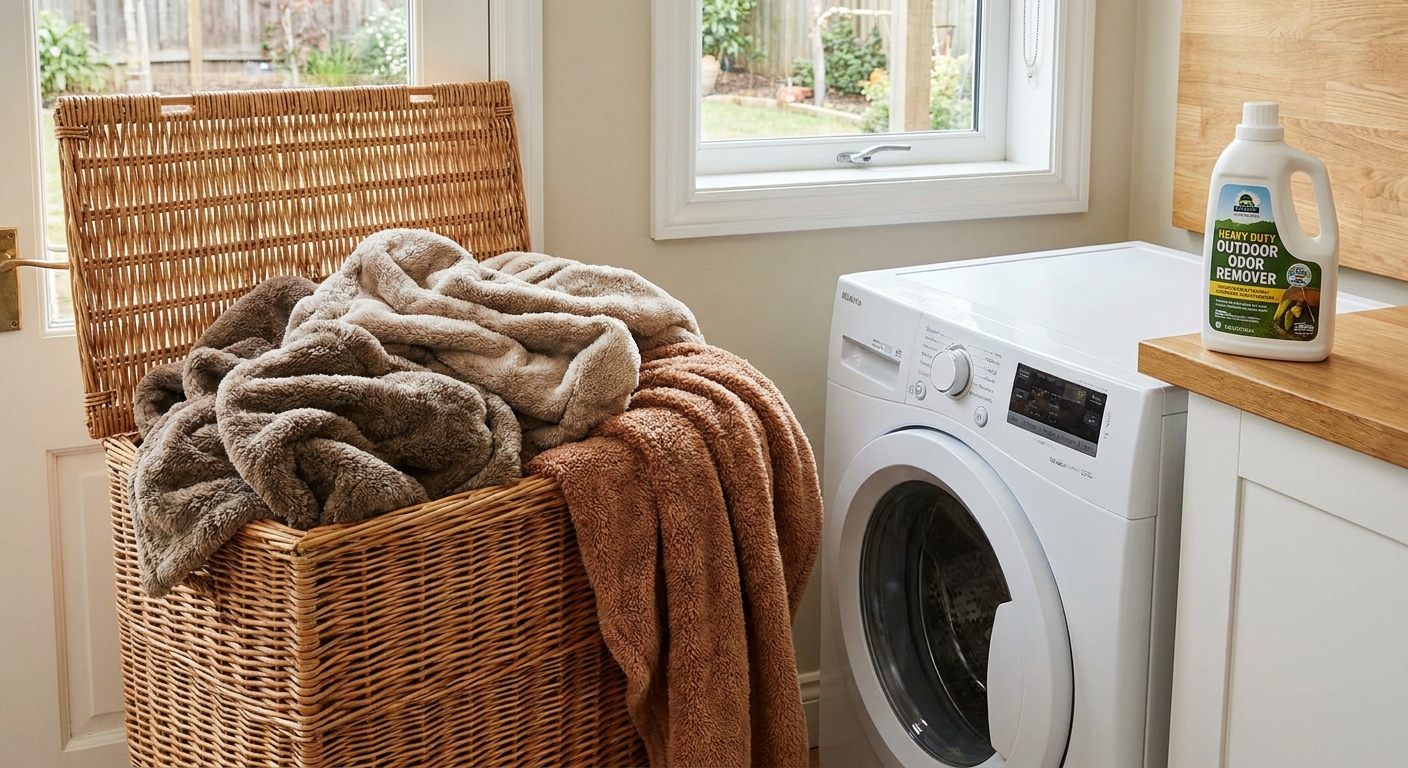
Skunk oils bind to fibers, and heat can set the odor. That means your dryer is not your friend until you are confident the smell is gone.
Washable fabrics
- Pre-rinse or pre-soak in cool water with a small squirt of dish soap.
- Wash in the hottest water safe for the fabric with your normal detergent.
- Add a deodorizing booster if you have it (oxygen bleach works well for many items). Avoid chlorine bleach unless the fabric label allows it.
- Air dry first. Sniff test. Only then use the dryer.
Upholstery and carpets
Blot. Use an enzyme-based cleaner formulated for pet odors, or hire a professional if the spray has soaked deep. If you steam clean too early, you can push oils deeper and amplify odor.
Decks, patios, and outdoor surfaces
As a gardener, I think about surfaces the way I think about soil: some are porous, some are sealed, and what soaks in is what you will smell later. Tailor the cleanup to the material.
Sealed decks, composite decking, concrete, and pavers
- Rinse with a hose first to remove surface residue.
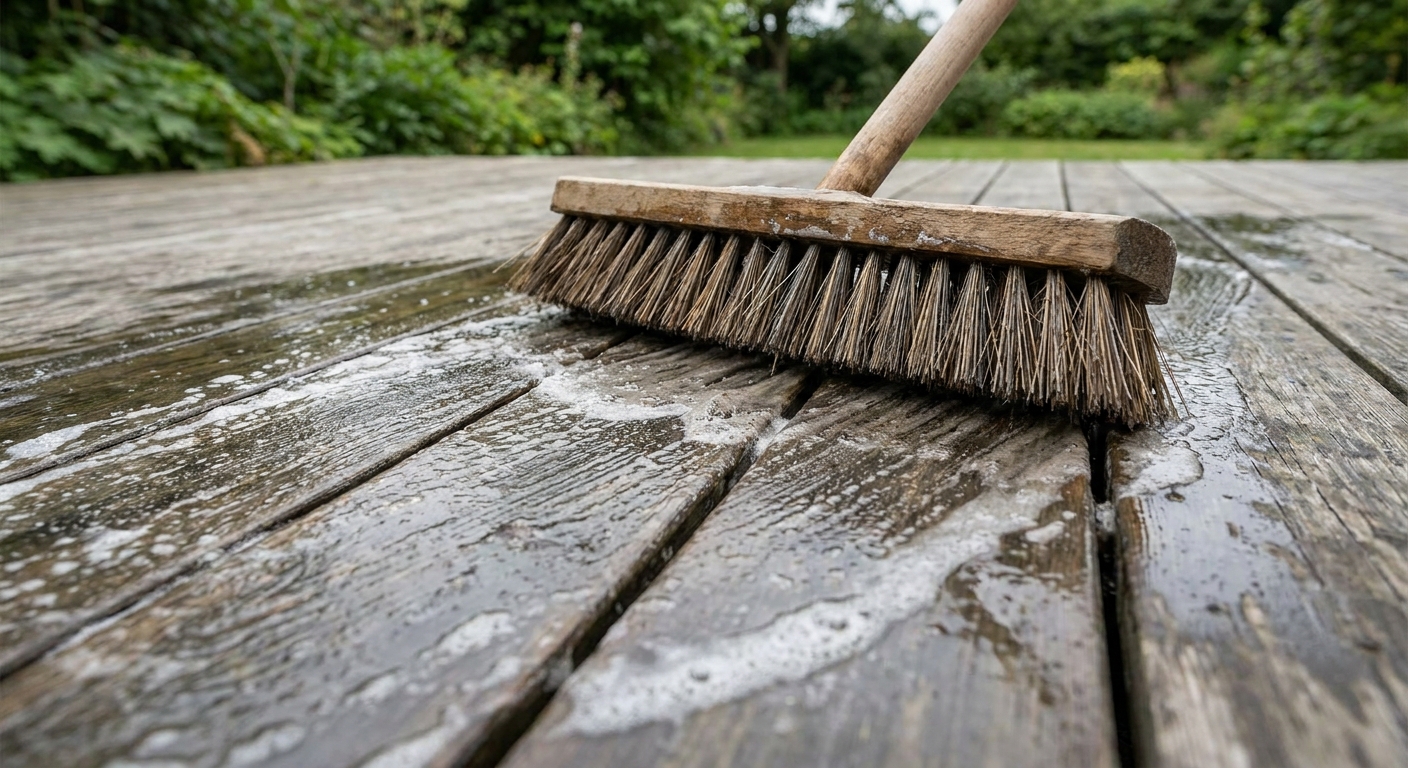
- Scrub with warm water and dish soap using a stiff brush or deck broom.
- Rinse thoroughly.
- Repeat if needed. Skunk smell often needs two rounds.
If odor persists, an enzyme cleaner rated for outdoor use can help on textured concrete and grout lines between pavers.
Unfinished wood and older porous decks
Unsealed wood can hold skunk oils longer. Start gently, because harsh chemicals can discolor wood and harm nearby plants.
- Use dish soap and warm water first, scrub with the grain.
- Rinse and let it dry in sun and airflow. Sunlight helps break down odor over time.
- Avoid pressure washing too aggressively. It can drive oils deeper into wood.
Outdoor cushions and fabrics
Check care labels. If removable covers are washable, treat them like laundry and air dry first. If not removable, blot and use an upholstery-safe enzyme cleaner, then let them dry fully in sun.
Getting skunk smell out of the yard
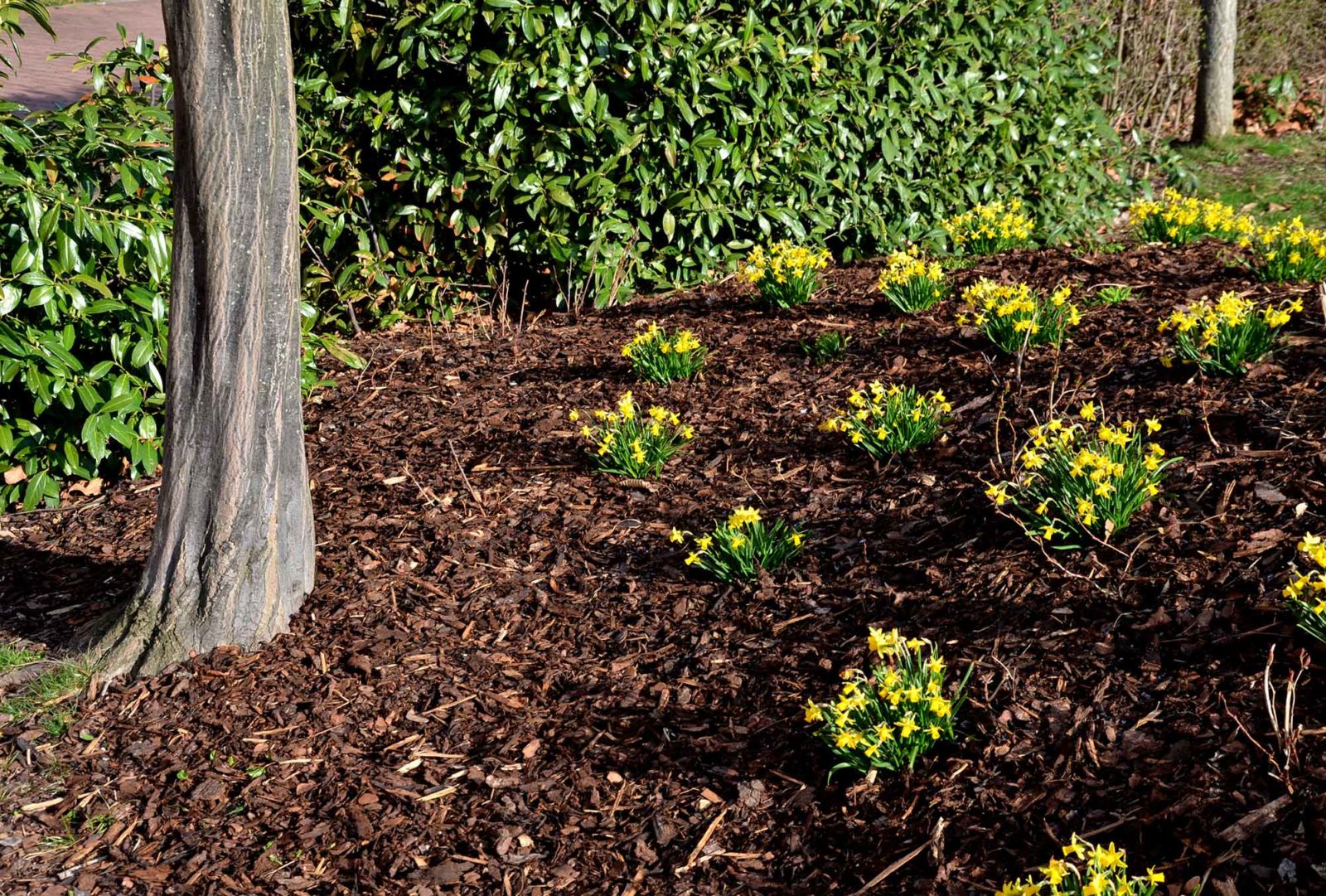
This is the part most people do not expect: skunk spray can land on mulch, low foliage, and the top layer of soil. Because the smell is oil-based, it can hang around, especially in shady damp corners.
Mulch and soil
- Light spray, small area: Rake the area gently to increase airflow. Sometimes that is enough with a few sunny days.
- Heavier spray or a concentrated spot: Start by removing contaminated mulch first, since that is usually where the oil sits. Bag it and dispose of it in a sealed trash bag.
- If the smell is clearly in the soil: For small, obvious hotspots, you can remove a thin layer of the topsoil where the oils landed and replace it. I would not do this across a large area unless you have a very specific, clearly contaminated patch.
- After removal: Replace with fresh mulch or compost. In my experience, this is the fastest way to truly reset the smell outdoors.
Plants and shrubs
Most plants tolerate a simple rinse.
- Rinse foliage with a strong spray of water to dilute and knock off residues.
- For hardy shrubs: You can wipe larger leaves with a damp cloth and a tiny amount of mild soapy water, then rinse. Test a small spot first, especially on tender ornamentals.
- Avoid soaking the root zone with soapy water if you can. Use soap on the leaf surface only, and rinse well.
Indoor air and hard surfaces
If your pet made it indoors before the bath, do not panic. Focus on the places skunk oils like to cling.
- Hard floors and baseboards: Mop with warm water and dish soap. Rinse with clean water afterward.
- Walls and cabinets near the entry: Wipe with a mild soapy solution, then wipe again with plain water.
- Airflow: Fans plus open windows help the whole time you are cleaning.
- Soft surfaces: Wash what you can. For what you cannot, use an enzyme cleaner and allow full dry time.
Why the smell comes back
If you feel like you solved it, then a warm day hits and everything reeks again, you are not imagining it. Skunk oils can reactivate with humidity, heat, and moisture.
- Your pet’s collar or harness still smells. Rewash or replace.
- The coat was soaked early. That can spread oils and reduce the mix’s effectiveness. A second wash, done gently, often helps.
- Porous surfaces are holding the odor. Unfinished wood, mulch, and upholstery are the usual culprits.
- The face and chest were missed. Dogs often get sprayed low and forward. Use a washcloth and careful technique around sensitive areas.
FAQ
Can I use tomato juice for skunk smell?
You can, but it is usually more of a cover-up than a fix. A peroxide, baking soda, and dish soap wash is typically far more effective at neutralizing odor.
Will skunk smell go away on its own?
Eventually, yes, but it can take weeks or longer, and rain can bring it back. Cleaning the source is what shortens the misery.
Is the peroxide mix safe for all dogs?
It is widely used, but use care on sensitive skin, avoid eyes and mucous membranes, and do not let it sit too long. It can also lighten some coats. If your dog has skin conditions, was sprayed in the face, or is showing any distress, call your veterinarian.
Can I bathe my dog multiple times in one day?
Sometimes you need two rounds, especially with thick coats. Keep sessions gentle, rinse thoroughly, and stop if skin looks red or irritated. A follow-up bath the next day can be kinder than repeated scrubbing.
What if the skunk smell is on my deck and it will not budge?
Scrub first with dish soap and water, rinse well, and let it dry in sun. If odor persists, an outdoor-rated enzyme cleaner can help. On very porous, unsealed wood, removing and replacing nearby contaminated mulch can also make a surprising difference.