
Rattlesnake Plant Care (Goeppertia insignis)

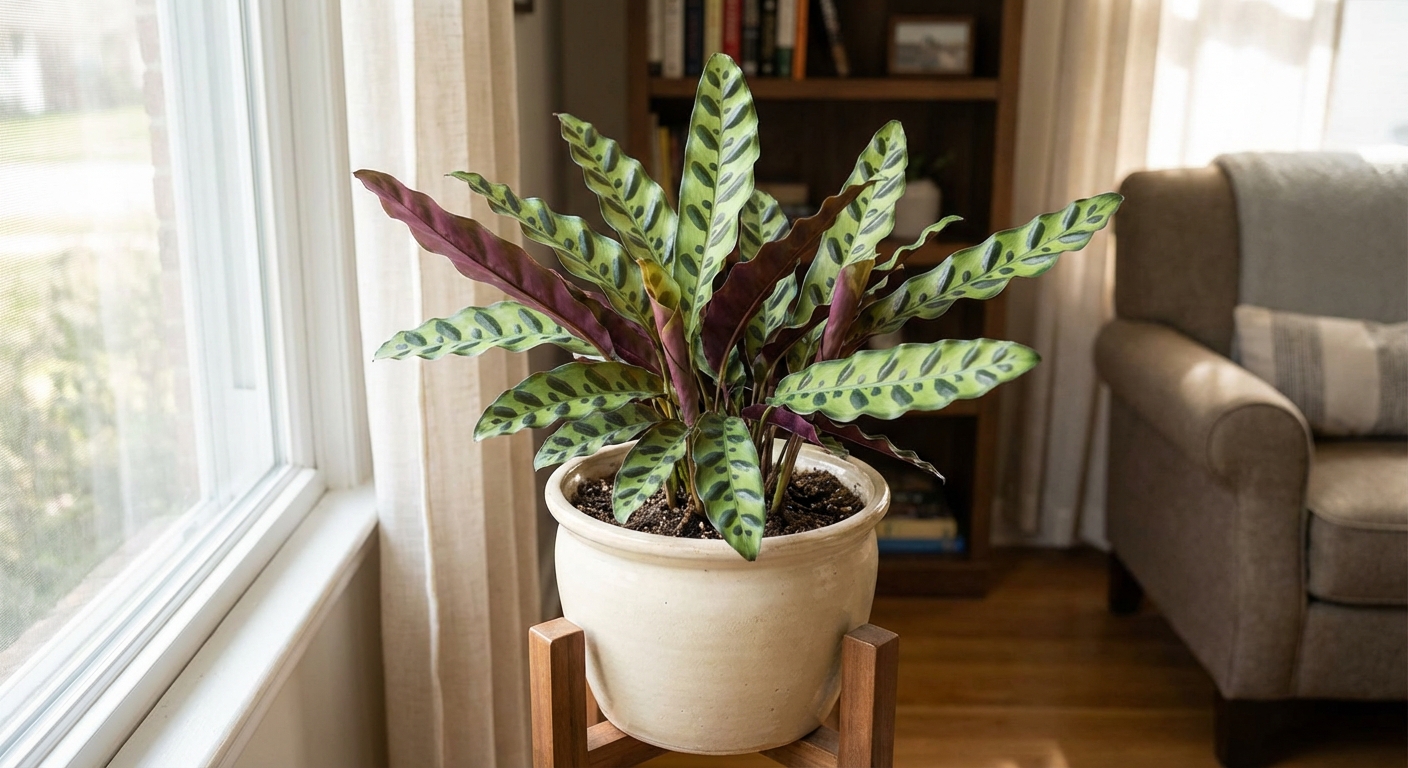
If you have ever wanted a houseplant that looks like it belongs in a rainforest, the rattlesnake plant might be your perfect match. Goeppertia insignis (often sold as Calathea lancifolia) has long, wavy leaves with dark oval spots on top and a rich purple underside that flashes when the plant “prays” at night. It is dramatic, yes, but not impossible. It just wants you to copy nature: soft light, steady moisture, warm air, and humidity that makes your skin feel a little dewy.
Below is my dirt-under-the-fingernails guide to keeping this plant lush, spotty, and blissfully un-crispy.
Quick care snapshot
- Light: Bright indirect light, tolerates medium. Avoid direct sun.
- Water: Keep evenly moist, not soggy. Use filtered, rain, or distilled water if possible.
- Humidity: High, ideally 60% or more.
- Temperature: 65 to 80°F (18 to 27°C), no cold drafts.
- Soil: Airy, moisture-retentive mix with excellent drainage.
- Pot: Drainage hole required. Plastic holds moisture longer; terracotta dries faster.
- Pet safety: Widely listed as non-toxic to cats and dogs (for example, ASPCA). If your pet chews plants or has symptoms, confirm with your vet.
How to ID it
Calatheas and their close relatives are famous for having a lot of “cousins” that look similar on a crowded nursery shelf. Here is what makes Goeppertia insignis (syn. Calathea lancifolia) distinctive:
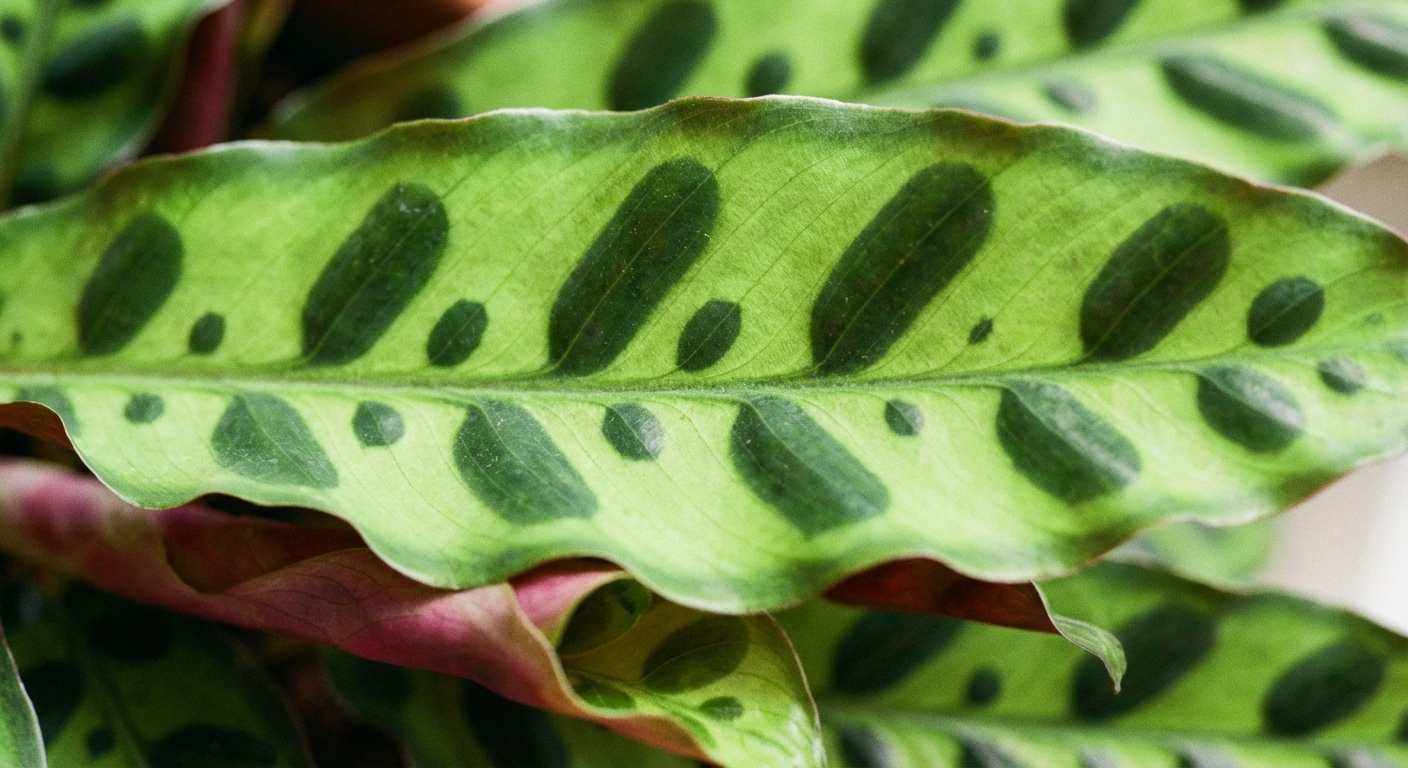
- Leaf shape: Long and narrow, like little green fish, with strongly wavy edges.
- Top pattern: A light to medium green background with dark, oval spots arranged in rows.
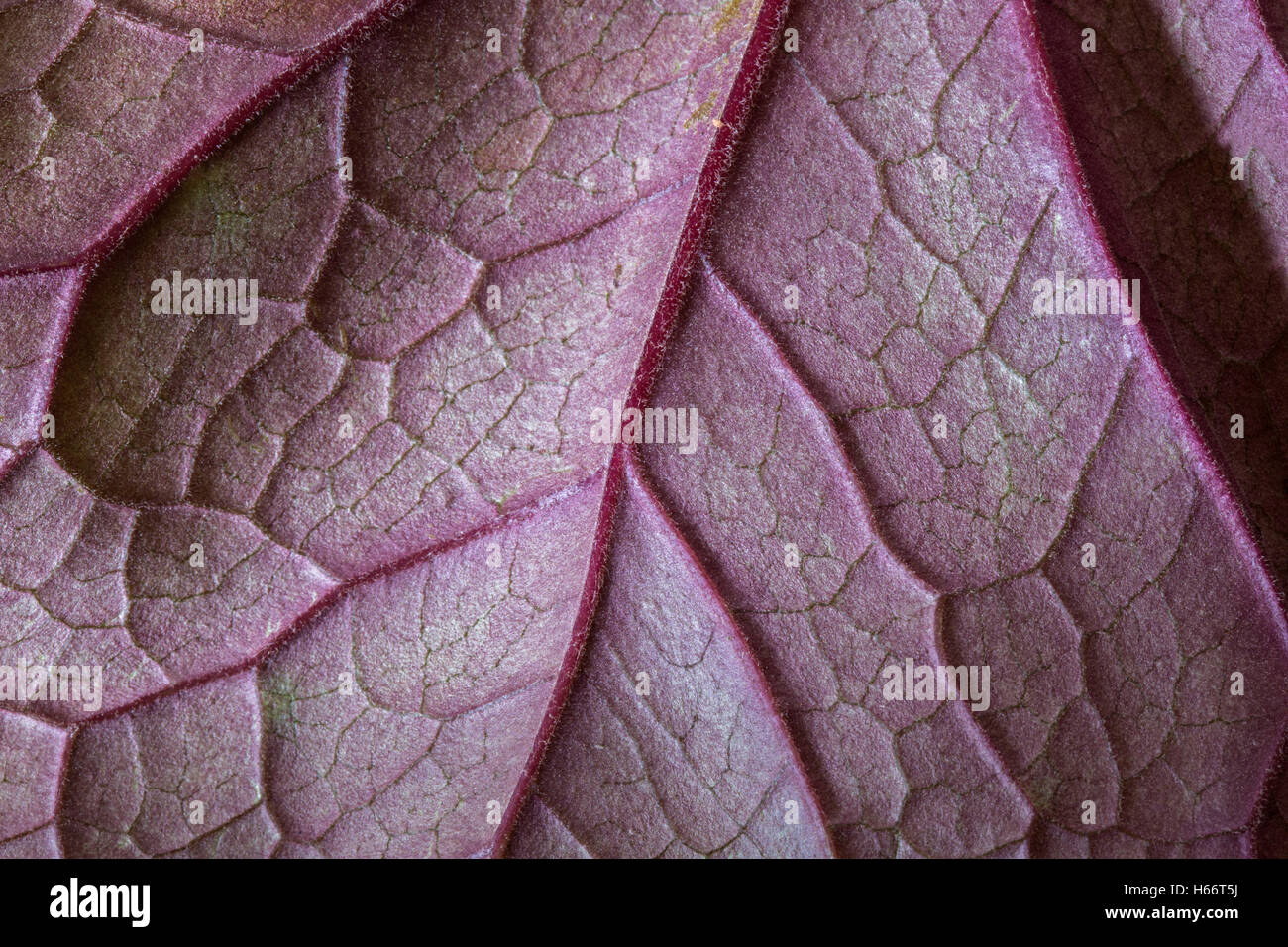
- Underside: Often burgundy to purple, especially on mature leaves.
- Growth habit: Clumping plant with upright, arching leaves on long petioles.
Common lookalikes:
- Calathea makoyana (peacock plant): broader leaves with a “feathered” pattern, not long and straplike.
- Calathea orbifolia: very wide round leaves with silver striping, totally different silhouette.
- Ctenanthe setosa (often mislabeled as calathea): can have striping, but usually lacks the classic dark oval spotting of insignis.
Light
The rattlesnake plant wants bright indirect light. In the wild, it grows under a canopy, catching filtered sun and lots of ambient brightness.
Best placements
- Near an east-facing window is often perfect.
- South or west-facing windows can work if the plant is pulled back a few feet or the light is softened with a sheer curtain.
- North-facing windows may be okay in bright rooms, but growth can slow.
Signs your light is off
- Too much sun: faded color, scorched patches, crunchy edges that appear suddenly after a bright day.
- Too little light: smaller new leaves, slower growth, petioles stretching toward the window.
My favorite trick: stand where the plant will live at midday and look at the shadow your hand casts on the wall. If it is a soft, blurry shadow, that is rattlesnake plant territory.
Watering
If calatheas had a love language, it would be consistency. Rattlesnake plants dislike bone-dry cycles and they dislike soggy roots even more.
When to water
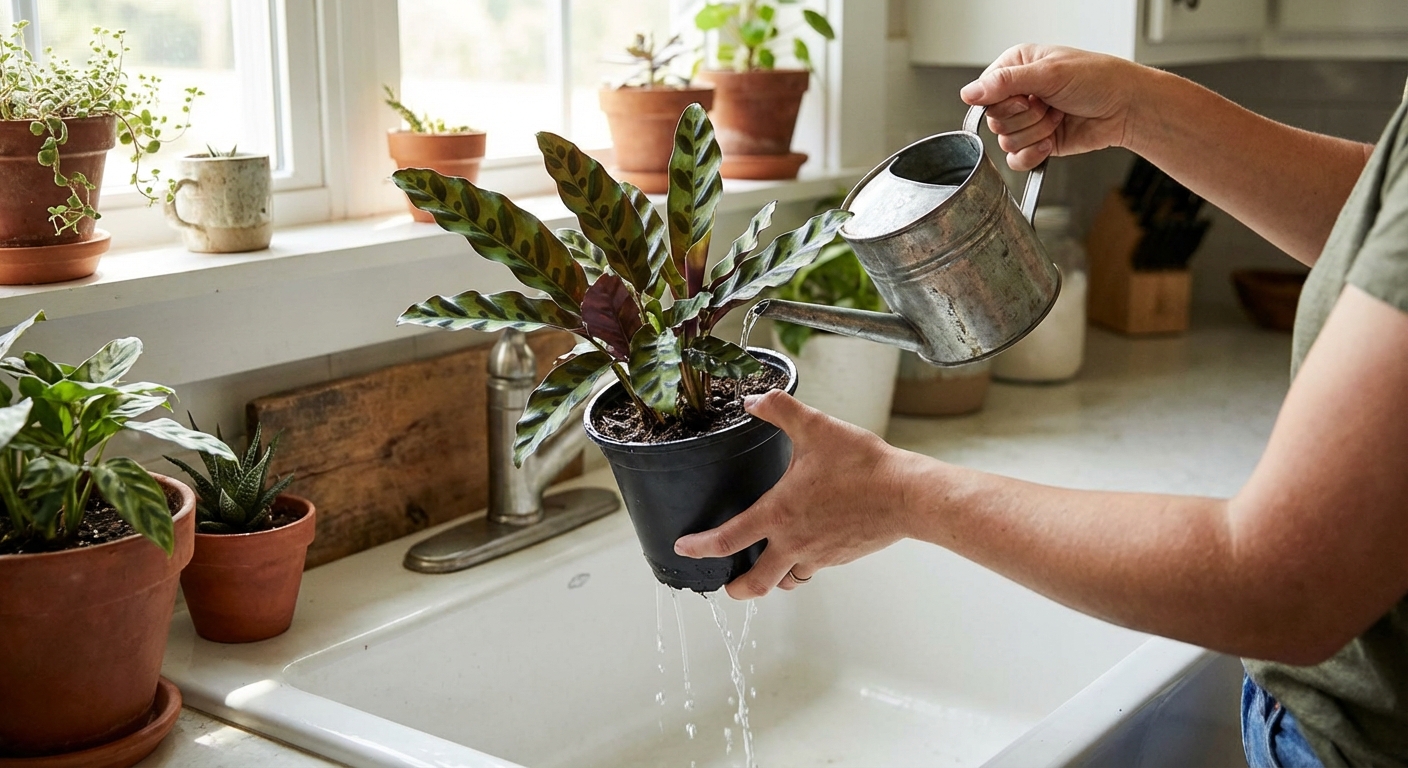
Water when the top 1 to 2 inches of soil feels dry, then water thoroughly until it drains from the bottom. Do not let the pot sit in a saucer of water.
Water quality
That classic calathea complaint, crispy brown edges, is often linked to low humidity and inconsistent watering. It can also be linked to minerals and salts in tap water (and sometimes fluoride), especially in hard-water areas. Using filtered, rain, or distilled water can make a noticeable difference over a few weeks.
If filtered is not realistic, you can also:
- Let tap water sit out for about 24 hours to help dissipate chlorine (this does not remove minerals or fluoride).
- Use a dechlorinator made for aquariums if your water is heavily treated.
Seasonal rhythm
- Spring and summer: usually more frequent watering as the plant grows and the room is brighter.
- Fall and winter: let the top layer dry a bit more between waterings, but do not let the pot go completely dry.
Humidity
Rattlesnake plants can survive average household humidity, but they rarely look their best there. For full, silky leaves, aim for 60% humidity or higher.
Easy ways to raise humidity
- Humidifier: The most reliable option, especially in winter.
- Plant grouping: A little plant “neighborhood” creates a gentler microclimate.
- Bathroom placement: If you have bright light in a bathroom, calatheas often thrive there.
About misting: it can temporarily boost moisture on the surface, but it is not a long-term humidity solution. If you love the ritual, do it for fun, but let a humidifier do the real work.
Temperature and airflow
Think warm, steady, and draft-free.
- Ideal range: 65 to 80°F (18 to 27°C)
- Avoid: cold windows in winter, AC vents, space heaters, and gusty doorways
If your rattlesnake plant starts curling its leaves, check the basics first: soil moisture and humidity. If those look good, then look for temperature stress like a cold draft or a blast of AC. They notice everything.
Soil and pot
This plant wants soil that holds some moisture while still letting roots breathe. A dense, peat-heavy mix can stay too wet, while a cactus mix can dry too fast.
A simple, reliable mix
- 2 parts high-quality indoor potting mix or coco coir based mix
- 1 part perlite or pumice
- 1 part fine orchid bark
Use a pot with a drainage hole. Always. The only time I break that rule is never.
Pot material matters
- Plastic or glazed ceramic: holds moisture longer, helpful if your home runs dry or you forget a watering now and then.
- Terracotta: breathes and dries faster, helpful if you tend to overwater, but you will water more often.
Fertilizing
Rattlesnake plants are not heavy feeders, and too much fertilizer can contribute to leaf edge burn.
- When: Every 4 to 6 weeks in spring and summer
- What: A balanced houseplant fertilizer at half strength
- Pause: Fall and winter, or whenever growth slows
Extra helpful if you use tap water: once every month or two, flush the pot with plenty of water to help rinse out built-up salts. Let it drain completely.
Repotting
Repot every 1 to 2 years, usually in spring, and only when it actually needs it. These plants do not love frequent disruption.
Signs it is time:
- Roots circling the pot or poking out the drainage holes
- Soil drying much faster than usual
- The plant feels top-heavy and unstable
Size up gently, usually just 1 to 2 inches wider. A huge pot holds excess moisture and can invite root rot.
Propagation
Rattlesnake plants are typically propagated by division, best done during repotting.
Step by step
- Water the plant the day before so the rootball is less stressed.
- Slide the plant out and gently loosen soil from the outer roots.
- Find natural clumps with their own roots and a few leaves.
- Separate with your hands first. Use a clean knife only if you must.
- Pot each division into fresh mix, water in, and keep warm and humid while it re-establishes.
Expect a short sulky period. Calatheas rarely say “thank you” immediately after being moved, but they recover.
Common problems
Crispy brown edges
Most common causes: low humidity, inconsistent watering, mineral-heavy tap water, fertilizer salt buildup, or too much direct sun.
- Increase humidity with a humidifier.
- Switch to filtered, distilled, or rainwater if you can.
- Flush the soil occasionally to reduce salts.
- Move out of direct sun.
You can trim brown edges with clean scissors, following the leaf shape. It is cosmetic, but it helps the plant look refreshed.
Leaves curling
Most common causes: underwatering, low humidity, or temperature stress (including drafts).
- Check soil moisture and water deeply if dry.
- Boost humidity.
- Keep away from vents and chilly windows.
Yellow leaves
Most common causes: overwatering or soil staying wet too long.
- Let the top layer dry before watering again.
- Confirm drainage holes are open.
- Consider a chunkier, airier soil mix.
Root rot
Clues: a sour smell, constantly wet soil, mushy stems at the base, or dark, soft roots when you unpot.
- Trim rotten roots, repot into fresh airy mix, and use a pot with reliable drainage.
- After repotting, water lightly and let the top layer dry a bit between waterings while it rebounds.
Brown spots or blotches
Possible causes: sun scorch, inconsistent watering, or leaves staying wet in cool conditions.
- Protect from direct sun.
- Avoid splashing leaves late in the day.
- Keep airflow gentle, not drafty.
Pests (spider mites, thrips, mealybugs)
Plants in the Marantaceae family can attract pests, especially in dry air. Check the undersides of leaves and along stems.
- Rinse the plant in the shower or sink.
- Wipe leaves with a soft cloth.
- Treat with insecticidal soap or neem, repeating weekly for a few rounds.
Leaf movement
Rattlesnake plants are part of the Marantaceae (prayer plant) family, and they move their leaves in response to light. You may notice leaves lifting in the evening and settling during the day. That gentle daily motion is a good sign that your plant is responding to its environment.
Leaf cleaning
Dust dulls those beautiful markings and slows photosynthesis. Every couple of weeks, gently wipe leaves with a slightly damp microfiber cloth. Skip leaf shine products. They can clog leaf pores and turn “rainforest glow” into “sticky disappointment.”
My calm routine
If you want the simplest approach, here is the routine that keeps mine looking like it belongs in a boutique greenhouse:
- Keep it in bright indirect light.
- Water when the top inch or two is dry using filtered water.
- Run a humidifier nearby in winter and anytime the air feels crisp.
- Feed lightly in spring and summer.
- Rotate the pot every couple of weeks for even growth.
And if you do get a few crispy edges along the way, you did not fail. You just learned what your little rainforest friend prefers. That is gardening, even indoors.