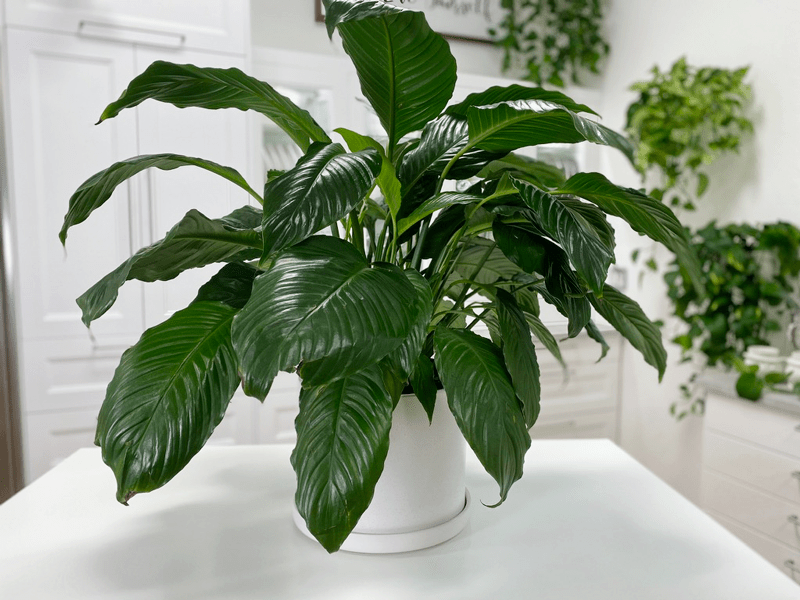
Propagate Peace Lilies by Division

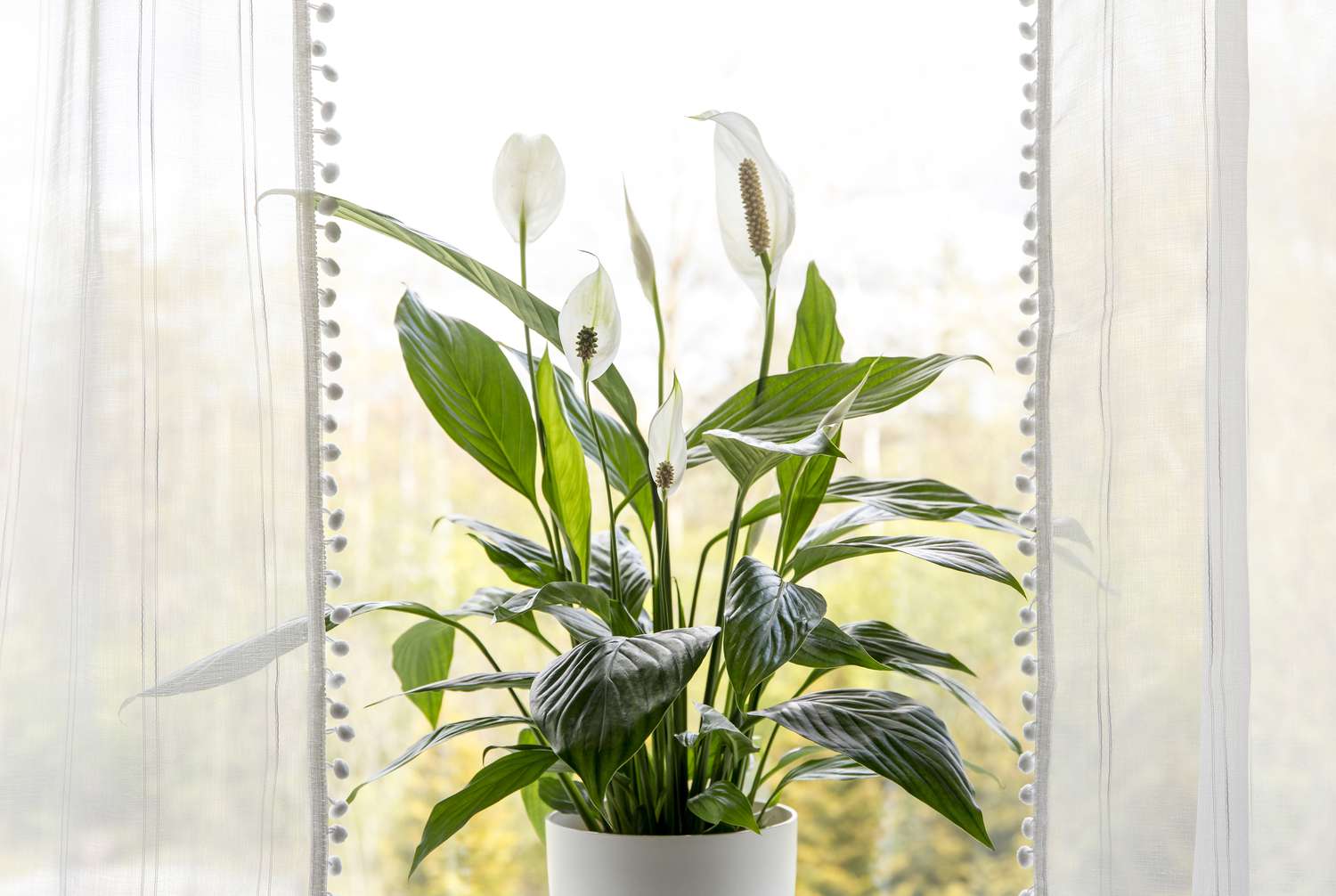
Peace lilies (Spathiphyllum) are generous plants. When they get comfortable, they do what happy plants do. They multiply. The easiest way to turn one full, bushy peace lily into two or three healthy plants is division, which simply means separating a clump into smaller clumps with roots attached.
If you have been side-eyeing your peace lily because it looks crowded, roots are sneaking out of the pot, or watering feels like a daily chore, this is your sign. I will walk you through when to divide, how to do it without panic, and how to help your divisions bounce back if they get a little dramatic afterward.
Quick safety note: Peace lilies are irritating/toxic if chewed. If you have pets or small kids, keep divisions out of reach while you work, and wash your hands after handling.
Why division works
Peace lilies grow as clumps, sending up new crowns (growth points) from the base. Many crowns have their own roots, but some are still connected through a shared rhizome or root mass. Division works because you are separating the plant into sections that already have (or are attached to) a working root system, instead of trying to coax a leaf to root in water.
- Fast results: Divided plants look like real plants immediately.
- Healthier growth: Less crowding means better airflow and more consistent moisture.
- Free plants: More peace lilies for your home, or thoughtful gifts that actually live.
When to divide
The best time to divide is when the plant is entering active growth, usually spring through early summer. The plant recovers faster because it is naturally gearing up to produce new roots and leaves.
Good times
- Spring: Ideal, especially if you were planning to repot anyway.
- Early summer: Still great if indoor temperatures are steady.
Times to avoid (if you can)
- Midwinter: Low light and cooler temps slow recovery.
- During a bloom push: You can still divide, but expect flowers to pause while roots reestablish.
If your peace lily is severely rootbound or the pot dries out in a day, you can divide outside the ideal window. Just be extra gentle and keep aftercare tight.
Is it ready to split?
Not every peace lily needs division. Some like being a little snug. The goal is to split when the clump is big enough that each division can stand alone with roots of its own (or a good chunk of the shared root mass).
Signs it is ready
- It dries out very fast (watering every few days, and it still droops).
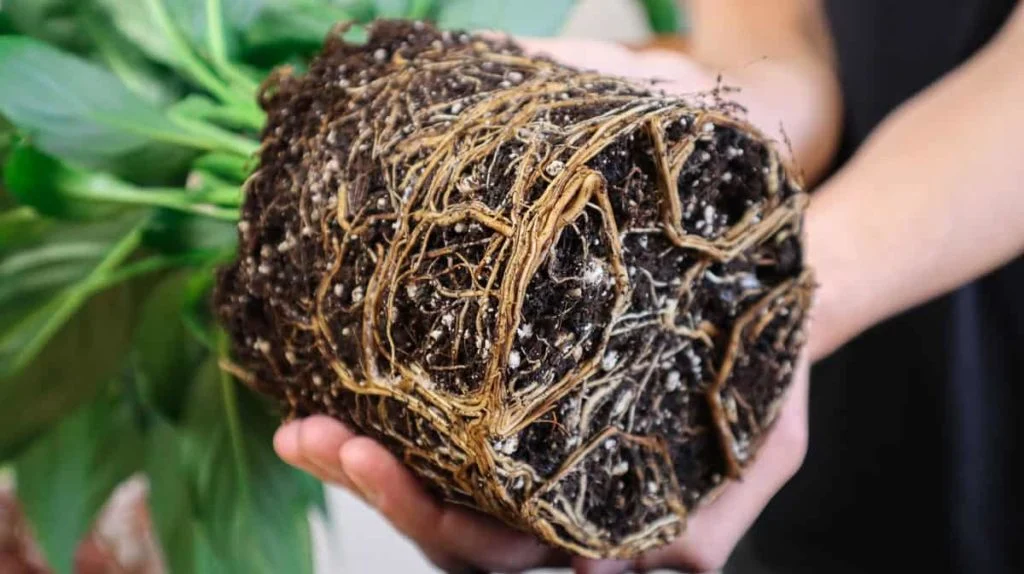
- Roots circling the pot or poking out drainage holes.
- Lots of separate crowns (multiple clusters of leaves emerging from different points).
- The plant is lifting itself up and out of the pot as roots fill the space.
- Slower growth even though light, watering, and feeding are reasonable.
How big is “big enough”?
A good rule: if you can divide it so that each new plant has at least 2 to 3 crowns (or one large crown) and a healthy handful of roots, you are in business. Tiny single-crown divisions can survive, but they sulk longer.
What you need
- Clean potting area and a towel or tray
- Fresh potting mix (see soil notes below)
- One pot per division, each with drainage holes
- Clean scissors or pruners
- A butter knife, chopstick, or your fingers for teasing roots
- Optional: gloves and a small hand trowel
Soil mix tip: Peace lilies like airy, moisture-retentive soil. A reliable blend is 2 parts indoor potting mix + 1 part perlite. If you have orchid bark, swap a handful in for extra airflow.
Pot material tip: Terracotta dries faster and can help if you tend to overwater. Plastic holds moisture longer and can be easier if your home is dry or you forget a watering.
Step-by-step division
1) Water the day before
Watering 12 to 24 hours ahead makes roots more flexible and less prone to snapping. Aim for evenly moist, not soggy.
2) Slide it out of the pot
Tip the pot on its side, support the base of the plant, and wiggle the pot off. If it is stuck, squeeze the pot or run a butter knife around the inside edge.
3) Find the natural sections
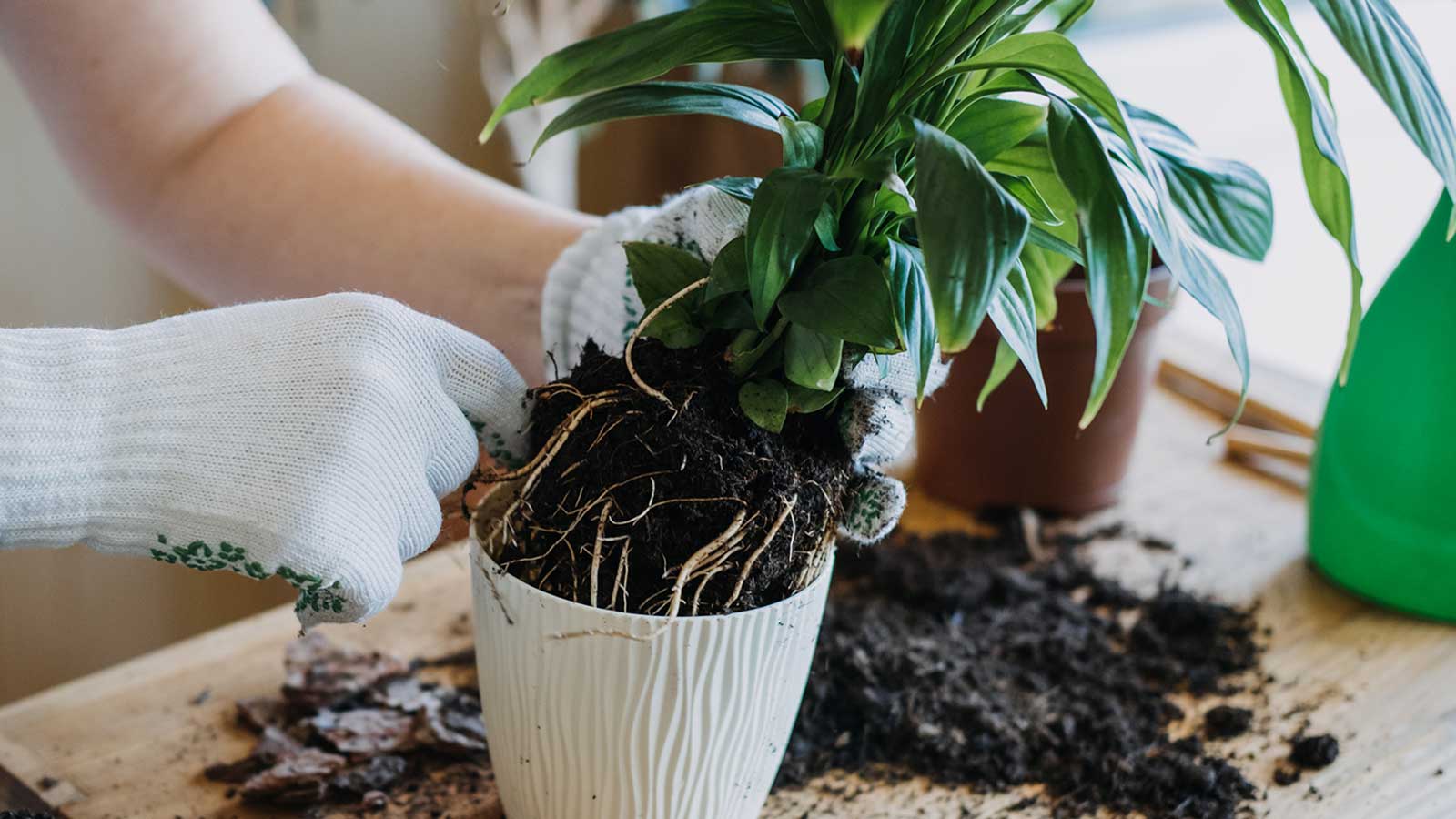
Look at the base and you will usually see obvious “families” of crowns. Those are your division lines. I like to start by gently pulling the clump apart with my hands, teasing roots loose where they are already willing to separate.
4) Separate the clump
Use your fingers first. If roots are tightly matted, use clean scissors to cut through the root mass where needed. Do not feel guilty about a few broken roots. Peace lilies are tougher than they look.
- Best-case: Divisions pull apart with minimal tearing.
- Normal-case: You do a mix of teasing and a few careful cuts.
5) Trim damage and old bits
Snip off any black, mushy, or hollow roots. If a few outer leaves are yellow or battered, remove those too. This helps the plant spend energy on new growth instead of struggling to support tired parts.
6) Pot each division at the right depth
Choose a pot that is 1 to 2 inches wider than the root clump of that division. Peace lilies do not love swimming in extra soil.
- Add a little mix to the bottom.
- Set the division so the crown sits at the same height it was before.
- Do not bury the crown. Planting too deep can invite rot.
- Backfill and lightly firm the soil so the plant stands up.
7) Water once, then let it drain
Water until it runs out the bottom. This settles soil around roots. Empty the saucer so the roots are not sitting in water.
8) What about the “mother” plant?
If you are dividing a big clump, you can either pot up each section as its own plant, or keep one larger section as the “main” plant and split off 1 to 3 smaller ones. Fewer, stronger divisions usually recover faster than a dozen tiny pieces.
Aftercare
The first two weeks after division are all about reducing stress. Your peace lily may droop a bit. That is normal. Think of it like moving day. Even if everything goes well, it is still a lot.
Light
Give bright, indirect light. Avoid direct sun, which can scorch leaves when roots are still settling. If your light is lower, recovery will be slower, but it can still work.
Water
Aim for slightly moist, airy soil, not soggy. For most homes, that means watering thoroughly, then waiting until the top 1 inch of soil feels dry before watering again. The goal is steady moisture without constantly wet soil.
Humidity
Extra humidity helps reduce leaf droop. Cluster plants together, run a humidifier, or place the pot on a pebble tray. (Do not let the pot sit in water.)
Fertilizer
Skip fertilizer for 4 to 6 weeks. Fresh potting mix often has nutrients, and tender roots can burn easily right after being disturbed.
Temperature and drafts
Aim for 65 to 80°F (18 to 27°C). Keep divisions away from heater blasts, cold windows, and strong AC vents.
Recovery time
Many divisions perk up within 3 to 10 days, but recovery is variable. Smaller divisions, low light, or cooler rooms can mean 2 to 4+ weeks of on-and-off droop before they settle in. Steadier new growth often shows up in 3 to 6 weeks under good conditions.
Do not judge success by flowers right away. Division often pauses blooming while the plant rebuilds roots. Leaves and firmness are your best signals.
Troubleshooting shock
Peace lilies are famous for collapsing theatrically when they are unhappy. After division, a little flop is common. The key is diagnosing whether it is normal shock or a care issue that needs fixing.
Problem: Leaves drooping hard right after potting
Most likely: Normal shock, or the roots are not making good contact with the new soil yet.
- Do: Water thoroughly once, let it drain, then place in bright indirect light.
- Do: Gently firm the soil around the base so the plant is stable.
- Do not: Keep flooding it daily. Constantly soggy soil slows root recovery.
Problem: Leaves yellowing over the next week
Most likely: Overwatering, low light, or the plant sacrificed older leaves to rebalance after root loss.
- Let the top inch of soil dry before watering again.
- Move to slightly brighter indirect light.
- Remove fully yellow leaves, but keep any that are still partly green.
Problem: Brown tips after dividing
Most likely: Dry air, inconsistent watering, or mineral-heavy tap water.
- Boost humidity for a couple of weeks.
- Water consistently, not on a strict calendar.
- If your water is hard, filtered, distilled, or RO water helps most. Letting tap water sit out overnight may help if your water is chlorinated, but it will not remove hardness and it will not fix chloramine.
Problem: Mushy stems or sour-smelling soil
Most likely: Rot from staying too wet.
- Unpot and inspect roots. Trim black, mushy roots.
- Repot into fresh, airy mix with added perlite.
- Make sure the pot drains well and the saucer is emptied.
Problem: Division wilts and will not recover after 10 to 14 days
Most likely: Too few roots, too much sun, or the pot is much too large.
- Move to gentler light.
- Consider repotting into a smaller pot so soil dries evenly.
- Last resort: If the division is severely under-rooted, you can trim back a couple of the largest leaves by up to one-third to reduce water demand. It is not always necessary, and it does reduce photosynthesis, so save it for truly struggling divisions.
If you only remember one thing: after division, aim for moist, airy soil and bright shade. Most peace lilies recover beautifully when they are not asked to do too much, too fast.
Common questions
Can I propagate from a leaf cutting?
Not reliably. Peace lilies do not propagate well from leaf cuttings the way some houseplants do. Division is the dependable method because each new plant needs a crown and roots.
How many new plants can I make?
As many as there are natural clumps. I prefer fewer, stronger divisions over a bunch of tiny ones. A crowded plant often becomes 2 to 4 solid plants.
Should I divide if my plant is drooping right now?
If it is drooping because it is thirsty, water first and divide another day. If it is drooping because it is severely rootbound and drying out constantly, division can help, but be gentle and prioritize aftercare.
Do I need to disinfect tools?
Yes. A quick wipe with isopropyl alcohol reduces the chance of introducing rot or fungus into fresh cuts. You can also use a 10% bleach solution, then rinse and dry your tools.
Aftercare checklist
- Bright, indirect light for 2 weeks
- Slightly moist soil, never waterlogged
- Water when the top 1 inch dries
- No fertilizer for 4 to 6 weeks
- Warm temps, no drafts
- Patience if flowers pause
If your peace lily flops a bit after you split it, you did not fail. You just gave it a new start. Keep conditions steady, and it will almost always stand back up and get on with the business of being lush.