
Powdery Mildew on Roses: How to Treat and Prevent It

A little green. A lot of curiosity.
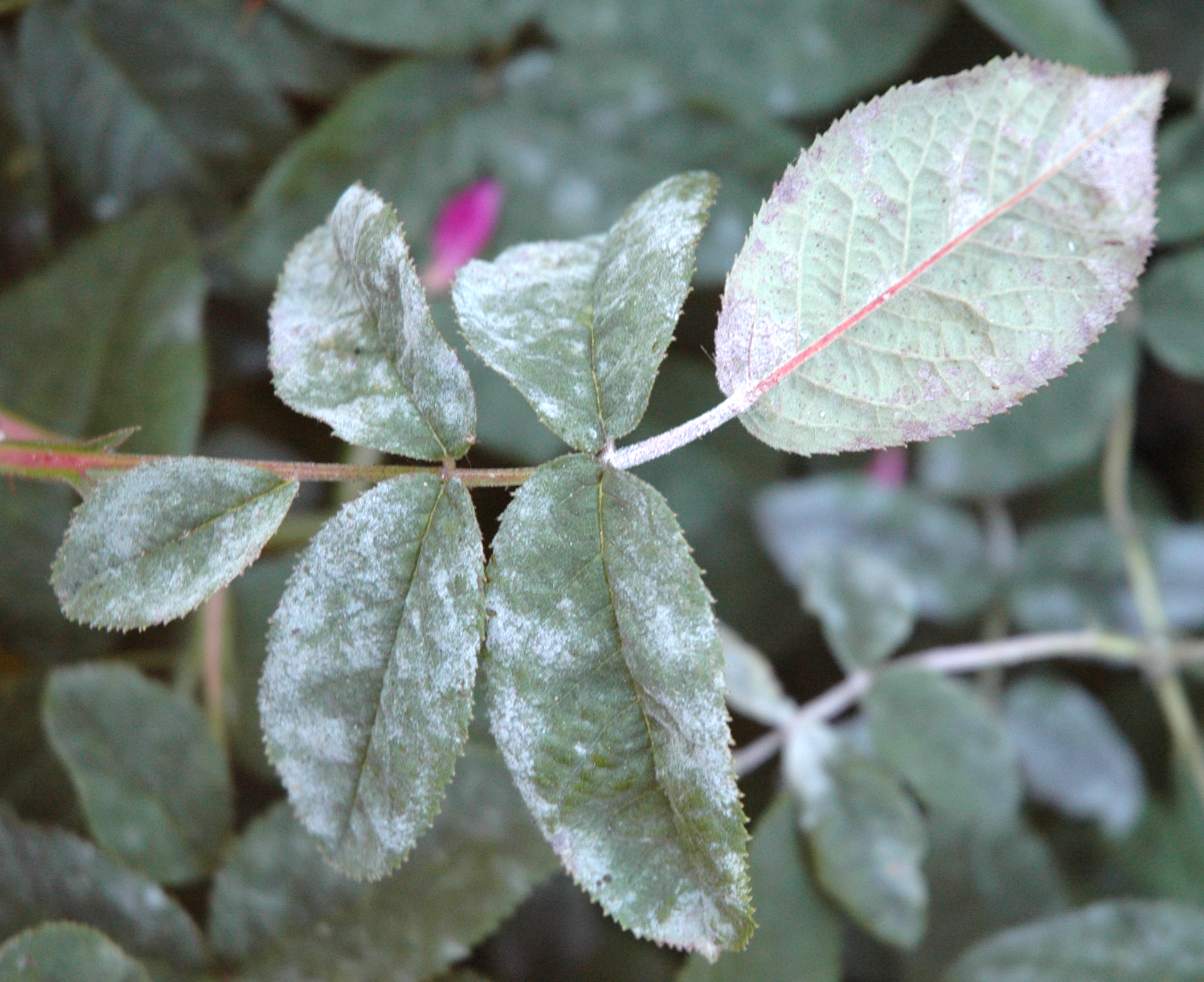
If your rose leaves look like someone dusted them with flour, you are probably dealing with powdery mildew. It is common, it spreads quickly in the right conditions, and it can make roses look tired fast. The good news: most outbreaks can be slowed and cleaned up with a few cultural tweaks and well-timed treatments.

What powdery mildew looks like on roses
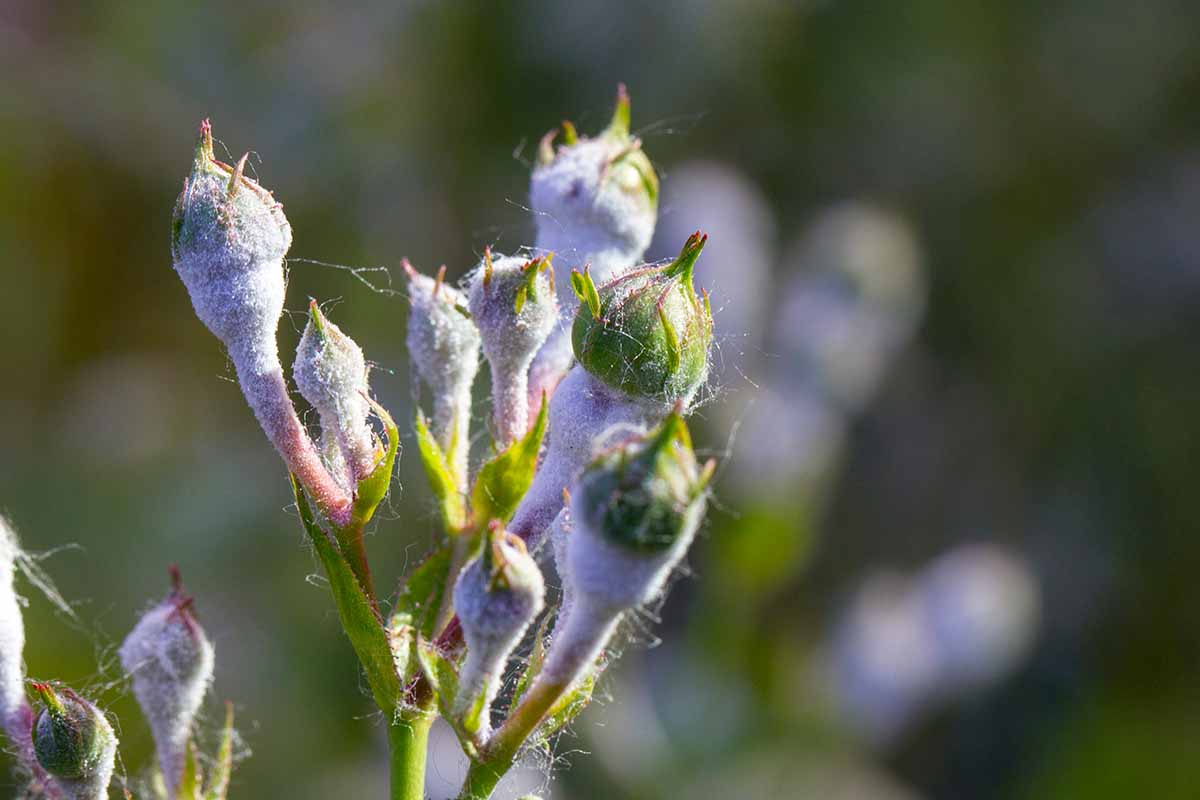
Powdery mildew on roses is usually caused by the fungus Podosphaera pannosa (formerly Sphaerotheca pannosa). It forms a dusty, white to gray coating on plant surfaces. On roses it shows up most often on tender new growth.
Common symptoms
- White powdery film on leaves, stems, or buds, often starting on the top of leaves.
- Leaf distortion such as curling, cupping, or twisting, especially on new growth.
- Reddish or purplish blotching on young leaves in some varieties.
- Stunted shoots and fewer, smaller blooms if the infection is heavy.
- Buds that fail to open or open unevenly when mildew coats sepals and petals.
Early mildew can look like faint pale patches before it turns into that obvious powder. Catching it early makes every next step easier.
Powdery mildew or something else?
White stuff on a rose is not always mildew. Here are a few quick ways to narrow it down.
Quick ID check
- Powdery mildew: looks like dust or flour. You can often wipe a little off with a finger, and it comes back if conditions stay favorable.
- Spray residue: dried mineral spots or soap residue usually looks more like dots or a thin film, and it does not spread in patches day to day.
- Spider mite webbing: very fine silk threads, usually with stippled yellowing on leaves. The webbing is stringy, not powdery.
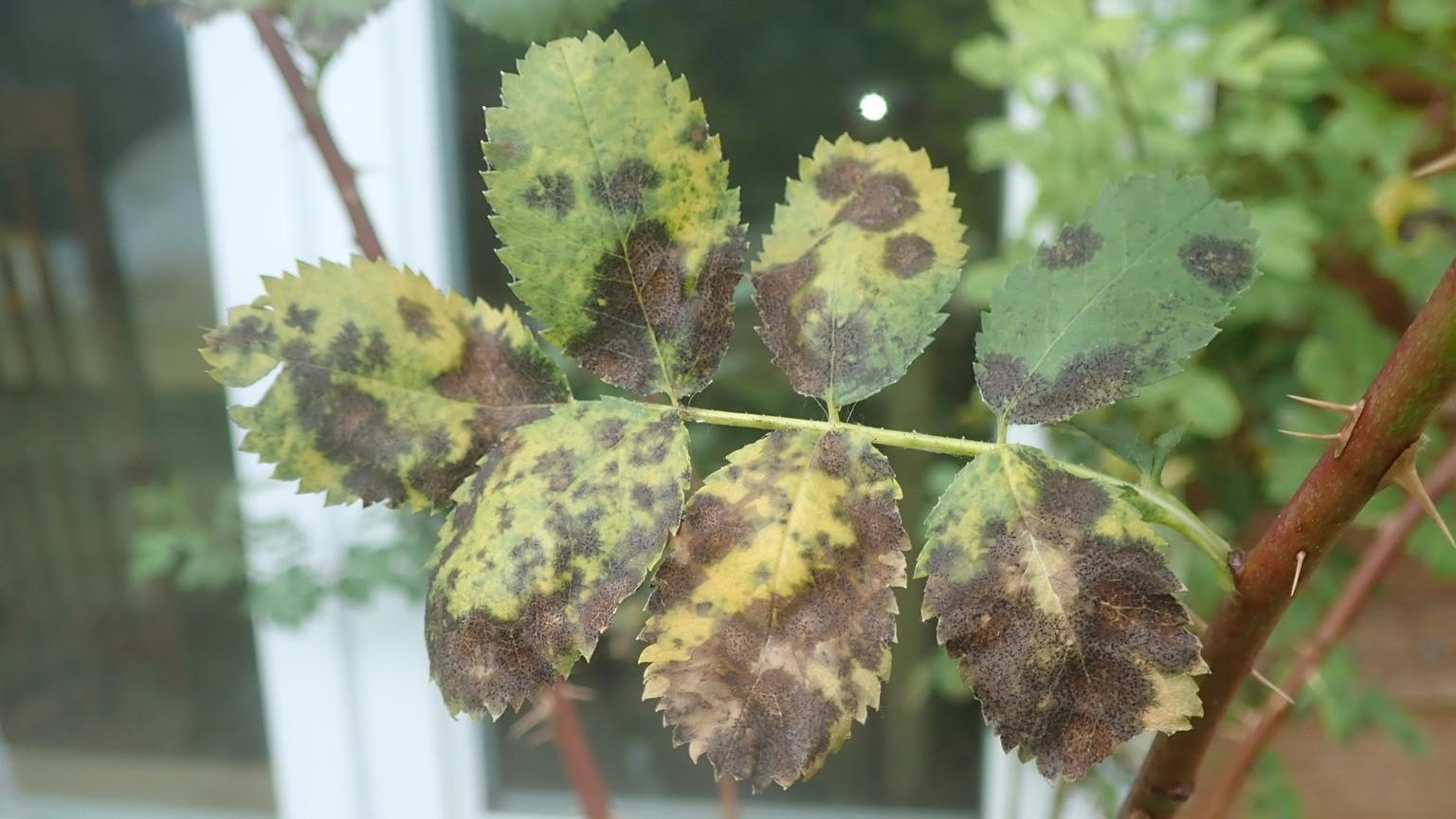
- Downy mildew: typically causes angular purple or brown patches, often with fuzzy growth on the underside of leaves and more leaf drop. It prefers cool, wet conditions.
Why roses get powdery mildew
Powdery mildew is a conditions game. It tends to flare when roses sit in humid, low-airflow pockets, especially during that classic pattern of warm days and cool nights. You often see it first in sheltered spots, like beds tucked under eaves, against fences, or near dense hedges where humidity lingers.
Unlike many leaf diseases that need free water on the leaf to infect, powdery mildew does well with high humidity and is often slowed by prolonged leaf wetness or heavy rain. In other words, humid air helps it, but extended soaking usually does not.
It also tends to come back because it can overwinter on infected plant tissue and in buds, then reappear when conditions line up again.
Conditions that favor outbreaks
- Warm days and cool nights, especially with morning dew.
- High humidity around the plant from crowding, dense foliage, or nearby hedges.
- Shade and low airflow, which slows leaf drying.
- Stress from inconsistent watering, nutrient imbalance, or too much nitrogen pushing soft growth.
- Susceptible varieties, which can mildew even in decent conditions.
Think of mildew as an opportunist. Your goal is to make the rose a less comfortable place for it to live.
Do this first: cultural fixes that help
If you only spray but do not change the conditions, powdery mildew tends to return. These basics are the backbone of prevention and recovery. Sprays work best as backup, not as a substitute for airflow, sanitation, and steady care.
1) Improve airflow
- Space roses well. If you are planting new, give them room for their mature size.
- Prune for an open center. Remove crossing canes and congested interior growth so air can move through.
- Thin lightly during the season. A few selective snips can reduce humidity inside the canopy.
2) Water at the base, not over the leaves
Use drip irrigation, a soaker hose, or a careful watering can aimed at the soil. Overhead watering can create a more humid canopy. Powdery mildew spreads mainly on air currents, but splashing water can still shuffle spores around and can help other foliar diseases get a foothold.
If you do need to rinse a plant, do it early in the day so leaves dry quickly.
3) Reduce stress
- Water consistently, especially in hot spells. Deep, infrequent watering is usually better than frequent sips.
- Mulch with 2 to 3 inches of composted bark or compost to moderate soil moisture and temperature. Keep mulch a little back from the canes.
- Go easy on high-nitrogen fertilizer. Soft, lush growth is mildew’s favorite snack.
4) Sanitation: remove the spore factories
- Clip off heavily infected leaves and any distorted tips if the plant can spare them.
- Rake up fallen leaves around the base.
- Do not compost infected material unless your compost reliably heats up. Most home piles do not stay hot enough, consistently enough, to kill plant pathogens. Bag it or dispose of it.
- Clean pruners between plants with alcohol or a disinfectant wipe, especially if you are working through a bed.
A gentle caution here: do not strip a rose bare trying to “win” in one afternoon. Removing a reasonable amount of infected foliage helps. Over-pruning can stress the plant and trigger a flush of soft new growth that mildews again.
Treatment options (from gentle to stronger)
Choose a treatment based on how widespread the mildew is and what you are comfortable using. Whatever you pick, coverage and timing matter. Sprays help most when applied at the first signs of infection and repeated as directed. If mildew is a yearly visitor in your garden, starting early is often easier than chasing a full outbreak.
Option A: a morning water rinse (sometimes helps)
In very early or mild cases, a firm spray of water can sometimes knock back surface growth and buy you time, especially when paired with pruning for airflow and quick leaf drying. Results are inconsistent, and it is mainly a short-term mechanical reset.
Do this in the morning so foliage dries fast. If mildew returns quickly or spreads, move on to a labeled fungicide option instead of rinsing repeatedly, since frequent overhead watering can keep the canopy more humid.
Option B: horticultural oils and neem oil
Oils can suppress powdery mildew by coating fungal growth and reducing spread. They can be effective when used correctly, but they are also among the most likely to cause leaf burn if applied in hot sun.
- Spray early morning or evening.
- Avoid applying during heat waves or when plants are drought-stressed.
- Stop and reassess if you see leaf spotting or scorch after a spray.
- Follow label directions carefully, including dilution and reapplication intervals.
Option C: sulfur-based fungicides
Sulfur is a classic organic-leaning option for powdery mildew. It tends to work best preventively or at very first symptoms.
- Do not use sulfur too close to oil sprays. Many labels advise waiting 14 to 30 days between sulfur and oils to avoid plant damage.
- Some rose varieties are sulfur-sensitive, so test on a small area first if you are unsure.
Option D: potassium bicarbonate and similar products
These products can help disrupt powdery mildew on contact and make the leaf surface less friendly for new infections. They are often used for powdery mildew management and can be a useful tool during active outbreaks.
Follow the label exactly. Especially on roses, rates and timing matter.
Option E: conventional fungicides for persistent outbreaks
If mildew is severe, keeps returning every year, or threatens a prized rose, a conventional fungicide may be the most reliable way to stop it. Look for products labeled for roses and powdery mildew, and decide whether you want a contact product (stays on the surface) or a systemic product (moves within plant tissues). Product options vary by country and region, so follow local regulations and label directions.
- Apply exactly as the label directs, including temperature notes and any spray interval limits.
- Rotate active ingredients when repeat sprays are needed to reduce resistance.
- Be mindful of pollinators. Avoid spraying open blooms whenever possible.
How to spray roses well
A spray that misses the mildew does not do much, and a spray applied at the wrong time can stress the plant.
Best practices
- Spray when the weather is calm so you can coat leaves evenly.
- Avoid midday heat, especially with oils and many combination products.
- Do not spray right before rain unless the product label says it is rainfast and provides guidance.
- Cover both sides of leaves, plus stems and new growth. Powdery mildew loves tender tips.
- Reapply on schedule. Most products need repeat applications.
- Do a small test area first if the rose is sensitive or the day is warmer than ideal.
- Do not mix random products. Stick to label-approved combinations only.

What I would do this week
If you just noticed powdery mildew and want a simple plan, here is a realistic, low-drama approach.
- Day 1: Remove the worst infected leaves and distorted tips, rake up fallen leaves, and thin a little for airflow.
- Day 1 or Day 2: If mildew is more than a few spots, start a labeled treatment (oil, sulfur, bicarbonate, or a fungicide labeled for roses), applying in the cool part of the day.
- Day 5 to 7: Recheck new growth. If you still see fresh powder, repeat on schedule and tighten up airflow and watering habits.
- Ongoing: Keep watering consistent and avoid pushing lots of tender growth with high nitrogen.
Preventing powdery mildew next season
Powdery mildew prevention is mostly about making the rose bed less humid and the plant less stressed, then starting protection early if mildew is a yearly visitor.
Seasonal prevention checklist
- Late winter or early spring: prune for structure and airflow, and clean up old leaves around the base.
- Spring: avoid heavy nitrogen pushes, keep watering consistent, and watch new growth closely.
- Early signs of mildew: remove the worst leaves, then consider a preventative spray cycle.
- Summer: mulch, water deeply, and lightly thin crowded shoots if the center gets dense again.
- Fall cleanup: rake and dispose of fallen leaves and prune out obviously infected material once the plant is slowing down.
Choosing roses that resist powdery mildew
If you are planting new roses or replacing a chronic mildew magnet, resistance is your friend. No rose is immune in every climate, and even “resistant” roses can show mildew under pressure, but many modern varieties are bred for strong disease resistance.
What to look for
- Labels that mention powdery mildew resistance or strong overall disease resistance.
- Varieties that perform well locally. What stays clean in one region may mildew in another.
- Roses with open, vigorous growth that are easier to prune for airflow.
A good habit: ask local rose growers, extension offices, or a nearby nursery which varieties stay clean in your area. Local experience is a powerful little weather forecast.

FAQ
Will powdery mildew kill my rose?
Powdery mildew rarely kills established roses outright, but it can weaken them over time by reducing photosynthesis and stressing new growth. Repeated severe infections can lead to poor blooming and increased susceptibility to other issues.
Should I cut my rose back hard if it has mildew?
Not usually during the main growing season. Focus on removing the worst infected leaves and distorted tips first, then improve airflow with selective pruning. Save major pruning for the appropriate season for your rose type.
Can I just wash it off?
A strong rinse can sometimes help at the very beginning, but mildew often returns if conditions stay humid and crowded. Washing works best paired with pruning for airflow and a treatment plan if the outbreak is active.
Is it safe to use homemade sprays?
Some gardeners try DIY mixes, but concentrations that are too strong can burn rose leaves, and results vary. If you want reliability and clear directions, choose a product labeled for roses and powdery mildew and follow the instructions closely.