
Powdery Mildew: Identify, Treat, Prevent


Powdery mildew has a way of showing up right when your garden is feeling lush and proud, like a party crasher wearing a dusty white coat. The good news is you do not need harsh chemicals or a panic spiral to handle it. With a little detective work, a simple spray routine, and a few airflow-friendly tweaks, you can usually slow it down quickly and keep it from becoming an annual tradition.
My promise: You can treat powdery mildew without perfect conditions, perfect timing, or perfect plants. We are aiming for healthier, not flawless.
Quick plan: ID it, prune the worst leaves, spray consistently (cover both sides), then fix airflow and stress so it does not rebound.
What it looks like
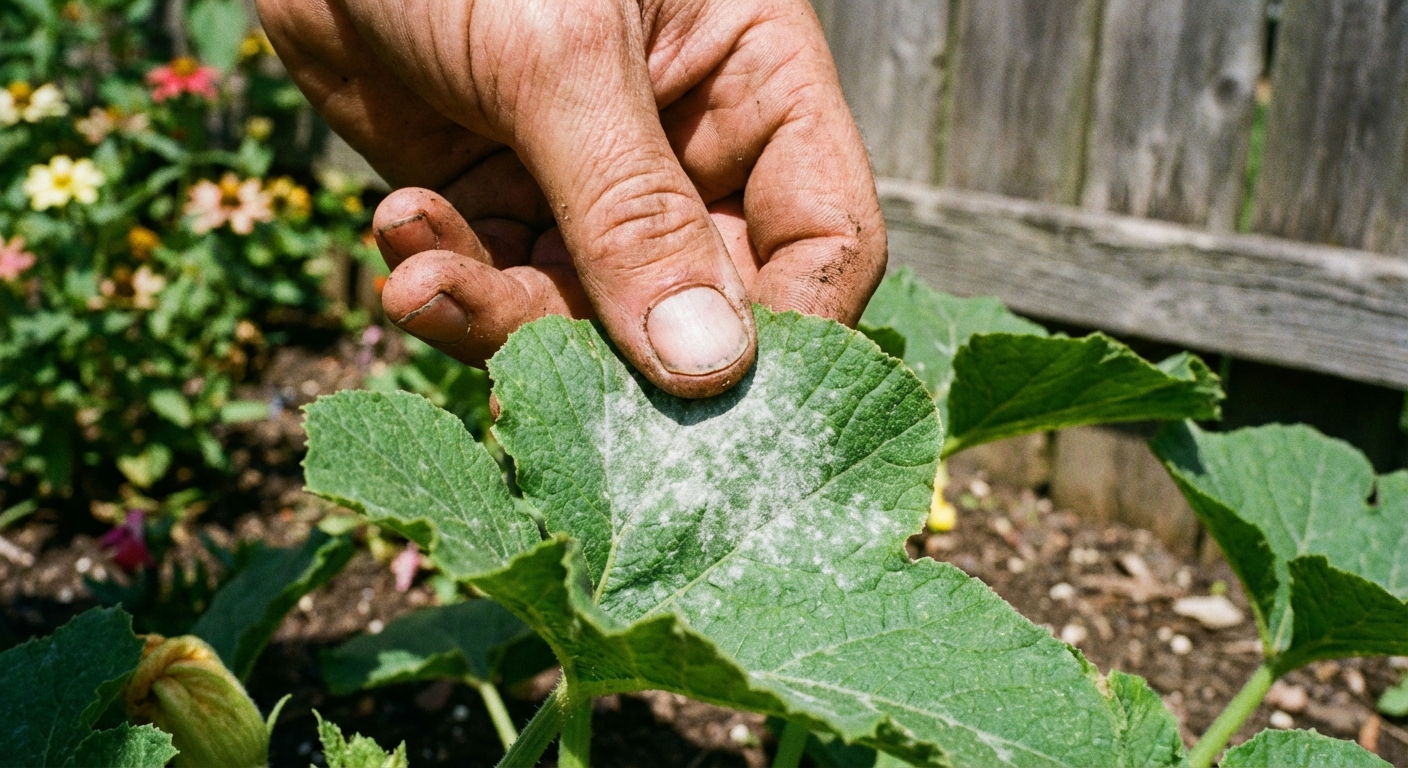
Powdery mildew is a group of fungal diseases that show up as a pale, dusty coating on leaves, stems, and sometimes flowers. It often starts as small, round white patches that spread until the leaf looks like it was lightly sprinkled with flour.
Common signs
- White or gray powder on the top of leaves (sometimes underneath too).
- Yellowing around infected areas, then browning as the leaf weakens.
- Leaf curl or distortion, especially on new growth.
- Stunted growth and fewer flowers or fruits if it gets established.
Plants that get it a lot
- Squash, zucchini, cucumbers, melons
- Roses
- Bee balm (Monarda), phlox, zinnias
- Grapes
- Peas
- Many houseplants too, especially in stale indoor air
Here is the quirky part that surprises people: powdery mildew often thrives when days are warm and nights are cool with higher humidity. Unlike many other fungal problems, it does not need leaf surfaces to be soaking wet to get going.
Quick ID check
Before you spray anything, do a 30-second check. I like to crouch down, squint a little, and play garden detective.
Try the wipe test
Gently rub a small spot with your fingertip or a damp paper towel.
- If it smudges like flour and the leaf looks greener underneath, that often points to powdery mildew.
- If it does not wipe off, do not rule mildew out yet. Some infections cling tightly. Look for the overall pattern and check more than one leaf.
Common look-alikes
- Hard water or foliar spray residue: usually more uniform spotting, often where droplets dried.
- Spider mites: tiny pale speckles, fine webbing, and leaf bronzing.
- Downy mildew: yellow patches on top with gray or purple fuzz underneath, usually worse in wet weather.
If you are still unsure, isolate a few affected leaves, take a close photo in natural light, and compare symptoms. Accurate ID saves time and keeps you from using the wrong tool.
Why it keeps coming back
Powdery mildew spores are common in many gardens. The question is not “Is it around?” but “Are conditions inviting it to take over?”
Most common triggers
- Crowded plants and poor airflow: leaves stay humid and shaded.
- Big swings in humidity: dry afternoons, damp nights.
- Too much nitrogen: fast, tender growth is easy for mildew to colonize.
- Stressed plants: inconsistent watering, compacted soil, root stress.
- Susceptible varieties: some cultivars are mildew magnets.
Think of it this way: mildew loves a stuffy room. Your job is to open windows, thin the crowd, and keep the plant’s immune system humming.
Do this first
When you spot powdery mildew, start with simple physical steps. Sprays work better when you reduce the fungal load first.
Step-by-step
- Prune the worst leaves first, especially leaves that are more than 50 percent covered or already yellowing.
- Bag and trash infected material. Do not compost it unless your compost reliably hits and holds hot temperatures. Many home piles do not, and spores can survive.
- Clean pruners as good garden hygiene. Powdery mildew spreads mostly by air, but a quick wipe with isopropyl alcohol keeps your tools generally cleaner as you move around the garden.
- Open up airflow by removing a few extra interior leaves or crossing stems. Do not scalp the plant. Just create breathing room.
Tip: Prune when foliage is dry if you can. Wet leaves plus handling can spread problems around.
Sprays that help
I am all for gentle, garden-friendly options, as long as we are honest about what they can do. Most sprays are best at slowing powdery mildew and protecting new growth. They are not a magic eraser for leaves that are already heavily coated.
Reality check: Existing white patches may not disappear. Your win is that new growth stays cleaner and the plant keeps producing.
Always test any spray on a small area first and wait 24 hours, especially in hot weather or on tender plants.
Option 1: Soap and water (for rinsing and coverage)
This is not a true fungicide. Think of it as a gentle rinse that may help physically remove some surface growth and improves wetting and coverage when you follow with an actual mildew treatment.
- Mix: 1 teaspoon mild liquid soap (unscented) in 1 quart (1 liter) water.
- How to use: Lightly spray tops and undersides of leaves, then let it sit briefly and rinse with plain water if the plant seems sensitive. Repeat as needed.
Use caution: Even mild soap can burn leaves on some plants, especially in heat or sun. Avoid strong detergents or degreasers.
Option 2: Baking soda (mixed results)
Baking soda (sodium bicarbonate) can make the leaf surface less friendly to mildew, but results vary and solutions can cause spotting or burn. It is most useful early or as a preventive, not as a rescue for a heavy outbreak.
- Mix: 1 tablespoon baking soda + 1/2 teaspoon mild liquid soap in 1 gallon (3.8 liters) water.
- How to use: Spray weekly and after heavy rain. Cover both sides of leaves.
Upgrade note: Many horticulturists prefer potassium bicarbonate (sold as labeled garden products) over household baking soda. It is often more effective, and repeated sodium use can contribute to buildup in soil over time. Follow the label.
Option 3: Milk spray (best for light cases)
Milk sprays have a long garden folklore history, and there is research support for their suppressive effect on powdery mildew in some crops. In practice, I find it helpful for early, light infections and for maintenance, but results can vary by plant and climate.
- Mix: 1 part milk (dairy milk) to 2 parts water (for example, 1 cup milk + 2 cups water).
- How to use: Spray every 7 to 10 days in the morning so leaves dry well.
Tip: Do not overdo it. A sour milk smell can happen if you spray too heavily in humid weather.
Option 4: Neem oil (good for prevention)
Neem can help reduce fungal pressure and also discourages some pests. It works best when you start early and apply consistently.
- Mix: Follow the product label exactly. Neem concentration varies.
- How to use: Spray in the evening or early morning. Reapply per label, often every 7 to 14 days.
Important: Do not spray neem on heat-stressed plants or in strong sun. Leaf burn is real. If you are spraying food crops, follow label directions for use on edibles and any pre-harvest interval.
Option 5: Sulfur (effective, label-led)
Sulfur is an older, effective organic-accepted option for powdery mildew on many plants. It can be very helpful, but it is not a casual spray.
- Use: Only according to label instructions for the plant you are treating.
- Heat caution: Avoid applying in high temperatures (many labels warn above about 85 to 90 F, or 29 to 32 C). Heat plus sulfur is a classic recipe for leaf damage.
- Do not use sulfur close to oil sprays (including neem or horticultural oils). Combining them, or timing them too close together, can burn foliage.
- Edibles: Check the label for pre-harvest intervals and re-entry guidance.
My rotation approach: If mildew is persistent, I pick one main spray (like sulfur or a labeled potassium bicarbonate product) and support it with pruning and airflow. Constantly switching DIY recipes every few days usually creates more stress than success.
How to spray
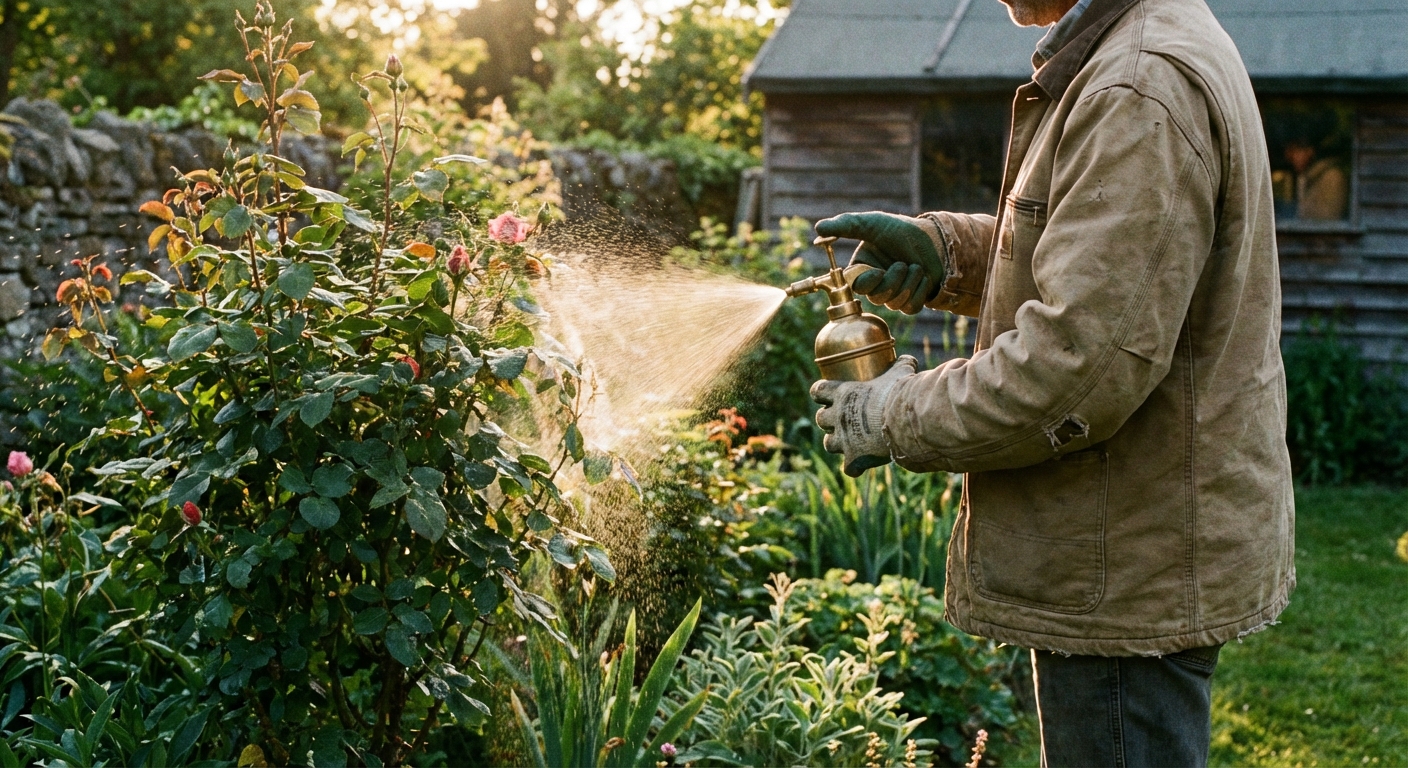
Most spray failures come down to timing, coverage, and weather, not the ingredients.
Spray rules I follow
- Spray early in the day or in the evening when sun is gentler and bees are less active.
- Hit both sides of leaves. Mildew loves to hide.
- Coat, do not drench. You want an even film, not runoff.
- Repeat regularly. Most options need reapplication every 7 to 10 days during pressure periods.
- Skip spraying right before rain unless the product label says it is rainfast.
- Do not spray stressed plants during the hottest part of the day.
If your plant looks worse after spraying, pause, rinse with plain water the next morning, and reassess. Leaf burn can mimic disease progression.
Prune for airflow
If I could pick only one strategy to prevent powdery mildew, it would be airflow. A breezy plant is a happier plant. It dries faster and has fewer humid little pockets where mildew parties.
Where to prune
- Thin the interior of dense plants so light and air can move through.
- Remove leaves touching the soil on squash, cucumbers, and tomatoes.
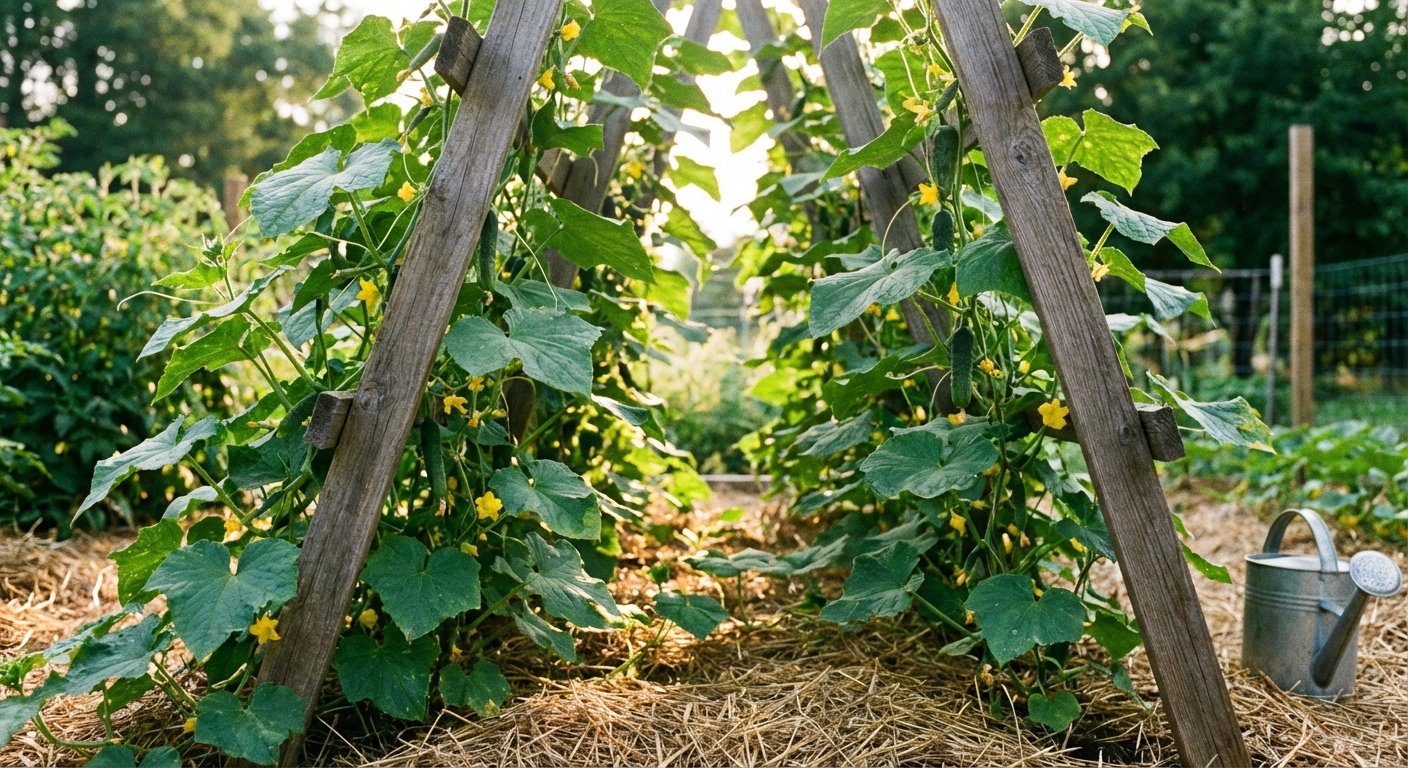
- Train vines upward on a trellis instead of letting them pile into a thick mat.
- Deadhead and tidy spent blooms that trap moisture in ornamentals like phlox or zinnias.
Spacing and support
Next season, give mildew-prone plants a little more elbow room than the seed packet suggests, especially if your garden runs humid. Trellises, cages, and simple stakes are not just for neatness. They are disease prevention tools.
Habits that prevent it
Powdery mildew is easiest to manage when your plants are growing steadily and your garden is not creating a humid microclimate.
Water smarter
- Water at the soil line when possible. Drip irrigation or a soaker hose helps.
- Water in the morning so any splashed leaves dry quickly.
- Avoid drought stress, especially in fruiting plants like squash and cucumbers. Stressed plants are more vulnerable.
Feed without forcing soft growth
- Ease up on high-nitrogen fertilizers when mildew is active.
- Choose balanced, slow-release nutrition like compost, worm castings, or a gentle organic blend.
Mulch and soil care
- Mulch to reduce soil splash and keep roots evenly moist.
- Build soil organic matter so plants have steady access to nutrients and water.
Choose resistant varieties
- When buying seeds or starts, look for tags that say PM-resistant or powdery mildew resistant, especially for cucurbits, phlox, and bee balm.
- If a plant mildews every year in the same spot, it is not a moral failure. It is data. Try a resistant cultivar or move it to a breezier, sunnier location.
Clean up at season’s end
- Remove and trash infected plant debris.
- Wash stakes, cages, and trellises if they were coated in mildew.
- Rotate crops when you can, especially cucurbits.
Plant notes
Squash and zucchini
A little powdery mildew late in the season is common. If the plant is producing well, focus on keeping new growth protected and removing the worst leaves. Trellis if you can, and avoid overhead watering.
Cucumbers
Cucumbers mildew fast in crowded beds. Trellising plus consistent watering makes a huge difference. Start preventive sprays early if your garden is a known mildew zone.
Roses
Prune for an open center, water at the base, and avoid pushing soft new growth with high nitrogen. Some rose varieties are far more resistant than others, so variety choice matters.
Bee balm and phlox
These are classic powdery mildew candidates. Give them sun, space, and aggressive thinning. If they mildew every year, consider resistant cultivars or relocate to a breezier spot.
When to pull a plant
I am a hopeful person, but I am also practical. Sometimes the kindest thing you can do is pull a plant that is acting like a mildew factory.
- Remove the plant if it is severely infected early in the season and spreading rapidly.
- Remove if the plant is no longer productive and is infecting neighbors.
- Keep and manage if infection is light to moderate and the plant is still growing vigorously.
Think in terms of the whole garden, not a single leaf. Your tomatoes and basil will thank you.
Prevention checklist
- Space plants for airflow, and trellis vining crops
- Prune dense growth and remove the worst infected leaves
- Water at the base in the morning
- Mulch to reduce stress and soil splash
- Avoid excess nitrogen during outbreaks
- Spray consistently and cover both sides of leaves
- Choose PM-resistant varieties when available
- Clean up infected debris at the end of the season
If you want the most calming takeaway: powdery mildew is manageable. Treat early, make your plants a little less crowded, and keep showing up once a week with your pruners and sprayer like it is a gentle garden ritual. It adds up.
Safety notes
- Never mix products unless the label explicitly allows it.
- Do not spray open flowers when bees are actively foraging.
- Wear gloves and eye protection when spraying, even with DIY mixes.
- Store mixes out of reach of kids and pets, and label your spray bottle.
- For edible plants, follow label directions and any pre-harvest interval for products like neem, sulfur, and potassium bicarbonate.