
Pitcher Plant Care for Beginners

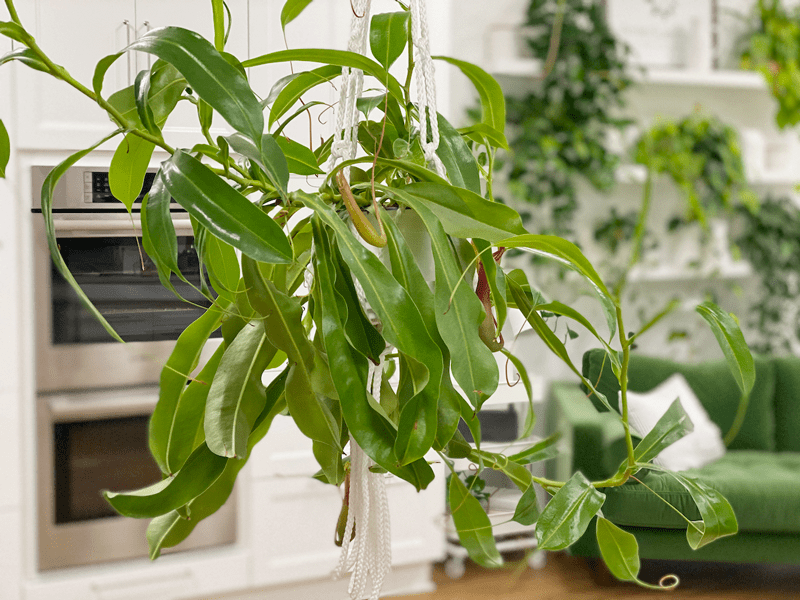
If you have ever looked at a pitcher plant and thought, Is that a plant… with a cup? you are my kind of curious. Pitcher plants are carnivorous, yes. But they are also surprisingly gentle houseplants when you give them the few things they truly need: clean water, the right nutrient-free medium, and light that feels like a bright window with a little attitude.
This guide covers two big pitcher plant groups beginners buy most often: Nepenthes (tropical pitcher plants that vine and love warmth) and Sarracenia (North American pitcher plants that grow upright tubes and need a winter dormancy). They share some rules, but one crucial difference makes or breaks success: Sarracenia needs dormancy. Nepenthes does not need a true dormancy like that. (Some Nepenthes do prefer cooler nights, though, and we will cover that.)
Nepenthes vs. Sarracenia
Before we talk care, let’s identify your plant. Most beginner heartbreak comes from treating these two like they are the same species. They are not.
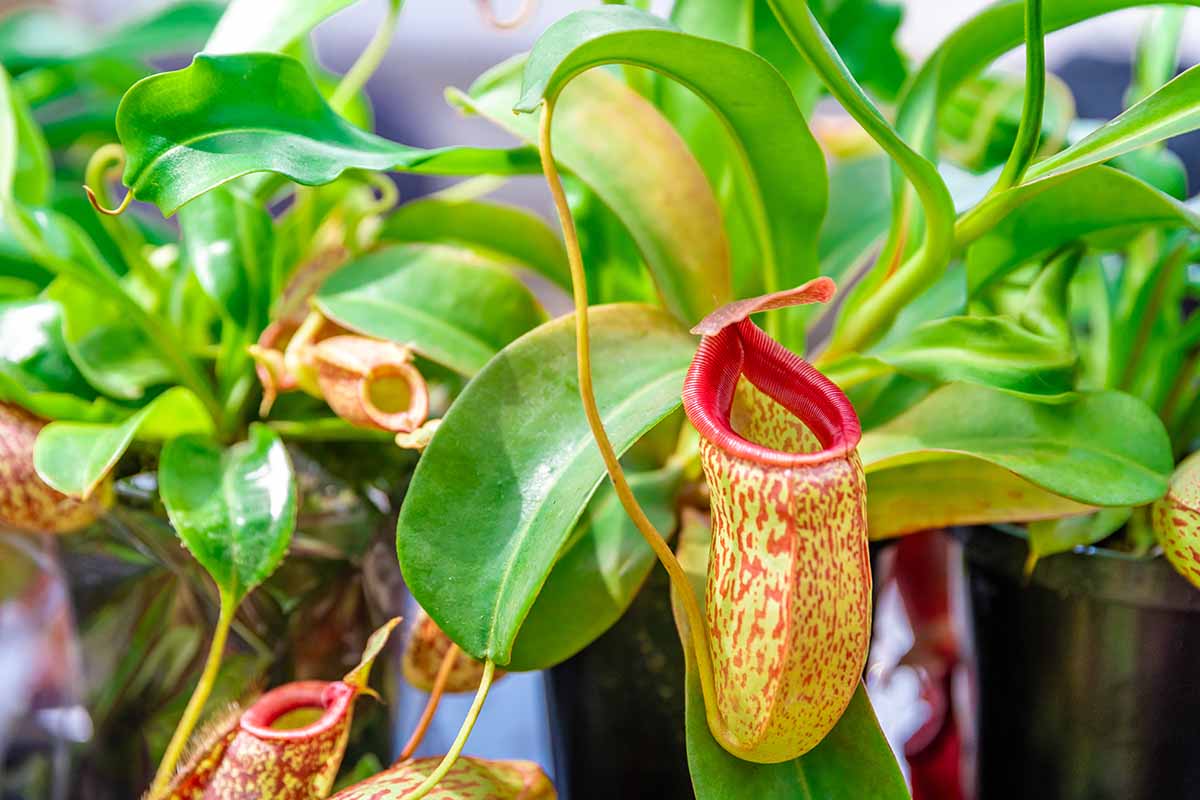
Nepenthes (tropical pitcher plant)
- Pitchers hang from leaf tips like little lanterns.
- Often sold as Nepenthes ventrata, ‘Miranda’, or simply “tropical pitcher plant.”
- Likes warmth, higher humidity, and steady growth year-round.
- Can be grown in a hanging basket or trained up a trellis.
Sarracenia (North American pitcher plant)
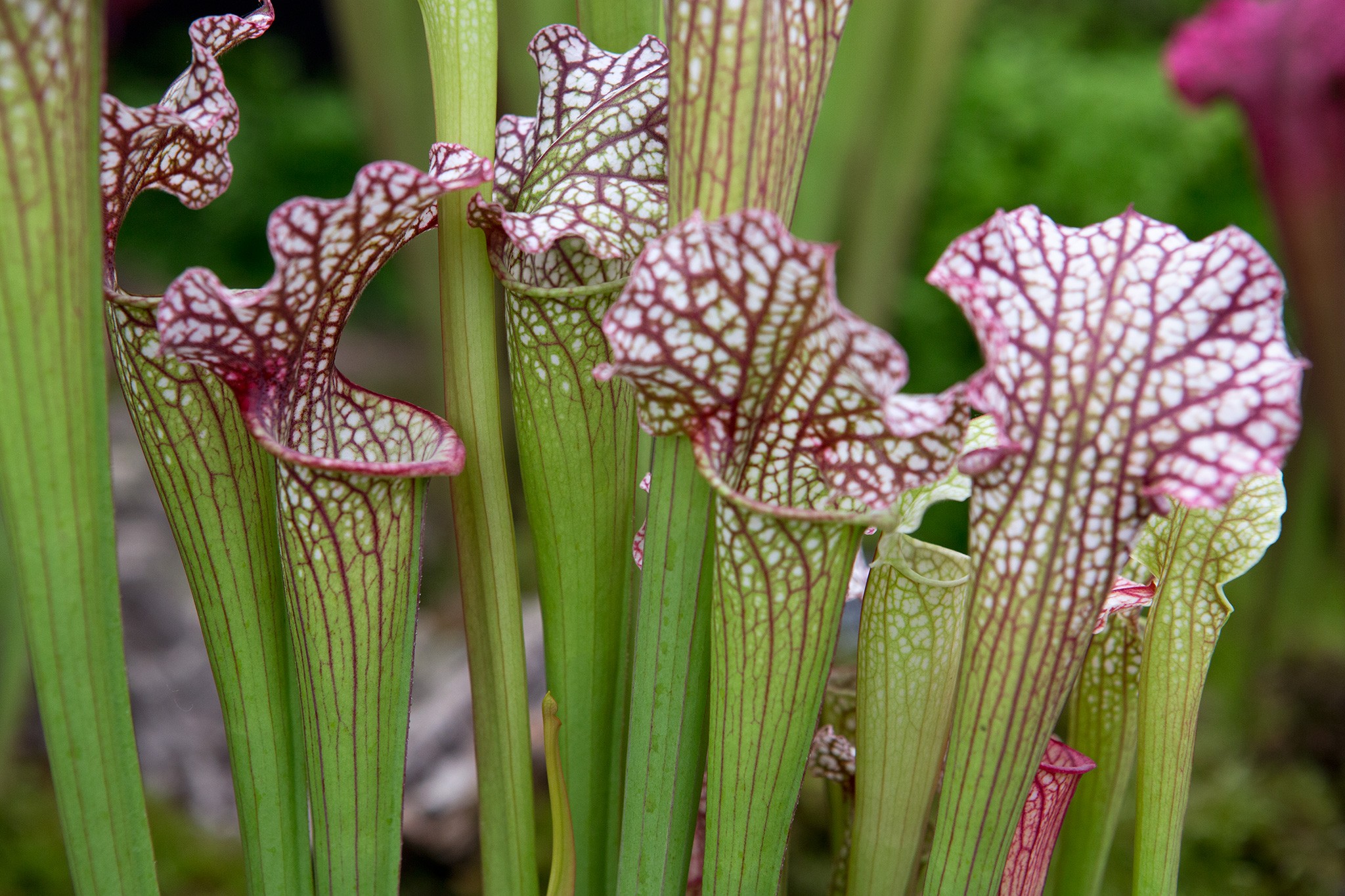
- Pitchers stand upright like colorful tubes or trumpets.
- Often sold as Sarracenia purpurea (shorter, squat pitchers) or hybrid trumpet types.
- Wants very bright light and a cool winter dormancy.
- Often does best outdoors, but can be grown indoors with strong light and a dormancy plan.
Golden rules
If you remember only three things, let it be these.
1) Use the right water
Pitcher plants evolved in nutrient-poor bogs and misty forests. Their roots are sensitive, and minerals in typical tap water can slowly burn them out.
- Best: distilled water, reverse osmosis (RO) water, or clean rainwater.
- Avoid: softened water, mineral water, spring water.
- Tap water? Sometimes it works, depending on mineral load and alkalinity. A common grower guideline is under 50 ppm TDS, and many prefer under 30 ppm. If you do not know your water, play it safe and use distilled or RO.
How to water:
- Nepenthes: keep media evenly moist but airy. Water thoroughly, then let excess drain. Do not keep the pot sitting in water long-term.
- Sarracenia: classic bog style. Keep the pot in a tray with 1 to 2 inches of distilled or rainwater during the growing season.
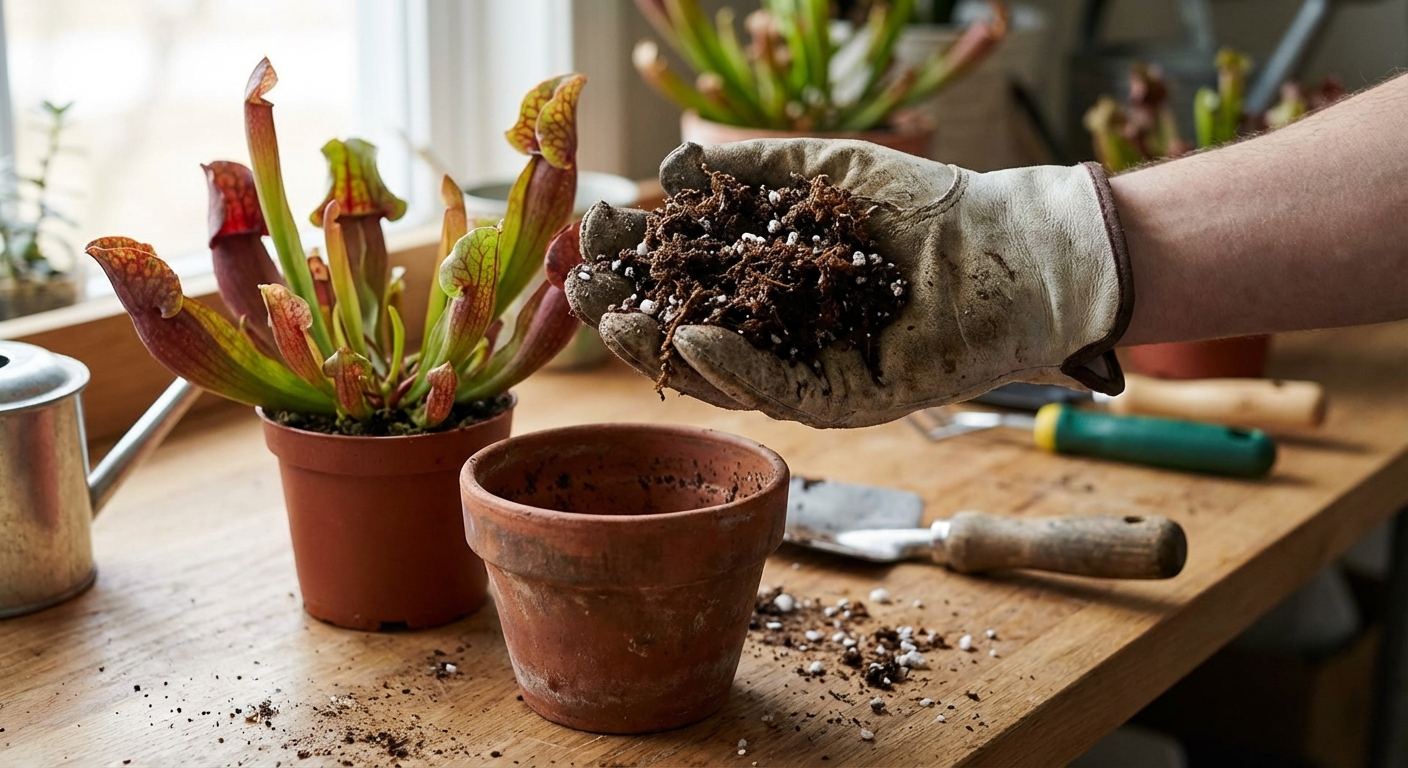
2) Use carnivorous plant medium
Regular potting soil is too rich and often contains fertilizers and wetting agents that can harm carnivorous plants.
Reliable beginner mixes:
- Nepenthes: long-fiber sphagnum (LFS) alone, or a mix like 50% LFS + 50% perlite. Some growers add orchid bark for extra air, but keep it simple at first.
- Sarracenia: 1:1 sphagnum peat moss + perlite (or peat + silica sand). Rinse perlite or sand first to remove dust.
Important: use unfertilized peat and perlite. “Moisture control” products and mixes with compost are not your friends here.
3) Do not fertilize the soil
I know. It feels wrong, especially if you are a plant parent who loves “feeding.” But these plants get nutrients through prey, not through rich soil.
- Never add granular fertilizer, compost, worm castings, or slow-release pellets.
- For advanced growers: very diluted foliar or pitcher fertilizing can work, but beginners should skip it until the plant is thriving.
Light
Most pitcher plant problems that look like “humidity issues” are actually light issues. Low light means weak growth, fewer pitchers, and pale color.
Nepenthes light
- Ideal indoors: very bright, filtered light. An east window is often great. South or west can work if you soften hot midday sun with a sheer curtain.
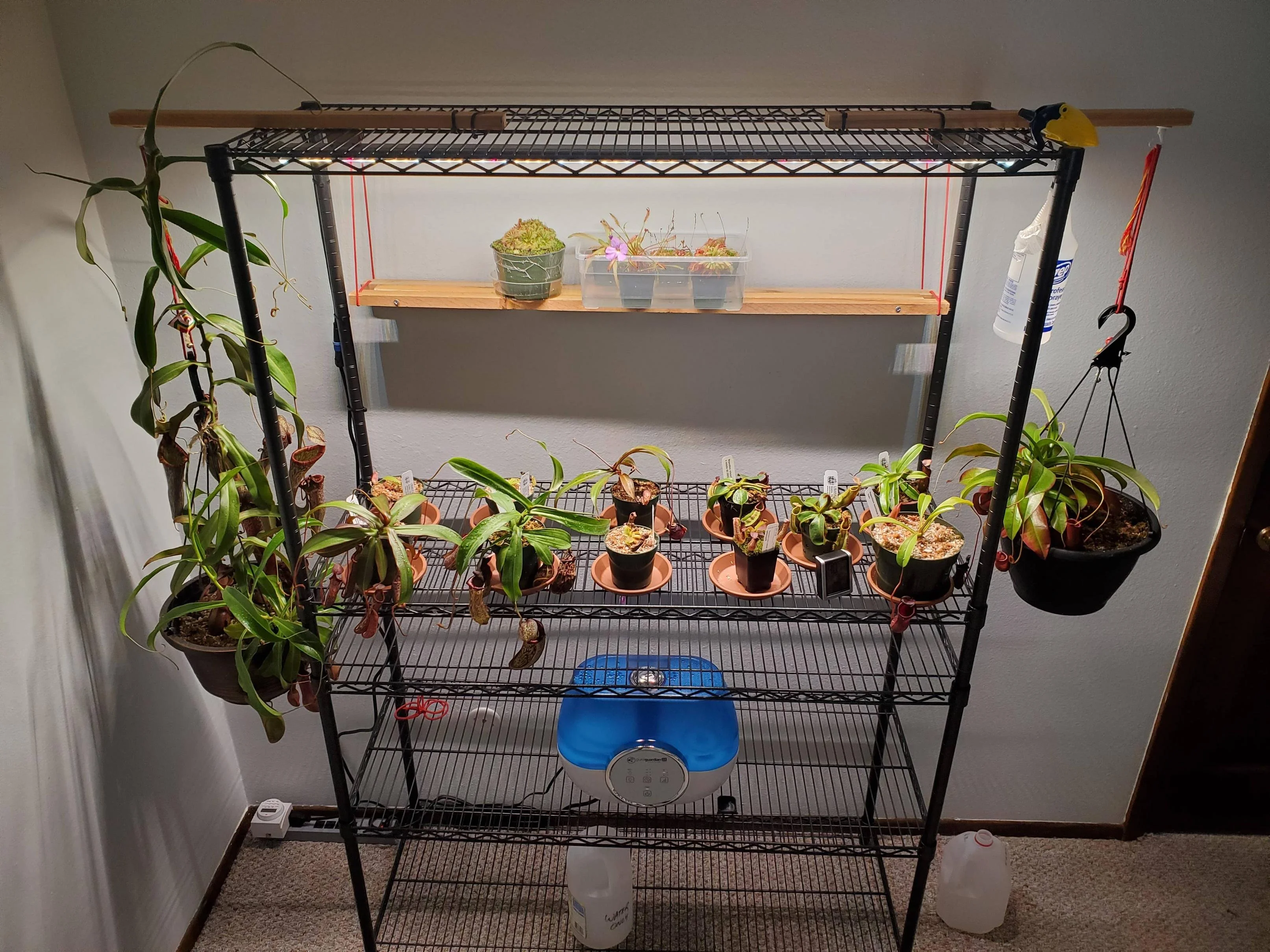
- Grow light option: 10 to 14 hours daily under a quality LED grow light can produce consistent pitchers.
- Signs of not enough light: long, floppy leaves, no pitchers, all-green color.
- Signs of too much hot sun: crispy patches, bleached leaves, sudden wilting right after intense sun.
Sarracenia light
- These are sun lovers. Outdoors, they want full sun for strong, colorful pitchers.
- Indoors: a bright window is usually not enough. Most “plant lights” and desk LEDs will not cut it. If you want to keep Sarracenia inside, plan on a strong grow light kept fairly close to the plant, with a long day length.
- Signs of low light: thin pitchers that fall over, green color instead of reds or purples, little to no new growth.
Humidity and airflow
Nepenthes in particular often refuses to make pitchers when the air is too dry. The leaves may look fine, but the plant will “cancel the cups” because forming pitchers is extra work.
Nepenthes humidity
- Aim for: about 50% to 70% for easy hybrids like ventrata. Some species want higher, but beginners usually start with forgiving hybrids.
- Easy humidity boosts: a small humidifier nearby, grouping plants together, or growing in a bright bathroom window.
- Skip: constant misting as your only strategy. It can encourage fungus and does not raise room humidity for long.
Sarracenia humidity
Sarracenia is generally less fussy about humidity. If it has strong light and constant moisture in the tray, it is usually content.
Airflow
Higher humidity with stale air can invite mold. If you use a humidifier, a gentle fan across the room can help keep leaves healthy.
Temperature
Nepenthes temperature
- Good range: roughly 65 to 85°F (18 to 29°C) for most beginner-friendly hybrids.
- Nuance: many Nepenthes are happy at normal home temps, but some (especially “highland” types) strongly prefer cooler nights. If a Nepenthes declines in steady heat, a nighttime drop can be the missing piece. Still, it is not a true winter dormancy like Sarracenia.
- Protect from cold drafts and heater blasts. Both can dry pitchers fast.
Sarracenia temperature
- Growing season: happy in warm temps with sun and water.
- Exception: it needs a cool dormancy each winter (details below).
Dormancy
This is where Nepenthes and Sarracenia split paths.
Nepenthes: no true dormancy
Nepenthes are tropical. They grow year-round. If your Nepenthes slows in winter indoors, it is usually because light is lower and the air is drier, not because it “needs to sleep.”
Sarracenia: dormancy required
Sarracenia needs a winter rest of about 3 to 4 months. Without dormancy, it gradually weakens over time, even if it looks okay for a season.
Dormancy basics:
- When: typically late fall through winter.
- Temps: aim for roughly 35 to 55°F (2 to 13°C). A cold garage window or unheated porch can work in some homes.
- Light: lower light is fine during dormancy, but do not store it in warm darkness.
- Water: keep the medium just damp. Do not let it dry out, but also avoid deep tray water like peak summer.
- What you will see: older pitchers brown, growth slows. That is normal.
Refrigerator dormancy note: it can work, but it is not “set and forget.” Cold plus damp can invite mold. Use a clean setup, check regularly, and remove any rotting material promptly.
If you are set on growing indoors only and you do not want to manage dormancy, choose Nepenthes for your first pitcher plant.
Feeding
Pitcher plants are not hungry monsters. Think of feeding as a supplement, not a chore.
Indoors, will it catch bugs?
Sometimes, yes. Fungus gnats and the occasional housefly count. But if your home is bug-free (lucky you), a little occasional feeding can help.
What to feed
- Best: small insects like flies or moths.
- Also works: dried bloodworms (sold for fish). Use a tiny pinch, lightly rehydrated, and only occasionally. Overdoing it can foul a pitcher.
- Avoid: hamburger, cheese, dog kibble, or anything oily. It rots and can ruin the pitcher.
How often
- Nepenthes: one small insect in a few pitchers, about once every 3 to 4 weeks.
- Sarracenia: if grown outdoors it usually feeds itself. Indoors, it is tricky because it really wants outdoor sun anyway. If you must, feed sparingly.
Feeding tips
- Feed only pitchers that are fully opened and have liquid inside.
- Use tweezers and choose prey sized appropriately. Think: smaller than the pitcher opening.
- Usually do not top up pitchers with water. They manage their own fluid chemistry. If a freshly shipped Nepenthes arrives with dry pitchers, some growers add a small amount of distilled or RO water to prevent desiccation. If you do, keep it minimal and do not overfill.
Pot and setup
- Use plastic pots with drainage holes. They hold moisture well and are less likely to cause mineral issues.
- Avoid terracotta and unglazed clay. They can leach minerals into your low-nutrient setup over time.
- Be careful with cachepots. Decorative outer pots are fine only if your inner pot can drain freely and never sits in hidden water (especially Nepenthes).
Repotting
Pitcher plants do not want constant fussing, but they do appreciate fresh, airy media when their mix breaks down.
When to repot
- Every 1 to 2 years for most Nepenthes in sphagnum mixes, or when the media looks compacted and stays soggy.
- Every 2 to 3 years for Sarracenia in peat mixes, or when the rhizome crowds the pot.
How to repot
- Pre-moisten your new mix with distilled, RO, or rainwater.
- Be gentle with roots. They are not as robust as pothos roots.
- Choose a pot with drainage.
- After repotting, expect a short adjustment period. A week or two of “looking grumpy” is normal.
Common mistakes
Using tap water
What happens: leaf tip browning, stalled growth, eventual decline.
Fix: switch to distilled or RO water. Over the next couple of waterings, flush the pot with low-TDS water until it drains freely to help rinse out minerals, then settle into good watering habits. New growth often improves first.
Planting in regular potting soil
What happens: root burn, rot, sudden decline.
Fix: repot promptly into a proper carnivorous mix. Rinse roots gently with distilled or RO water if the soil was fertilizer-rich.
Not enough light
What happens: “It looks alive, but it will not make pitchers.”
Fix: move to brighter light or add a grow light. For Sarracenia, strong light is mandatory.
Trying to “help” with fertilizer
What happens: burned roots, blackening, sudden leaf collapse.
Fix: stop fertilizing the soil immediately and flush with clean water. Let the plant recover.
Keeping Nepenthes in a water tray
What happens: suffocated roots and rot, especially in low light.
Fix: let it drain fully. Water again when the surface is just barely damp, not wet.
Skipping Sarracenia dormancy
What happens: a slow fade over months, weaker pitchers each season.
Fix: plan a dormancy period next winter. Your plant will thank you with stronger spring growth.
Troubleshooting
No pitchers on Nepenthes
- Most common causes: low humidity, low light, or stress after shipping.
- Try: brighter filtered light, steadier humidity, and time. New leaves formed in better conditions are the ones most likely to pitcher.
Pitchers turning brown
- Normal: older pitchers naturally brown as they age. Pitchers are not forever cups, they are more like timed gadgets.
- Also common: after purchase or shipping, pitchers may die back while the plant acclimates. That does not mean you failed.
- Not normal: every new pitcher browns quickly, often from dry air, hot sun scorch, or mineral-heavy water.
Black spots or fuzz
- Often: fungus from stagnant air and constantly wet surfaces.
- Try: improve airflow, avoid misting at night, remove dead tissue, and keep conditions stable.
Wilting or mushy base
- Often: root rot from overly soggy media or poor drainage.
- Try: repot into fresh, airier mix and adjust watering habits (especially for Nepenthes).
Sticky bugs, cottony fluff, or crusty bumps
- Common indoor pests: aphids, mealybugs, and scale.
- Try first: rinse with distilled water, wipe with a cotton swab, and isolate the plant.
- If needed: use insecticidal soap or horticultural oil carefully, test a small area first, and avoid soaking the growing point and pitchers. Avoid “systemic” houseplant treatments that are packaged with fertilizer additives.
Care checklist
Nepenthes quick care
- Water: distilled/RO/rain; keep evenly moist, not waterlogged
- Medium: LFS or LFS + perlite; nutrient-free and unfertilized
- Light: bright filtered window or grow light 10 to 14 hours
- Humidity: aim 50%+
- Feeding: small insect occasionally, not required weekly
Sarracenia quick care
- Water: distilled/RO/rain; tray method in growing season
- Medium: peat + perlite (1:1); unfertilized
- Light: very high; full sun outdoors is best, strong grow light indoors
- Dormancy: required 3 to 4 months cool each winter
Beginner recommendation
If you want the easiest win indoors, start with a Nepenthes hybrid from a reputable grower. Get the water right, give it bright light, and raise humidity a little. The pitchers will come, and when they do, it feels like your plant is high-fiving you.
If you fall hard for the upright trumpet pitchers of Sarracenia, I support you fully. Just promise me you will also commit to strong light and a true dormancy. Those two pieces turn “mysteriously struggling” into “vigorous and colorful.”
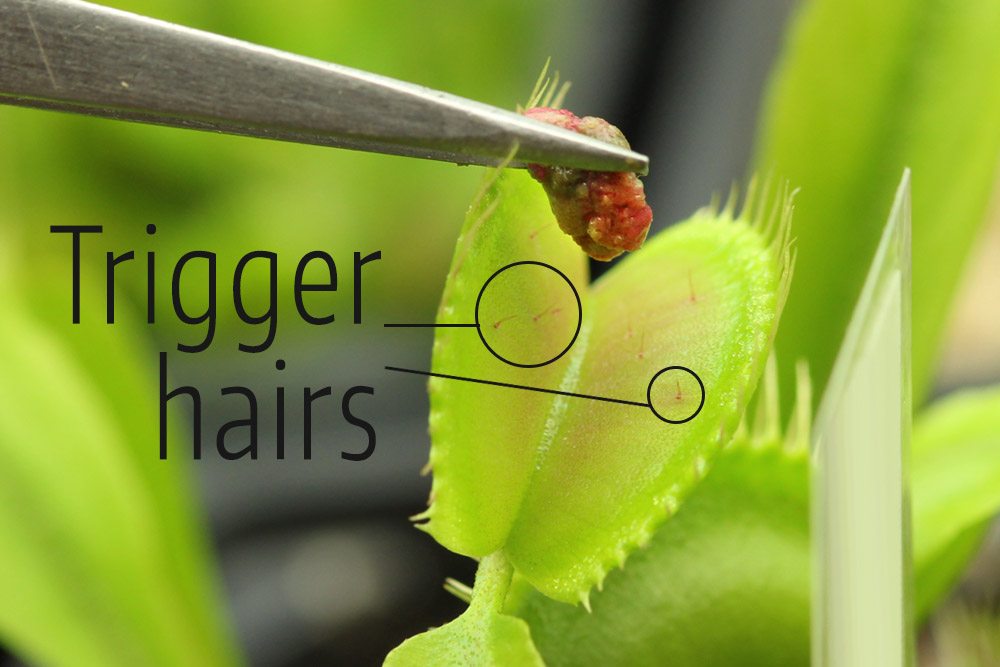
One quick note before you sprint off to adopt every carnivore you see: Venus flytraps are wonderful, but their care is different. Do not assume what works for Nepenthes will make a flytrap happy.
And if you make mistakes, welcome to the club. I have apologized to more than one fern in my lifetime. Plants are patient teachers, and pitcher plants are no exception.