
Pill Bugs in Garden Soil: Friend, Pest, or Both?

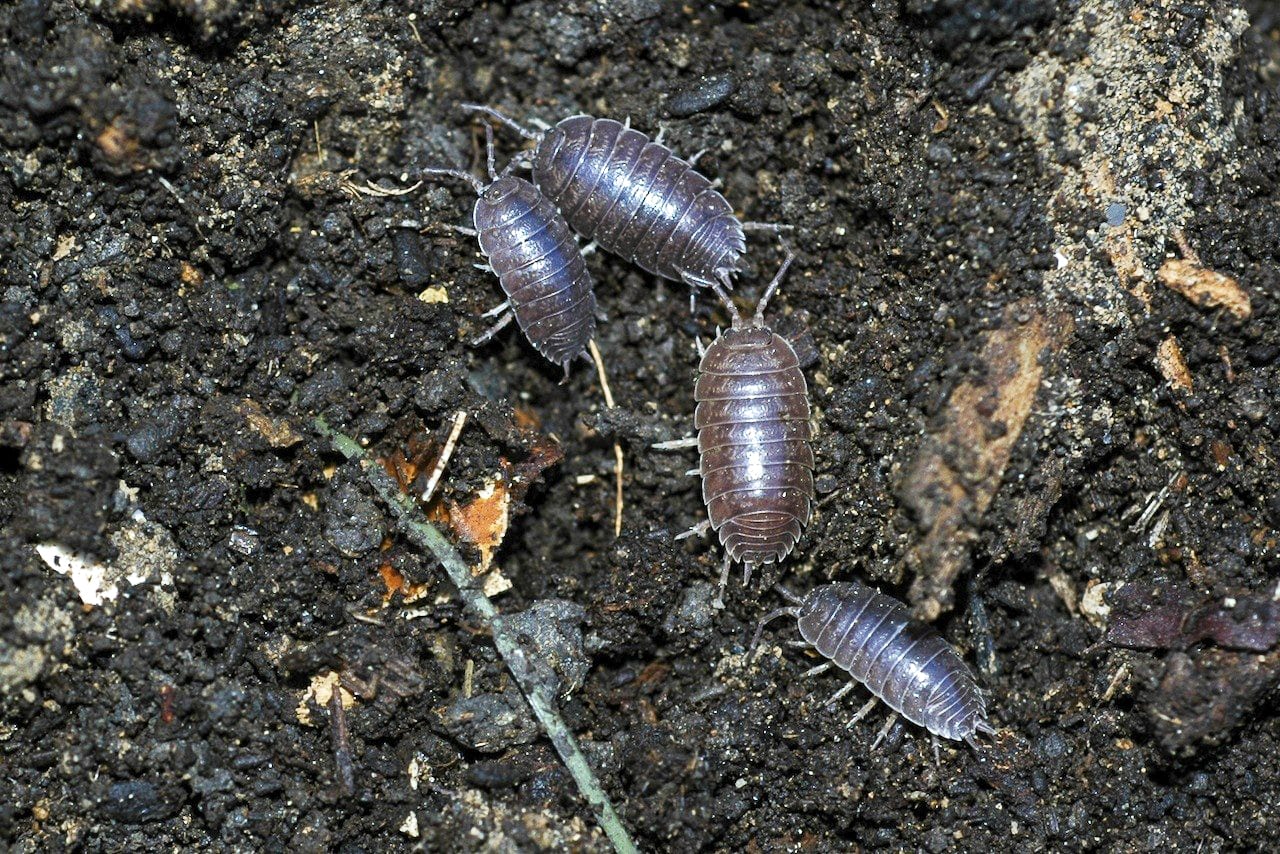
If you have ever lifted a damp board or a thick layer of mulch and found a cluster of tiny gray armored “roly polies,” you have met pill bugs. They are adorable in a quirky way, and in most gardens they are doing honest, quiet work. But every once in a while, especially in cool, wet beds and under heavy mulch, they can turn into the uninvited nibblers of seedlings, strawberries, and other tender tissue close to the soil surface.
So are pill bugs friends or pests? In a very gardener sort of way, they are both. Let’s sort out what they do best, when they cause problems, and how to manage them without turning your soil into a chemical war zone.

What pill bugs are, and why they show up
Pill bugs are often lumped in with insects, but they are actually terrestrial crustaceans (relatives of shrimp and crabs). Like their close cousins, sowbugs, they need humid conditions so their gill-like breathing surfaces do not dry out. That is why you find them where it is shaded and damp.
Pill bugs vs sowbugs
- Pill bugs roll into a tight ball when disturbed.
- Sowbugs do not roll fully into a ball (some can curl a bit) and usually have more visible rear appendages.
Both play similar roles in the garden, and both can occasionally cause similar plant damage. For practical purposes, you can manage them the same way.
Favorite hangouts
- Under boards, stones, pots, and garden fabric edges
- In thick mulch, especially if it stays wet
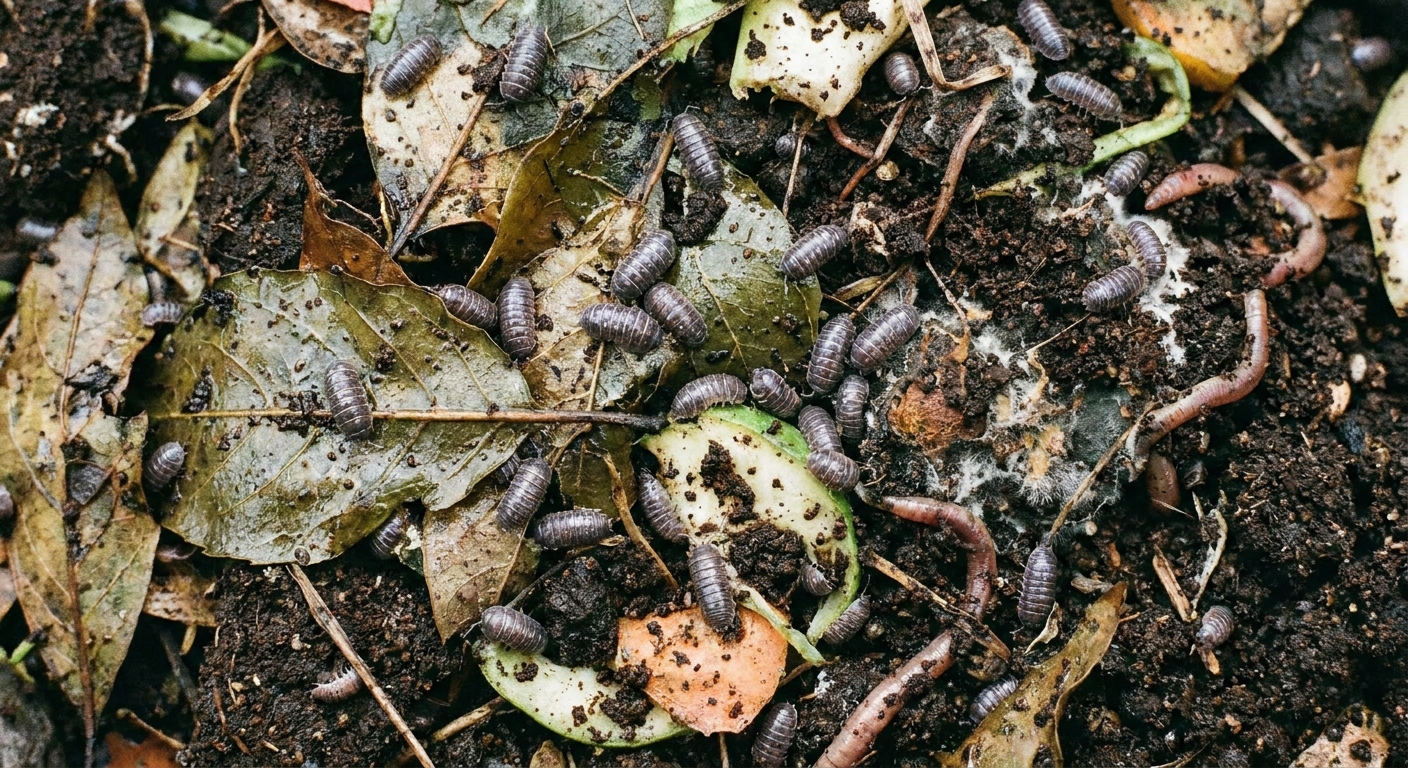
- In compost piles and leaf litter
- In very moist raised beds and heavily watered container plants
When pill bugs are helpers
Most of the time, pill bugs are part of your soil’s clean-up crew. They are detritivores, meaning they feed primarily on dead and decaying plant material. In doing so, they help:
- Break down organic matter into smaller pieces, speeding decomposition
- Support soil structure by contributing to the crumbly texture gardeners love
- Cycle nutrients so microbes and plants can use them
- Indicate healthy habitat with plenty of organic material
If you are seeing pill bugs in compost, under mulch, or around decaying leaves and you are not seeing plant damage, take it as a sign your garden is biologically active.
When pill bugs become a pest
Pill bugs do not usually prefer healthy living plants. But in certain conditions, especially when their population is high and moist shelter is abundant, they may chew soft, tender plant tissue near the soil line. This is most common on stressed seedlings and on fruit or leaves that sit against damp soil or mulch.
Common targets
- Seedlings, especially newly sprouted greens, beans, peas, and flowers
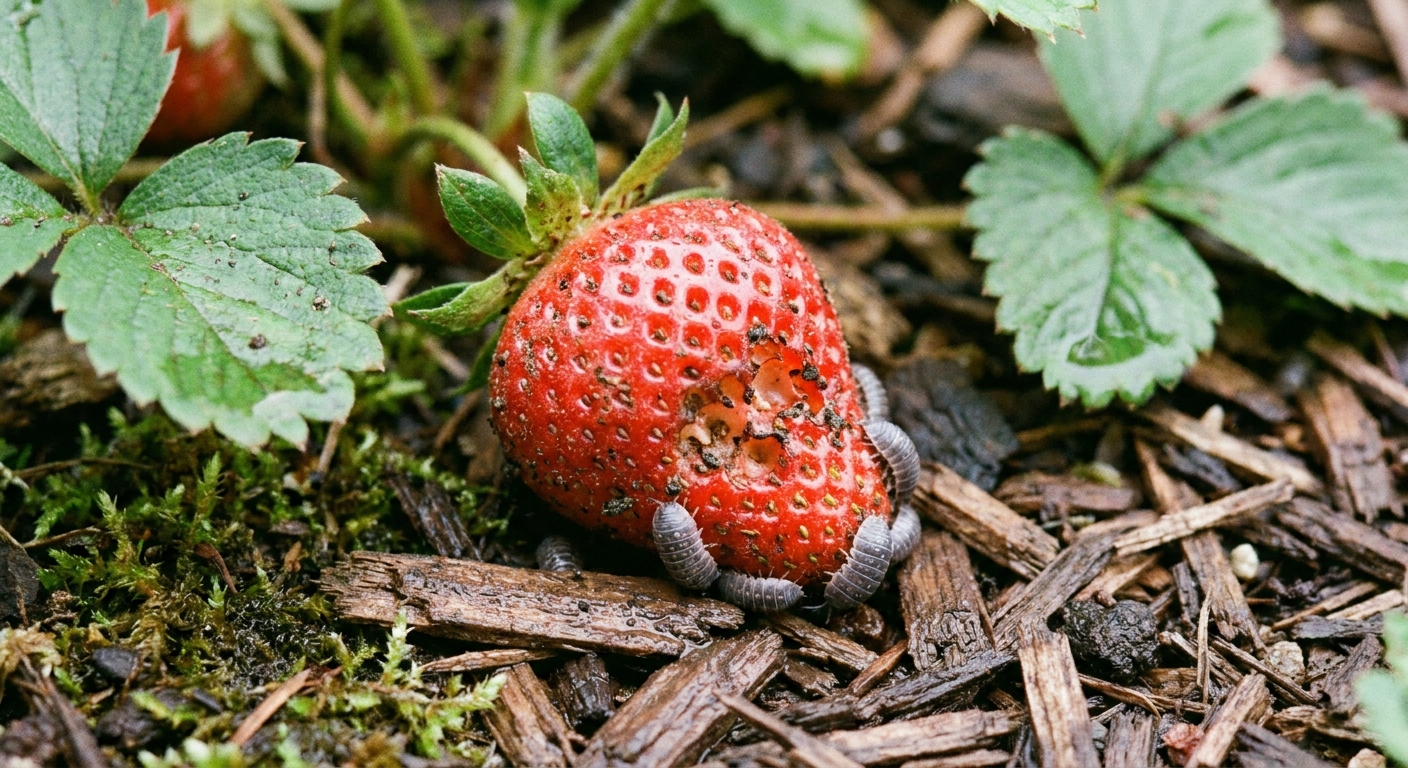
- Strawberries that rest on damp soil or mulch
- Low-hanging fruits and vegetables touching the ground
- Very tender stems of transplants under stress (root chewing can happen, but it is less common than seedling and fruit damage)
What pill bug damage looks like
- Shallow, irregular chewing on seed leaves or tender stems
- Girdling at the soil line on tiny seedlings
- Small, scooped-out pits on strawberries, often on the underside where fruit touches mulch or soil
- Damage that seems worse in cool, wet weather and in heavily mulched beds
Because pill bugs hide during the day, the damage can look “mysterious.” If you suspect them, check at dusk, after watering, or early in the morning. Gently lift mulch or a board near the affected plants and look for clusters.
Rule out look-alikes
If seedlings are disappearing overnight, do a quick reality check. Cutworms often clip seedlings cleanly at the base. Slugs and snails leave slime and ragged holes. Earwigs can shred tender leaves. A nighttime look with a flashlight will usually tell you who is actually at the buffet.
Why moisture management is the real secret
If I could give you one pill bug truth I have learned the muddy way, it is this: pill bug problems are usually moisture problems .
Pill bugs need humidity and protection. Gardens that stay wet at the surface, especially under thick mulch or in overwatered pots, create the perfect pill bug neighborhood. Then, if tender food is nearby, they sample it.
Moisture tweaks that help fast
- Water in the morning so the surface dries by evening.
- Avoid daily light watering. Instead, water deeply, then let the top inch dry slightly before the next watering.
- Pull mulch back 1 to 2 inches from seedling stems and transplant crowns.
- Thin very thick mulch if it stays soggy, especially in cool seasons.
- Improve drainage in heavy soils with compost and gentle aeration, not constant tilling.
Low-tox ways to control pill bugs
Pill bugs are tough little tanks, so control works best when you combine habitat changes with a few targeted tactics. These options keep things low-tox and soil-friendly.
1) Reduce hiding places near vulnerable plants
- Remove boards, bricks, and thick piles of wet leaves near seedling rows.
- Keep bed edges tidy, especially where weed fabric and mulch overlap.
- In containers, do not let saucers stay full of water.
2) Use simple traps, then remove
This is my favorite “gentle but effective” approach because it matches their behavior.
- Rolled damp newspaper: Place it near affected plants overnight. In the morning, shake pill bugs into a bucket of soapy water.
- Halved potato or melon rind: Place cut-side down on soil. Check early and remove pill bugs underneath.
- Wooden board trap: Lay a small board near the problem area. Lift daily and remove the cluster.
3) Protect seedlings with physical barriers
- Use collars made from paper cups (bottom removed) or short sections of cardboard around seedlings .
- Start seeds in trays and transplant when stems are sturdier.
- For direct sowing, consider floating row cover mainly as a physical barrier while seedlings establish. Just keep an eye on moisture, because row covers can hold humidity in and you do not want the bed staying soggy underneath.
4) Keep strawberries off the ground
Strawberries are the classic pill bug complaint because fruit sits right where pill bugs roam.
- Tuck fruit onto straw that stays relatively dry, not soggy mulch.
- Use strawberry rings or small supports to lift clusters.
- Harvest frequently so ripe fruit does not linger on damp soil.
5) Diatomaceous earth (use carefully)
Diatomaceous earth (food grade) can help as a short-term barrier. It works by clinging to their bodies and absorbing the waxy, protective outer layer, which can lead to dehydration. It is most effective when it stays dry, which is also why it is often less reliable in the exact damp conditions pill bugs love.
- Apply a thin, dry ring around vulnerable plants.
- Reapply after rain or watering because it stops working when wet.
- Avoid dusting flowers and pollinator pathways, and be aware it can affect other crawling insects too.
6) Baits: read the label closely
This is where people waste money. Regular iron phosphate baits are designed for slugs and snails . They are not a dependable pill bug control on their own, and many products do not list pill bugs or sowbugs on the label.
If you want to try a bait approach for pill bugs, look for products that are specifically labeled for sowbugs, pill bugs, or isopods. In some areas, that may mean a formula that combines iron phosphate with spinosad (for example, products marketed like “Sluggo Plus”). Still, use baits as a backup, not Plan A. Moisture and habitat changes do the heavy lifting.
7) What I avoid for pill bugs
- Broad-spectrum insecticides on soil: they tend to harm beneficials and do not solve the moisture and habitat issue.
- Salt: it damages soil and plants.
- Over-tilling: it disrupts soil life and can make beds crusty and less resilient.
A note on natural predators
Ground beetles, toads, birds, and other garden helpers will snack on pill bugs. The more you protect that whole food web, the less likely a single critter is to take over your beds.
Indoor pots and the crossover problem
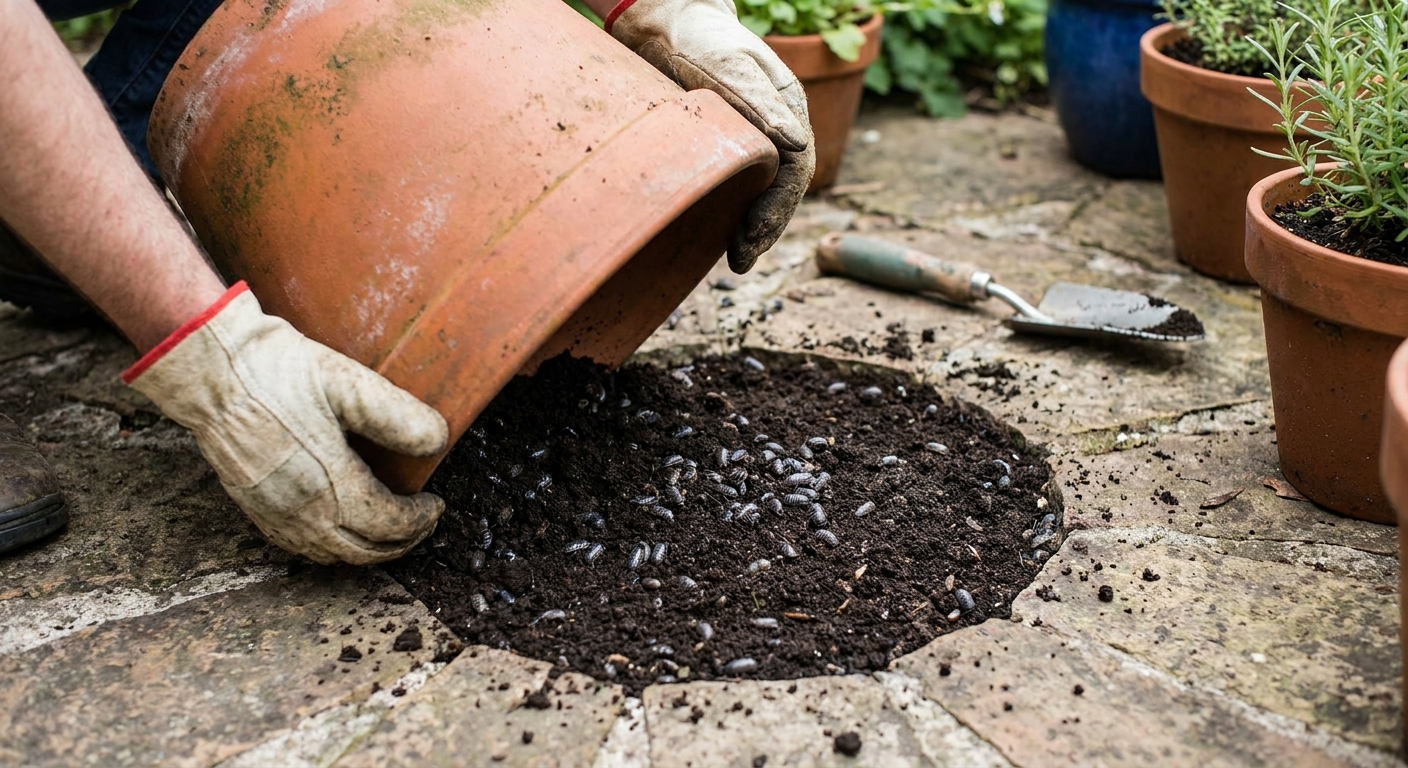
Sometimes pill bugs start outside and end up indoors, especially when pots sit on patios, porches, or directly on soil. They can tuck into drainage holes or hide under pot rims and saucers. A few indoors are often just accidental hitchhikers, but a chronically wet pot can turn into a real hangout.
Signs pill bugs are living in a houseplant pot
- You see them when you lift the pot or remove the saucer.
- The potting mix stays wet for days.
- Seedlings or tiny starts in the pot get nibbled at the base.
Houseplant fixes
- Let the top 1 to 2 inches of mix dry before watering again, if the plant allows.
- Empty saucers promptly and improve airflow around pots.
- Remove hiding spots: decaying leaves on the soil surface are a snack buffet.
- Set simple traps near the pot at night (a damp paper towel works surprisingly well), then discard.
- If the pot is chronically soggy, consider repotting into a chunkier, better-draining mix.
Should you get rid of them completely?
Usually, no. In a balanced garden, pill bugs are part of the decomposer team that keeps soil fed and fluffy. The goal is not total elimination. The goal is preventing the conditions that push them from compost helpers to seedling snackers.
A quick friend or pest checklist
- Friend: You see them mostly in mulch and leaf litter, plants look fine, and damage is minimal or absent.
- Both: You see them clustered near tender plants in wet zones, with occasional nibbling.
- Pest: Seedlings are disappearing, strawberries are pitted, and the soil surface stays consistently damp with lots of hiding spots.
My gentle plan for problem beds
If you want a simple order of operations, here is the approach I use in my own beds.
- Pull mulch back from stems and thin overly thick mulch.
- Adjust watering to mornings and reduce constant surface moisture.
- Set traps for 5 to 7 days to knock the population down fast.
- Protect seedlings with collars until they toughen up.
- Elevate strawberries and harvest frequently.
Give it a week. You will usually see a noticeable improvement once the habitat stops feeling like a pill bug spa.
FAQ
Do pill bugs bite people or pets?
No. They do not bite people, and they are not dangerous to pets in typical garden encounters.
Are pill bugs a sign of bad soil?
Not necessarily. They often show up in soils with plenty of organic matter and moisture. If you have problems, it is more often a sign the surface is staying too wet or there is too much cozy cover near vulnerable plants.
Will pill bugs eat plant roots?
They mainly eat decaying material. They can chew very tender stems (and occasionally very tender roots) on stressed young plants, especially when the soil surface is consistently damp and other food sources are limited. In most gardens, the bigger issues are seedlings and fruit touching wet soil.
Can I just leave them alone?
Yes, if plants are not being damaged. If seedlings or strawberries are getting chewed, use habitat reduction plus trapping. It is effective and keeps your soil ecosystem intact.